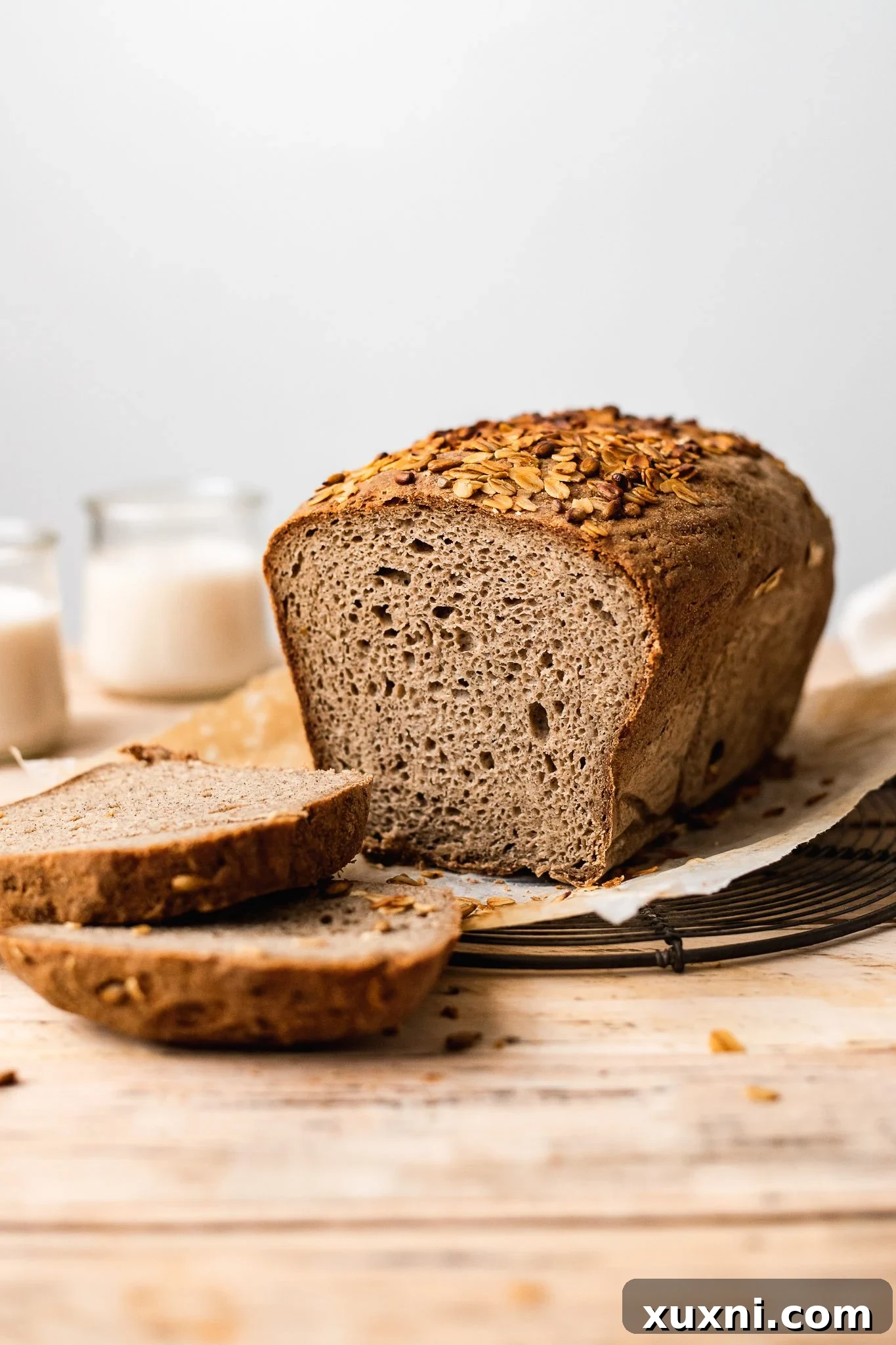
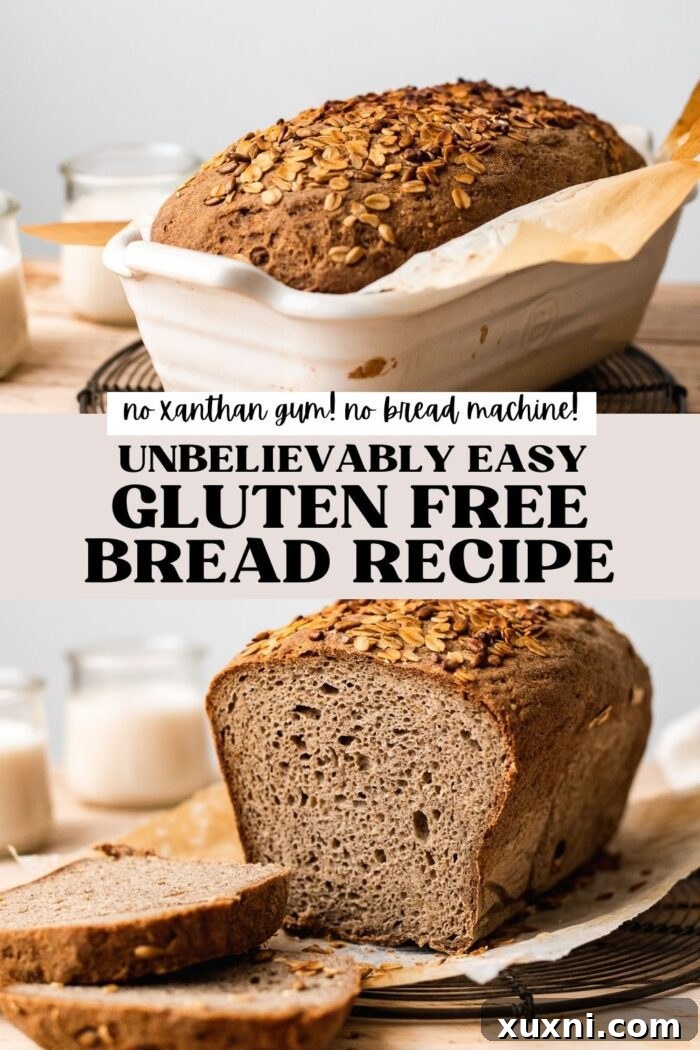
Discover the ultimate recipe for homemade gluten-free bread that defies expectations! This incredible gluten-free sandwich bread is not only incredibly easy to make (no bread machine required!) but also completely free of xanthan gum, yet boasts the classic soft, squishy texture and rich flavor of traditional sandwich bread. Perfect for crafting delicious sandwiches, making golden toast, or whipping up decadent gluten-free French toast, this recipe is a game-changer for anyone seeking truly exceptional gluten-free baking.
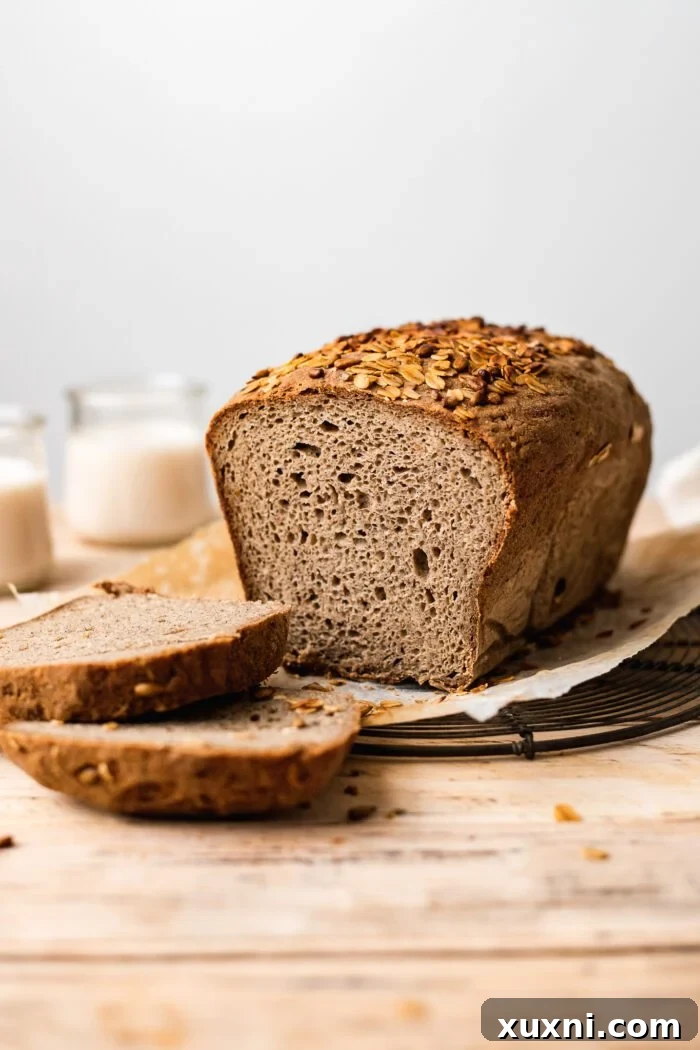
If you’re a fan of artisanal gluten-free baking, you’ll also adore my gluten-free vegan focaccia bread and my simple gluten-free artisan loaf! These recipes complement our mission to bring incredible, accessible gluten-free options to your kitchen.
Why This Gluten-Free Sandwich Bread Recipe Will Revolutionize Your Baking
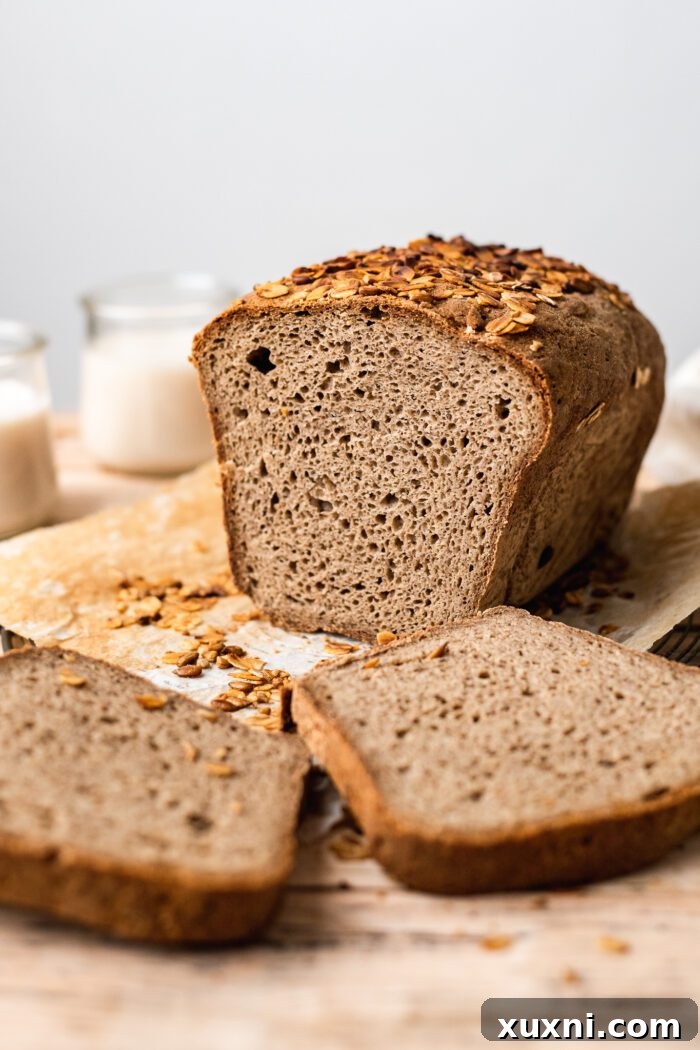
Prepare to be amazed by a gluten-free bread recipe that will redefine your expectations. Stop what you’re doing and get ready to bake the most incredible gluten-free sandwich bread you’ve ever tasted. This isn’t just another gluten-free loaf; it’s THE ultimate choice for a homemade sandwich bread, featuring an impeccable open crumb, a wonderfully soft and squishy interior, and a delightful stretchy texture that mimics its gluten-containing counterparts, all while being naturally gluten-free.
Here’s why this stands out as the best gluten-free bread recipe:
- Unbelievably Easy to Master: Forget complicated techniques or specialized equipment. This recipe is designed to be incredibly straightforward, requiring NO bread machine. You can effortlessly prepare this delicious gluten-free bread even by hand, making it perfect for both novice and experienced bakers alike.
- A Texture That Truly Impresses: Bid farewell to grainy, crumbly, or overly sweet gluten-free breads. This loaf boasts an absolutely perfect texture: it’s devoid of any grittiness, offers a neutral and authentic bread flavor (a relief for many gluten-free eaters!), and features the most inviting open crumb. It’s wonderfully soft and squishy, with a satisfying pull and stretch that feels just like traditional bread.
- Remarkably Fast Dough Preparation: Unlike many gluten-free bread recipes that demand extensive proofing, this dough comes together quickly and rises efficiently. There’s no need for overnight proofing, meaning you can enjoy fresh, warm bread sooner than you might expect.
- Handles Like Traditional Dough: You’ll be astonished by how closely this gluten-free dough resembles its conventional counterpart. It’s a true pleasure to work with, behaving like regular sandwich bread dough, making the baking process smooth and enjoyable. You’d truly never guess it’s gluten-free!
- Completely Free From Common Allergens: This recipe is a triumph in allergy-friendly baking. It contains NO xanthan gum, NO rice flour, and NO corn starch. Furthermore, it’s naturally dairy-free, egg-free, and nut-free, making it an excellent vegan option suitable for a wide range of dietary needs and sensitivities.
- Incredibly Versatile for Any Meal: This gluten-free bread is perfect for a myriad of culinary uses. Enjoy it as the base for your favorite sandwiches, transform it into mouthwatering vegan French toast or a cozy French toast casserole, toast it to golden perfection, or even create delectable garlic bread. The possibilities are endless!
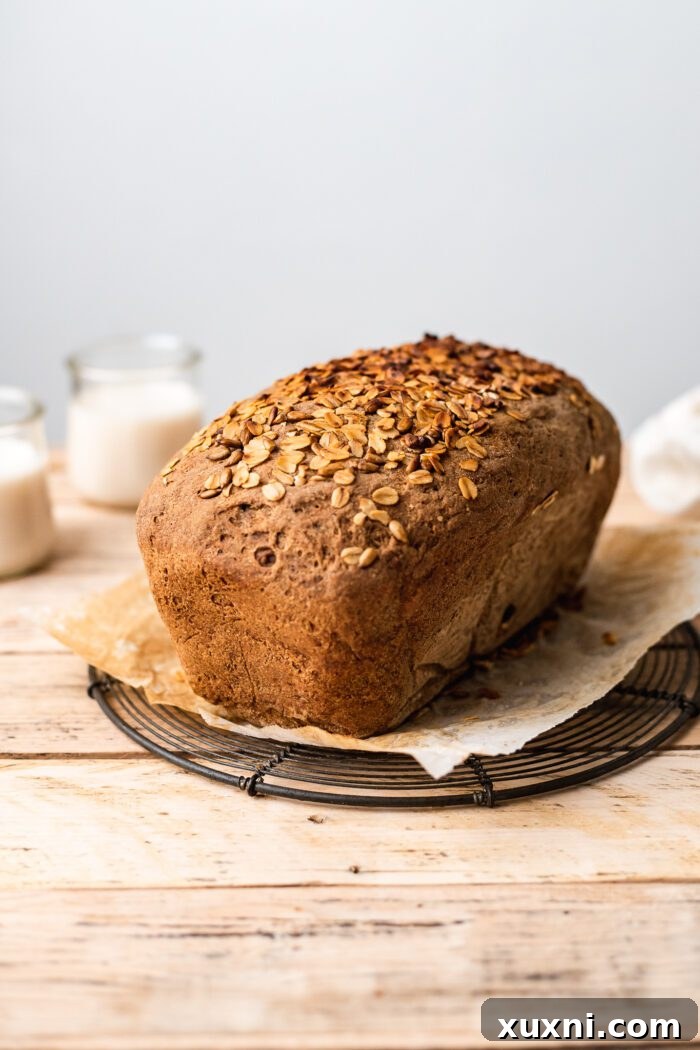
Even those accustomed to traditional bread will fall in love with this gluten-free vegan bread. It quickly became my absolute favorite gluten-free recipe to bake. Serve it warm with a generous pat of vegan cream cheese, and experience pure bliss. Its simplicity means you’ll want to bake it weekly, finally bringing a gluten-free bread that truly everyone will adore!
Essential Gluten-Free Bread Ingredients & Thoughtful Substitutions
The success of this extraordinary gluten-free bread lies in its carefully selected ingredient blend. Each component plays a vital role in achieving the perfect texture, flavor, and rise without relying on gluten or xanthan gum. Let’s delve into the specifics:
Millet Flour: Millet flour is truly a star in gluten-free baking. Its naturally high protein content is crucial for yielding a wonderfully tall and fluffy gluten-free sandwich bread, offering structural integrity that’s often challenging to achieve in gluten-free recipes. This is precisely why I prioritize millet flour (and sorghum flour as a close second) in my gluten-free bread creations. If millet flour is unavailable, high-quality sorghum flour makes an excellent substitute, though millet remains my top recommendation for optimal results.
Tapioca Flour: Also widely known as tapioca starch (Bob’s Red Mill, for instance, labels them interchangeably), this ingredient is indispensable for imparting a delightful soft and chewy texture to our gluten-free bread. It’s truly amazing how it transforms the crumb! Should you be unable to find tapioca flour, arrowroot starch can be used as an alternative, but for the very best, softest texture, tapioca is unbeatable.
Buckwheat Flour: Beyond contributing to the structural stability of our gluten-free sandwich bread, buckwheat flour introduces a nuanced depth of flavor. It naturally possesses a slightly “nutty” profile, even though it contains no actual nuts, which helps create a hearty, rustic taste reminiscent of traditional artisan breads. For those who prefer a milder flavor or do not have buckwheat flour, an equal amount of additional millet or sorghum flour can be substituted, which is particularly excellent if you plan to use the bread for vegan French toast.
Psyllium Husk Powder: As we are committed to making this recipe entirely free of xanthan gum, psyllium husk powder steps in as our critical binder and elasticity enhancer. When mixed with water, psyllium husk creates a gel-like consistency that wonderfully mimics the stretch and pull traditionally provided by gluten strands in wheat-based bread. This fiber-rich ingredient is paramount for achieving that desirable chewy, pliable texture. I strongly advise using the finely ground powder form (as I’ve always done) rather than the coarser husk, as the powder integrates more smoothly and consistently into the dough to form the essential psyllium husk gel. Learn more about psyllium husk benefits.
Instant Dry Yeast: For the most efficient and reliable rise, I wholeheartedly recommend using instant dry yeast over active dry yeast. Instant yeast activates much faster, significantly speeding up the proofing process for your gluten-free dough. This not only allows you to bake your bread more quickly but also provides immediate confirmation that your yeast is active and compatible with the gluten-free flour blend, preventing any wasted ingredients or effort.
Salt: A fundamental ingredient in all baking, salt or sea salt is essential here not just for seasoning, but for enhancing the overall flavor profile of the bread and moderating yeast activity, contributing to a balanced rise and taste.
Maple Syrup: This acts as a natural sweetener and provides necessary fuel for the yeast, encouraging a robust rise and contributing to the bread’s beautiful golden crust. If you prefer, granulated sugar or coconut sugar can be used as alternatives. The key is to ensure that the sugar is completely dissolved into the warm water before combining with the dry ingredients, or thoroughly whisk it into the dry ingredients if using a granulated option.
Water: Simplicity is key! There’s no need for dairy-free or non-dairy milk in this recipe. Plain water is all you need to hydrate the dough and activate the yeast, making this bread even more accessible and allergen-friendly.
Apple Cider Vinegar: A secret weapon in gluten-free baking, a touch of apple cider vinegar helps to create and maintain strong air bubbles within the dough as it bakes. This contributes significantly to the classic, airy sandwich bread structure and light crumb you desire.
Olive Oil: A small amount of olive oil adds a subtle richness and wonderful flavor to the bread, while also playing a vital role in softening the crumb and ensuring a moist, tender interior. This healthy fat enhances both the taste and texture of your homemade gluten-free sandwich bread.
Pro Tip: The Importance of Accurate Gluten-Free Flour Measurement
In the world of baking, precision is paramount, and it becomes even more critical when working with gluten-free flours. To ensure consistent and optimal results every single time you bake this magnificent gluten-free bread, I cannot stress enough the importance of using a kitchen scale to measure your ingredients, especially the flours.
While I have provided traditional US cup measurements in the recipe card, it’s essential to understand that volumetric measurements, even when meticulously performed using the “spoon and level” method, are simply not as accurate as weighing your ingredients. Flours can vary significantly in density depending on how they are packed into a cup, leading to inconsistencies in your dough. A kitchen scale eliminates this variability, guaranteeing you use the exact amount of each flour, which is fundamental for the delicate balance required in gluten-free baking.
Investing in a kitchen scale is a small step that yields monumental improvements in your baking consistency. You can find reliable kitchen scales on Amazon for as little as $10. I personally used an affordable model for many years before upgrading to my OXO kitchen scale (around $40). This versatile tool will become indispensable for all your baking endeavors, not to mention it saves you from washing numerous measuring cups!
Step-by-Step Overview: Crafting Your Perfect Gluten-Free Sandwich Bread
While the detailed recipe instructions are conveniently located in the recipe card below, here’s a comprehensive overview of the key steps, accompanied by helpful photos, to guide you through making this incredibly simple and quick gluten-free loaf. Mastering each stage will ensure a perfect bake:
- Combine Dry Ingredients: Begin by thoroughly whisking all the dry ingredients together in a large bowl. This includes your specific gluten-free flours, salt, psyllium husk powder, and instant yeast, ensuring they are evenly distributed.
- Form the Dough: Gradually add the wet ingredients to your dry mixture. You can use a stand mixer fitted with a dough hook attachment (avoiding the paddle attachment, which is too aggressive) or mix vigorously by hand with a sturdy wooden spoon in a large bowl. Mix for approximately 5-7 minutes in a stand mixer, or about 10 minutes if mixing by hand, until a slightly tacky but cohesive dough forms. The psyllium husk will activate and thicken the dough as it mixes.
- First Proof (Bulk Fermentation): This crucial stage, known as bulk fermentation, allows the dough to develop flavor and rise. Place the dough in a greased bowl, cover it, and let it proof in a warm environment until it has visibly doubled in size.
- Shape and Second Proof: Once the dough has completed its initial rise, gently transfer it to a lightly floured surface. Carefully shape the dough into a uniform loaf, approximately 9 inches long, and place it into your prepared loaf pan. Cover it again and allow it to rise for a second time while your oven preheats.
- Optional Toppings: For an added touch of flavor and visual appeal, you can adorn your gluten-free sandwich bread with toppings. Simply brush the risen loaf with a mixture of maple syrup and dairy-free milk (serving as a vegan “egg wash”), then generously sprinkle your chosen toppings over the top.
- Bake with Steam: This step requires swift and careful execution to achieve a beautifully crusty exterior. Position a square baking pan on the lowest oven rack and your loaf pan on the middle rack. Preheat your oven to a high temperature. Once hot, quickly (and very carefully!) pour boiling water into the square baking pan on the lower rack to create a steam bath. Immediately close the oven door to trap the steam, which is essential for developing a rich, crispy crust, then allow the bread to bake as instructed.
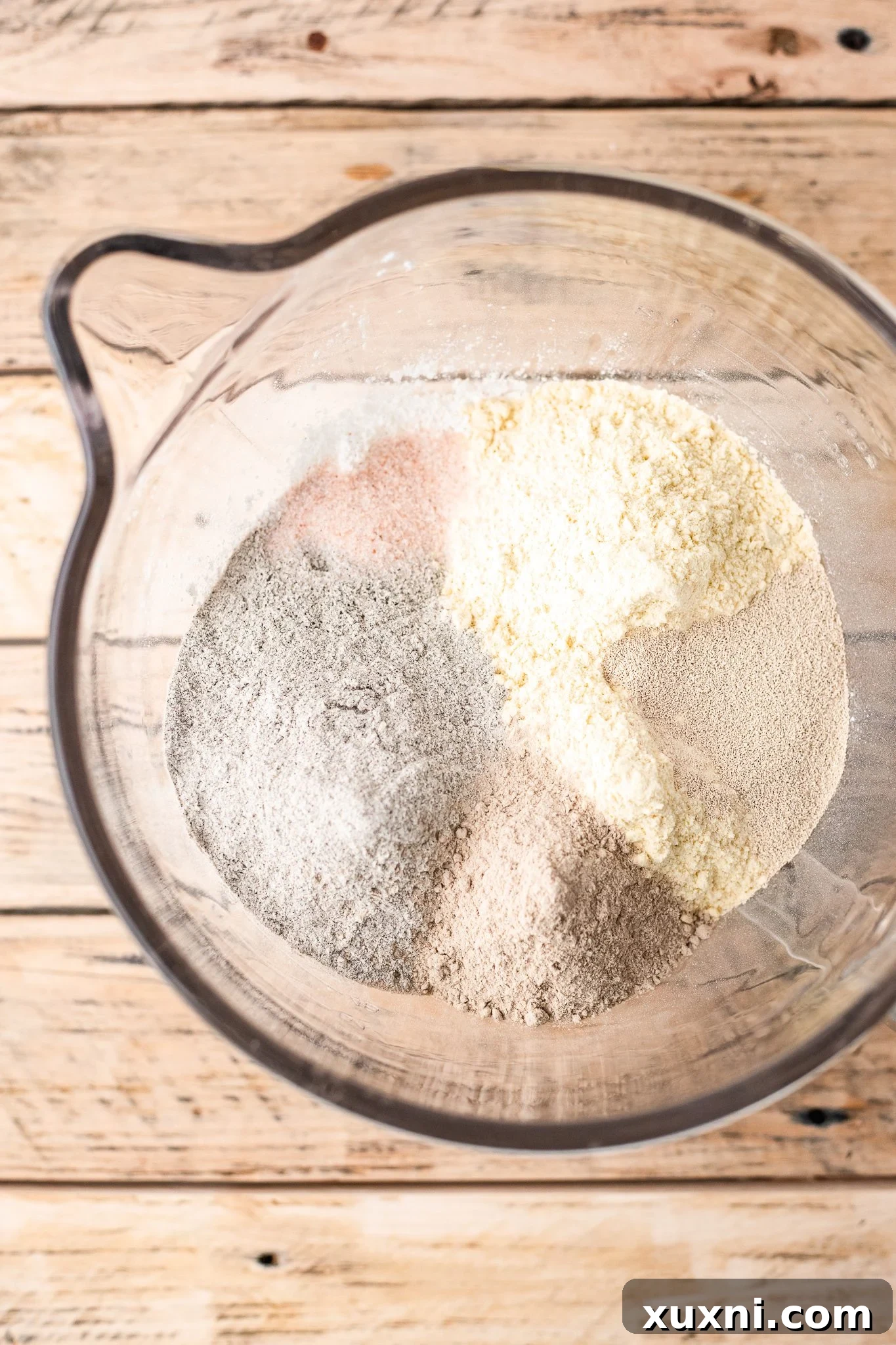
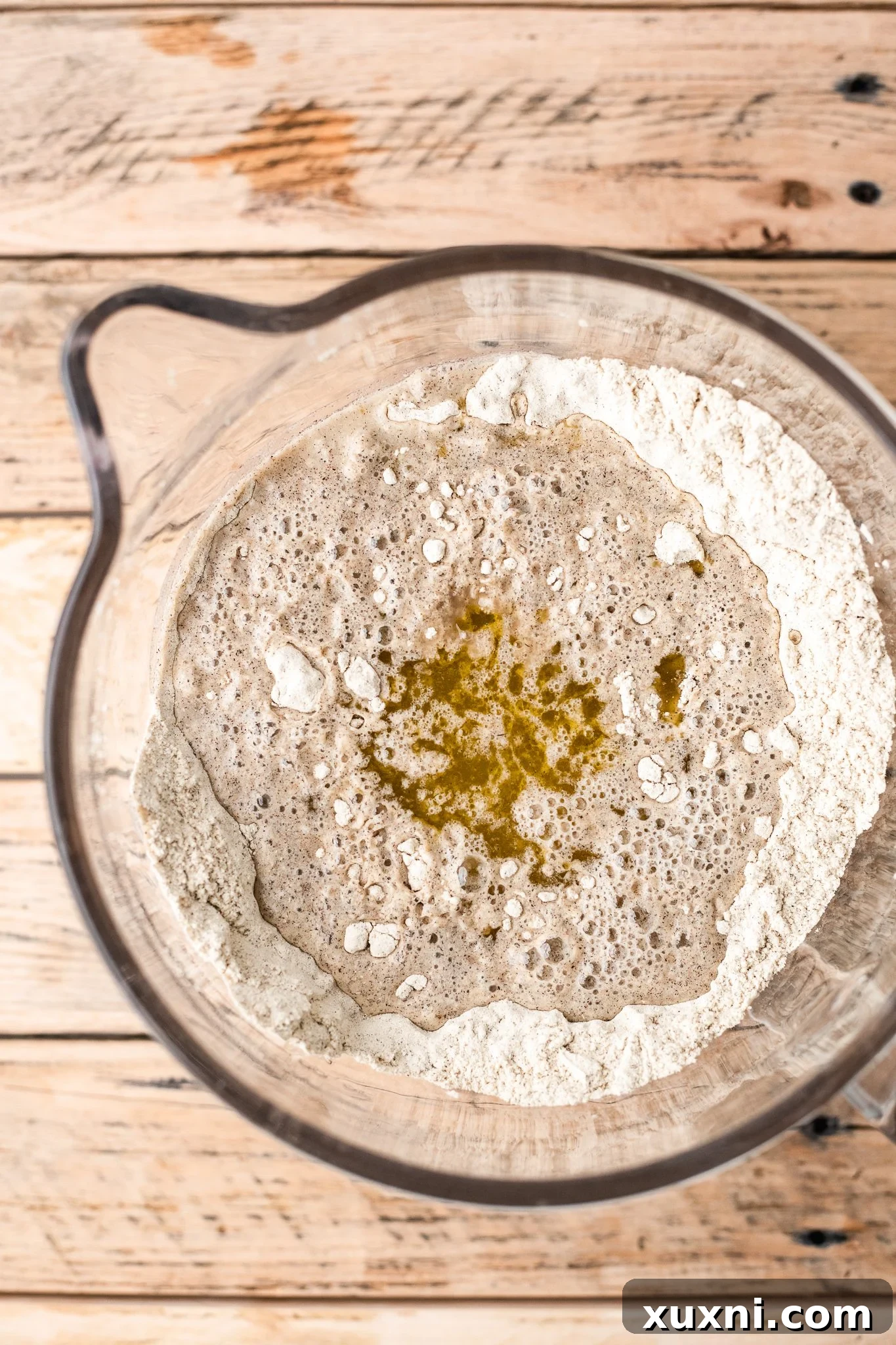
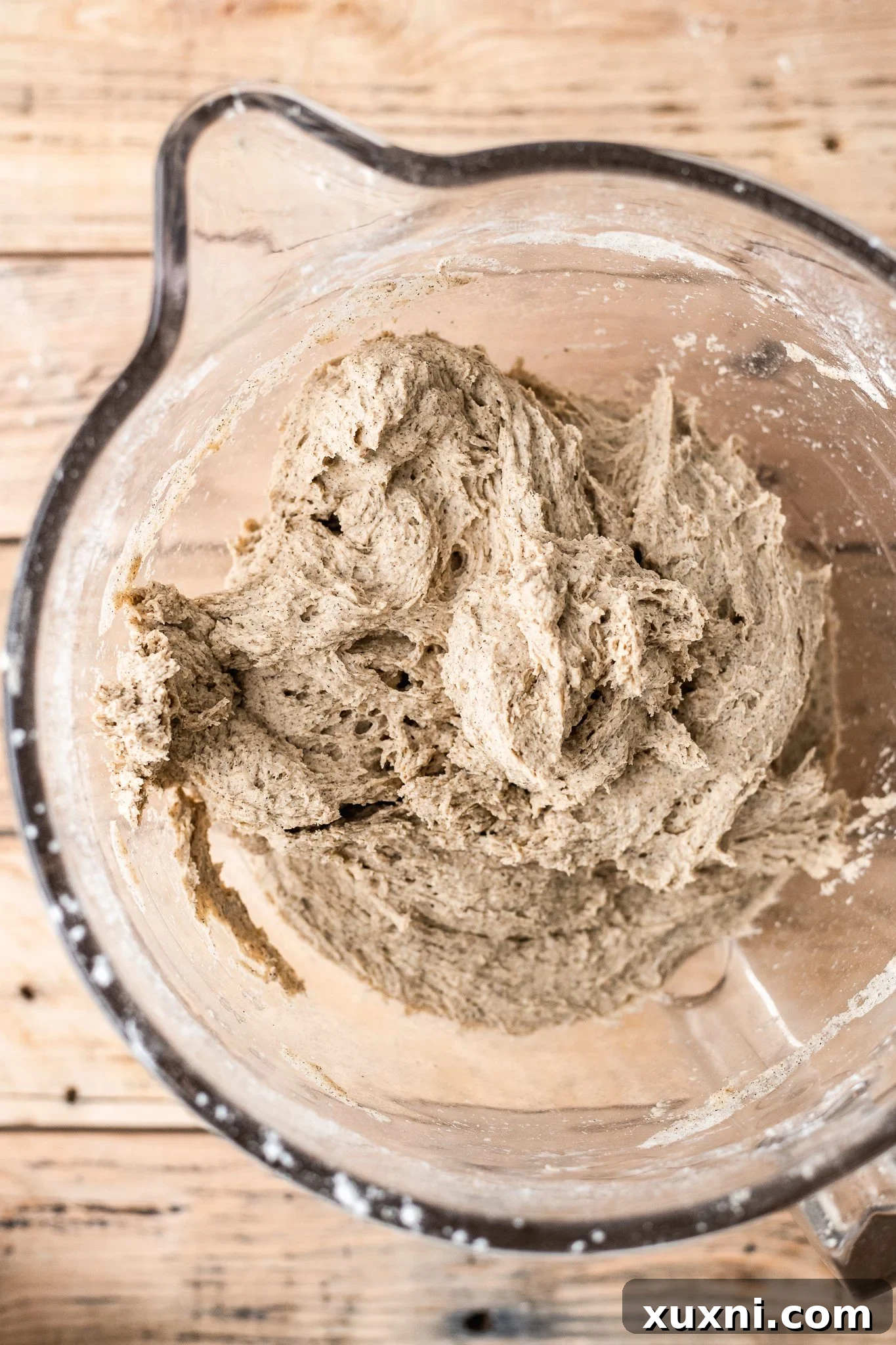
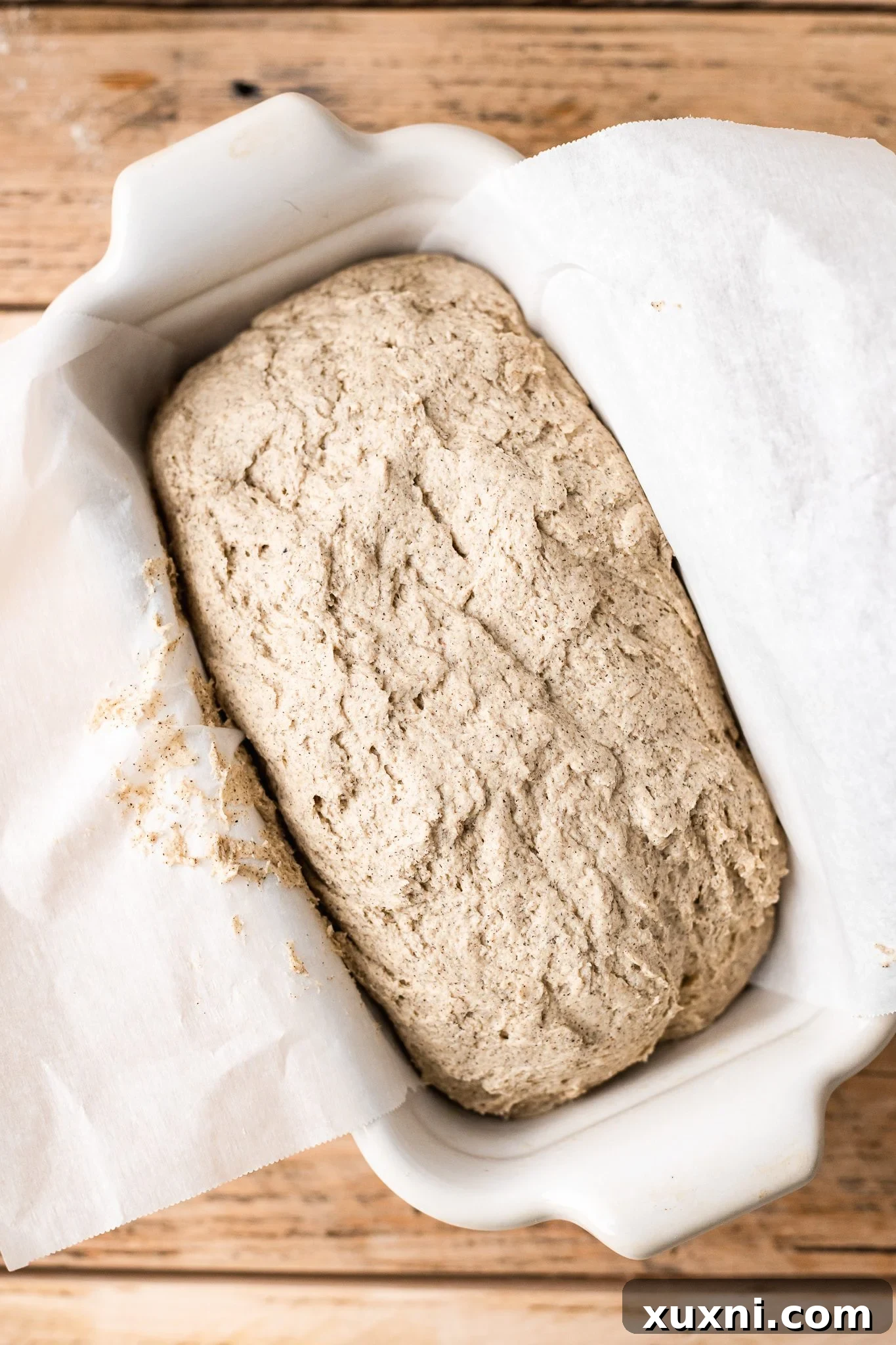
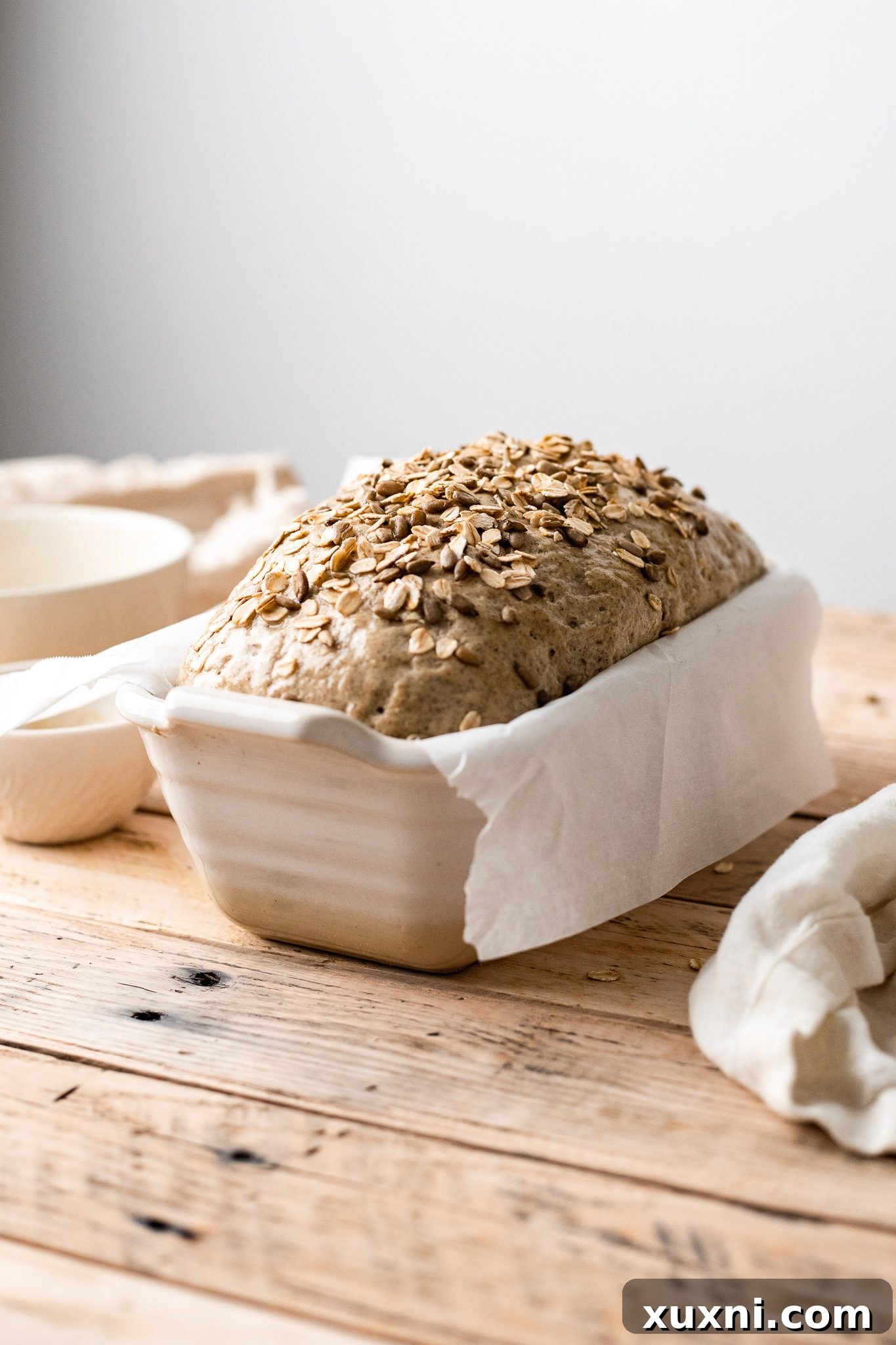
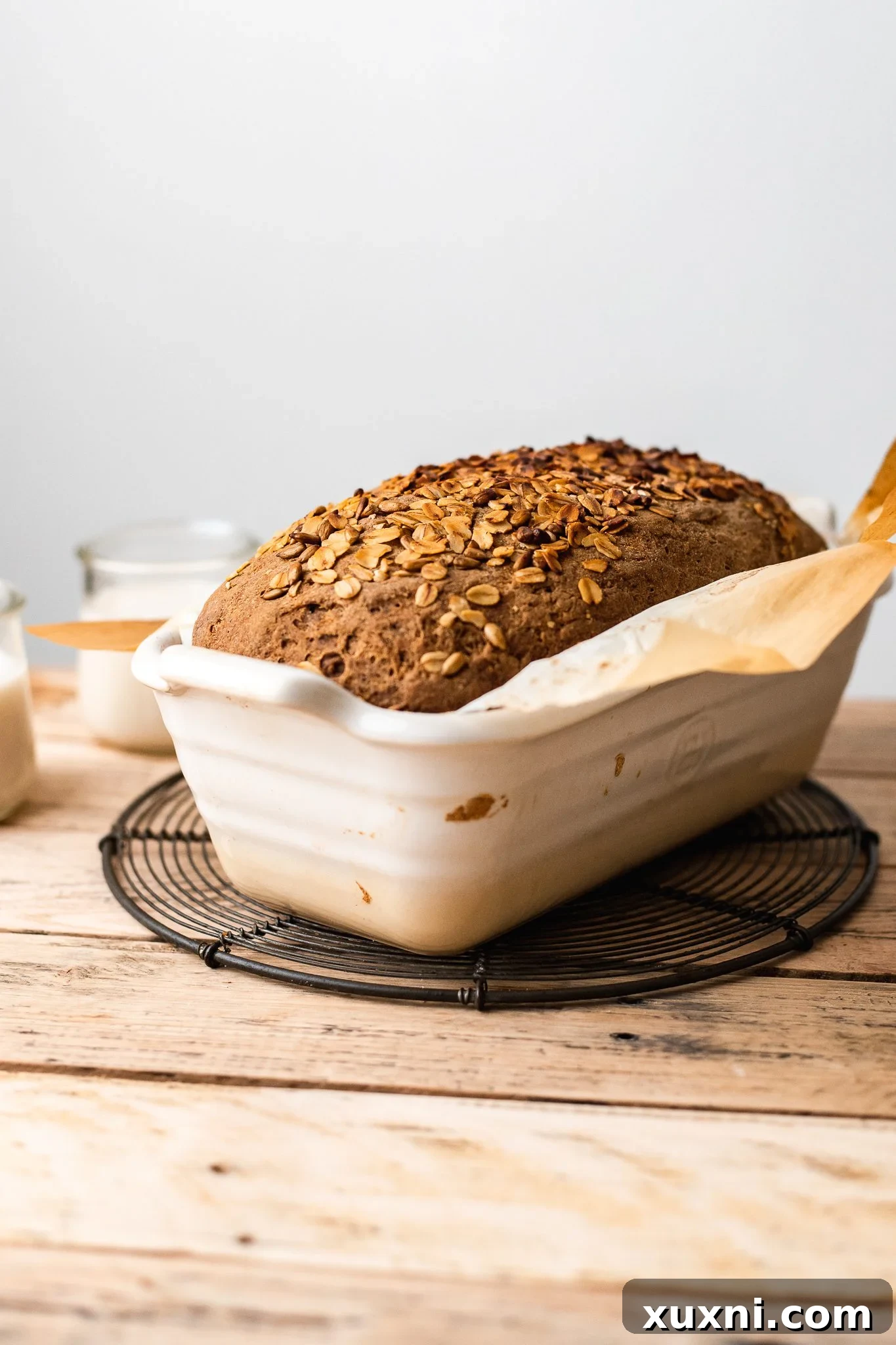
An Important Safety Note: When working with an oven preheated to such high temperatures, it is crucial to exercise extreme caution. Upon opening the oven door, a sudden rush of intensely hot air or steam may escape. It is absolutely imperative that you avoid facing directly into the oven door opening to protect your eyes and face from potential burns. Please open the oven door slowly and carefully, stepping back or looking away as much as possible to ensure your safety. Your well-being is paramount!
Once your gluten-free sandwich bread has finished baking to perfection, resist the urge to slice into it immediately! Allowing it to cool completely before cutting is essential for achieving the ideal texture and preventing a gummy interior.
Expert Tips for Flawless Gluten-Free Bread Baking
Achieving consistently fantastic results with gluten-free bread can be tricky, but with these pro tips, you’ll master it in no time. Follow these guidelines to ensure every loaf of your homemade gluten-free sandwich bread turns out perfect:
- Precision with a Kitchen Scale: As emphasized previously, utilizing a kitchen scale to accurately weigh your ingredients is the single most important tip for gluten-free baking. This method guarantees exact measurements, which is critical for the delicate balance of gluten-free flours and ensures repeatable, successful outcomes for your bread dough.
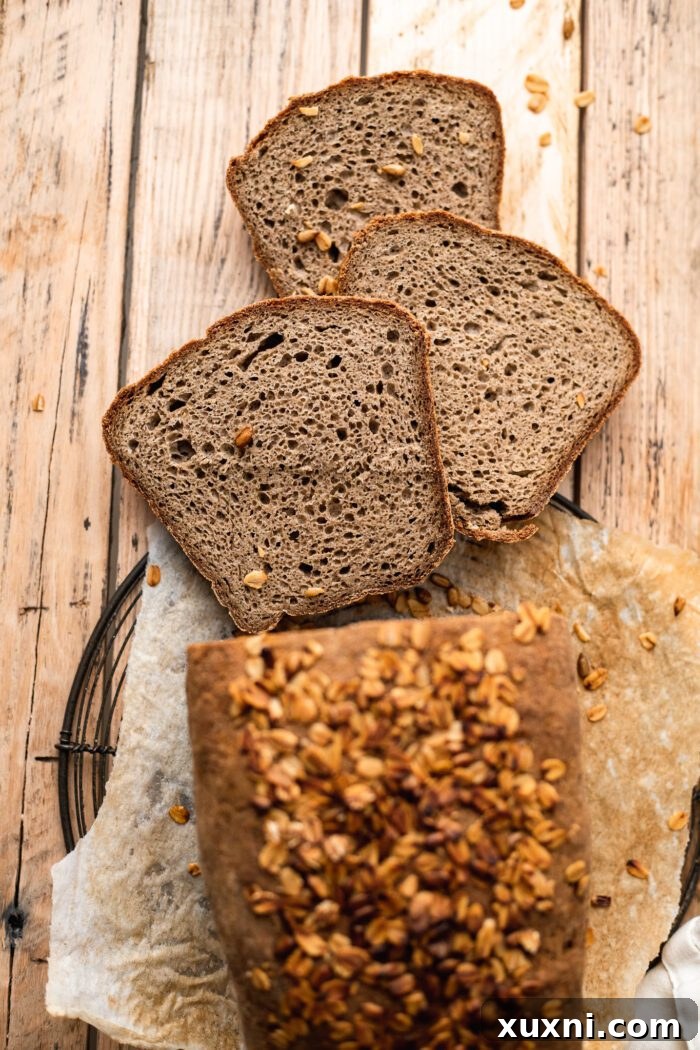
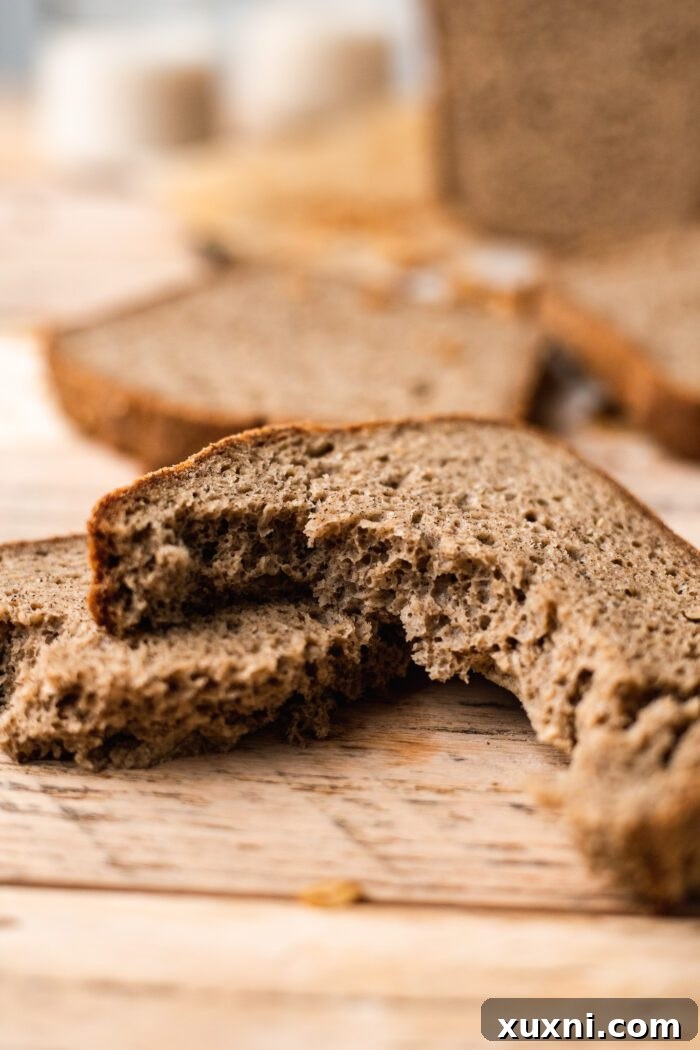
- Allow for Complete Cooling Before Slicing: This step cannot be overstated. It is SUPER important to let your freshly baked sandwich bread cool fully before attempting to slice it. I recommend allowing the bread to cool in its pan for at least 1 hour, or even longer if needed. Slicing warm gluten-free bread will inevitably result in a gummy, dense texture, as the internal structure needs time to set. Patience here truly pays off!
- Optimal Proofing Temperature (at least 85°F): Yeast thrives in warmth. Creating an ideal proofing environment of at least 85°F (around 30°C) will significantly accelerate and improve the dough’s rise. Consider placing your covered dough in a warm spot, such as outdoors on a sunny day (if warm enough), or inside your oven with the oven turned OFF but the oven light ON. The gentle warmth from the light creates a perfect microclimate for yeast activity, leading to a much quicker and more robust rise.
- Bake on the Middle Oven Rack: For even baking and to prevent any scorching, always position your loaf pan on the middle rack of the oven. Baking on a higher rack risks burning the top crust prematurely, while a lower rack can lead to an underbaked base. The middle position ensures balanced heat distribution for a perfectly cooked loaf.
- Do Not Skip the Steam Bath! This is a crucial technique for developing a beautiful, tough, and wonderfully crusty top on your sandwich bread. The steam created by pouring boiling water into a hot pan in the oven helps to keep the bread’s exterior pliable initially, allowing for maximum oven spring before setting into a crisp crust. Omitting this step will result in a less desirable, softer crust.
- Employ a Serrated Knife for Slicing: Once your bread has cooled completely, use a sharp serrated knife to slice it. The saw-like edge of a serrated knife glides through the crust and soft interior without tearing or compressing the delicate gluten-free crumb, making for clean, even slices.
- Customize with Your Favorite Toppings: Feel free to get creative with your gluten-free sandwich bread! After brushing with the vegan “egg wash,” a sprinkle of toppings like rolled oats, chia seeds, poppy seeds, sunflower seeds, or pumpkin seeds can add delightful texture, flavor, and visual appeal. A mix of several seeds also works wonderfully.
- Strictly Adhere to Recommended Flour Swaps: The unique balance of flours in this recipe has been meticulously tested to achieve its exceptional results. Please refrain from substituting any flours not explicitly recommended in the “Ingredients & Substitutions” section. While you might be tempted, using alternative flours like almond flour or generic gluten-free flour blends will not yield the same outcome, as this recipe has not been formulated for them. Unexpected changes in texture, density, and rise are highly likely.
Recommended Products for Superior Gluten-Free Bread Baking
To ensure you achieve the best possible results with this gluten-free bread recipe, using high-quality ingredients and reliable tools makes a significant difference. Here are my top recommendations for products that I’ve personally tested and trust:
For Flours: I consistently recommend either Arrowhead Mills or Bob’s Red Mill brands for your millet, tapioca, and buckwheat flours. I have rigorously tested this gluten-free bread recipe using flours from both brands, as well as various combinations of the two, always with excellent and consistent success. Their quality and consistency are ideal for gluten-free baking.
For Psyllium Husk Powder: My go-to brand for psyllium husk powder is Kate Naturals Organic Psyllium Husk Powder. Its fine grind and reliable performance are essential for creating the perfect binding gel in this xanthan gum-free recipe, ensuring your bread has that desirable stretch and structure.
For Olive Oil: For a truly exceptional flavor that elevates the entire loaf, I highly recommend Jovial Foods organic extra virgin olive oil. Its rich, nuanced taste is wonderfully infused into the bread, adding a depth that standard olive oils often miss. A little healthy fat not only adds flavor but also contributes to a softer, more tender texture.
Pro Tip: Optimal Storage for Your Fresh Gluten-Free Bread
Once you’ve baked, perfectly cooled, and sliced your delicious gluten-free sandwich bread, proper storage is key to maintaining its freshness and texture for future enjoyment. Gluten-free breads can dry out more quickly than their wheat-based counterparts, so a thoughtful storage approach is beneficial.
For immediate use, tightly wrap the entire loaf or individual slices in plastic wrap. While I understand concerns about single-use plastic, this method genuinely helps to preserve the gluten-free bread at its optimal consistency, preventing it from drying out. Store the wrapped bread in the refrigerator for up to 4 days, where it will remain soft and ready for your favorite meals.
Alternatively, for longer-term storage, you can easily freeze the loaf. Wrap it tightly in plastic wrap, then place it into an airtight freezer bag or container. This will protect it from freezer burn and maintain its quality for up to 3 months. When you’re ready to enjoy a slice, simply remove it from the freezer and toast as you would any normal frozen bread. It will emerge warm, soft, and delicious, as if freshly baked!
Craving this recipe? Save it for later on your favorite Pinterest recipe board!
We absolutely love seeing your culinary creations! If you make this fantastic gluten-free bread recipe, please take a moment to leave a comment and a rating ⭐️⭐️⭐️⭐️⭐️ below. Your feedback helps others discover and enjoy these recipes! As always, don’t forget to share your beautiful bakes on Instagram and Pinterest – be sure to tag @the_bananadiaries and use the hashtag #thebananadiaries so we can admire your beautiful creations!
Print Recipe
Homemade Gluten-Free Sandwich Bread – No Eggs, No Dairy!
5 Stars 4 Stars 3 Stars 2 Stars 1 Star
4.9 from 15 reviews
Author: Britt Berlin
Prep Time: 15
Cook Time: 75
Total Time: 1 hour 30 minutes
Yield: 16 1x
Category: Bread
Method: Baking
Cuisine: American
Diet: Gluten Free, Vegan
Recipe Description
This phenomenal gluten-free bread recipe delivers the ultimate homemade experience! Super easy to prepare (no bread machine needed!), completely free of xanthan gum, and tastes just like traditional sandwich bread. Perfect for sandwiches, toast, or delicious gluten-free French toast!
Ingredients
Scale
- 2.5 cups (600 mL) water
- 1 tbsp maple syrup
- 2 cups (272 g) millet flour or sorghum flour
- 1 1/4 cup (150 g) tapioca starch/flour
- 1 cup (120 g) buckwheat flour or millet flour or sorghum flour
- 1 tsp finely ground sea salt
- 3 tbsp (30 g) psyllium husk powder (note: NOT rough husk form)
- 2 packets (14 g) instant dry yeast*
- 1 tbsp apple cider vinegar
- 2 tbsp olive oil
- Optional toppings: 1/2 cup rolled oats, 1/2 cup sunflower seeds, 1/2 cup poppy seeds or a mix of all three (use 1 tbsp maple syrup + 1 tbsp soy milk as the “egg wash” to help the toppings stick)
- Water for boiling
Instructions
- Prep: Measure out all ingredients with precision using a kitchen scale for the most accurate results. Lightly grease a medium bowl with oil and set it aside. Then, grease and line a 9-inch loaf pan with parchment paper, allowing some overhang for easy removal, and set it aside.
- Whisk Dry Ingredients: In the bowl of a stand mixer or a large mixing bowl, thoroughly whisk together the dry ingredients: millet flour, tapioca starch, buckwheat flour, sea salt, psyllium husk powder, and instant dry yeast. Ensure everything is well combined and set the bowl aside.
- Prepare Wet Ingredients: Gently microwave or heat the water until it is lukewarm (approximately 105-115°F or 40-46°C). Stir in the maple syrup until it is completely dissolved.
- Create the Dough: If using a stand mixer, attach the bowl to the mixer and fit it with the dough hook attachment. Alternatively, use a sturdy wooden spoon if mixing by hand. Pour the warm water mixture, along with the apple cider vinegar and olive oil, into the center of the dry ingredients. Mix on medium speed (for a stand mixer) or vigorously by hand until a cohesive, slightly tacky dough forms. This process typically takes about 5-7 minutes in a stand mixer or around 10 minutes when mixing by hand. Initially, the dough may appear a bit loose, but as the psyllium husk powder absorbs liquid and activates, it will thicken considerably.
- First Proof: Shape the dough into a ball and place it into the previously greased bowl. Cover the bowl securely (with plastic wrap or a damp towel) and allow the dough to rise in a warm environment, ideally around 85°F (30°C), for at least one hour, or until it has visibly doubled in size.
- Shape the Loaf: After the first proof, gently transfer the risen dough onto a lightly floured surface (using millet flour or tapioca flour to prevent sticking). Carefully knead the dough briefly and then shape it into a neat loaf, approximately 9 inches long, to fit your prepared loaf pan.
- Second Proof & Oven Prep: Place the shaped dough into your prepared 9-inch loaf pan and cover it again. Allow it to rest for a second proof until it has doubled in size once more. While the dough is undergoing its second rise, prepare your oven: ensure one oven rack is positioned in the middle to lower-middle section (avoiding the very top rack to prevent burning). Place a square baking pan on the very bottom rack of the oven to create a steam bath. Preheat your oven to a high 475°F (245°C). Simultaneously, bring 1 cup of water to a rolling boil on the stovetop.
- Bake with Steam: Once the oven is fully preheated and the dough has completed its second rise, you’re ready to bake. If desired, gently brush the top of the risen loaf with the vegan “egg wash” (maple syrup and dairy-free milk mixture) and sprinkle with your chosen toppings, or bake the sandwich bread plain. This next part moves quickly, and extreme caution is advised: be aware that intense hot air and steam will rush out when the oven door is opened. Stand partially back and away from the oven opening to protect your face and eyes. With your boiling water ready, open the oven door and carefully place the loaf pan onto the middle rack. Close the oven door. Immediately open it again, and with extreme care, pour the boiling water into the empty square baking pan on the bottom rack to generate steam. Quickly close the oven door to trap the steam.
- Baking Times: Allow the loaf to bake at the initial temperature of 475°F (245°C) for 15 minutes. After this initial period, without opening the oven door, reduce the oven temperature to 430°F (220°C) and continue baking the bread for an additional 50-60 minutes. The loaf should develop a beautiful, hard, and golden crust on top.
- Cool: Once baking is complete, turn off the oven. Carefully remove the hot sandwich bread loaf from the oven (again, being mindful of escaping hot air). It is vital to allow the gluten-free bread to cool completely in its pan for at least 1 hour, preferably longer. This cooling period is crucial for the internal structure to set, preventing a gummy texture.
- Slice and Serve: Once fully cooled, transfer the magnificent sandwich bread to a cutting board. Using a serrated knife, slice the bread into your desired thickness. Enjoy your freshly baked loaf as the base for delicious sandwiches, a hearty toast, or transform it into fantastic vegan French toast, a comforting French toast casserole, or even a decadent vegan bread pudding!
- Storage: To maximize freshness, store any leftover gluten-free sandwich bread in an airtight ziplock bag or container. It will keep well in the refrigerator for up to 4 days. For longer storage, the loaf can be frozen for up to 3 months. Simply wrap it tightly in plastic wrap, then place it into a freezer-safe bag or container. When ready to enjoy, toast slices directly from frozen.
Notes for Perfect Gluten-Free Bread
For a comprehensive understanding of all tips, tricks, and ingredient swap details, please refer to the main blog post above.
Instant Dry Yeast: It is strongly advised to use quick-rise yeast or instant yeast for this gluten-free bread recipe. This recipe has been specifically formulated and tested with instant dry yeast to ensure optimal rise and texture. The method and rise times would differ significantly if using active dry yeast, and results cannot be guaranteed.
Explore More Gluten-Free Bread Recipes:
Best Vegan Gluten-Free Cinnamon Rolls
Gluten-Free Vegan Artisan Bread Recipe
Easy Gluten-Free Focaccia Bread