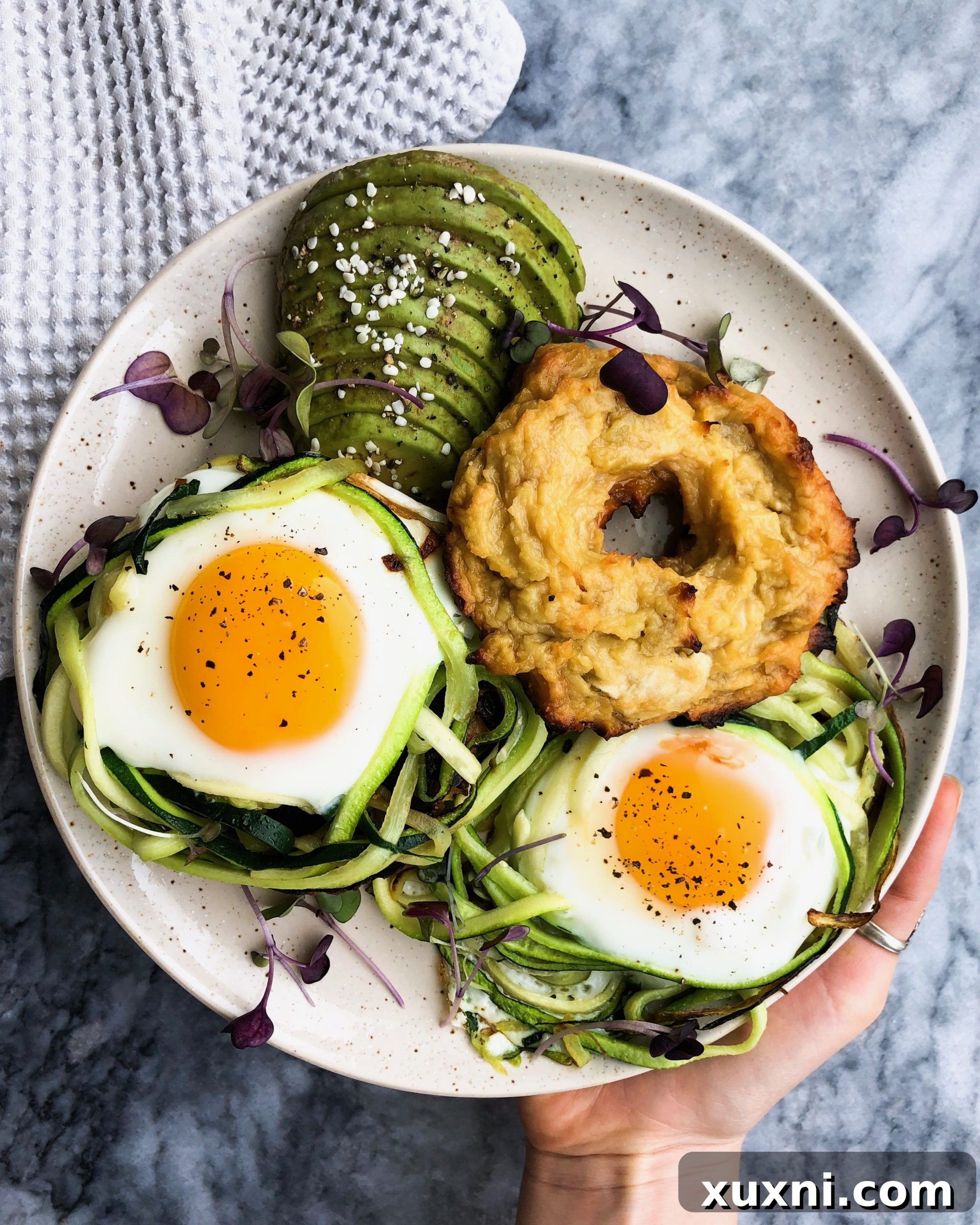
Living in New York City, one quickly learns that bagels aren’t just a breakfast item; they’re an institution, a culinary emblem woven into the very fabric of daily life. The scent of freshly baked bagels wafting from corner delis is as characteristic of the city as yellow cabs and towering skyscrapers. For many, a New York bagel isn’t merely a meal; it’s an experience, a quintessential rite of passage that perfectly encapsulates the city’s vibrant food culture. From classic plain and everything bagels to more adventurous flavors, they’re a hot commodity, a beloved staple for locals and tourists alike. Indeed, the stereotype holds true: New Yorkers adore their bagels, and the city’s reputation for producing the best in the world is well-earned.
However, despite living amidst this bagel paradise, a significant part of that quintessential New York experience has, for me, remained tantalizingly out of reach. Can you believe it? I haven’t actually indulged in a proper New York bagel since moving here! This isn’t due to a lack of desire, but rather a necessary dietary choice: I live a gluten-free lifestyle. This commitment, while essential for my health and well-being, often means navigating a world of culinary delights with a bit more caution and creativity. Lately, the craving for a chewy, satisfying bagel has become particularly intense, especially with the arrival of that glorious “sandwich-in-the-park” weather—you know, those perfect days when picnicking outdoors feels like the only logical plan. The thought of a fresh bagel, sliced and generously filled, enjoyed under the open sky, became an irresistible fantasy. And so, last Sunday, a decision was made: enough was enough. It was time to find a way to enjoy a damn bagel, without compromise.
But the challenge wasn’t just to make it gluten-free; I also wanted it to align with my paleo principles. Now, when I say “paleo,” I’m not talking about the kind that demands obscure, hard-to-find ingredients, or expensive superfood powders sourced from exotic locales in the middle of South America. My approach to paleo is far simpler, more accessible, and deeply rooted in common sense. It’s about embracing whole, unprocessed foods that are readily available in any kitchen, focusing on nutrient density and natural goodness without overcomplicating things. I believe healthy eating should be straightforward and enjoyable, not an arduous quest for abstract ingredients with intimidating price tags. This philosophy guides my culinary experiments, ensuring that delicious, wholesome food is always within reach. So, how could I create a bagel that satisfied both my gluten-free and my practical, easygoing paleo requirements?
If you’ve followed my culinary journey for a while, you’ll undoubtedly know about my deep and unwavering affection for sweet potatoes. They are, in my humble opinion, one of nature’s most perfect ingredients. Bursting with essential nutrients, incredibly satiating, and possessing a natural sweetness that enhances countless dishes, sweet potatoes are truly versatile. But beyond their nutritional powerhouse status and delightful flavor, they hold a secret weapon that makes them invaluable in my kitchen: their incredible ability to mimic the texture of flour. Seriously, this isn’t an exaggeration. Sweet potatoes, when properly prepared, can provide that desirable dough-like consistency without the need for traditional grains. This eliminates the hassle and expense of sourcing a variety of specialized organic flours, making gluten-free and paleo baking both simpler and more economical. They offer a natural, wholesome foundation for countless recipes, proving that healthy substitutes can be both effective and delicious.
Now, some might wonder why I don’t simply label these creations “sweet potato bagels.” And honestly, while that’s an accurate description of the primary ingredient, I worry it might inadvertently deter some folks. Let’s be real: the name “sweet potato bagel” might conjure up images of something entirely different from what we typically associate with a bagel. Think about it: we don’t call traditional banana bread “flour banana bread,” do we? The flour is a given, a foundational component that’s understood. In the same vein, my goal here is to redefine what a bagel can be, to expand its horizons beyond its wheat-based origins. By embracing sweet potato as the star, we’re not just creating a gluten-free and paleo alternative; we’re crafting a new, equally satisfying experience. So, I urge you to hear me out: try swapping in your favorite variety of sweet potato—whether it’s the rich, purple Japanese, the creamy Hannah, the vibrant Jewel, or the earthy Stoke—for traditional flour in this recipe. You’ll discover a delightful dough that transforms into a wonderfully chewy and flavorful “bagel” experience, and I promise, you’ll be thanking me later. This isn’t just a substitution; it’s an innovation that brings the joy of bagels back to the table for everyone.
These aren’t just any bagels; they’re a testament to resourceful and delicious eating, proving that dietary restrictions don’t have to mean sacrificing your favorite foods. They represent the freedom to enjoy a classic comfort food, reimagined with health and simplicity in mind. What’s more, this particular recipe is entirely nut-free, making it a safe and inclusive option for those with nut allergies, a common concern in the world of gluten-free baking. The ingredients are minimal, the process is straightforward, and the result is profoundly satisfying. Imagine sinking your teeth into a warm, freshly baked bagel, perfectly textured and subtly sweet, knowing that every bite is nourishing and aligns with your dietary preferences. This isn’t just about recreating a food; it’s about reclaiming a joyful experience, transforming a craving into a healthy reality. I don’t know about you, but just thinking about the possibilities, I’m already getting the lox and cream cheese (or their dairy-free, paleo counterparts) ready for a truly epic bagel sandwich!
Paleo Nut-Free Bagels: A Simple & Wholesome Recipe
Yields 6 halves, or 3 satisfying whole bagels
Embrace the simplicity of real food with this incredibly easy and delicious recipe for paleo and nut-free bagels. Perfect for breakfast, brunch, or a quick snack, these bagels offer a delightful texture and a subtly sweet flavor profile, making them an instant favorite. You’ll be amazed at how easily sweet potatoes can transform into a versatile dough, providing a nutritious base for your favorite toppings.
Ingredients:
- 1 extra-large Japanese sweet potato (or other preferred variety like Hannah, Jewel, or Stoke), baked until very tender, cooled completely, and skin removed
- 2 large eggs, preferably free-range and organic, to bind the dough and add richness
- 1 tablespoon coconut flour (this helps absorb moisture and adds structure; if you don’t have coconut flour, a tablespoon of tapioca flour or almond flour can be substituted if not nut-free, or even a bit more mashed sweet potato for a slightly softer texture)
- A generous pinch of sea salt, to enhance the flavors
- Freshly ground black pepper, to taste (optional, but adds a nice depth)
- Optional toppings: Everything Bagel Seasoning, sesame seeds, poppy seeds, or even a sprinkle of dried herbs before baking for extra flavor
Directions:
- Prepare Your Workspace: Begin by preheating your oven to 350°F (175°C). Line a standard baking sheet with parchment paper or tin foil for easy cleanup and to prevent sticking.
- Mash the Sweet Potato: In a large mixing bowl, thoroughly mash the pre-baked and cooled sweet potato until it’s completely smooth and free of lumps. A potato masher or a sturdy fork works perfectly for this step. Ensure it’s cooled to avoid cooking the eggs prematurely.
- Combine Ingredients: Add the two large eggs, the tablespoon of coconut flour, a pinch of sea salt, and a dash of freshly ground black pepper (if using) to the mashed sweet potato. Mix all ingredients together vigorously until a uniform, sticky dough forms. The dough should be pliable but firm enough to handle.
- Form the Bagels: Take a small handful of the dough—roughly the size of a golf ball or slightly larger, depending on your desired bagel size. Roll it into a smooth ball. Then, using your thumb or forefinger, gently press through the center of the ball to create a hole, shaping it into a classic bagel form. Aim for a hole that’s large enough not to close up during baking.
- Arrange on Baking Sheet: Carefully place each formed bagel onto the prepared baking sheet, leaving a small space between each one. Repeat this process until all the dough has been used. If desired, sprinkle your chosen optional toppings (e.g., Everything Bagel Seasoning) onto the bagels at this stage.
- Bake to Perfection: Transfer the baking sheet to the preheated oven and bake for approximately 30 minutes. The bagels should turn a beautiful golden brown and feel firm to the touch when ready. Baking time may vary slightly depending on your oven and the thickness of your bagels.
- Cool and Serve: Once baked, remove the bagels from the oven and let them cool on the baking sheet for a few minutes before transferring them to a wire rack to cool completely. Allowing them to cool ensures they firm up and are easier to handle. Serve these delightful paleo nut-free bagels with your favorite spreads. Consider classic lox and dairy-free cream cheese, mashed avocado with a sprinkle of red pepper flakes, almond butter and sliced bananas (if not nut-free), or simply a pat of ghee. Enjoy the taste of wholesome satisfaction!