This post contains affiliate links. By clicking on a product link and making a purchase, I may receive a commission at no extra cost to you. Thank you for supporting The Banana Diaries!
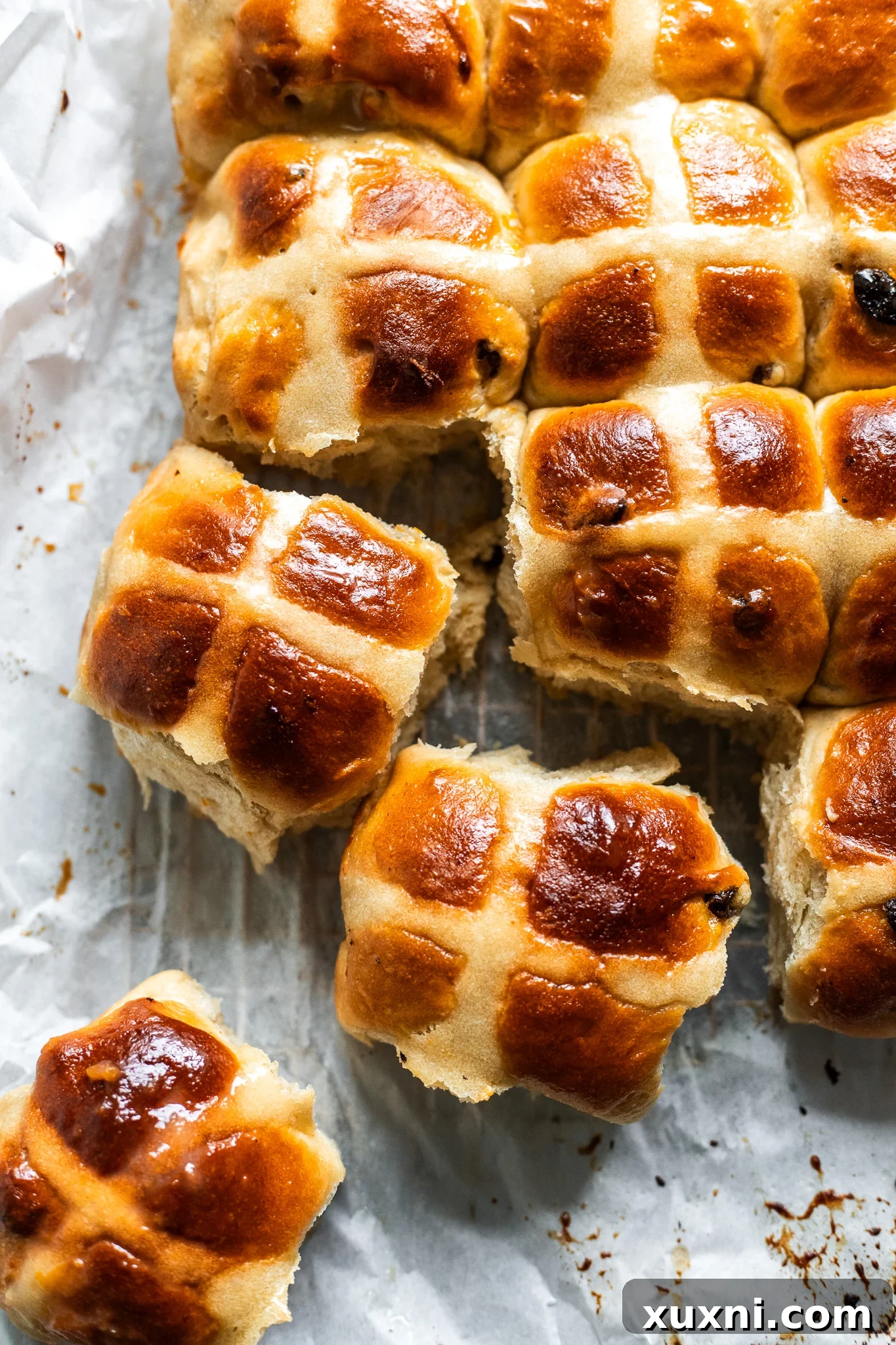
Easter is a time for cherished traditions, family gatherings, and, of course, delicious food. Among the most iconic Easter treats are hot cross buns, celebrated for their fluffy texture, aromatic spices, and distinctive sweet cross. But what if you’re following a vegan diet or hosting guests with dietary restrictions? Fear not! These incredibly soft and perfectly proofed vegan hot cross buns are not only simple to make but also utterly foolproof. You won’t believe they’re entirely dairy-free and eggless, making them suitable for everyone at your Easter brunch or dinner table. With detailed step-by-step photos and helpful tips, you’ll master this classic recipe and impress even the most discerning palates.
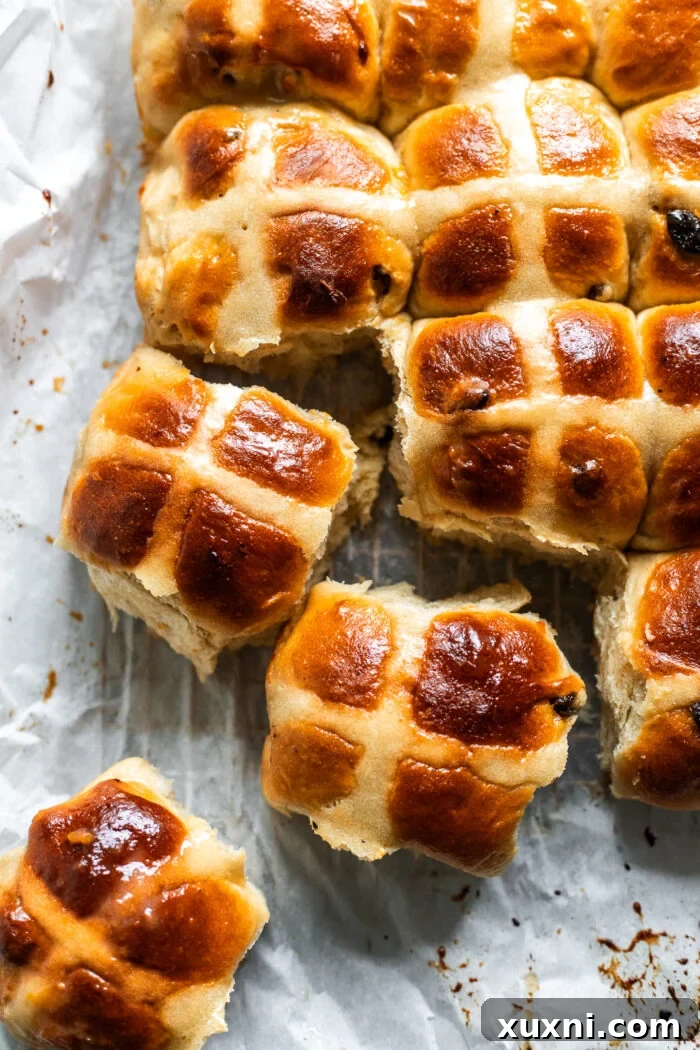
Why These Vegan Hot Cross Buns Deserve a Spot on Your Easter Table
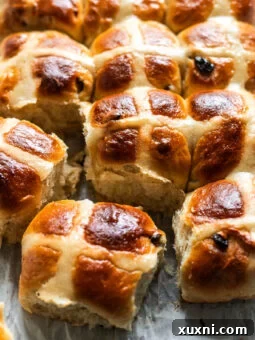
If you have a fondness for traditional hot cross buns – those delightful creations that sit somewhere between a sweet cinnamon roll, a fragrant fruit bread, and a fluffy dinner roll – then prepare to be absolutely enchanted by this vegan rendition. These aren’t just “good for vegan” hot cross buns; they are genuinely superb, offering all the warmth, comfort, and flavor of the classic, without any animal products.
Each bun boasts a beautifully yeasted texture, incredibly soft and tender, infused with the bright zest of fresh orange and generously studded with sweet raisins or sultanas. A symphony of warming spices, including earthy cinnamon and a hint of zesty ginger, ties the whole experience together, creating an irresistible aroma that will fill your kitchen. The magic lies in the simplest of ingredient swaps, transforming a beloved traditional recipe into a completely dairy-free and eggless marvel. If you’re new to vegan baking, this is an excellent starting point, as the process is straightforward and yields consistently perfect results.
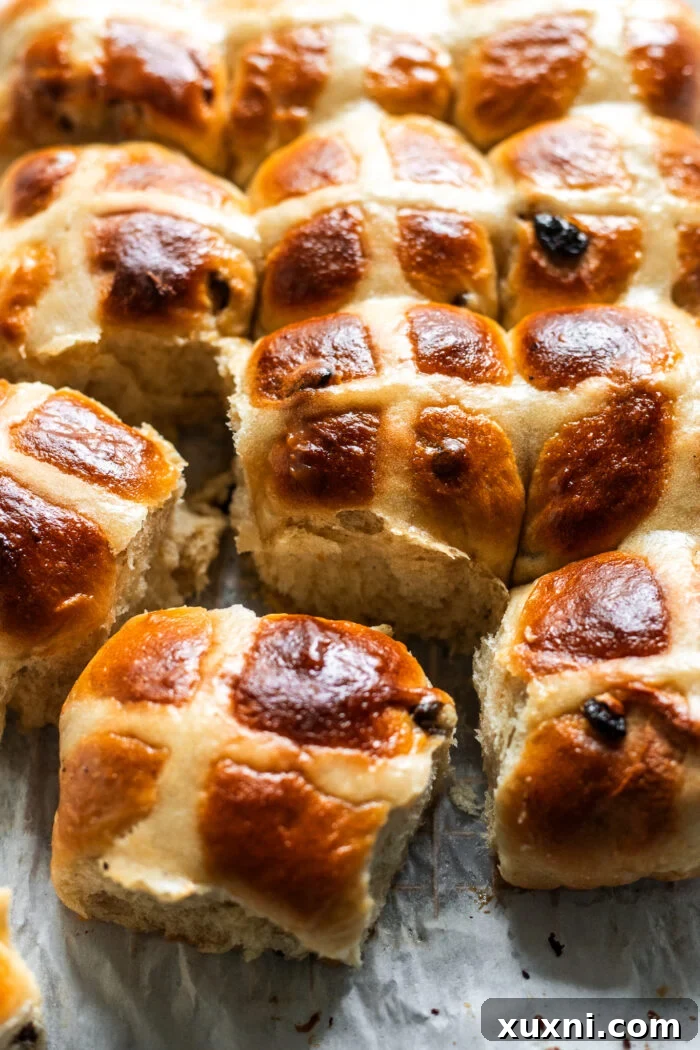
I’ll guide you through every step, showing you exactly how I achieved these incredibly delicious hot cross buns that are enthusiastically approved by both vegans and non-vegans alike. The key lies in smart ingredient substitutions: opting for dairy-free yogurt as a fantastic vegan egg substitute to provide moisture and richness, and using high-quality vegan butter for that quintessential buttery flavor and tender crumb. You’ll become a vegan baking pro in no time!
These buns are absolutely ideal for your Easter brunch spread. Their festive appearance and comforting flavors make them a true centerpiece. If you’re looking to create an entirely vegan Easter feast, be sure to explore my comprehensive vegan Easter Menu for more delightful plant-based favorites!
The Unintentional Vegan Origins of Hot Cross Buns
It might surprise you to learn that traditional hot cross buns, in their earliest form, were actually vegan – albeit unintentionally so. Historically, during the period of Lent, many Christians would abstain from consuming dairy products until Palm Sunday. Consequently, the original hot cross buns were made without any eggs or dairy, aligning perfectly with modern vegan dietary guidelines. This ancient tradition meant that for centuries, these spiced, fruit-filled buns were naturally plant-based.
However, as culinary practices evolved, so did the hot cross bun recipe. Over time, bakers began incorporating eggs and dairy into the dough, transforming them into the non-vegan versions commonly found today. This shift was largely due to the increased availability and popularity of these ingredients in general baking. As a result, if you’re purchasing hot cross buns from a supermarket or most bakeries today, they are highly likely to contain eggs and dairy, making them unsuitable for vegans.
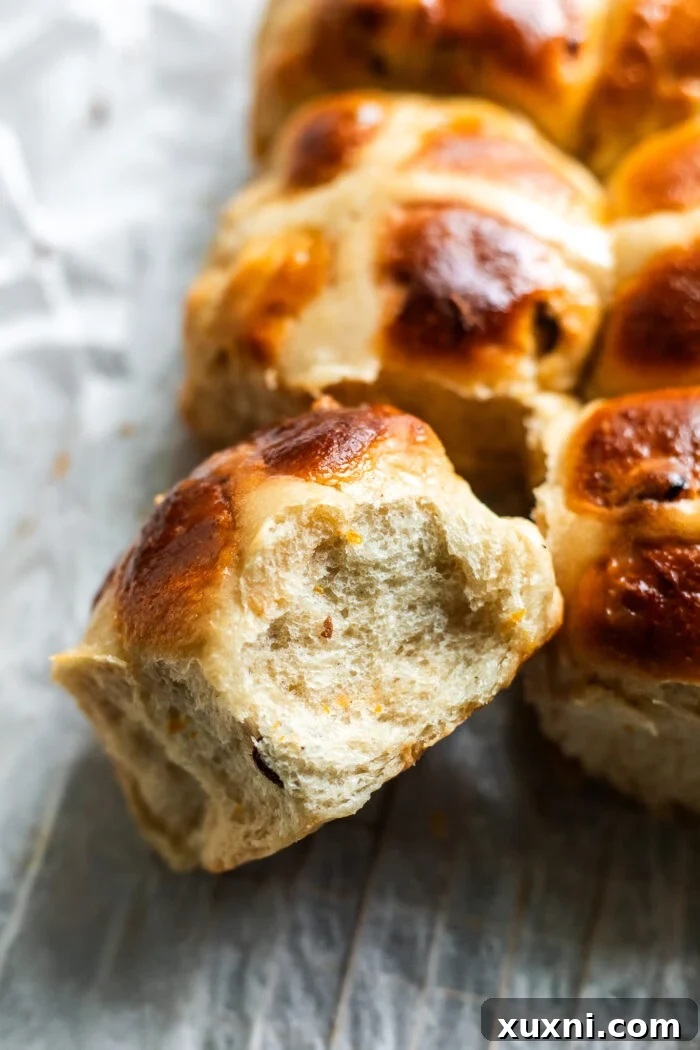
That said, these vegan hot cross buns bring the recipe full circle. They not only taste remarkably like the “real deal” but are arguably closer to the original, historically intended recipe. This makes them the ultimate choice for an inclusive Easter celebration, ensuring everyone at your brunch table can enjoy this beloved seasonal treat.
Understanding Yeast: Your Dough’s Best Friend
Yeast is the magical ingredient responsible for the airy, fluffy texture of these hot cross buns. Don’t be intimidated by it; understanding how yeast works is key to successful baking. There are a few different types of dry yeast available, and fortunately, both active dry yeast and instant dry yeast will work wonderfully for this recipe. Let’s explore the differences:
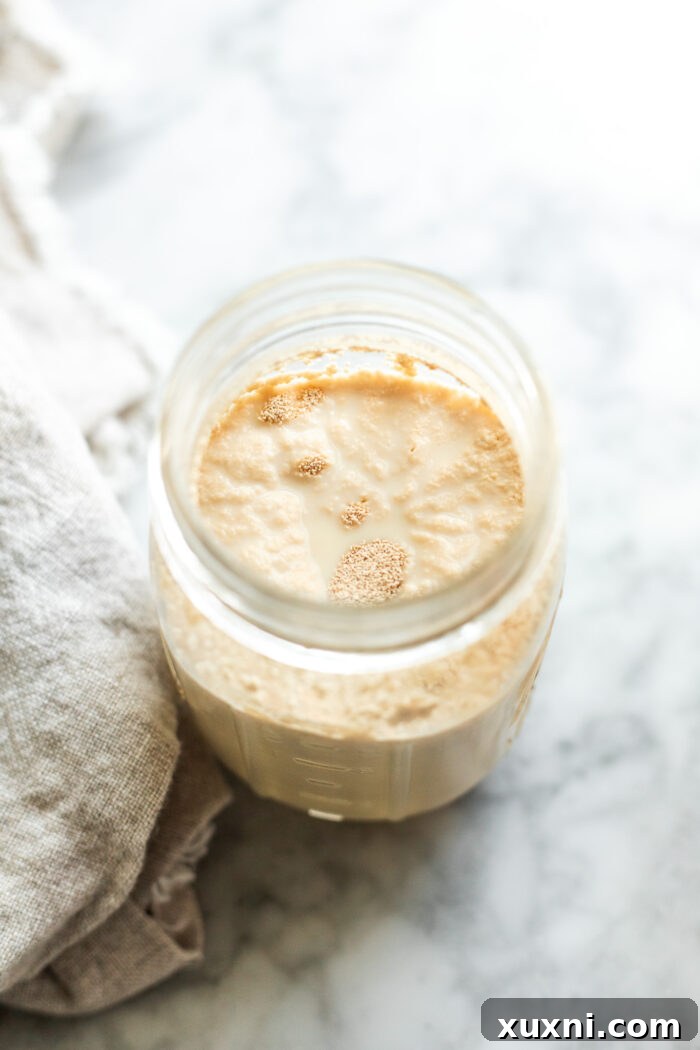
- Active Dry Yeast: This is a common form of yeast that typically needs to be “bloomed” or activated in a warm liquid before being combined with other ingredients. To bloom active dry yeast, you’ll gently warm your dairy-free milk to a temperature between 100°F and 110°F (lukewarm, not hot). Stir in a spoonful of sugar, which acts as food for the yeast, then sprinkle the yeast over the surface. Cover the mixture and let it sit for about 5-10 minutes. When the yeast is active, it will start to foam and smell pleasantly yeasty. This foam indicates that the yeast is alive and ready to make your dough rise! If it doesn’t foam, your yeast might be expired or the milk temperature was off, and you’ll need to start again.
- Instant Dry Yeast (or Quick-Rise Yeast): As its name suggests, instant yeast is designed to be added directly to your dry ingredients without prior blooming. Its granules are smaller, and it’s processed to dissolve and activate more quickly. While it doesn’t strictly require blooming, you can still bloom it in warm liquid if you prefer, or if you want to ensure its vitality. The good news is that for this recipe, you can directly swap instant dry yeast for active dry yeast without altering any other instructions, making it incredibly convenient. Just remember, a slightly warmer environment (around 80-100°F) will always help any yeast dough rise faster and more reliably.
Essential Ingredients for Perfect Vegan Hot Cross Buns
Crafting these delectable vegan hot cross buns requires a selection of readily available ingredients. Here’s what you’ll need, along with a few helpful notes and substitution ideas:
- Dairy-Free Milk: The foundation of our dough’s liquid content. Any unsweetened variety will work beautifully, such as soy milk (for a richer texture and protein boost), oat milk (for creaminess), or almond milk. Choose your favorite!
- All-Purpose Flour: While many traditional hot cross bun recipes recommend bread flour for its higher protein content and chewy crumb, I’ve specifically designed this recipe to work perfectly with standard all-purpose flour (known as plain flour in the UK). This makes the recipe more accessible for home bakers who might not stock specialty flours, ensuring a soft and tender bun every time.
- Sultanas: These sweet, golden raisins are traditionally used in hot cross buns. In the US, they’re often referred to as golden raisins. If you have trouble finding sultanas, regular dark raisins are a perfectly acceptable and delicious substitute, as used in my personal batch.
- Orange Zest: This provides a bright, essential citrus note that complements the spices and fruit. For an extra punch of flavor and texture, you could skip the zest and incorporate about 1/2 cup of finely chopped candied orange peels instead.
- Ground Spices: A fragrant blend of ground cinnamon, a touch of warm cardamom, and a hint of piquant ginger creates that signature hot cross bun flavor profile. These spices are non-negotiable for an authentic taste!
- Granulated Sugar: Sweetens the dough and feeds the yeast. You can also experiment with other granulated sweeteners like coconut sugar or maple sugar for a slightly different flavor depth, though classic granulated sugar works best for a neutral base.
- Vegan Butter: Crucial for richness, flavor, and a tender crumb. I highly recommend using a high-quality salted vegan butter, such as Miyoko’s Kitchen brand, for the best results. Ensure it’s at room temperature for easy incorporation into the dough.
- Dairy-Free Yogurt: This is a secret weapon in vegan baking! It acts as a fantastic egg substitute, contributing moisture, tenderness, and a slight tang that enhances the overall flavor of the buns. Use plain, unsweetened dairy-free yogurt for best results.
- Apricot Jam: Used in the bread wash to give the baked buns a beautiful sheen and a subtle fruity sweetness. If you don’t want to buy a whole jar just for this, you can substitute it with freshly squeezed orange juice (from the orange you zested!) or a little maple syrup.
- Maple Syrup: Combined with dairy-free milk and jam for the final glorious wash, giving the buns their characteristic glossy finish.
Making Vegan Hot Cross Buns: A Step-by-Step Guide
For precise ingredient measurements and detailed instructions, please refer to the recipe card at the bottom of this post. You can also click the “jump to recipe” button at the top of the page to go straight there. Below, we’ll provide a clear overview of the process, complete with visuals, to ensure your baking success.
You’ll be delighted by how straightforward this recipe is. While a stand mixer with a dough hook makes the process even easier, you can absolutely achieve wonderful results by mixing the dough by hand in a large bowl with a sturdy wooden spoon or spatula.
Step 1: Preparing the Dough
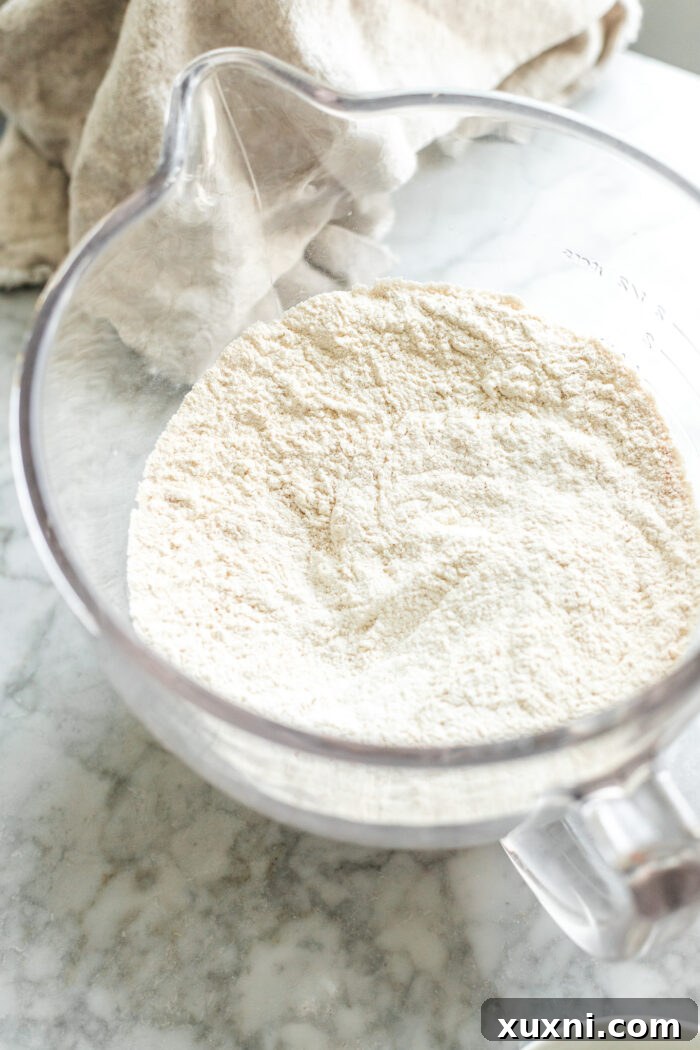
Once your yeast has been successfully bloomed (you should see a lovely foamy layer), it’s time to assemble the dough. In your mixing bowl (whether for a stand mixer or a large bowl for hand-mixing), combine the all-purpose flour, the remaining granulated sugar, all the fragrant spices (cinnamon, cardamom, ginger), sea salt, and fresh orange zest. Give these dry ingredients a quick whisk to ensure they are well combined.
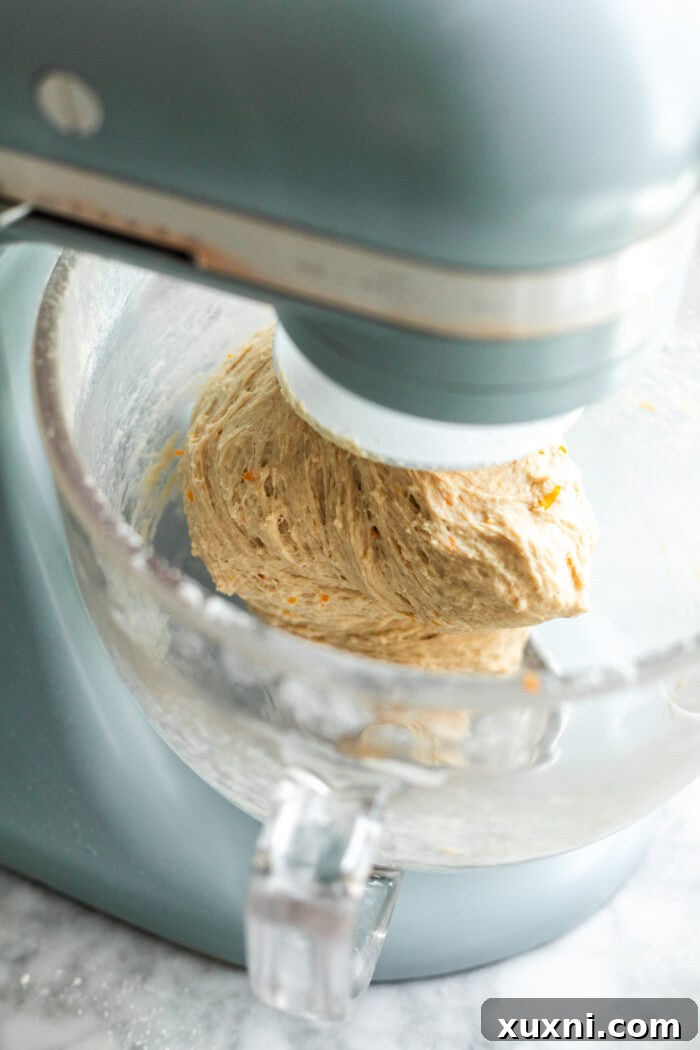
Next, pour in the bloomed yeast and milk mixture, along with your softened, room temperature vegan butter and dairy-free yogurt. If using a stand mixer, mix on medium-low speed with the dough hook attachment. If mixing by hand, use a strong wooden spoon or spatula. Continue mixing until the ingredients are just combined and the dough begins to come together into a sticky, tacky ball. The dough will be quite soft at this stage, which is perfectly normal.
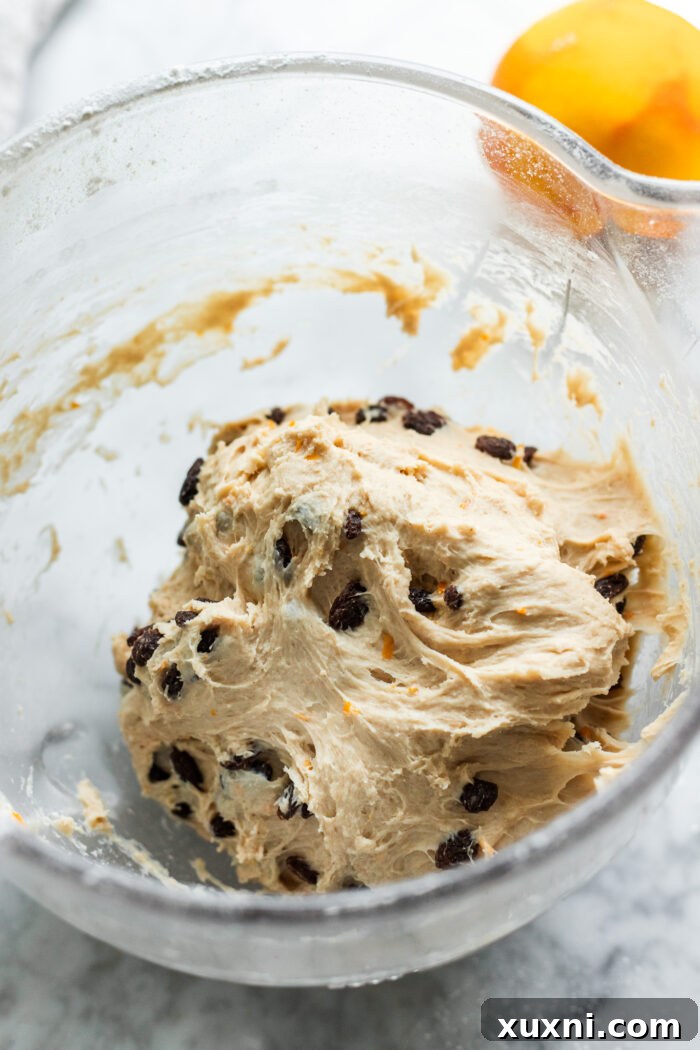
Finally, incorporate the raisins or sultanas. Mix again until they are evenly distributed throughout the dough. As you continue to mix and knead (especially with a stand mixer), the dough will become slightly smoother and more elastic, though it will retain some stickiness.
Step 2: The First Proofing of the Dough
Now comes the waiting game, where the yeast does its magic! Lightly grease a large bowl with cooking oil or coconut oil. Transfer the sticky dough ball into this greased bowl, ensuring it’s comfortable and has room to grow. Cover the bowl loosely with a clean, thin kitchen towel or plastic wrap to prevent the dough from drying out. Place the covered bowl in a warm environment, ideally between 80-100°F (27-38°C). A slightly warm oven (preheated to 100°F and then turned off, with the light left on) or a sunny spot can work well.
Allow the dough to rest and rise until it has visibly doubled in size. This usually takes about 1 to 1.5 hours, depending on the warmth of your proofing environment. Be patient; a proper first rise is crucial for light and airy buns. You’ll know it’s ready when a gentle poke with your finger leaves an indentation that slowly springs back, but doesn’t completely disappear.
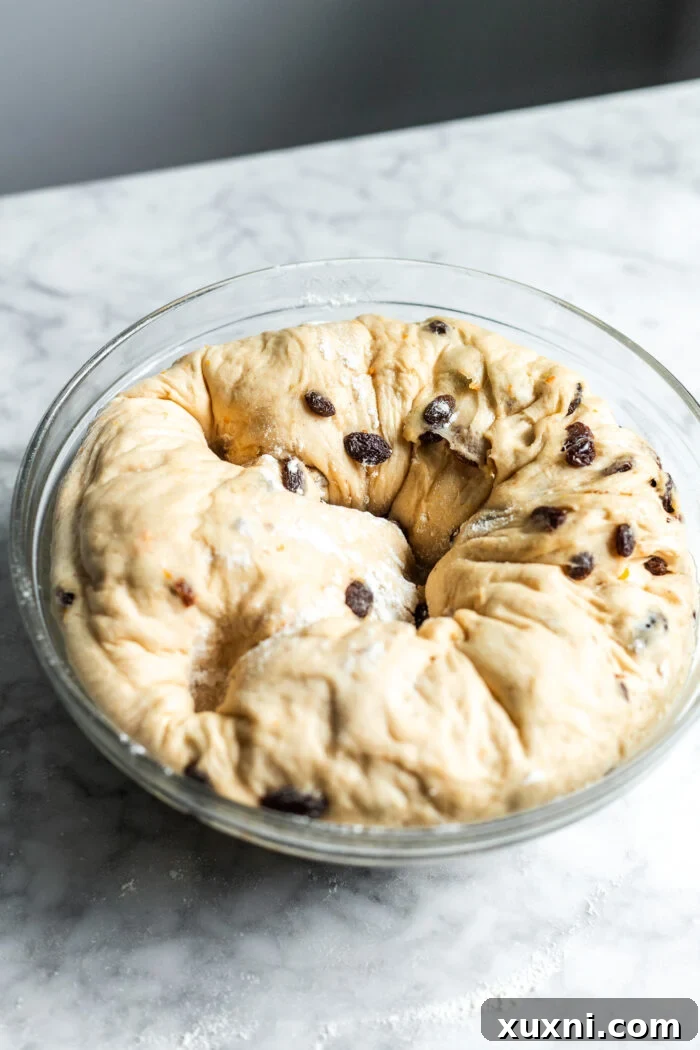
Step 3: Shaping the Buns and the Second Proof
Once the dough has completed its first rise, gently punch it down to release the air. Transfer the dough onto a lightly floured clean surface. To ensure even baking and consistent bun sizes, I recommend dividing the dough into 12 equal pieces. A simple method is to first divide the dough in half, then each half into quarters, and finally each quarter into three pieces. For precision, you can weigh each piece to be approximately 90-100 grams.
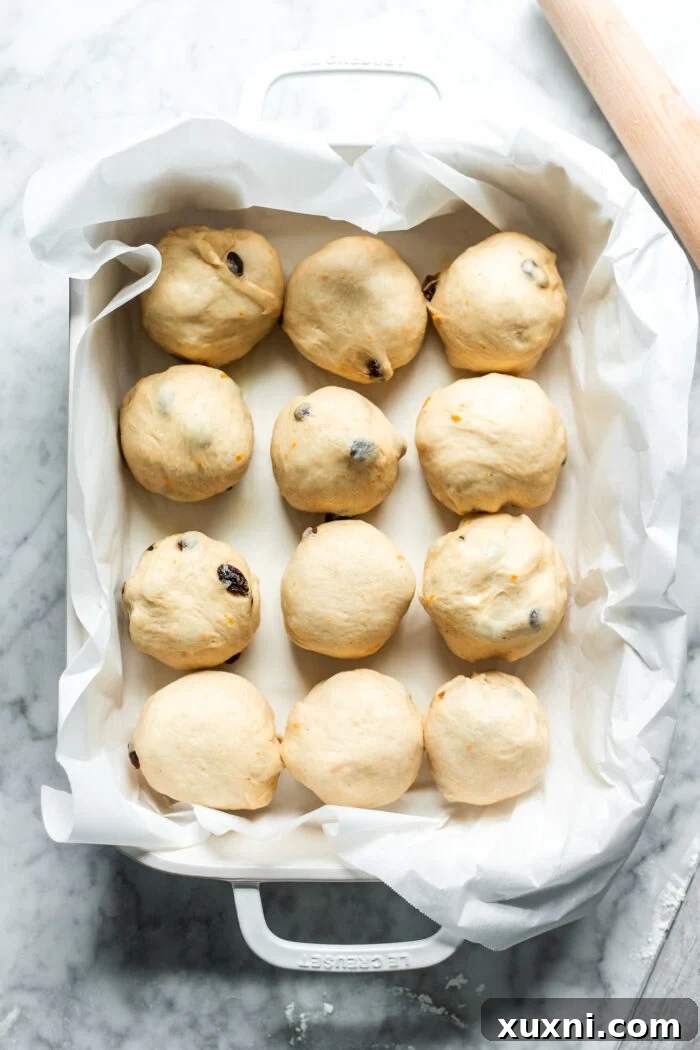
Now, let’s shape those beautiful buns! Take one piece of dough and gently flatten it slightly. Gather the edges and pinch them together at the bottom to create a smooth, taut top. Flip the dough over so the seam is underneath, resting on your work surface. Then, using the palms of your hands, gently cup and roll the dough in a circular motion against the surface. This technique creates tension on the surface, resulting in a perfectly round and smooth bun. Repeat this process for all 12 pieces.
Arrange the shaped buns in a lightly greased baking dish, leaving a little space between each as they will expand. Cover the rolls again with a clean, thin dish towel and place them in a warm area for their second proof. This rise is typically shorter than the first, lasting until the buns have nearly doubled in size again and look visibly puffy. While they are rising, preheat your oven to 400°F (200°C).
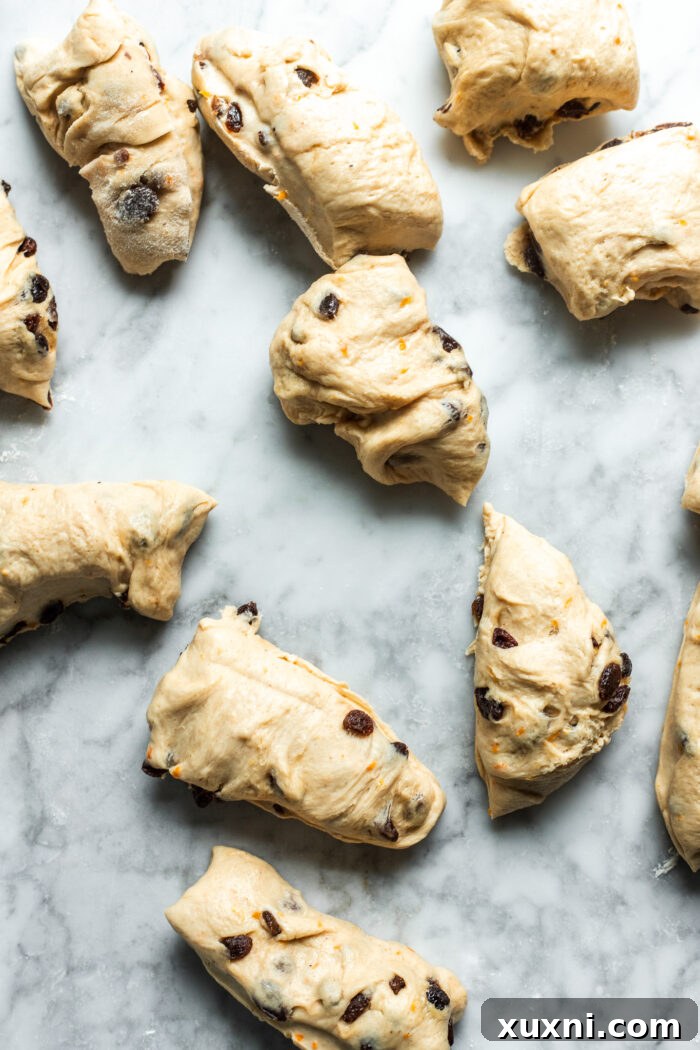
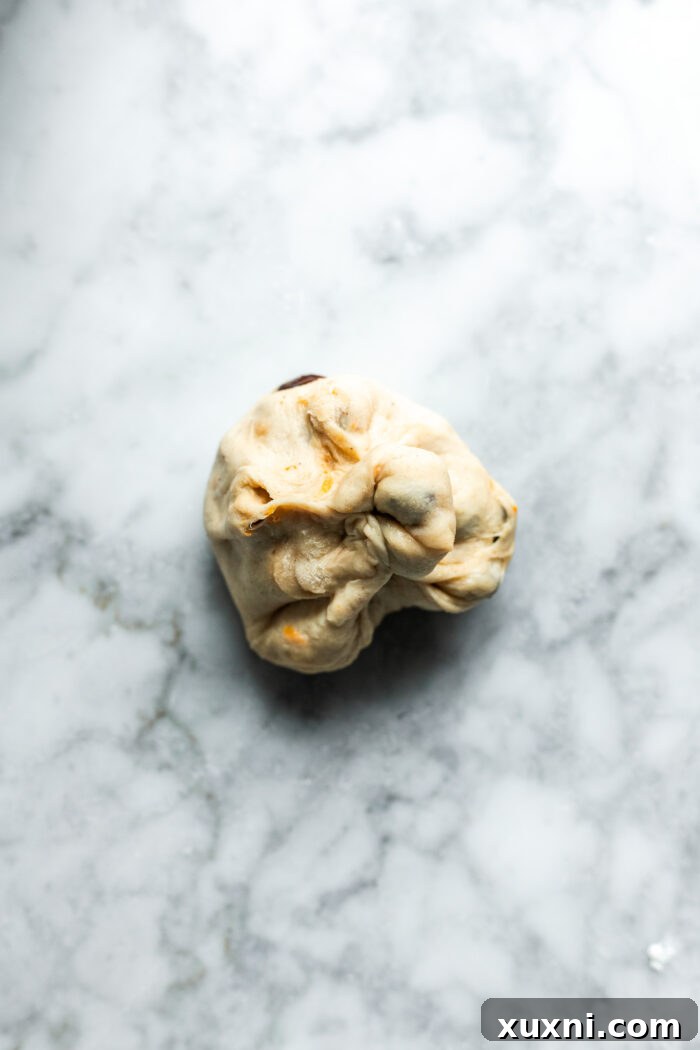
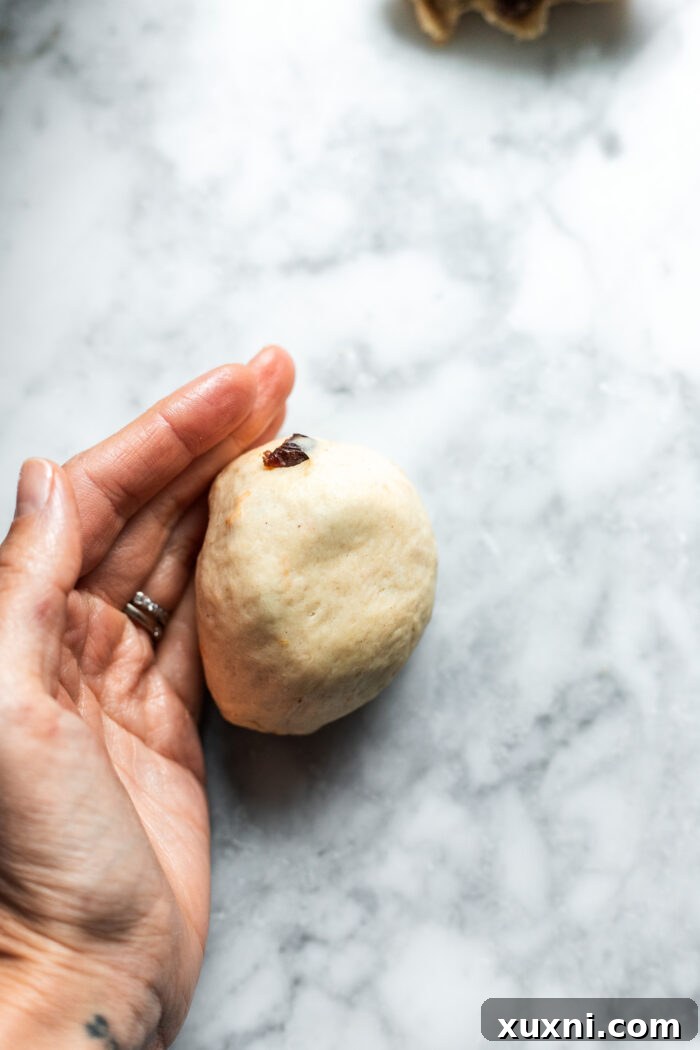
Step 4: The Signature Cross and Baking
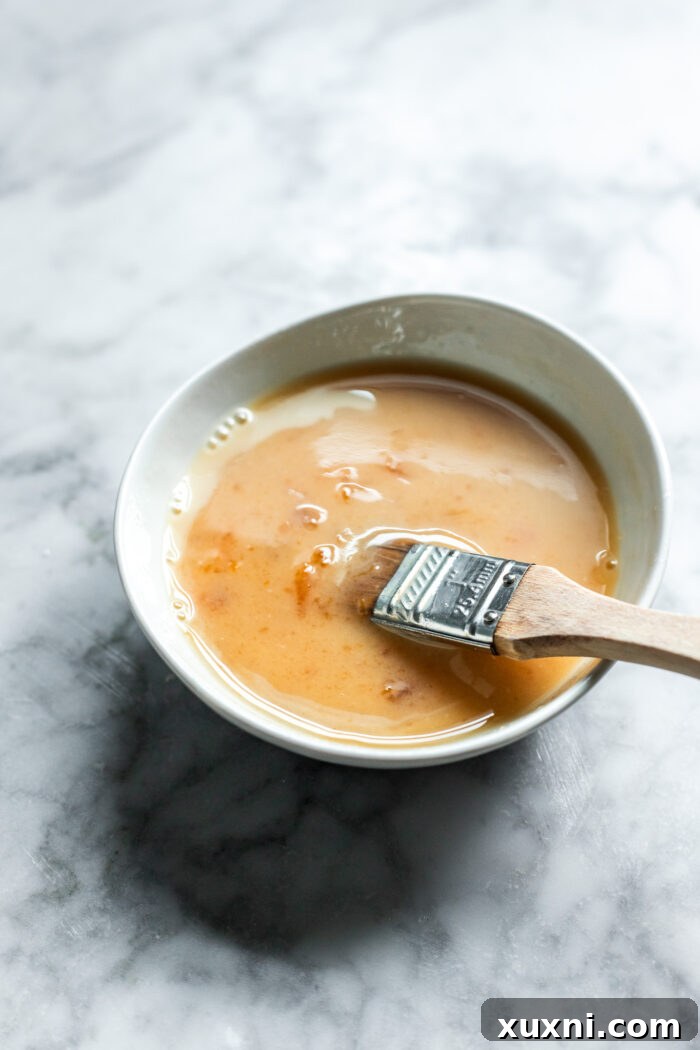
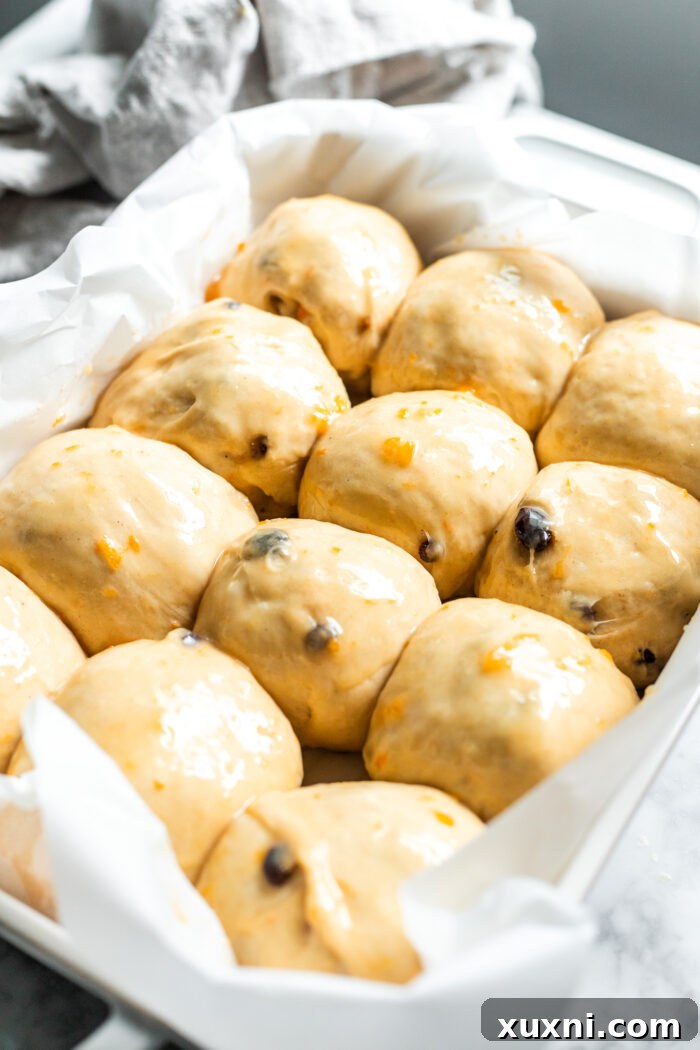
Once your hot cross buns are beautifully proofed and puffy from their second rise, it’s time for the signature cross and baking! First, prepare the delightful bread wash. In a small bowl, whisk together the dairy-free milk, maple syrup, and apricot jam until thoroughly combined. This mixture will give the buns a lovely golden sheen and subtle sweetness. Gently brush the tops of each proofed bun with this apricot wash, being careful not to deflate them.
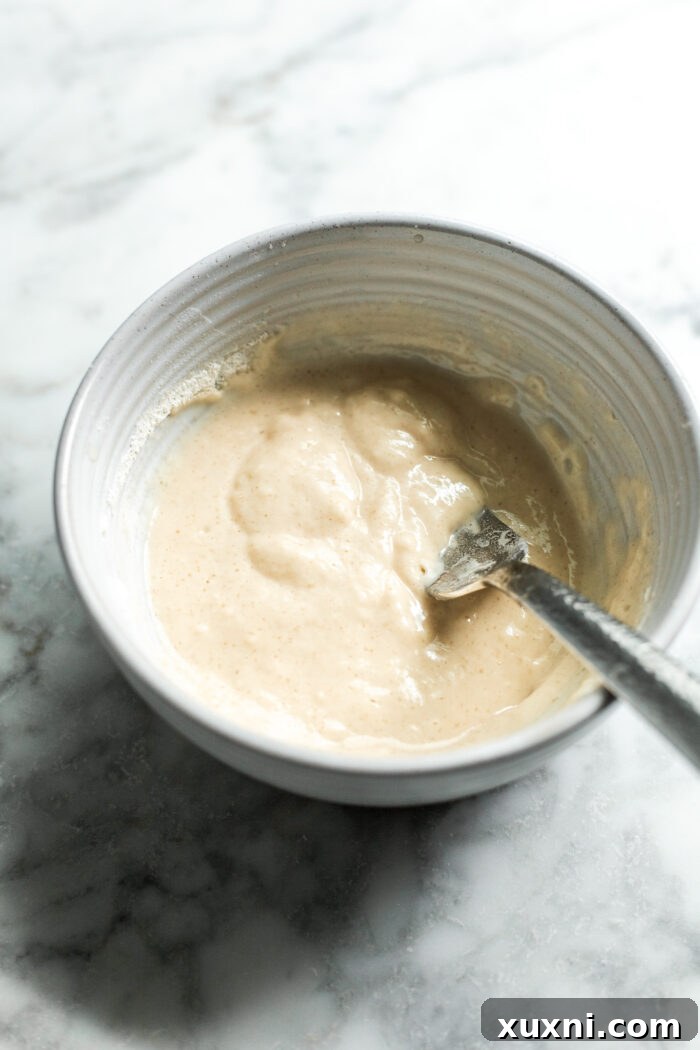
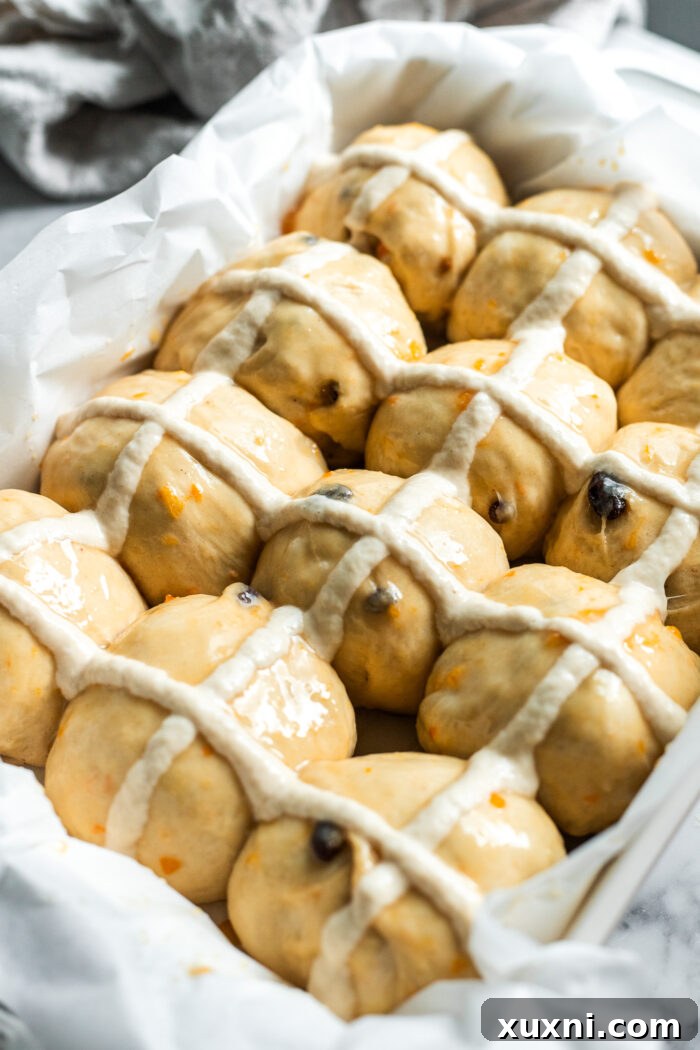
Next, create the distinctive flour cross. In another small bowl, whisk together the flour, sugar, water, and a touch of freshly squeezed orange juice until you have a smooth, thick paste. The consistency should be pipeable but not too runny; if it’s too thin, add a little more flour, a tablespoon at a time, until it reaches the right thickness. Transfer this paste into a piping bag (or a ziplock bag with a tiny corner snipped off).
Carefully pipe one long, continuous line of the flour paste over a row of buns. Repeat this for each horizontal row. Then, pipe long lines perpendicularly across the columns, creating the iconic cross pattern over all the buns. The precision here adds to the visual appeal!
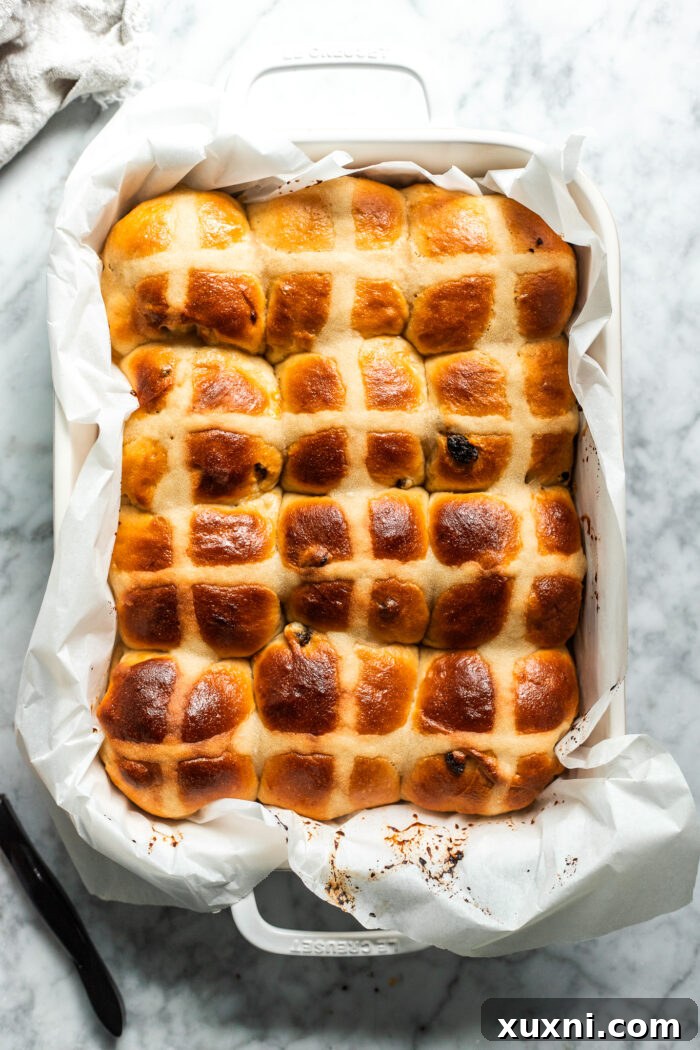
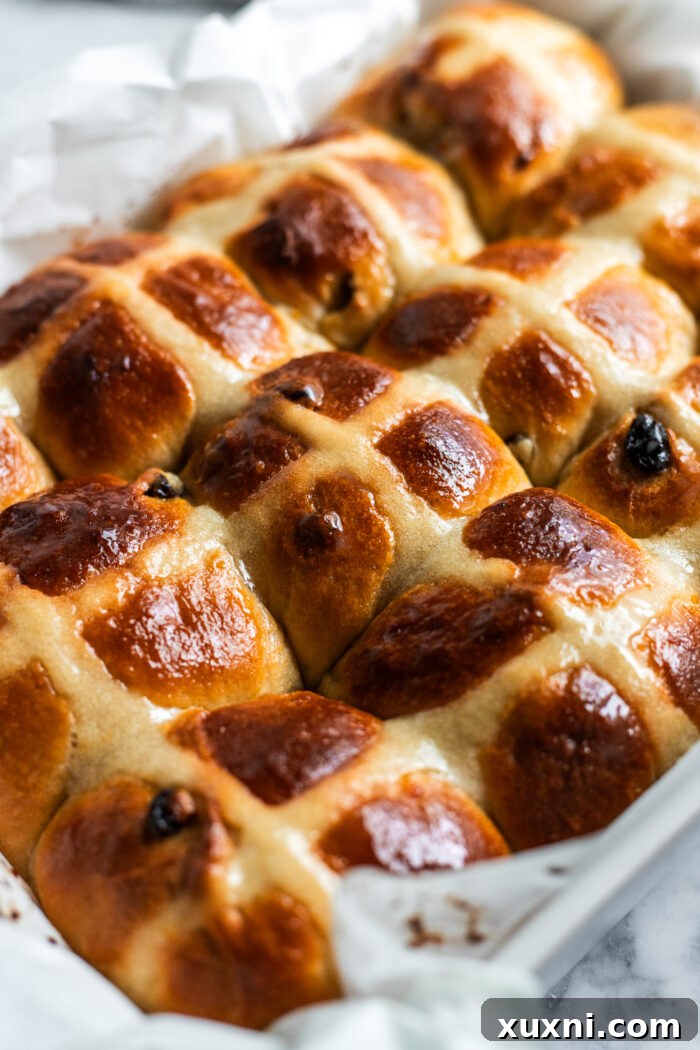
Finally, with the oven preheated to 400°F (200°C), carefully place your baking dish filled with hot cross buns into the oven. Bake for approximately 23-25 minutes, or until the buns are a beautiful golden brown on top and cooked through. Keep an eye on them to prevent over-baking, which can lead to dry buns. Once baked, remove them from the oven. For an extra boost of shine and flavor, brush the warm buns once more with any remaining apricot wash immediately after they come out of the oven. Allow them to cool for a few minutes before serving warm, perhaps with a dollop of vegan butter or extra jam.
Can I Prepare These Vegan Hot Cross Buns Overnight?
Absolutely! Preparing the dough ahead of time is a fantastic way to streamline your Easter morning and enjoy fresh, warm buns with minimal fuss. You can comfortably prep these vegan hot cross buns the day before, up until the point of the second proof. Instead of allowing them to double in size at room temperature for the second rise, simply cover your shaped buns tightly with plastic wrap and transfer them to the refrigerator overnight.
The cold temperature of the fridge will significantly slow down the yeast activity, allowing for a long, slow fermentation that often results in a more flavorful bun. The next morning, take the buns out of the refrigerator and let them sit at room temperature (perhaps near your preheating oven) for about 1-2 hours. This “cold proof” allows them to come to room temperature and complete their final rise before you apply the bread wash, pipe the crosses, and bake them as per the instructions.
Troubleshooting Common Hot Cross Bun Issues
Even foolproof recipes can present little challenges. Here are some common issues and how to resolve them:
- Dough Not Rising: This is almost always a yeast issue. Ensure your dairy-free milk is at the correct temperature (100-110°F). If it’s too hot, it kills the yeast; too cold, it won’t activate. Always check your yeast’s expiration date. If your yeast doesn’t foam when bloomed, it’s likely dead and you need a fresh batch. A warm, draft-free environment is also critical for successful proofing.
- Dry or Dense Buns: Over-baking is a common culprit. Keep an eye on the buns during the last few minutes of baking and remove them as soon as they are golden brown. Ensure your flour measurements are accurate (weighing is best). Using room temperature ingredients, especially vegan butter and yogurt, helps create a smoother, more hydrated dough.
- Crosses Disappearing/Melting: This can happen if the paste is too thin or if you apply it too early. Make sure your flour paste for the cross is thick enough to hold its shape. Pipe the crosses just before baking, not too far in advance.
- Buns Sticking to the Pan: Always grease your baking dish thoroughly. Using parchment paper on the bottom can also provide extra assurance.
Serving and Storage Tips
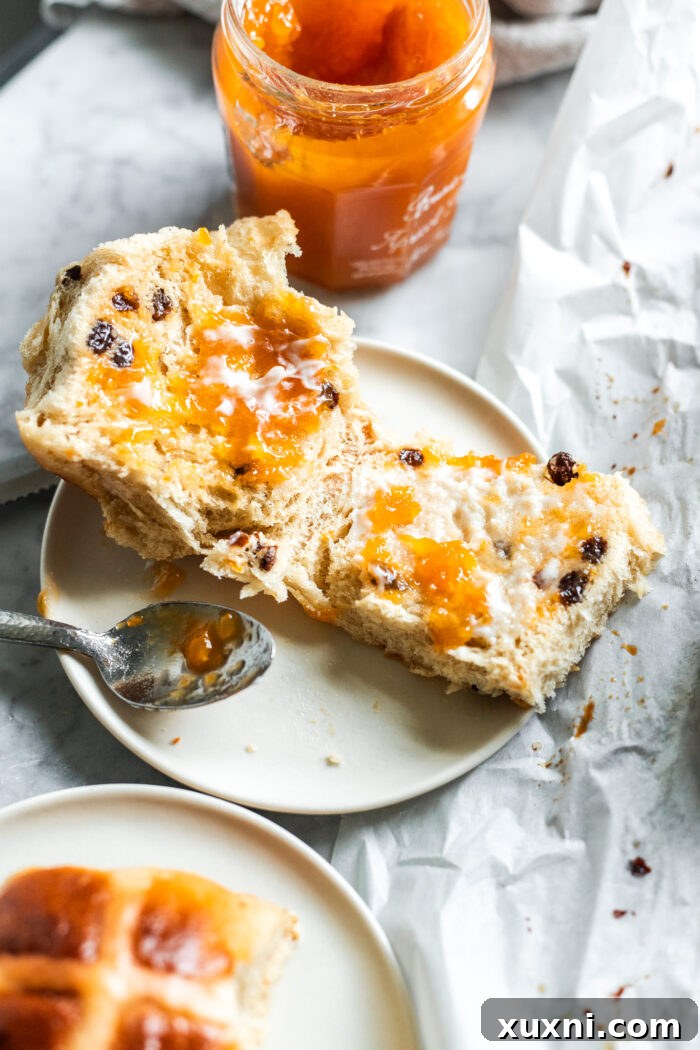
These warm, fragrant vegan hot cross buns are truly best served fresh from the oven, slightly cooled but still warm. Slather them with a generous pat of vegan butter for a simple yet exquisite treat. They also pair wonderfully with a spoonful of extra apricot jam, a dollop of vegan cream cheese, or a light fruit compote. For a special touch, consider a sprinkle of cinnamon sugar on top once they’ve cooled slightly.
Should you have any glorious leftovers (a rare occurrence!), store them in an airtight container or a large zip-top bag at room temperature for 1-2 days. To extend their freshness, you can refrigerate them for up to 4-5 days. For longer storage, these buns freeze beautifully for up to 3 months. To reheat, simply warm them gently in the microwave for a few seconds, or in a preheated oven until soft and fragrant again.
Make These Hot Cross Buns for Your Vegan Easter Brunch!
You’ve now got all the knowledge and guidance to bake the most incredible vegan hot cross buns. Trust me – everyone, regardless of their dietary preferences, is going to absolutely adore them! The tender texture, the aromatic spices, the juicy fruit, and that irresistible glaze make for a truly memorable Easter treat. You won’t even notice they’re vegan!
More Vegan Easter Recipes to Love:
My Family’s Pane di Pasqua (Italian Easter Bread)
Decadent Vegan Coconut Cake
Easy Vegan Lemon Loaf (Gluten-Free Option)
Classic Vegan Carrot Cake (Gluten-Free)
Gluten-Free Vegan Carrot Cake Bars
Charming Vegan Easter Egg Cake
Want to save this recipe for later? Add it to your favorite recipe board on Pinterest!
If you make this recipe, please be sure to leave a comment and a rating ⭐️⭐️⭐️⭐️⭐️ below. This helps others to find the recipes! As always, I absolutely love to see your beautiful creations on Instagram and Pinterest, so be sure to tag me there as well!
Print Recipe
Homemade EASY Vegan Hot Cross Buns
Average: 5 from 4 reviews
- Author: Britt Berlin
- Prep Time: 20 minutes
- Proofing: 120 minutes
- Cook Time: 23 minutes
- Total Time: 2 hours 43 minutes
- Yield: 12 buns
- Category: Brunch
- Method: Baking
- Cuisine: British
- Diet: Vegan
Description
These soft and fluffy vegan hot cross buns turn out perfectly every time- and they’re foolproof! With step by step photos and video, learn how to make the classic hot cross buns- but secretly dairy free and no eggs. Perfect for any Easter brunch or dinner!
Ingredients
- 1 1/4 cups (300 mL) unsweetened dairy-free milk
- 1/2 cup (100 g) organic sugar, divided
- 2 1/4 tsp (7 g) active dry yeast
- 4 1/2 cups (560 g) all-purpose flour
- 2 tsp ground cinnamon
- 1/2 tsp cardamom
- 1/2 tsp ground ginger
- 1/4 tsp sea salt
- Zest from 1 orange
- 6 tbsp (80 g) salted vegan butter, room temperature
- 2 tbsp dairy-free yogurt
- 1 cup (160 g) raisins or sultanas
Hot cross bun bread wash:
- 1 tbsp dairy-free milk
- 1 tbsp maple syrup
- 1 tbsp apricot jam
Flour piped cross:
- 1/2 cup (65 g) all-purpose or bread flour
- 1 tbsp sugar
- 1/4 cup (60 mL) water
- 1 tbsp orange juice
Instructions
- Prep: Measure and weigh out all ingredients before beginning. Grease a large bowl with cooking or coconut oil and set aside (this bowl is for the rising and is different than the bowl you’ll use to mix the dough).
- Bloom the yeast: Heat the dairy-free milk to 110°F (use a food thermometer to ensure accuracy). Once heated, stir in 1 tbsp of the sugar to the milk in a jar. Add the yeast and stir with a wooden spoon, then cover. Place the bowl in a warm area (75-80°F or 24-27°C) to activate for 7-10 minutes. Your yeast may bloom faster or slower depending on the warmth of the area. You’ll know it’s ready when it smells yeast-like and there is foam on the top of the dairy-free milk. If this hasn’t happened, your yeast may be inactive, and you’ll need to start over with fresh yeast.
- Make the dough: Pour the flour, plus the remaining sugar, cinnamon, cardamom, ginger, sea salt, and orange zest into the bowl of a stand mixer. Use the dough hook and gently mix the ingredients together for a minute on medium speed. Then pour in the milk and yeast mixture, along with the dairy-free yogurt, and vegan butter. Turn the stand mixer to medium-low speed and mix until just combined (or use a large spoon if mixing by hand). Continue mixing until you get a sticky dough. Then add in the raisins, and turn the speed up to medium-high. Allow the dough to be kneaded for 10-15 minutes, or until you’re able to do the window pane test without breaking the dough.
- First proof: Place the dough ball into the greased bowl, and cover with a thin clean dish towel. Place the bowl in a warm area that’s at least 85°F (30°C). If your oven has a proof setting, you can use that. You can also heat the oven to 100°F (38°C), then turn it off and keep the oven light on to create a warm environment. Proof the bread until it’s doubled in size, which typically takes about an hour and a half. If your area is cooler, it will take longer; if it’s warmer, it will be quicker.
- Make the hot cross buns: While the dough is rising, grease a medium casserole dish with cooking oil and set aside. Once the dough has doubled in size, gently punch it down to deflate the air. Carefully pull the dough from the bowl onto a clean, lightly floured surface. Use a pizza cutter or a large kitchen knife to divide the dough into 12 even pieces, aiming for about 90-100 g each. For more accuracy, weigh the full dough, then divide that weight by 12. To form round rolls, gently roll a dough ball between your palms, then pinch the bottom seam together to create a smooth, round top. Repeat for the remaining buns, placing them into the greased casserole dish as you go.
- Second rise: Cover the hot cross buns with a thin clean dish towel again and place them in a warm area (e.g., near the preheating oven) to nearly double in size again. While they are rising, preheat the oven to 400°F (200°C). Once doubled in size, mix together all of the bread wash ingredients (dairy-free milk, maple syrup, apricot jam), and gently brush the tops of the rolls with this apricot bread wash.
- Pipe the cross: When the hot cross buns have completed their second rise, mix together the flour, sugar, water, and orange juice in a small bowl until it forms a smooth, thick paste. If the mixture is too runny to be piped, stir in another tablespoon or two of flour until it reaches the desired consistency. Spoon the mixture into a piping bag (or a sturdy ziplock bag with a small corner snipped off). Pipe one long line of the paste over each row of buns. Repeat this for each row. Then, pipe one long line across the columns of hot cross buns, in the perpendicular direction, to create the iconic cross pattern.
- Bake the hot cross buns: Once the oven is preheated, place the vegan hot cross buns into the oven to bake for 23-25 minutes. The tops should turn a beautiful golden brown but avoid over-baking, which can dry them out. Remove from the oven once baked.
- Final glaze: Immediately after removing the buns from the oven, brush their warm tops again with any remaining bread wash for an extra glossy finish and burst of flavor. Allow them to cool slightly on a wire rack, but serve warm for the best experience, perhaps with a pat of vegan butter.
- Storage: Store any leftover rolls in an airtight container or bag. They will stay fresh at room temperature for 1-2 days, in the fridge for 4-5 days, or in the freezer for up to 3 months. Reheat gently for best results.
Equipment
Baking Dish
Buy Now →
Pizza Cutter
Buy Now →
Notes
See blog post for all tips, tricks, and detailed troubleshooting!