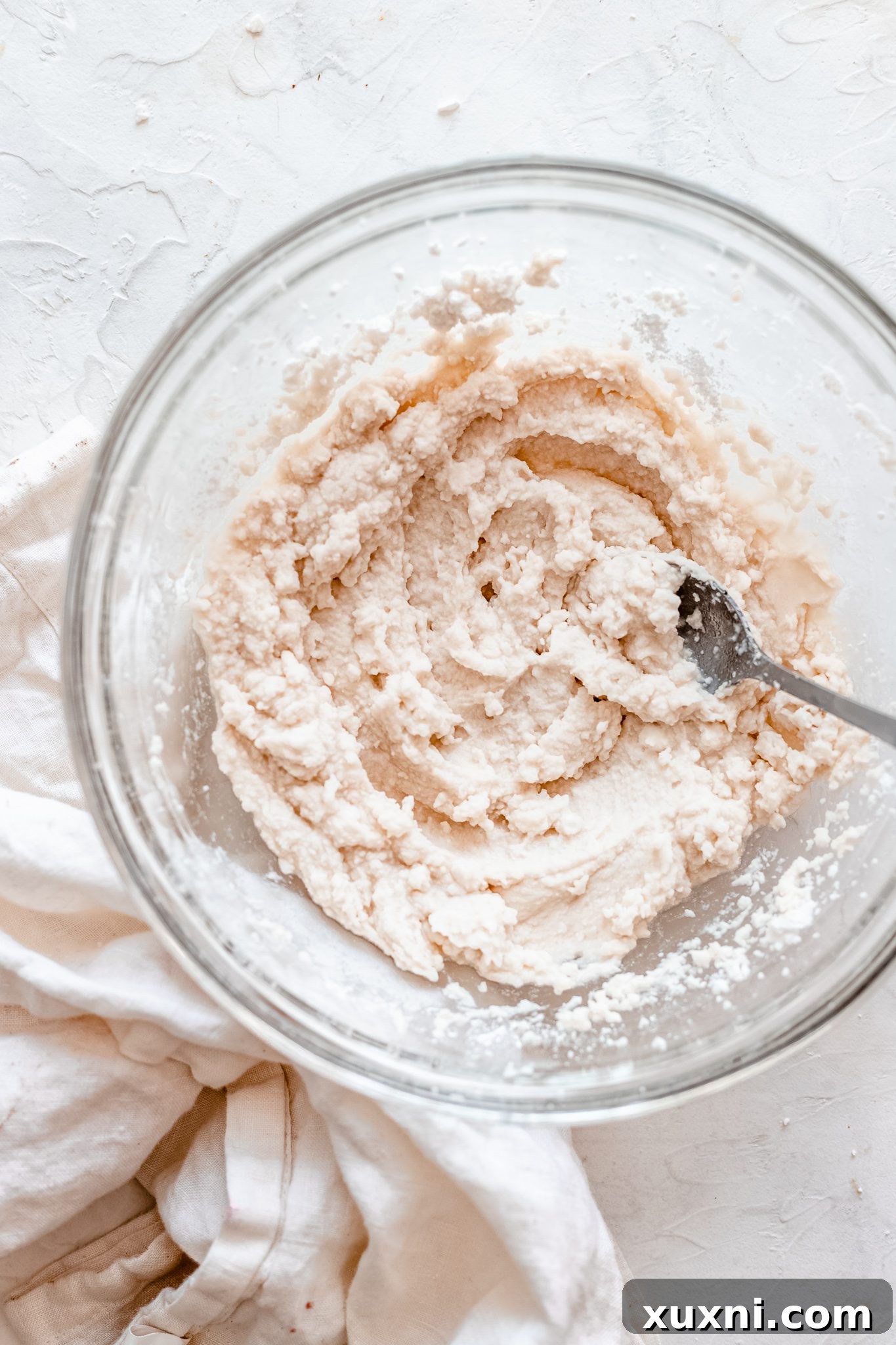
The Ultimate Guide to Easy Vegan Coconut Whipped Cream: A Dairy-Free Delight
Discover how to create the most luscious, airy, and undeniably delicious vegan coconut whipped cream in just minutes! This simple recipe offers a perfect dairy-free, plant-based alternative that’s incredibly versatile and adaptable for various dietary needs, including Paleo, Keto, and Whole30. Prepare to elevate your desserts, beverages, and breakfast with this effortlessly smooth topping.
A No-Fuss Vegan Whipped Cream Recipe for Every Occasion
If you’ve been searching for a reliable, dairy-free whipped topping that’s as simple to make as it is delightful to taste, look no further. This coconut whipped cream recipe is my absolute go-to for countless culinary applications. Whether I’m adding a cloud-like swirl to homemade strawberry shortcake, garnishing a rich vegan Black Forest Cake, or simply topping a scoop of ice cream, its creamy texture and subtle coconut flavor are always a hit. The beauty of this recipe lies in its sheer simplicity and its accommodating nature, making it ideal for those with specific dietary restrictions or allergies.
One of the most appealing aspects of this plant-based whipped cream is its natural suitability for various dietary preferences. It’s not only entirely dairy-free but also naturally nut-free, making it a safe and delicious choice for individuals navigating dairy or nut allergies. Beyond that, its base ingredients are inherently flexible, allowing it to be easily tailored to Paleo, Keto, and Whole30 eating plans with just a slight adjustment to the sweetener. This adaptability ensures that everyone can enjoy a decadent, guilt-free topping without compromise.
Furthermore, the ability to customize the sweetness level is a game-changer. Some days, I crave an intensely sweet topping, perfect for tart berries or a simple cup of coffee, in which case I opt for powdered sugar. Other times, the natural sweetness of coconut is all I desire, especially when pairing it with already sweet desserts or for a lighter, more refreshing feel. This recipe empowers you to adjust it precisely to your palate, ensuring a perfect match for any dish or mood.
Understanding the Ingredients and Dietary Adaptations
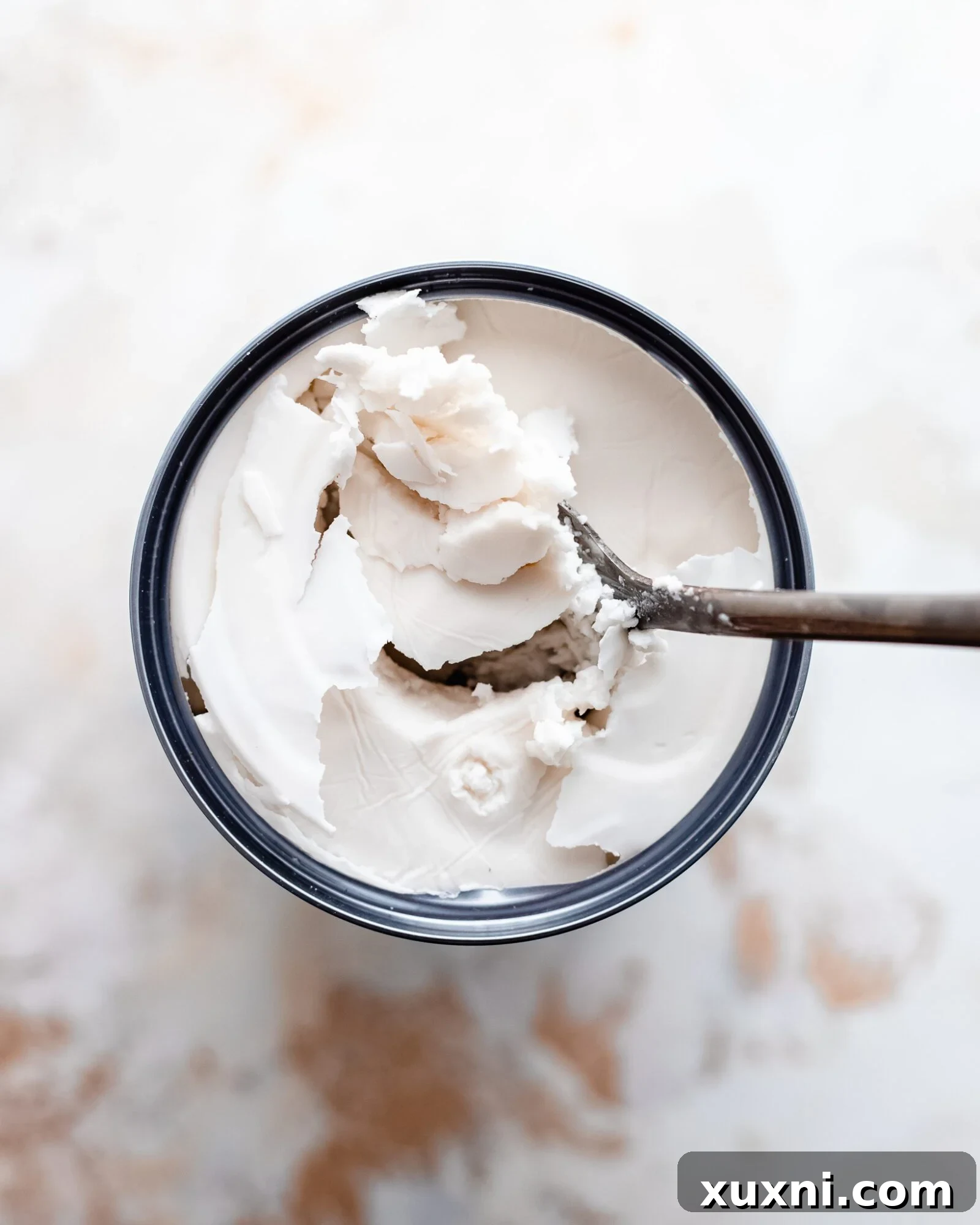
The foundation of this exquisite whipped cream is one star ingredient: full-fat coconut cream. It’s crucial to distinguish between coconut cream and other coconut products. You absolutely cannot use standard canned coconut milk, nor the thinner, refrigerated coconut milk often found in the dairy aisle. These products simply do not contain enough fat to whip into a stable, fluffy consistency. For a deeper understanding, you can explore the differences between coconut cream and coconut milk to grasp why quality coconut cream is non-negotiable for this recipe.
When selecting your coconut cream, always check the label. Look for full-fat coconut cream, ideally in a can, with a high percentage of coconut extract. My personal preference, which consistently yields excellent results, is Trader Joe’s organic coconut cream in the distinctive blue can. Another fantastic option, though sometimes harder to source, is Edward & Sons “Heavy Cream” Coconut cream, which I’ve typically found at specialty stores like Whole Foods. The key is finding a brand that reliably separates its thick, creamy fat from the thinner coconut water when chilled.
Beyond the coconut cream, the additional ingredients are minimal and serve primarily to enhance flavor and sweetness. A good quality vanilla extract is highly recommended for its ability to round out the coconut flavor and add a warm, comforting note. For sweetness, classic powdered sugar is often used in traditional recipes, contributing to a smooth texture.
However, for those adhering to specific dietary frameworks, here are my tailored recommendations for sweeteners:
- Paleo: For a natural and unrefined sweetness, opt for pure maple syrup or granulated maple sugar. Be aware that these options may lend a slightly amber hue and a distinct flavor profile to your whipped cream. Alternatively, for a truly unsweetened version, you can leave it as is.
- Keto: To keep carb counts low, utilize a keto-friendly, zero-sugar sweetener. Monk fruit, stevia, or allulose are excellent choices, available in both liquid and granulated forms. Adjust to your desired sweetness level, or, for the purest coconut flavor, omit sweetener altogether.
- Whole30: The Whole30 program strictly avoids added sugars. Therefore, for a compliant version, simply leave the whipped cream unsweetened. The natural richness of the coconut cream will still provide a satisfying base.
How to Make Coconut Whipped Cream Perfectly Every Time
Achieving perfectly fluffy coconut whipped cream requires a few simple yet crucial steps, primarily centered around temperature and technique. While some recipes suggest chilling the coconut cream can for an extended period, my experience shows that two to three hours in a very cold refrigerator (around 33°F or 0.5°C) is often sufficient. However, if your fridge tends to run warmer, chilling the can overnight is a safer bet to ensure optimal separation and solidification of the coconut fat.
A vital tip for success: Always place your mixing bowl in the freezer for at least an hour before you begin. A thoroughly chilled bowl significantly aids in the whipping process, helping the coconut cream maintain its cold temperature and achieve maximum fluffiness.
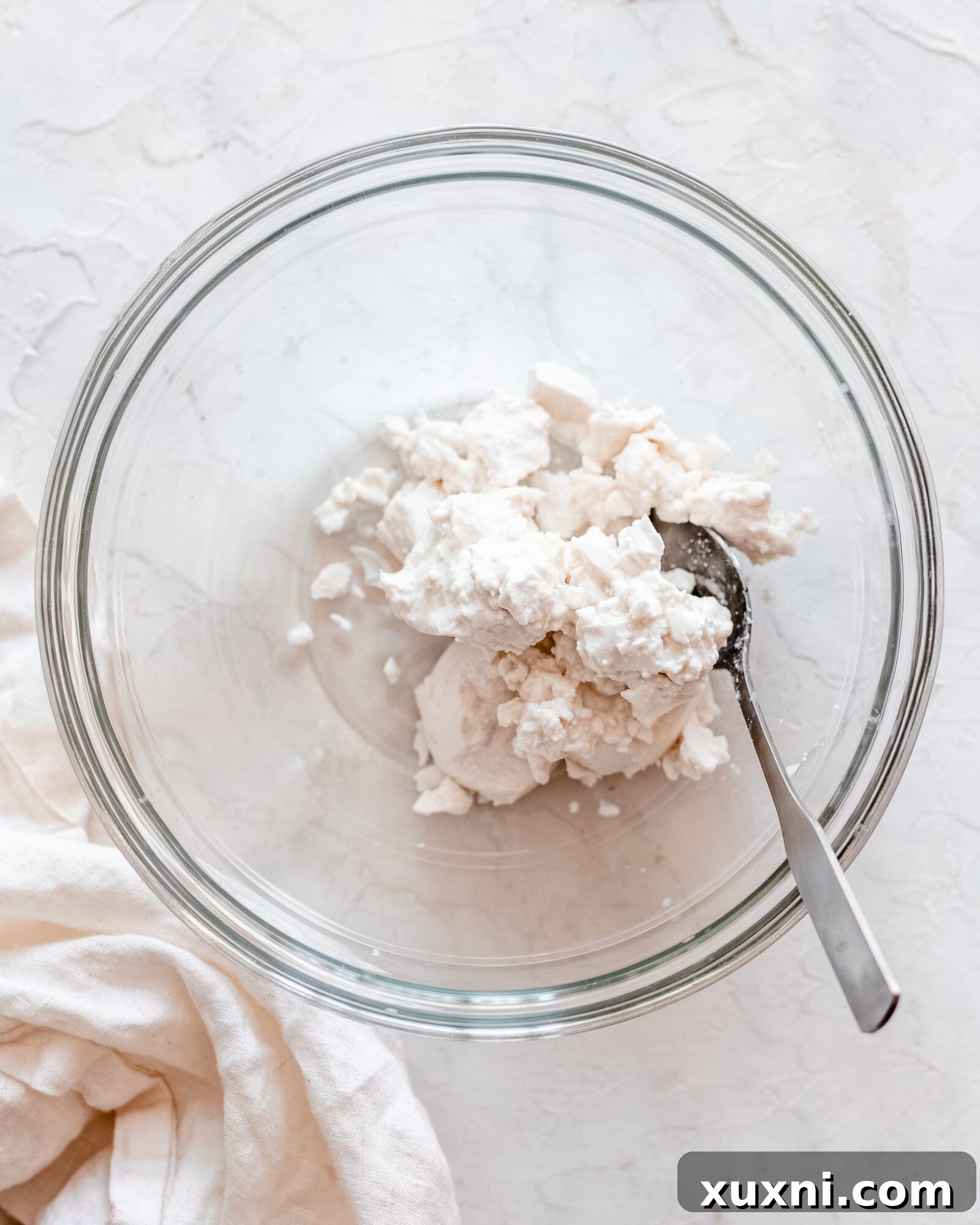
The core principle here is to separate the hardened coconut cream fat from the clear coconut water. When properly chilled, the thick, creamy fat will solidify at the top of the can, leaving the water at the bottom. To extract the cream efficiently, carefully open the can from the bottom or top, then gently scoop out the thick, solid coconut cream into your chilled mixing bowl. Try to leave as much of the liquid coconut water behind as possible. An easy method is to create a small opening in the cream layer, pour out the water, and then scoop the remaining firm cream.
Don’t discard the coconut water! It’s a fantastic, nutrient-rich liquid perfect for smoothies, hydration, or even as a light base for other recipes. Moreover, you might need a tablespoon or two of this water if your coconut cream is proving stubborn during the whipping process or if it needs a little thinning to reach the perfect consistency.
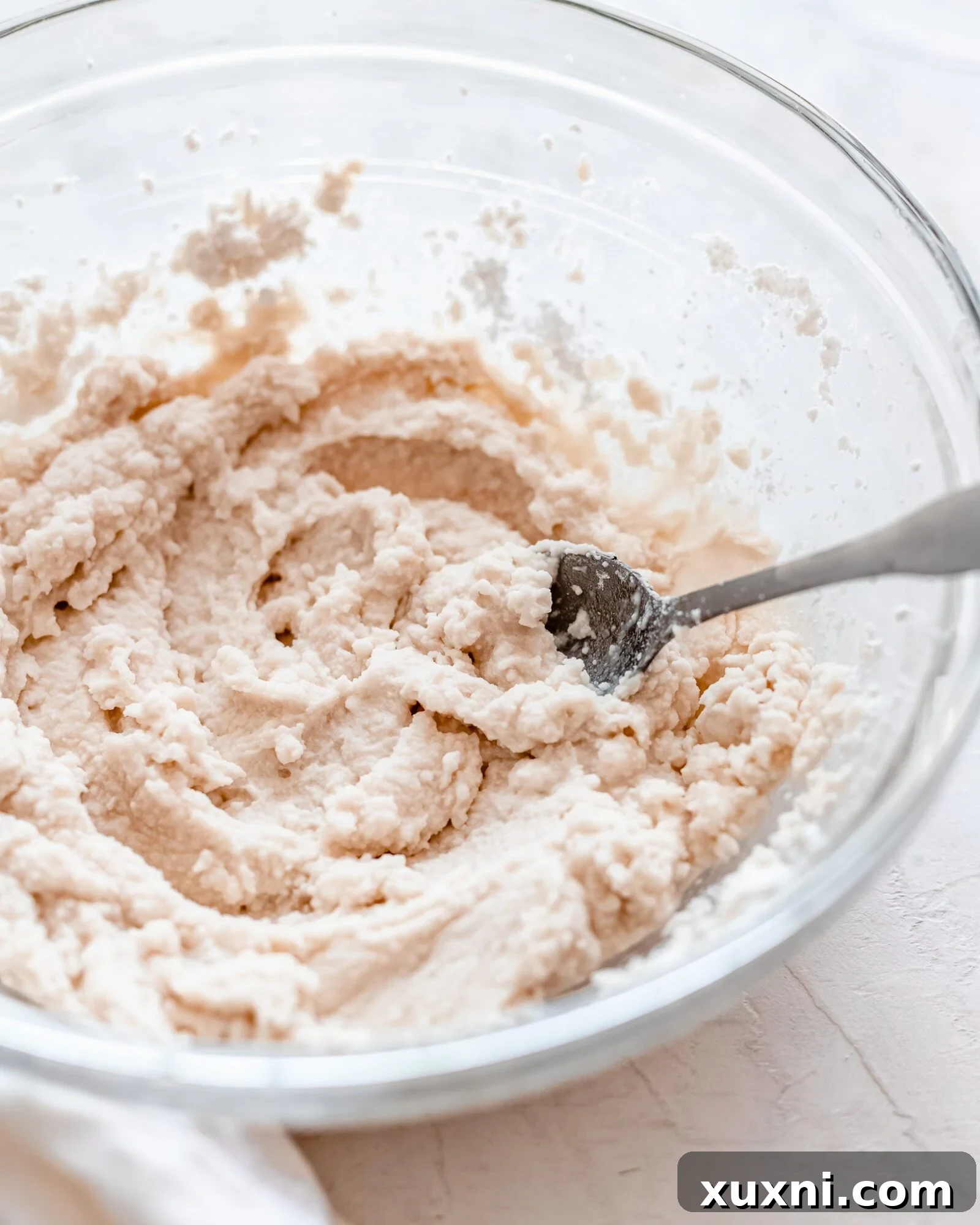
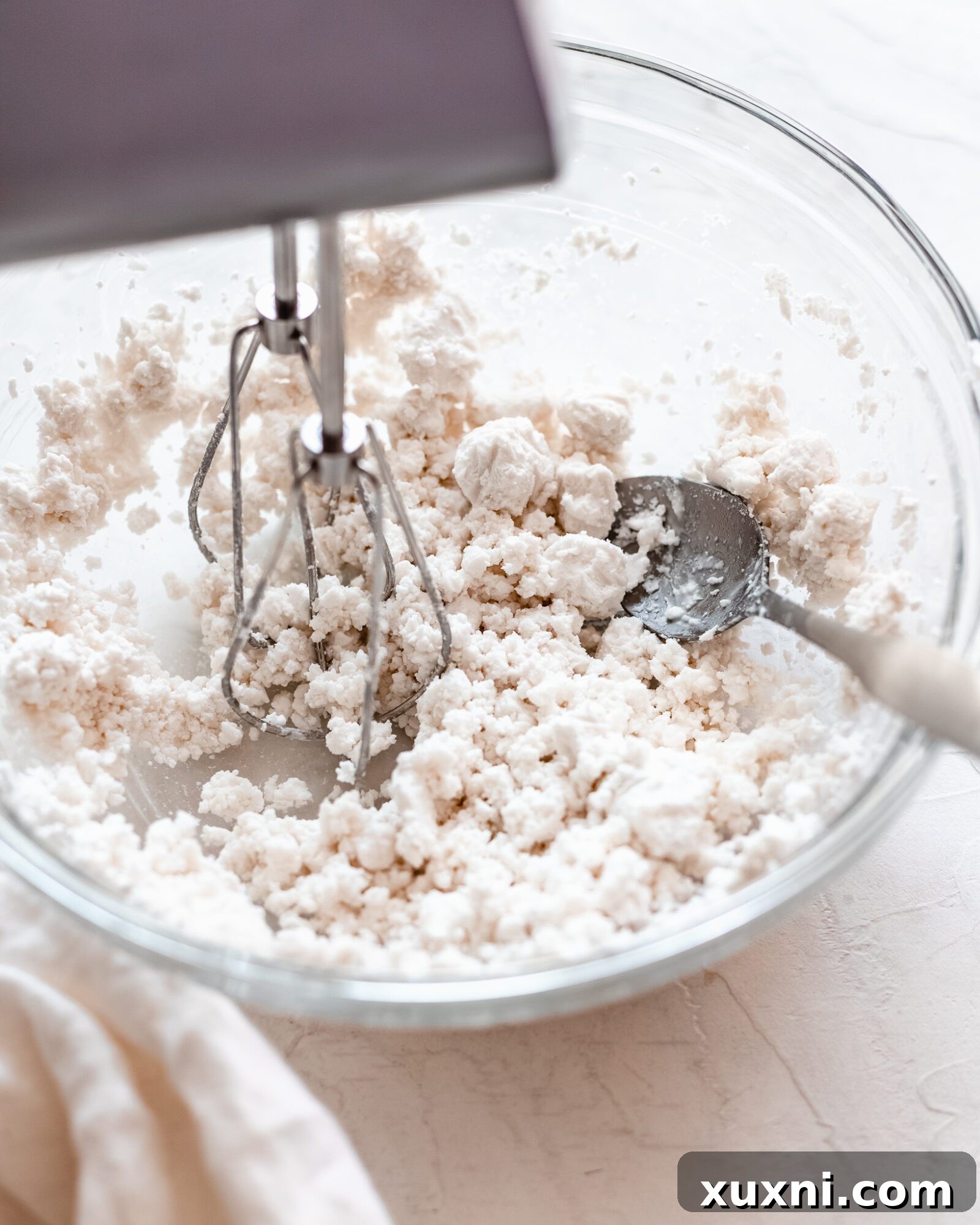
Once the solidified coconut cream is in your chilled bowl, it’s time to whip. A hand mixer is truly your best friend for this task, as it provides precise control and efficient aeration. Begin whipping the coconut cream on medium-high speed for approximately 1-2 minutes. You’ll observe it transforming from a dense, solid mass into a noticeably lighter, creamier consistency.
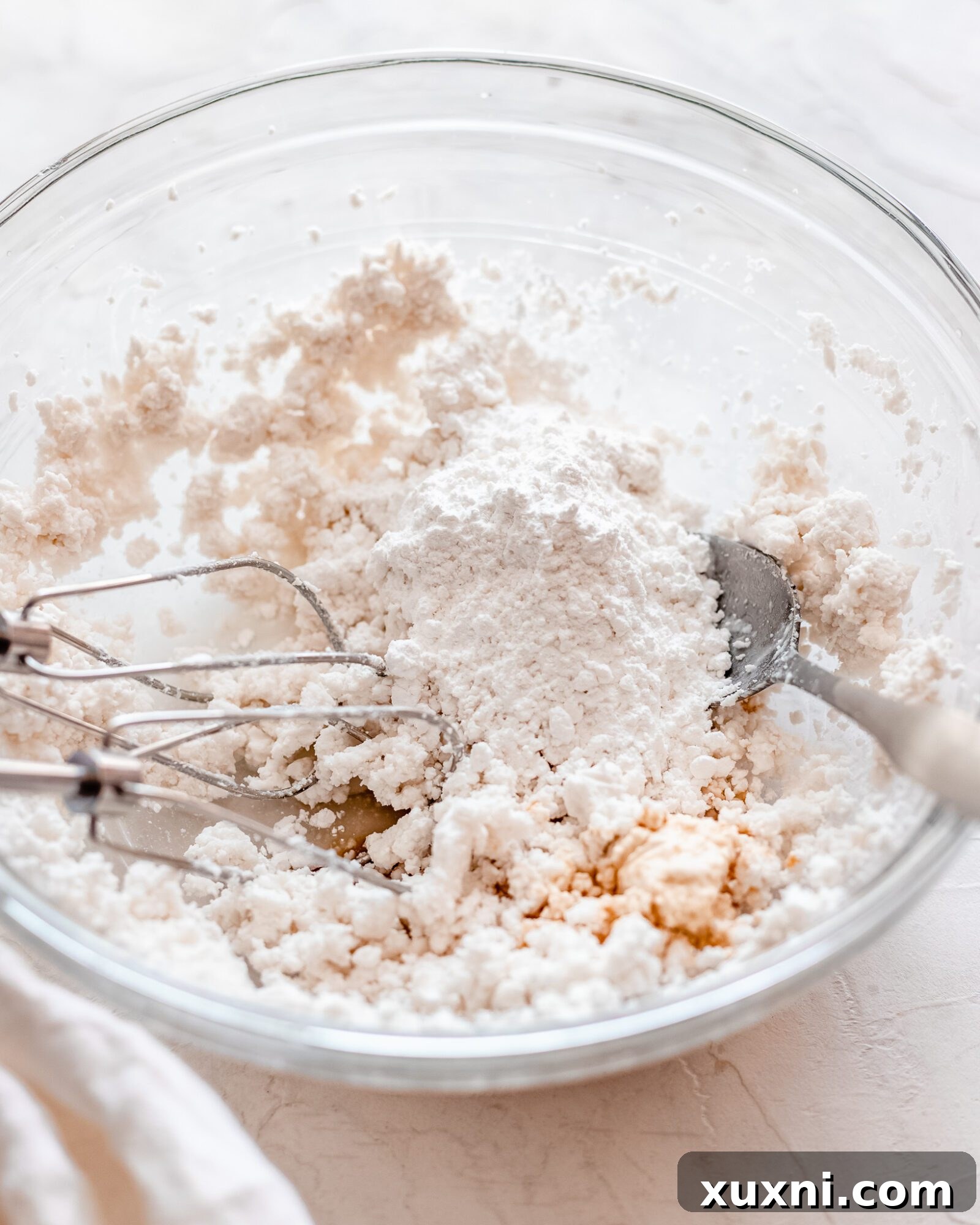
Next, sift in your chosen sweetener (powdered sugar, maple sugar, or a keto-friendly alternative) along with the vanilla extract. Sifting the powdered sugar prevents lumps and ensures a smooth, uniform texture. Continue whipping for another 3-5 minutes, or until the mixture is beautifully fluffy, smooth, and holds soft to medium peaks. The exact whipping time can vary based on your mixer and the temperature of your ingredients. If the mixture seems too stiff, gradually add a teaspoon of the reserved coconut water until the desired texture is achieved.
-

Scooping the thick coconut cream into a cold bowl. -
The initial whipping process for a creamy base.
-
Adding the final flavorings for a perfect finish. -
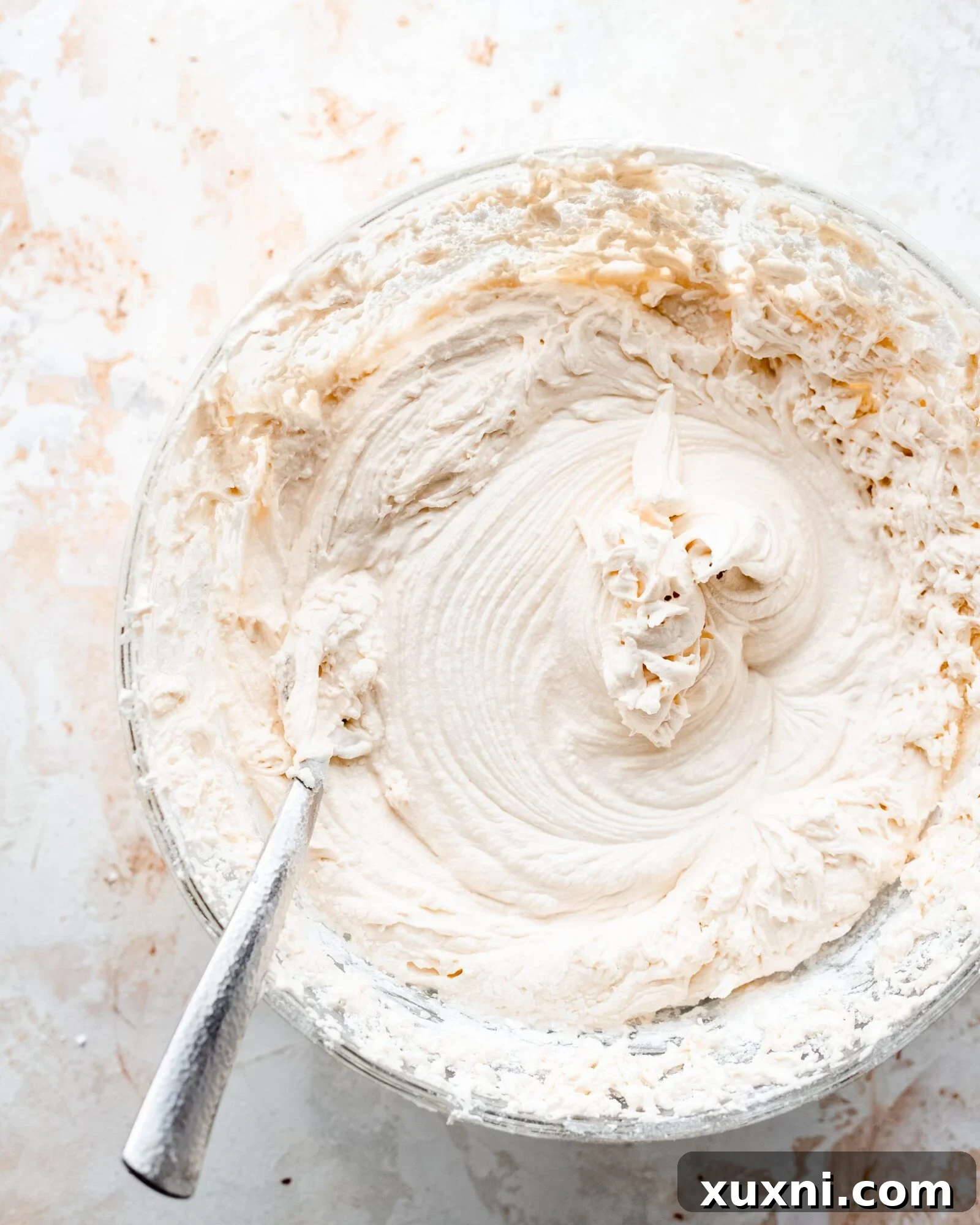
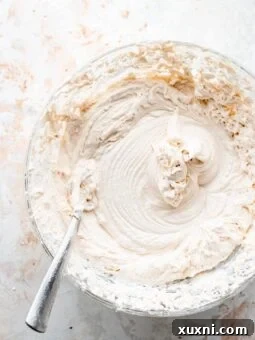
The finished, fluffy coconut whipped cream.
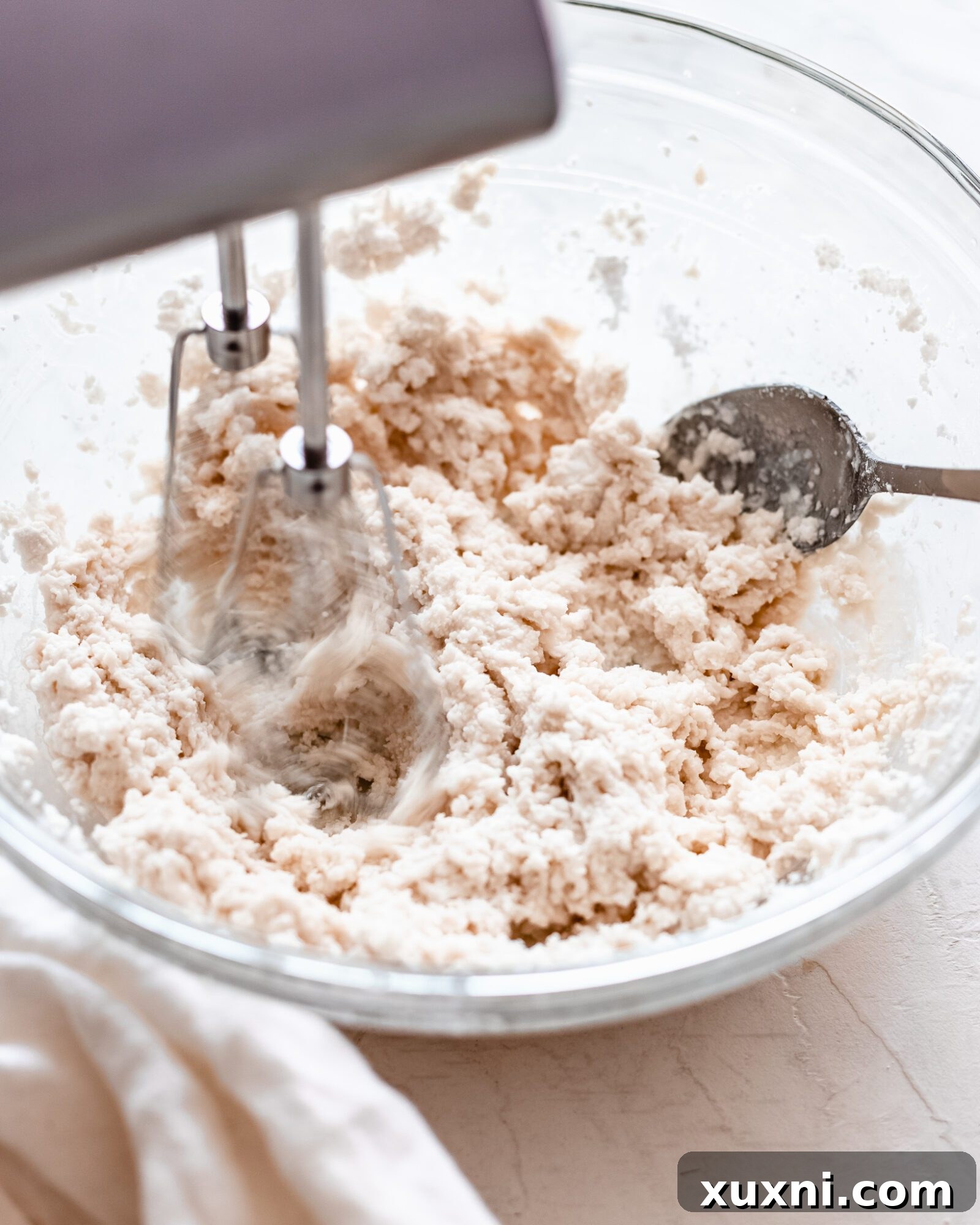
Once it reaches your desired consistency – light, airy, and holding its shape – it’s ready to be enjoyed immediately! This fresh, homemade coconut whipped cream is incredibly versatile and will transform any dessert into a gourmet experience.
Considering a Whipped Cream Stabilizer (Optional)
While this recipe often yields a wonderfully stable whipped cream on its own, for those seeking a consistency akin to classic “Cool Whip” or if you live in a warmer climate, a vegan whipped cream stabilizer can be a valuable addition. Stabilizers help the whipped cream hold its structure for longer periods, preventing it from deflating or weeping. They can be particularly useful if you plan to pipe the whipped cream, if it needs to sit out for a while, or if you simply prefer a firmer texture.
Commercial vegan stabilizers, such as “Whip It!”, are typically found in the baking aisle of most grocery stores or can be easily purchased online. These products usually contain starches or gums that bind with the fat and water, creating a more robust structure. Alternatively, you can achieve a similar stabilizing effect with a small amount of arrowroot powder or cornstarch sifted in with your sweetener. Incorporating a stabilizer is a simple step that can offer peace of mind, especially if you’ve previously had issues with coconut whipped cream not stiffening sufficiently or losing its fluffiness too quickly.
Expert Tips & Tricks for Perfection
Achieving consistently perfect coconut whipped cream is easy with these insider tips:
- Hand Mixer is Key: While a stand mixer might seem convenient, a hand mixer offers superior control for this specific application. You’re working with a smaller volume of cream, and a hand mixer allows you to scrape down the sides more easily and better gauge the consistency. A stand mixer often requires a much larger batch to whip effectively, and its wider bowl can sometimes hinder proper aeration for smaller quantities.
- Vanilla is Non-Negotiable: Don’t be tempted to skip the vanilla extract. It plays a crucial role in enhancing the natural coconut flavor and adding a depth that elevates the whipped cream from good to extraordinary. For a more adventurous twist, consider other extracts like almond or peppermint, depending on your dessert pairing.
- Chill Everything: The success of this recipe hinges on temperature. Not only should the coconut cream can be thoroughly chilled, but also your mixing bowl and even the hand mixer attachments. Using warm attachments that have just been washed with hot water can instantly melt your carefully chilled coconut cream, leading to a runny, unusable mess.
- Dealing with a “Dud” Can: It’s a rare occurrence, but sometimes a can of coconut cream simply won’t cooperate. Despite perfect chilling, the fat might not separate or whip properly, resulting in a grainy or split consistency. This isn’t your fault! Coconut cream can vary from brand to batch. A good preventative measure is to always buy two cans. If one is a dud, you’ll have a backup. You’ll usually know almost immediately during the initial whipping stage if there’s an issue – if it doesn’t start to thicken within a minute or two, you might have a problematic can. Sometimes a longer chill can help, but a replacement is often the best solution.
- Optimizing Storage: If you find yourself with leftover coconut whipped cream (a rare occurrence in my kitchen!), store it in an airtight container in the refrigerator for up to five days. While it may lose some of its initial fluffiness and firm up slightly when cold, a quick re-whip with a hand mixer for 30 seconds can often revive its airy texture. For longer storage, it can be frozen for up to two months. Thaw in the refrigerator and re-whip before serving.
Versatile Ways to Use Your Delicious Coconut Whipped Cream
This homemade vegan whipped cream is incredibly versatile, serving as the perfect topping or frosting for an extensive array of sweet treats and comforting drinks. Its light texture and delicate flavor complement a wide range of desserts without overpowering them. Here are just a few ideas to inspire your culinary creativity:
- Desserts: Elevate any dessert, from elegant vegan cakes and cupcakes to rustic fruit-based treats. It’s especially delightful with fresh berries, turning a simple bowl of fruit into a gourmet experience.
- Ice Cream & Frozen Delights: A generous dollop on ice cream is a classic pairing. It adds a refreshing contrast to rich flavors and can make store-bought vegan ice cream feel extra special.
- Baked Fruit Desserts: It’s the ideal counterpoint to warm, baked fruit. Think about serving it with shortcakes, comforting fruit cobblers, or crispy crumbles. The cool cream melting into the warm fruit is pure bliss.
- Pies and Tarts: Transform any pie or tart into a showstopper. Whether it’s a chocolate silk pie, a fresh lemon tart, or a classic pumpkin pie, this whipped cream adds a luxurious finish. Explore options with vegan pies and tarts.
- Breakfast and Brunch: Don’t limit it to dessert! Top fluffy vegan waffles and stacks of pancakes for an indulgent breakfast experience. It’s a fantastic alternative to traditional whipped cream for these morning favorites.
- French Toast Creations: Elevate your French toast or even a French toast casserole with a swirl of this creamy topping, perhaps alongside some fresh fruit and a drizzle of maple syrup.
- Hot Beverages: A generous dollop of coconut whipped cream melting into a mug of vegan hot chocolate is the ultimate cozy treat. It adds a rich, creamy texture and a subtle sweetness that makes any warm drink feel more luxurious.
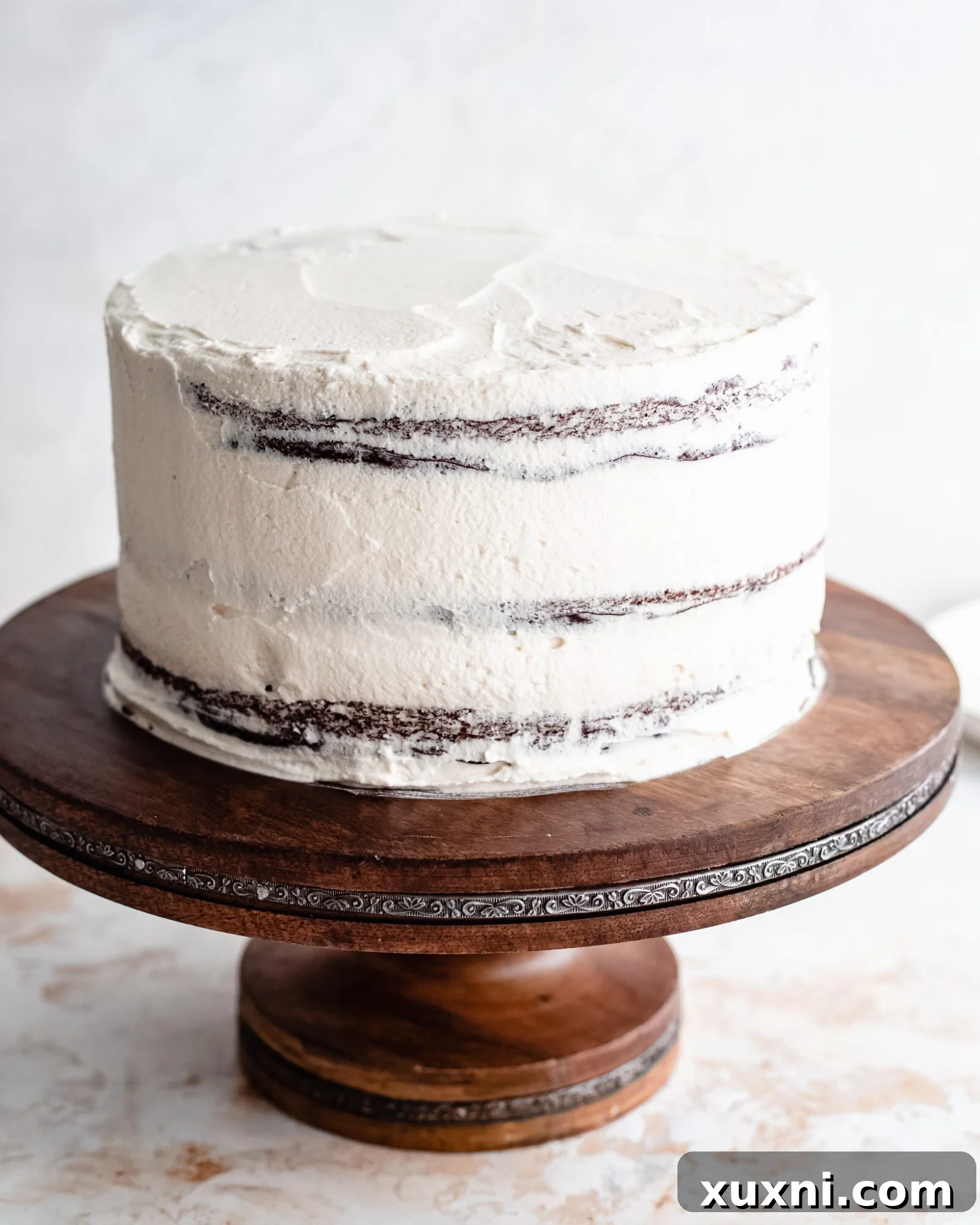
I genuinely hope you find as much joy and versatility in this vegan coconut whipped cream recipe as I do! It’s a game-changer for anyone seeking a plant-based, dairy-free alternative that doesn’t compromise on flavor or texture. Once you experience the ease and deliciousness, you’ll wonder why you didn’t try it sooner. When you whip up your batch, remember to share your creations!
If you give this recipe a try, please take a moment to leave a comment down below and provide a rating (⭐️⭐️⭐️⭐️⭐️). Your feedback helps other home cooks discover and enjoy this wonderful recipe!
As always, I absolutely adore seeing your culinary masterpieces. Be sure to tag me on Instagram and Pinterest so I can admire your beautiful creations. Happy coconut whip creaming!
Explore More Vegan Frostings and Toppings:
- Best Vegan Buttercream: A classic for cakes and cupcakes.
- Easy Vegan Ganache: Rich and glossy, perfect for drips and glazes.
- Paleo Vegan Salted Caramel: A healthier twist on a beloved classic.
- Date-Based Caramel: Naturally sweet and incredibly wholesome.
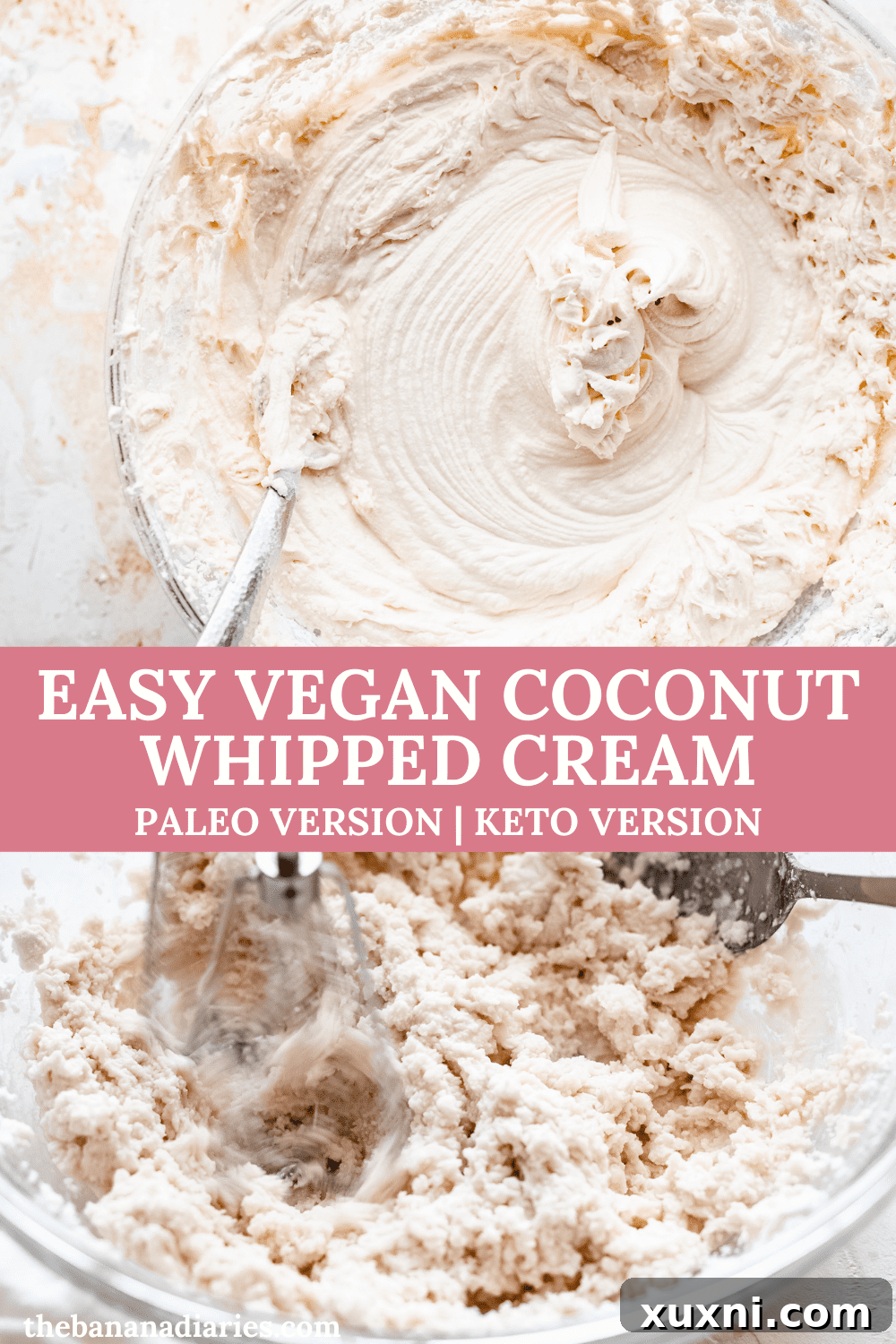
Save This Recipe for Later! Pin It to Your Favorite Recipe Board on Pinterest!
How to Make Coconut Whipped Cream (Vegan, Dairy-Free)
No reviews yet
- Author: thebananadiaries
- Prep Time: 5 minutes
- Total Time: 5 minutes
- Yield: Approximately 1.5 cups
- Category: Dessert Topping
- Diet: Vegan, Dairy-Free, Gluten-Free (adaptable for Paleo, Keto, Whole30)
Description
This easy vegan coconut whipped cream is prepared in just 5 minutes and is effortlessly adaptable for Paleo, Keto, and Whole30 diets! It’s the ultimate dairy-free whipped topping that adds a touch of elegance to any sweet dish.
Ingredients
- 1 (15-ounce) can full-fat coconut cream (chilled for at least 2-3 hours or overnight)
- 1 teaspoon vanilla extract
- Optional Sweeteners & Stabilizers:
- 1/4 to 1/2 cup powdered sugar (for a classic sweet finish)
- 1/4 cup maple syrup or granulated maple sugar (for Paleo-friendly option)
- 1/4 cup keto-friendly sweetener (such as monk fruit, stevia, or allulose, for Keto-friendly option)
- 1-2 teaspoons whipped cream stabilizer (like “Whip It!” or arrowroot powder, for firmer consistency)
(Note: For Whole30, omit all sweeteners.)
Instructions
- Chill Thoroughly: Place the can of coconut cream in the refrigerator for a minimum of 2-3 hours, or ideally overnight, to allow the thick cream to separate from the water. Simultaneously, place a medium-sized mixing bowl and your hand mixer attachments in the freezer for at least 1 hour.
- Extract Coconut Cream: Once chilled, carefully open the can of coconut cream (you can open from the bottom to easily drain the water first). Gently scoop out only the thick, solid coconut fat into your frozen mixing bowl, leaving any clear coconut water behind in the can. Reserve the coconut water for smoothies or other uses, or as needed for adjusting consistency.
- Initial Whip: Using the chilled hand mixer attachments, begin whipping the solid coconut cream on medium-high speed for 1-2 minutes until it becomes smooth and creamy, starting to show a slightly fluffy texture.
- Add Flavor and Sweetener: Incorporate the vanilla extract and your chosen sweetener (if using, see dietary notes above). If you are using a whipped cream stabilizer, sift it in at this stage. Continue whipping on medium-high speed for another 3-5 minutes, or until the coconut cream is light, airy, and holds soft to medium peaks. If the mixture is too thick or stiff, you can add 1 tablespoon of the reserved coconut water at a time until the desired consistency is achieved.
- Serve and Store: Your fresh, homemade vegan coconut whipped cream is now ready to use as a topping or frosting. Store any leftovers in an airtight container in the refrigerator for up to 5 days. For longer storage, it can be frozen for up to two months. Re-whip briefly before serving if previously refrigerated or thawed.
Notes
- Paleo Version: Replace powdered sugar with maple syrup or granulated maple sugar. Note that maple sweeteners may slightly alter the color and add their distinct flavor. You may also choose to omit sweetener entirely.
- Keto Version: Use a keto-friendly sweetener (e.g., monk fruit, stevia, allulose) or enjoy it unsweetened for a sugar-free option.
- Whole30 Version: Strictly omit all added sweeteners to maintain Whole30 compliance. The natural richness of coconut cream is delicious on its own.