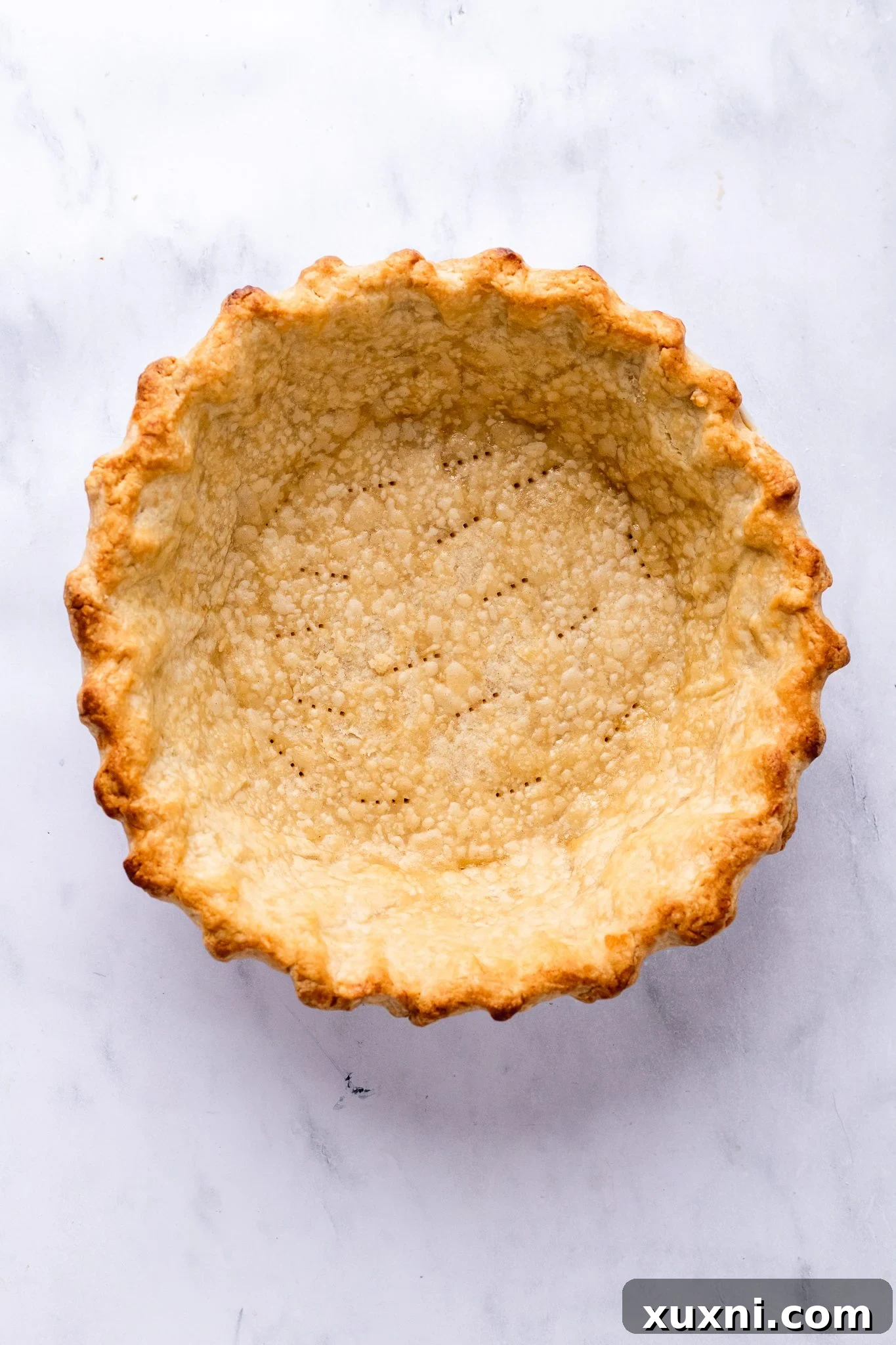
The Ultimate Guide to Easy, Flaky, and Buttery Gluten-Free Pie Crust (Dairy-Free & Vegan!)
Embark on a delightful baking journey with our unbelievably quick and easy gluten-free pie crust recipe! Crafted with just 5 simple, dairy-free, and naturally vegan ingredients, this recipe promises the flakiest, most “buttery” pie crust you’ve ever tasted. Say goodbye to crumbly, difficult gluten-free doughs and hello to a perfect foundation for all your sweet and savory pie creations.
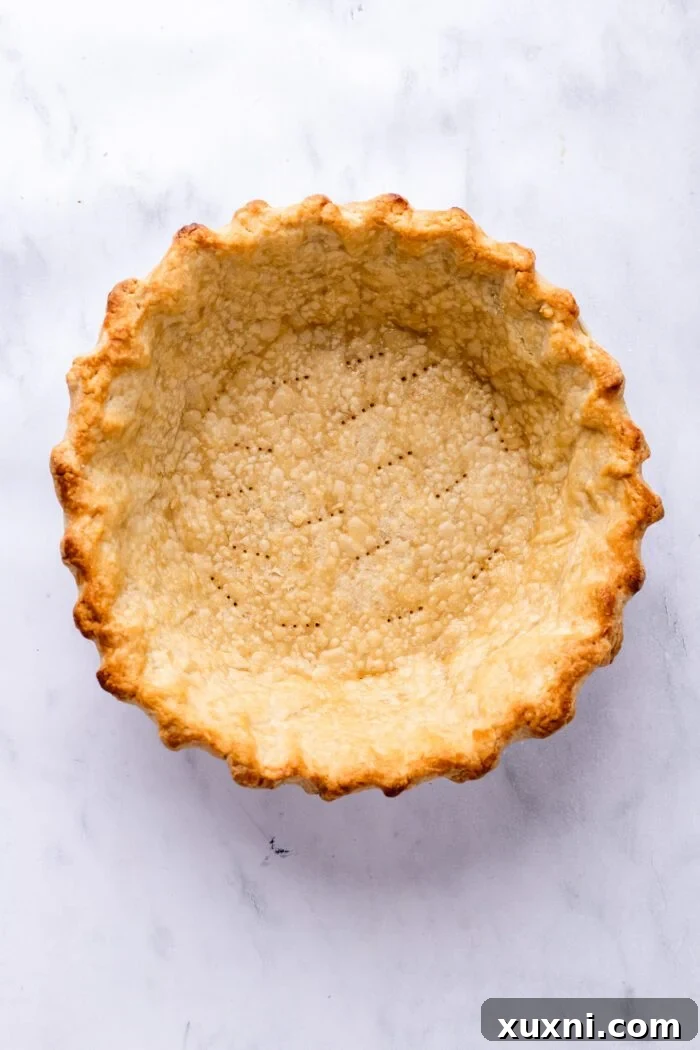
Table of Contents
- Why You’ll Love This Gluten-Free Pie Crust Recipe
- Essential Ingredients & Smart Substitutions
- How to Make the Perfect Flaky Gluten-Free Pie Crust
- Can I Make a Lattice Crust with This Dough?
- Can I Prepare the Dough in Advance?
- How to Par-Bake This Gluten-Free Pie Crust
- What if I Don’t Have Pie Weights?
Why You’ll Love This Gluten-Free Pie Crust Recipe
Being gluten-free no longer means sacrificing the joy of a truly delicious pie! This homemade gluten-free pie crust is a game-changer. The dough is incredibly easy to handle, offering a soft, pliable, and effortlessly rollable texture. This makes it ideal for everything from a simple single-crust pie to a more elaborate double-crust or elegant lattice design, proving that gluten-free baking can be both accessible and rewarding.
Prepare to be amazed by the exceptional flakiness of this pie crust. Its buttery, delicate layers are so reminiscent of a traditional white flour crust that you’ll hardly believe it’s gluten-free. This recipe is destined to become your go-to for all holiday pies and special occasions, delivering a professional-quality crust every time.
What makes this recipe even better is its natural vegan and dairy-free composition. While we’ve shared other favorites like our traditional vegan pie crust and an oat flour pie crust, this particular blend is meticulously crafted to satisfy all dietary preferences without compromising on taste or texture. It’s a versatile recipe designed to bring joy to every baker and pie lover.
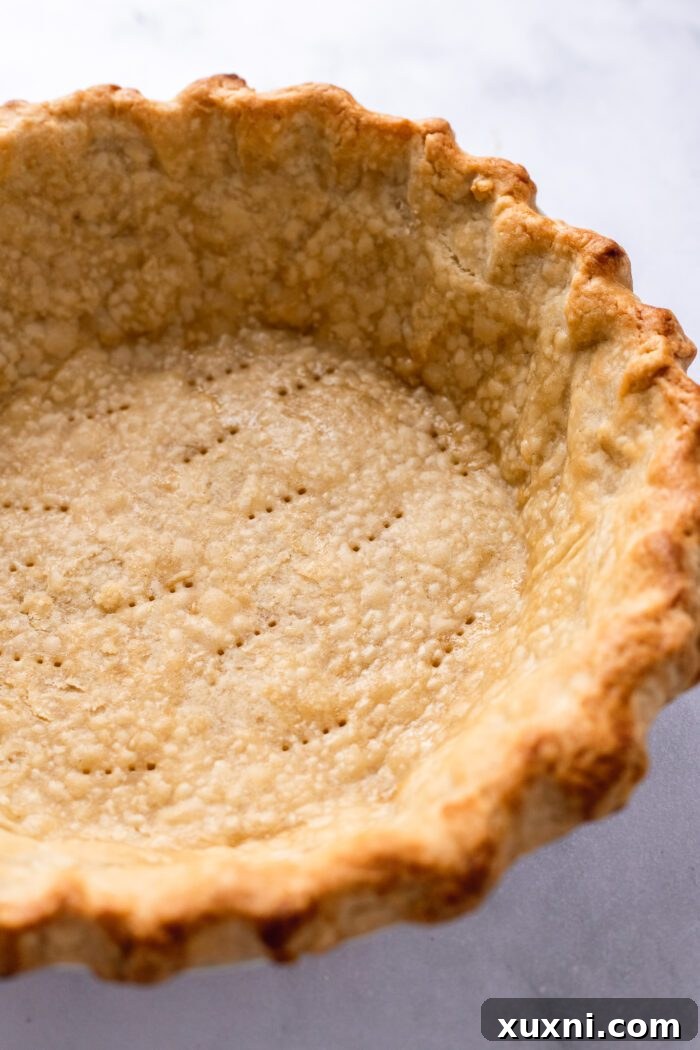
With this incredible gluten-free base, you can transform any of your favorite vegan Thanksgiving desserts and pies into gluten-free masterpieces. Imagine serving up a classic vegan pumpkin pie, a comforting vegan apple pie, or even a rich vegan pecan pie, all encased in this flawless gluten-free crust. The possibilities are endless for creating truly inclusive and delicious desserts.
Essential Ingredients & Smart Substitutions
Achieving the perfect gluten-free pie crust starts with understanding your ingredients. Here’s a breakdown of what you’ll need and how to make smart substitutions:
- Gluten-Free 1:1 Flour Blend: This is arguably the most critical ingredient. It’s vital to use a 1:1 gluten-free flour blend that specifically contains xanthan gum. Xanthan gum acts as a binder, mimicking the elasticity of gluten, which is essential for a workable and flaky crust. My top recommendation is King Arthur’s Gluten-Free Measure-For-Measure flour, as it consistently delivers a texture almost identical to traditional pie crusts. Brands like Bob’s Red Mill 1:1 gluten-free flour or Namaste flour blend tend to produce a more crumbly dough, making it challenging for rolling, especially for lattice work. If you prefer to use a different flour, consider exploring an oat flour pie crust recipe designed specifically for that type of flour.
- Vegan Butter: To keep this pie crust dairy-free and vegan, quality vegan butter is key. Brands like Miyoko’s Kitchen or Earth Balance (in stick form) work wonderfully. The stick form is crucial for cubing and maintaining cold temperatures, which is vital for flakiness. Always opt for salted vegan butter, or add a pinch of salt if using unsalted. While coconut oil can be used, it won’t achieve the same rich, “buttery” flavor and tender texture that vegan butter provides. The best part? This recipe requires absolutely no shortening!
- Dairy-Free Yogurt: This ingredient is our secret weapon, serving as an excellent vegan “egg replacement.” It adds moisture and tenderness to the dough, creating a truly exceptional texture. Vegan sour cream can also be used interchangeably. Avoid other liquid egg replacements like applesauce, as they can make the dough too watery. If dairy-free yogurt isn’t an option, you can substitute with 2 tablespoons of cornstarch or arrowroot starch, adding a bit more cold water as needed, though the yogurt yields superior results.
- Cold Water: Cold water is essential. It helps bind the dough ingredients together without melting the cold butter, which is critical for creating those desirable flaky layers. Keep your water chilled in the refrigerator until ready to use.
- Maple Syrup: This acts as our natural sweetener, providing a subtle sweetness that complements most pie fillings. For a savory pie crust, simply omit the maple syrup and instead add about 1/4 teaspoon of sea salt for balanced flavor. Organic granulated sugar, brown sugar, or coconut sugar can also be used as alternatives if maple syrup isn’t available.
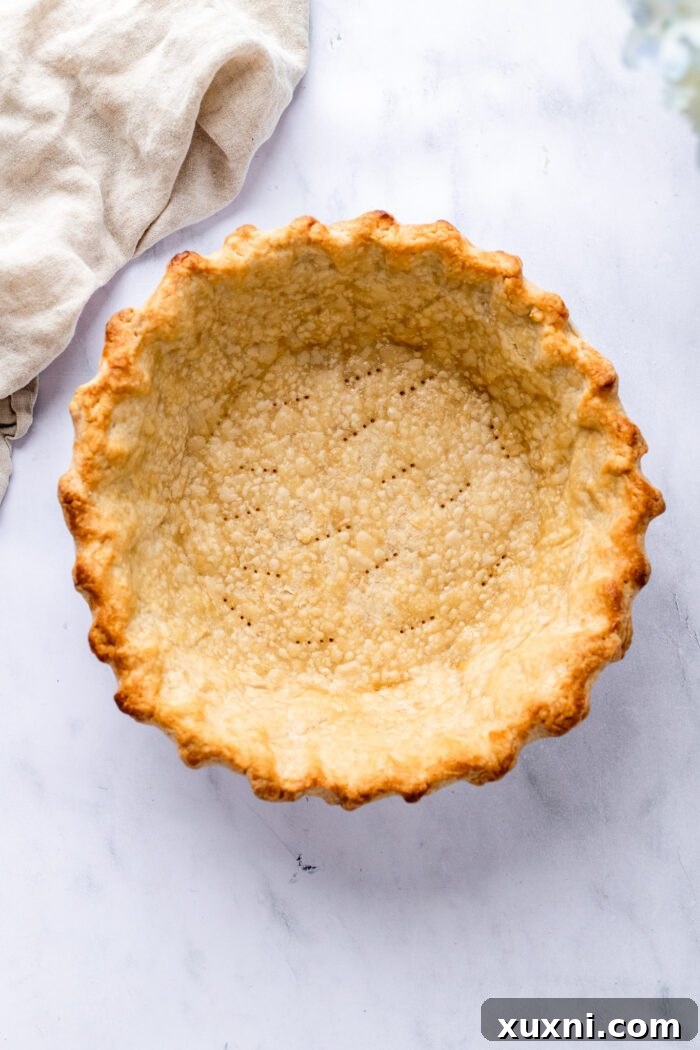
How to Make the Perfect Flaky Gluten-Free Pie Crust
Whether you’re a seasoned baker or new to gluten-free pastry, this recipe is designed for success. A food processor simplifies the process, but traditional hand-mixing methods with a pastry cutter or fork in a large bowl work just as well.
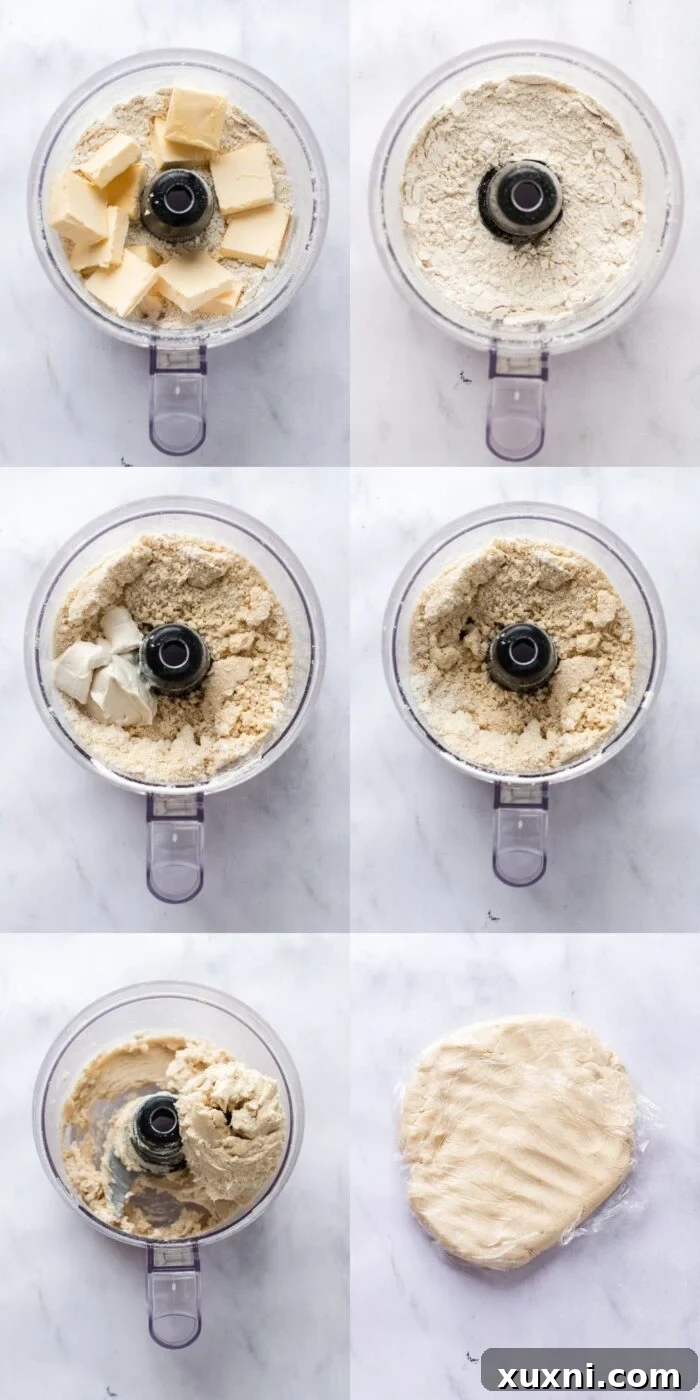
- Combine Dry Ingredients and Butter: In your food processor, combine the gluten-free flour and sea salt. Add the cubed, frozen vegan butter. Pulse the mixture in short bursts until it resembles coarse sand with a few pea-sized pieces of butter still visible. If mixing by hand, cut the butter into the flour using a pastry cutter or your fingertips until the desired texture is reached, ensuring the butter remains cold.
- Incorporate Dairy-Free Yogurt: Add the dairy-free yogurt (or vegan sour cream) to the mixture. Pulse again, just until combined, for about 5-7 seconds. Overmixing at this stage can develop gluten (even in GF flour blends) and result in a tough crust.
- Form the Dough with Maple Syrup and Cold Water: Next, pour in the maple syrup. With the food processor running (safely removing the pusher from the feed tube if necessary), gradually add 1 tablespoon of cold water at a time. Continue adding water until a cohesive dough forms that is slightly tacky but holds together when pressed. The dough should come together but not be overly sticky or wet.
- Chill the Dough: Transfer the dough onto a piece of plastic wrap or parchment paper. Gently form it into a flat disk, wrap it tightly, and refrigerate for at least 45 minutes to 1 hour. This chilling period is crucial for the butter to firm up and for the flour to fully hydrate, making the dough easier to roll and promoting flakiness.
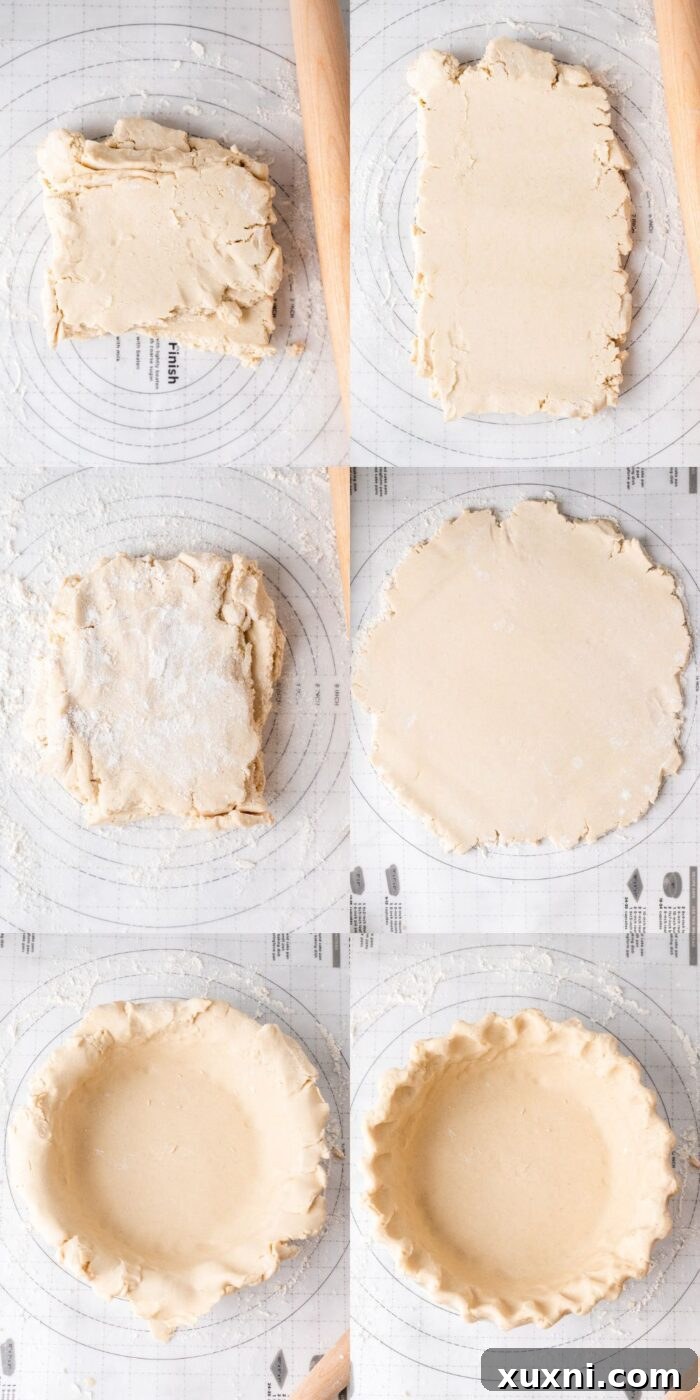
- Laminate for Extra Flakiness (Optional but Recommended): When ready to roll, generously flour a clean surface. A silicone pie mat with measurements can be very helpful. Place the chilled dough in the center and begin the lamination process. Roll the dough into a rectangle about 10 inches long, then fold it in half. Rotate the dough 90 degrees to the right, and repeat the rolling and folding process. Perform this lamination a total of 4 times. This technique creates extra layers, contributing to an incredibly flaky crust.
- Roll Out the Dough: After lamination, use a rolling pin to roll the dough out to be approximately 2 inches larger than your pie dish. This recipe is suitable for pie dishes ranging from 8 to 10 inches in diameter. Aim for an even thickness throughout the dough.
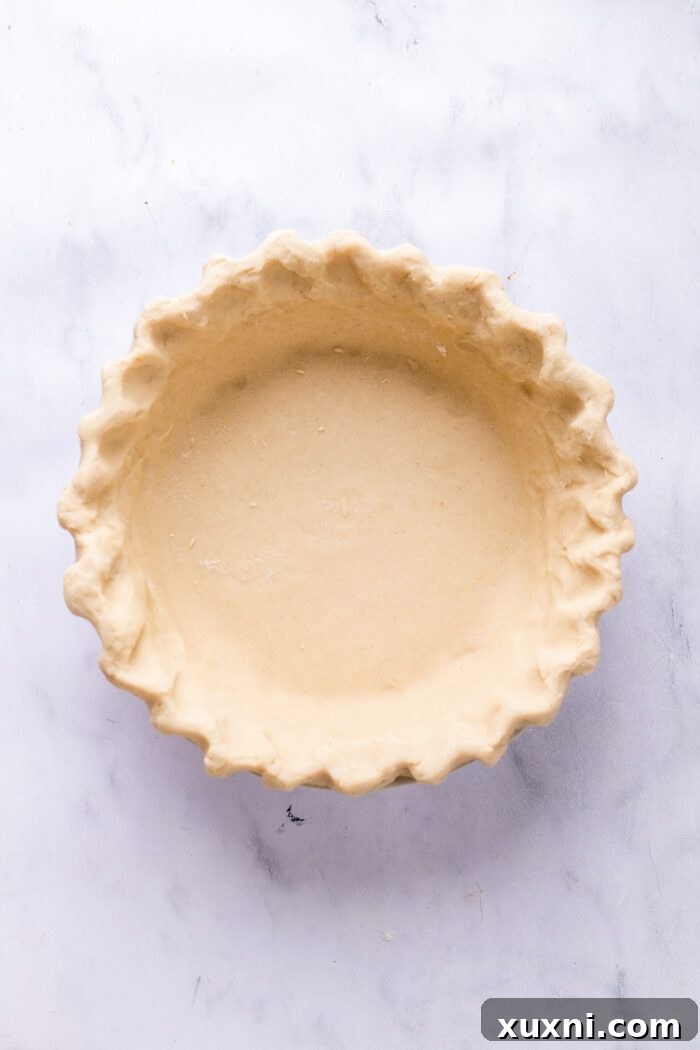
- Transfer and Trim: Carefully transfer the rolled dough into your pie pan. It’s crucial not to stretch the dough during this step, as stretching can cause the crust to shrink and pull away from the sides during baking. Gently lift the edges and ease the dough down into the bottom and sides of the dish. Once fitted, trim any excess dough that overhangs the edges and crimp or shape the edges as desired.
- Final Chill Before Baking: Place the pie crust (in its pan) into the freezer for 10-15 minutes while your oven preheats to 425°F (220°C). This final chill helps prevent the crust from shrinking and aids in maintaining its shape during baking.
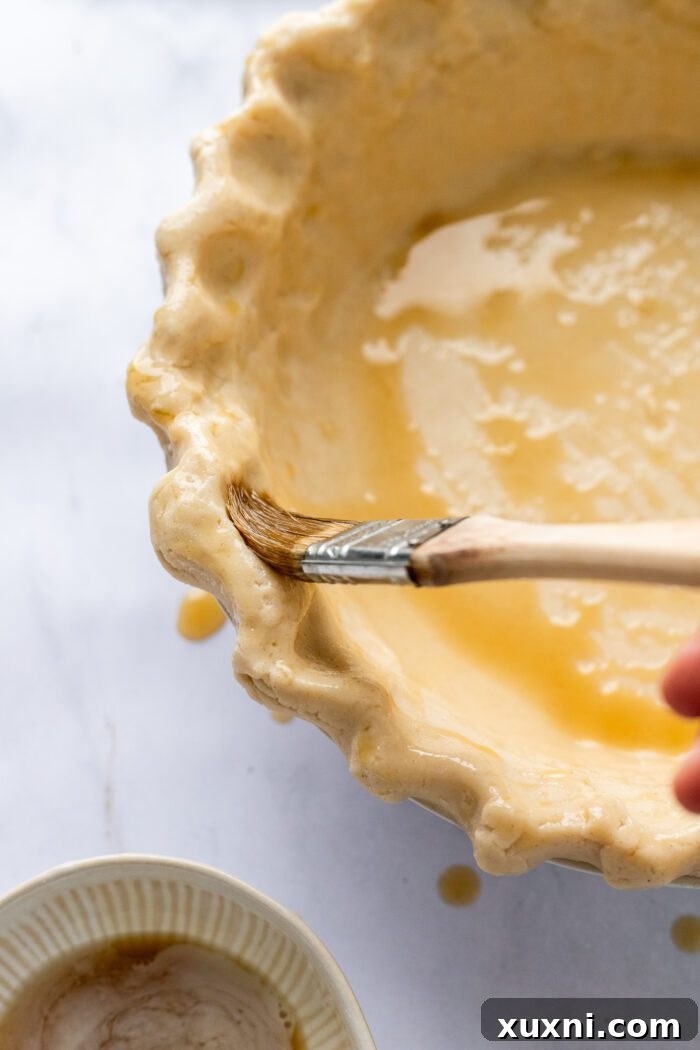
- Bake to Perfection: Once the oven is preheated, remove the pie crust from the freezer. Lightly prick the bottom of the crust a few times with a fork to prevent bubbling. Line the crust with a piece of parchment paper, then fill with pie weights (or suitable alternatives, see notes below). Brush the edges with a vegan egg wash (1 tbsp maple syrup + 1 tbsp soy milk) for a golden finish. Bake according to your recipe’s needs: for a fully baked crust, bake for 20-22 minutes, removing pie weights after about 15 minutes to allow the bottom to crisp. For a par-baked (partially baked) crust, bake for 10-12 minutes, then remove weights and bake for an additional 2-3 minutes.
Can I Make a Lattice Crust with This Dough?
Absolutely! One of the fantastic qualities of this gluten-free pie dough recipe is its excellent workability, making it perfectly suited for more intricate designs like a lattice crust or even a full double-crust pie. The pliability and soft texture allow for easy cutting into strips and weaving without cracking or breaking. This dough holds its shape beautifully through the baking process, ensuring your decorative crust looks as stunning as it tastes. It’s particularly wonderful for classic recipes like our vegan apple pie, where a beautiful lattice topping adds a delightful touch.
Can I Prepare the Dough in Advance?
To make your holiday baking or meal prep significantly easier, this gluten-free pie dough can certainly be prepared ahead of time. It’s a fantastic time-saver, especially during busy periods like Thanksgiving. Once prepared and wrapped tightly in plastic wrap, the dough can be stored in the refrigerator for up to 1-2 days. For longer storage, you can freeze the dough for several weeks. Just remember to transfer it to the refrigerator the day before you plan to use it, allowing ample time for it to thaw thoroughly and become pliable again. Proper wrapping is key to prevent the dough from drying out and to maintain its fresh texture.
How to Par-Bake This Gluten-Free Pie Crust
Baking a pie often involves specific terminology, especially during the bustling holiday season. Let’s clarify a few terms you might encounter: “par-bake,” “partially bake,” and “blind-bake.”
- Par-bake (or Partially Bake): This means to bake the pie crust only partially before adding your filling. It’s a crucial step for pies with very wet fillings or those with shorter baking times, as it prevents the dreaded “soggy bottom.”
- Blind-bake (or Fully Bake): This refers to fully baking the pie crust until it’s golden and crisp. Blind-baking is essential for pies that use no-bake fillings, such as our popular vegan chocolate cream pie, where the crust needs to be fully cooked before the filling is added.
To par-bake your gluten-free pie crust:
- After chilling the shaped crust, poke a few holes in the bottom with a fork to allow steam to escape and prevent bubbling.
- Line the crust with a piece of parchment paper, ensuring it covers the bottom and sides.
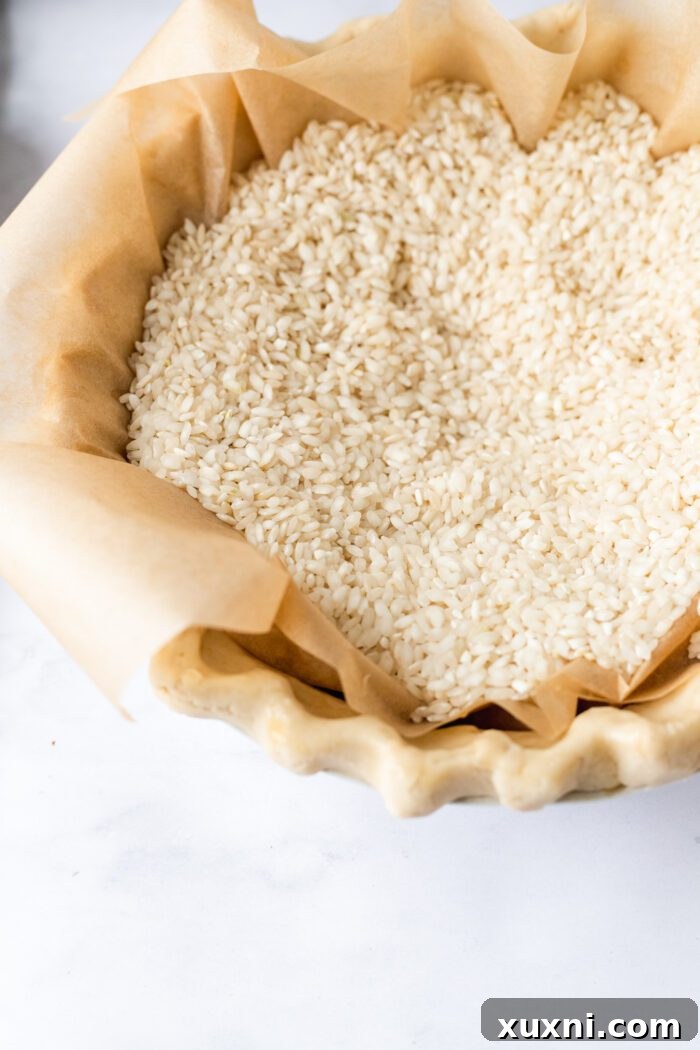
- Fill the parchment-lined crust with pie weights (or a suitable alternative like dried beans, rice, or flour – see below). These weights keep the crust from shrinking and the sides from collapsing.
- Bake in a preheated oven (typically 425°F/220°C) for 10-12 minutes.
- Carefully remove the parchment paper and pie weights.
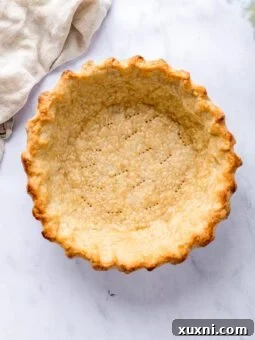
- Return the crust to the oven for an additional 2-3 minutes to allow the bottom to crisp up and lightly brown. This results in a perfectly par-baked crust, ready for your filling.
What if I Don’t Have Pie Weights?
No pie weights? No problem at all! There are several excellent household alternatives that work just as effectively to keep your pie crust from shrinking and buckling during blind or par-baking. You can easily use:
- Dried Beans: A common and highly effective substitute. Pinto beans, kidney beans, or black beans work well.
- Dried Rice: Another excellent option that provides even weight distribution.
- Flour: That’s right, plain all-purpose or even gluten-free flour can serve as pie weights! This is a fantastic “win-win” solution: not only do you achieve a perfectly baked crust that doesn’t collapse, but the flour also gets heat-treated, making it safe to use later for recipes like vegan cookie dough or other no-bake treats.
Regardless of which alternative you choose, always make sure to place a layer of parchment paper between the pie dough and your chosen weights. This prevents the weights from sticking to the crust and makes for easy removal, ensuring your crust remains pristine.
Want to save this recipe for later? Add it to your favorite recipe board on Pinterest!

If you make this recipe, please be sure to leave a comment and a rating ⭐️⭐️⭐️⭐️⭐️ below. This helps others to find the recipes! As always, I absolutely love to see your beautiful creations on Instagram and Pinterest, so be sure to tag me there as well!
Print Recipe
Quick & Easy Gluten-Free Pie Crust Recipe (Dairy-Free + Vegan!)
- Author: Britt Berlin
- Prep Time: 10 minutes
- Cook Time: 22 minutes
- Total Time: 32 minutes
- Yield: 1 pie crust
- Category: Dessert
- Method: Baking
- Cuisine: American
- Diet: Gluten Free, Dairy Free, Vegan
Description
This incredibly easy gluten-free pie crust recipe comes together quickly and yields the flakiest, most “buttery” crust imaginable. Made with just 5 simple, naturally vegan, and dairy-free ingredients, it’s the perfect base for all your favorite pie recipes.
Ingredients
Gluten-Free Pie Dough:
- 2 cups (250 g) gluten-free measure-for-measure flour* (see notes)
- ¼ tsp sea salt
- ¾ cup + 1 tbsp (180 g) vegan butter, cubed + frozen
- ¼ cup (67 g) dairy-free yogurt or vegan sour cream
- 2 tbsp maple syrup*
- 3–4 tbsp cold water
Vegan Egg Wash:
- 1 tbsp maple syrup
- 1 tbsp soy milk or other dairy-free milk
Instructions
- Combine Butter and Flour: Add flour and salt to a food processor with cubed frozen vegan butter. Pulse until the mixture resembles coarse sand, with some larger butter chunks remaining if mixing by hand.
- Add Yogurt: Incorporate the dairy-free yogurt, pulsing briefly (5-7 seconds) until just combined.
- Finish Dough: Add maple syrup, then gradually add cold water (1 tbsp at a time) while pulsing, until a thick, slightly tacky, yet cohesive dough forms.
- Chill: Press dough into a disk on plastic wrap or parchment paper. Wrap tightly and refrigerate for 45 minutes to 1 hour (refer to notes for make-ahead options).
- Laminate: On a generously floured surface, roll dough into a 10-inch rectangle, fold in half, rotate 90 degrees, and repeat this roll-and-fold process two more times for a total of 4 laminations.
- Roll: Roll the dough out to be 2 inches larger than your pie dish (suitable for 8-10 inch dishes).
- Trim: Carefully transfer the dough to the pie pan, ensuring not to stretch it. Lift edges and gently press down to fit. Trim excess dough and shape edges.
- Chill Again: Chill the pie crust in the freezer for 10-15 minutes while the oven preheats to 425°F.
- Bake: Once preheated, poke holes in the crust bottom. Place parchment paper and pie weights* (see notes) inside. Brush edges with vegan egg wash. Bake for 20-22 minutes for fully baked (remove weights at 15 min) or 10-12 minutes for par-baked (remove weights after this, then bake 2-3 more minutes).
Notes
Gluten-Free Flour: I highly recommend King Arthur’s Measure-for-Measure Gluten Free Flour, which contains xanthan gum. It differs from many GF all-purpose flours. Avoid Bob’s Red Mill gluten-free 1:1 baking flour here, as it can be too gritty and difficult to roll.
Pie Weights: If you don’t have pie weights, use dried beans, dried rice, or even extra flour! Fill the crust completely with your chosen weight (with parchment paper underneath) to prevent the edges from sinking.