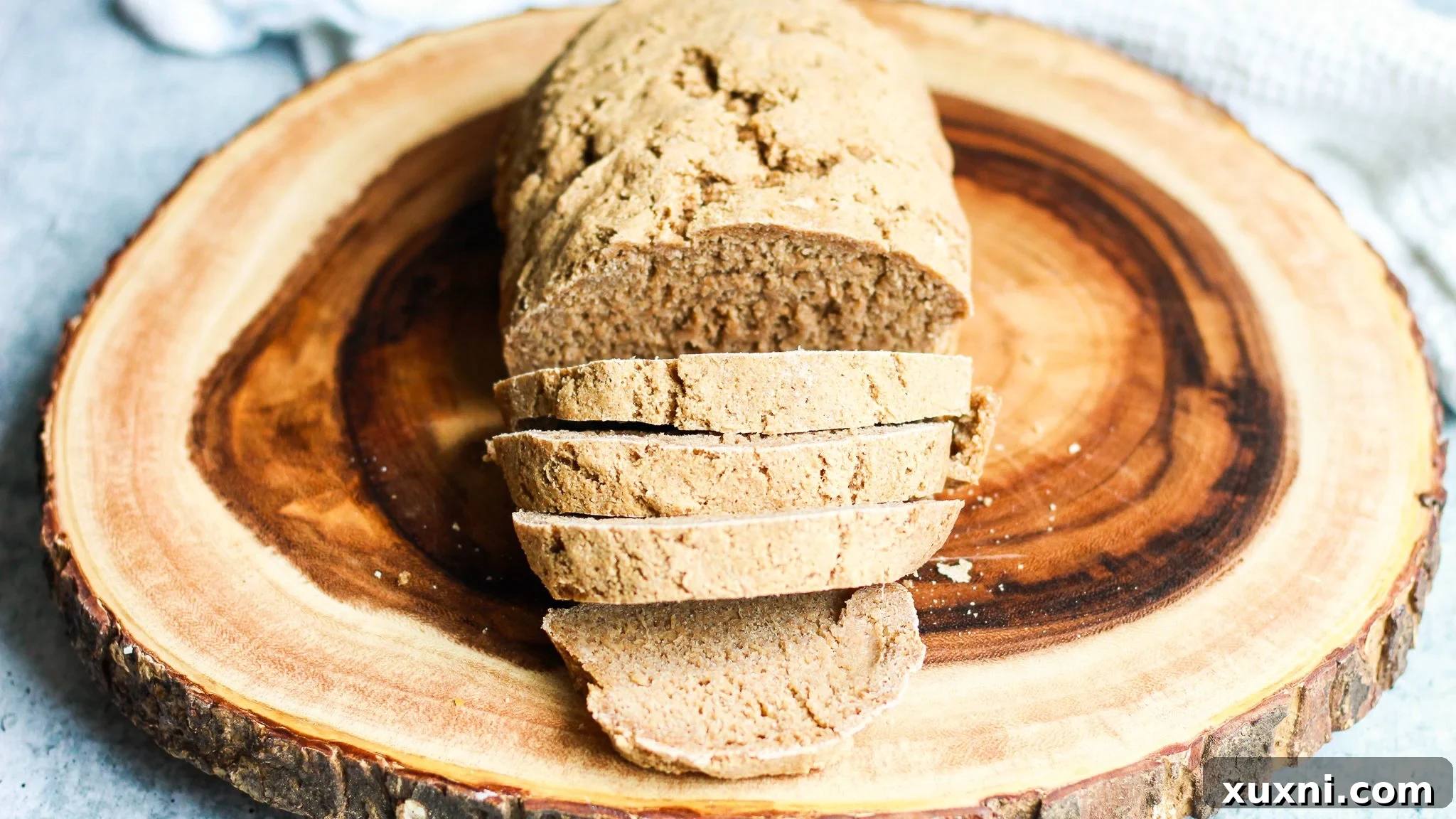
Unlock the Secret to the Best Vegan Sprouted Flour Homemade Bread: Easy, Healthy, and Irresistible
Imagine the aroma of freshly baked bread filling your kitchen, its crust golden and inviting, its interior soft and chewy. If your past ventures into homemade bread have left you with dense disappointments or deflated hopes, prepare to rewrite your baking story. I am thrilled to share what I truly believe is the absolute best homemade bread recipe you will ever encounter. Yes, that’s a bold claim, but one I confidently stand by!
My own bread-making journey began with its fair share of missteps. I’ve rushed the yeast, underestimated rise times, and ended up with more doughy hockey pucks than delectable loaves. But through trial and error, I’ve cracked the code to a truly exceptional loaf that surpasses even my favorite bakery finds. This isn’t just *any* homemade bread; it’s a vegan marvel, crafted with sprouted flour, and astonishingly easy to whip up, making it the perfect Sunday morning project.
Why This Sprouted Vegan Bread Stands Out
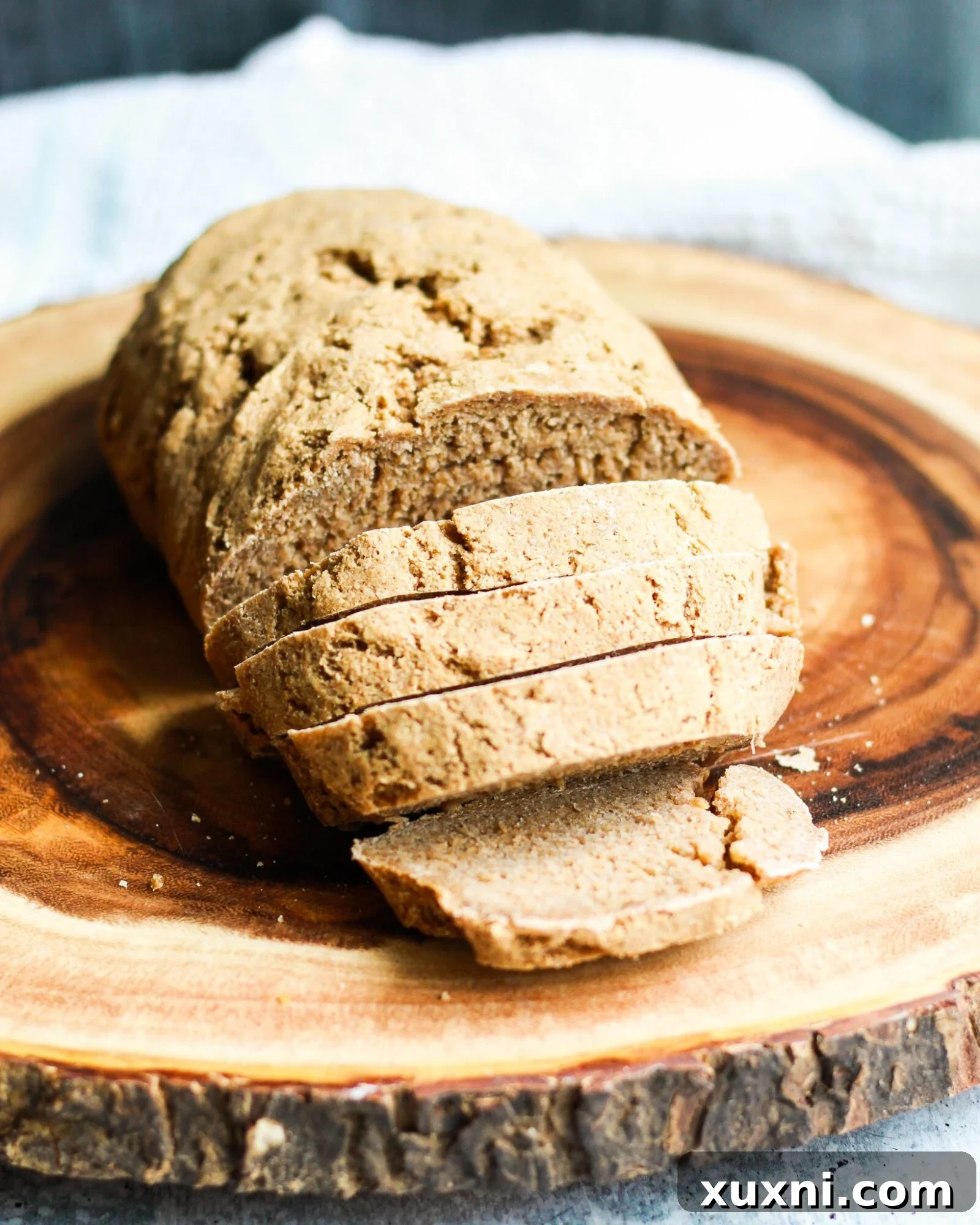
What makes this particular loaf so extraordinary? It’s a combination of unique ingredients and a perfected process that yields a bread with incredible flavor and a delightful texture. This isn’t your average bland loaf; it evokes memories of the rustic, flavorful bread my host mother served during my time in Florence. It’s subtly salty, with just enough seasoning to enhance its natural richness, a characteristic I believe gives it that authentic European charm.
The texture is wonderfully doughy and substantial, reminiscent of those beloved brown bread baguettes from Panera (a high school favorite!). This distinct doughiness, in my experience, is key to its superiority. I attribute much of this to the sprouted flour, which behaves differently from traditional un-sprouted wheat, contributing to both its unique texture and its impressive nutritional profile. Beyond its amazing taste and texture, this bread is entirely vegan and completely free of refined sugars, making it a truly wholesome choice you can feel great about.
The Magic of Sprouted Flour
If you’re new to sprouted flour, prepare for a delightful discovery. Sprouting grains involves a process where the grain is germinated, then dried and ground into flour. This process unlocks a host of benefits, transforming the grain’s nutritional composition. Sprouted flour is often easier to digest because the sprouting process breaks down starches and enzyme inhibitors, making nutrients more bioavailable. For those with gluten sensitivities, sprouted flours can sometimes be a gentler alternative, as sprouting can slightly alter the gluten structure, though it is not gluten-free.
In baking, sprouted wheat flour imparts a distinct, slightly sweeter, and earthier flavor compared to regular whole wheat flour. Its unique properties also influence the dough’s behavior, often requiring different handling and rise times. For this recipe, the sprouted flour contributes significantly to the bread’s incredible doughiness and a depth of flavor that’s hard to achieve with standard flours. It’s an ingredient that truly elevates this homemade bread to a new level.
Essential Ingredients for Your Best Homemade Bread
Crafting this phenomenal vegan sprouted bread requires just five simple ingredients, each playing a crucial role in the final product. Understanding the purpose of each component will empower you to bake with confidence and achieve consistent, delicious results every time.
Sprouted Wheat Flour: The Heart of the Loaf
As mentioned, sprouted wheat flour is a game-changer. It reacts differently than conventional wheat flour, partly because the sprouting process can reduce some of the compounds that contribute to gluten sensitivity. While yeast still needs gluten and sugar to activate, the unique nature of sprouted flour means you don’t always need to “punch down” the bread after its initial rise, simplifying the process. I genuinely adore the nuanced flavor of sprouted flour; it offers a taste profile distinct from regular wheat. If, however, you only have regular whole wheat flour on hand, don’t despair! You can still make a fantastic loaf, though the texture might vary slightly. Just be prepared for a slightly different experience, but still wonderfully homemade.
Warm Water: The Catalyst for Yeast
The temperature of your water is absolutely critical. It must be warm, not hot, and definitely not scalding. Water hotter than 107°F (41°C) can kill the yeast, preventing it from activating and causing your bread to fail to rise. You’ll end up with a dense, flatbread-like focaccia instead of a light, airy loaf – delicious in its own right, but not what we’re aiming for today! Aim for lukewarm water, comfortable to the touch, similar to a baby’s bathwater.
Activated Dry Yeast: The Life of the Dough
This recipe specifically calls for *activated dry yeast*, not instant yeast. There’s a significant difference! Activated yeast requires a short period in warm, sweetened water to “wake up” and begin its work, indicated by a frothy layer on top. Instant yeast, on the other hand, can be mixed directly with the dry ingredients. I haven’t tested this specific vegan homemade bread recipe with instant yeast, so I can’t guarantee the results. While activated yeast adds an extra 10 minutes to the prep time, this crucial step ensures your bread will rise beautifully and achieve that perfect texture. Patience is a virtue in bread making, and it truly pays off here.
Sea Salt: A Nod to Florentine Tradition
You’ll notice this recipe uses a modest amount of sea salt, just enough to enhance the flavors without overpowering them. This subtle approach to salt harks back to the historical bread of Florence, Italy. Centuries ago, a salt shortage made the ingredient prohibitively expensive, leading Florentines to create their bread without it. Even when salt became affordable again, the tradition stuck, making unsalted bread a regional specialty. While our bread isn’t entirely salt-free, the reduced amount contributes to its unique, balanced taste that I find so reminiscent of those Italian loaves. If you prefer a saltier bread, feel free to adjust to your personal taste, but I encourage you to try it as written first to appreciate its nuanced profile.
Maple Syrup: The Essential Sweetener
Now, for my “sugar-haters” out there, hear me out! Maple syrup isn’t just for sweetness; it’s absolutely vital for the yeast activation process. Yeast is a living organism, and like all living things, it needs food – in this case, sugar – to thrive and produce the carbon dioxide that makes bread rise. Skipping the sugar means a flat, lifeless loaf. I used to question why commercial bakeries added sugar to savory bread, but I’ve since learned it’s not merely for taste; it’s a fundamental part of the chemical reaction that gives bread its structure and texture. Maple syrup is an excellent choice here as a natural, unrefined sweetener that contributes a subtle, pleasant depth of flavor, making this truly the best homemade bread.
That’s it! Just five simple ingredients combine to create this incredible loaf. The maple syrup, in particular, adds a certain je ne sais quoi that I believe truly sets this recipe apart.
How to Make the Best Homemade Bread: Step-by-Step Directions
Embarking on your bread-making journey can feel daunting, but with these clear, easy-to-follow steps, you’ll be a pro in no time. Precision and patience are your best friends here!
Step 1: Activate the Yeast
In a large mixing bowl, combine the warm water, maple syrup, and your packet of active dry yeast. Stir gently to dissolve the maple syrup and distribute the yeast. Now comes the critical part: give it time to activate. Let this mixture sit undisturbed for a full 10 minutes. You’ll know it’s working when a frothy, bubbly layer forms on the surface, indicating the yeast is alive and ready to make your bread rise.
Step 2: Form the Dough
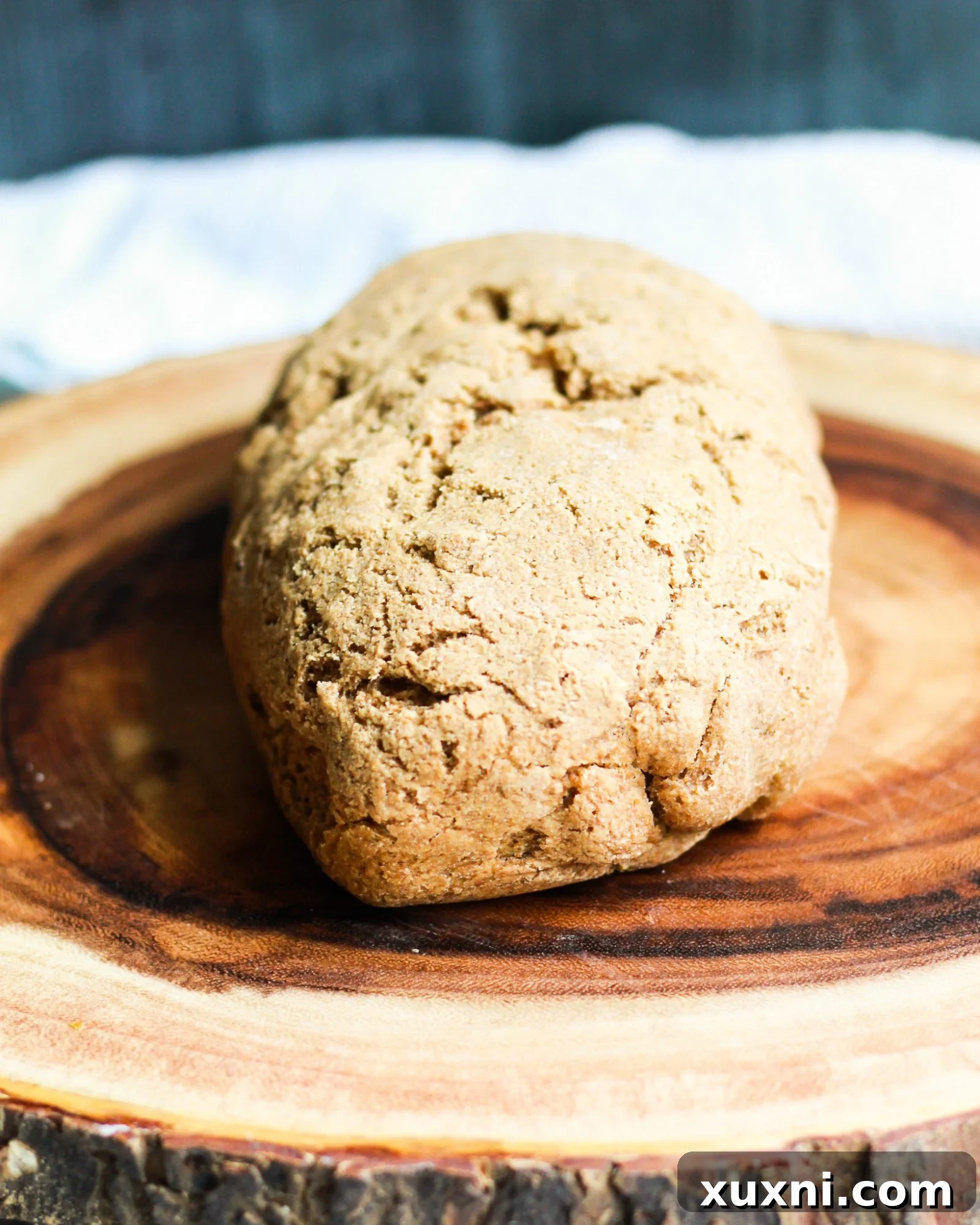
Once your yeast is visibly activated, begin slowly adding the sprouted wheat flour, about one cup at a time. Mix thoroughly after each addition. Continue adding the remaining flour and the sea salt, incorporating them into the mixture until you achieve a single, large, sticky ball of dough. Don’t be tempted to add too much flour too quickly; a slightly sticky dough is often the secret to a moist, tender crumb.
Step 3: Knead for Perfection
Kneading is where you truly develop the gluten structure, essential for a good rise and chewy texture. Turn your sticky dough onto a lightly floured surface. Knead diligently for approximately 10-15 minutes. This process strengthens the dough and creates that desirable elasticity. I’ve found that aiming for 75-100 kneads, as suggested by experienced bakers, works wonders. Your arms might get a workout, but it’s well worth the effort for the perfectly textured bread you’ll achieve.
Step 4: The First Rise (Bulk Fermentation)
Lightly grease a large bowl with a teaspoon of oil to prevent the dough from sticking. Place your kneaded dough into the greased bowl, turning it once to coat all sides with oil. Cover the bowl tightly with a clean kitchen cloth or plastic wrap. Now, find a warm, draft-free spot in your kitchen and let the dough rise for a minimum of 4 hours. Because sprouted and whole wheat flours are denser and have a slightly different gluten structure, they generally require more time to rise compared to white flour. This longer fermentation period not only encourages a better rise but also develops deeper flavors. If you have the luxury of time, even longer (up to 6 hours or overnight in the fridge) can further enhance the taste and texture. Don’t rush this step!
Step 5: Preheat and Prep for Baking
Once your dough has impressively doubled in size (or even tripled!), it’s time to prepare it for baking. Gently “punch down” the risen dough to release the accumulated gases. This isn’t a violent punch, but rather a gentle press to deflate it. Briefly knead the dough again for about 5 minutes to redistribute the yeast and create a smooth, elastic ball. Meanwhile, preheat your oven to 375°F (190°C). Line a standard loaf pan with parchment paper, leaving some overhang on the sides to easily lift the baked bread out.
Step 6: Bake to Golden Perfection
Carefully transfer the shaped dough into your prepared loaf pan. Place it in the preheated oven and bake for 35-45 minutes. Baking times can vary depending on your oven, so I recommend checking at the 35-minute mark. The bread is ready when the crust is a beautiful golden brown and sounds hollow when tapped on the bottom. If you’re still uncertain, you can carefully cut a small slice from the end to check for any raw, doughy spots inside. A good internal temperature for bread is typically around 200-210°F (93-99°C).
Step 7: Cool and Enjoy!
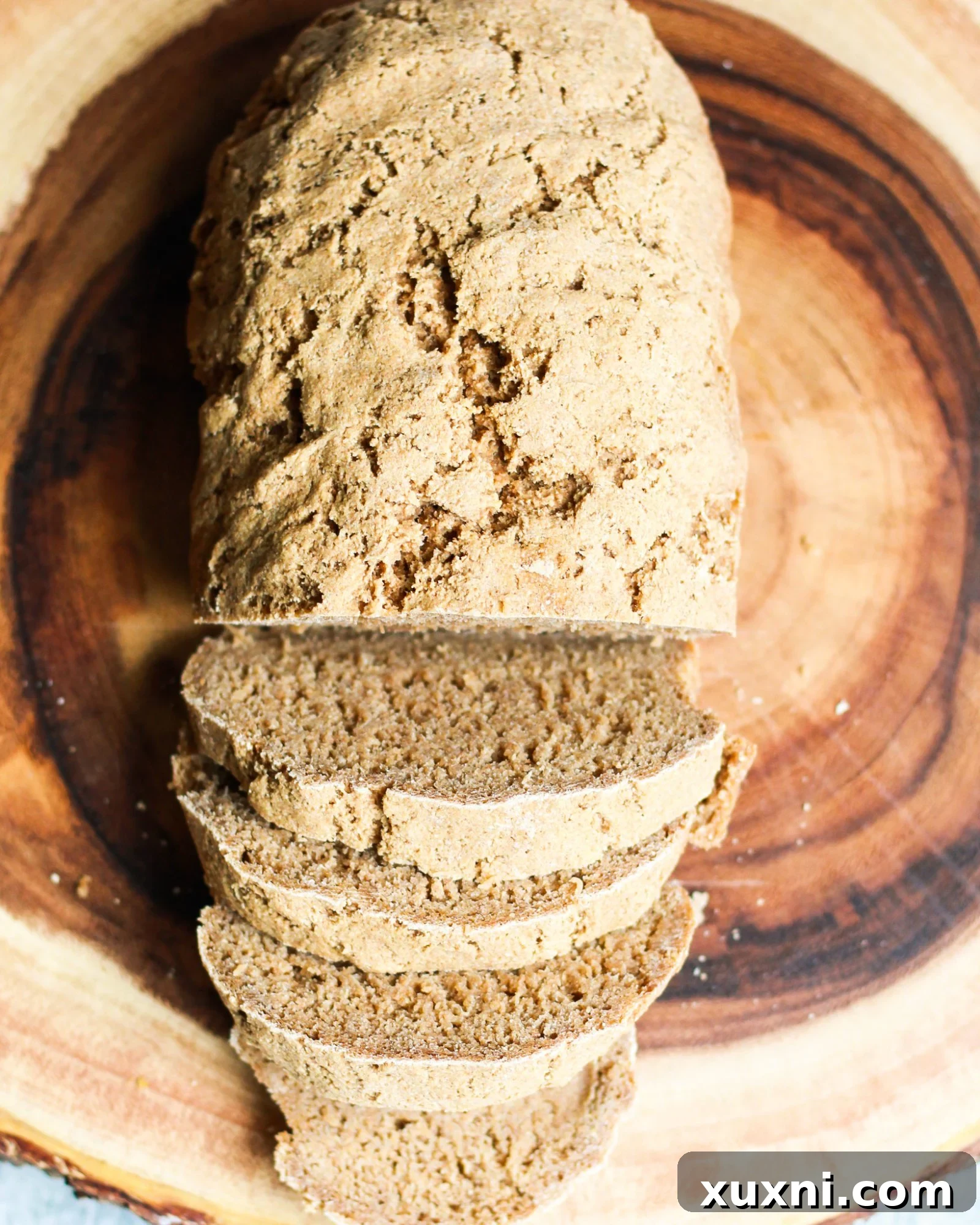
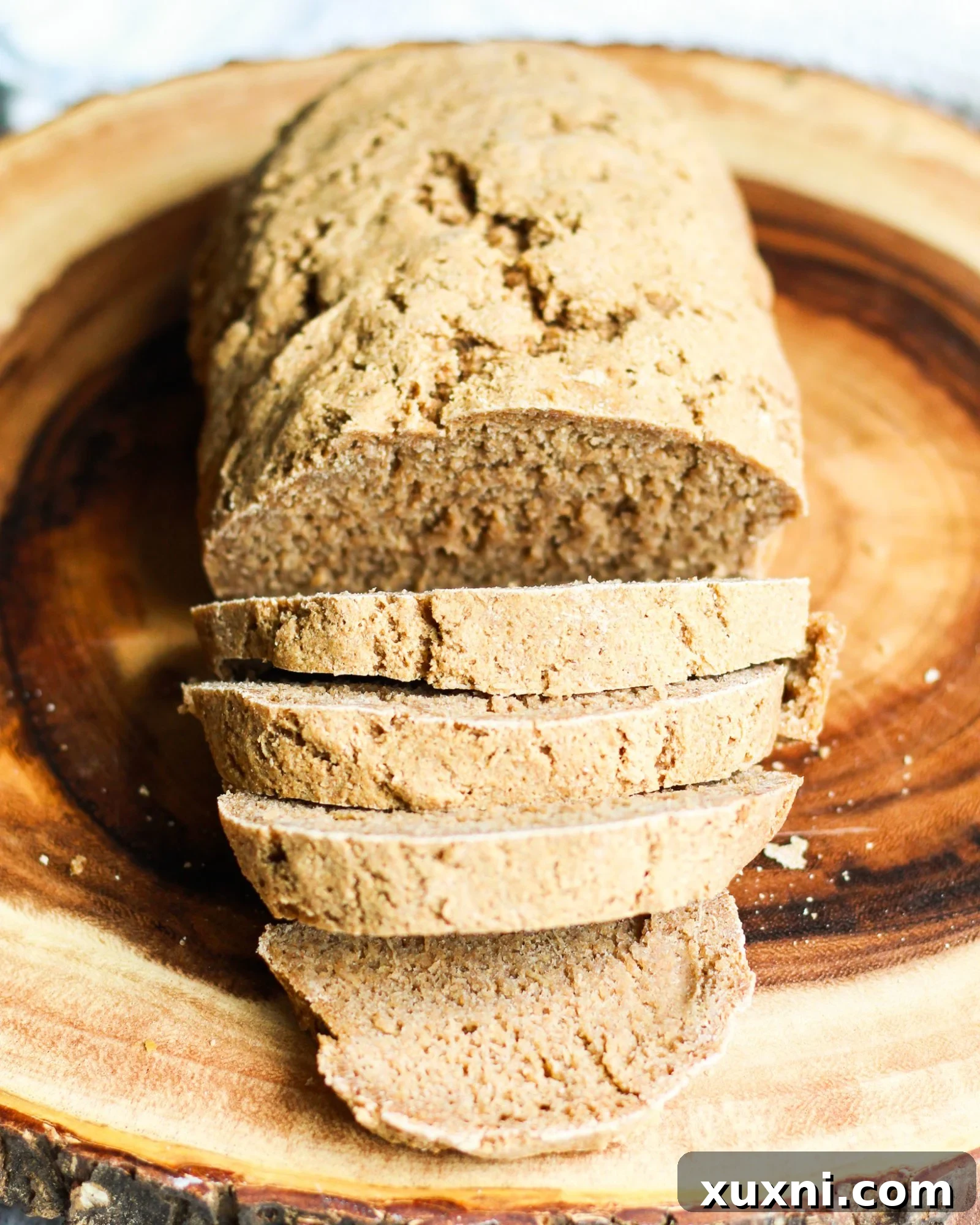
Once baked, remove the bread from the oven and immediately transfer it from the loaf pan to a wire rack. Allow it to cool completely before slicing. This cooling period is crucial, as the bread continues to cook internally and solidify its structure. Slicing too early can result in a gummy texture. Once cooled, slice into thick, hearty pieces and savor the incredible taste of your homemade masterpiece!
Serving Suggestions and Storage Tips
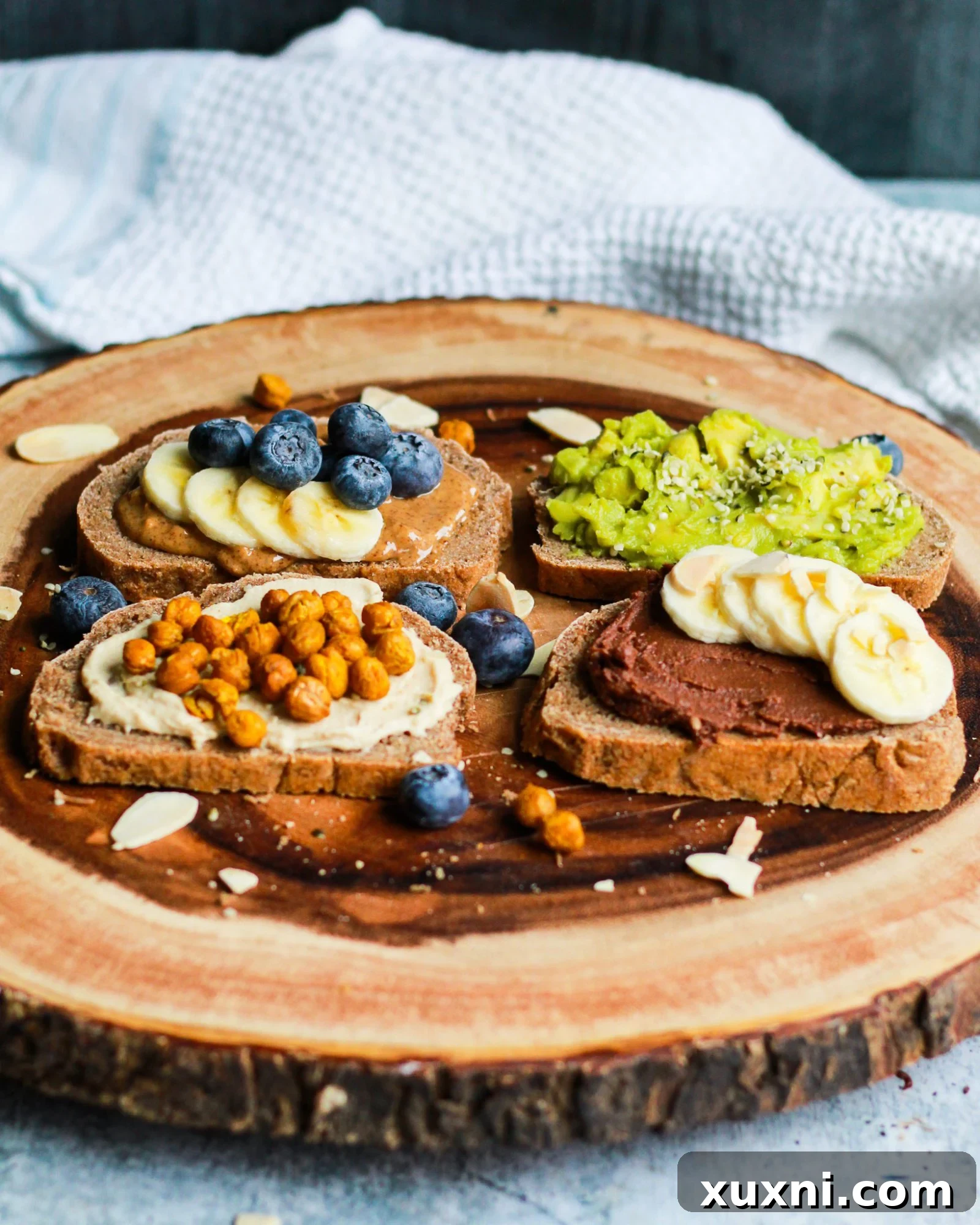
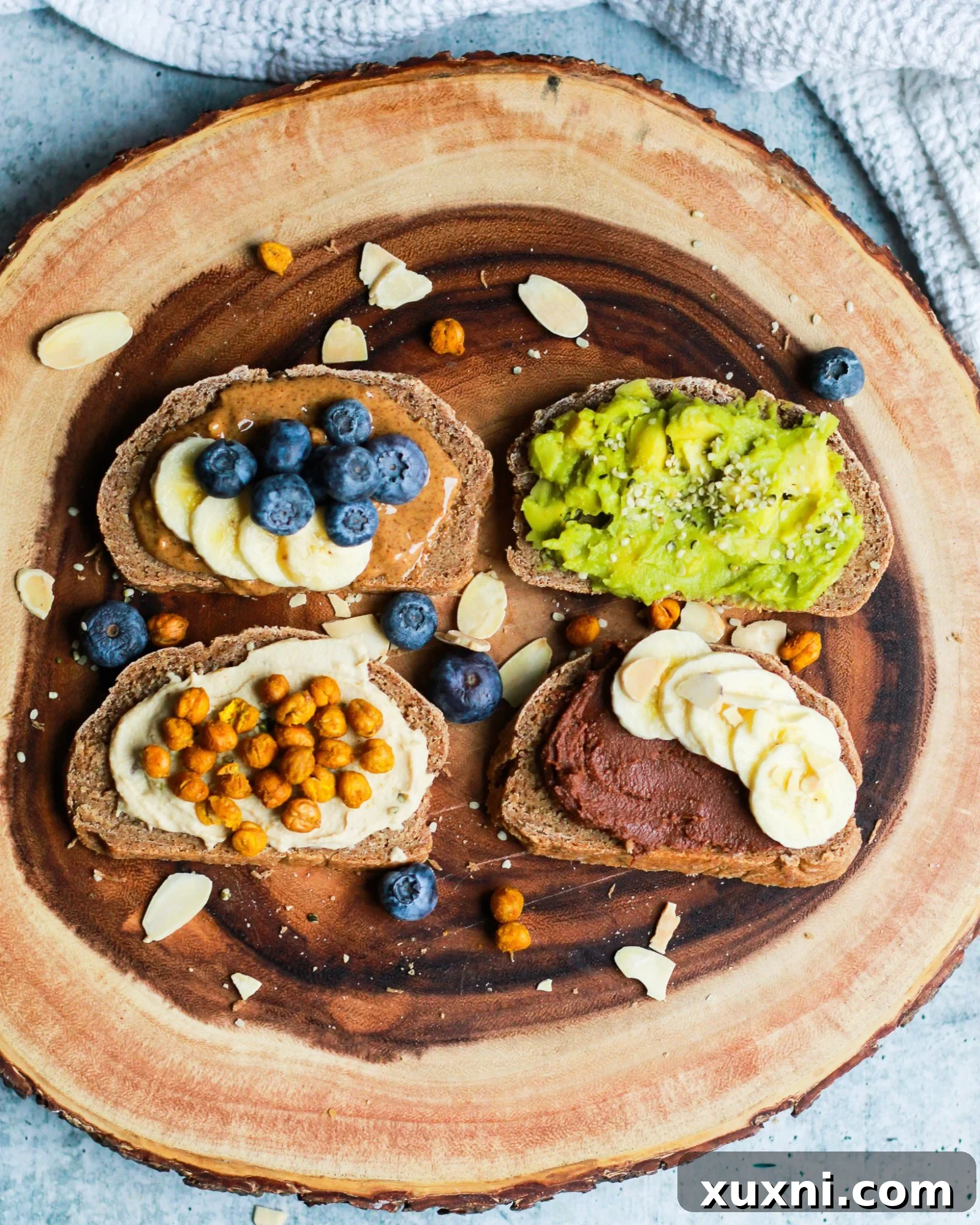
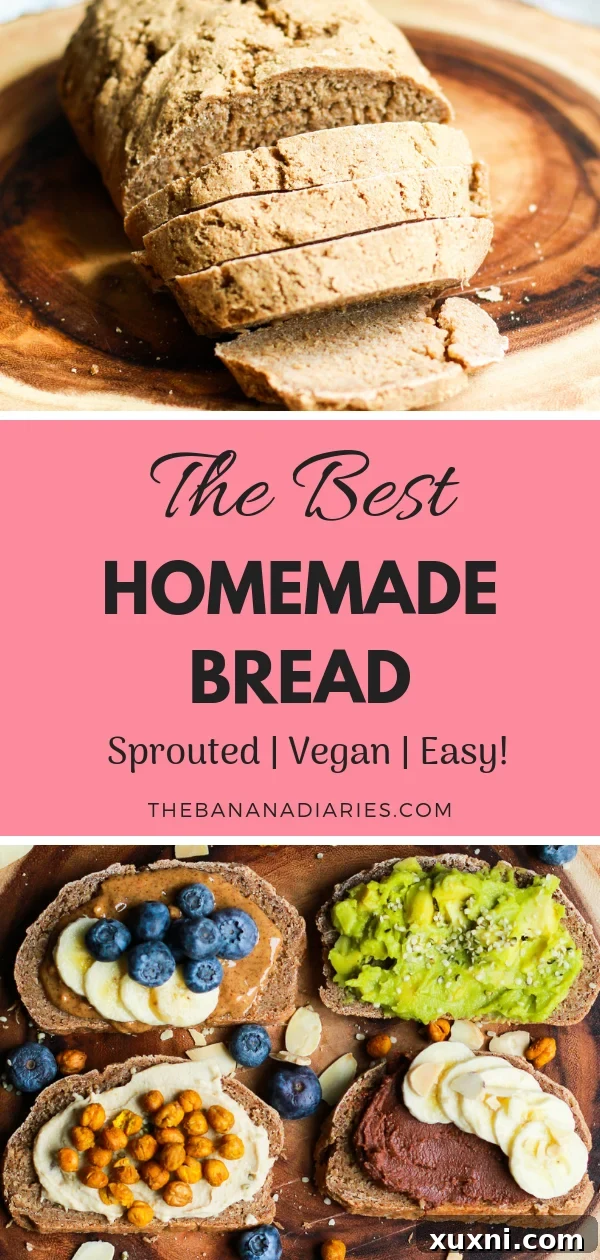
Now that you’ve created this magnificent vegan sprouted bread, how best to enjoy it? My personal preference leans towards a variety of delicious toast options. Slather a warm slice with homemade vegan Nutella for a sweet treat, or opt for a savory delight with a generous spread of hummus and creamy avocado. This bread’s robust texture also makes it an ideal candidate for incredible French toast – that’s definitely next on my culinary adventure list!
To keep your bread fresh, store it in an airtight container at room temperature for 2-3 days, or in the refrigerator for up to a week. For longer storage, slices can be frozen for up to a month, ready to be toasted straight from the freezer whenever a craving strikes.
If you’re wondering how I manage to fit bread baking into a busy schedule, it’s all about planning! Effective meal prep is key. You can discover more of my time-saving tips by downloading my FREE meal prep guide. I can’t wait to see your creative toast creations featuring this glorious homemade bread!
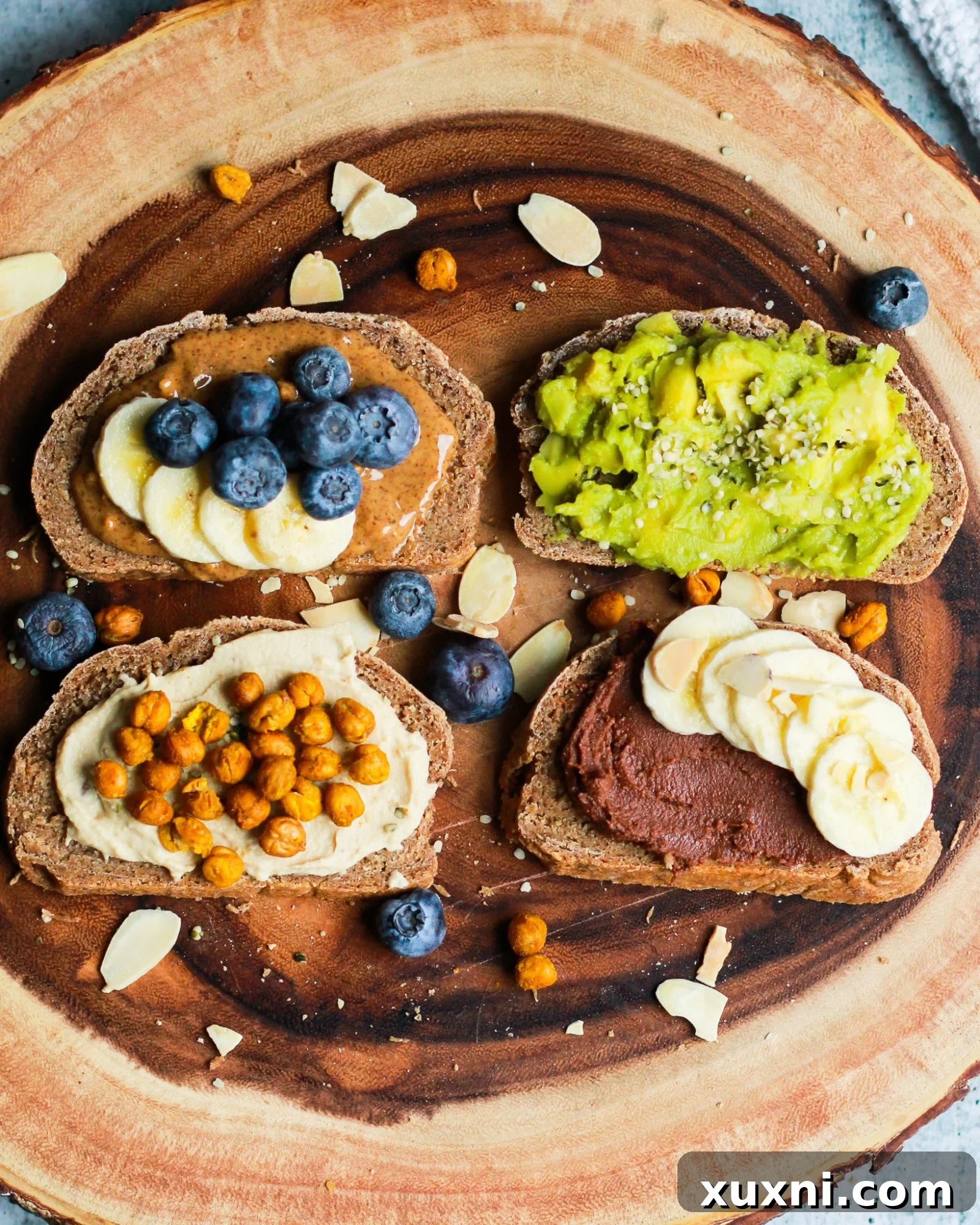
Just one more look at these irresistible toast options! While the almond butter and banana combination is a classic winner, the homemade Nutella toast holds a special place in my heart – because who can resist Nutella? As you can probably tell, I have a bit of a sweet tooth!
Want to save this recipe for later? Add it to your favorite recipe board on Pinterest!
Print
The Best Homemade Bread {Vegan, Sprouted}
5 Stars 4 Stars 3 Stars 2 Stars 1 Star
No reviews
Prep Time: 10 minutes
Cook Time: 30 minutes
Total Time: 40 minutes
Yield: 12 1x
Category: baked goods, breads, Breakfast
Description
This is the best homemade bread that’s completely vegan and made with sprouted flour! Plus, it’s so easy to do on a Sunday morning!
Ingredients
Scale
- 3 1/2 cups sprouted wheat flour
- 1 packet active dry yeast (NOT instant)
- 1 1/2 cups warm water
- 1/2 tsp sea salt
- 1 tbsp maple syrup
- 1 tsp oil for greasing bowl
Instructions
- In a large bowl, add active dry yeast, 1 tbsp maple syrup and 1/2 cup warm water and let sit for 10 minutes.
- Once the yeast is activated, add in about 1 cup of flour and mix. Add in remaining flour and water in increments, making sure to continue to knead with each addition.
- Add in salt last.
- Knead bread for 10-15 minutes.
- Grease the large bowl with cooking oil and place dough back into the bowl.
- Cover with a cloth and let sit in a warm environment for about 4 hours.
- Preheat oven to 375F. Punch bread down (it should have risen to be twice the size) and knead again for another 5 minutes.
- When oven reaches temperature, place dough into a loaf pan lined with parchment paper and bake for 35-45 minutes, depending on your oven (check at 35 minutes and see if it needs a few more minutes).
- Remove from the oven and let cool before slicing. Store in the fridge for 1 week or the freezer for 1 month.