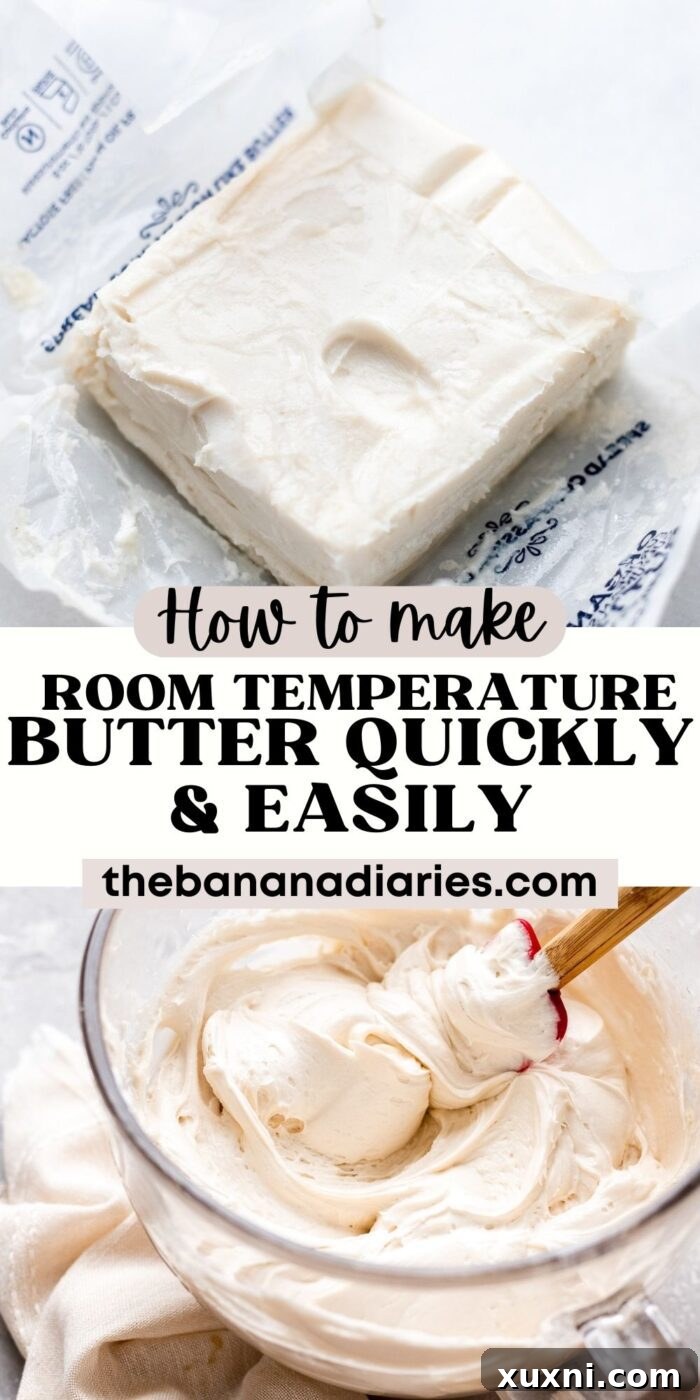
In the world of baking, mastering the art of room temperature butter is akin to finding the secret ingredient for consistently perfect results. It’s not just a suggestion; it’s a fundamental technique that profoundly influences the texture, flavor, and overall success of countless recipes, from fluffy cakes to chewy cookies and creamy frostings. But what exactly constitutes “room temperature” butter, and how can you tell if yours is ready? Moreover, what are the best ways to achieve this ideal state, especially when time is of the essence? This comprehensive guide will demystify room temperature butter, explore its crucial role in baking, and reveal a clever trick to get your butter perfectly softened, quickly and efficiently.
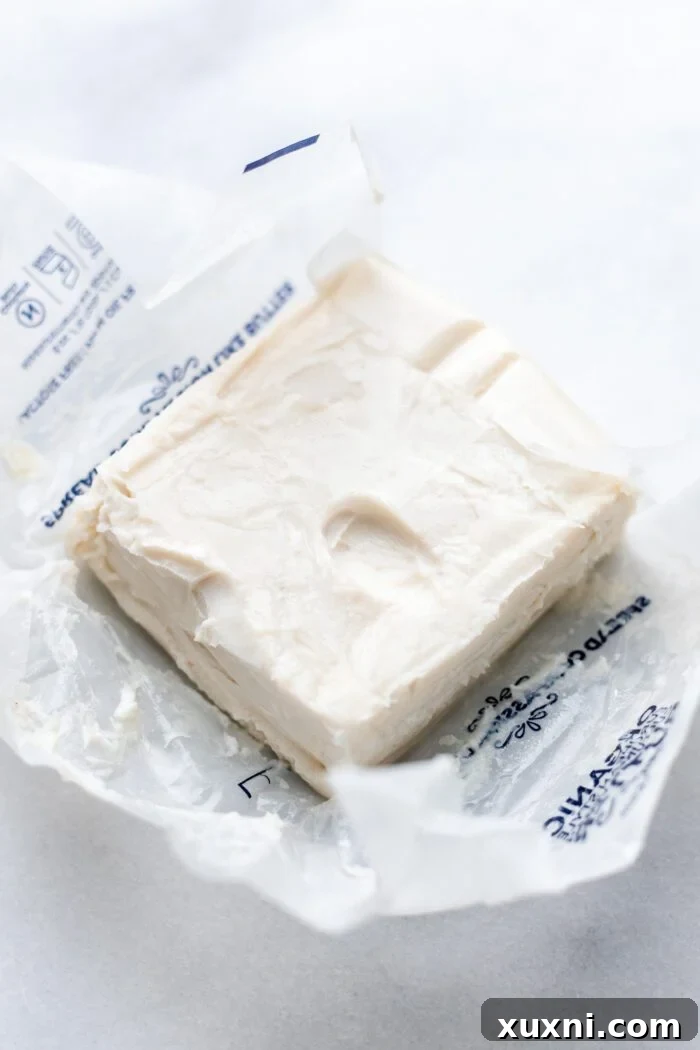
Table of Contents
- What Exactly is Room Temperature Butter?
- The Science Behind Room Temperature Butter: Why It Matters for Baking
- Cold Butter vs. Melted Butter vs. Room Temperature Butter
- Does This Apply to Vegan Baking Too?
- Is Leaving Butter Out Safe?
- How to Achieve Room Temperature Butter Effortlessly (The Patient Way)
- The Ultimate Trick for Quickly Softening Butter
- Alternative Quick Softening Methods
- Common Mistakes to Avoid with Butter Temperature
- Conclusion: Mastering Butter for Baking Success
What Exactly is Room Temperature Butter?
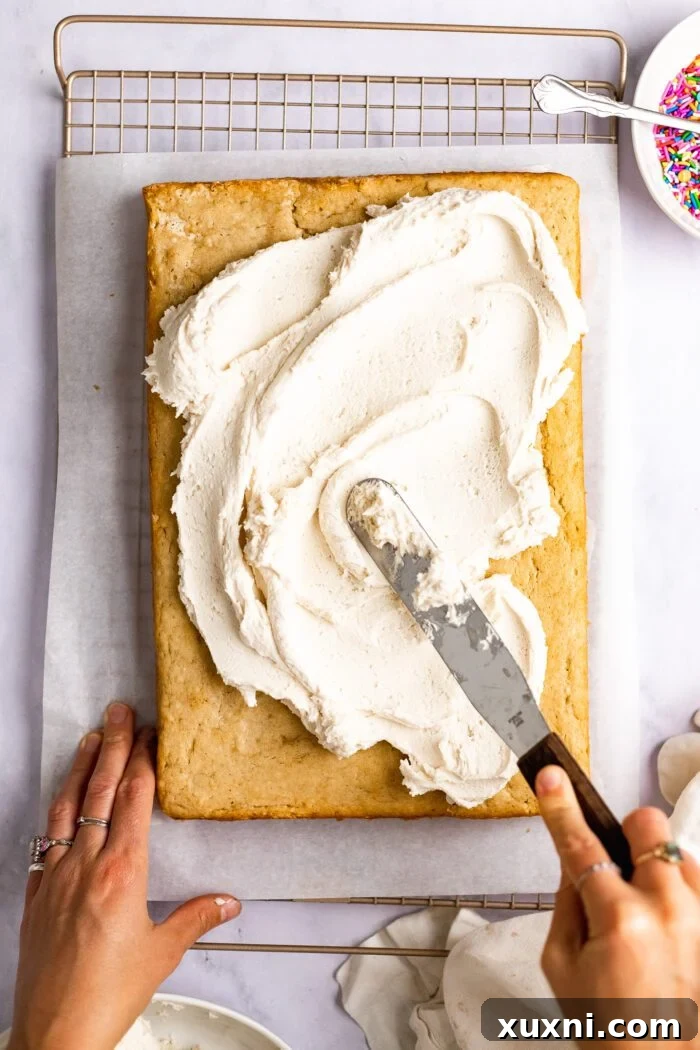
For any baker, understanding and achieving the correct butter temperature is paramount. Whether you’re crafting a beautifully moist vanilla cake, baking a batch of perfectly chewy and soft chocolate chip cookies, or whipping up luscious vanilla buttercream, cream cheese frosting, or chocolate buttercream, the butter’s consistency dictates the final outcome. It’s the secret behind fluffy cake textures and that signature melty chew of a cookie.
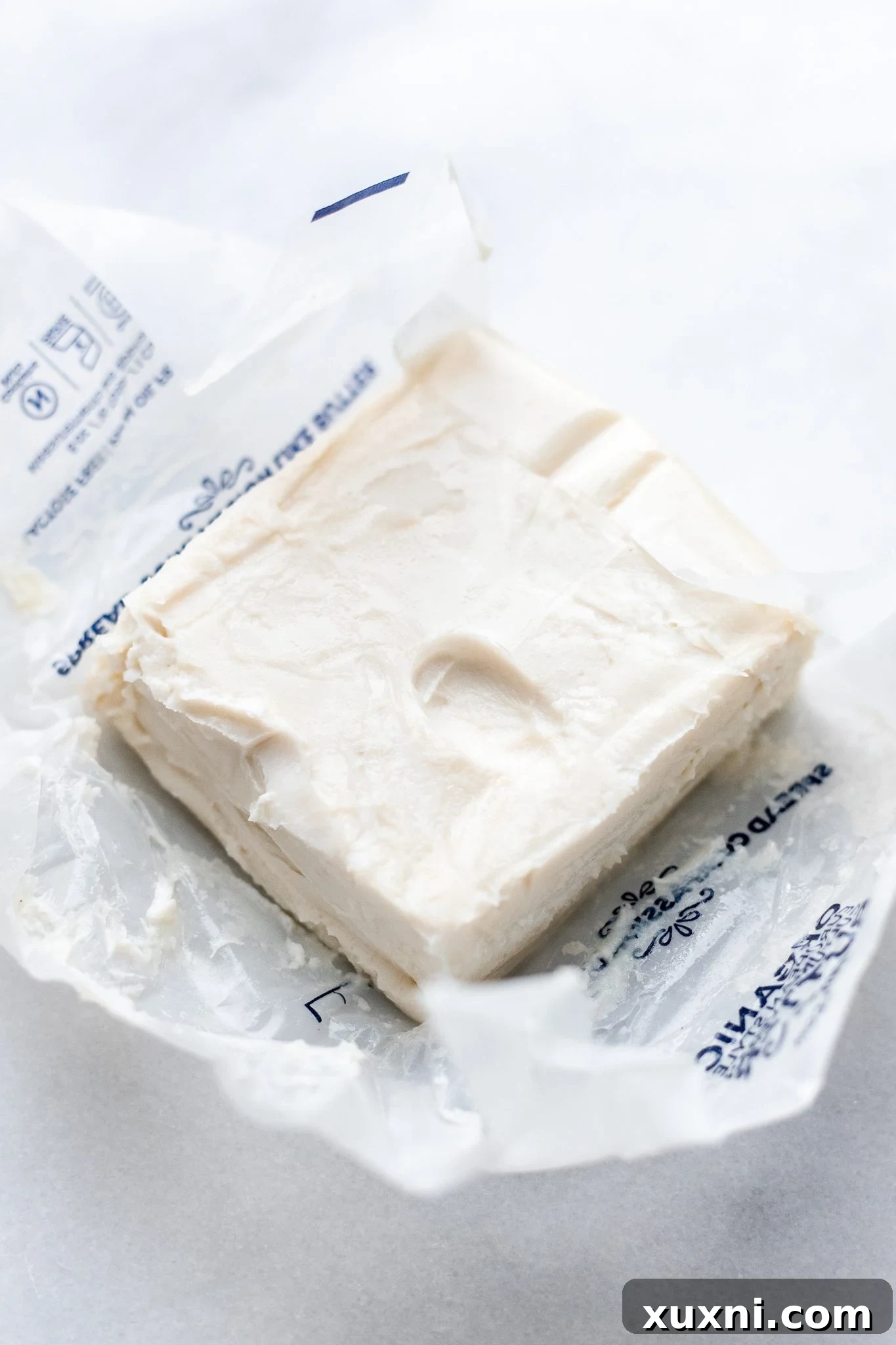
But here’s the crucial detail: **”Room temperature butter” is ideally considered to be around 65°F (18°C).** This is notably cooler than what most people perceive as actual room temperature, which typically hovers around 70-72°F (21-22°C). It’s also significantly warmer than the solid, unyielding block of butter straight from your 32°F (0°C) refrigerator, and distinctly cooler than liquid, melted butter.
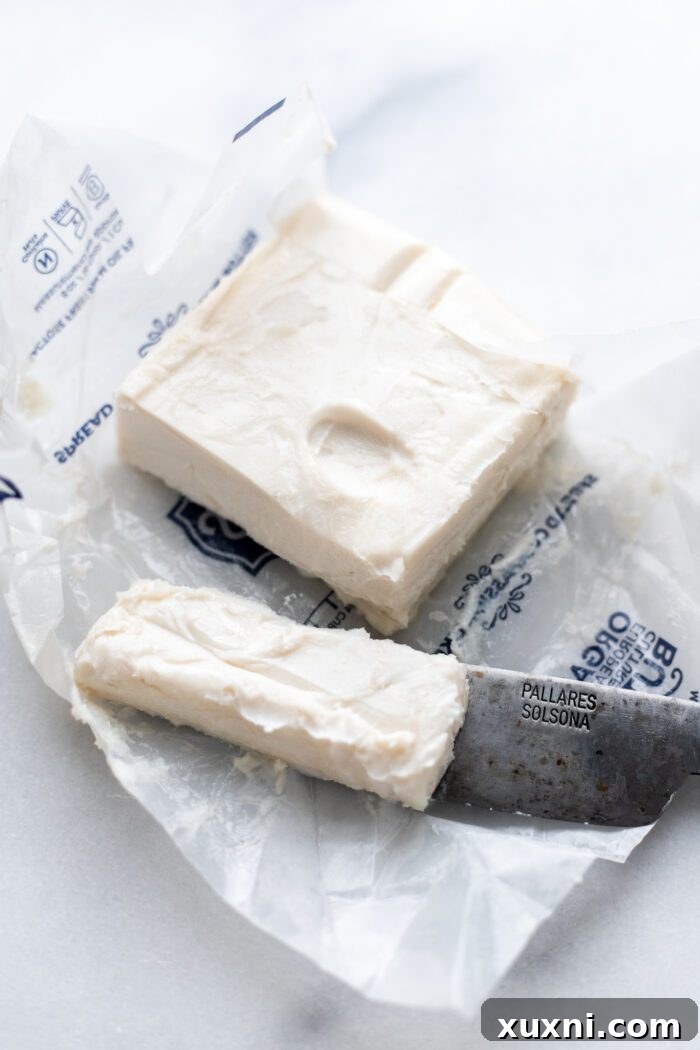
The perfect room temperature butter should be soft enough to yield to gentle pressure but not so soft that it’s oily, shiny, or begins to melt. A simple and reliable test is the **fingerprint test**: gently press your finger into the butter. It should leave a clear indentation without your finger sinking in deeply or the butter feeling greasy. If your finger goes straight through, it’s too warm. If it barely makes a mark, it’s still too cold. This sweet spot ensures optimal aeration and emulsification, which are critical for baking success.
The Science Behind Room Temperature Butter: Why It Matters for Baking
When a recipe specifies “room temperature butter,” it’s not arbitrary; it’s a precise instruction rooted in fundamental baking science. The temperature of your butter plays a vital role in how ingredients combine and interact, directly impacting the final texture of your baked goods.
The primary reason for using room temperature butter is to facilitate the **creaming method**. This technique involves beating softened butter with sugar until light and fluffy. At 65°F (18°C), butter is pliable enough to incorporate air, which is essential for creating lift and tenderness. As the butter and sugar are creamed, the sharp edges of the sugar crystals create tiny air pockets within the softened butter. This process, known as **aeration**, is crucial for a light and airy texture.
Furthermore, room temperature butter properly **emulsifies** with sugar and other ingredients. An emulsion is a stable mixture of two or more liquids that are normally immiscible (like oil and water). In baking, when butter is correctly softened, its fat can evenly disperse the sugar and other wet ingredients, leading to a homogenous batter or dough. This even distribution prevents separation, resulting in a consistent crumb structure. When this trapped air and the butter’s inherent fats are heated in the oven, they expand, working in conjunction with leavening agents to produce that coveted fluffy, soft, and tender texture.
Beyond aeration and emulsification, using room temperature butter ensures that all ingredients are at a similar temperature. This is why many recipes also call for room temperature eggs, milk, or even vegan egg replacements. Ingredients at a uniform temperature combine much more readily and smoothly than cold ingredients, which can cause the butter to seize, curdle, or create a lumpy, “wonky” batter. This leads to an inconsistent final product, often dense or tough. Patience with butter temperature is truly a virtue that pays off in superior results.
Cold Butter vs. Melted Butter vs. Room Temperature Butter
It’s important to recognize that not all recipes call for room temperature butter. The butter’s state is deliberately chosen to achieve specific textures:
- Cold Butter: Recipes like flaky pie crusts, biscuits, or scones often require very cold or even frozen butter. When cold butter pieces melt in the oven, they release steam, creating pockets that result in a wonderfully flaky, tender texture.
- Melted Butter: For desserts requiring a dense, fudgy, or chewy texture, such as brownies or certain cookies, melted butter is preferred. It coats flour particles more thoroughly, inhibiting gluten development and contributing to a chewier mouthfeel.
- Room Temperature Butter: As discussed, this is ideal for creamed batters and doughs, particularly cakes, cookies, most frostings, and some breads, where aeration and a tender crumb are desired.
Does This Apply to Vegan Baking Too?
Absolutely! The principles of butter temperature are just as critical, if not more so, in vegan baking. High-quality vegan butters are specifically formulated to mimic conventional dairy butter’s fat-to-water ratio and physical properties at varying temperatures. They soften at room temperature, firm up in the fridge, and liquefy when heated, much like dairy butter.
Pro Tip: For even more in-depth vegan baking knowledge, check out my comprehensive vegan baking guide and my vegan cookbook, packed with tips, tricks, and delicious recipes!
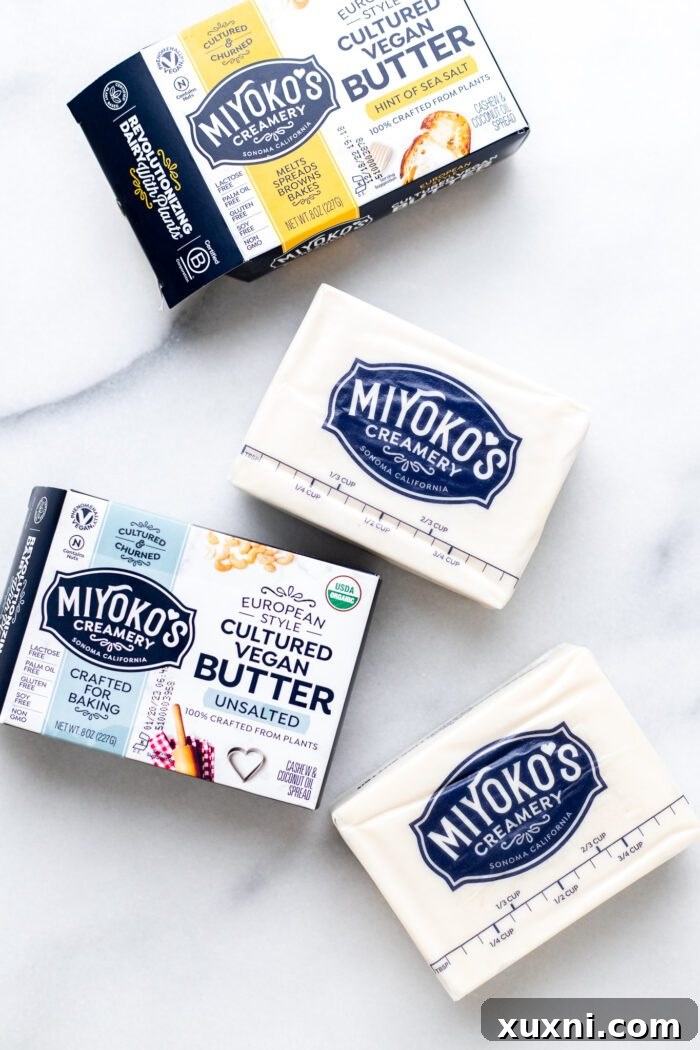
When selecting vegan butter for baking, prioritize **block-style vegan butters** (like Miyoko’s European-style Cultured Vegan Butter or Violife’s block butter). These typically have a higher fat content and a more stable composition, making them perform much closer to dairy butter in terms of creaming, texture, and flavor. Brands like Earth Balance are generally acceptable, though some bakers find their flavor profile less “buttery” than other premium options.
It’s generally advisable to avoid **tub margarines or spreadable vegan butters** for most baking applications unless explicitly called for in a recipe. These products often contain more water and emulsifiers, which can alter the fat balance and negatively impact the texture of your baked goods, leading to a denser or greasier result.
Similarly, **coconut oil** behaves very differently from butter. While it’s a solid fat at room temperature (often below 76°F/24°C), its melting point is quite low, and it becomes completely solid when chilled. It’s also 100% fat, unlike butter which contains some water. Therefore, coconut oil cannot be directly substituted 1:1 for butter in recipes relying on the creaming method without significantly altering the outcome. Its unique properties require specific recipe formulations.
Is Leaving Butter Out Safe?
Yes, for a limited time. The USDA states that butter can be safely left at room temperature for up to a day or two. If your kitchen is particularly warm (above 70°F/21°C), or if you plan to leave it out for longer, it’s best to keep it in the refrigerator to prevent spoilage and rancidity. Always store it in an airtight container or butter dish to protect it from odors and light.
How to Achieve Room Temperature Butter Effortlessly (The Patient Way)
The most reliable way to achieve perfect room temperature butter is simply to be patient. This method ensures even softening throughout the block, minimizing the risk of melted edges or a still-cold core.
Here’s how to do it:
- Plan Ahead: About 2-3 hours before you plan to bake, remove the required amount of butter from the refrigerator.
- Cut into Portions (Optional, but Recommended): For slightly faster softening, especially with larger quantities, cut the butter into smaller pieces (e.g., individual tablespoons or ½-inch cubes). This increases the surface area exposed to the ambient air.
- Cover and Wait: Place the butter on a plate or in a small bowl and cover it loosely to protect it from dust and air. Let it sit on your kitchen counter. The exact time required will depend on your kitchen’s temperature and the size of the butter pieces.
- Check for Doneness: After 1-2 hours, perform the fingerprint test. If it’s still too firm, allow it more time. If it’s already perfectly yielding, it’s ready! Be mindful not to let it sit for too long, as it can become overly soft and greasy, which can negatively impact your recipe.
If your kitchen is particularly chilly, placing the butter near a slightly warm spot (but not directly on a heat source) can help, but always monitor it closely.
The Ultimate Trick for Quickly Softening Butter
We all have those moments when the baking urge strikes unexpectedly, and waiting 2-3 hours for butter to soften just isn’t an option. While mindlessly microwaving butter often leads to a partially melted, partially cold mess, there’s a secret trick to using the microwave effectively for quick softening.
Here’s the controlled microwave method:
- Slice into Pats: Take your cold stick of butter and slice it into approximately 1-inch thick pats or cubes. Place these pieces in a single layer in a microwave-safe bowl. This maximizes the surface area exposed to the microwave energy, allowing for much more even and controlled heating.
- Microwave in Short Bursts: This is the crucial step. **Microwave on LOW power (around 20-30% power) for 2-3 second intervals ONLY.** Butter melts incredibly fast in the microwave, and a little goes a long way.
- Check and Repeat (if necessary): After each interval, gently prod the butter. You should be able to achieve perfectly room temperature butter that’s easily indented but still slightly cool to the touch in just one or two bursts. If it’s still too firm, stir the butter pieces slightly and microwave for another 2-3 second interval on low power.
- Use Immediately: Once softened, use your butter in your stand mixer or bowl right away.
This method prevents uneven melting and ensures your butter reaches that ideal consistency quickly and efficiently.
Alternative Quick Softening Methods
If you prefer to avoid the microwave, here are a few other effective ways to quickly bring butter to room temperature:
- The Rolling Pin Method: Place the stick of butter between two sheets of parchment paper. Using a rolling pin, pound and roll the butter until it flattens and softens into a thin, even layer. This significantly increases its surface area, allowing it to warm up quickly. You can then gather it back into a block if needed.
- The Warm Water Bath: Cut the butter into a few chunks and place them in a small, sealed plastic bag. Submerge the bag in a bowl of warm (not hot!) water for about 5-10 minutes. Check periodically until it reaches the desired consistency. Make sure the bag is sealed completely to prevent water from seeping in.
- The Grating Method: If you need softened butter almost instantly, use a box grater to grate the cold butter. The fine shreds will warm up very quickly on their own, or you can gently press them together to form a block. This method is excellent when you’re truly pressed for time.
Common Mistakes to Avoid with Butter Temperature
Even with the best intentions, it’s easy to make mistakes with butter temperature. Here’s what to watch out for:
- Using Butter That’s Too Cold: If your butter is too firm, it won’t cream properly with sugar. This results in a lumpy batter, inadequate air incorporation, and ultimately, a dense, heavy, or crumbly baked good. You’ll often see distinct lumps of butter in your finished product.
- Using Butter That’s Too Warm or Melted: Butter that’s too soft or melted loses its ability to hold air. Instead of creating a stable emulsion, it can make your batter greasy and cause it to separate. Baked goods made with overly warm butter tend to be flat, spread too much, and have a greasy or oily texture rather than a tender one.
- Uneven Softening: A common issue, especially with microwave methods if not done carefully, is butter that’s melted on the outside but still cold in the center. This leads to inconsistent results in your baking. Always use the slicing and short burst methods to promote even heating.
If your butter does get a little too warm, you can often salvage it by placing it back in the refrigerator for 10-15 minutes to firm up slightly before attempting the fingerprint test again. A quick chill can sometimes bring it back to the ideal consistency.
Conclusion: Mastering Butter for Baking Success
Understanding and correctly utilizing room temperature butter is a foundational skill that elevates your baking from good to extraordinary. It ensures the proper aeration, emulsification, and ingredient integration necessary for creating baked goods with delightful textures and consistent results. Whether you opt for the patient approach or employ a quick-softening trick, taking the time to get your butter just right will significantly improve your baking endeavors.
I hope this guide helps you feel more confident and equipped in your baking journey, allowing you to create delicious treats with every new recipe you try!