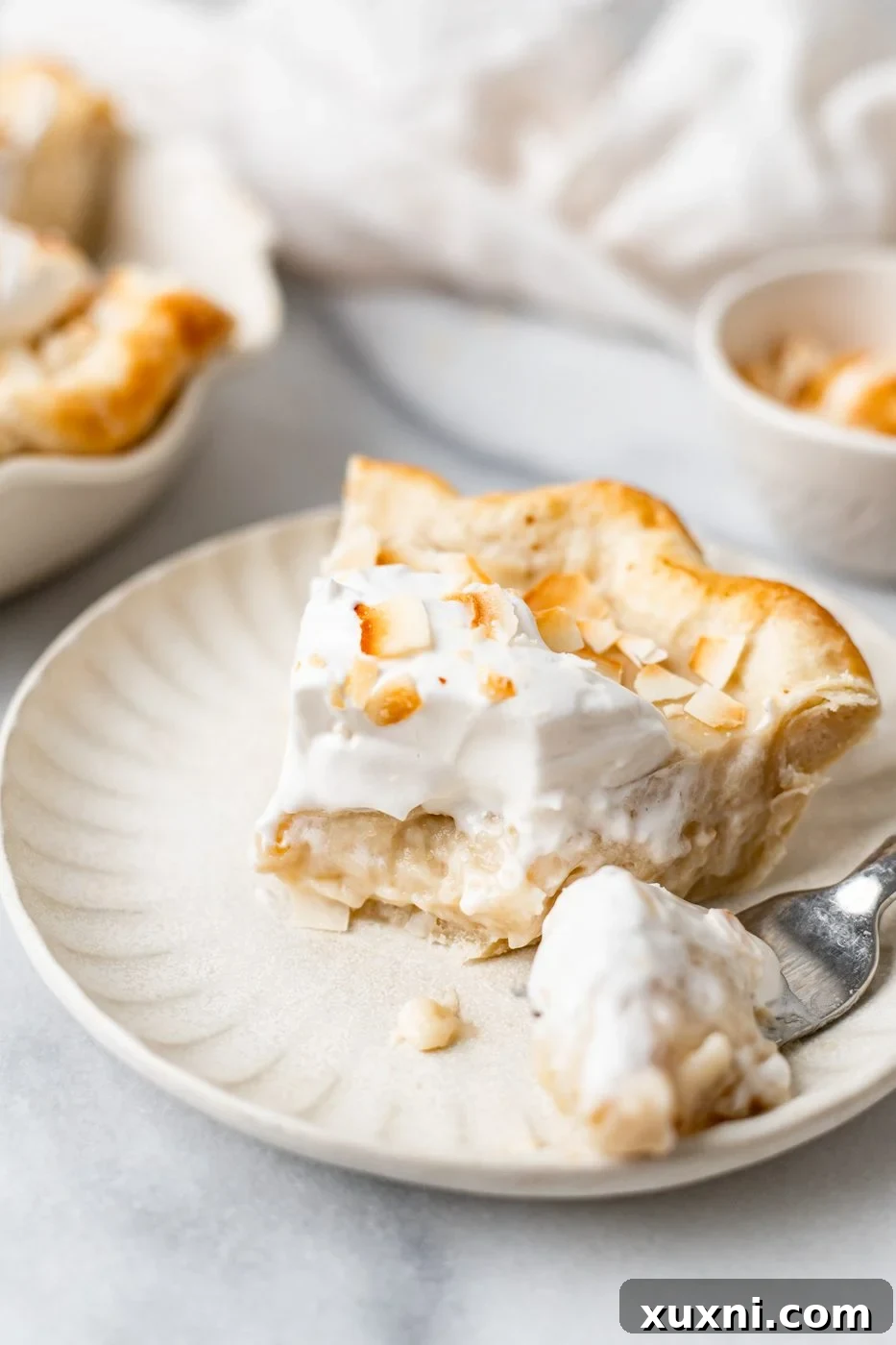
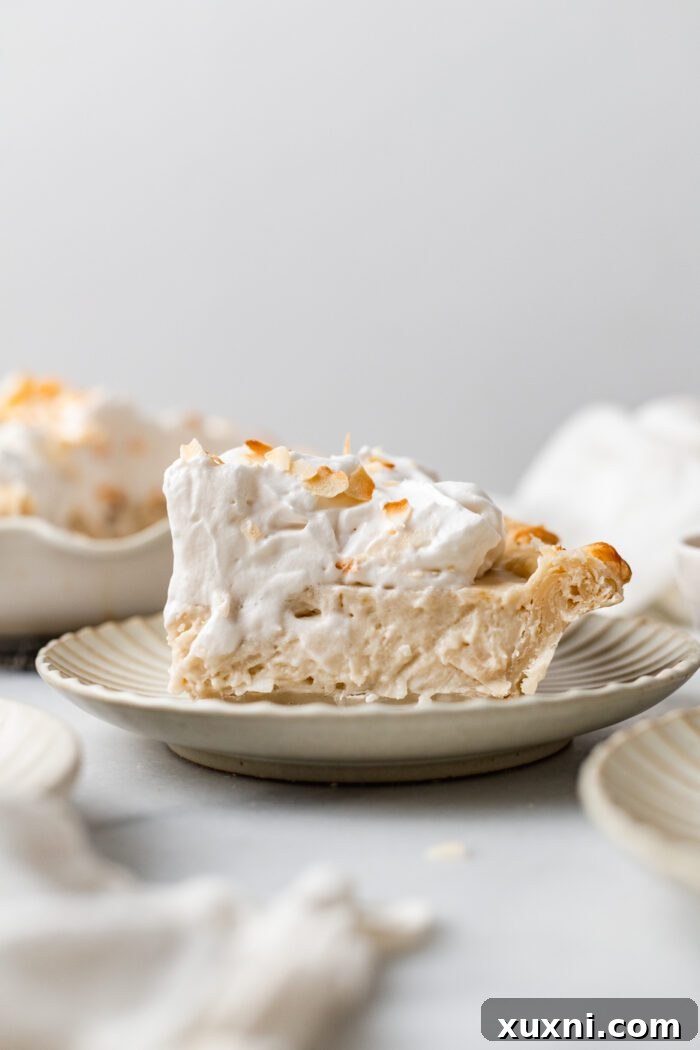
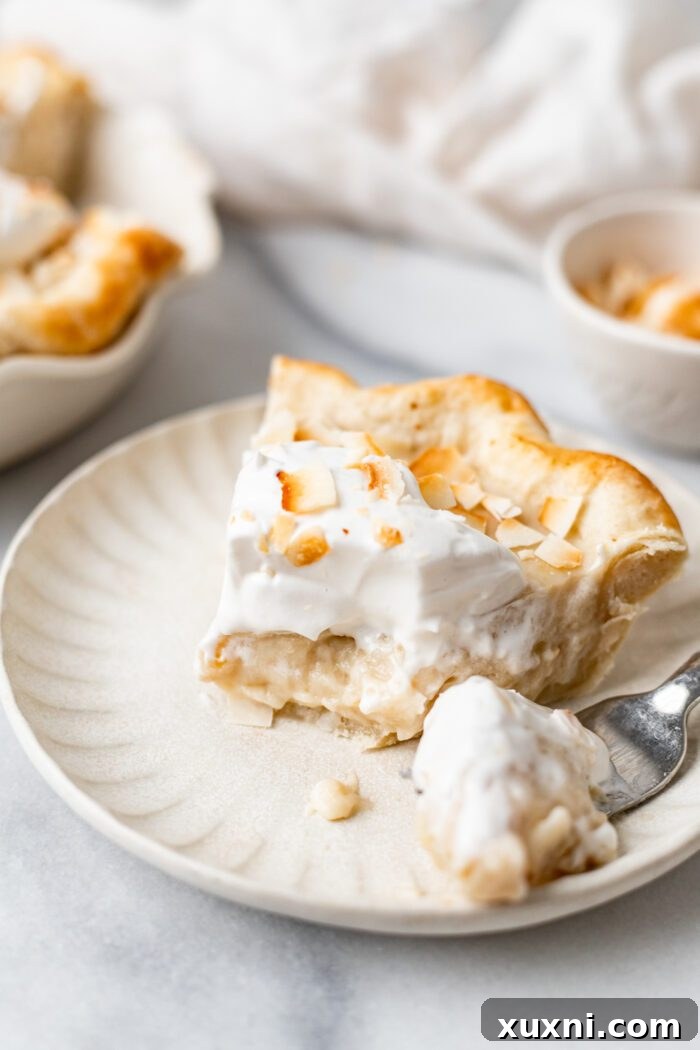
Welcome to the ultimate guide for creating the best vegan coconut cream pie you will ever taste! This recipe transforms a classic dessert into a plant-based marvel, boasting a rich, creamy filling, a perfectly flaky crust, and a light, airy vegan whipped cream. Whether you’re a seasoned vegan baker or simply looking for an impressive dairy-free option, this custard-like pie is ideal for spring celebrations like Easter brunch, Mother’s Day gatherings, or any special occasion demanding a show-stopping dessert.
This post is proudly sponsored by Florida Crystals®. All opinions expressed are my own, and I am grateful for their support in making delicious content possible for The Banana Diaries community. Thank you for championing the brands that make these recipes a reality!
Why This is the Ultimate Vegan Coconut Cream Pie Recipe You’ll Ever Need
If you’ve been on the hunt for a truly exceptional vegan pie to grace your holiday table or springtime festivities, your search ends here. This vegan coconut cream pie isn’t just a crowd-pleaser; it’s a revelation that consistently wins over both vegan and non-vegan palates alike. My family and friends, who are notoriously discerning dessert critics, have unanimously declared this to be the finest coconut cream pie they’ve ever experienced – a remarkable achievement, especially for a vegan rendition of a typically egg-and-dairy-heavy dessert.
Crafting a vegan coconut cream pie that rivals its traditional counterpart in texture, flavor, and overall satisfaction can be a daunting challenge. Many vegan custards fall short, often resulting in a gelatinous or overly starchy consistency. However, I’ve meticulously developed this recipe to be incredibly straightforward, foolproof, and utterly delicious. Every element has been optimized for ease and enjoyment, ensuring a successful bake every time.
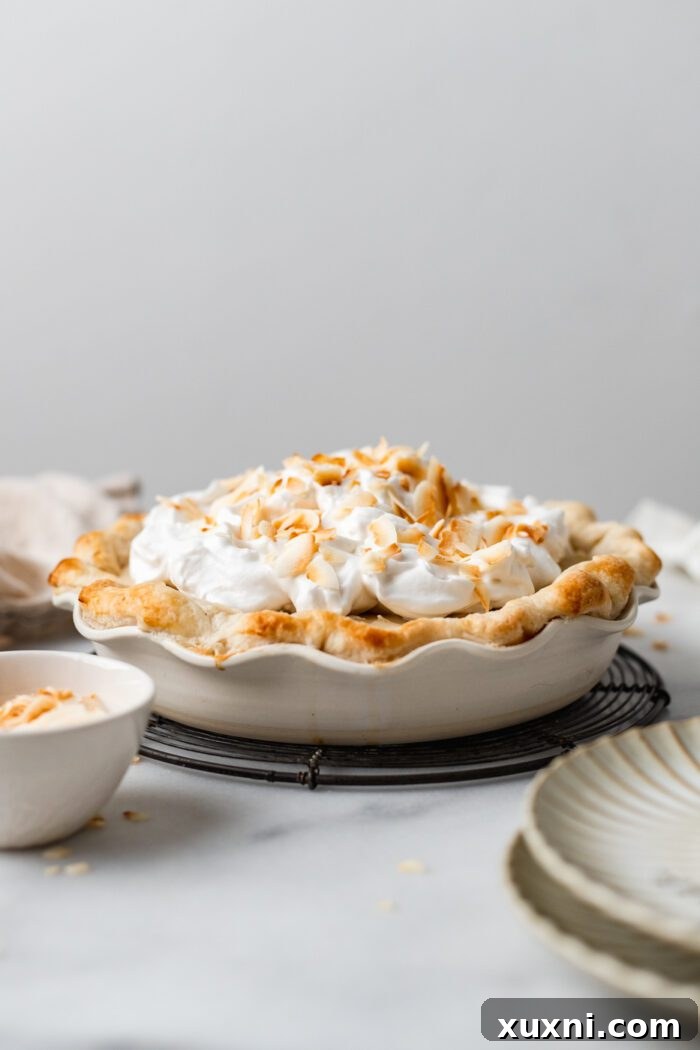
One of the key distinctions of this recipe is its commitment to authentic, natural coconut flavor. We steer clear of artificial extracts, allowing the pure essence of coconut to shine through. This vibrant flavor is delicately balanced with a gentle sweetness, thanks to the use of minimally processed raw cane sugar from Florida Crystals®. This commitment to quality ingredients ensures a pie that tastes as incredible as it looks, leaving a lasting impression on everyone who takes a bite. Furthermore, we’ll delve into the techniques for achieving an exquisitely flaky pie crust – a true show-stopper that could easily win awards for its perfect texture and buttery (yet vegan!) richness. Prepare to fall in love with this vegan coconut cream pie!
Unlocking the Secret to the Best Vegan Coconut Cream Pie: A Custard Revolution
The quest for the perfect vegan custard often leads to frustration. Traditional custards rely heavily on eggs or egg yolks for their characteristic richness and setting properties. When eggs are removed, many vegan alternatives tend to set more like jello or a rubbery pudding, regardless of whether arrowroot starch or cornstarch is used as a thickener. This common issue stems from the absence of the natural emulsifiers and setting agents found in egg yolks.
But fear not! I’ve recently uncovered a game-changing solution that delivers an impeccably smooth, rich, and truly custard-like vegan texture. This secret ingredient combination mimics the functionality of eggs, eliminating the dreaded jello-like consistency and elevating your vegan pie to new heights of culinary excellence.
The Magic Duo: Aquafaba and Chickpea Flour
The secret lies in harnessing the incredible power of aquafaba and chickpea flour. Aquafaba, the brine from canned chickpeas, acts as a remarkable egg white substitute in vegan baking, capable of whipping into stiff peaks and providing structure. Chickpea flour, when rehydrated and cooked, develops a consistency and richness surprisingly similar to egg yolks. When these two ingredients are whisked together, they form a potent vegan “egg” mixture that perfectly replaces the thickening and binding properties of traditional eggs in custards.
This innovative combination creates a base that is then seamlessly incorporated with arrowroot starch – much like you would combine cornstarch with whisked eggs before adding them to a traditional custard. The result? A velvety, creamy filling that sets beautifully, delivering that authentic, melt-in-your-mouth custard experience you crave. Say goodbye to rubbery, jello-like vegan pies forever and embrace the luxurious texture this technique provides!
The Sweet Truth: Why Organic Sugar Matters in Vegan Baking
For those familiar with The Banana Diaries, you’ll know my consistent recommendation for Florida Crystals® Sugar as my go-to choice for all baking endeavors. This preference isn’t arbitrary; it’s rooted in a commitment to quality, ethical sourcing, and superior results in vegan recipes. Many new to vegan baking might not realize that not all sugars are vegan-friendly. In the United States, a significant portion of conventional granulated sugars undergoes a refining process that utilizes bone char – a charcoal derived from animal bones – to achieve its pristine white color. This makes them unsuitable for a truly vegan diet.
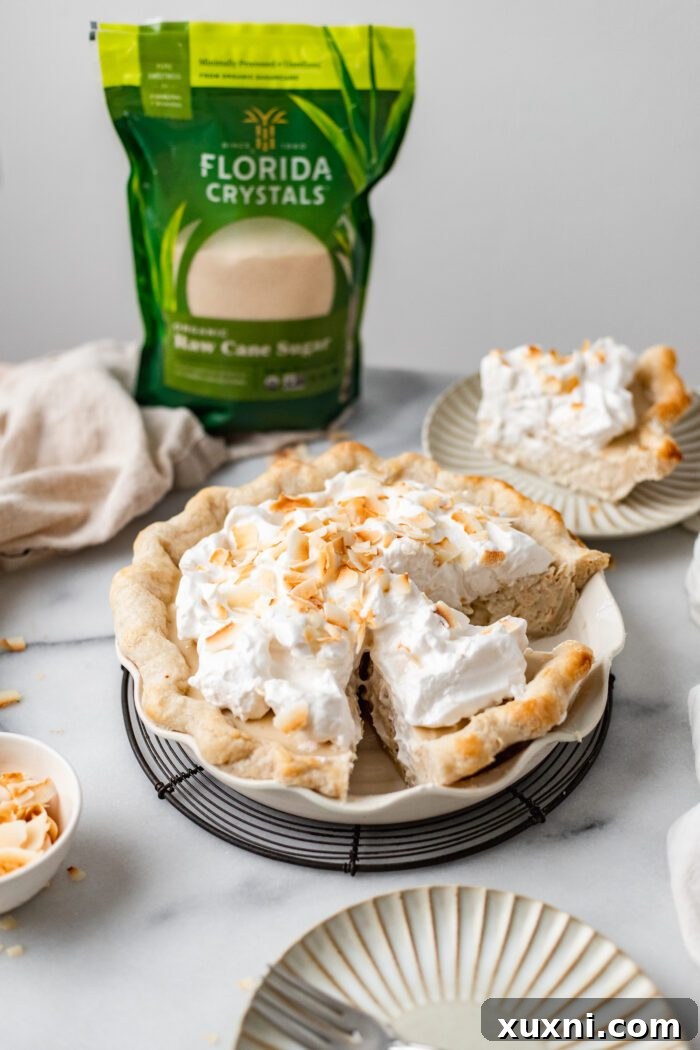
Florida Crystals® Sugar, however, stands apart. It is certified USDA-organic, guaranteeing a product free from synthetic pesticides and fertilizers. Crucially, it is always vegan, processed without the use of bone char, ensuring that your delicious desserts align with your plant-based values. For this specific recipe, I opted for their Organic Raw Cane Sugar. Its minimally processed nature contributes a subtle, nuanced sweetness that complements the rich coconut flavor without overpowering it, delivering an unparalleled depth of taste that did not disappoint.
Simplified Steps: An Overview of How to Create Your Vegan Coconut Cream Pie
The idea of crafting a custard pie, particularly a vegan one, might initially seem intimidating. Yet, with a clear roadmap, you’ll discover it’s surprisingly straightforward and immensely rewarding. The following steps outline the simple process for creating this spectacular vegan coconut cream pie, ensuring a smooth and enjoyable baking experience:
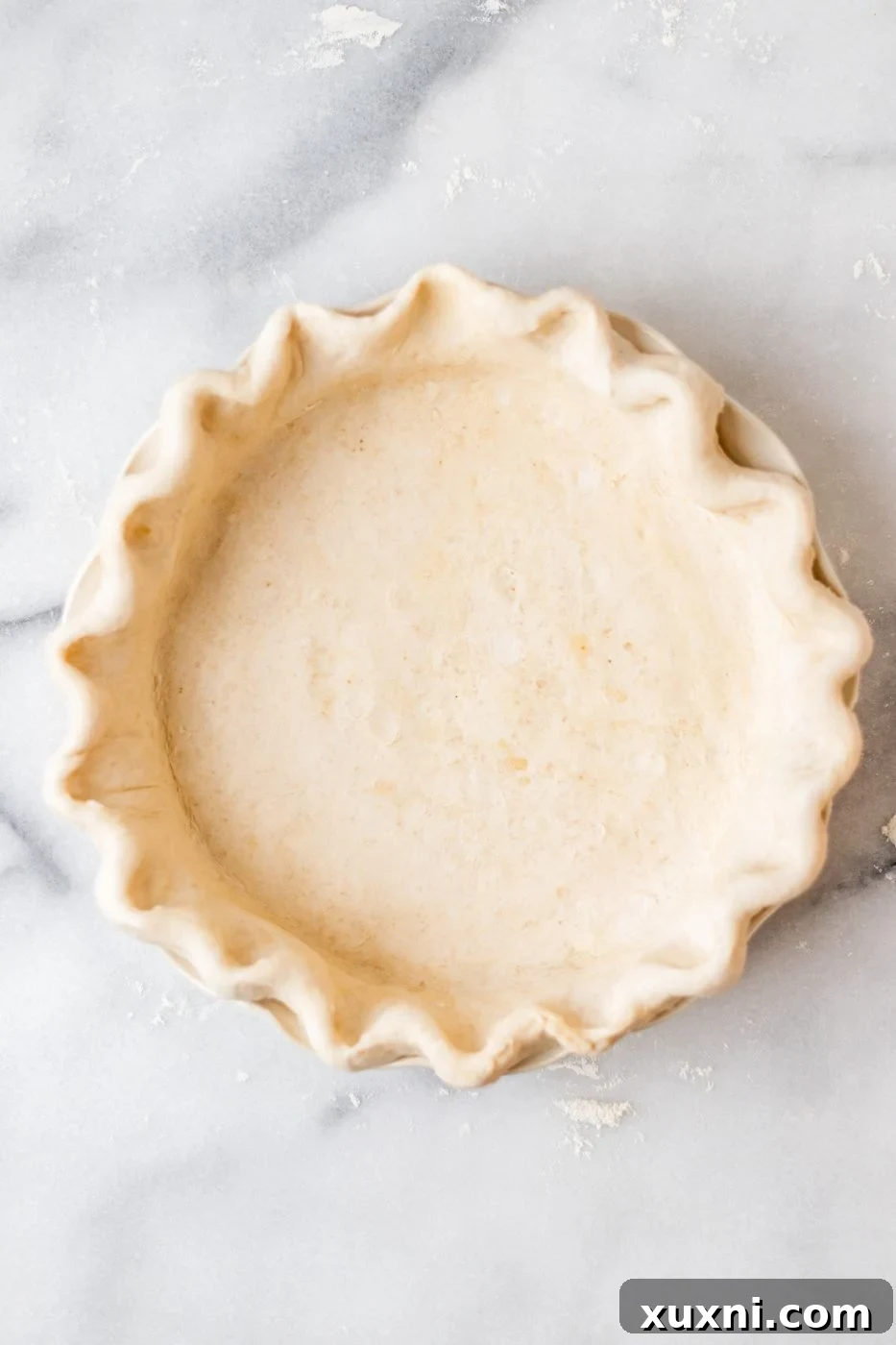
- Crafting the Perfect Pie Crust: We begin with my all-time favorite flaky vegan pie crust. The secret to its incredible texture lies in the lamination technique, which creates those desirable airy layers and delicate edges. A crucial tip for success is to ensure your vegan butter is thoroughly frozen for at least 15 minutes before incorporating it into the crust. This helps maintain its cold temperature, preventing it from melting too quickly and ensuring maximum flakiness. We will fully pre-bake the crust to achieve a golden, crisp base that prevents any unwelcome sogginess once the filling is added.
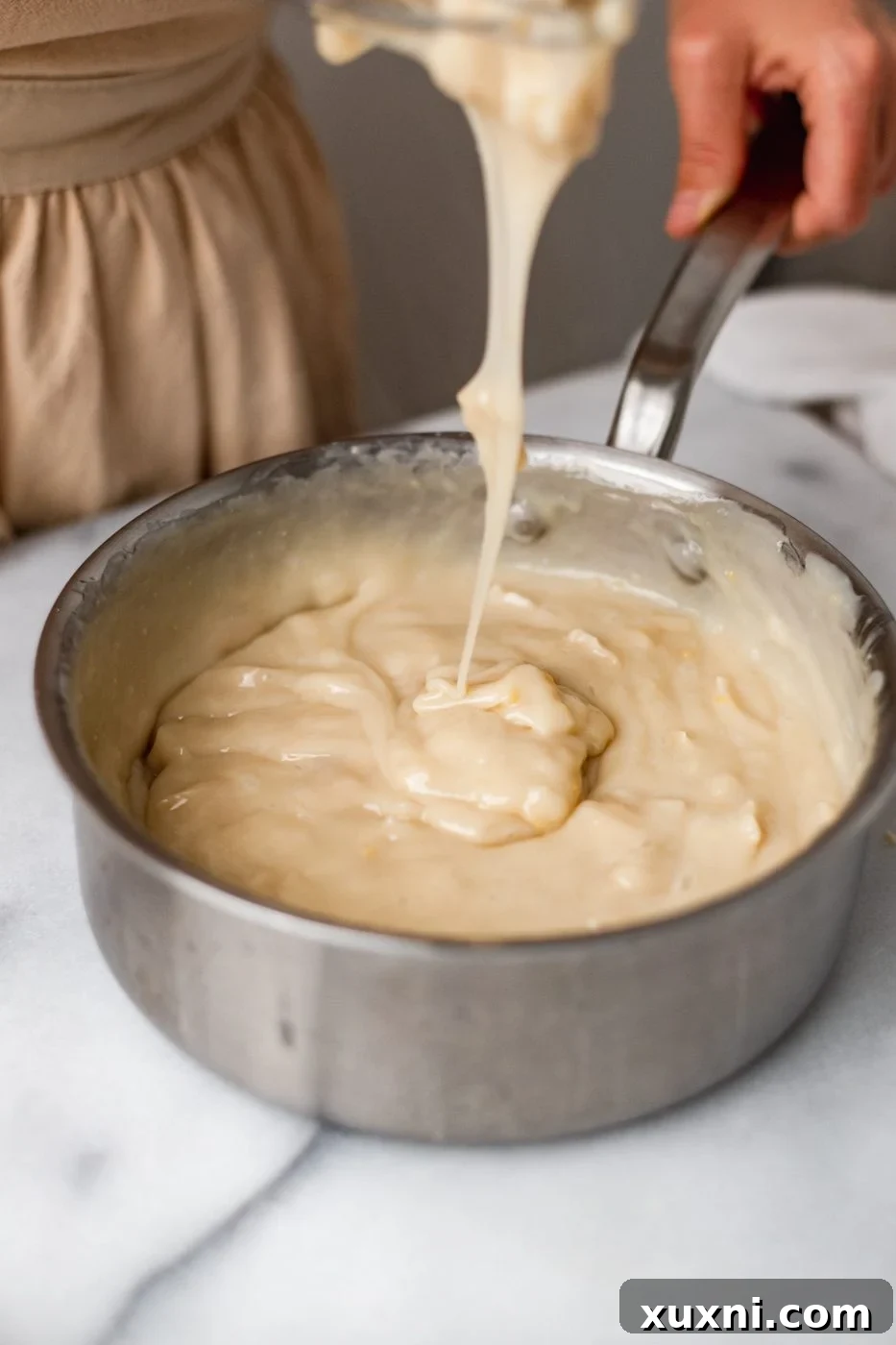
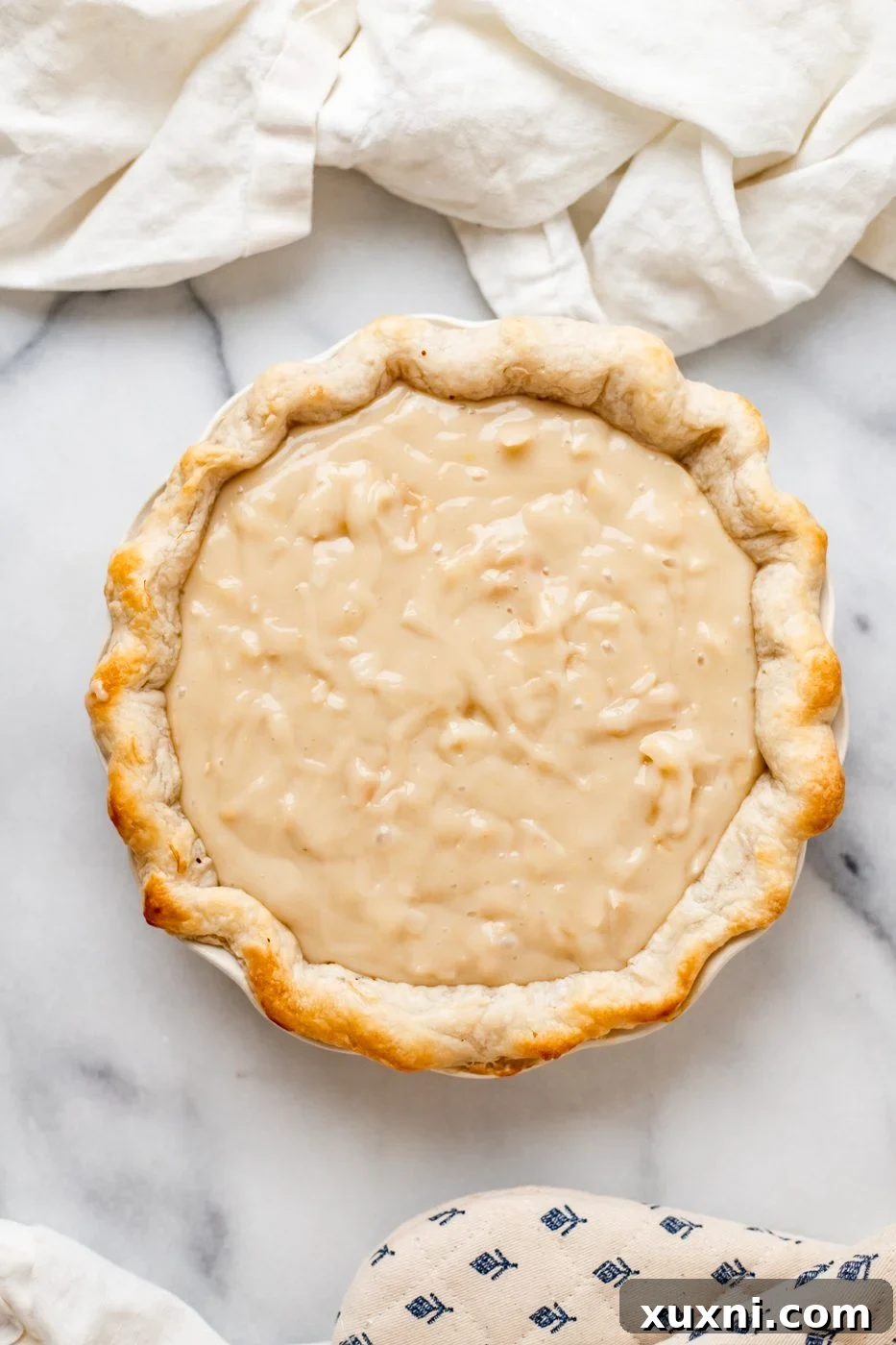
- Preparing the Irresistible Coconut Cream Pie Filling: Once your pie crust is baked to perfection and has cooled slightly, it’s time to move on to the heart of the pie – the luscious coconut cream filling. This rich custard combines premium coconut cream, full-fat coconut milk, our special aquafaba mixture (our vegan “egg” replacement), Florida Crystals® Organic Raw Cane Sugar for balanced sweetness, high-quality vegan butter, and unsweetened coconut flakes for authentic flavor and texture. We avoid any artificial coconut extracts here, allowing the natural ingredients to shine. The process involves gently bringing the coconut liquids and sugar to a boil, then reducing the heat and gradually whisking in the aquafaba mixture. Continue to stir until the mixture thickens into a luxurious pudding-like consistency. Remove from heat, then stir in the remaining vegan butter, vanilla extract, and coconut flakes until well combined. The warm, fragrant custard is then poured directly into your prepared, baked pie crust.
- Patiently Allowing the Pie to Set: This step is crucial for achieving that firm, sliceable custard texture. The pie requires a minimum of 6 hours to set completely in the refrigerator. However, depending on the efficiency of your fridge, it might be perfectly set in as little as 4 hours. For best results and peace of mind, I highly recommend covering the pie gently and allowing it to chill overnight. This extended refrigeration period ensures the custard is perfectly firm and ready for slicing.
- Preparing the Cloud-Like Vegan Whipped Cream: Just before serving, you’ll prepare the crowning glory of this pie: the exquisite vegan whipped cream. Rather than relying on coconut-based whipped cream, which can sometimes be temperamental depending on the brand of coconut milk used, we’re creating a stable and incredibly fluffy meringue-based vegan whipped cream using aquafaba. The fine texture of Florida Crystals® Organic Raw Cane Sugar is absolutely perfect for this, as it dissolves beautifully without overwhelming the delicate structure of the aquafaba and cream of tartar, allowing it to whip up into beautifully stiff, stable peaks.
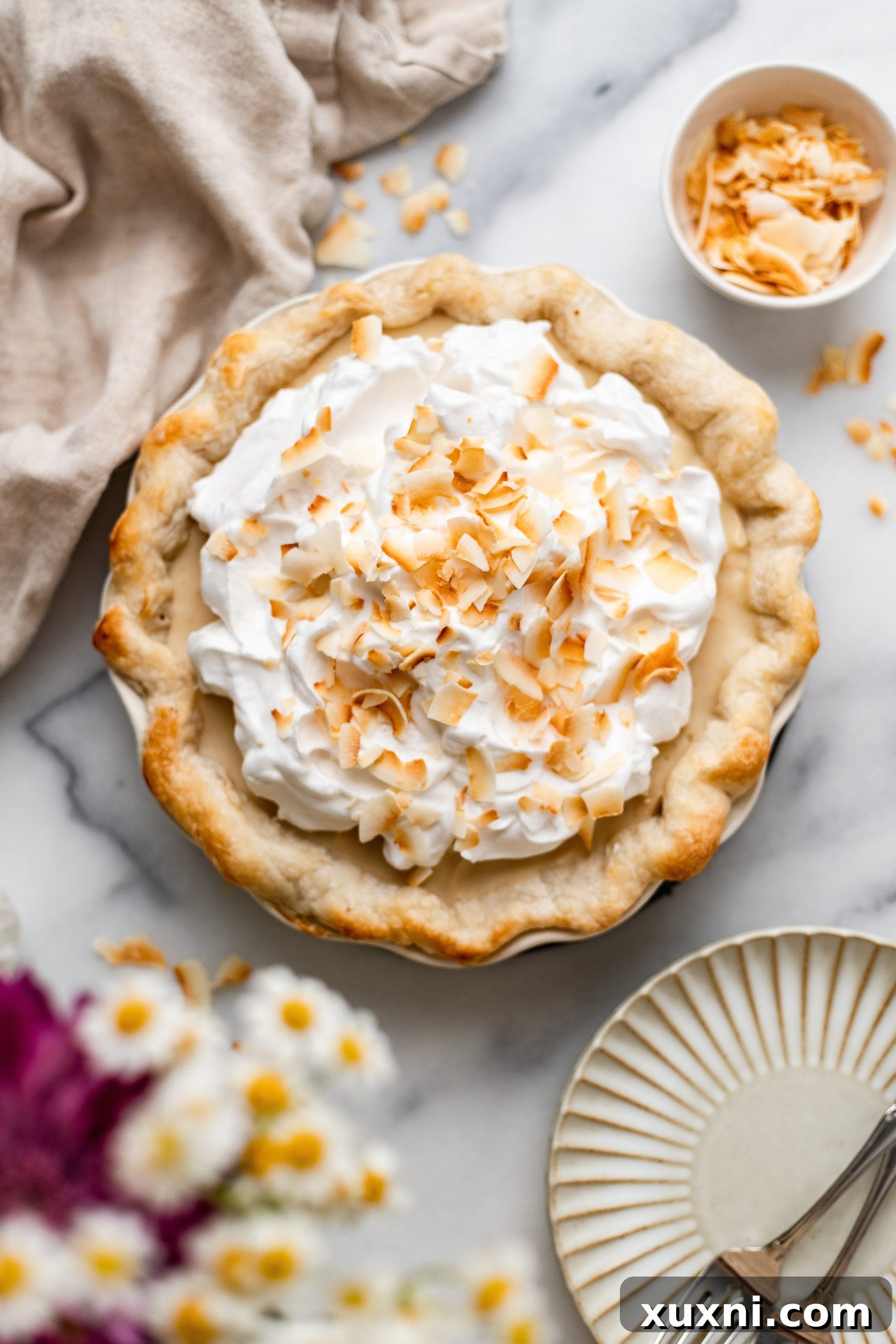
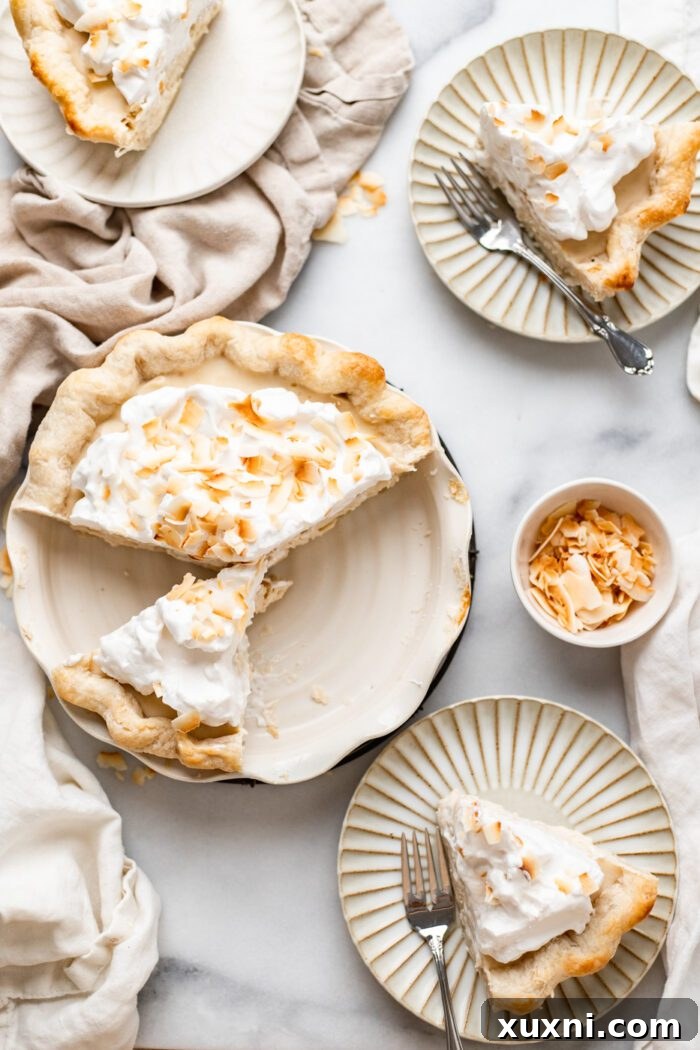
- The Grand Finale: Topping and Serving Your Masterpiece: Once your vegan whipped cream is ready, generously spoon it over the fully set coconut cream pie. For an extra layer of flavor and visual appeal, sprinkle a liberal amount of toasted coconut flakes on top. This adds a delightful crunch and enhances the overall coconut experience. With bated breath, slice into your magnificent vegan coconut cream pie, serve it chilled, and prepare to receive rave reviews!
Watch and Learn: Vegan Coconut Cream Pie Video Tutorial
For a complete visual guide, be sure to check out our comprehensive video tutorial on how to master the best vegan coconut cream pie. This step-by-step video, available on YouTube, walks you through each stage of the process, ensuring you can confidently create this dessert in your own kitchen.
The Importance of a Fully Baked Pie Crust: Preventing Soggy Bottoms
Understanding the distinction between a coconut cream pie and a coconut custard pie is key to appreciating why a fully baked crust is non-negotiable for this recipe. A coconut cream pie features a filling that is cooked on the stovetop and then chilled to set, rather than baked in the oven. In contrast, a coconut custard pie’s filling is baked alongside the crust.
Because our luscious coconut cream filling will not undergo any baking, it is absolutely essential that the pie crust is thoroughly baked beforehand. This crucial step is the only part of the recipe that requires oven time, and it serves two primary purposes: achieving that perfect crisp texture and, most importantly, preventing the dreaded soggy bottom. A fully baked crust acts as a robust foundation for the rich, chilled custard, ensuring every bite offers a satisfying contrast of textures.
To ensure your pie crust is perfectly baked and ready for its creamy filling, look for specific visual cues. The rim of the crust should be a beautiful golden brown and appear slightly puffed. The bottom of the crust will also show a subtle lift and golden hue, indicating it is cooked through and ready to be filled. Achieving this golden, slightly puffy state confirms your crust is robust enough to support the filling without succumbing to moisture, guaranteeing a structurally sound and delicious pie.
Essential Tips for Vegan Coconut Cream Pie Success
To ensure your vegan coconut cream pie turns out flawlessly every time, keep these expert tips in mind:
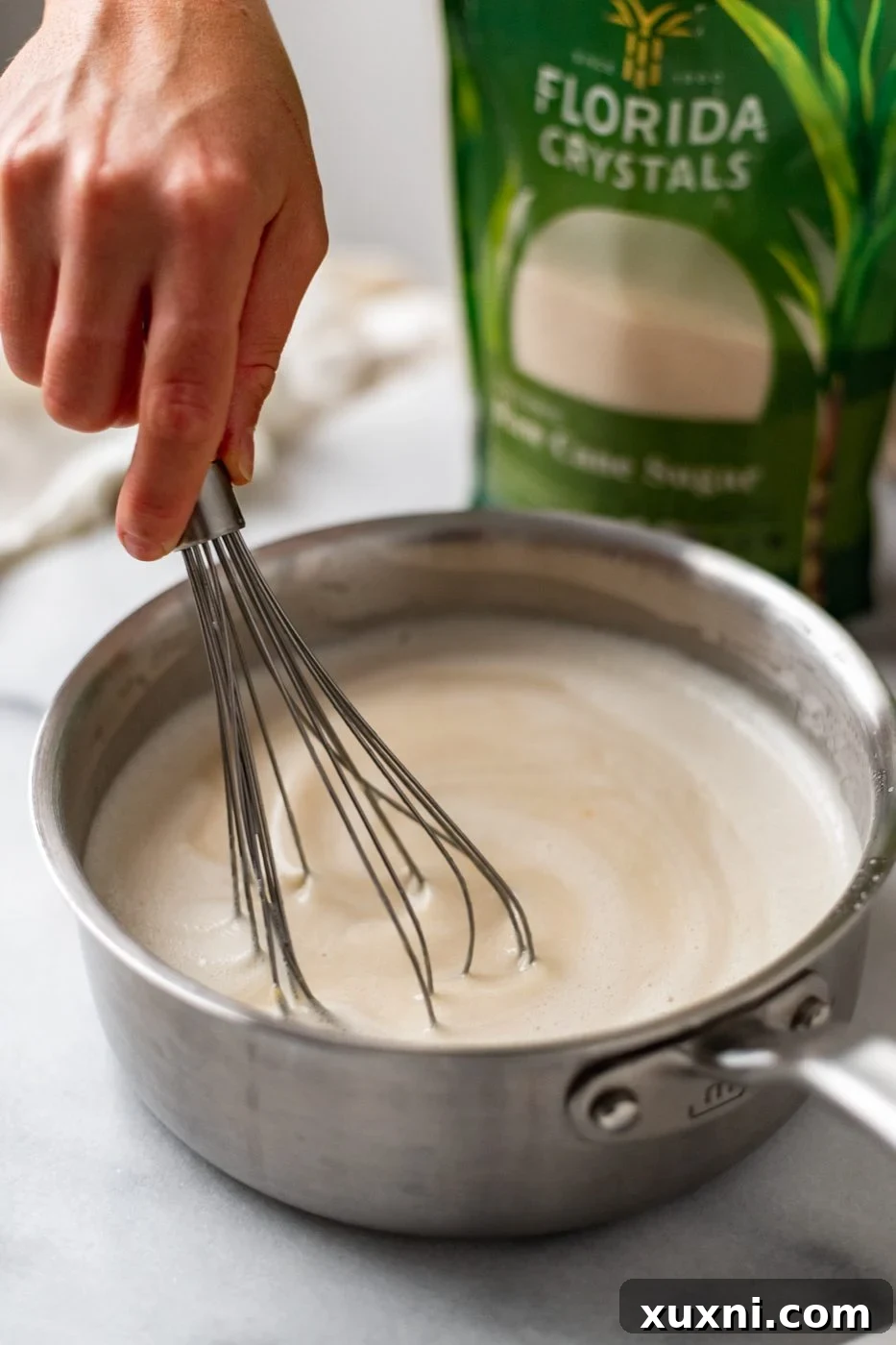
- Avoid Overcooking the Custard: This is paramount for achieving that silky, pudding-like texture we desire, rather than a rubbery or jello-like consistency. The moment the vegan custard visibly thickens and coats the back of a spoon, resembling a rich pudding, immediately remove it from the heat. Continued cooking will lead to over-thickening and a less desirable final texture. Trust your instincts and the visual cues!
- Gluten-Free Adaptation: For those requiring a gluten-free option, this recipe is easily adaptable. Simply substitute your favorite 1:1 gluten-free baking flour blend (ensure it contains xanthan gum for optimal structure) for the all-purpose flour in your pie crust recipe. This swap will yield a deliciously flaky, gluten-free pie crust that perfectly complements the creamy coconut filling.
- Proper Storage of Leftovers: While this pie is irresistible, if you find yourself with leftovers, it’s best to remove any remaining vegan meringue whipped cream before refrigerating. Vegan meringue, much like its traditional counterpart, tends to deflate and lose its airy texture over time when stored in the fridge. For the freshest and most appealing presentation, I highly recommend serving any leftover slices of dairy-free coconut cream pie with a fresh dollop of newly whipped vegan cream. Store the pie base (crust and filling) tightly covered in the refrigerator for up to 4 days.
Explore More Delightful Vegan Coconut Recipes:
If you adore the tropical flavor of coconut, you’re in for a treat! Here are more of our favorite vegan coconut-inspired creations:
Irresistible Vegan Coconut Cupcakes
Effortless Vegan Coconut Cake
Zesty Coconut Lemon Loaf Cake
Delightful Vegan Coconut Cream Eggs
Don’t Forget to Save This Incredible Recipe!
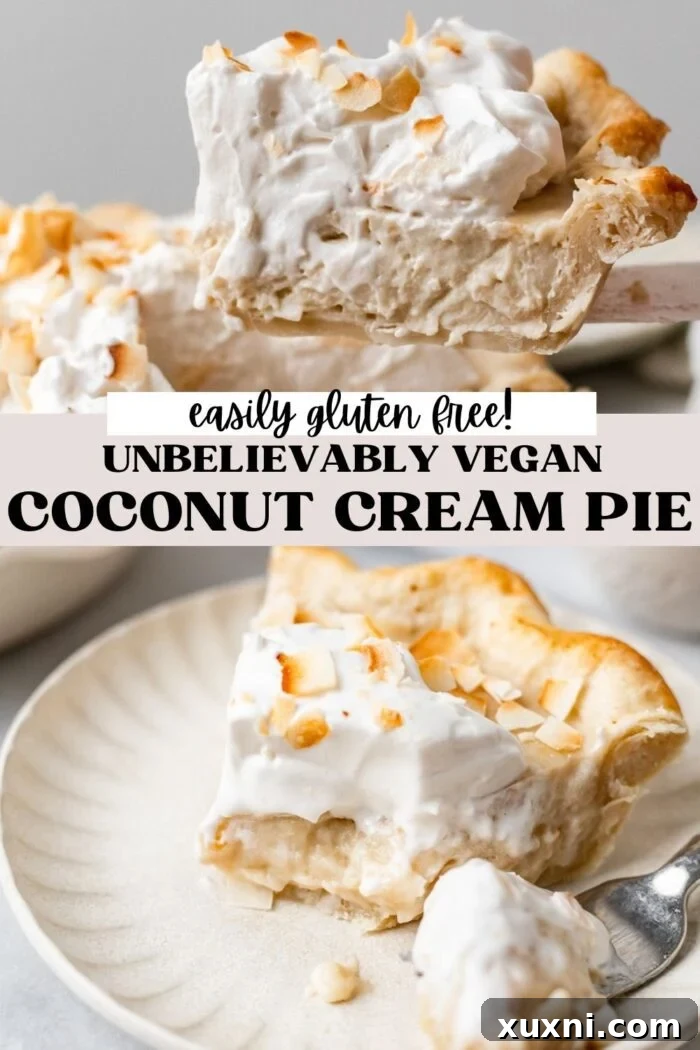
Loved this recipe? Make sure to save it for later! Add this fantastic vegan coconut cream pie to your favorite recipe board on Pinterest so you can easily find it whenever a craving strikes or a special occasion calls for a truly unforgettable dessert!
If you try this exceptional recipe, please take a moment to leave a comment and a rating ⭐️⭐️⭐️⭐️⭐️ below. Your feedback is incredibly valuable and helps other home bakers discover wonderful recipes! As always, I absolutely adore seeing your culinary creations, so don’t hesitate to tag me on Instagram and Pinterest when you share your delicious results!
Vegan Coconut Cream Pie (Gluten Free Option)
5 Stars
No reviews
- Author: Britt Berlin
- Prep Time: 20 minutes
- Cook Time: 35 minutes
- Total Time: 55 minutes
- Yield: 10 servings
- Category: Dessert
- Method: Baking
- Cuisine: American
- Diet: Vegan
Description
This is hands down the best vegan coconut cream pie, and even coconut cream pie in general! Made with the easiest coconut cream filling, a flaky pie crust, and perfect vegan whipped cream, this custard-like vegan coconut cream pie is perfect for all spring occasions!
Ingredients
- 1 batch Vegan Pie Crust
For the Coconut Cream Pie Filling:
- ½ cup (110 mL) aquafaba
- 3 tbsp chickpea flour
- ¼ cup (30 g) arrowroot starch
- 1 can (13.5 oz) coconut cream
- 1 cup (240 mL) full-fat coconut milk
- ¾ cup (150 g) Florida Crystals® Organic Raw Cane Sugar
- 1 cup (80 g) unsweetened shredded coconut
- 2 tbsp salted vegan butter, room temperature
- 2 tsp vanilla extract
For the Vegan Whipped Cream:
- ½ cup (120 mL) aquafaba
- ½ cup (100 g) Florida Crystals® Organic Granulated Sugar
- 1 tsp cream of tartar
- 1 tsp vanilla extract
- ⅓ cup toasted coconut flakes, for topping
Instructions
- Prepare the pie dough: Follow the instructions for making the vegan pie dough and chill according to recipe. Then, roll out the crust and fit it into a 9-inch pie dish.
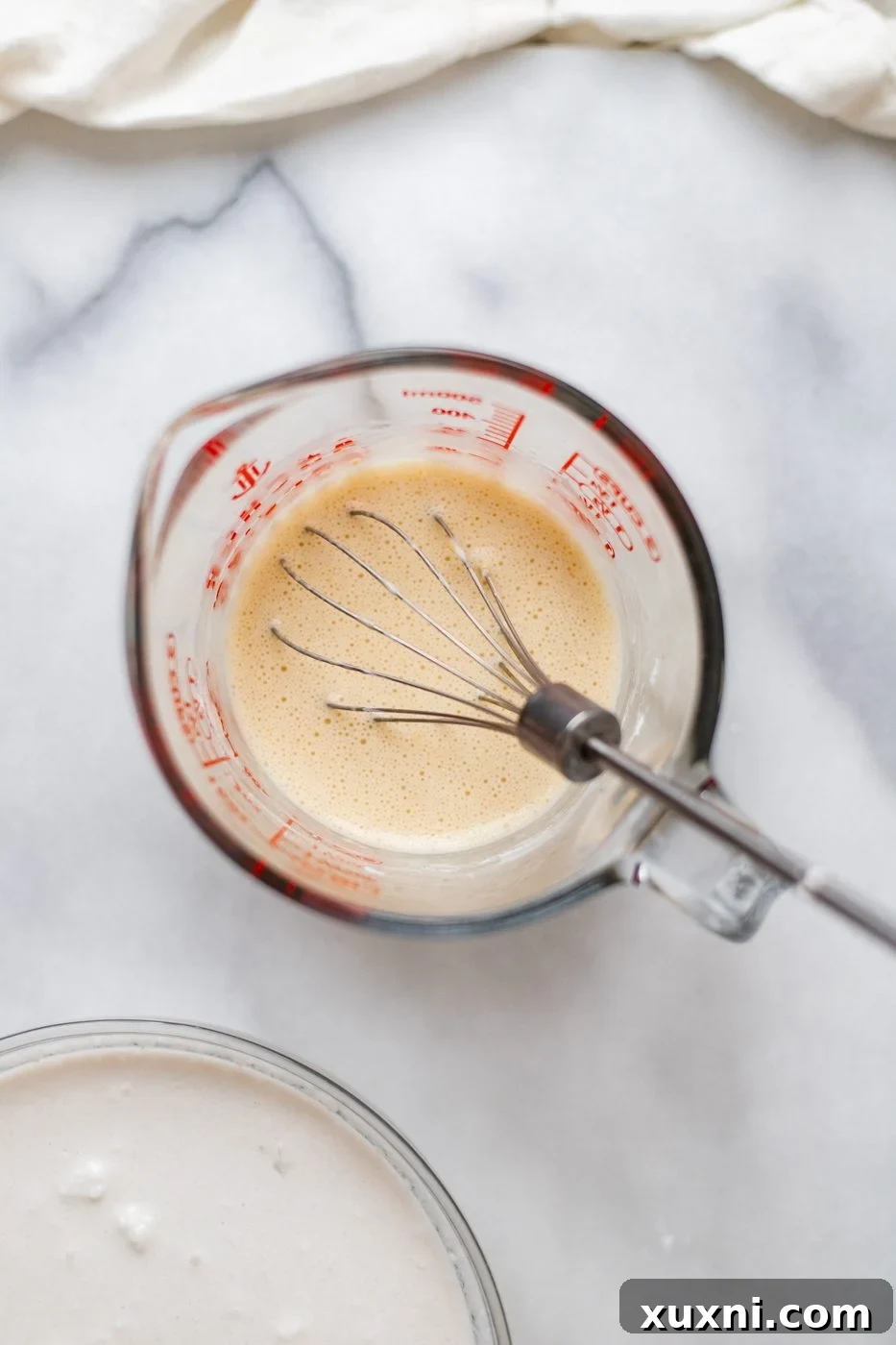
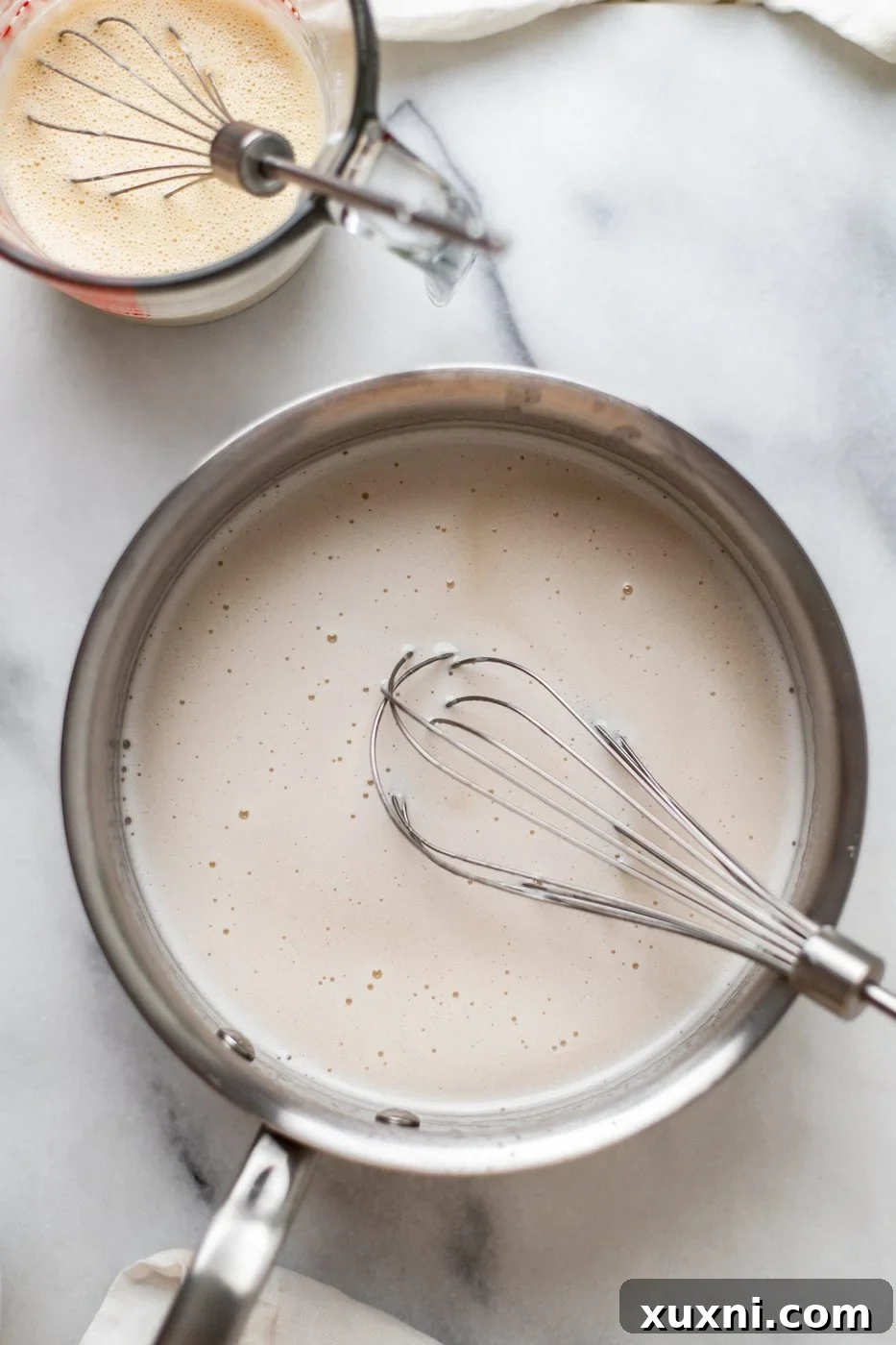
- Prep for the coconut cream pie filling: In a small bowl, whisk together the aquafaba, chickpea flour, and arrowroot starch until smooth. Set this mixture aside. In a medium saucepan, combine the coconut cream, coconut milk, and Florida Crystals® Organic Raw Cane Sugar, whisking until well blended.
- Make the coconut cream pie filling: Place the saucepan over medium-high heat and bring the coconut mixture to a boil. Once boiling, reduce the heat to low. While continuously whisking, slowly pour in the prepared chickpea flour-aquafaba mixture. Continue to whisk gently on low heat for approximately 7 minutes, or until the mixture thickens significantly to a pudding-like consistency. Once thickened, remove the saucepan from the heat and stir in the room temperature vegan butter, vanilla extract, and unsweetened coconut shreds until all ingredients are evenly distributed throughout the creamy coconut mixture.
- Chill the coconut cream pie: Carefully pour the warm coconut cream filling into the fully baked and cooled pie crust. Cover the pie loosely with plastic wrap, ensuring it doesn’t touch the filling, and transfer it to the refrigerator to set. Allow the pie to chill for a minimum of 6 hours, though ideally, for best results and firmest set, refrigerate overnight.
- Make the whipped cream: Once the pie is completely set, prepare the vegan whipped cream. In a large mixing bowl or the bowl of a stand mixer fitted with a whisk attachment, combine the aquafaba and cream of tartar. Beat the aquafaba on high speed until it becomes foamy. Gradually, spoon by spoonful, add the Florida Crystals® Organic Granulated Sugar while continuing to beat the aquafaba mixture on high. The mixture will begin to fluff up and transform into stiff, glossy peaks. This process typically takes about 10 minutes. Once stiff peaks are achieved, the vegan whipped cream is ready.
- Slice and serve! Spoon a generous layer of the freshly made vegan whipped cream on top of the chilled and set coconut cream pie. Garnish with toasted coconut flakes for added texture and flavor. Slice the coconut cream pie into servings and enjoy it cold. Store any leftover slices in an airtight container in the refrigerator for up to 4 days, ensuring to add fresh whipped cream before serving.
Notes
Gluten-free: For a gluten-free coconut cream pie, simply substitute a high-quality gluten-free 1:1 baking flour (one that contains xanthan gum for best results) in equal measure for the all-purpose flour specified in your vegan pie crust recipe.
Pie weights alternative: If you don’t have ceramic pie weights on hand for blind baking your crust, common household alternatives like dried rice, dried beans, or even dry flour can be used effectively to weigh down the crust and prevent shrinking.