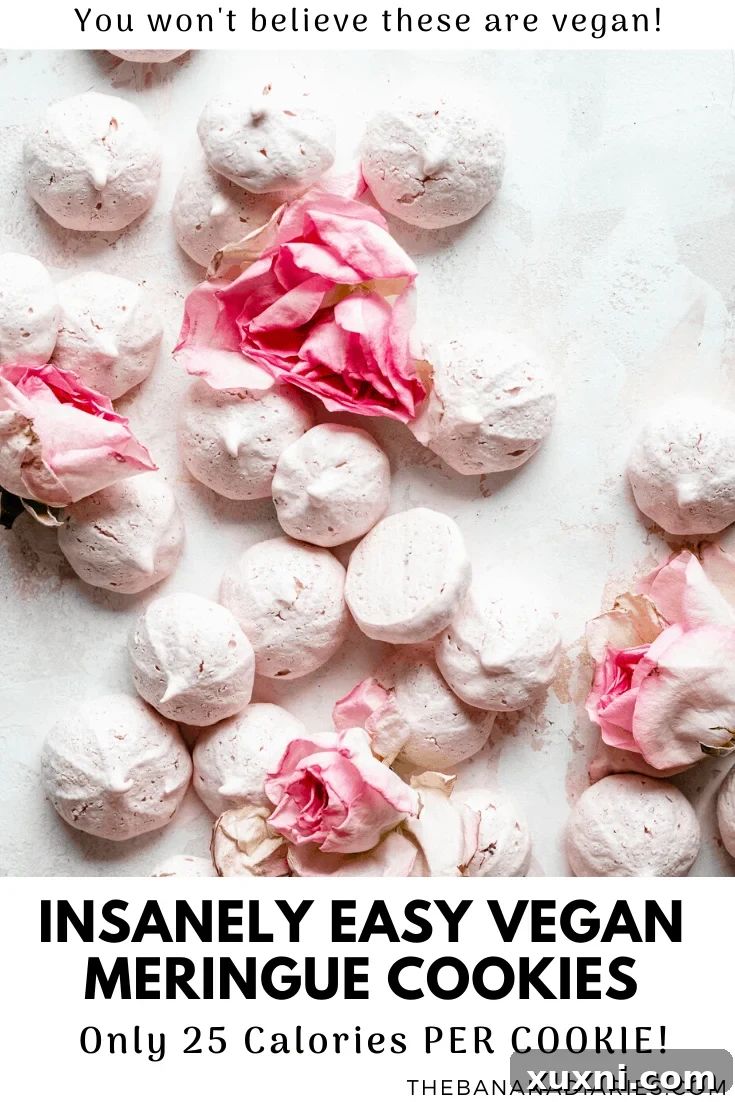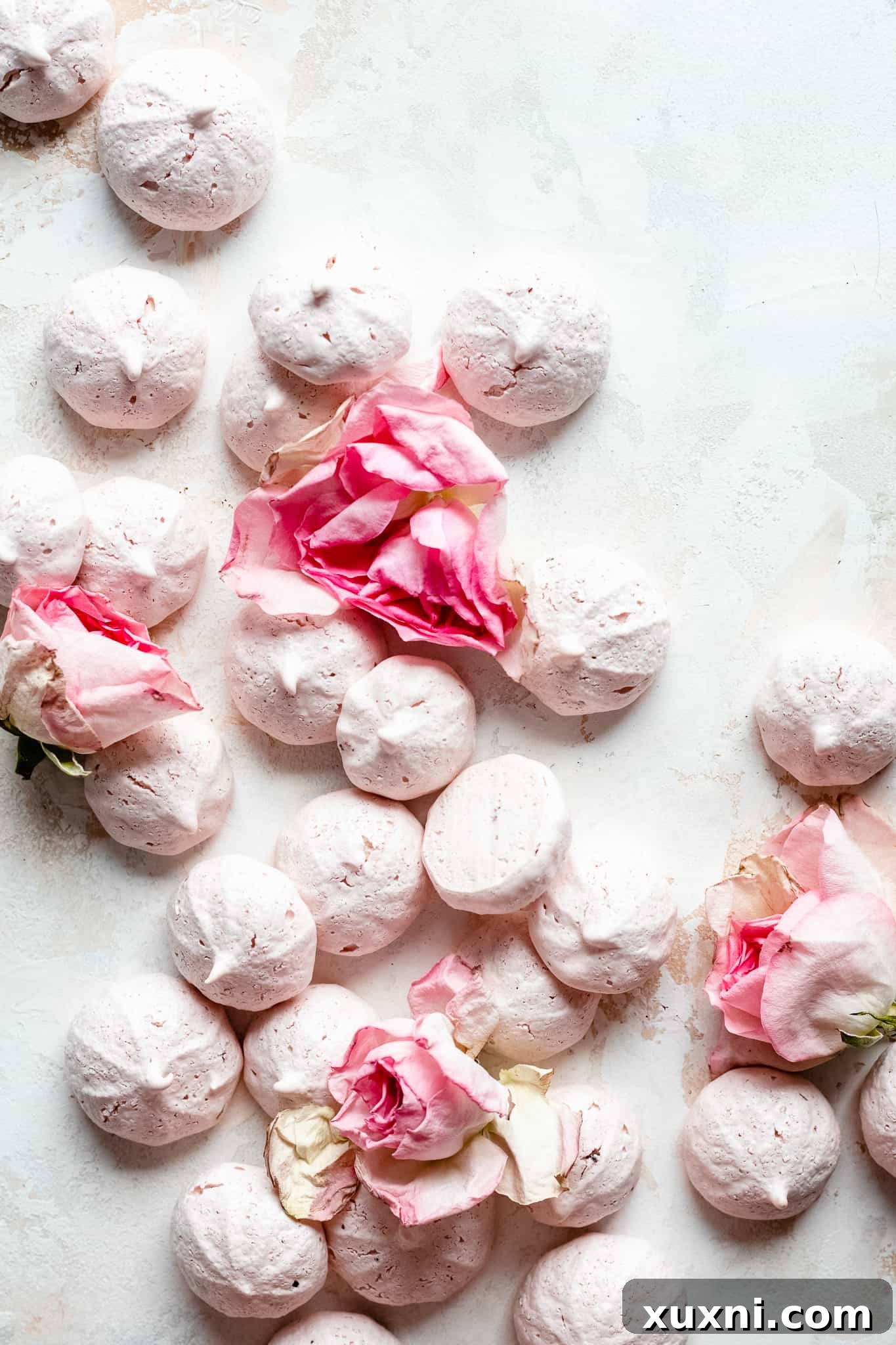
Effortlessly Delicious Vegan Meringue Cookies: A Guilt-Free & Gluten-Free Treat!
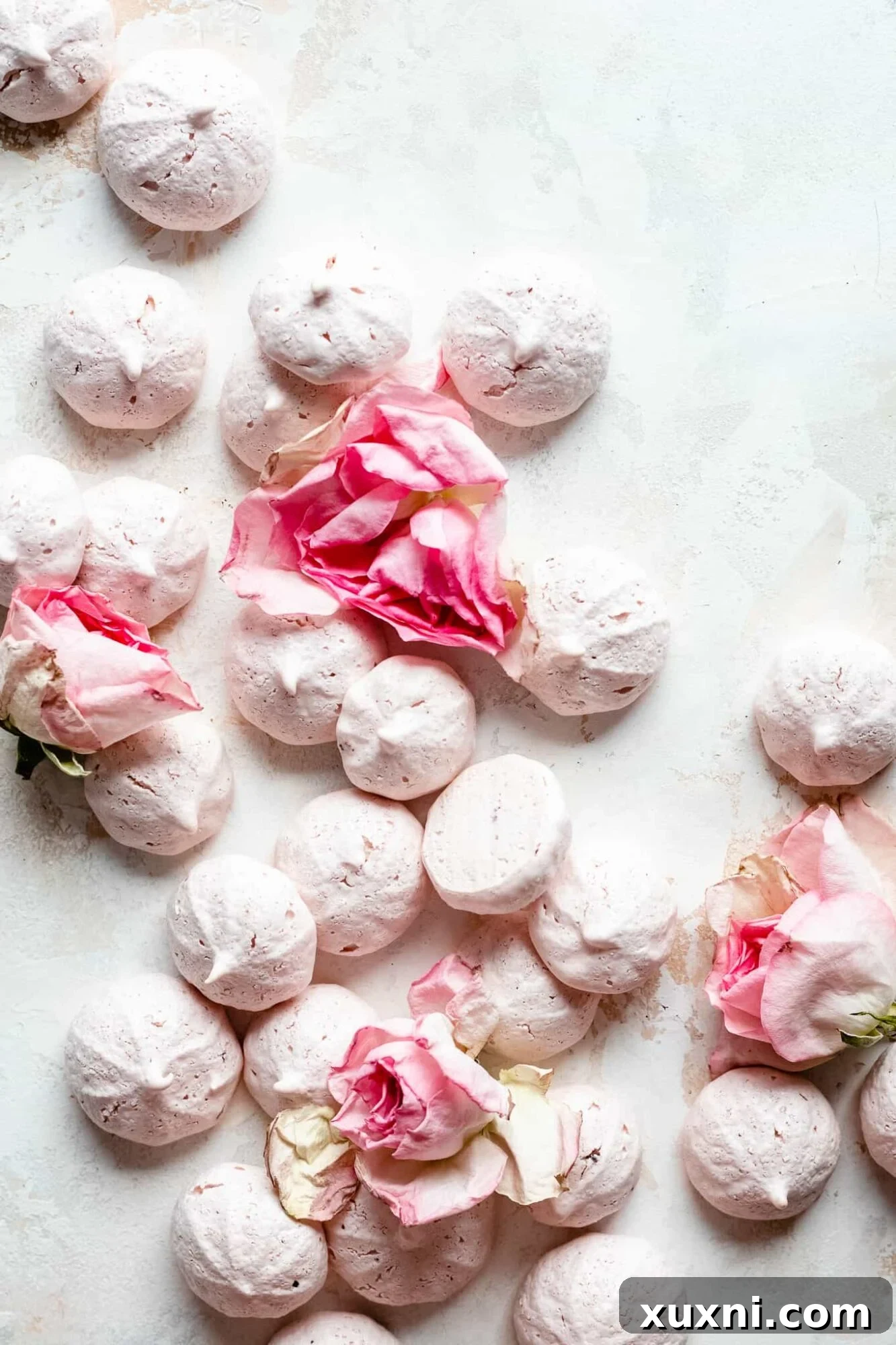
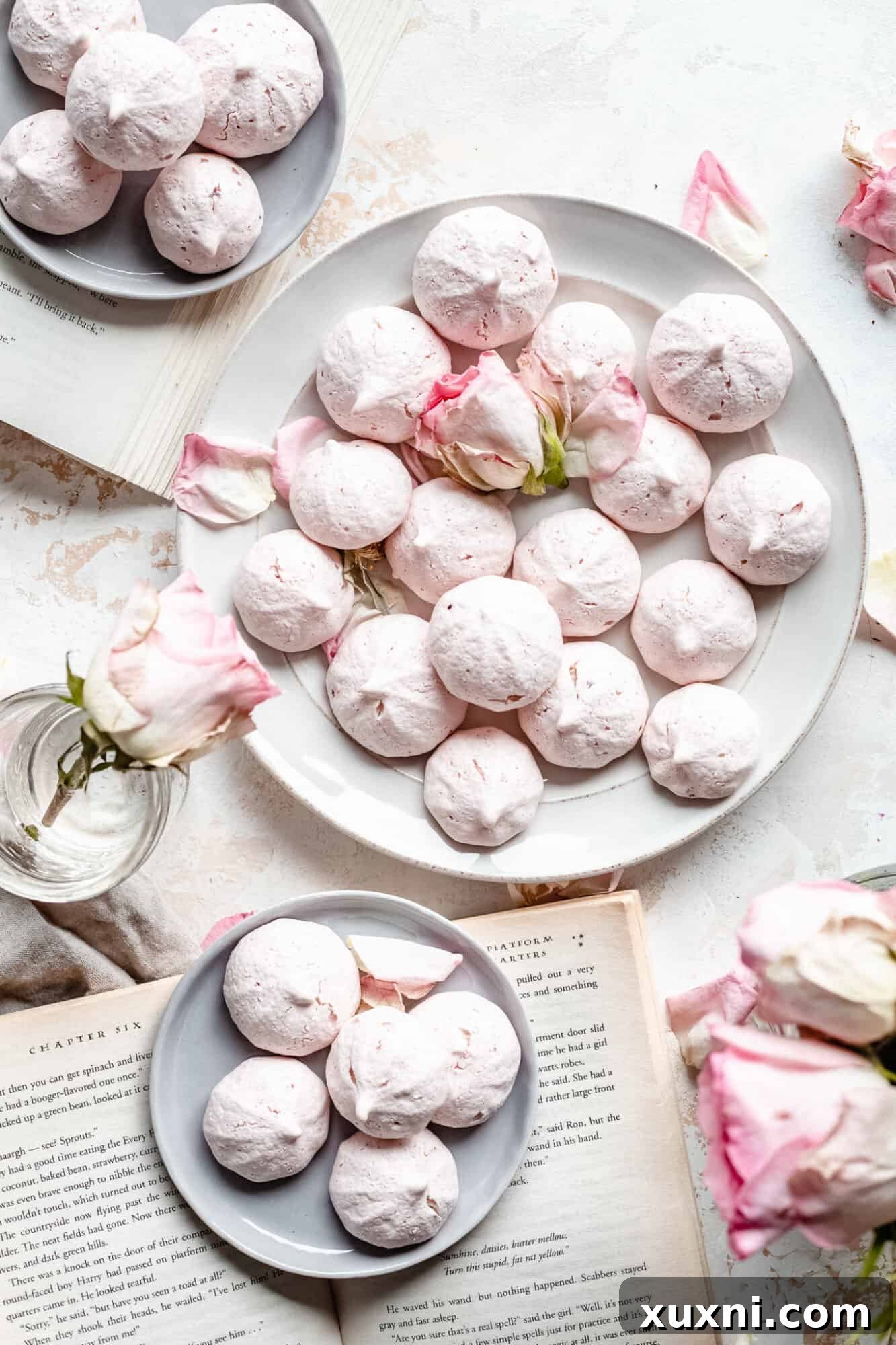
Prepare to be amazed! The idea of delicate, airy meringue cookies often conjures images of egg whites whipped to perfection. But what if we told you that you could create these magical, melt-in-your-mouth treats without a single animal product? Welcome to the wonderful world of vegan meringue cookies – a revelation that will delight your taste buds and impress even the most discerning palates.
These aren’t just any vegan cookies; they’re low in calories, low in sugar, and entirely gluten-free, making them a perfect guilt-free indulgence for everyone. Whether you’re navigating dietary restrictions or simply seeking an innovative dessert, these delightful bites are incredibly fun to make and even more enjoyable to eat!
My culinary adventures recently led me to delve deeper into the versatility of aquafaba – that seemingly humble liquid from a can of chickpeas. It struck me: what better way to transform this often-discarded ingredient into something extraordinary than by crafting a batch of classic meringue cookies? It’s a fantastic way to embrace a “waste not, want not” philosophy in your kitchen, utilizing every last bit of your chickpea can.
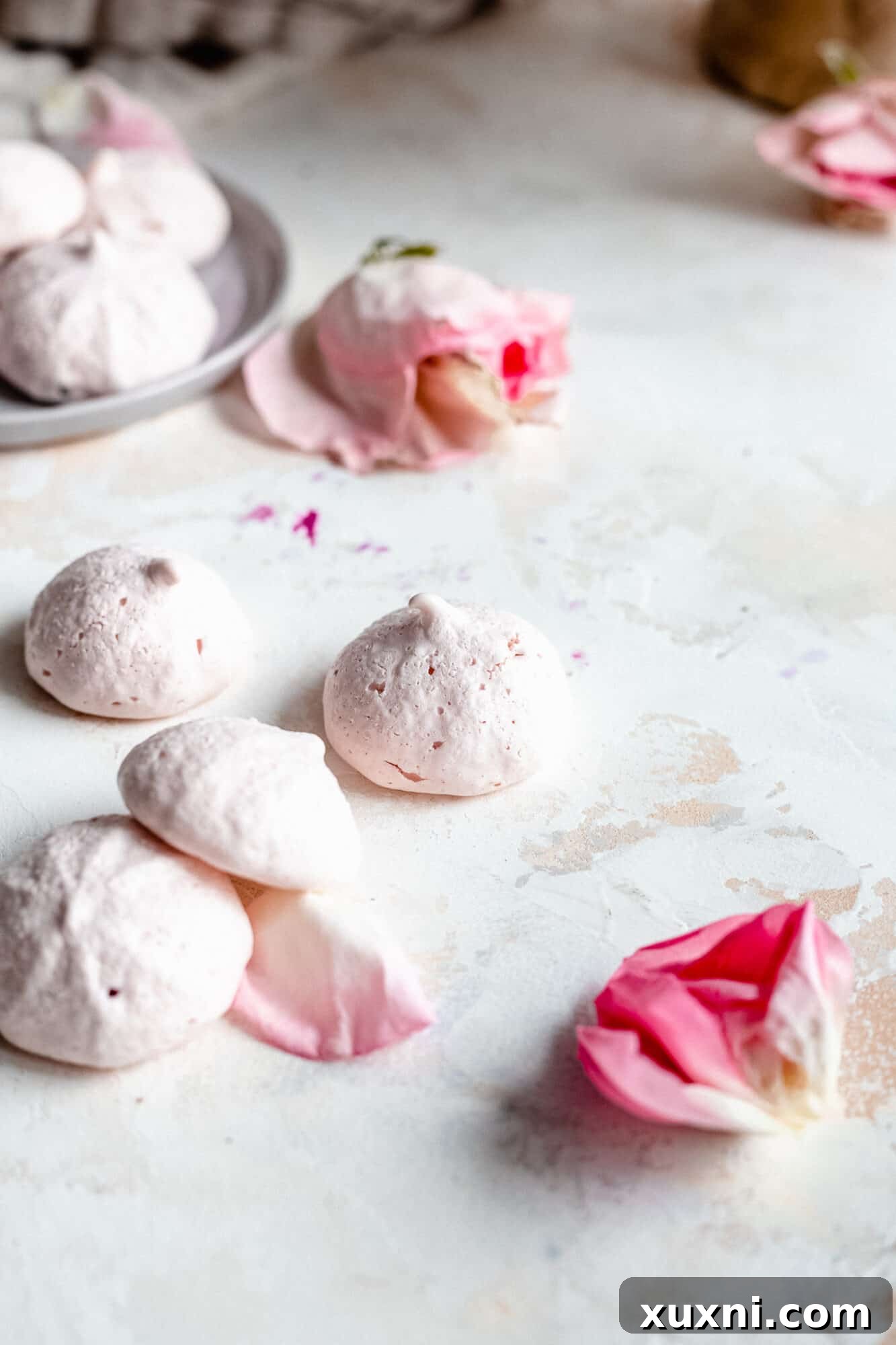
The true test came when I shared these creations with my family and friends. To their utter astonishment, not a single person could believe these cookies were vegan, let alone gluten-free and low-calorie! They initially teased, doubting any vegan meringue could truly capture the essence of its traditional counterpart. Yet, after just one bite, their skepticism dissolved into requests for the recipe. That’s the power of these incredible vegan meringue cookies!
What is Aquafaba? The Secret to Vegan Meringue
If you’re new to vegan baking, you might be asking, “What exactly is aquafaba?” It’s a fantastic question, and one that opens up a world of possibilities in plant-based cuisine. Aquafaba is simply the viscous liquid you find in a can (or box) of cooked chickpeas. Most people typically drain and discard this liquid, focusing solely on the chickpeas themselves. However, this magical bean brine is a phenomenal, naturally occurring egg substitute that can revolutionize your vegan baking.
The term “aquafaba” itself is a portmanteau of the Latin words for water (aqua) and bean (faba). Its incredible emulsifying, binding, and aerating properties mimic those of egg whites, making it perfect for everything from mayonnaise to macarons, and of course, light-as-air meringue cookies!
The discovery of aquafaba as a culinary marvel is relatively recent, gaining widespread attention in 2015. Since then, it has become a staple in many vegan kitchens, celebrated for its accessibility and versatility. It’s essentially a liquid treasure, rich in proteins and starches that give it its unique functional properties. So, the next time you open a can of chickpeas for hummus or a salad, remember to save that liquid – it’s gold!
The Benefits of Baking with Aquafaba Meringue
Beyond being a fantastic egg substitute, using aquafaba in your meringues offers a host of benefits:
- Naturally Vegan & Dairy-Free: These cookies are 100% plant-based, making them suitable for vegans, those with egg allergies, and anyone looking to reduce animal product consumption.
- Gluten-Free: Meringues are inherently flourless, and these aquafaba versions are no exception, perfect for individuals with gluten sensitivities or celiac disease.
- Low Calorie: Traditional meringues are known for being light, and these vegan versions maintain that quality, offering a delightful treat with minimal calories.
- Low Sugar: While meringues do contain sugar, this recipe aims for a balanced sweetness, making them a better choice for those mindful of their sugar intake.
- Waste Reduction: By utilizing the liquid from canned chickpeas, you’re turning what would typically be discarded into a gourmet ingredient, aligning with sustainable kitchen practices.
- Impressive & Delicious: The taste and texture are so remarkably close to traditional meringues that even non-vegans will be astonished by their quality.
Crafting the Perfect Vegan Meringue Base
Now that we understand the magic of aquafaba, let’s dive into transforming it into a fluffy, stable vegan meringue that can stand shoulder to shoulder with any traditional meringue. The process is surprisingly straightforward, relying on just a few key ingredients and a bit of patience.
To prepare your vegan meringue, you will need:
- Aquafaba: Approximately 1 cup, typically derived from about two 15-ounce cans of chickpeas. Ensure it’s cold for optimal whipping.
- Cream of Tartar: This acidic salt acts as a stabilizer, helping the aquafaba achieve and maintain stiff peaks.
- Powdered Sugar (Confectioners’ Sugar): Essential for both sweetness and structure, powdered sugar incorporates smoothly into the meringue, creating a fine texture.
- Vanilla Extract: For that classic, comforting aroma and flavor.
- Optional Food Coloring: Natural powders like beet powder, turmeric, matcha, or spirulina can add a beautiful hue.
The journey to perfect vegan meringue begins with whipping the aquafaba. Pour the cold aquafaba into a very clean, large mixing bowl. It’s crucial that your bowl and whisk attachments are completely free of any grease or oil, as even a tiny amount can prevent the aquafaba from whipping properly. Using either a hand mixer or a stand mixer fitted with a whisk attachment, begin beating the aquafaba on medium-high speed.
Initially, the liquid will appear foamy. Continue whipping, and you’ll notice it gradually becoming thicker and whiter, forming soft peaks. Keep going until it transforms into stiff, glossy white peaks, much like traditionally whipped egg whites. This process typically takes about 5-7 minutes with a stand mixer, and potentially a bit longer with a hand mixer, so be patient!
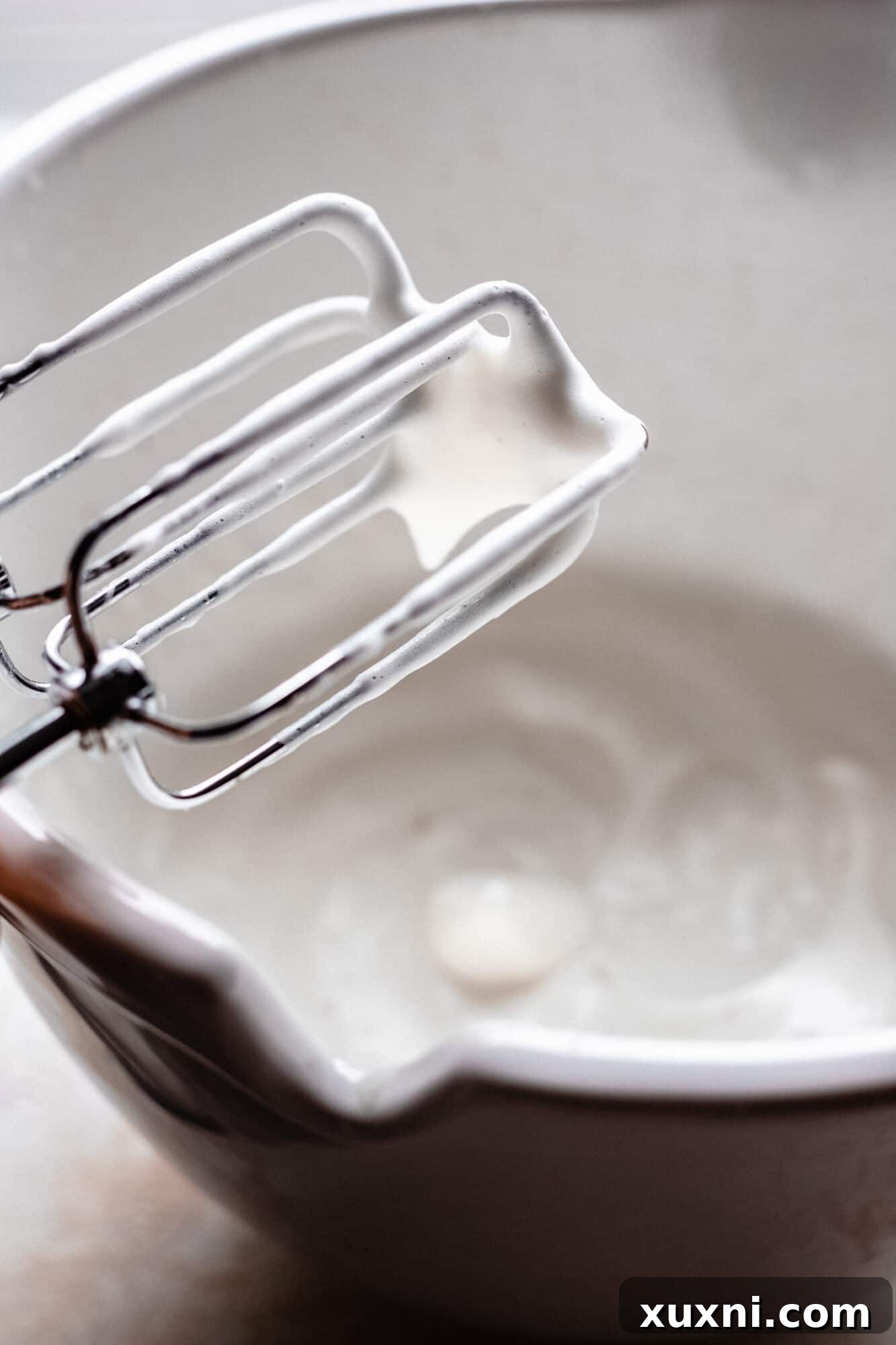
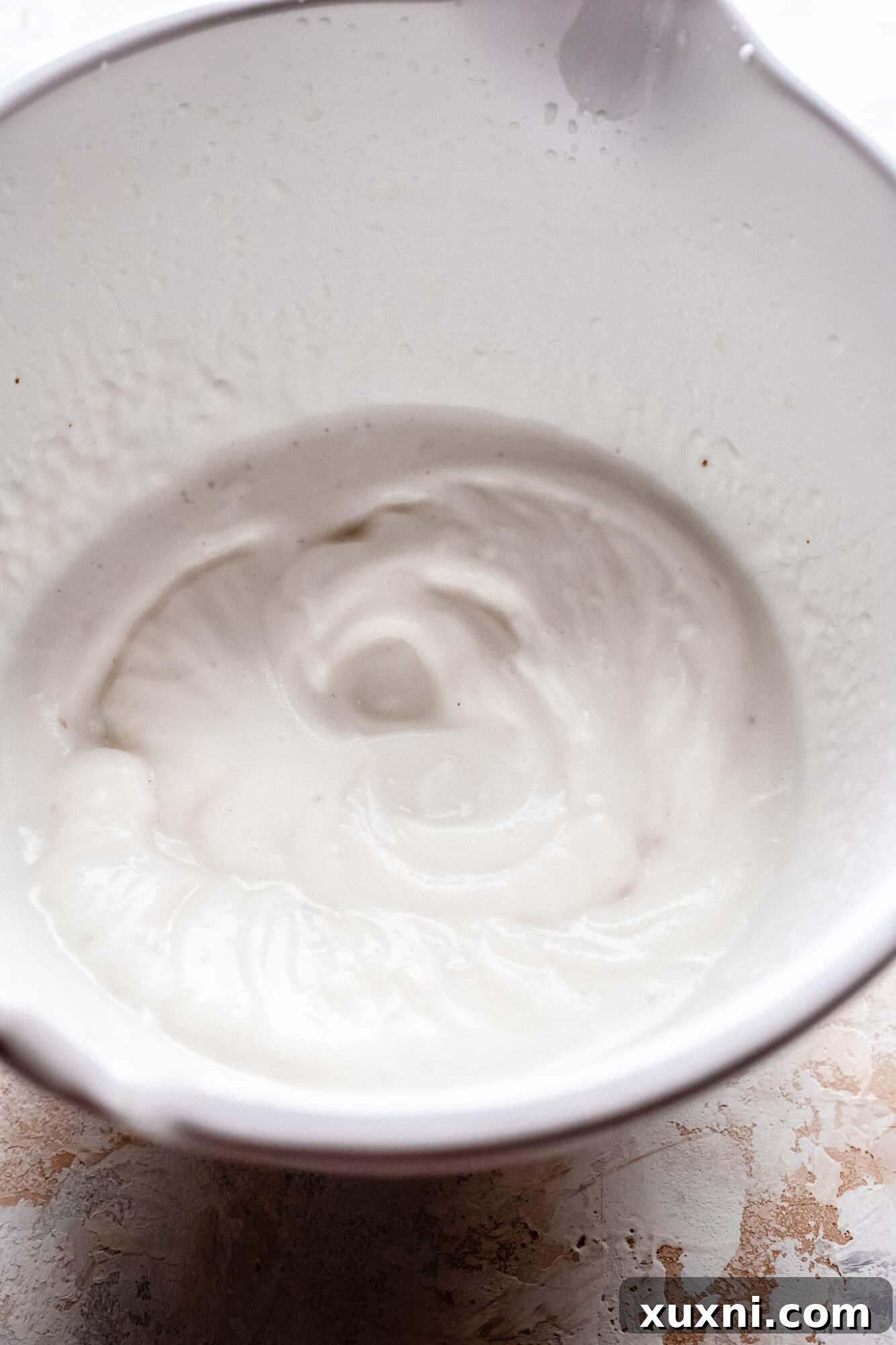
Once you’ve achieved those beautiful stiff peaks, add in the cream of tartar. Beat again for another 30 seconds to fully incorporate it; this helps stabilize the meringue, preventing it from collapsing. Next, it’s time to introduce the powdered sugar. This step requires a delicate touch. While continuing to beat the meringue on medium speed, gradually sift in the powdered sugar, about ½ cup at a time. Wait until each addition is fully incorporated before adding the next. This slow incorporation ensures a smooth, stable, and truly delightful meringue.
After all the sugar is added and thoroughly mixed, the meringue will be incredibly fluffy and creamy. It might appear slightly less voluminous than the initial stiff peaks, but it will be perfectly airy and ready for the next stage.
Piping and Baking Your Vegan Meringue Cookies to Perfection
With your gorgeous vegan meringue base ready, it’s time to bring your cookies to life! This is where the fun really begins.
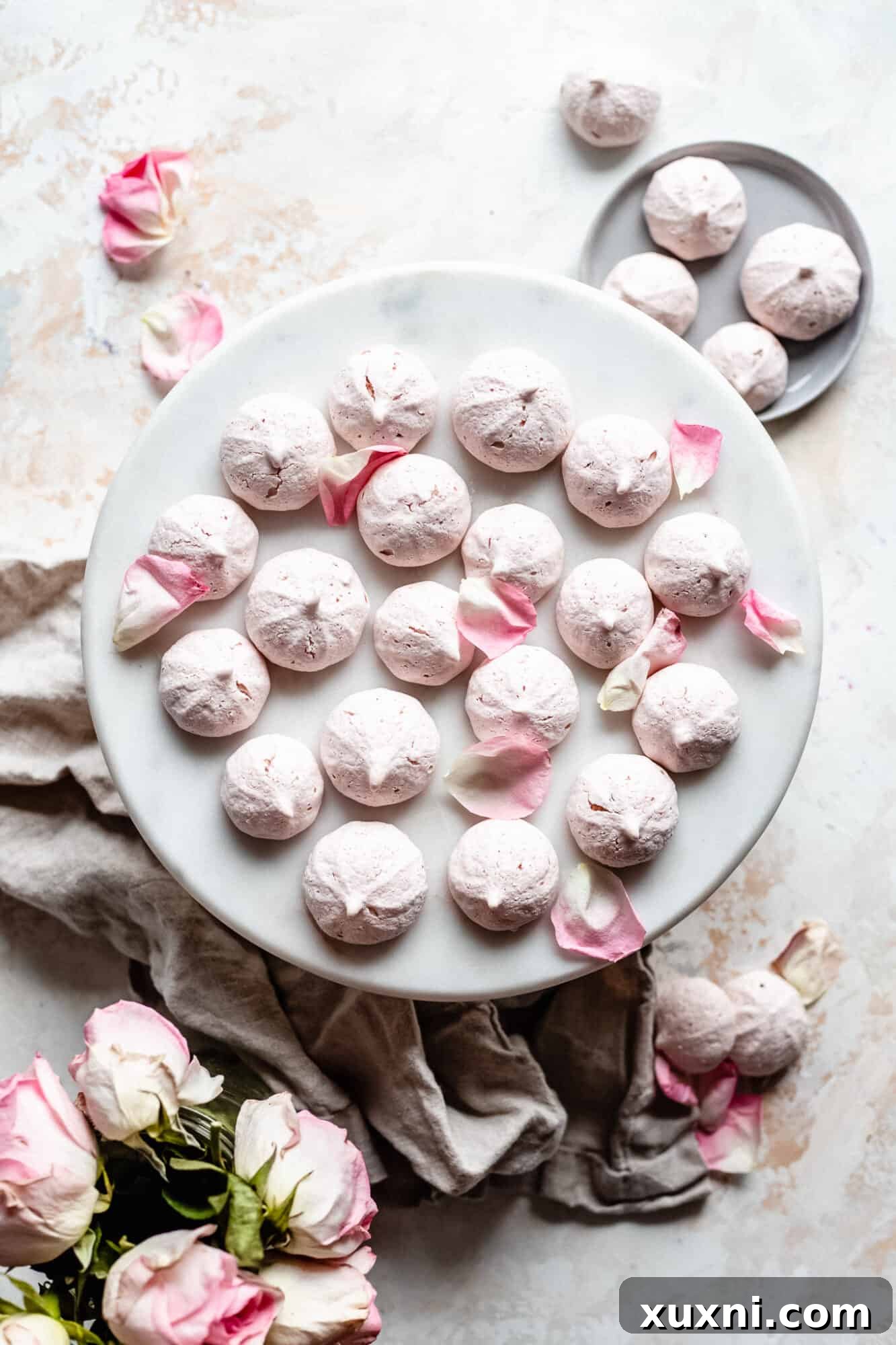
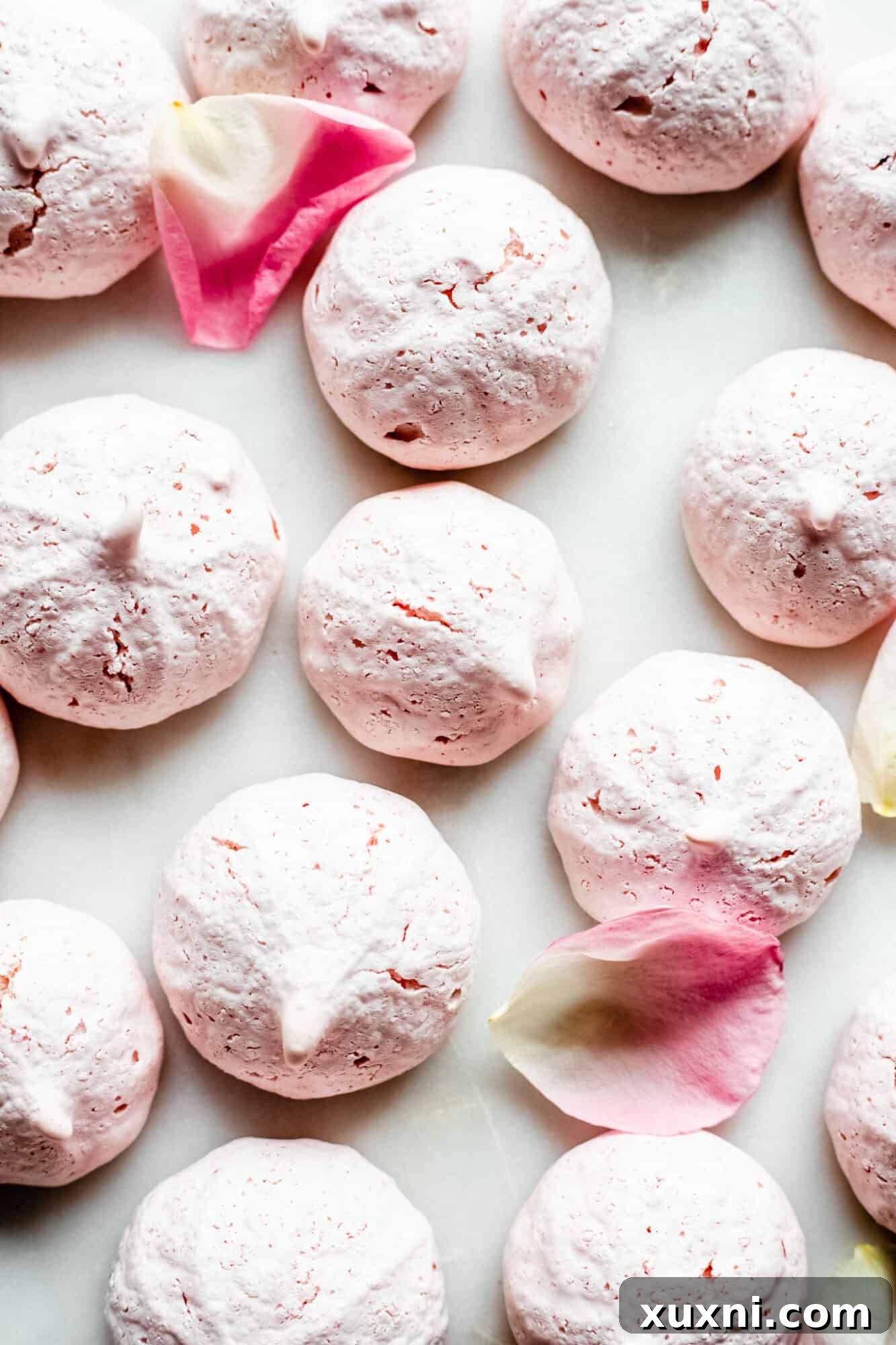
First, if you desire colored meringues, now is the time to add your chosen food coloring. I often opt for natural powders like beet powder for a lovely pink hue. Other natural options include turmeric for yellow, matcha for green, spirulina for blue, or vibrant blue pea powder for a deep indigo. Of course, you can also use standard vegan-friendly food coloring gels or liquids. Add your chosen coloring to the meringue and beat gently until the color is uniformly distributed throughout the mixture.
Next, prepare your piping bag. Fit a large piping bag with your preferred tip (a star tip or round tip works wonderfully for classic meringue shapes). Carefully spoon the meringue into the piping bag. If you don’t have a piping bag, a sturdy plastic bag with a corner snipped off can work in a pinch, though it might be a bit messier. Line an extra-large baking sheet (or two standard baking sheets) with parchment paper. This is essential to prevent sticking and ensure easy removal of your delicate cookies.
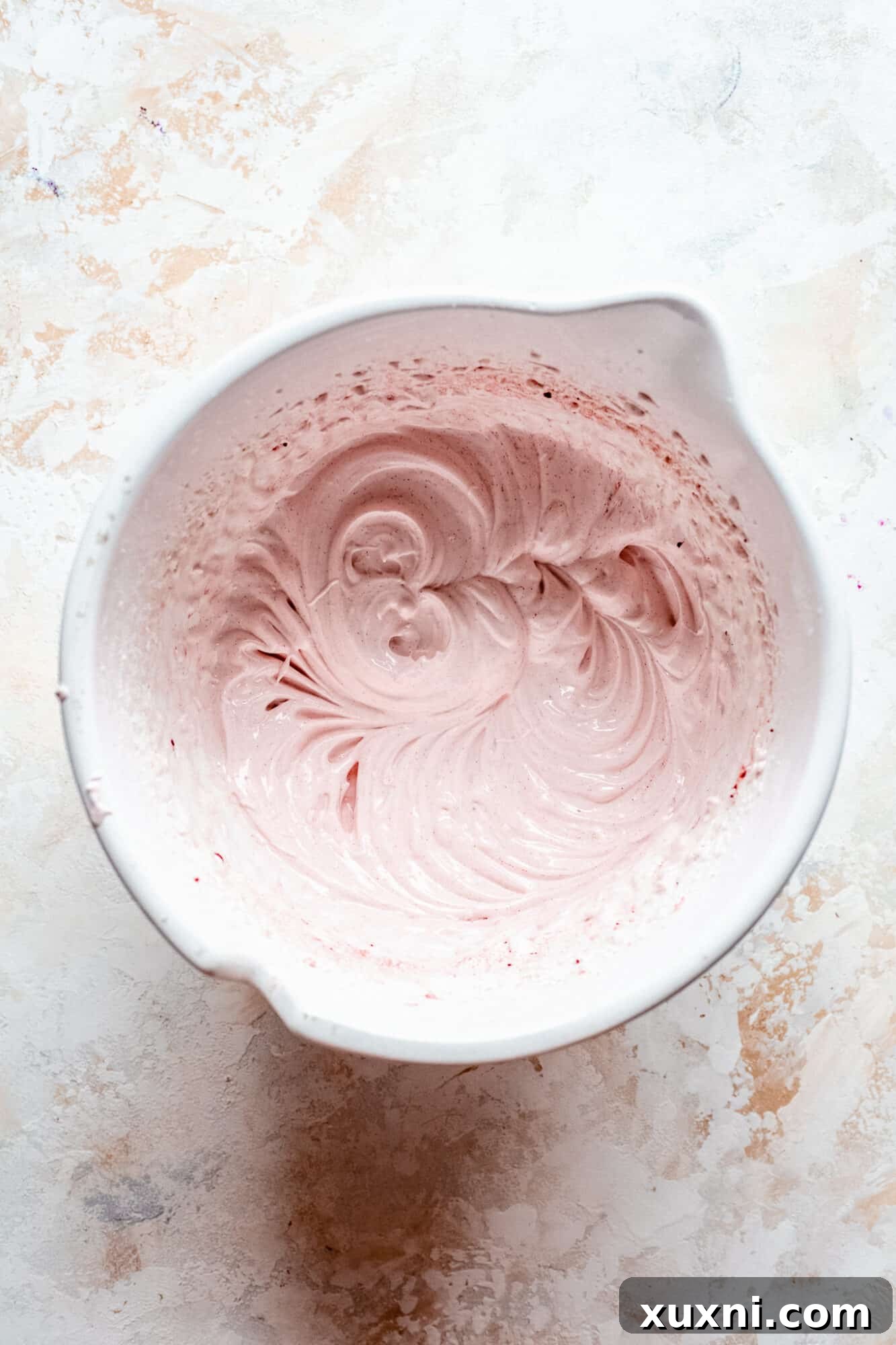
Begin piping your meringue cookies onto the prepared baking sheets. Aim for cookies that are about 1 to 1 ½ inches in diameter, and remember to space them approximately 2 inches apart to allow for proper air circulation during baking. This recipe typically yields around 36 individual meringues, so you might need two baking sheets or to bake in batches.
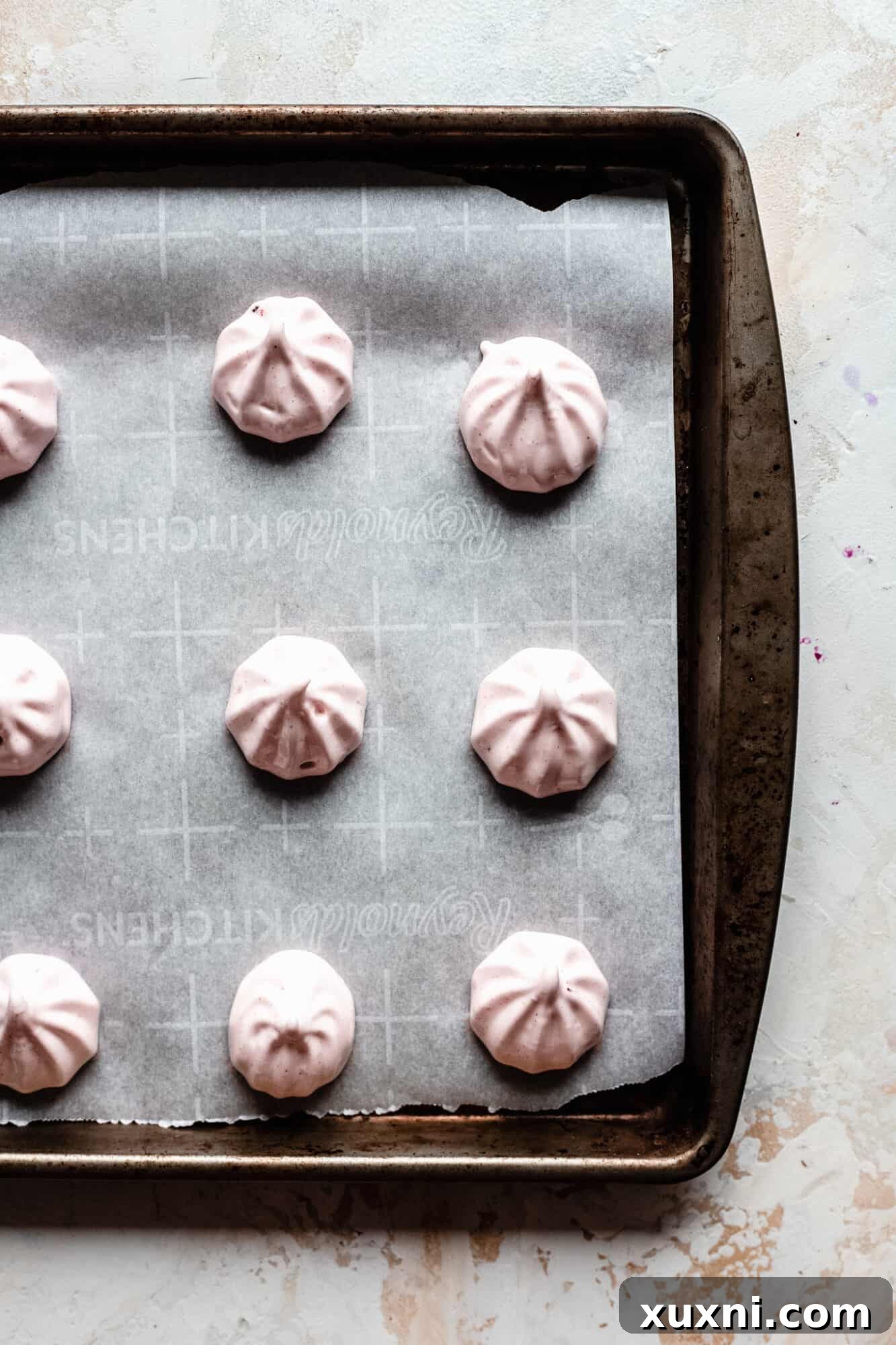
Now for the baking! Preheat your oven to a very low 220°F (105°C). This low temperature is crucial for drying out the meringues rather than baking them, which creates their characteristic crisp texture. Place the baking sheets into the preheated oven and let the vegan meringue cookies bake for 1 hour. To ensure even drying, rotate the pans every 15 minutes.
Once the baking time is complete, and this is a critical step for perfect meringues, turn off the oven completely. However, do not remove the cookies! Leave the meringue cookies inside the cooling oven to rest for an additional hour. This slow cooling process prevents them from cracking or becoming chewy, ensuring they retain their delicate crispness. After their hour of rest, carefully remove them from the oven.
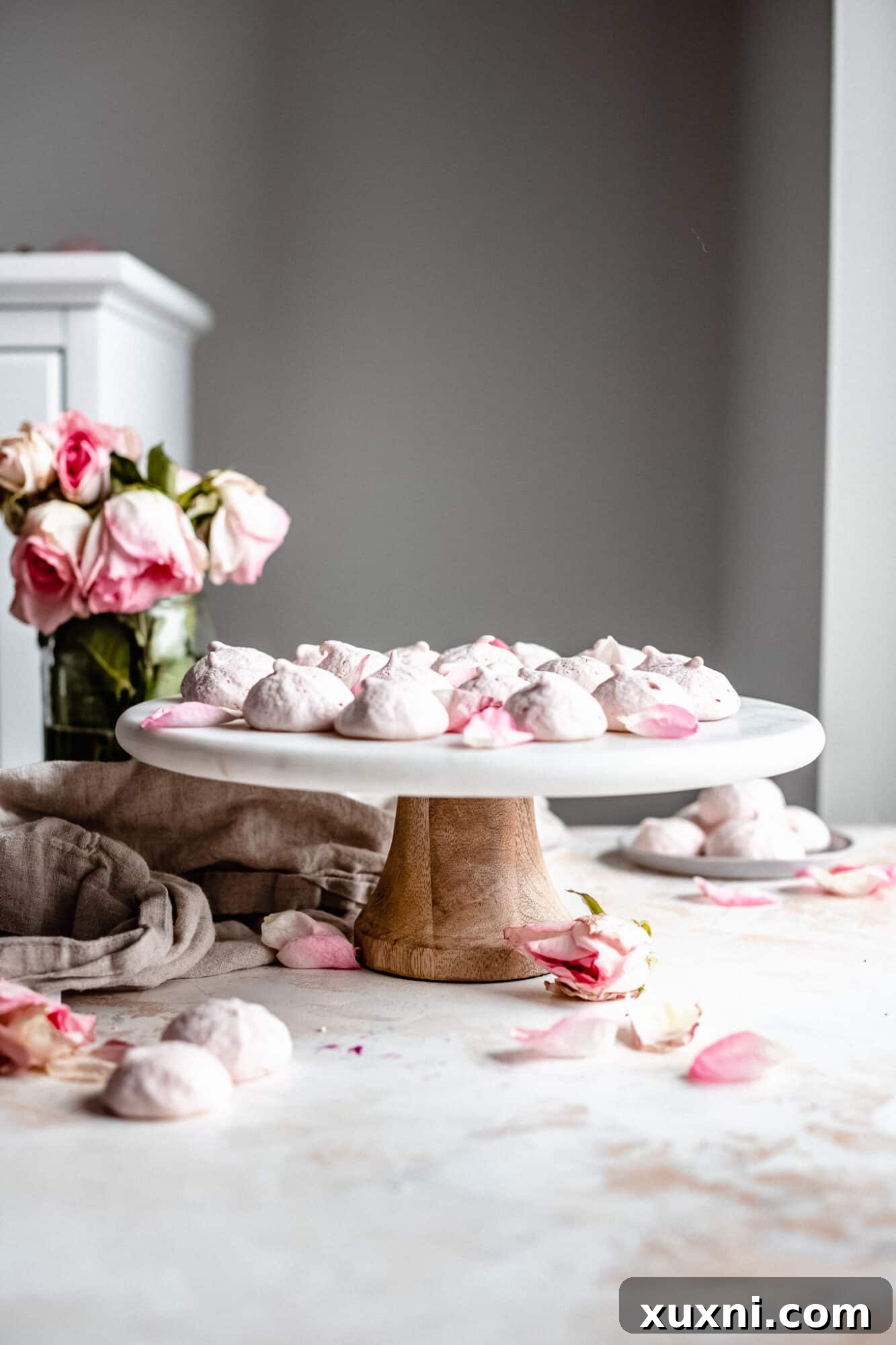
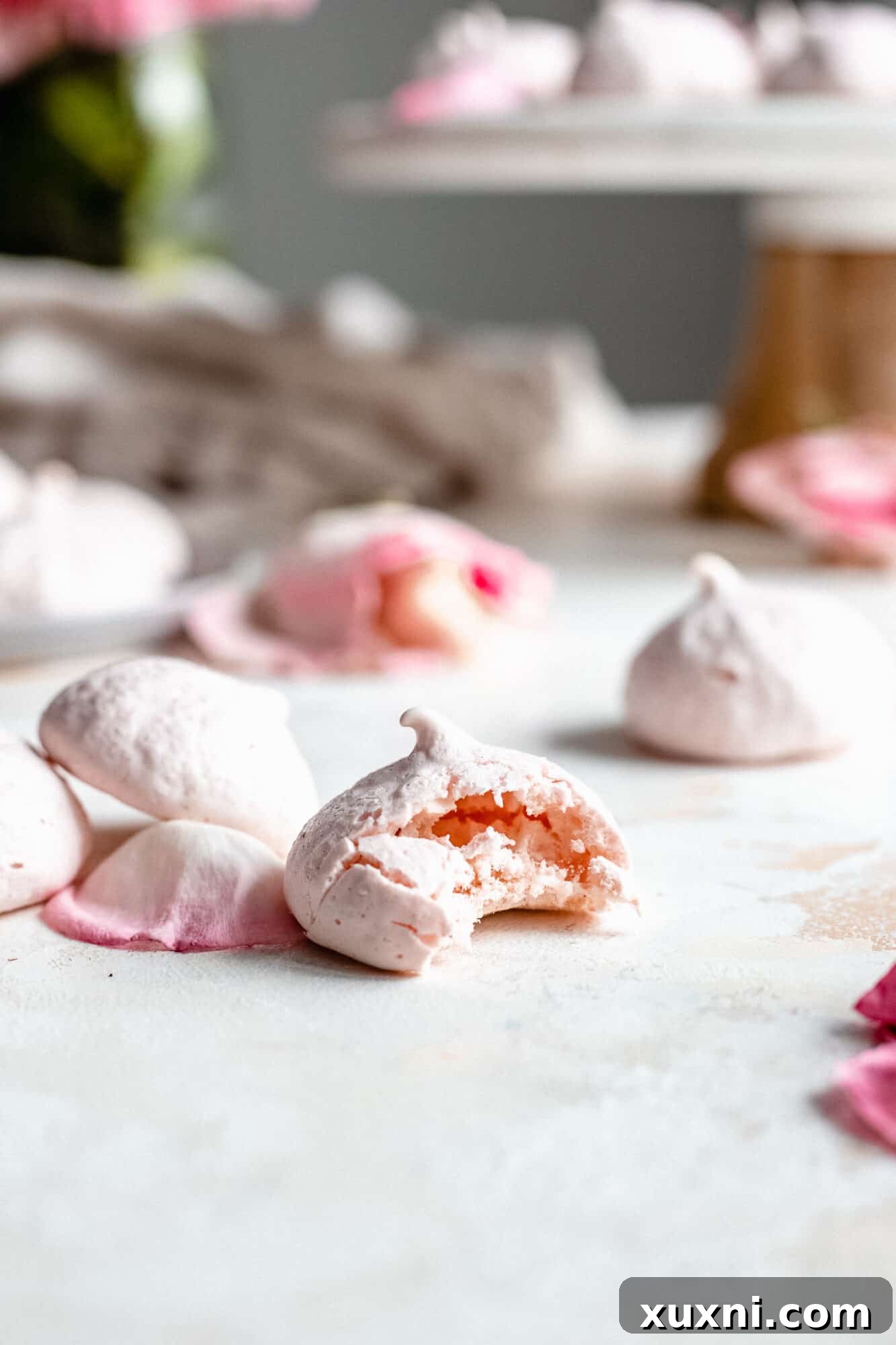
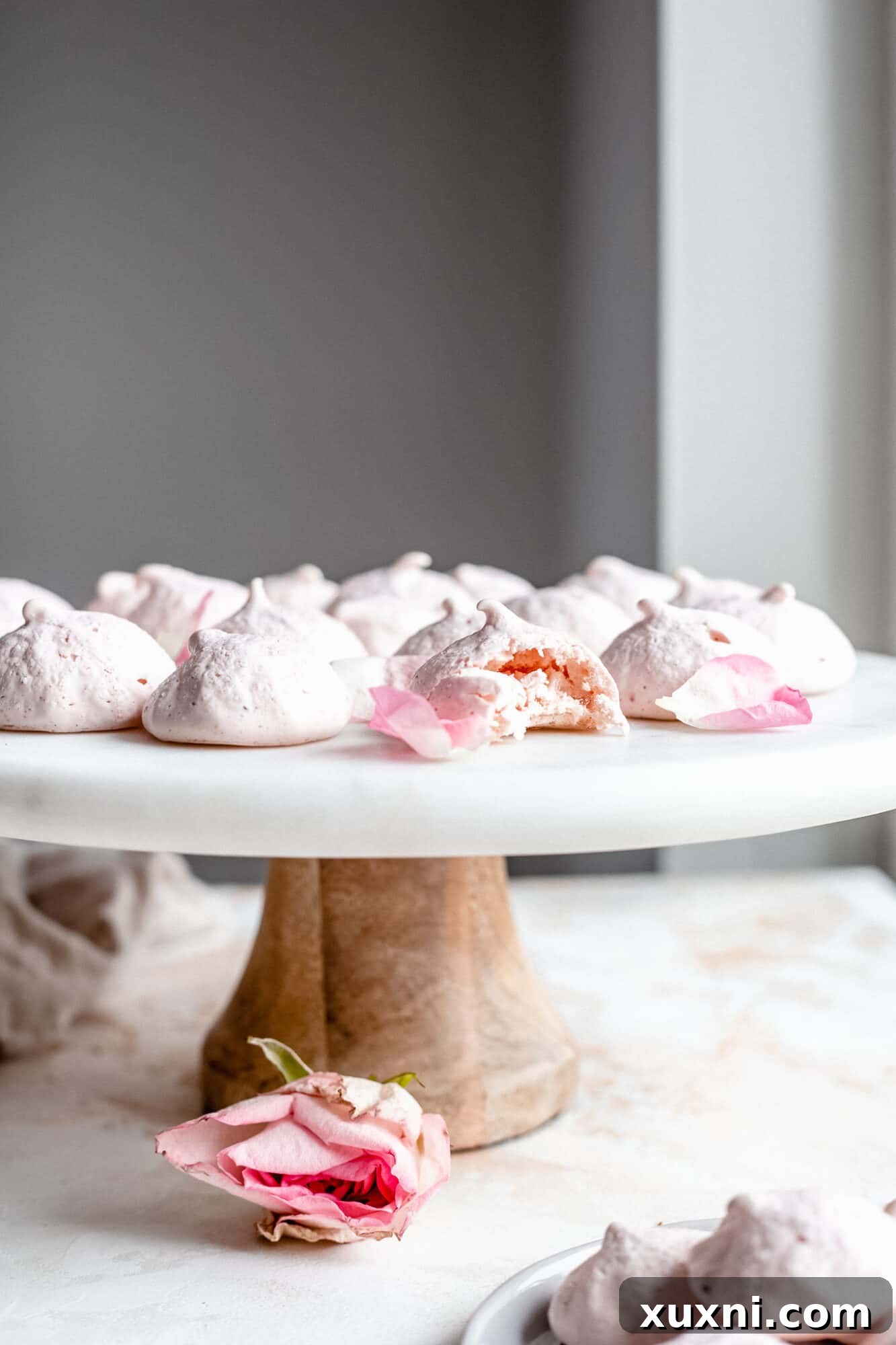
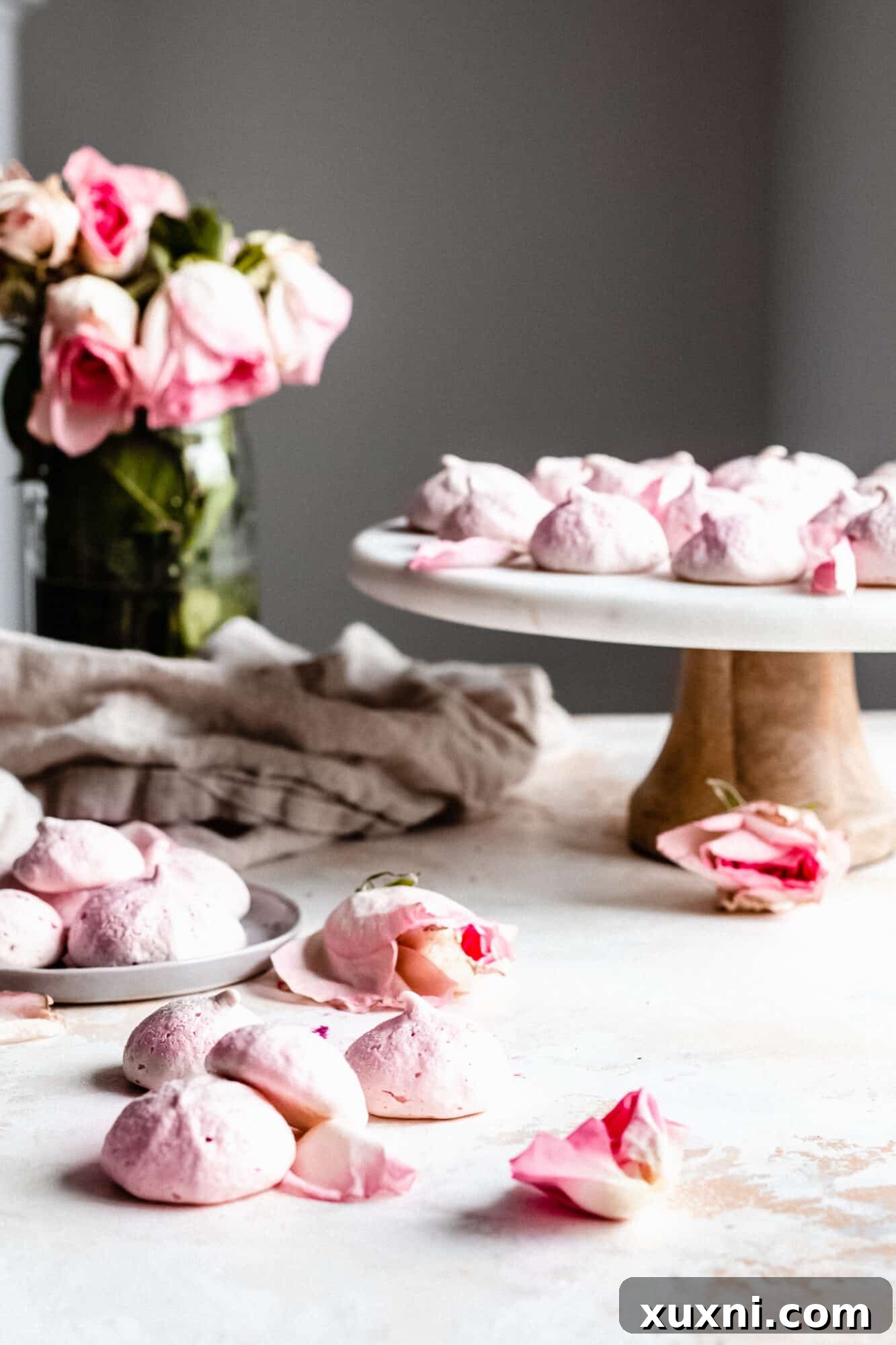
Your beautiful, airy, and utterly delicious vegan meringue cookies are now ready to be served and savored! They’re perfect on their own, or as an elegant garnish for desserts like fruit tarts, ice cream, or vegan puddings.
Storage and Shelf Life: Keeping Your Meringues Crispy
One of the many wonderful aspects of vegan meringue cookies is their excellent shelf life. When stored properly, you can enjoy these delightful treats for an extended period, making them perfect for preparing in advance or for gifting.
Once completely cooled, store your vegan meringue cookies in an airtight container at room temperature. Kept away from humidity, they will maintain their crisp texture and fresh taste for up to 2 weeks. For longer storage, these cookies can also be frozen. Simply place them in an airtight, freezer-safe container, and they will keep well for up to 3 months. When you’re ready to enjoy them, thaw them at room temperature for a few minutes.
Troubleshooting Common Vegan Meringue Issues
While making aquafaba meringue is relatively easy, a few common issues can arise. Here’s how to troubleshoot them:
- Meringue Not Whipping Stiff:
- Ensure your aquafaba is cold.
- Make sure your mixing bowl and whisk attachments are immaculately clean and completely free of any grease or oil.
- Be patient! Sometimes it just takes a bit longer, especially with a hand mixer.
- Meringue Collapses After Sugar:
- Add powdered sugar gradually, sifting it in slowly while the mixer is running. Dumping it all at once can deflate the meringue.
- Ensure the cream of tartar was thoroughly incorporated before adding sugar.
- Meringues are Chewy or Sticky:
- This usually indicates they haven’t dried out enough. The low oven temperature and the resting period are crucial. Extend the drying time in the turned-off oven if necessary.
- Humidity can also make them sticky. Store in an airtight container in a dry place.
- Meringues Crack:
- This often happens if the oven temperature is too high or if they cool too quickly. Always use a low temperature and allow them to cool completely in the turned-off oven.
I genuinely hope you fall in love with these vegan meringue cookies as much as I have! They are a testament to the incredible versatility of plant-based ingredients and a delightful way to explore new culinary horizons. If you decide to give this recipe a try, please share your thoughts and experiences in the comments section below. I absolutely adore seeing your beautiful creations, so remember to tag me on Instagram and Pinterest!
Happy vegan meringue making!

Discover More Healthy Flourless Vegan Dessert Recipes
If you’re a fan of these light and airy vegan meringue cookies, you’ll be thrilled to explore other incredible flourless dessert options that are both healthy and delicious:
- Paleo Vegan Flourless Chocolate Cake
- Vegan Flourless Chickpea Brownies
- Vegan Flourless Peanut Butter Chocolate Chip Cookies
- Healthy Vegan Peanut Butter Buckeyes
- Paleo Vegan Sweet Potato Mousse
Save This Delicious Recipe for Later!
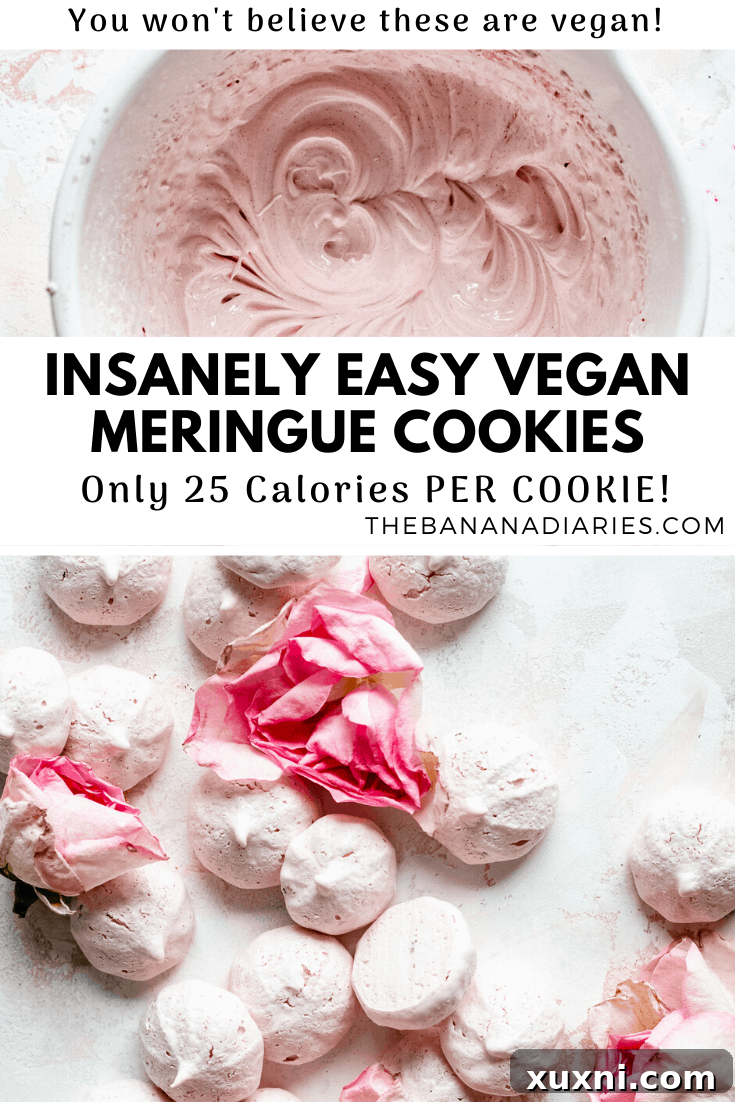
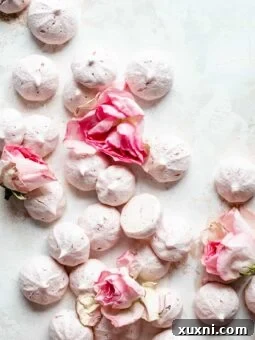
Easy Vegan Meringue Cookies
3.7 from 3 reviews
- Author: thebananadiaries
Prep Time: 15
Cook Time: 120
Total Time: 2 hours 15 minutes
Yield: 36 1x
Category: Dessert
Method: Baking
Cuisine: French
Diet: Vegan
Description
Easy and delicious vegan meringue cookies that you’d never know are vegan! Low calorie and low in sugar, these cookies are so fun to make!
Ingredients
Scale
- 1 cup aquafaba (water from a can of chickpeas- about 2 cans of chickpea; see Note)
- 1 tsp cream of tartar
- 1 3/4 cup powdered sugar
- 1 tsp vanilla extract
- Optional: 2 tsp beet powder
Instructions
- To start, preheat the oven to 220F (105°C) and line an extra large or 2 large baking sheets with parchment paper.
- In a large, impeccably clean bowl, use a hand mixer or a stand mixer to beat the aquafaba until it forms stiff, fluffy white peaks, much like making regular meringue. This will take about 5-7 minutes.
- Add in the cream of tartar and beat again for 30 seconds to fully combine and stabilize the meringue.
- Gradually add in the powdered sugar as you continue to beat the aquafaba. Sift in only 1/2 cup increments at a time, waiting until each increment is fully incorporated before adding the next. The mixture should remain fluffy, but might be slightly less voluminous than the initial stiff peaks.
- Add in the vanilla extract and optional beet powder (or other food coloring), and continue to beat until fully incorporated and the color is even.
- Spoon the meringue into an icing bag fitted with a tip. Alternatively, use a sturdy plastic bag with a corner snipped off. Pipe 1 to 1 1/2 inch meringue cookies onto the baking sheet, spacing them about 2 inches apart. You should get about 36 meringues. If you run out of space, bake in batches.
- Place the cookie sheets into the oven to bake for 1 hour, rotating the pan every 15 minutes to ensure even drying.
- After 1 hour, turn off the oven completely but leave the meringue cookies inside the oven to rest for another full hour. This slow cooling is crucial for crispness and to prevent cracking.
- Remove from the oven and serve. These meringue cookies will keep for up to 2 weeks when stored in an airtight container at room temperature. Additionally, you can freeze them for up to 3 months.
Notes
Typical cans of chickpeas in the United States come in an average size of 15 ounces, which should yield about 1/2 cup aquafaba per can. To use up the chickpeas as well, toss them over a salad or use them to make these flourless gluten free vegan brownies!
Nutrition
- Serving Size: 1 cookie
- Calories: 25
- Sugar: 5.7 g
- Sodium: 0.2 mg
- Fat: 0 g
- Saturated Fat: 0 g
- Trans Fat:
- Carbohydrates: 5.9 g
- Fiber: 0 g
- Protein: 0 g
- Cholesterol: 0 mg