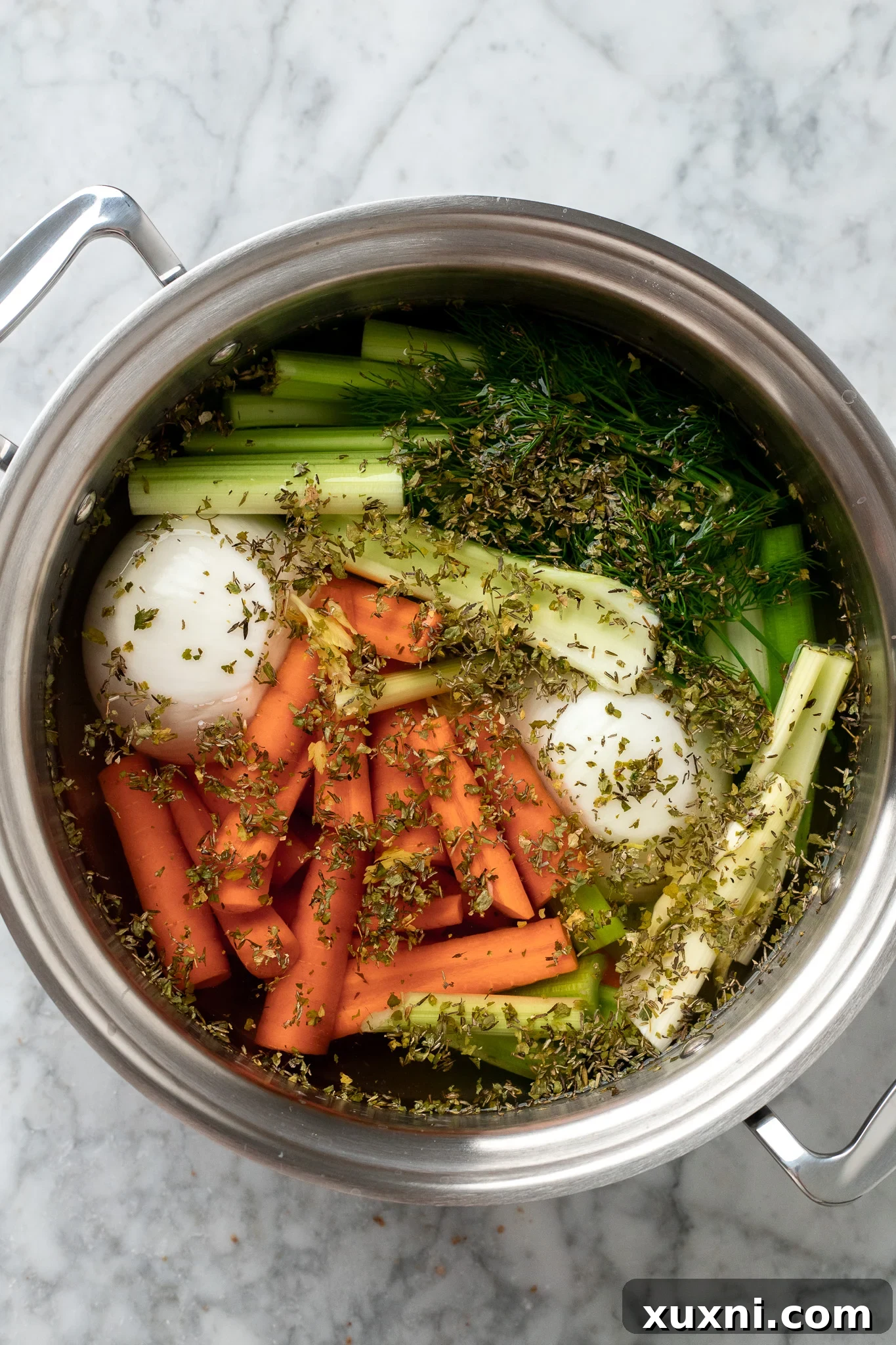
Unlock a world of culinary possibilities with this simple, quick, and incredibly flavorful homemade vegetable broth recipe. More than just a liquid base, this nutrient-dense elixir is the secret ingredient to elevating your soups, stews, sauces, and countless other dishes from good to extraordinary. Crafted with ease from a medley of fresh, frozen, or even leftover vegetables and aromatic herbs, this versatile broth is designed for convenience. You can easily prepare a large batch and freeze it into handy vegetable broth cubes, ensuring you always have a robust flavor foundation ready for your next culinary adventure.
Mastering the Art of Flavor: Your Go-To Basic Vegetable Broth Recipe for Every Dish
For anyone embarking on their cooking journey, or even seasoned chefs looking to refine their staples, mastering a truly exceptional vegetable broth recipe is a fundamental step. Consider this your definitive guide and my personal go-to recipe. It’s more than just a liquid; it’s a foundational flavor builder that will transform your favorite dishes into culinary masterpieces.
Imagine your everyday soup, stew, or sauce bursting with a depth of flavor you never thought possible. This homemade vegetable broth does precisely that. It’s poised to become an indispensable kitchen staple, much like other essential recipes such as homemade vegan cashew cream, perfectly creamy homemade oat milk, or a vibrant cherry tomato sauce. Its rich, aromatic base is ideal for a myriad of delicious creations, from hearty vegetable stews to my non-vegan family’s beloved VEGAN stuffing recipe.
I rely on this versatile broth for a wide array of recipes, including my comforting vegan tortellini soup, a robust vegan chili, a nourishing hearty vegetable stew, and even a fragrant sweet potato curry. The difference it makes is truly remarkable. Beyond its incredible taste, there are compelling reasons to make your own broth at home rather than reaching for store-bought alternatives – not least of which is the significant savings in your grocery budget!

Table of Contents
- Mastering the Art of Flavor: Your Go-To Basic Vegetable Broth Recipe for Every Dish
- Why Choose Homemade Vegetable Broth Over Store-Bought?
- Vegetable Stock vs. Vegetable Broth: Understanding the Distinction
- Essential Ingredients for a Perfect Vegetable Broth
- Foundation Ingredients for Your Broth
- Optional & Customizable Flavor Enhancers
- Ingredients to Steer Clear Of
- Simple Steps: How to Craft Your Own Homemade Vegetable Broth
- Pro Chef Tip for Maximum Flavor Extraction
- Creative Uses for Leftover Vegetables After Making Broth
- Freezing and Storing Your Homemade Vegetable Broth
- Delicious Recipes Featuring This Vegetable Broth
Why Choose Homemade Vegetable Broth Over Store-Bought?
The decision to make your own vegetable broth is a game-changer for several compelling reasons. Beyond the undeniable superior taste, homemade broth offers significant advantages in terms of nutrition, cost-effectiveness, and sustainability. While store-bought vegetable broths, depending on the brand, can range from $3 to $6 per carton, creating your own from ingredients you already have on hand dramatically reduces expenses. This makes it a much more economical choice, especially when factoring in the cost savings of making your own soups from scratch instead of buying canned varieties.
Furthermore, a homemade broth is a nutritional powerhouse. It’s naturally packed with essential electrolytes and minerals, particularly if you opt for organic vegetables. Unlike many commercial brands that contain excessive sodium, artificial flavors, and preservatives, your homemade version is pure and wholesome. You have complete control over the ingredients, ensuring a clean and healthy product free from unwanted additives. Additionally, making broth at home is an excellent way to reduce food waste. Instead of discarding vegetable scraps like onion skins, carrot tops, celery ends, and herb stems, you can transform them into a rich, aromatic liquid, giving them a delicious second life and contributing to a more sustainable kitchen practice.
Vegetable Stock vs. Vegetable Broth: Understanding the Distinction
In culinary circles, the terms “vegetable stock” and “vegetable broth” are often used interchangeably, and for most home cooks, the distinction is minimal. However, traditionally, a “stock” is distinguished by its inclusion of animal bones, which contribute gelatin and a richer mouthfeel. Since a true vegetable-based liquid cannot contain bones, it is, by definition, a “broth.”
Despite this technicality, many still refer to a concentrated vegetable liquid as “vegetable stock,” and this is generally accepted. It’s akin to how we use terms like vegan cream cheese or vegan burgers – they are plant-based interpretations of conventional recipes. For the purposes of this recipe, whether you call it stock or broth, the goal remains the same: to create a deeply flavorful, aromatic liquid that enhances your cooking. So, feel free to use whichever term you prefer; the delicious outcome is what truly matters.
Essential Ingredients for a Perfect Vegetable Broth
Every exceptional vegetable broth begins with a core set of ingredients that lay down a robust flavor foundation. From there, the beauty of homemade broth lies in its flexibility. I love to customize my broths with additional vegetables and herbs, depending on what I have readily available and the specific recipe I plan to use the broth in. This approach ensures maximum flavor while minimizing waste.
Here’s a breakdown of what you’ll need to create a simple yet incredibly flavorful vegetable broth, perfect for any recipe:
Foundation Ingredients for Your Broth: The Golden Essentials
These are the non-negotiables, forming the backbone of any great vegetable broth:
- The Golden Trio: Onion, Celery, and Carrots: Often referred to as mirepoix (or soffritto in Italian cuisine), this aromatic base is absolutely critical for infusing your broth with a foundational savory sweetness. These three vegetables release incredible flavor when simmered, creating a complex and satisfying depth. You can use fresh, frozen, or even vegetable scraps from these ingredients.
- Garlic Cloves: Whole garlic cloves add a pungent, sweet, and slightly spicy note that beautifully complements the mirepoix. Leaving them unchopped allows for a gentler infusion of flavor without overpowering the broth.
- Rosemary: This woody, fragrant herb contributes a piney, earthy aroma that is often associated with savory, rich dishes. It’s a key component in what many perceive as a “poultry blend” of herbs, yet it’s equally transformative in vegan cooking. As discussed in my guide on how to properly prepare tofu, herbs are fundamental in creating delicious flavor profiles, and rosemary shines brightly here.
- Thyme: Whether fresh or dried, thyme brings a delicate, earthy, and slightly floral flavor. If using fresh sprigs, it’s best to remove most of the leaves from the tougher woody stems to prevent bitterness.
- Sage: With its warm, peppery, and slightly minty notes, sage adds another layer of herbaceous complexity that deepens the overall aroma of the broth.
- Sea Salt: Salt is essential for drawing out flavors from the vegetables and seasoning the broth. You can adjust to taste at the end.
- Filtered Water: The quality of your water significantly impacts the flavor of your broth. Filtered water ensures a clean, pure taste, free from tap water impurities.
Optional & Customizable Flavor Enhancers: Personalizing Your Broth
Once you have your base, feel free to experiment with these additions to tailor your broth to your taste or intended use:
- Any Other Fresh Herbs: Consider what flavors will best complement the dish you’re preparing. Dill for a lighter, fresher broth; parsley for a bright, herbaceous note; a bay leaf for a subtle, earthy depth; or even a sprig of oregano can add wonderful dimensions.
- Additional Vegetable Scraps: This is where your kitchen waste can truly shine! Save and use kale stems, spinach leaves, beet greens (which might lend a slightly sweeter, earthier flavor and a beautiful hue), parsnips for sweetness, shallots or leeks for a milder oniony essence, black peppercorns for a gentle kick, or dried mushrooms for an umami boost. Almost any clean vegetable scrap can contribute to a richer, more complex broth. Just be mindful of the “ingredients to avoid” list.
Ingredients to Steer Clear Of for a Perfect Broth
While broth is forgiving, some ingredients can negatively impact the flavor, leading to bitterness or an off-taste:
- Too Many Celery Leaves: While a few leaves are fine, an excessive amount can impart a distinct bitterness to your broth. It’s best to trim most of them away.
- Excessive Onion Skins: The outermost, very papery layers of onion skins can contribute a bitter flavor and sometimes a muddy color. It’s generally recommended to remove these before adding the onion halves to your pot.
- Bitter Greens: Vegetables like mustard greens, dandelion greens, or even significant amounts of collard greens can infuse your broth with an unpleasantly strong bitter note. Stick to milder greens or use them sparingly.
- Woody Stems from Herbs (especially Rosemary): While we strive for minimal effort, de-stemming herbs, particularly rosemary, is crucial. The thick, woody stems of rosemary contain compounds that can make your broth significantly bitter. For thyme, a few small woody stems might be okay, but it’s always safer to remove the leaves from their stems for the best flavor.
- Too Many Dried Herbs: Dried herbs are potent and concentrated. While a balanced amount of dried parsley or other herbs can be great, using too much can overwhelm the broth and lead to an unpleasant, bitter, or dusty taste. Use dried herbs sparingly and taste as you go.
Simple Steps: How to Craft Your Own Homemade Vegetable Broth
Making a flavorful homemade vegetable broth is a straightforward process that yields incredibly rewarding results. Follow these simple steps to create your perfect broth:
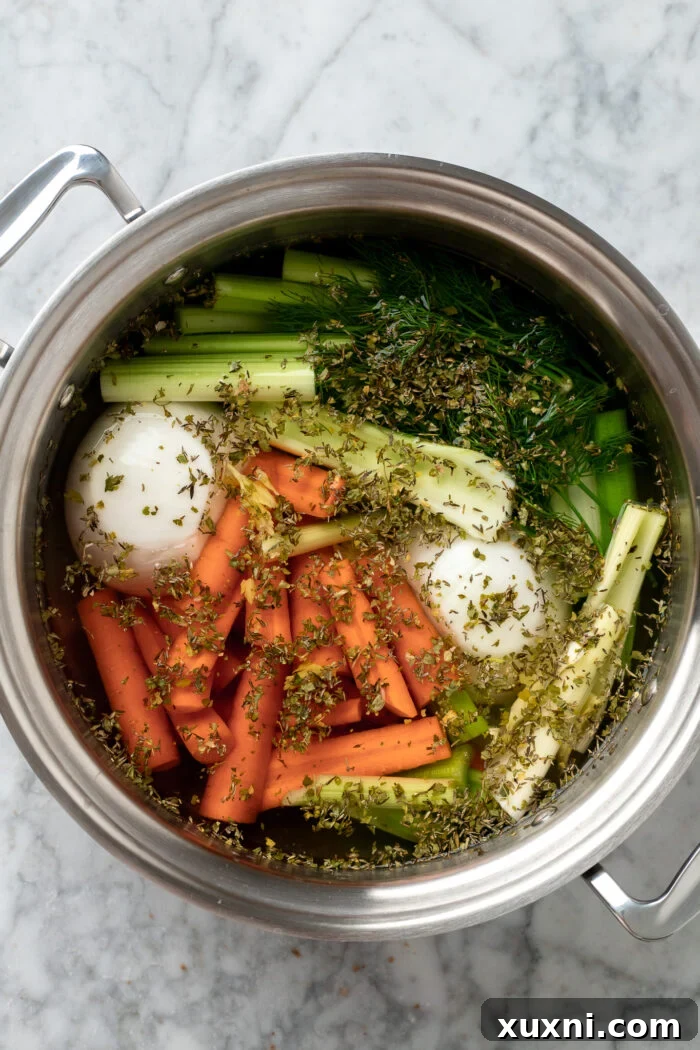
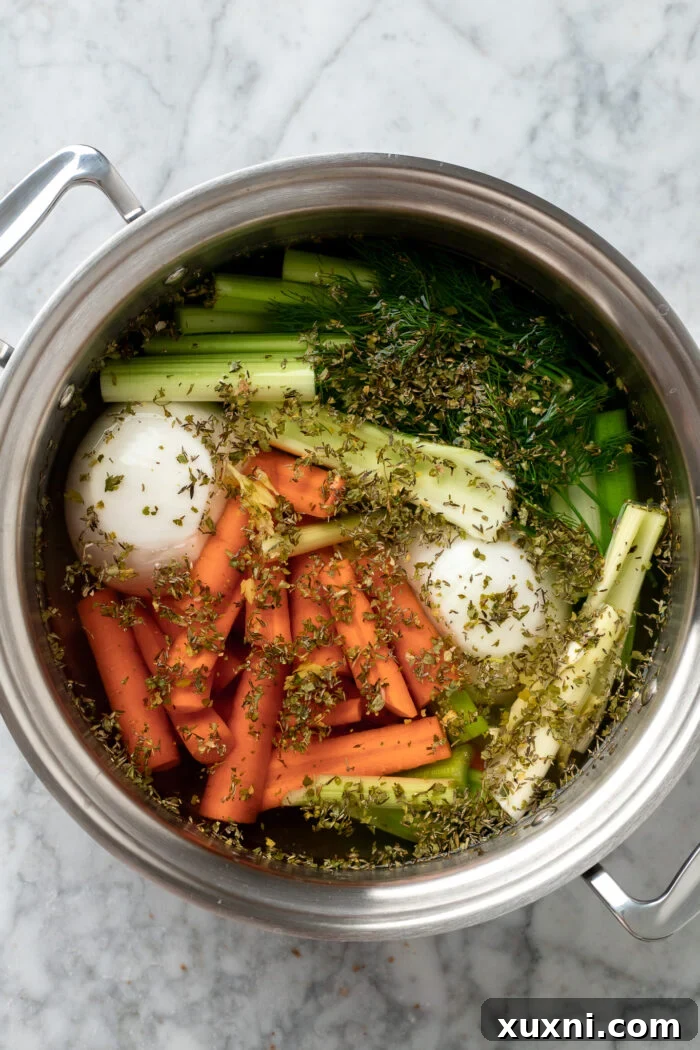
- Prepare Your Vegetables and Herbs: Begin by thoroughly washing all your vegetables and fresh herbs. For carrots, a good scrub is usually sufficient; there’s no need to peel them. For ingredients like celery and onion, ensure most of the leaves and the outermost papery onion skins are removed to prevent bitterness. Slice larger vegetables like carrots into quarters and an onion in half to maximize surface area for flavor extraction.
- Bring to a Boil, Then Simmer: Once your prepped ingredients are in a large pot, pour in the filtered water (approximately 2.5 liters or 10-11 cups). Add an initial teaspoon of sea salt. Stir everything gently, then bring the mixture to a rolling boil over medium-high heat for about 3-5 minutes. This initial boil helps to extract flavors efficiently. Immediately after, reduce the heat to a low simmer, cover the pot, and allow it to cook gently.
- Long, Slow Simmer for Maximum Flavor: Allow the vegetable stock to simmer for an extended period, anywhere from 3 to 6 hours. Remember, the longer the simmering time, the more intensely flavorful and rich your broth will become. This slow cooking process allows all the aromatics to fully infuse the water, creating a truly exceptional depth. Taste periodically and adjust salt and pepper as needed during the last hour of cooking.
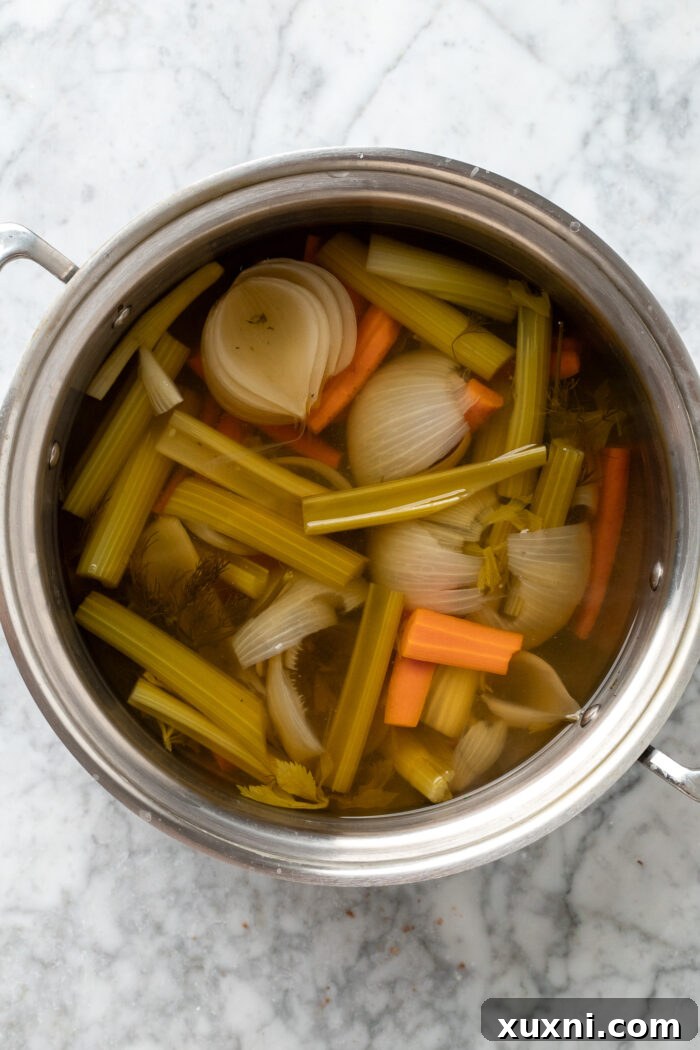
- Strain and Cool: Once your broth has achieved its desired flavor, remove the pot from the heat. Carefully place a fine-mesh sieve over a large, heat-proof container or bowl. Slowly and carefully pour the entire contents of the pot (liquid and solids) into the sieve, allowing the flavorful broth to collect below. Discard the cooked vegetables (or save them for other uses, as discussed below). Let the strained vegetable broth cool slightly at room temperature, keeping it loosely covered. Once cooled, it’s ready for immediate use or storage.
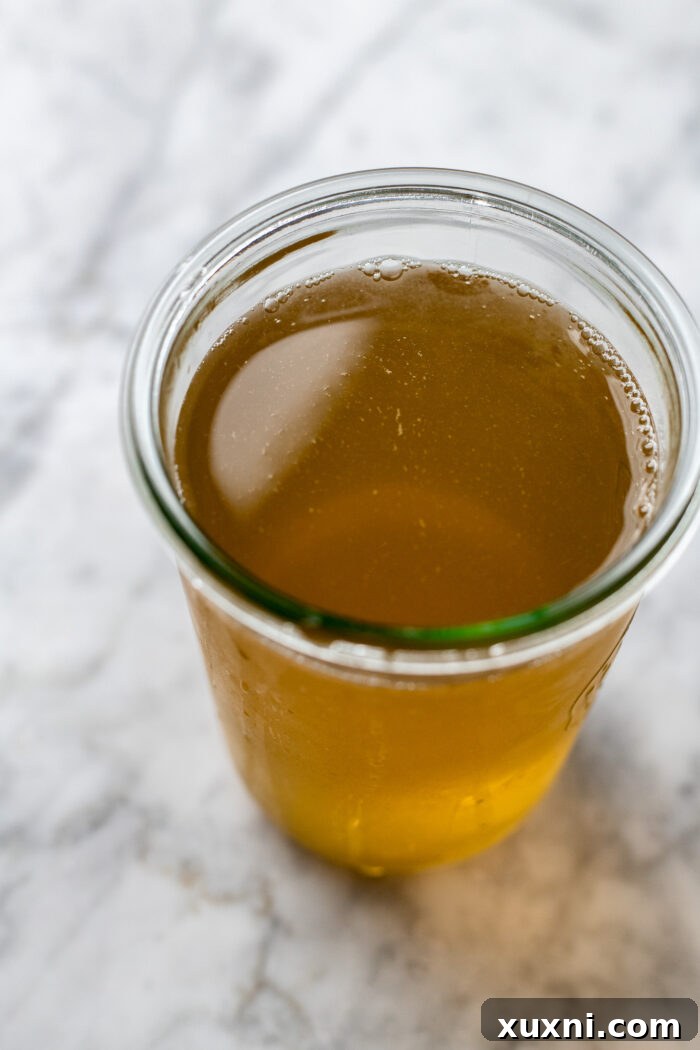
Fresh and Simple Homemade Basic Vegetable Broth Recipe
- Author: Britt Berlin
- Prep Time: 5 minutes
- Cook Time: 360 minutes (6 hours)
- Total Time: 6 hours 5 minutes
- Yield: Approximately 10.5 cups
- Category: Soup
- Method: Stovetop
- Cuisine: American
- Diet: Vegan
Ingredients
- 2.5 liters (10-11 cups) filtered water
- 5–8 celery stems, washed, most leaves removed
- 6–7 large carrots, washed and sliced in quarters
- 1 large onion, skin removed and sliced in half
- 4–5 garlic cloves, whole (shell removed)
- 4–5 sage leaves, washed
- 1 tbsp fresh or dried rosemary
- 1 tbsp fresh or dried thyme*
- Salt + pepper, to taste
Instructions
- Prep: Wash all of the veggies and herbs thoroughly. You don’t need to remove the carrot skins, just give them a good scrub.
- Boil: Pour the water into a large pot, followed by adding in all of the veggies. Start by adding in 1 tsp of sea salt at first. Stir everything, then bring the broth to a boil on medium-high heat for 3-5 minutes. Then reduce the heat to a simmer, cover, and let cook for 3-6 hours. The longer it cooks, the more flavorful the broth. Add more salt and pepper to taste as needed if it needs more.
- Strain: When ready to strain, place a sieve over a large container and pour the broth and vegetables into the sieve and container. Remove the sieve from the liquid, and allow the vegetable broth to cool, slightly covered, at room temperature. Store the veggies if desired in a separate container or use for a vegetable soup (see blog post for tips on what to do with the cooked vegetables).
- Storage: If you’re using the broth right away, you can immediately add it to your recipe. I have tons of soup recipes you can check out! Otherwise, you can store the vegetable broth in the fridge for up to 5 days, or freeze it in an ice cube tray then transfer it to a storage container to be stored for up to 3 months in the fridge.
Pro Chef Tip: Maximizing Flavor Extraction
For an even more profoundly flavorful vegetable stock, consider this crucial pro tip: **chop your vegetables more finely!** While larger chunks are convenient, dicing or thinly slicing your ingredients significantly increases their surface area. This allows more of their aromatic compounds, sugars, and minerals to be released into the simmering water, resulting in a richer, deeper, and more concentrated broth.
Instead of just quartering carrots, try slicing them into thin coins or even small matchsticks. Similarly, chop your celery into smaller pieces. For garlic, a quick slice or smash will open up the cloves, releasing more of their potent essence. This extra bit of prep work upfront makes a remarkable difference in the final depth of flavor. Your taste buds will thank you!
Creative Uses for Leftover Vegetables After Making Broth
After you’ve strained your precious homemade broth, you might wonder what to do with the cooked, softened vegetables left behind in the sieve. It’s a common misconception that these vegetables are completely devoid of flavor and nutrients. On the contrary, especially if you started with fresh, high-quality vegetables, they still retain a good deal of their essence and can be repurposed into delicious and wholesome dishes.
While they might not be as visually appealing as fresh vegetables, their cooked-down nature makes them perfect for various applications. One popular option is to simply chop them up more finely and incorporate them into a hearty stir-fry, perhaps alongside some perfectly cooked tofu for added protein. They can also be stirred into a robust bean dish or served as a simple, flavorful vegetable side. Their softened texture and infused flavors make them blend seamlessly into other ingredients.
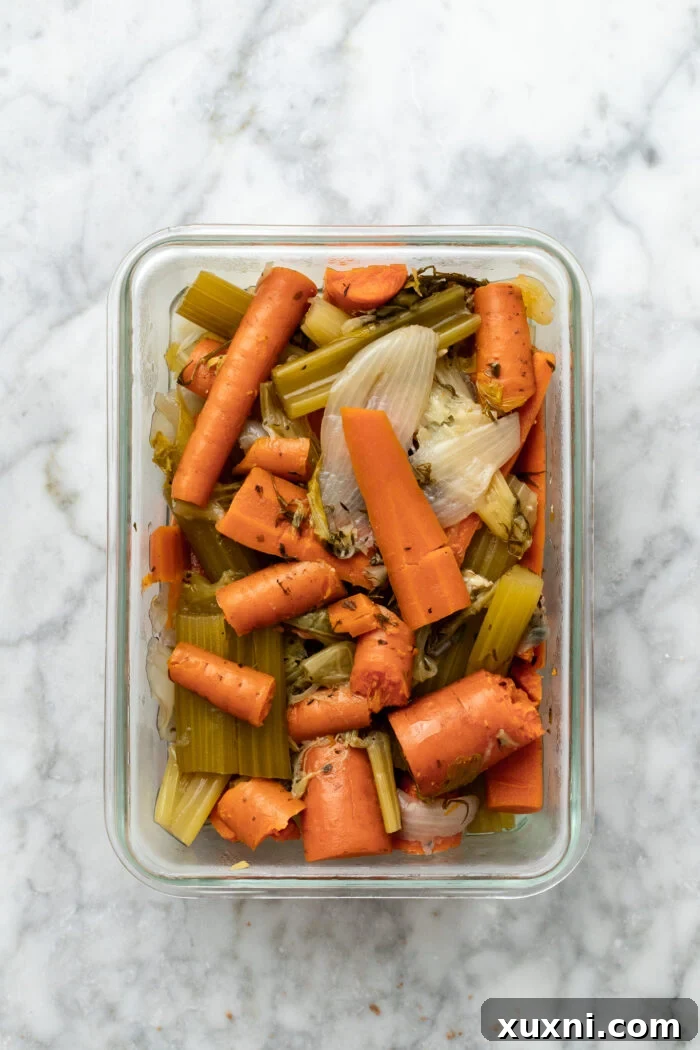
Alternatively, for an incredibly quick and easy meal, you can blend the strained vegetables directly into your freshly made vegetable broth to create an instant, creamy vegetable soup! Enhance this nourishing soup by adding a can of chickpeas or your favorite beans for a boost of plant-based protein. Serve this comforting veggie soup alongside some fluffy vegan focaccia or savory garlic bread for a complete and satisfying meal. Repurposing these vegetables not only prevents food waste but also provides a second delicious outcome from your broth-making efforts.
Freezing and Storing Your Homemade Vegetable Broth
One of the greatest advantages of making homemade vegetable broth is the ability to prepare it in large batches and store it for future use. My mother-in-law, Norma, immediately advised me to freeze some after my first batch, and I’m incredibly thankful for that wisdom! Having pre-made vegetable broth readily available means I can whip up delicious meals without the immediate 6-hour cooking commitment.
To freeze this versatile vegetable stock: Allow your freshly made broth to cool completely to room temperature. Then, you have several convenient options for freezing. You can pour it into ice cube trays, which are perfect for single-serving portions or when you need just a small amount to deglaze a pan or add a flavor boost to a sauce. Once frozen solid, pop the broth cubes out and transfer them to a freezer-safe bag or another airtight glass container. This method is incredibly practical and space-saving.
For larger quantities, wide-mouth mason jars are an excellent choice. Remember to leave about an inch of headspace at the top of the jar to allow for expansion during freezing, preventing the glass from cracking. You can also use other freezer-safe containers, though I personally prefer to avoid plastic containers (like restaurant-quart sized ones) due to concerns about BPA, especially when storing food for extended periods. Properly stored, your homemade vegetable broth will maintain its quality for up to 3 months in the freezer.
To use from frozen: The simplest way to thaw your vegetable broth is to transfer it from the freezer to the refrigerator overnight. This allows it to thaw gradually and safely. If you need it more quickly, you can let it sit at room temperature for a few hours, or gently warm it in a saucepan over low heat until melted. Always ensure it’s fully thawed before adding it to your recipes.
Delicious Recipes Featuring This Vegetable Broth
This homemade vegetable broth is not just a standalone delight; it’s the hero ingredient that elevates a wide range of dishes. Its rich, nuanced flavor provides an exceptional base for countless recipes, ensuring depth and aroma in every bite. Here are some of my favorite recipes where this broth truly shines, turning everyday meals into something special:
- Hearty and Flavorful Homemade Vegan Chili
- Comforting and Wholesome Vegetable Stew
- Creamy and Easy Sweet Potato Soup
- Satisfying Vegan Tortellini Soup
- Aromatic Tuscan White Bean Soup
- Delicious Gluten-Free Vegan Stuffing
- Creamy Vegan Mushroom Risotto
- Nourishing and Simple Vegan Lentil Soup
- Rich and Creamy Garlicky Butter Beans
- Easy Chickpea and Sweet Potato Curry
This list is just a starting point; feel free to explore and experiment with your own favorite dishes. The versatility of this vegetable broth makes it an indispensable component in a well-stocked vegan kitchen, promising enhanced flavors and healthier meals every time.

You are truly going to adore this homemade vegetable broth. It’s not only incredibly easy to prepare but also a genuine game-changer for quick weeknight meals and even special holiday gatherings. Its rich, comforting flavor will transform your cooking and impress everyone at your table.
If you’re looking for more comprehensive meal planning tips, especially around the busy holiday season, be sure to check out this valuable guide!
Want to save this recipe for later? Add it to your favorite recipe board on Pinterest!

If you make this incredible recipe, please be sure to leave a comment and a rating ⭐️⭐️⭐️⭐️⭐️ below. Your feedback helps others discover and enjoy these recipes! As always, I absolutely love to see your beautiful culinary creations, so don’t forget to tag me on Instagram and Pinterest!