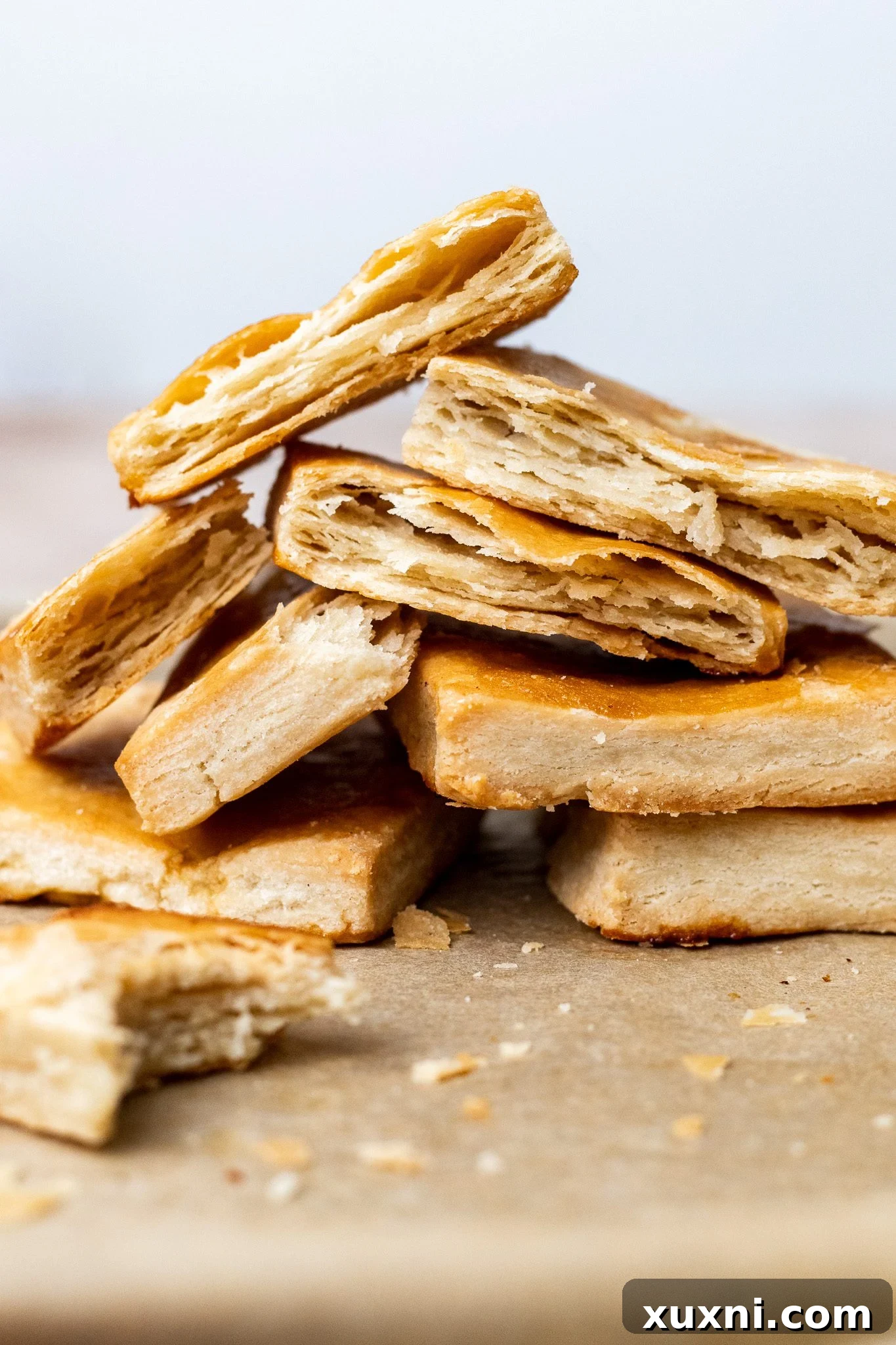
Unlock the secret to perfect pastries with this incredibly easy, flaky, and tender gluten-free vegan puff pastry recipe. Crafted with just 6 simple ingredients, you’d never guess this exquisite dough is entirely free from gluten, dairy, and animal products. Prepare to transform your baking with a homemade puff pastry that effortlessly surpasses anything you can buy in stores.
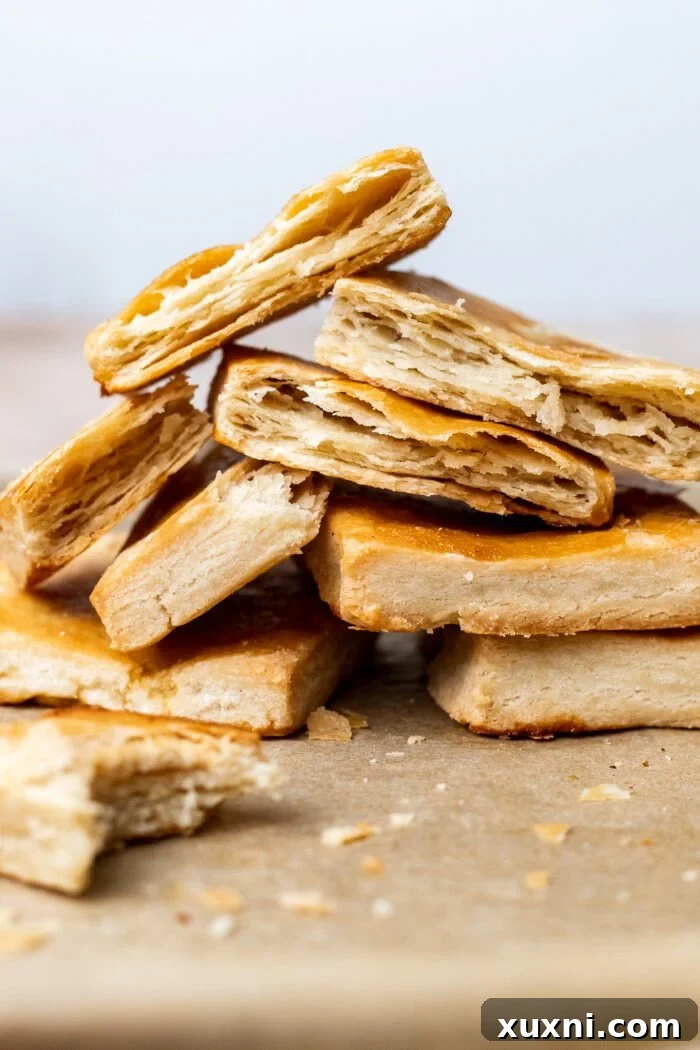
The Ultimate Gluten-Free Vegan Puff Pastry: A Homemade Marvel Better Than Store-Bought
Imagine a puff pastry so delicate, so buttery-rich, and so incredibly flaky that it melts in your mouth with every bite. Now imagine creating that masterpiece right in your own kitchen, effortlessly, and knowing it’s completely gluten-free, dairy-free, and vegan. This isn’t a dream; it’s the reality this recipe delivers. Forget settling for bland or inferior store-bought options that often contain questionable ingredients and lack the depth of flavor and texture a truly great puff pastry should possess.
Our quick rough puff method simplifies what many perceive as a daunting task, making homemade puff pastry accessible to everyone, regardless of their baking experience. The result is a dough so versatile and delicious, it will become your new go-to for both sweet and savory creations. From elegant Danish pastries and robust pot pie crusts to sophisticated tarts and quick turnovers, this puff pastry elevates every dish it touches. Even if you’re not strictly gluten-free or vegan, you’ll be hard-pressed to distinguish this from traditional versions, thanks to its unmatched texture and flavor profile.
We understand the challenges and skepticism that often come with gluten-free baking, especially when it comes to achieving delicate textures like those found in puff pastry. Many gluten-free alternatives can be gritty, crumbly, or simply lack the airy layers expected. However, this recipe breaks all those stereotypes. It’s designed to produce a consistently beautiful, light, and airy pastry that holds its shape and provides that satisfying crunch and tender interior that defines premium puff pastry. By controlling the quality of your ingredients and following our clear instructions, you’re guaranteed a successful and immensely gratifying baking experience.
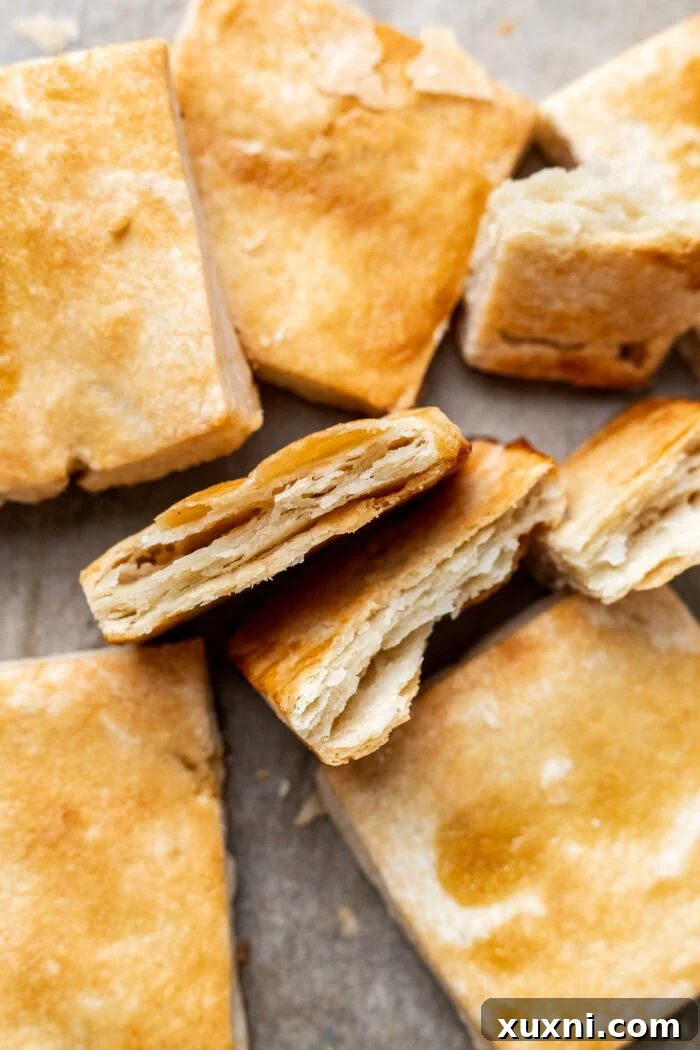
Essential Ingredients for Flawless Gluten-Free Vegan Puff Pastry
Creating this magnificent gluten-free vegan puff pastry requires only 6 basic ingredients. Each plays a crucial role in achieving the perfect balance of flavor and texture, ensuring a result that’s both delicious and structurally sound. You’ll likely find most of these staples already in your pantry, making this recipe even more convenient.
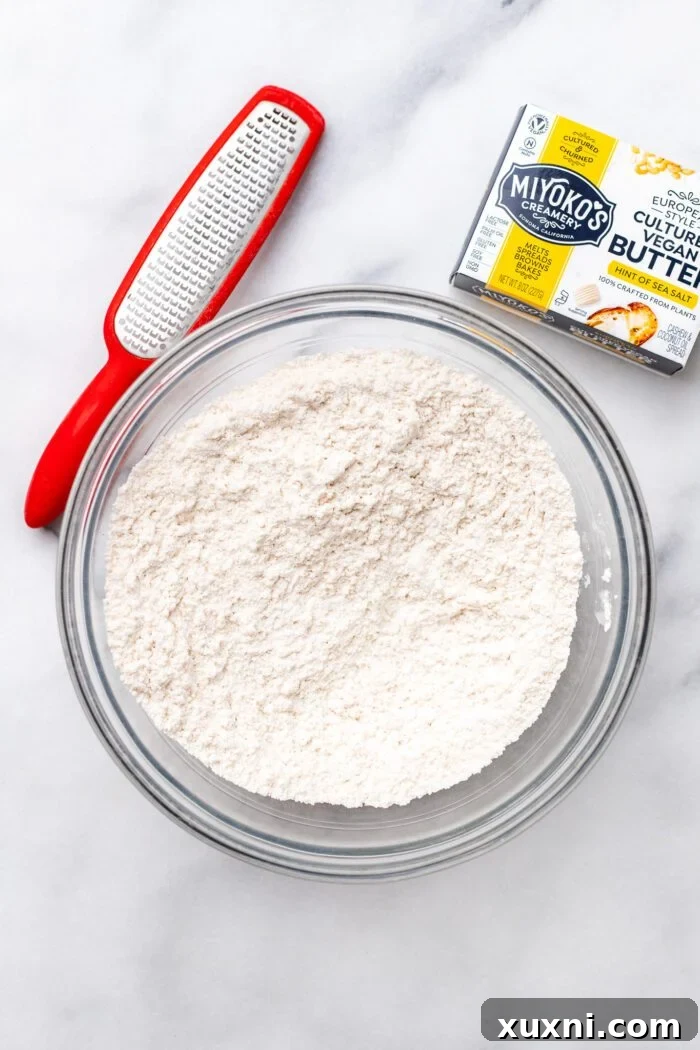
- Gluten-Free Flour Blend: The foundation of our pastry, the choice of gluten-free flour is paramount. For optimal results, use a high-quality “measure-for-measure” or “all-purpose” gluten-free flour blend that explicitly contains xanthan gum. Xanthan gum is vital in gluten-free baking as it mimics the elasticity and binding properties of gluten, preventing a crumbly texture. My top recommendation is King Arthur Measure for Measure gluten-free flour, which consistently delivers an exceptionally buttery and tender pastry. Avoid using single-ingredient flours like almond, coconut, or oat flour, as these lack the necessary structural components for a flaky puff pastry. If you’re using another brand, ensure it’s a blend formulated for general baking and contains xanthan gum, or add 1/2 teaspoon per cup of flour if it doesn’t.
- Arrowroot Starch (or Cornstarch): This ingredient is key to achieving that smooth, non-gritty texture often desired in gluten-free baking. It helps to lighten the flour blend, absorb excess moisture, and contribute to the pastry’s overall tenderness. In the U.S., it’s typically called cornstarch, while outside the U.S. it might be labeled cornflour. Do not skip this; it’s essential for a truly refined texture.
- Granulated Sugar: A small amount of granulated sugar is added not just for a hint of sweetness, which enhances the overall flavor, but also to contribute to the tenderness of the dough. This slight sweetness makes the pastry versatile enough for both sweet and savory applications.
- Sea Salt: Just like in any great recipe, a pinch of sea salt is critical for balancing the flavors and enhancing the richness of the vegan butter. It brings out the best in the other ingredients, ensuring a well-rounded taste.
- Vegan Butter (Frozen): This is arguably the most critical ingredient for achieving that signature flakiness. The type of vegan butter you choose makes a significant difference. Opt for a high-quality, European-style vegan butter in block form, such as Miyoko’s Kitchen Cultured Vegan Butter. These butters typically have a higher fat content and firmer texture, mimicking traditional butter more closely, which is ideal for lamination. If you’re nut-free, Violife offers an excellent block butter alternative. Avoid tub margarines or soft vegan butters, as their higher water content and softer consistency will hinder the creation of distinct layers and result in a less flaky pastry. Freezing the butter briefly before grating is essential to keep it cold and firm during the mixing process, which is crucial for forming separate butter pockets.
- Ice Cold Water: Temperature control is vital in puff pastry making, and cold water is your best friend. Using ice-cold water helps to keep the vegan butter solid and prevents it from melting into the flour too quickly. This ensures that the butter remains in distinct pieces, creating those precious pockets that turn into steam during baking, separating the layers and giving puff pastry its characteristic rise and flakiness.
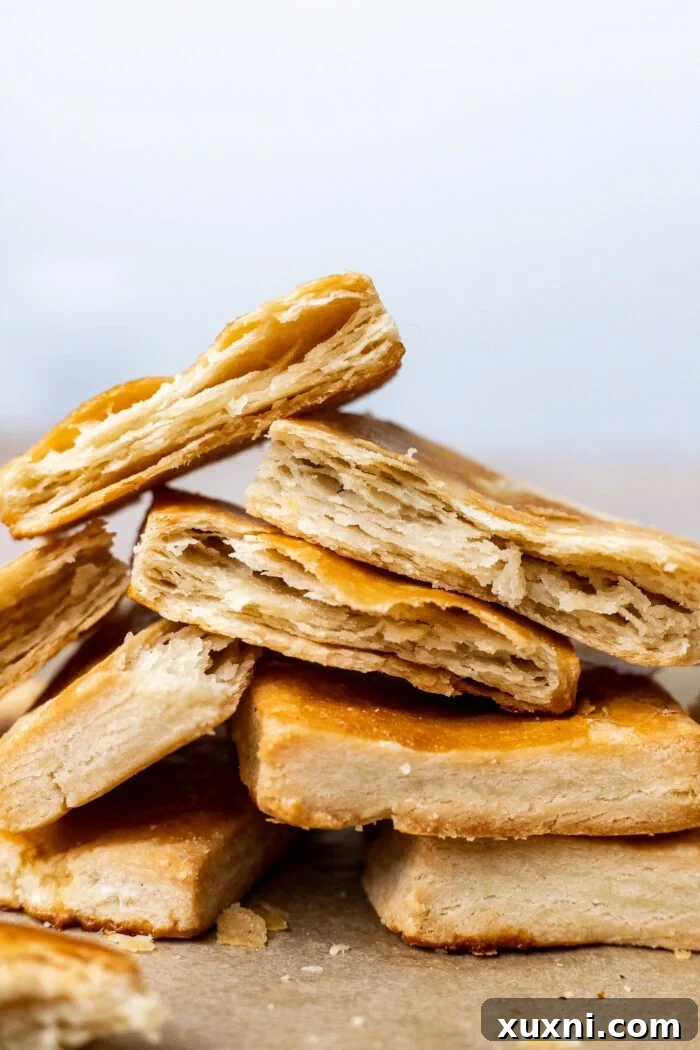
Understanding the Magic: What is the Rough Puff Method?
The rough puff method is a fantastic technique for home bakers, offering a less intimidating and quicker route to achieving wonderfully flaky puff pastry. Unlike the traditional or classic puff pastry method, which involves meticulously encasing a large slab of butter within the dough and performing numerous precise folds (similar to making croissants), the rough puff method simplifies the butter incorporation process.
In the rough puff technique, chilled or frozen butter is cut into small cubes or grated directly into the flour mixture. This creates visible pockets of butter throughout the dough from the start. As you gently mix and press the dough, the butter pieces remain somewhat distinct, similar to the initial stages of making a pie crust. This “rough” incorporation of butter is precisely what gives the pastry its name and contributes to its rustic, yet incredibly flaky texture.
The magic of puff pastry, whether traditional or rough, lies in lamination. Lamination is the process of creating many thin layers of dough separated by layers of butter. When the pastry bakes at a high temperature, the water in the butter rapidly turns into steam. This steam gets trapped between the dough layers, causing them to puff up and separate, resulting in that iconic airy and flaky structure. The rough puff method achieves this with fewer, less precise folds, making it ideal for beginners and those working with gluten-free dough, which can sometimes be less forgiving with extensive handling.
The beauty of the rough puff method, especially for gluten-free and vegan variations, is its forgiving nature. It significantly reduces the risk of overworking the dough, which can lead to a tough pastry. The visible clumps of vegan butter are not only expected but desired, as they are the very components that will create those delicious, distinct layers in your baked goods. This method truly makes gourmet-level puff pastry accessible to every kitchen.
Step-by-Step Guide: Crafting Your Gluten-Free Vegan Puff Pastry
Let’s walk through the process of making this incredible gluten-free vegan puff pastry dough, from preparing the ingredients to the final lamination and baking instructions. Precision and patience are your best friends here, ensuring the flakiest results.
Part 1: Preparing the Dough (Rough Puff Style)
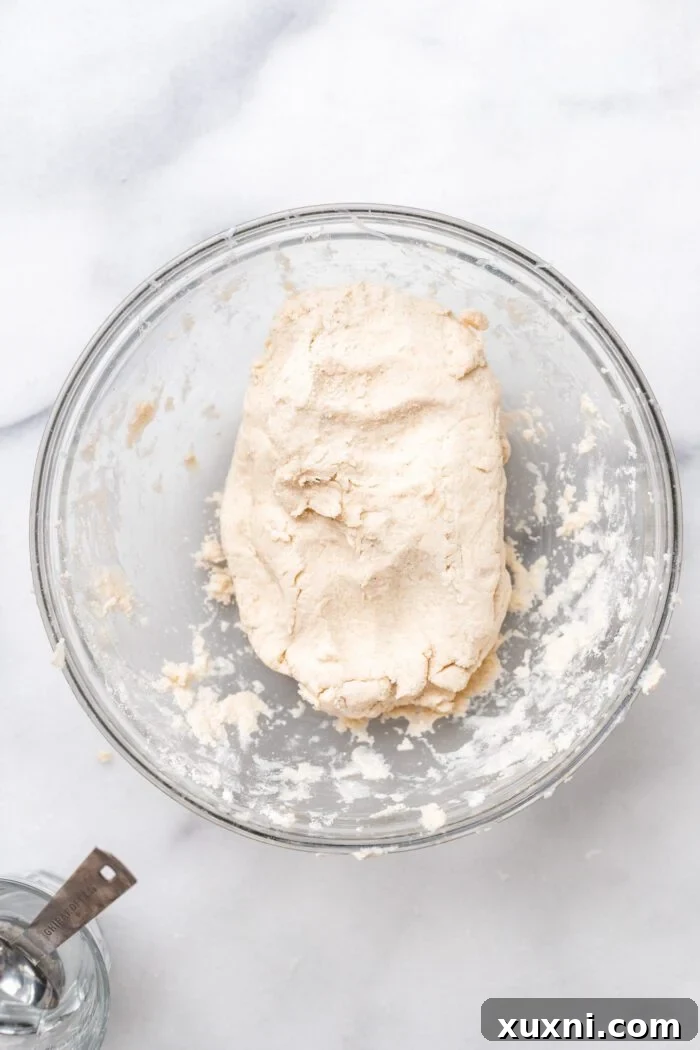
The initial stage involves mixing the dry ingredients and incorporating the frozen vegan butter to form a shaggy, butter-speckled dough.
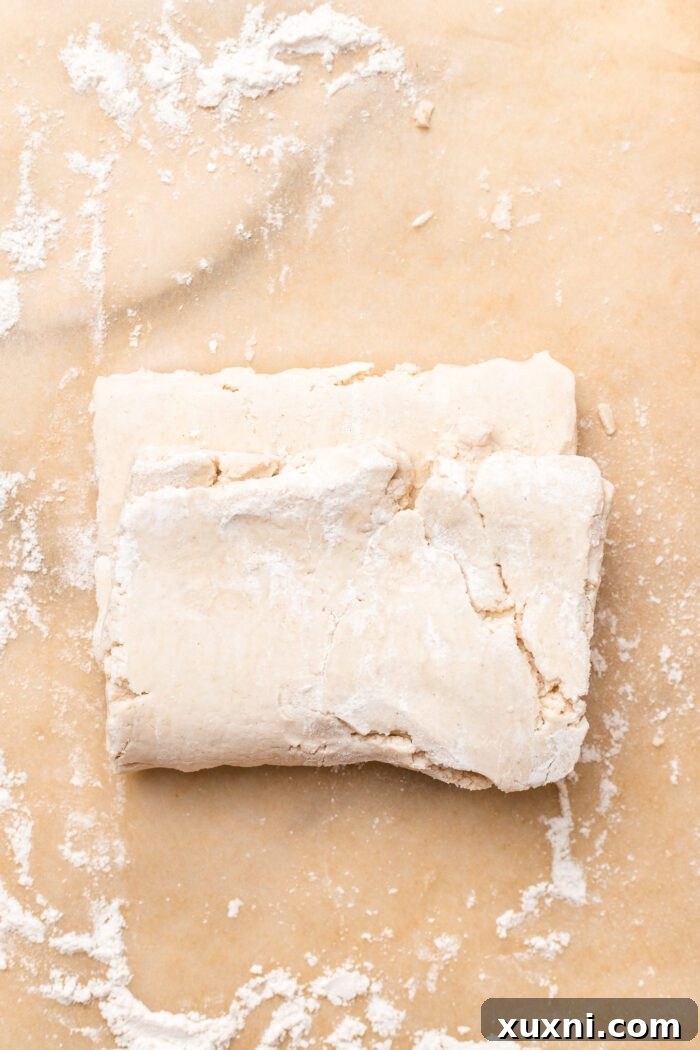
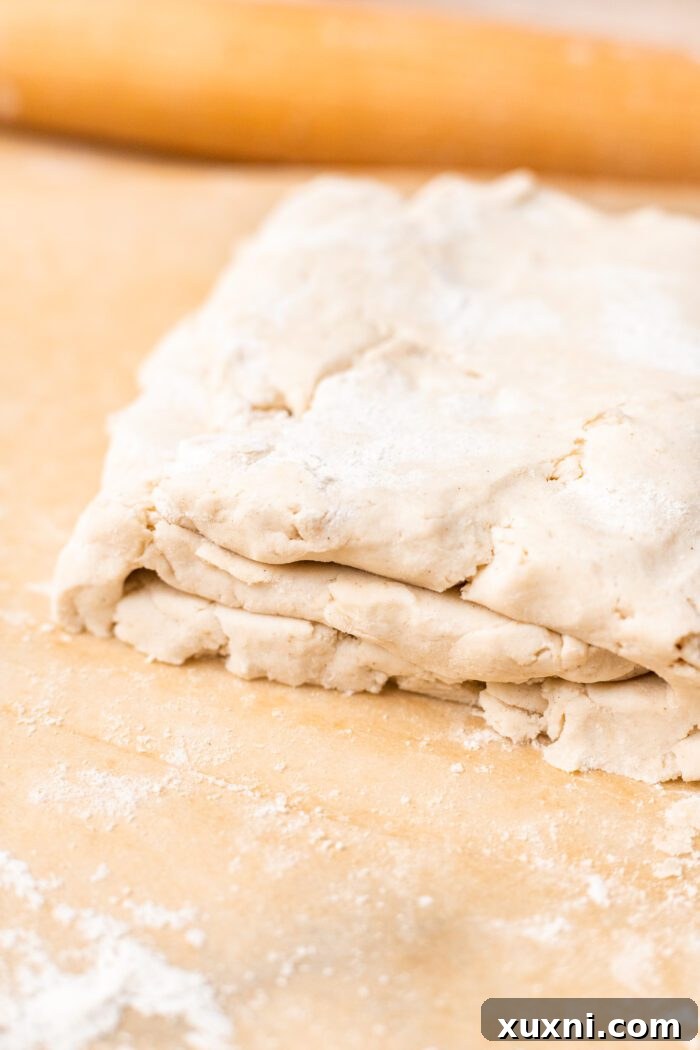
Part 2: The Art of Lamination (Letter Folds)
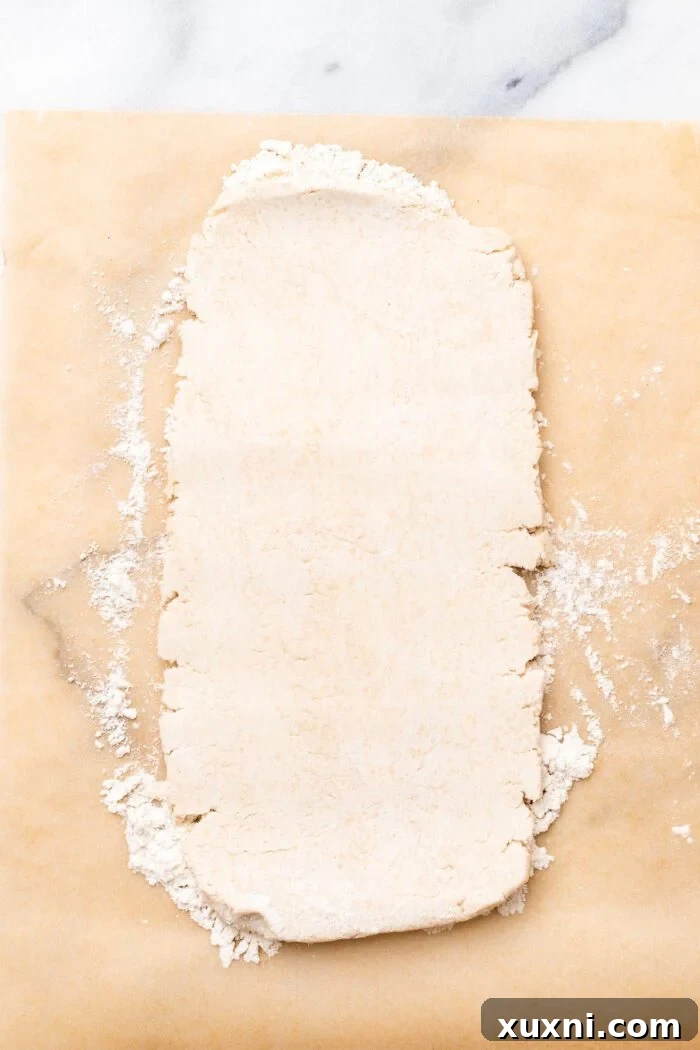
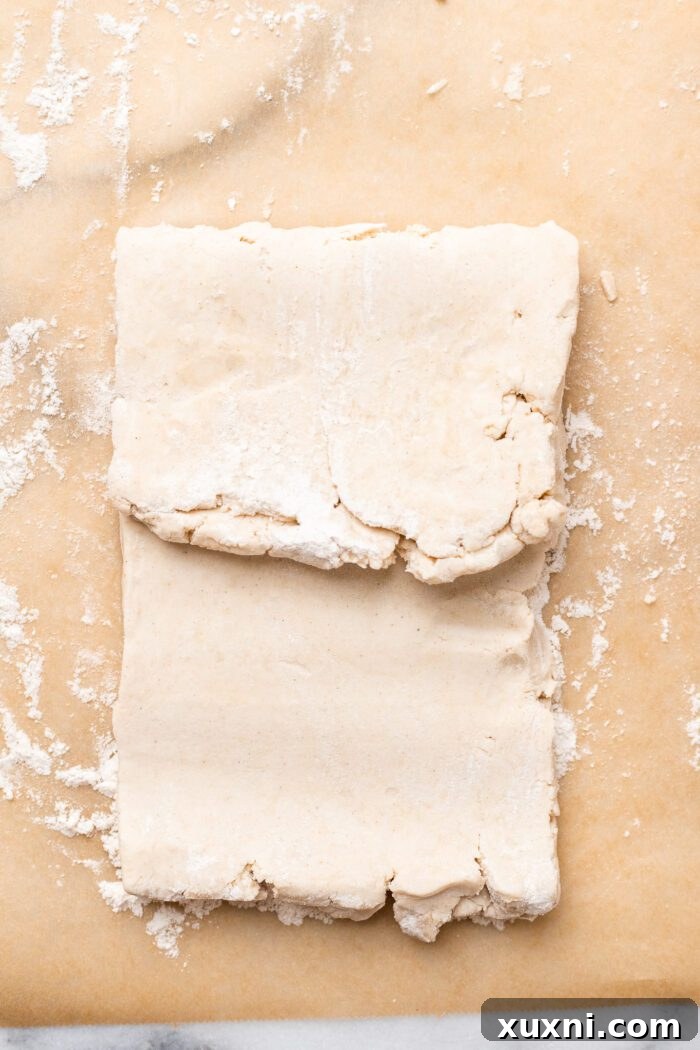
Lamination is what gives puff pastry its signature layers. We’ll use a simple “letter fold” technique, repeating it several times with chilling in between.
Part 3: Readying Your Pastry for Baking
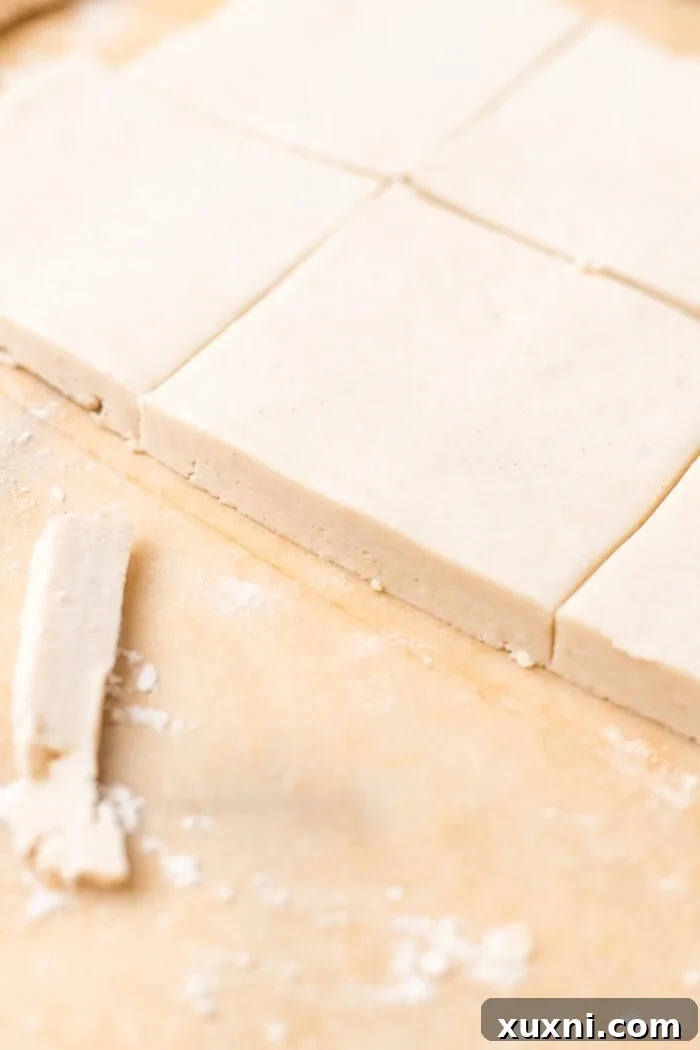
Once laminated, your puff pastry is ready to be shaped and baked into your desired culinary creation.
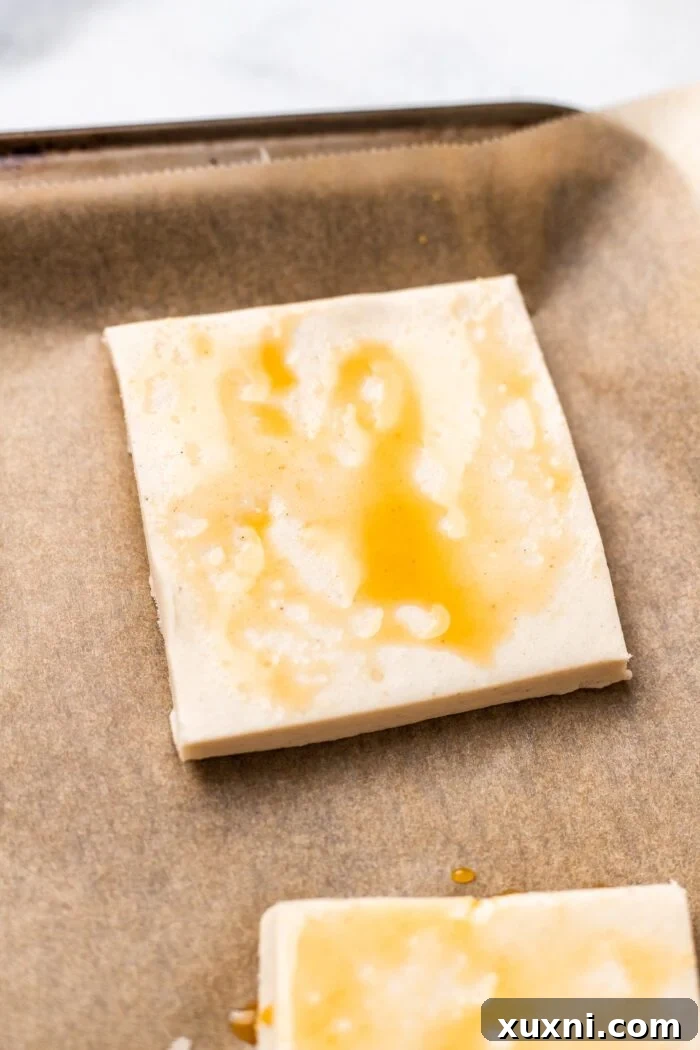
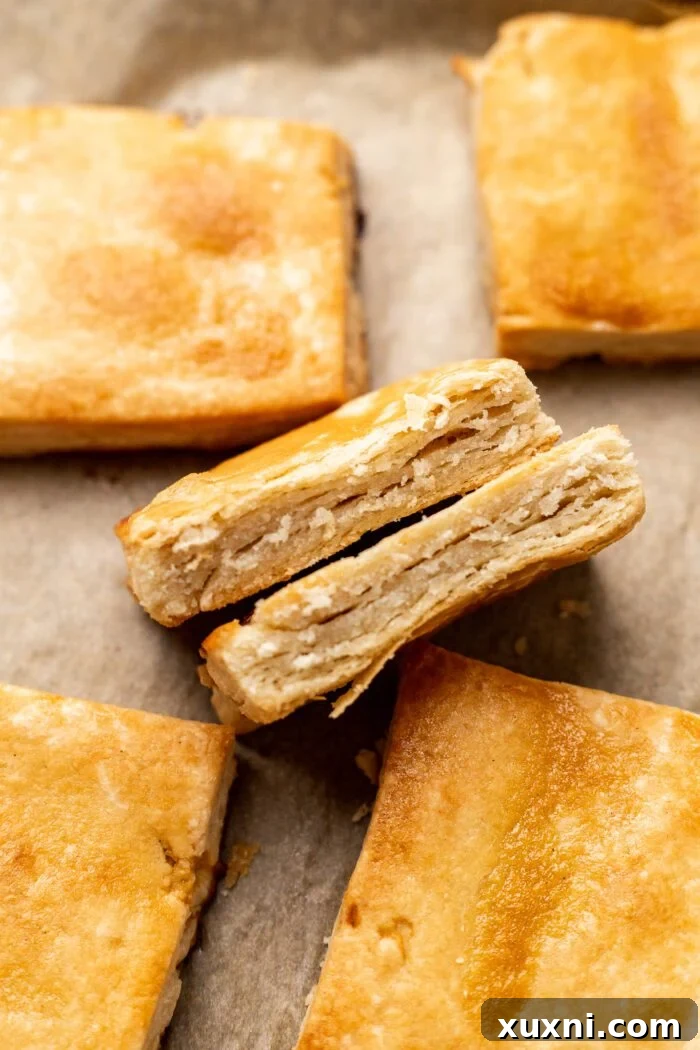
Baking Your Perfect Gluten-Free Vegan Puff Pastry
The key to achieving maximum puff and a golden, crispy exterior is to bake at a high temperature. We recommend preheating your oven thoroughly to 415°F (212°C). This high heat causes the moisture within the butter layers to rapidly convert to steam, forcing the dough layers to separate and puff dramatically.
Depending on the specific recipe and the size/thickness of your puff pastry pieces, baking times will vary, typically ranging from 18 to 25 minutes. Watch for a rich golden-brown color and a visibly puffed, layered structure. If your oven tends to brown unevenly, rotate the baking sheet halfway through the baking time. For best results, always bake on a parchment-lined baking sheet to prevent sticking and ensure even heat distribution. If you notice the pastry browning too quickly before fully puffing, you can briefly reduce the oven temperature slightly, but generally, a consistent high heat is preferred.
Optimal Baking Temperature for Puff Pastry
For super tender and spectacularly flaky layers, I consistently recommend baking this gluten-free puff pastry at a robust 415°F (212°C). This high heat is essential for a rapid rise, ensuring the water in the butter turns to steam quickly, creating those desirable pockets of air. Depending on what you’re making, it will typically take about 18-20 minutes to bake until beautifully golden brown and puffed. As an extra tip, brushing the top with a bit of vegan egg wash before baking will enhance that gorgeous golden hue and add a subtle sheen to your finished pastry.
Creative Ways to Utilize Your Homemade Gluten-Free Vegan Puff Pastry
The versatility of this gluten-free vegan puff pastry is truly endless. Once you master the dough, a world of culinary possibilities opens up for both sweet and savory applications. Here are just a few ideas to get you started, inspiring you to create delightful dishes that will impress:
- Gluten-Free Vegan Wellington: A show-stopping centerpiece for any meal, this pastry wraps around a savory filling, baking into a golden, flaky crust.
- Vegan Asparagus Tart: A light and elegant appetizer or brunch item, perfect for spring, featuring tender asparagus baked on a crisp puff pastry base.
- Easy Vegan Blueberry Cream Cheese Danish Pastries: Indulgent and irresistible, these pastries combine fluffy cream cheese and sweet blueberries with delicate puff pastry for a delightful breakfast or dessert.
- As Croissant Dough: While this is a rough puff, it can be adapted for simpler croissant-like shapes and textures, offering a quicker alternative to traditional croissants.
- In Mini Vegan Quiches: Create individual savory tarts with a rich, egg-free filling nestled in a flaky puff pastry shell.
- Fruit Tarts: Layer fresh seasonal fruits over a pastry cream on a baked puff pastry base for a vibrant dessert.
- Savory Turnovers: Fill with anything from spiced potatoes and peas to sautéed mushrooms and spinach for a portable snack or light meal.
- Cheese Straws: Twist strips of pastry with vegan cheese and herbs, then bake until golden and crispy for a fantastic appetizer.
- Palmiers (Elephant Ears): A classic, simple sweet pastry made by folding and baking sugar-dusted puff pastry.
- Puff Pastry Pinwheels: Spread with savory (pesto, tapenade) or sweet (cinnamon sugar, jam) fillings, roll, slice, and bake.
Storage and Freezing Tips
Having homemade puff pastry on hand is a game-changer for quick baking. Here’s how to store it effectively:
- Unbaked Dough (Refrigerator): Tightly wrap the laminated dough in plastic wrap and store it in the refrigerator for up to 2-3 days. Make sure it’s well-sealed to prevent drying out.
- Unbaked Dough (Freezer): For longer storage, wrap the dough securely in several layers of plastic wrap, then place it in a freezer-safe bag. It can be frozen for up to 3 months. Thaw overnight in the refrigerator before using.
- Baked Pastry: Once baked, puff pastry is best enjoyed fresh on the day it’s made for optimal crispiness. However, you can store baked, unfilled pastry in an airtight container at room temperature for up to 2 days, or in the refrigerator for up to 3-4 days. Reheat briefly in a moderate oven (around 350°F / 175°C) for 5-10 minutes to restore some of its crispness.
Troubleshooting Common Puff Pastry Problems
Even with the easiest methods, baking can sometimes present challenges. Here are solutions to common puff pastry issues:
- Pastry Didn’t Puff:
- Dough Too Warm: If the butter melted into the dough during mixing or rolling, the layers won’t separate. Ensure all ingredients, tools, and your work surface are cold.
- Not Enough Folds: Ensure you complete all four letter folds as instructed to build sufficient layers.
- Oven Temperature Too Low: If the oven isn’t hot enough, the butter won’t create steam quickly enough for a dramatic puff. Always preheat your oven thoroughly.
- Overworking the Dough: Too much handling can develop the flour’s natural gluten (or gum in GF flours), leading to a tough dough that resists puffing.
- Pastry is Tough/Hard:
- Too Much Flour: Excessive flour during rolling can be incorporated into the dough, making it tough. Use flour sparingly on your work surface and rolling pin.
- Overworking: As mentioned, overworking the dough can lead to a tough texture. Handle gently and minimally.
- Butter Leaked Out During Baking:
- Dough Was Too Warm Before Baking: If the dough was warm when it went into the oven, the butter could melt out before it has a chance to create steam. Always chill the pastry thoroughly before baking.
- Incorrect Folding Technique: If layers aren’t sealed properly, butter can escape. Ensure your folds are neat and the edges are gently sealed.
- Edges Cracked While Rolling:
- Dough is Too Cold: While cold is good, sometimes the dough can be too stiff directly out of the fridge. Let it sit at room temperature for 5-10 minutes before rolling, or gently tap it with your rolling pin to make it more pliable.
- Dough is Too Dry: If your flour blend is particularly absorbent or you didn’t add quite enough water, the dough can be prone to cracking. Next time, add a tiny bit more water, a tablespoon at a time, until it’s just right.
Want to save this recipe for later? Add it to your favorite recipe board on Pinterest!
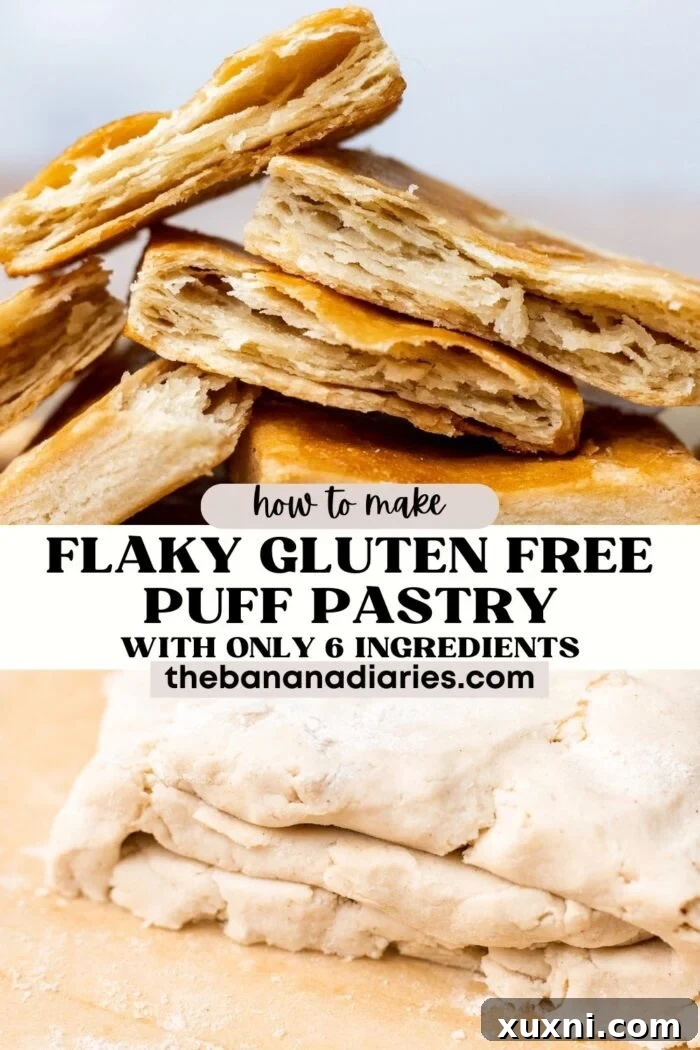
If you make this recipe, please be sure to leave a comment and a rating ⭐️⭐️⭐️⭐️⭐️ below. This helps others to find the recipes! As always, I absolutely love to see your beautiful creations on Instagram and Pinterest, so be sure to tag me there as well!
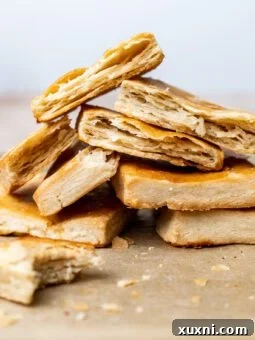
The EASIEST Flaky Gluten Free Vegan Puff Pastry (Quick Rough Puff Method)
★★★★★
4.7 from 3 reviews
- Author: Britt Berlin
- Prep Time: 20 minutes
- Chilling Time: 60 minutes
- Cook Time: 20 minutes
- Total Time: 1 hour 40 minutes
- Yield: 1 gluten free puff pastry dough
- Category: Pastry
- Method: Baking
- Cuisine: French
- Diet: Gluten Free, Vegan
Description
This flaky gluten free puff pastry uses just 6 easy ingredients to create the flakiest, most tender puff pastry that you’d never know is gluten free and vegan!
Ingredients
- 2 cups (250 g) gluten free measure-for-measure flour (see notes)
- 1 tbsp arrowroot starch or cornstarch
- 2 tbsp granulated sugar
- 1/8 tsp sea salt
- 1 cup (226 g) salted vegan butter, frozen
- 8–10 tbsp (118–140 mL) cold water
Instructions
- Measure out all ingredients. I recommend using a kitchen scale for the most accurate bake.
- Start by whisking together the flour, arrowroot starch, sugar, and sea salt in a bowl.
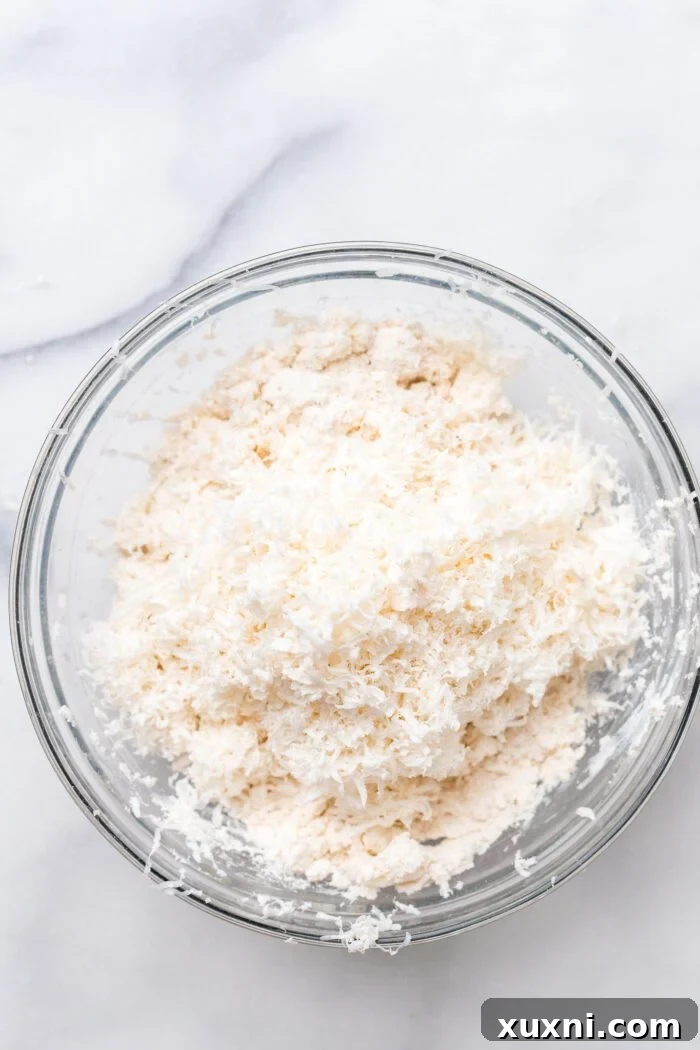
- Using a cheese grater, grate the frozen butter (you can freeze the cold butter for just 10 minutes in the freezer before using) into the flour mixture.
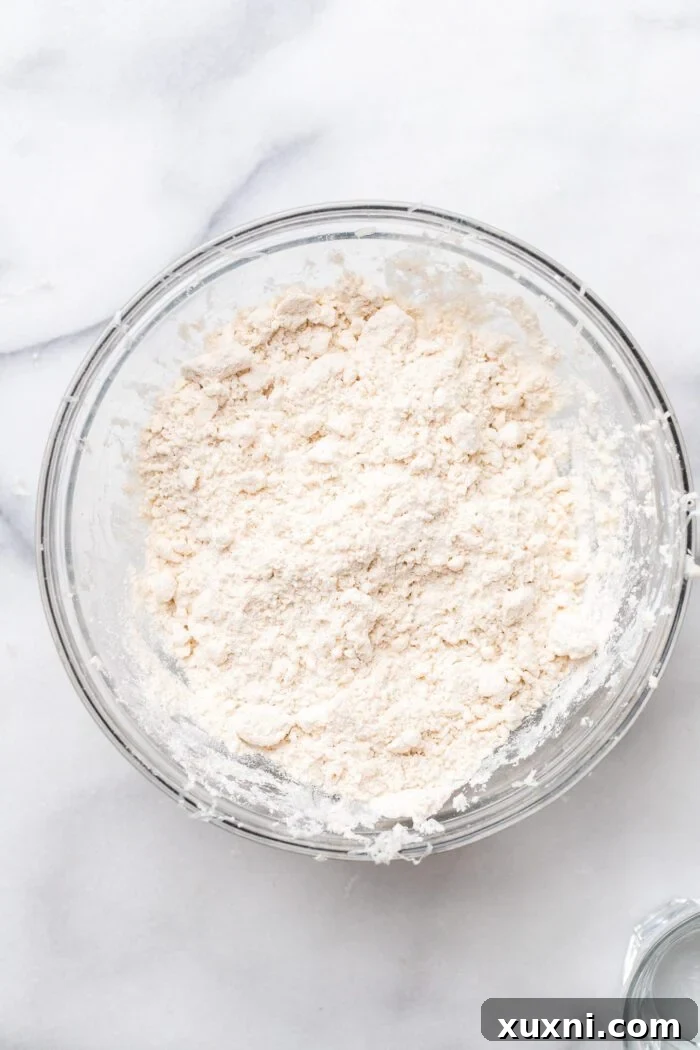
- Gently toss the flour mixture with the butter using your hands to evenly coat the butter pieces. The mixture will look a bit like semi-wet sand.
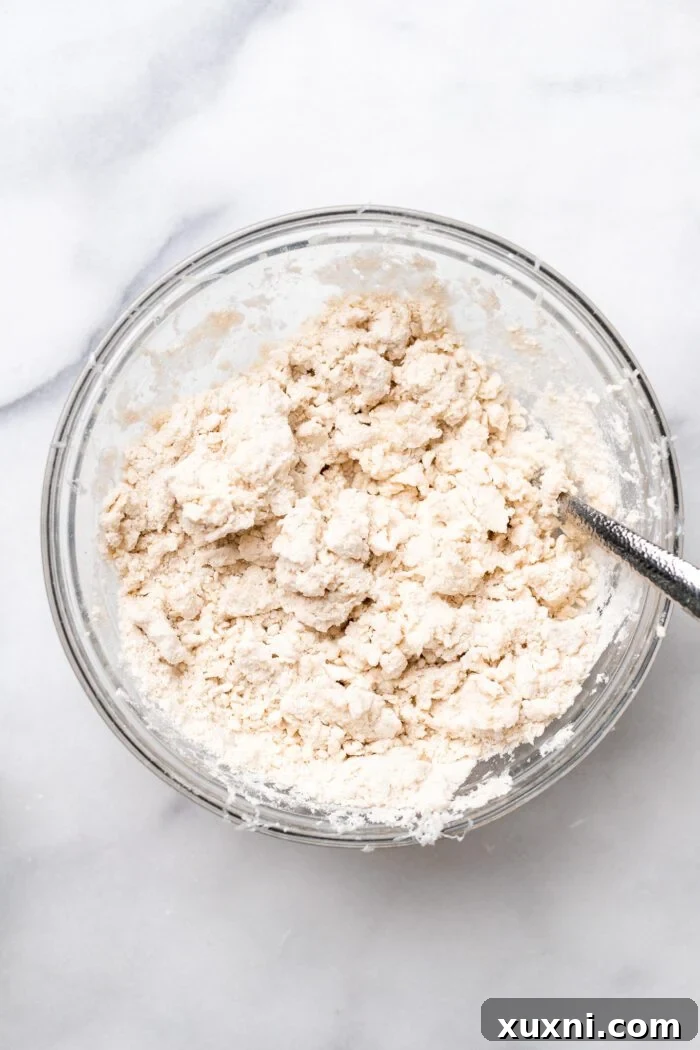
- Add in 4 tablespoons of cold water to start, and mix gently with your hands, almost kneading the dough but really just gripping the dough and gently pressing it into the bowl to create a dough lump. Add in 4 additional tablespoons of water one at a time as you mix until you achieve a semi-sticky dough ball (you can use a large spoon or spatula to help you from warming up the butter too much). Pockets of butter should be visible in the dough.
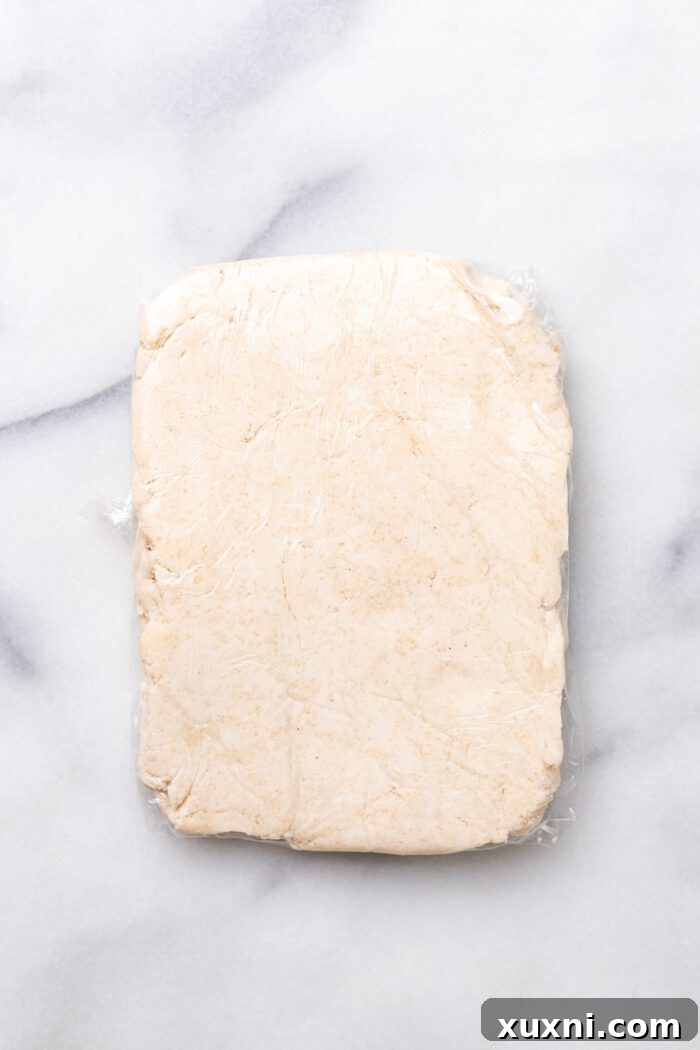
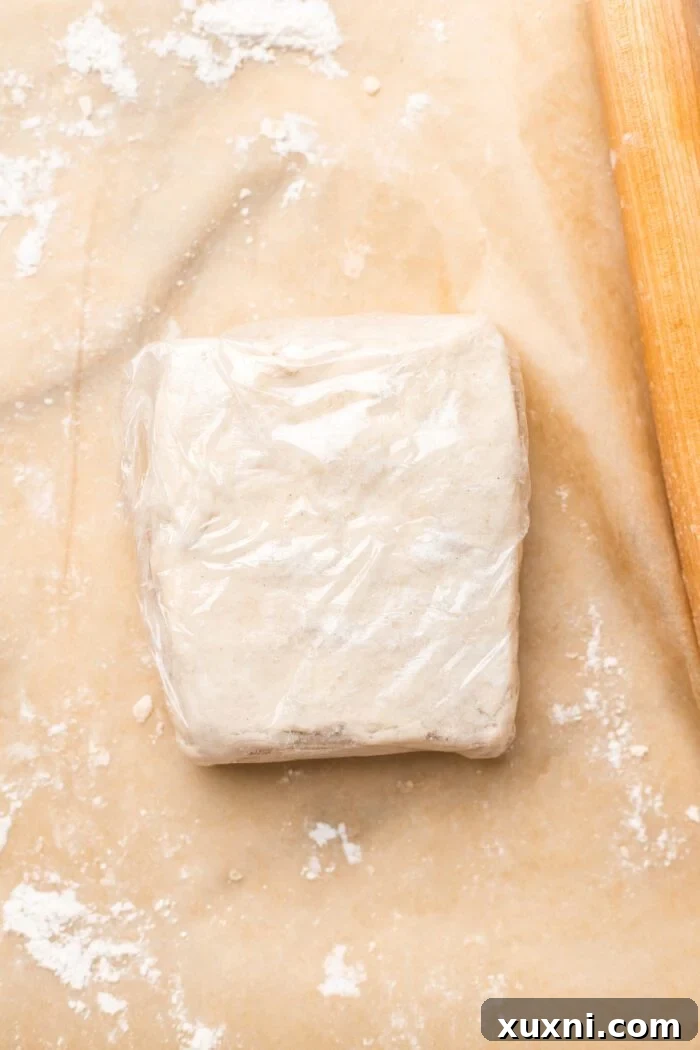
- Form the dough into a flat rectangle and wrap the dough tightly in plastic wrap. Chill in the fridge for 30 minutes before laminating the puff pastry.
- When ready to roll out the dough, flour a clean surface and the rolling pin. Roll the cold dough out to be about 15″ long (it doesn’t have to be exact!). It’s okay if some of the edges start to break at first. As the dough warms up, it’ll be easier to roll out. Then do a letter fold by folding a third of the dough into the center, followed by the bottom third. Flip the dough over and rotate it once 90 degrees. Repeat this rolling and laminating process 3 more times for a total of 4 times.
- Rest the dough again before baking. Wrap the dough tightly and chill it in the fridge for 30 minutes before baking OR store frozen in the freezer for up to 3 months.
- If proceeding onto baking from just a chilled stage, preheat the oven to 415F, and use in your desired recipe.
Notes
Please see blog post for notes on flour and vegan butter options.