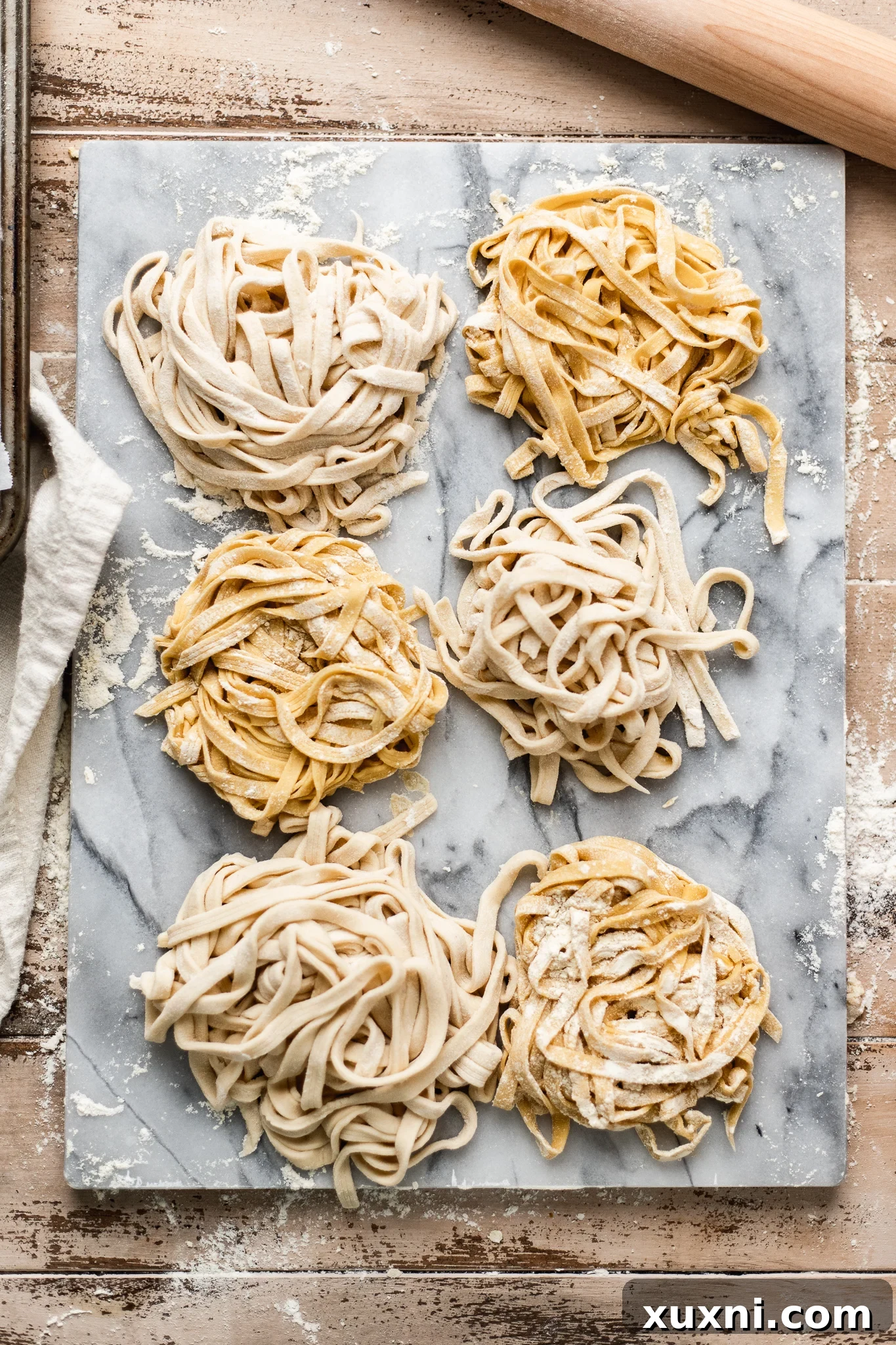
Welcome to the ultimate guide for crafting the most delightful homemade vegan pasta! This recipe redefines fresh pasta, proving that you don’t need eggs to achieve an incredibly tender, flavorful, and satisfying dough. Made with just four simple pantry staples, this eggless pasta is not only vegan-friendly but also easily adaptable to be entirely gluten-free. Prepare to elevate your dinner experience with a versatile fresh pasta dough that pairs perfectly with any of your favorite sauces, promising a memorable meal every time.
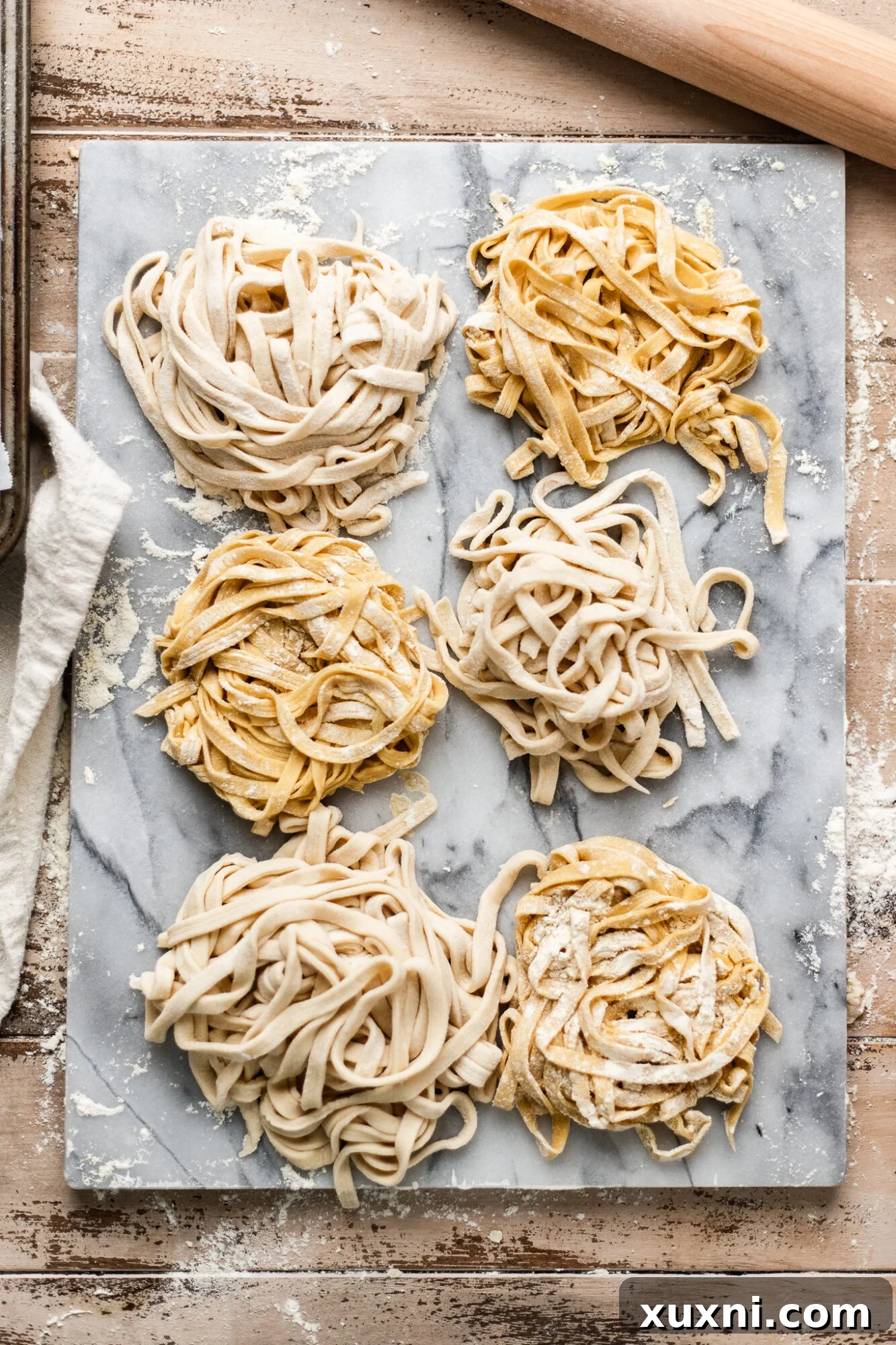
Is Making Fresh Eggless Pasta Dough Truly Easy?
For many home cooks, the idea of making fresh pasta can seem daunting, often associated with a laborious process involving multiple eggs. However, we’re here to demystify it and show you just how effortlessly you can create exquisite fresh pasta without a single egg. The truth is, omitting eggs doesn’t compromise on taste or texture; in fact, this vegan rendition stands proudly alongside classic pasta recipes, delivering the same rich flavor and satisfying chewiness. If you’ve enjoyed the simplicity and deliciousness of homemade vegan gnocchi, you’ll find this pasta dough equally rewarding.
This recipe is designed with simplicity and accessibility in mind, making it ideal for beginners and seasoned chefs alike. It’s wonderfully quick, straightforward, and produces a versatile pasta that everyone, regardless of dietary preferences, will adore. Whether you’re craving a vibrant cherry tomato sauce, a creamy vegan cacio e pepe, a decadent dairy-free vodka sauce, or a fresh vegan pesto, this homemade pasta provides the perfect foundation. Our primary focus is on mastering the egg substitution, and we offer two effective, budget-friendly options to achieve the perfect eggless pasta dough.
Crafting Homemade Vegan Pasta Dough: Two Simple Approaches
This is arguably the most straightforward homemade vegan pasta recipe you’ll encounter, and for good reason. We prioritize simplicity not only in our ingredient list but also by providing you with two distinct, equally effective methods for replacing eggs, ensuring you can make this pasta no matter what ingredients are readily available in your pantry or local grocery store. Both options are also easily convertible to a gluten-free version, and we’ll even guide you through the process of making pasta beautifully without the need for a pasta machine.
Core Ingredients for Both Methods:
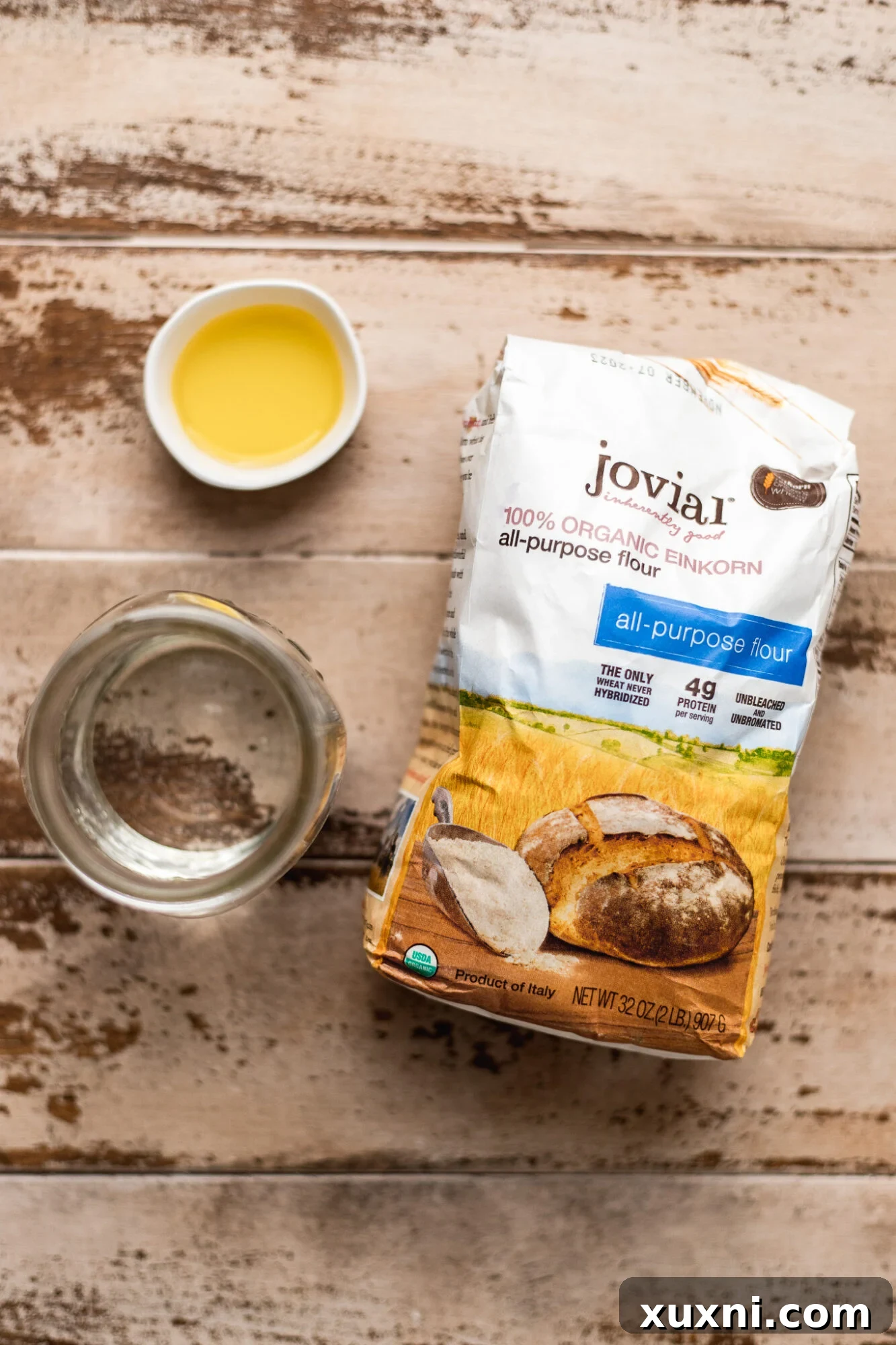
- Flour: The foundation of our pasta. You can choose between all-purpose flour, einkorn flour (for a lower gluten option), or traditional 00 (double zero) flour for that authentic Italian texture. We’ll delve into excellent gluten-free alternatives below for those with dietary restrictions.
- Sea Salt: A crucial ingredient that elevates the flavor profile of the dough, bringing out its natural deliciousness. Just a pinch makes all the difference.
- Olive Oil: Adds richness, elasticity, and a subtle fruity note to the dough, contributing to a silky smooth texture.
Method 1: The Classic Water-Based Approach
Our first and simplest vegan egg replacement is water. This method is incredibly cost-effective and creates a light, pliable dough that is a joy to work with. Water acts as a binding agent, hydrating the flour and allowing the gluten (or gluten-free binders) to develop, resulting in a perfectly textured pasta.
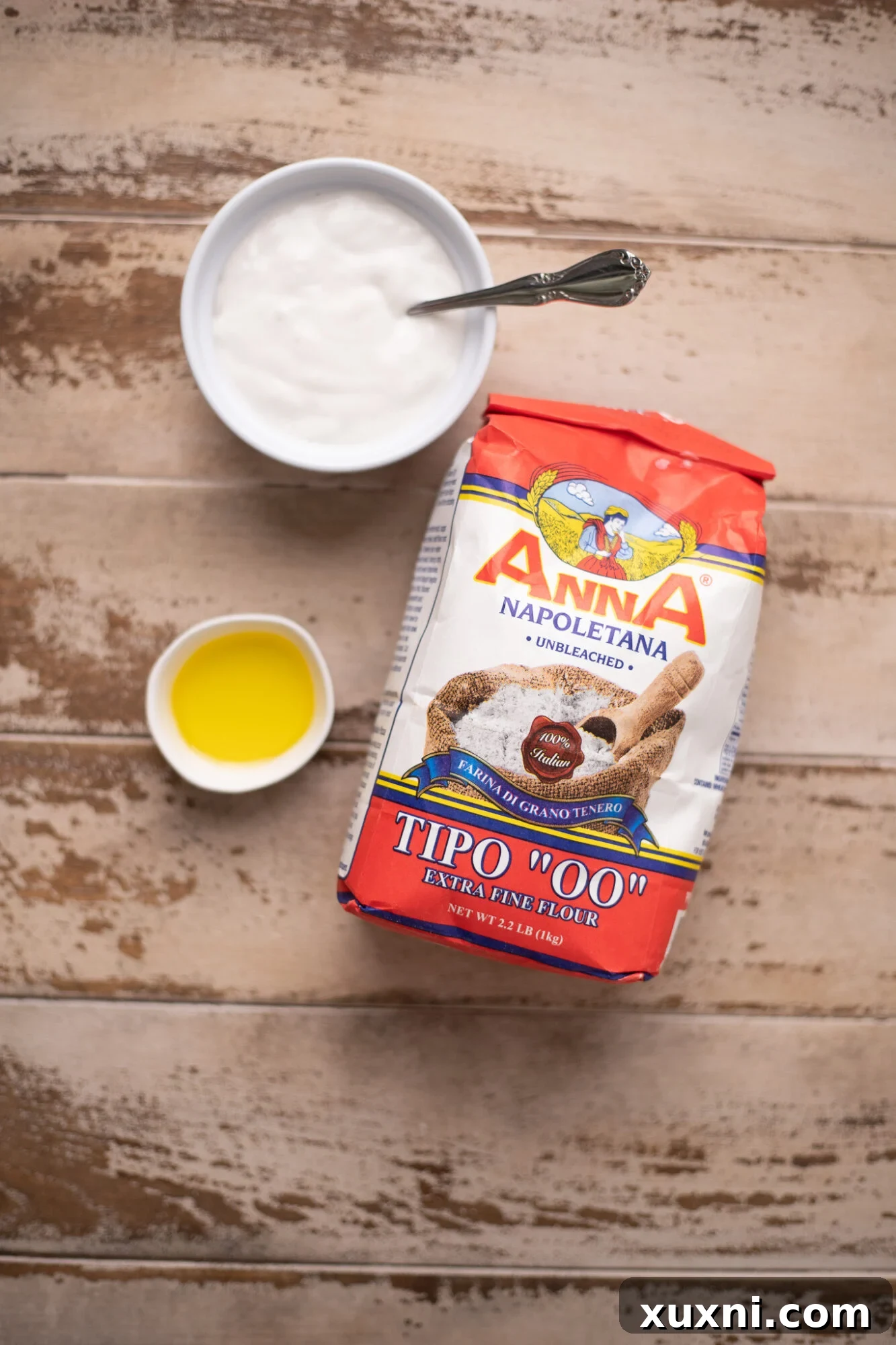
Method 2: Enriched Dough with Dairy-Free Yogurt
For a slightly richer dough with added depth and tenderness, you can swap out the water for dairy-free yogurt. This option introduces a touch more complexity and a wonderfully soft texture. I’ve personally achieved fantastic results using Forager Project cashew milk yogurt, renowned for its creamy consistency. Coconut milk yogurt also works beautifully, and for a tangy twist, Forager Project’s sour cream is another excellent alternative. Ensure your chosen dairy-free yogurt or sour cream is plain and unsweetened to maintain the savory balance of the pasta.
Essential Tools You’ll Need:
- A clean, spacious work surface, generously dusted with extra flour to prevent sticking.
- A pasta machine for effortless rolling and cutting, or alternatively, a large, sharp knife if you prefer to hand-roll your pasta.
How to Master Vegan Pasta Making: A Step-by-Step Guide
Making fresh pasta from scratch might seem intimidating, but with these clear instructions, you’ll be a pro in no time. This overview provides a brief yet comprehensive guide, complemented by visual aids for better understanding. For precise ingredient measurements and detailed instructions, please refer to the complete recipe card found at the bottom of this article.
In this section, we’ll walk you through the process of making incredible vegan pasta from scratch, with an emphasis on using a pasta machine for optimal results.
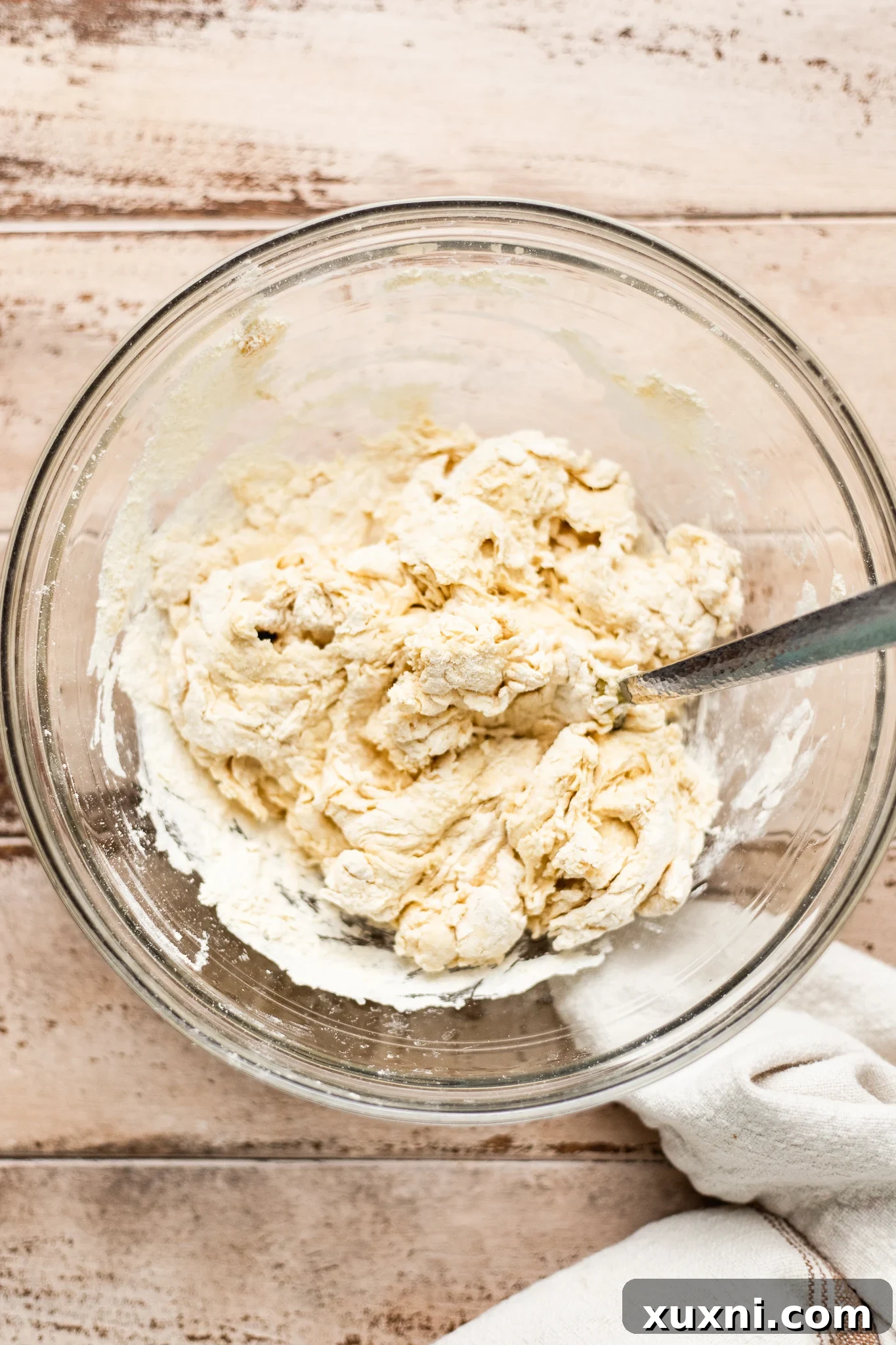
- Prepare Your Dough: Begin by combining your chosen flour (all-purpose, 00, einkorn, or gluten-free blend) and sea salt in a large mixing bowl. Whisk these dry ingredients together thoroughly. Next, add the olive oil and either water or dairy-free yogurt, depending on your preferred method. Use a sturdy fork or your hands to mix everything until it just begins to come together. Initially, the mixture may seem dry and crumbly, but don’t be discouraged; it will transform with kneading.

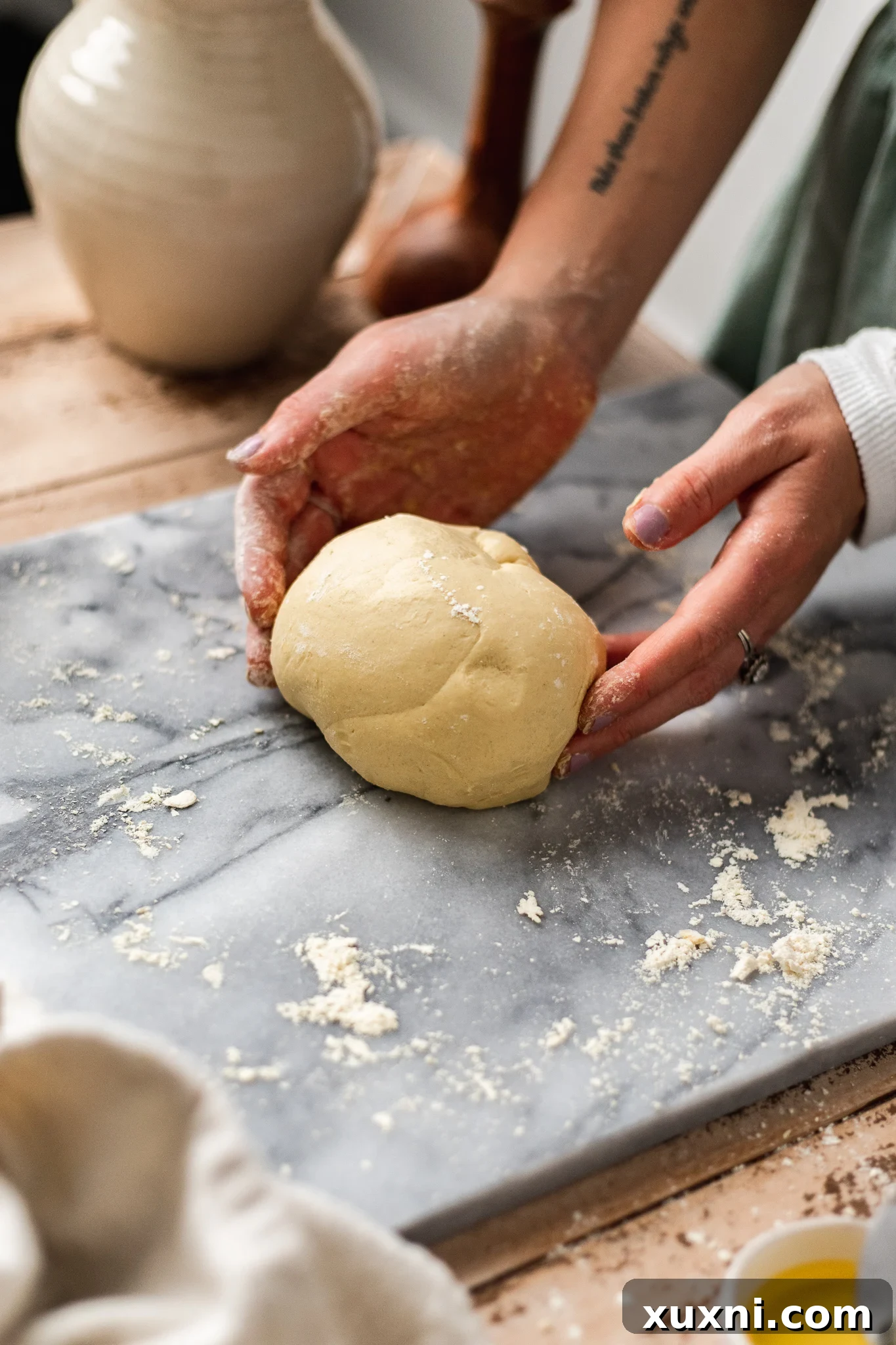
- Knead the Dough to Perfection: Transfer the shaggy dough mixture onto a lightly floured, clean work surface. This is a crucial step for developing the dough’s elasticity and achieving a smooth, pliable texture. Knead the dough vigorously for approximately 8-10 minutes. It requires a bit of effort, but you’ll notice the dough gradually becoming smooth, uniform, and elastic. This consistent kneading ensures your pasta holds its shape beautifully and cooks perfectly al dente.
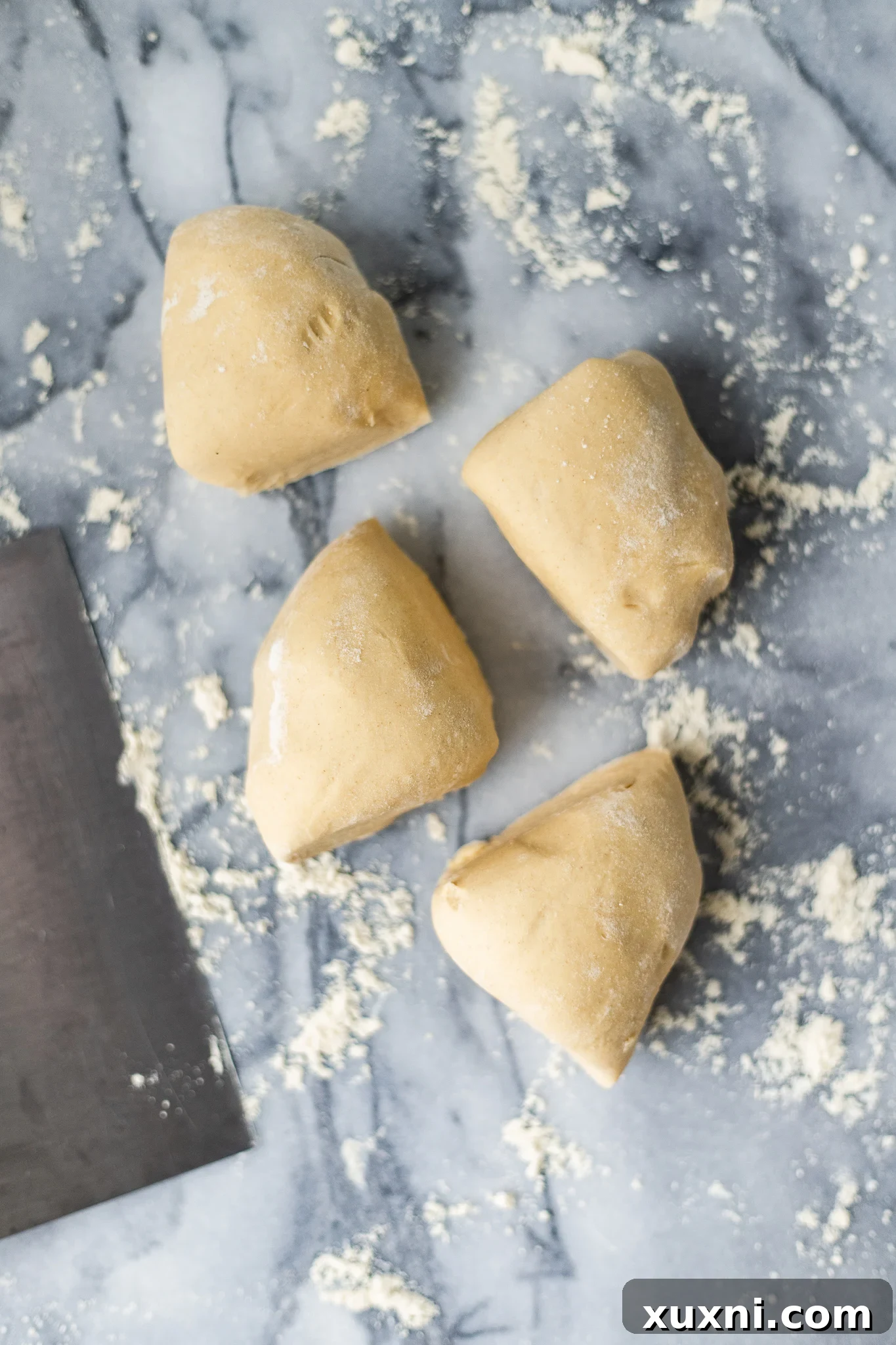
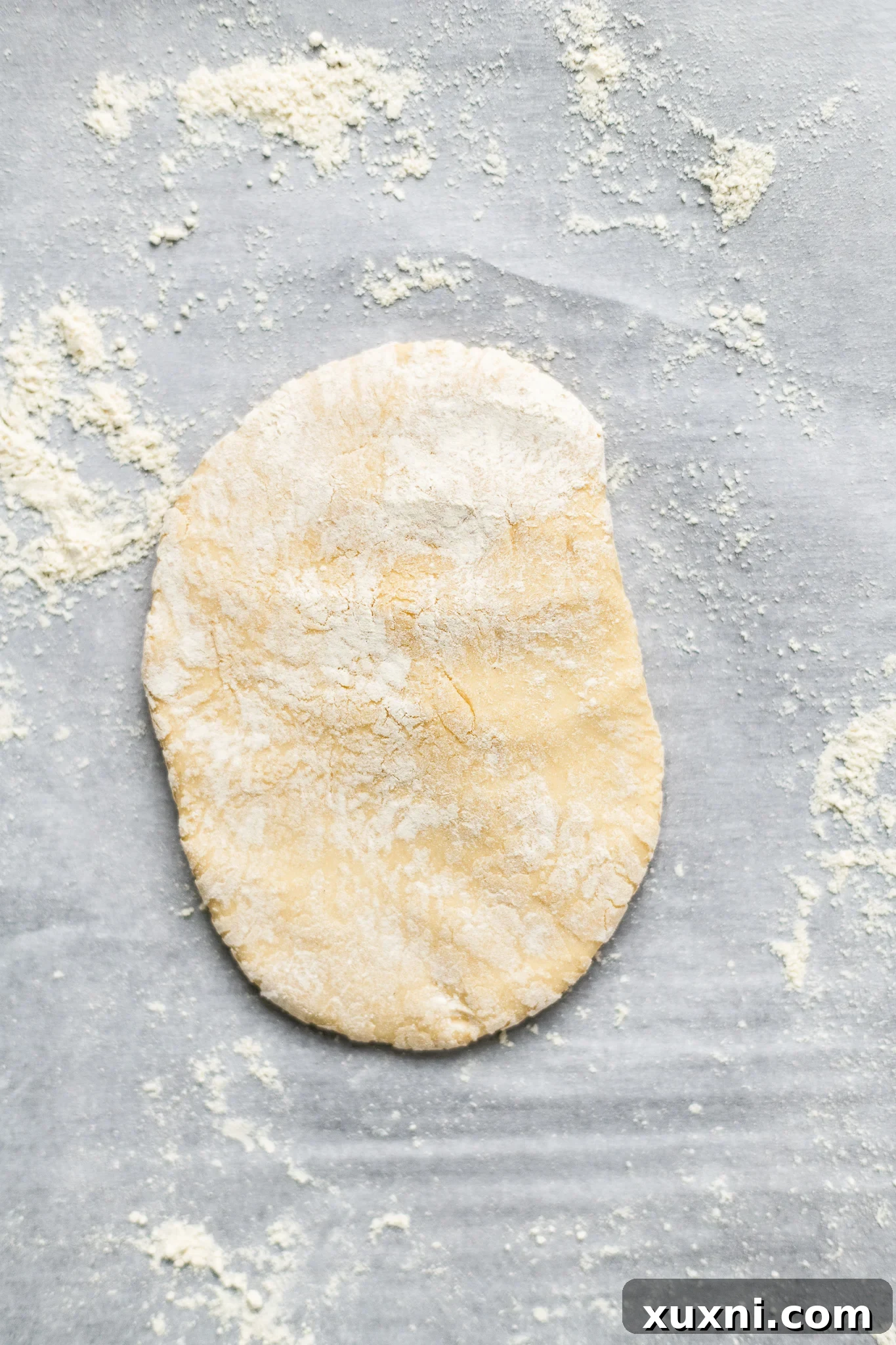
- Divide and Prepare for Rolling: Once your dough is perfectly smooth, divide it into four equal sections. This makes the rolling process more manageable. Take one section, leaving the others covered to prevent drying, and gently flatten it into a rough rectangle. Lightly dust your work surface and the dough itself with flour to prevent any sticking during the next steps.
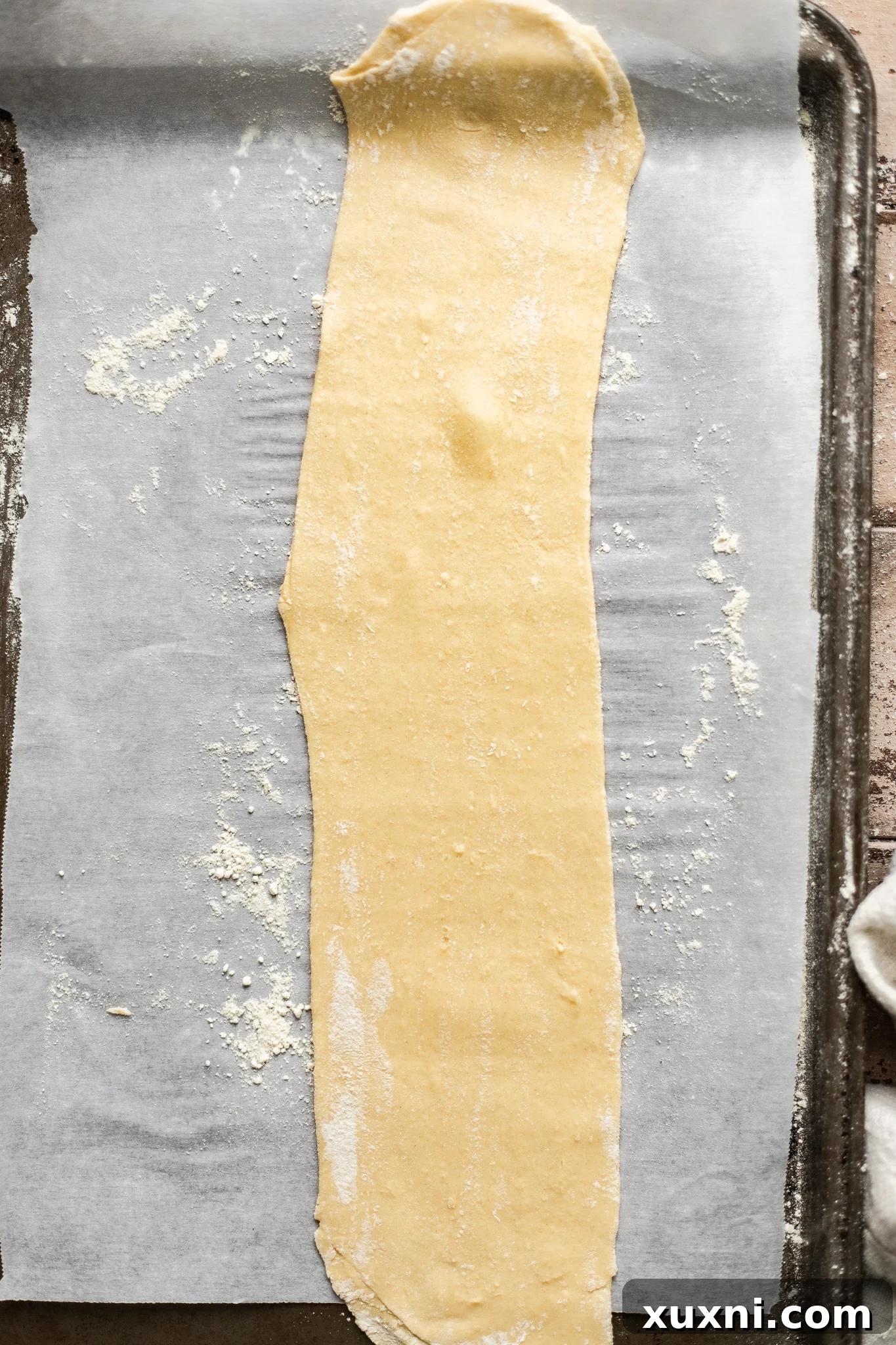
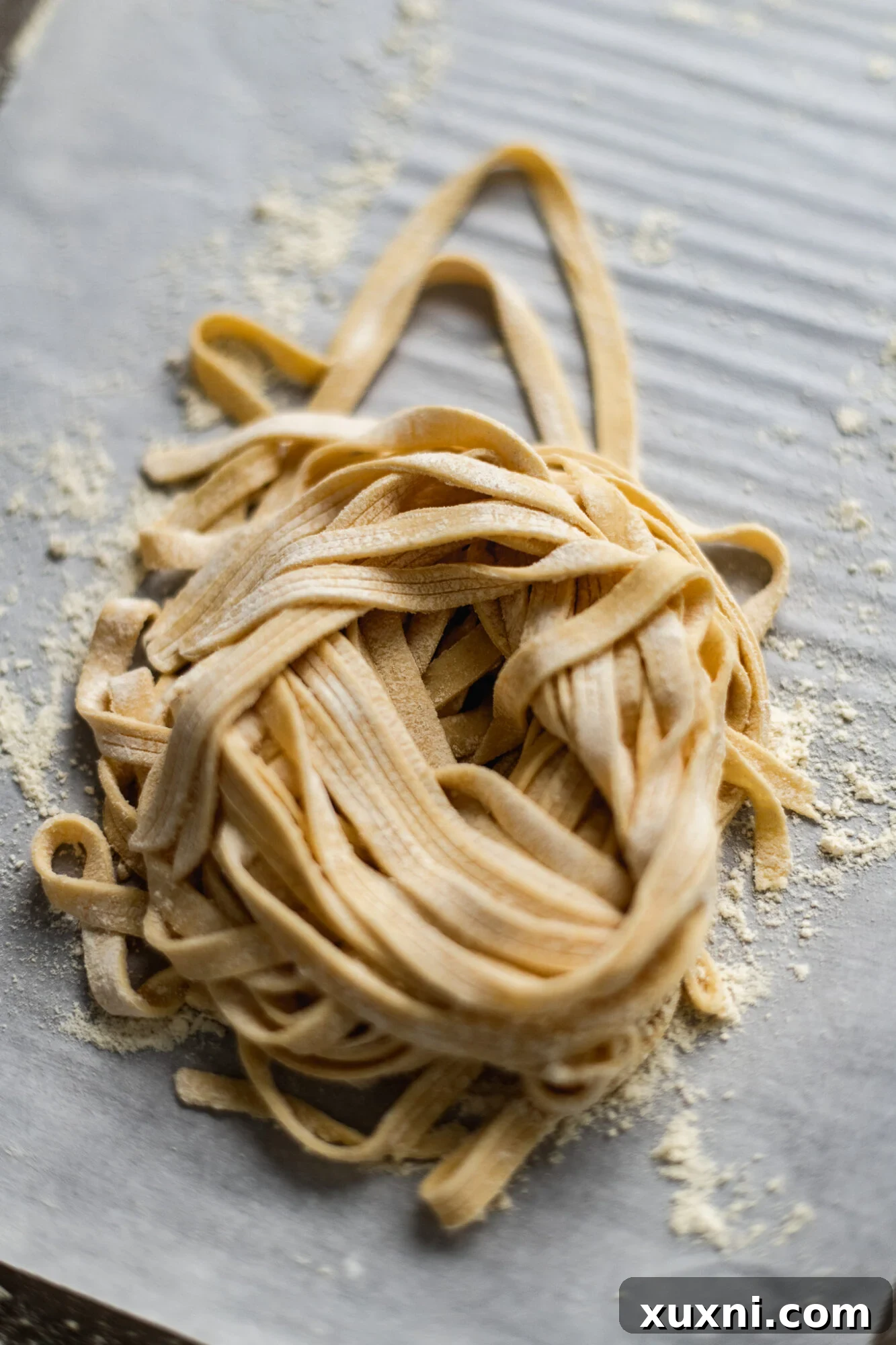
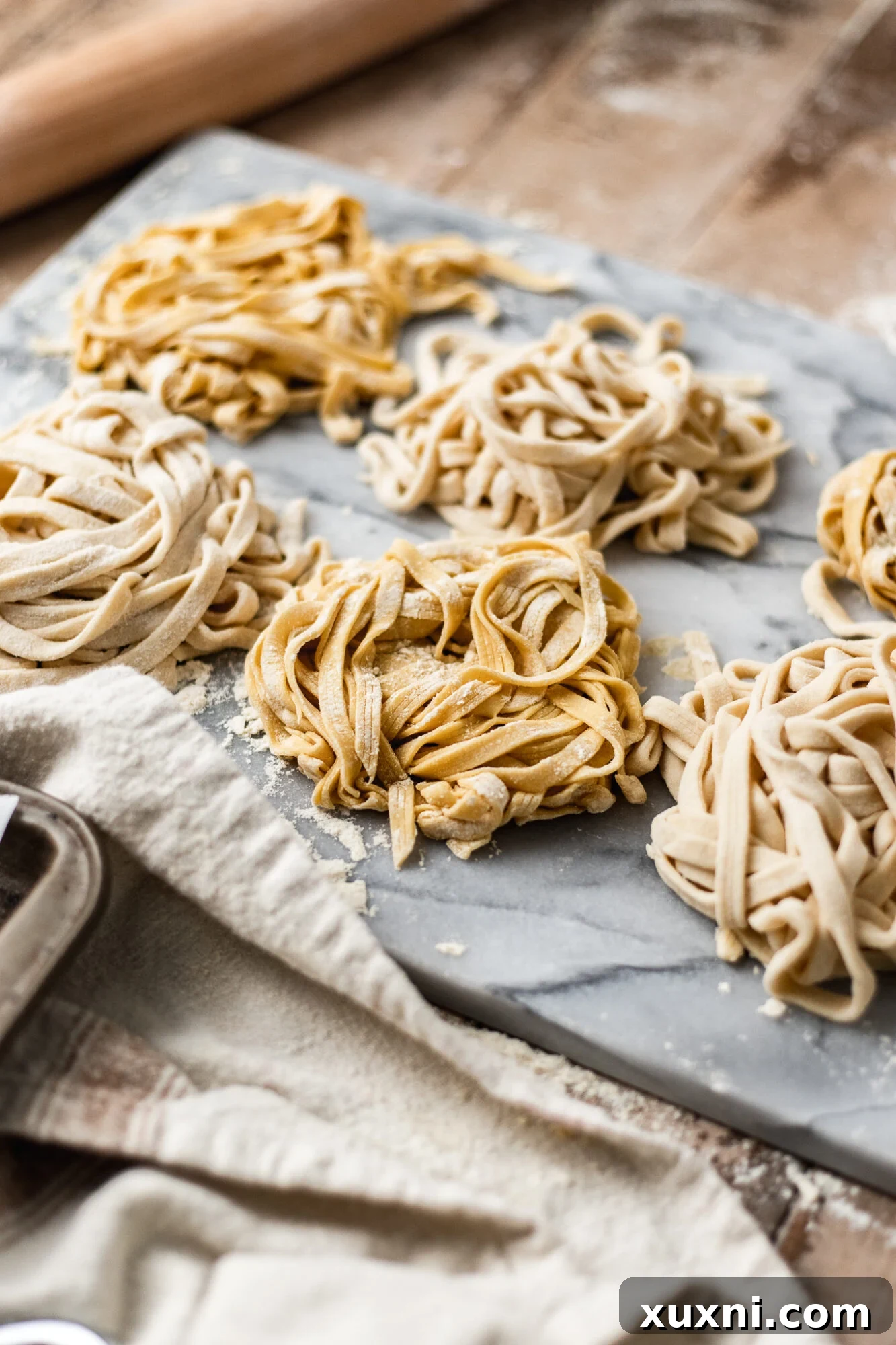
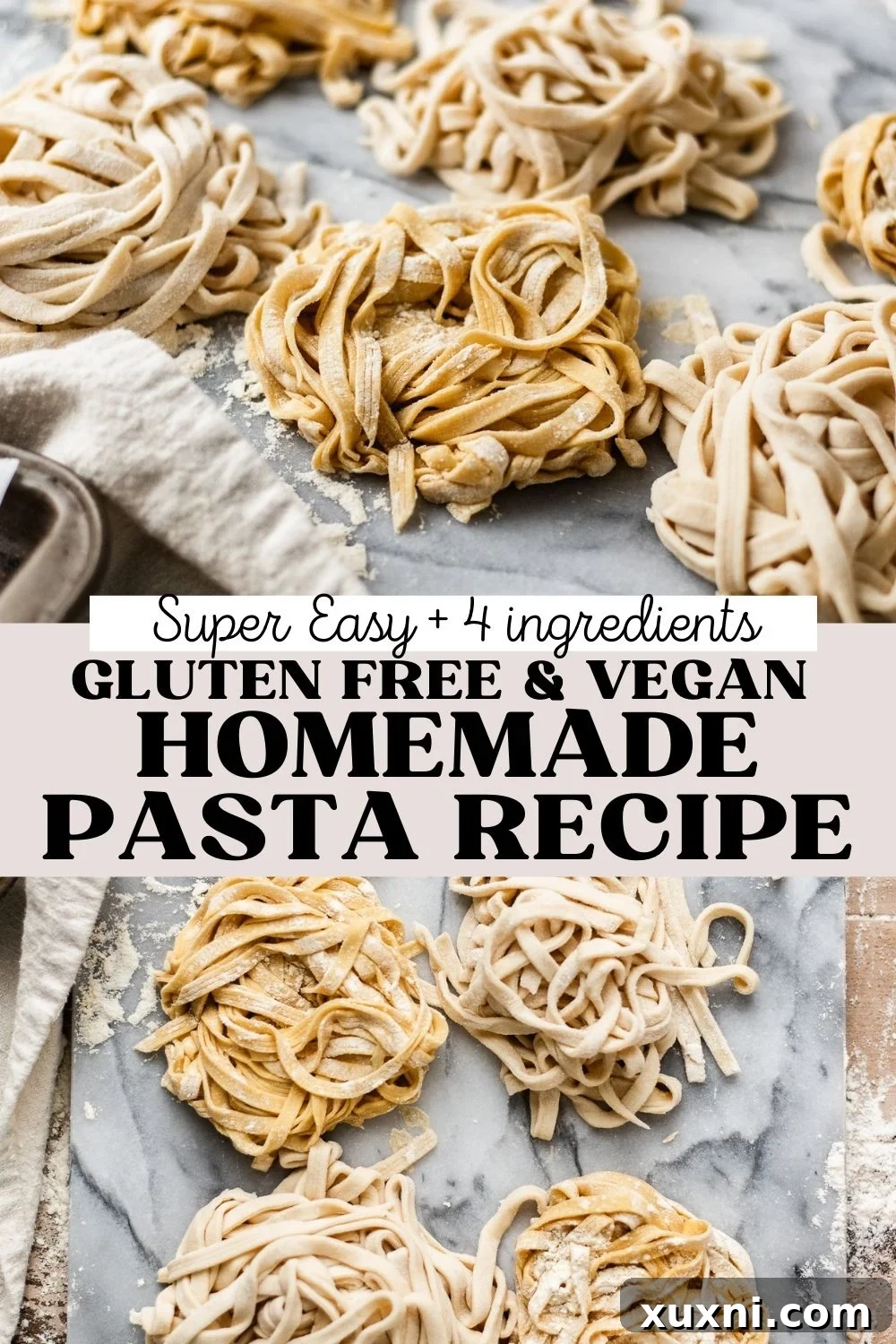
- Roll and Cut with a Pasta Machine: Set your pasta machine to its widest setting (usually ‘0’ or ‘1’). Pass one section of dough through. Fold the dough in half or thirds, rotate it, and pass it through again. Repeat this folding and rolling process several times on the widest setting, lightly flouring as needed, until the dough is smooth and uniform. Then, progressively reduce the machine’s thickness settings, passing the dough through each setting once or twice, until you reach your desired pasta thickness (typically settings ‘3’ or ‘4’ for most pasta types). Finally, change the machine attachment to your desired noodle cutter (fettuccine, spaghetti, or tagliatelle) and carefully feed the floured dough sheets through to create your fresh pasta strands. Gather the noodles and form them into small, loose “nests” on a floured surface to prevent sticking.
- Boil Your Fresh Pasta: Once all your pasta has been shaped, bring a large pot of salted water to a rolling boil. Carefully add the fresh pasta to the boiling water. Remember, homemade fresh pasta cooks significantly faster than dried pasta. It typically only needs 3-5 minutes to reach a perfect al dente texture. Taste a strand to confirm doneness. Drain immediately, reserving a small amount of the starchy pasta water to emulsify your sauce. Your fresh, homemade vegan pasta is now ready to be tossed with your favorite sauce and enjoyed!
Do You Really Need a Pasta Machine for Fresh Homemade Pasta?
While a pasta machine certainly simplifies the rolling and cutting process, especially when aiming for uniform thickness and shape, it’s absolutely not a prerequisite for making delicious fresh homemade pasta. For those who frequently indulge in pasta making or are keen to explore different pasta shapes with ease, a pasta machine can be a worthwhile investment. It truly streamlines the process, transforming a potentially time-consuming task into a quick and enjoyable one. This is particularly advantageous for gluten-free pasta enthusiasts, as it allows for precise control over the dough’s consistency and the quality of ingredients, ensuring the best possible texture.
However, if you’re an occasional pasta maker or simply prefer a more traditional, hands-on approach, you can easily achieve wonderful results without a machine. The key lies in your rolling pin and a sharp knife. You’ll simply need to devote a bit more time and effort to rolling the dough thinly and evenly. A great technique involves folding the dough repeatedly, similar to how one might prepare puff pastry, to build layers and achieve a smooth texture before thinly slicing it into your desired noodle shape. Remember, the most important tip for hand-rolling is to generously flour your work surface and your rolling pin to prevent sticking and ensure a smooth, effortless glide.
There are many excellent resources available, including video tutorials, that demonstrate the art of hand-rolling pasta with impressive results. With a bit of practice and patience, you’ll be creating beautiful, rustic pasta strands that carry the unique charm of a truly handmade meal. So, whether you opt for the convenience of a machine or the satisfaction of hand-rolling, fresh homemade pasta is well within your reach!
Making Your Homemade Pasta Gluten-Free
Transforming this homemade vegan pasta into a gluten-free delight is remarkably simple and doesn’t compromise on flavor or texture. For those seeking a lower gluten option rather than a strictly gluten-free one (for example, individuals with mild gluten sensitivity but not Celiac Disease), Einkorn flour is an excellent choice. Einkorn is an ancient variety of wheat, distinct from modern wheat. It boasts a significantly lower gluten content and is richer in certain minerals, offering a healthier, more easily digestible alternative for many. While it contains gluten, its unique protein structure can be more tolerable for some.
However, for a truly homemade gluten-free pasta that is safe for individuals with Celiac Disease or a severe gluten allergy, you must use a dedicated gluten-free 1:1 baking flour blend. My top recommendation is Bob’s Red Mill Gluten-Free 1-to-1 Baking Flour (the one in the blue bag). This blend is specifically formulated to mimic the properties of wheat flour, and critically, it contains xanthan gum. Xanthan gum acts as a binder, providing the necessary elasticity and structure that gluten typically offers, which is essential for preventing your pasta dough from becoming crumbly or fragile. When working with gluten-free dough, you may find it slightly less elastic than traditional wheat dough, but with careful handling and generous flouring, it will yield beautifully tender and delicious pasta.
Storing Your Fresh Pasta: Freezing and Refrigeration Tips
One of the many advantages of making fresh pasta is its versatility, extending to how you can store it for future meals. Absolutely, you can freeze fresh pasta dough! This makes meal prepping a breeze and ensures you always have delicious, homemade pasta on hand. For optimal results, I highly recommend rolling and shaping your pasta into its final form (whether it’s fettuccine, spaghetti, or even filled pasta like ravioli) before freezing. Fresh dough is significantly easier to work with than frozen dough, making this pre-shaping step a game-changer.
To freeze your freshly made pasta in elegant “nests”:
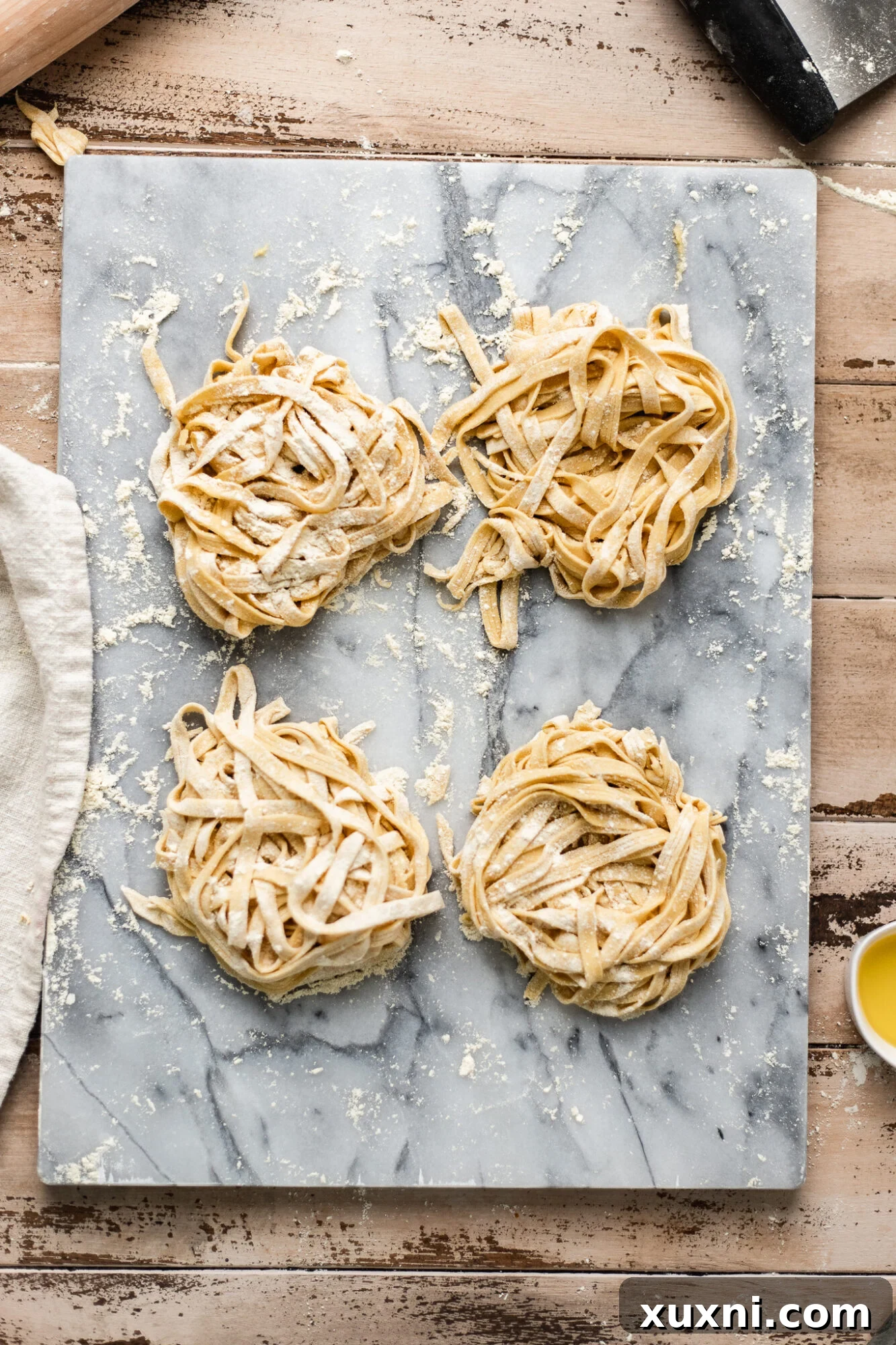
- Dust each pasta nest thoroughly with flour to prevent sticking.
- Carefully wrap each individual nest in plastic wrap, ensuring it’s sealed but not so tightly that it squishes the delicate shape of the noodles.
- Place the wrapped pasta nests into an airtight freezer-safe bag or container. This extra layer of protection helps prevent freezer burn.
- Store in the freezer for up to 3 months. When ready to use, you can usually cook frozen pasta directly from the freezer, adding an extra minute or two to the boiling time.
If you’re planning to use your homemade pasta within a day or two, refrigeration is a perfect option. Simply follow the same wrapping method as described for freezing (dusting with flour and wrapping tightly in plastic wrap) and then store it in the refrigerator. This allows the pasta to retain its freshness and prevents it from drying out, ready for your next culinary creation.
Inspired Vegan Pasta Dishes Featuring Your Homemade Creation
Once you’ve crafted your beautiful homemade vegan pasta, the culinary possibilities are endless! It’s time to complete your wholesome vegan Italian dinner with a complementary sauce. Of course, the simple elegance of a classic tomato sauce, generously topped with your favorite vegan cheese (Miyoko’s and Violife are fantastic choices!), is always a delightful option. But homemade pasta invites creativity, and your meals certainly don’t have to be boring!
Here are some of my top picks for easy and incredibly delicious vegan pasta recipes that pair exceptionally well with your freshly made eggless pasta:
- Vibrant Vegan Pesto Pasta: Toss your fresh noodles with a bright, herbaceous homemade vegan pesto for a quick and flavorful meal.
- Creamy Vegan Fettuccine Alfredo: Indulge in a rich, dairy-free Alfredo sauce that clings perfectly to your fresh fettuccine strands.
- Hearty Pasta con Broccoli: A wholesome and satisfying dish featuring tender broccoli florets and a savory sauce.
- Savory Garlic Sage Sauce: Adapt the exquisite garlic sage sauce from our vegan sweet potato gnocchi recipe to coat your fresh pasta for an aromatic experience.
- Comforting Vegan Pumpkin Pasta: Perfect for autumn, this creamy, spiced pumpkin sauce offers warmth and unique flavor.
- Quick Creamy Vegan Mushroom Pasta: A rich and earthy dish, elevated with fresh spinach and a velvety mushroom sauce.
- Fresh Spring Pea and Asparagus Pasta: Celebrate spring with this light, bright, and healthy pasta dish bursting with seasonal vegetables.
For those times when you crave ultimate simplicity, a rustic preparation is simply divine. Cook your fresh pasta, then sauté it gently with roasted cherry tomatoes, fragrant fresh basil, a drizzle of high-quality olive oil, and a pinch of sea salt. This minimalist approach allows the exquisite flavor and texture of your homemade pasta to truly shine.
Save This Incredible Recipe for Later!
Don’t let this fantastic eggless vegan pasta recipe slip away! Add it to your favorite recipe board on Pinterest so you can easily find it whenever a craving for fresh, homemade pasta strikes. It’s the perfect addition to your collection of plant-based culinary masterpieces!
If you try this recipe, we’d love to hear from you! Please be sure to leave a comment and a rating ⭐️⭐️⭐️⭐️⭐️ below to help other home cooks discover this amazing dish. And as always, we adore seeing your beautiful culinary creations! Don’t forget to tag us on Instagram and Pinterest – use #thebananadiaries so we can admire your work!
4-Ingredient Homemade Fresh Pasta – Eggless & Vegan!
★★★★★
5 from 2 reviews
- Author: Britt Berlin
- Prep Time: 20 minutes
- Cook Time: 5 minutes
- Total Time: 25 minutes
- Yield: 4 servings
- Category: Dinner
- Method: Stovetop
- Cuisine: Italian
- Diet: Vegan
Description
This fresh homemade pasta dough is entirely eggless and easily gluten-free, made with just a few simple pantry staple ingredients! Use this versatile fresh pasta dough in any of your favorite vegan pasta recipes for an incredibly delicious and wholesome dinner.
Ingredients
For Homemade Vegan Pasta with Water:
- 2 cups (250 g) 00 flour, einkorn flour, all-purpose flour, or gluten-free 1:1 baking flour*
- 2/3 cup (160 mL) water
- 2 tsp olive oil
- 1/4 tsp sea salt
For Homemade Vegan Pasta with Dairy-Free Yogurt:
- 2 cups (250 g) 00 flour, einkorn flour, all-purpose flour, or gluten-free 1:1 baking flour*
- 2/3 cup (160 g) dairy-free yogurt or vegan sour cream (such as Forager Project, room temperature, unsweetened)
- 2 tsp olive oil
- 1/4 tsp sea salt
Instructions
- Before You Begin: Please read through all instructions completely. For the freshest taste and best texture, this pasta is ideal when cooked immediately after making. However, it can be stored tightly wrapped if needed.
- Preparation: Choose your preferred pasta variation (water or dairy-free yogurt) and accurately measure all ingredients. Ensure your work surface is impeccably clean and ready for dough handling.
- Making the Dough: In a large bowl, whisk together the chosen flour and sea salt. Incorporate the olive oil and either water or dairy-free yogurt. Mix with a fork until the ingredients are mostly combined. The mixture will initially appear crumbly, but persistence is key.
- Kneading the Dough: Transfer the nearly combined dough onto a lightly floured surface. Knead continuously for approximately 8-10 minutes until the dough becomes perfectly smooth, elastic, and uniform in texture. This step is vital for developing the pasta’s structure.
- Shaping the Pasta (Machine Method): Divide the dough into four equal sections. Keep three sections covered to prevent drying. Take one section and gently flatten it. Set your pasta maker to its widest setting (usually ‘0’). Pass the dough through. Fold the dough in half or thirds, lightly flour it, and pass it through the widest setting again. Repeat this several times. Then, gradually decrease the thickness settings, passing the dough through each setting once or twice, lightly flouring each time, until you reach your desired pasta thickness (e.g., setting ‘3’ or ‘4’). Finally, use the fettuccine or spaghetti attachment to cut the noodles. Form the fresh pasta into small, loose nests on a well-floured surface. Repeat for the remaining dough sections. Each section should take roughly 5 minutes to process.
- Cooking the Pasta: Bring a large pot of generously salted water to a rolling boil. Carefully add the homemade fresh pasta. Cook for about 3-5 minutes, or until it reaches an al dente texture – firm to the bite but cooked through. Fresh pasta cooks much faster than dried, so keep a close eye on it. Drain the pasta, remembering to reserve about a half cup of the starchy pasta water to help emulsify your sauce. Serve immediately with your favorite sauce, such as cherry tomato sauce or vegan pesto.
- Storage Guidelines: If you’re not cooking the pasta right away, ensure each pasta nest is thoroughly floured. Gently wrap each nest in plastic wrap, securing it well to minimize air exposure without squishing the noodles. Place the wrapped pasta into an airtight plastic bag or container and store it in the freezer for up to 3 months. For use the next day, refrigerate using the same wrapping method.
Notes
Flour Choices and Semolina: Traditionally, pasta often includes semolina flour, which contributes to a firm, chewy texture. While delicious, semolina can sometimes be difficult to find, depending on your region. This recipe is designed to be successful without it. However, if you wish to incorporate semolina flour and it’s available, you can substitute 1 cup (150 g) of semolina flour for 1 cup (125 g) of your regular flour. Please note: Semolina flour is derived from wheat and is not gluten-free, so this substitution is not suitable for gluten-free pasta.
Gluten-Free Adaptation: For a low-gluten option suitable for some with mild sensitivities, Einkorn flour can be used. Keep in mind that Einkorn is a wheat variety and therefore contains gluten, making it unsuitable for individuals with a gluten allergy or Celiac Disease. For a truly gluten-free pasta, this recipe works exceptionally well with a 1:1 gluten-free baking flour blend. I highly recommend Bob’s Red Mill Gluten-Free 1-to-1 Baking Flour (the one in the blue bag), as it typically contains xanthan gum, a crucial ingredient that provides the necessary binding and elasticity for gluten-free dough, helping to prevent it from becoming crumbly.
Dairy-Free Yogurt Selection: When opting for the dairy-free yogurt method, I suggest using an unsweetened, plain variety of cashew milk yogurt, such as Forager Project. I’ve also successfully tested this recipe with Forager Project’s vegan sour cream, which yields a wonderfully rich and tender dough. Ensure your choice is unsweetened to maintain the savory profile of the pasta.