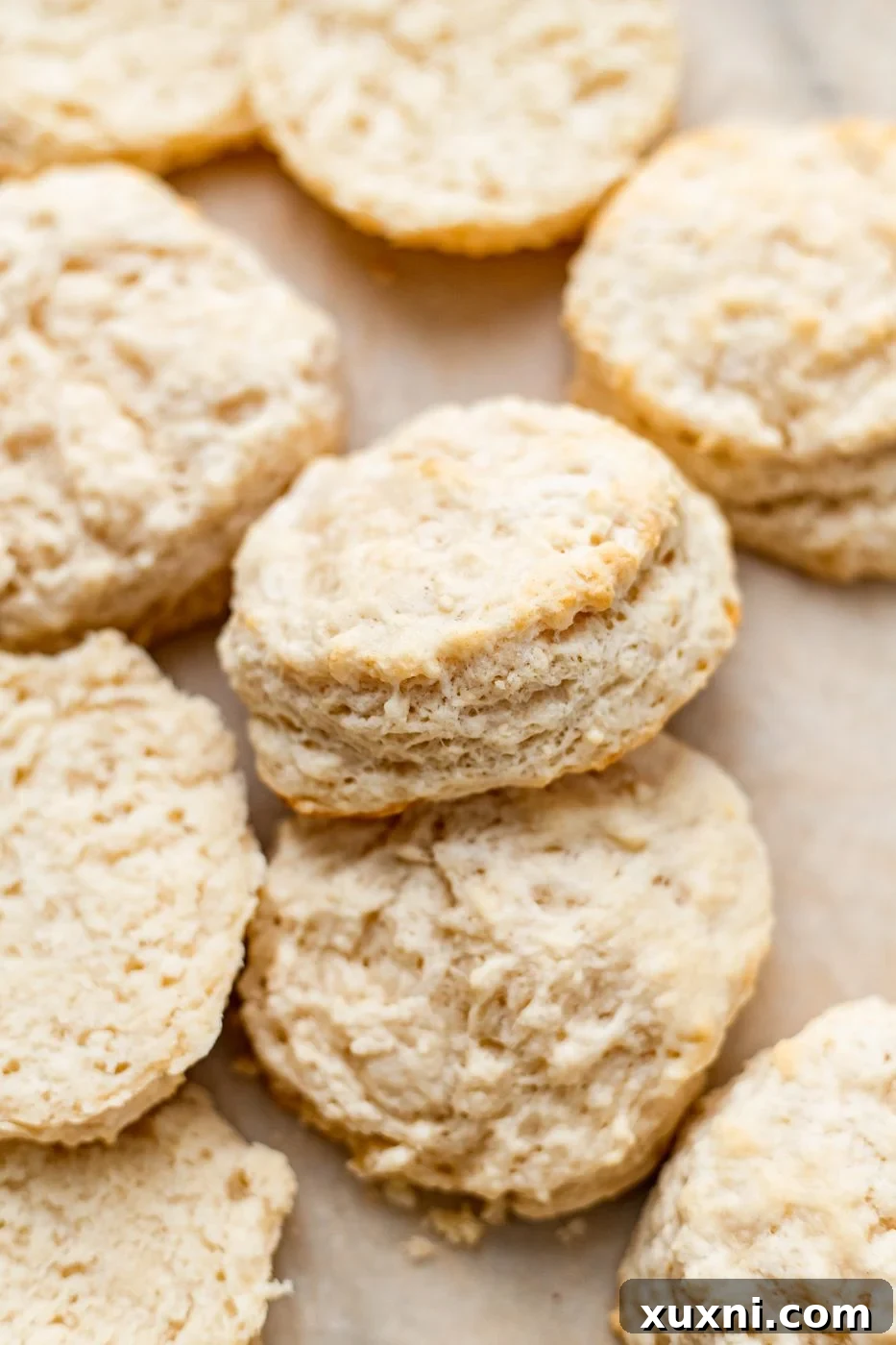
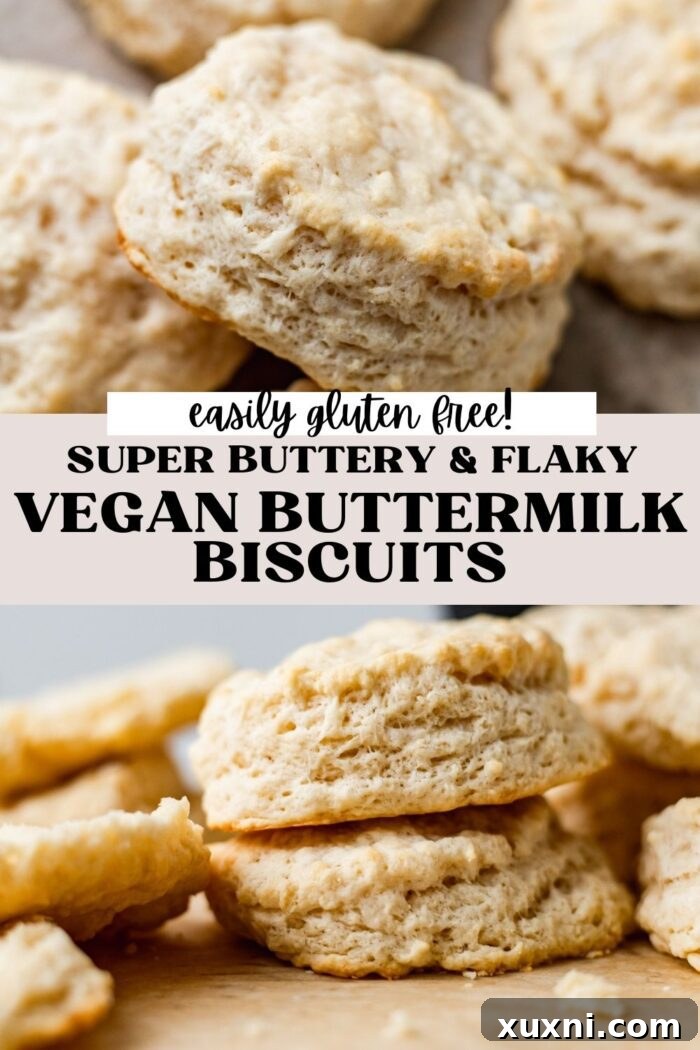
Prepare to experience the ultimate delight of the best “buttery,” exquisitely flaky, and delightfully soft vegan biscuits you’ve ever tasted! This incredible vegan buttermilk biscuit recipe is not only surprisingly easy to whip up but also comes with a fantastic gluten-free option, ensuring that everyone can enjoy their tender, comforting goodness. Forget the often disappointing store-bought versions; this homemade recipe delivers a taste and texture that truly rivals, if not surpasses, the classic dairy-laden biscuits. Whether you’re a seasoned vegan, experimenting with plant-based eating, or simply looking for an exceptionally delicious biscuit, these are guaranteed to be a crowd-pleaser for any occasion.
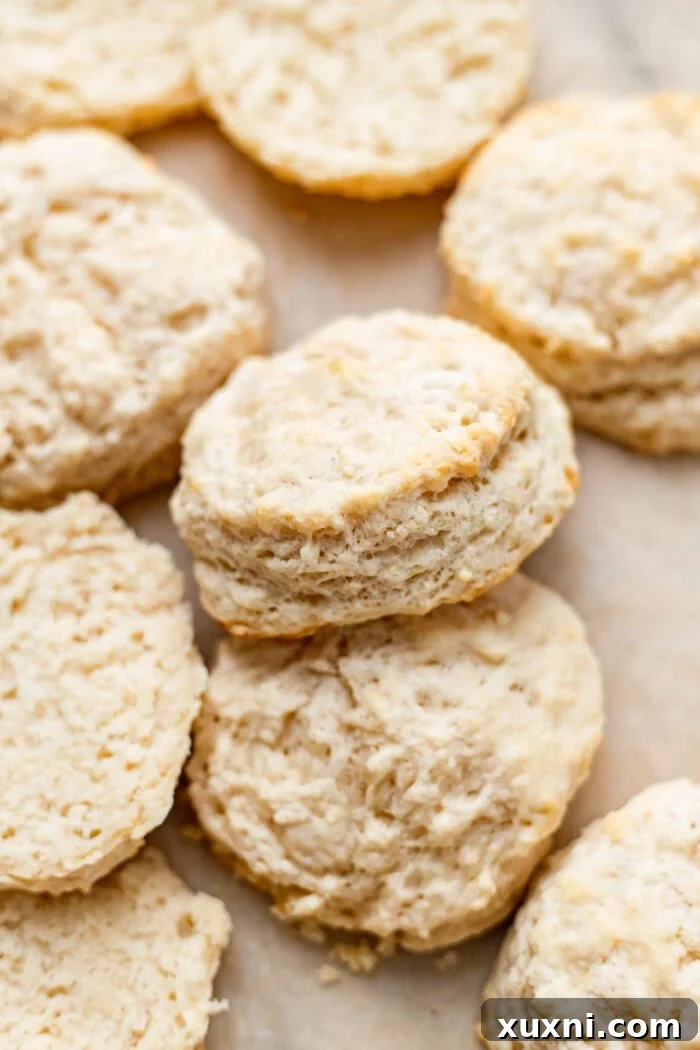
Finding Vegan Biscuits: Store-Bought vs. Homemade Perfection
Embarking on a vegan lifestyle often means meticulously scrutinizing ingredient labels, and biscuits, a beloved comfort food, are no exception. You might be surprised to learn that some commercially available biscuit brands, even popular ones like Pillsbury, can be categorized as “accidentally” vegan. However, a closer look often reveals a compromise in terms of ingredient quality, nutritional value, and the ever-present concern of potential cross-contamination.
For those times when you’re in a pinch, here are a few commercially available biscuit options that have been noted as *accidentally* vegan. It is absolutely crucial to always double-check the ingredient label, as product formulations can change without notice. Furthermore, be mindful that these products are typically not marketed as vegan and may be produced on shared equipment with dairy or other animal products:
- Pillsbury Southern Homestyle Buttermilk Biscuit (and certain other Pillsbury varieties – thorough label verification is essential for hidden dairy or animal-derived ingredients)
- Annie’s Organic Flaky Biscuits
- Immaculate Organic Flaky Biscuits
A Word of Caution: While these products might not list animal-derived ingredients in their primary composition, they are generally not certified vegan. This means there’s a possibility of cross-contamination with allergens like milk or eggs during the manufacturing process. For individuals with severe allergies or those adhering to a strict vegan diet, this is a significant factor to consider.
Beyond the potential for unwanted traces of animal products, the ingredient lists for many store-bought biscuits can be quite extensive and often include a variety of processed additives, preservatives, and artificial flavors. To illustrate, consider a typical ingredient breakdown found on many commercial biscuit products:
ENRICHED FLOUR BLEACHED (WHEAT FLOUR, NIACIN, FERROUS SULFATE, THIAMIN MONONITRATE, RIBOFLAVIN, FOLIC ACID), WATER, PALM AND SOYBEAN OIL, SUGAR, PALM KERNEL OIL, BAKING POWDER (SODIUM ACID PYROPHOSPHATE, BAKING SODA, SODIUM ALUMINUM PHOSPHATE). CONTAINS 2% OR LESS OF: DEXTROSE, SALT, POTASSIUM CHLORIDE, XANTHAN GUM, NATURAL AND ARTIFICIAL FLAVOR.
(This example ingredient list is representative of what can be found on commercial biscuit product pages, such as Pillsbury’s website)
While the convenience of a ready-made biscuit might be tempting, the extensive list of ingredients, including various oils, stabilizers, and artificial components, often leads to a less wholesome product. This is precisely why I wholeheartedly advocate for making your own vegan biscuits from scratch. It’s a profoundly rewarding experience that grants you complete transparency and control over every ingredient. Furthermore, these homemade vegan biscuits are surprisingly quick to prepare – often ready to enjoy in just under 30 minutes – and their superior taste, texture, and natural goodness truly make them an unparalleled choice. You’ll achieve that irresistible classic biscuit taste without any compromises on quality or health.
Key Ingredients for Perfect Vegan Buttermilk Biscuits & Smart Substitutions
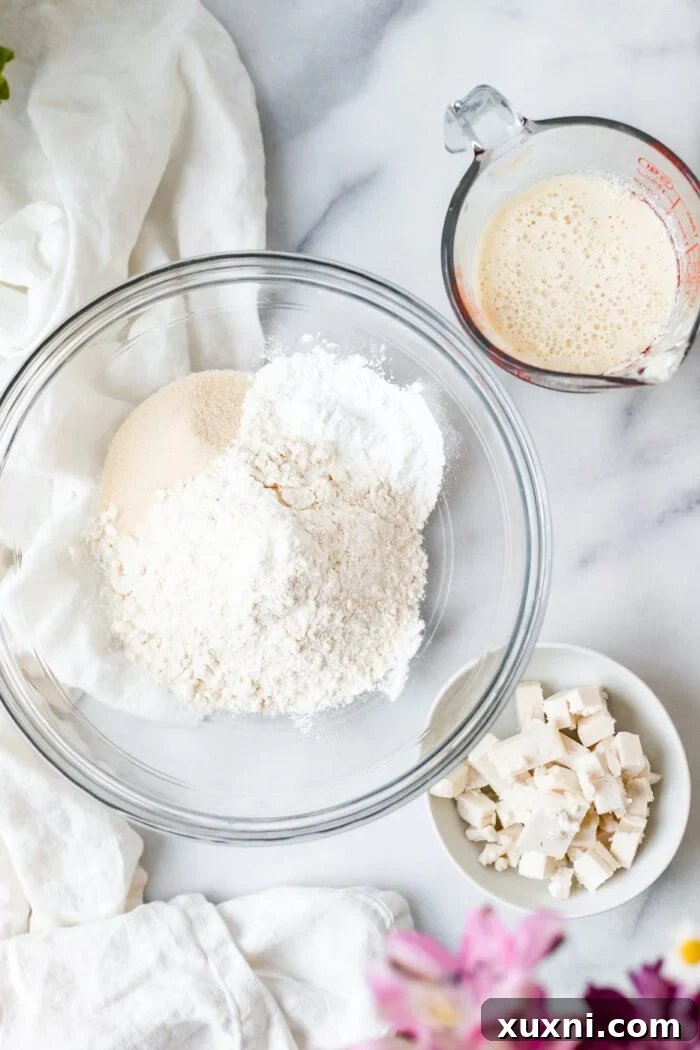
The journey to crafting the perfect vegan biscuit begins with understanding and selecting the right ingredients. Each component plays a vital role in achieving that coveted flaky, tender, and “buttery” texture that makes biscuits so irresistible. Here’s a detailed look at what you’ll need and how to make smart substitutions to suit your dietary needs or pantry availability:
- Vegan Buttermilk: This crucial ingredient is the secret to creating tender, airy biscuits with a subtle tangy flavor. For this recipe, we’ll make our own from scratch. Simply combine your preferred unsweetened plant-based milk with a touch of acid. Soy milk and almond milk are excellent choices, as they curdle beautifully when mixed with either apple cider vinegar or lemon juice, mimicking traditional buttermilk. While oat milk may not curdle as visibly as soy or almond milk due to its different protein structure, the acidity is still present and will react effectively with the baking powder to create lift and tenderness. If you make your own oat milk, it often curdles better than store-bought versions, which can contain stabilizers. Coconut milk, being higher in fat, does not curdle in the same manner and is generally not recommended as a direct buttermilk substitute, though it can be used as a liquid if flavor is your priority (but won’t provide the same acidic reaction for leavening).
- Flour: The structural foundation of your biscuits. The choice of flour profoundly impacts the final texture.
- All-Purpose Flour: For classic, wonderfully tender biscuits, unbleached all-purpose flour is ideal. It provides the perfect balance of protein for structure without making the biscuits tough.
- Gluten-Free 1:1 Baking Flour: For those avoiding gluten, a high-quality 1:1 gluten-free baking flour blend is essential. These blends are specifically formulated to replace wheat flour cup-for-cup and typically contain a mix of different gluten-free flours (like rice flour, sorghum flour) and starches (tapioca starch, potato starch), often with xanthan gum included to provide elasticity and structure that gluten usually offers. Brands like Bob’s Red Mill 1:1 Gluten-Free Baking Flour (the one in the blue bag) or King Arthur’s Gluten-Free Measure for Measure Flour are highly recommended for their consistent, reliable results. Be aware that not all GF blends are created equal; some may result in a gummier or denser texture, so sticking to trusted brands designed for direct substitution is key.
- Oat Flour: A fantastic whole-grain, gluten-free alternative that imparts a slightly nutty flavor and a wonderfully soft texture to your biscuits. If you choose oat flour, it’s often best to measure by weight (grams) for accuracy, as its density can vary. You can make your own oat flour by blending certified gluten-free rolled oats until finely powdered. Be prepared for the dough to be a bit stickier than with wheat flour, requiring a slightly more generous dusting of flour on your work surface.
- Baking Powder: This is your primary leavening agent responsible for giving biscuits their characteristic rise. In this recipe, we rely solely on baking powder (as opposed to a combination of baking soda and powder). The acid present in our homemade vegan buttermilk fully activates the baking powder, ensuring a lofty, fluffy biscuit. Always check the expiration date of your baking powder; old baking powder can significantly reduce the rise.
- Sugar: A small amount of sugar serves multiple purposes: it contributes to the beautiful golden-brown color of the crust, balances the tangy notes from the buttermilk, and adds a subtle sweetness that enhances the overall flavor. Organic granulated sugar is standard, but for a refined sugar-free option, coconut sugar works perfectly, imparting a slightly caramel-like nuance. Do not omit the sugar entirely, as it also plays a minor role in the biscuit’s tender texture.
- Vegan Butter: This ingredient is absolutely critical for achieving that rich, “buttery” flavor and those irresistible flaky layers. The absolute key here is to use *very cold, solid* vegan butter. My personal favorite for vegan baking, and especially for biscuits, is Miyoko’s Kitchen Cultured Vegan Butter. Its firm texture and rich flavor closely mimic traditional dairy butter, yielding exceptional results in terms of flakiness and taste.
- Nut-Free Options: For those with nut allergies, Miyoko’s also offers a vegan oat butter. Other excellent nut-free alternatives include Flora Plant Butter or Earth Balance Baking Sticks. These firm, stick-form vegan butters are designed for baking and provide the necessary fat content and structure.
- Important Distinction: It is imperative to always use vegan butter in stick form, not the softer, spreadable tub margarines or whipped vegan butters. Tub margarines have a much higher water content and different fat composition, which will negatively impact the biscuit’s structure, texture, and ability to form flaky layers, resulting in dense, flat biscuits.
- Salt: Although sometimes overlooked, a pinch of salt is vital for enhancing and balancing all the flavors in your biscuits, preventing them from tasting flat. If you are using unsalted vegan butter, make sure to add about 1/4 teaspoon of fine sea salt to your dry ingredients to ensure optimal flavor.
Step-by-Step Guide to Baking Flaky Vegan Biscuits
Don’t be intimidated by the idea of homemade biscuits; this recipe is designed to be straightforward and immensely rewarding! The full, detailed recipe with exact measurements is provided in the recipe card below, but let’s walk through the essential steps here with comprehensive details and helpful visual cues to ensure your baking success. Trust me, these biscuits are far easier to make than you think and come together surprisingly quickly, yielding impressive results!
- Prepare Your Workspace and Ingredients: Begin by preheating your oven to 425°F (218°C) and lining a standard baking sheet with parchment paper. This preparation ensures even baking and prevents any sticking. It is absolutely crucial to have all your ingredients, especially the vegan butter and vegan buttermilk, thoroughly chilled. Cold ingredients are the bedrock of flaky biscuits. If you haven’t already, prepare your vegan buttermilk by combining your chosen plant milk with either apple cider vinegar or lemon juice and allowing it to sit undisturbed for 5-10 minutes until it visibly curdles.
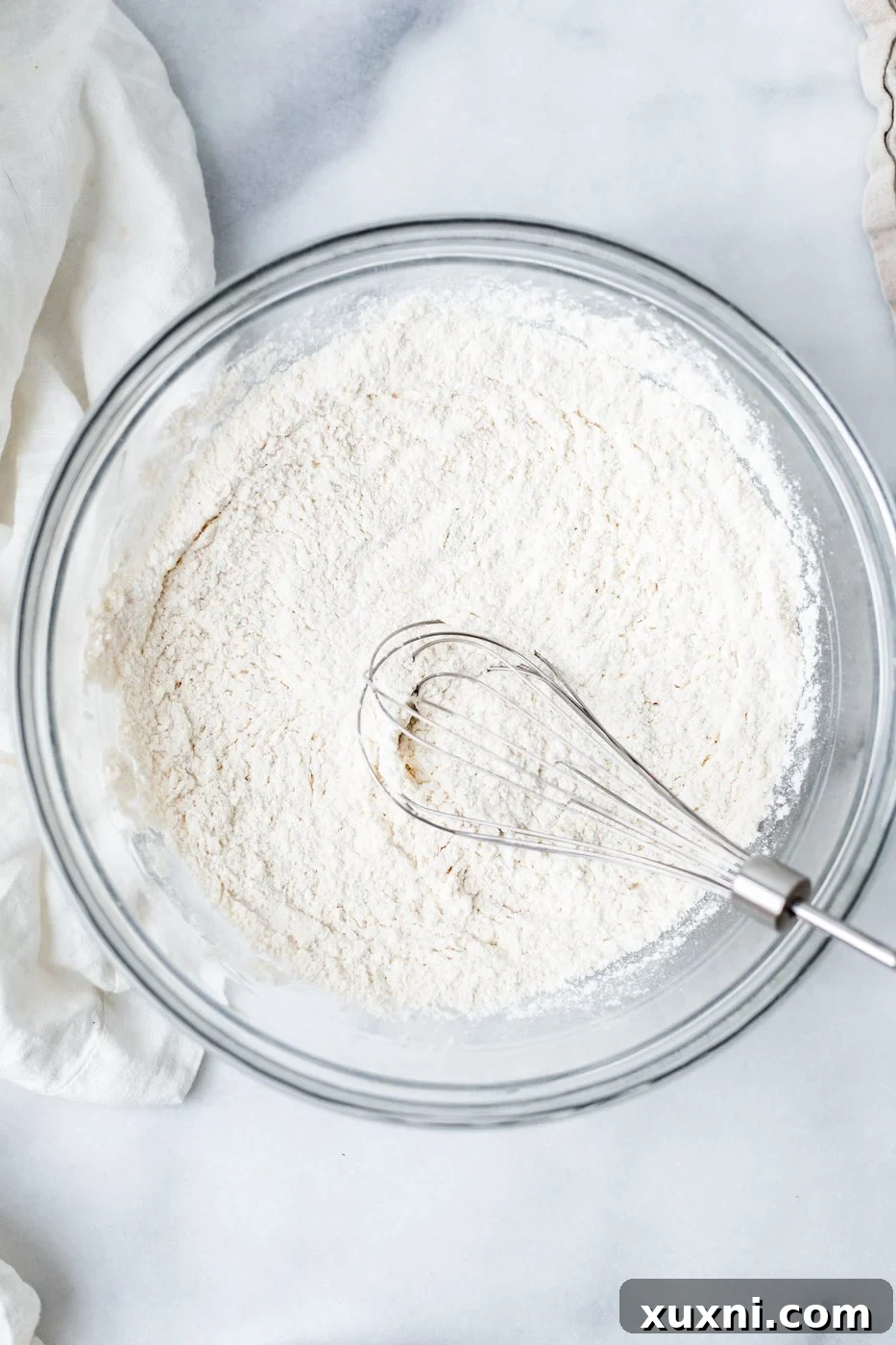
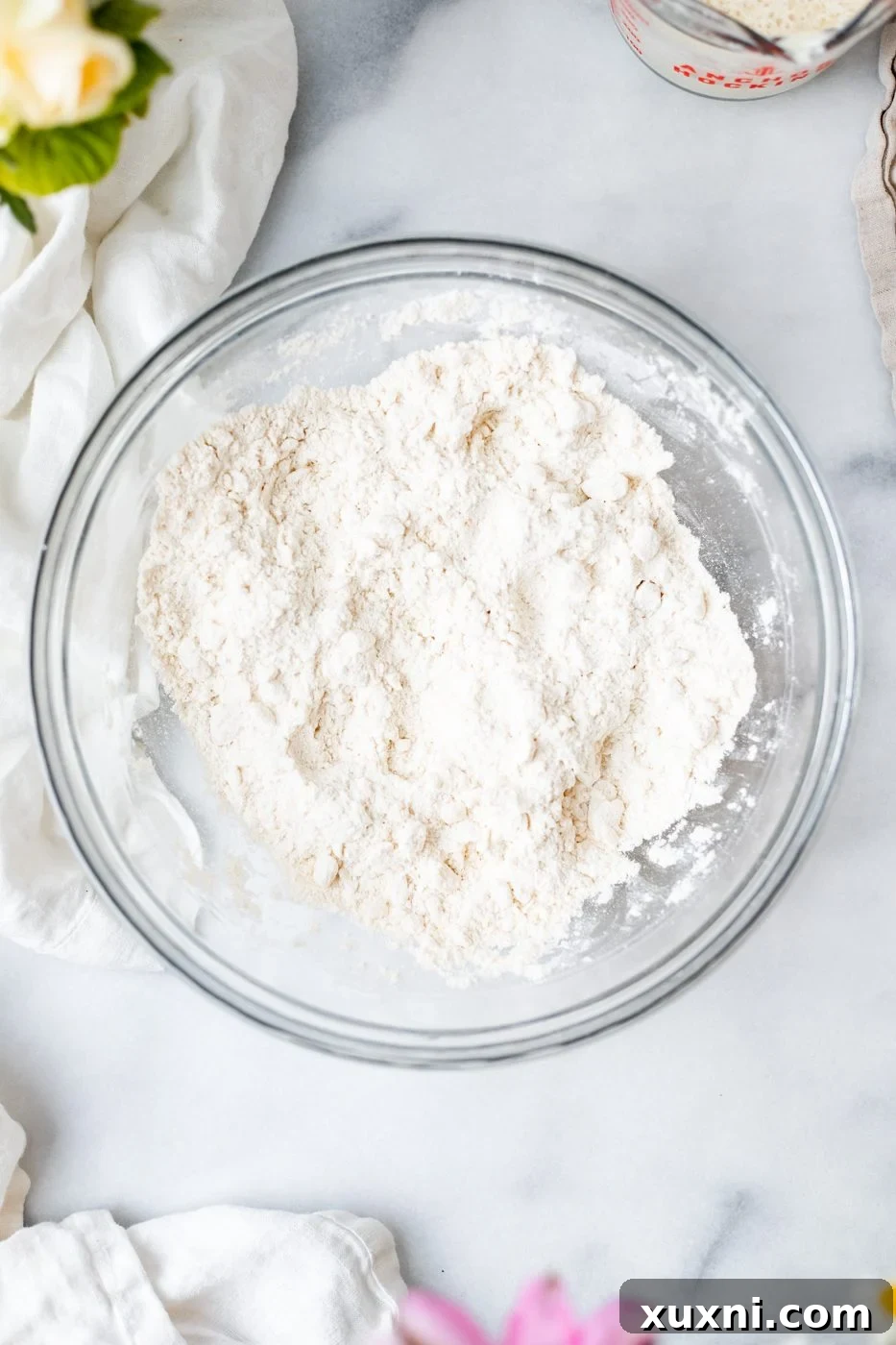
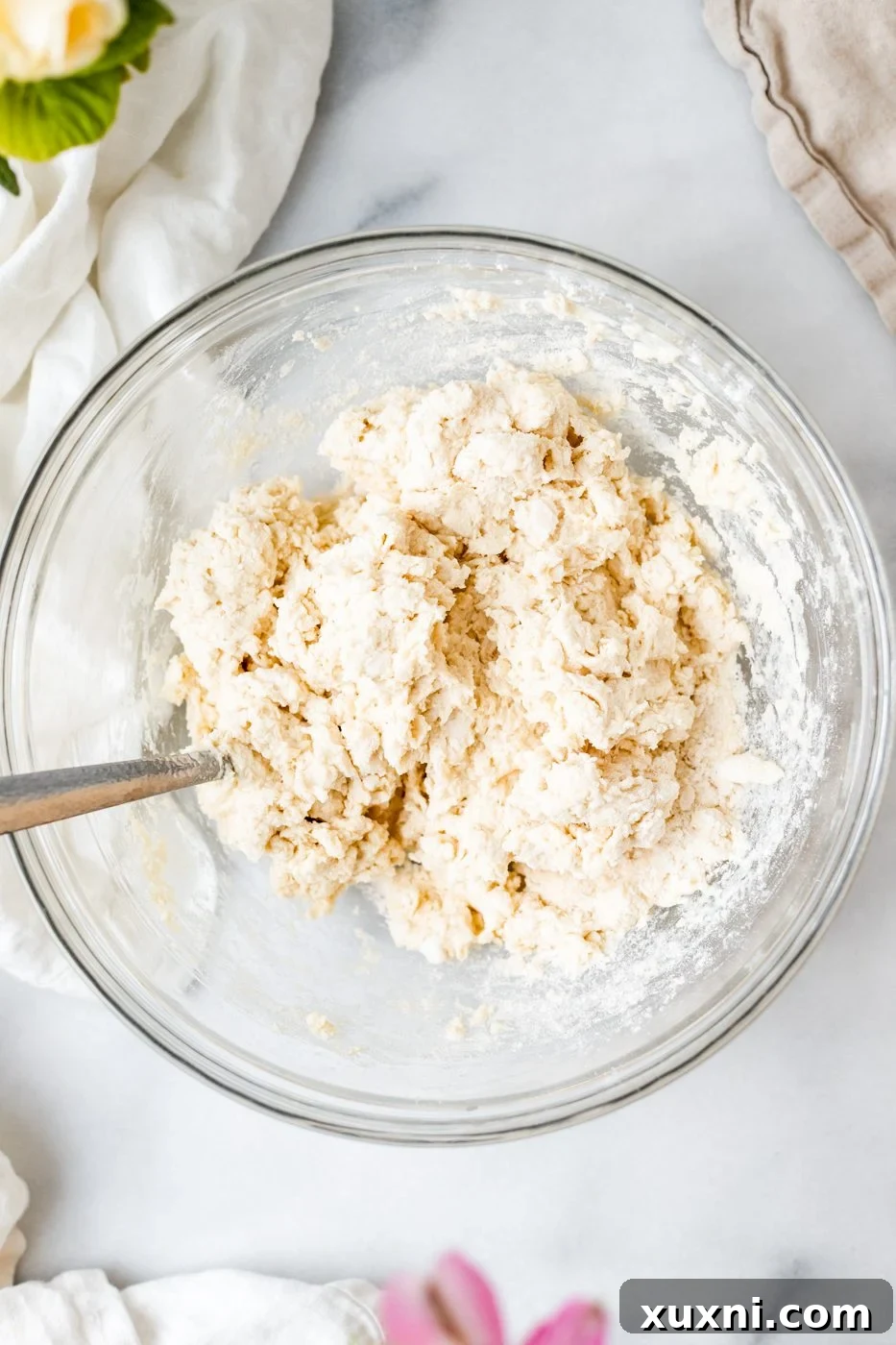
- Create the Perfect Biscuit Dough: In a large mixing bowl, whisk together your dry ingredients: the measured flour (whether all-purpose or your chosen gluten-free blend), granulated sugar (or coconut sugar), arrowroot starch (or cornstarch), and baking powder. Whisk them together thoroughly for about 30 seconds to ensure that the leavening agent and other dry components are evenly distributed throughout the flour. Next, it’s time for the star of flakiness: the very cold, cubed vegan butter. Add the butter to the dry ingredients and, using a pastry cutter, your fingertips, or two forks, work the butter into the flour mixture. The goal is to break the butter down until the mixture resembles coarse sand with some pea-sized pieces of butter remaining. The key is to avoid overworking it, as the warmth from your hands or excessive mixing can melt the butter, which is detrimental to achieving that coveted flaky texture. Once the butter is properly incorporated, gently pour in the cold vegan buttermilk. Using a rubber spatula or your hands, mix the ingredients *just until* they come together to form a shaggy, somewhat crumbly dough. Resist the urge to overmix at this stage; overmixing can develop gluten (even in gluten-free flours, leading to a tough or gummy result) and warm the butter, making your biscuits dense rather than light and airy. Stop mixing as soon as no dry streaks of flour remain.
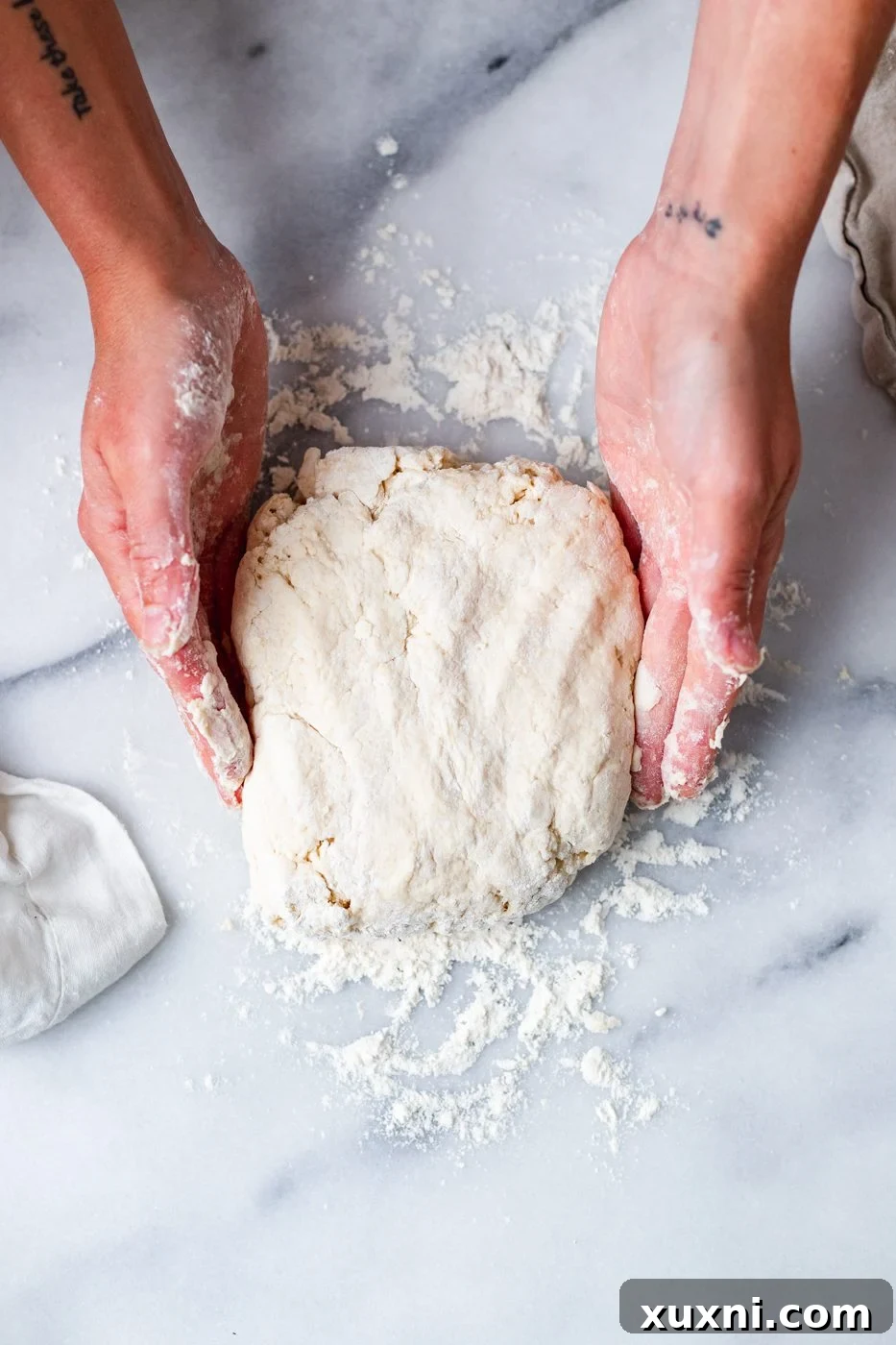
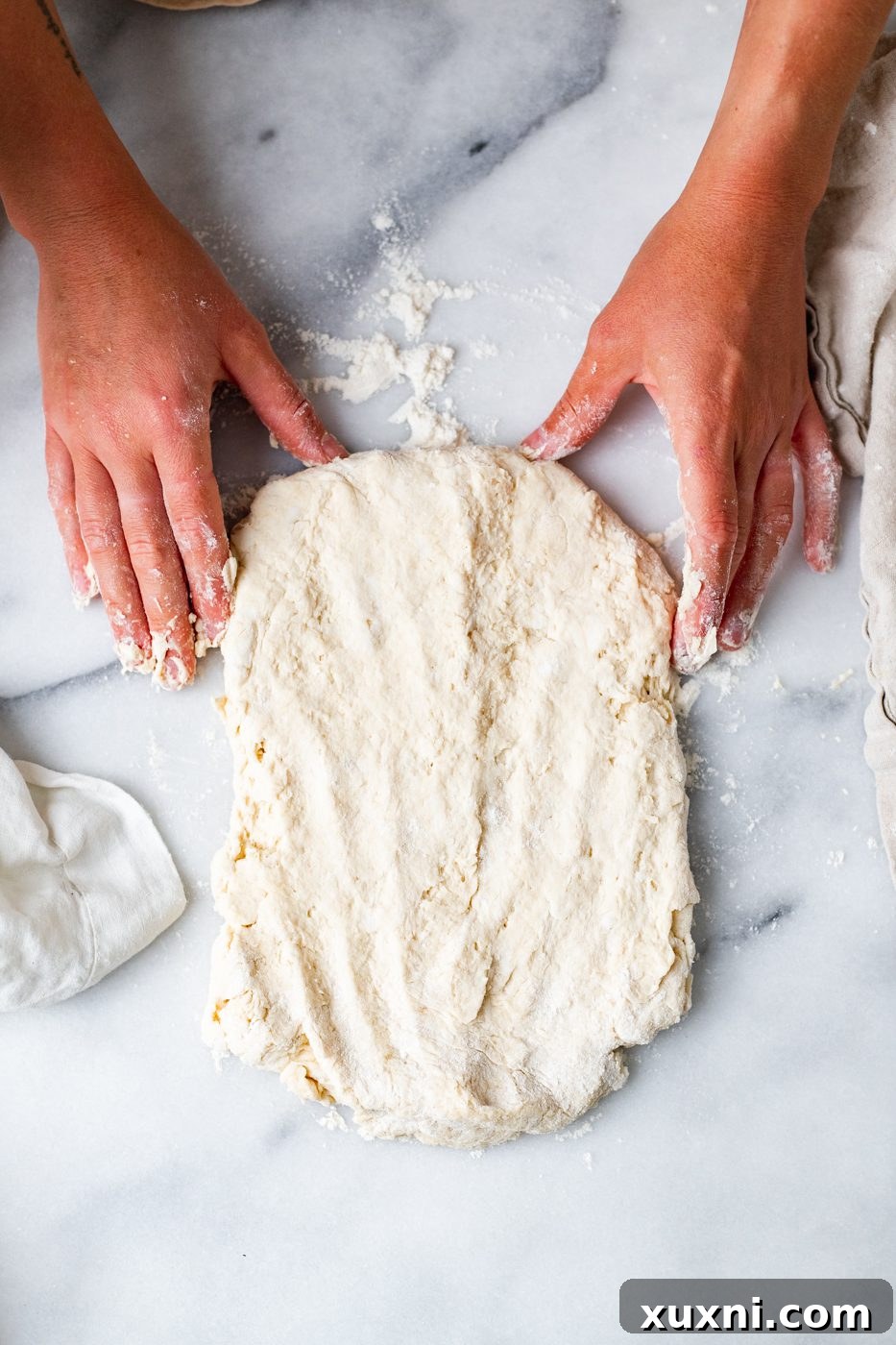
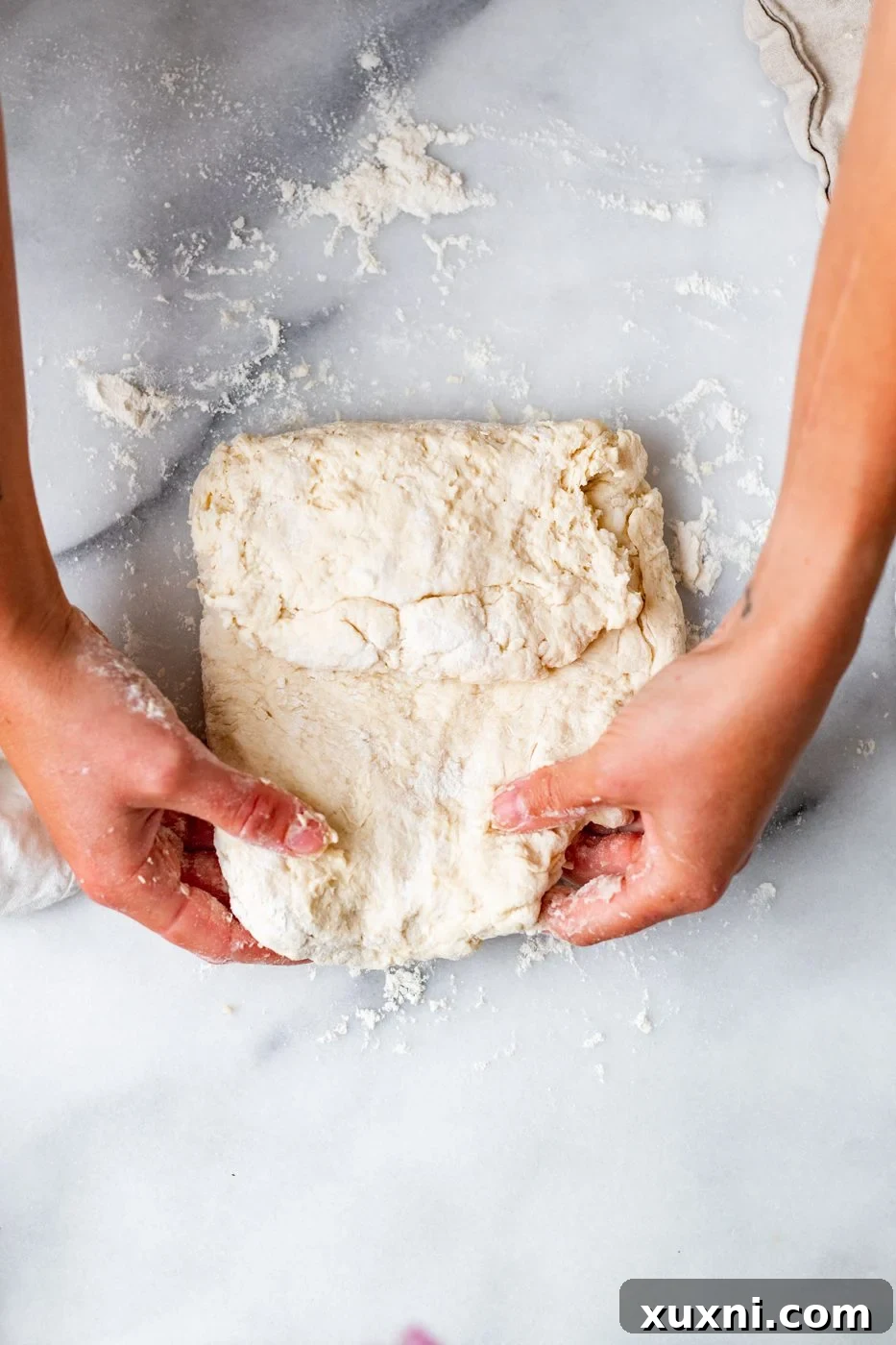
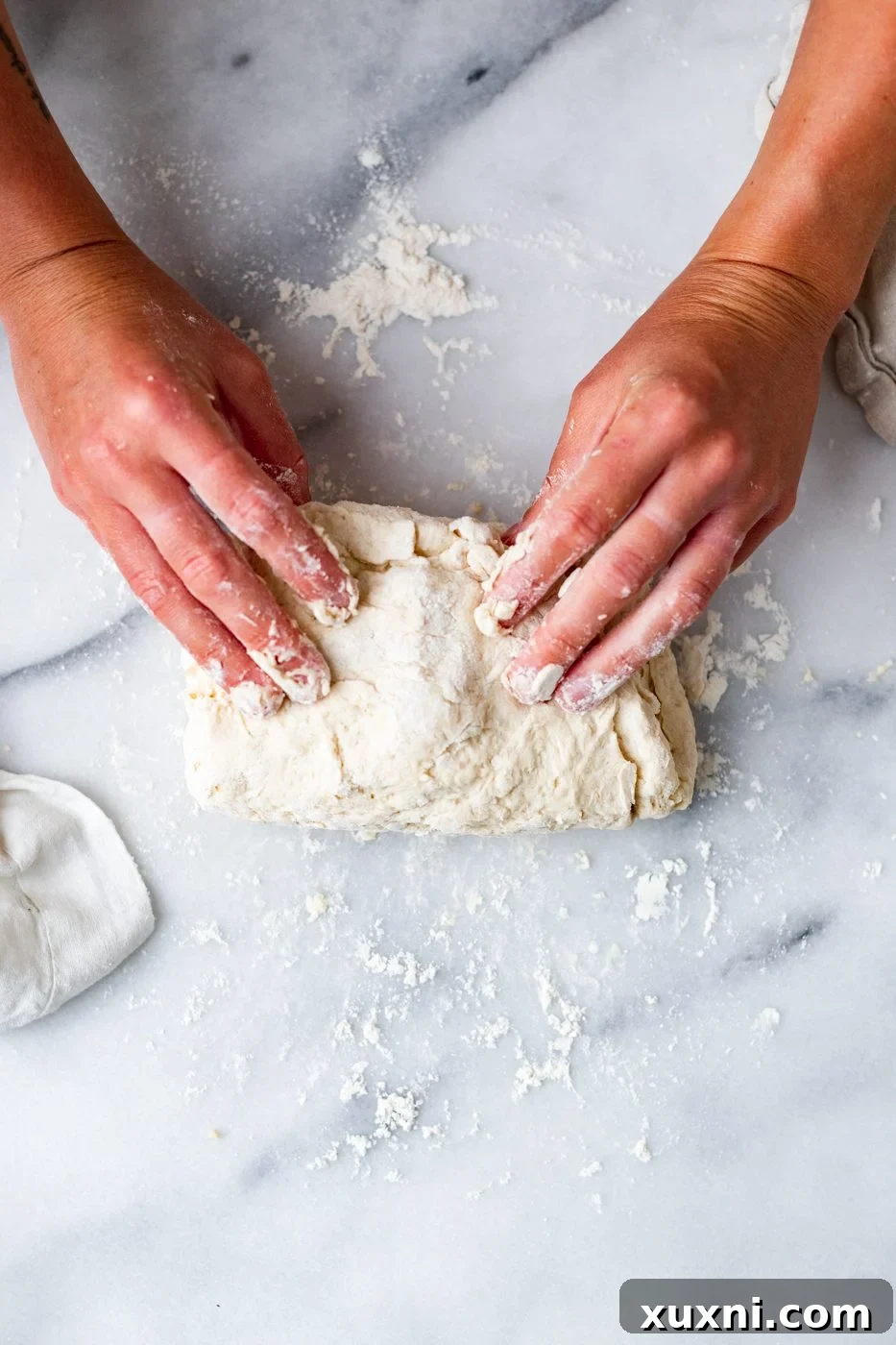
- Shape for Ultimate Flakiness (The Lamination Secret): Lightly flour a clean work surface. If you’re using oat flour, you’ll find the dough naturally stickier, so don’t hesitate to use a bit more flour on your surface and hands to prevent sticking. Gently turn your shaggy dough out onto the floured surface. Using your hands (avoid a rolling pin here, as it can easily overwork the dough), gently press the dough into a rough rectangle, about 1 to 1.5 inches thick. Now for the lamination – the ingenious technique that creates those incredible internal layers! Fold the dough like a letter: fold one-third of the dough over the middle, then fold the other third over that. Gently press the folded dough back into a rectangle. Repeat this folding and pressing process once more. This layering technique is paramount as it helps distribute the cold butter evenly throughout the dough, creating distinct strata that, when heated, produce steam pockets during baking, resulting in those characteristic flaky layers and a beautiful tall rise.
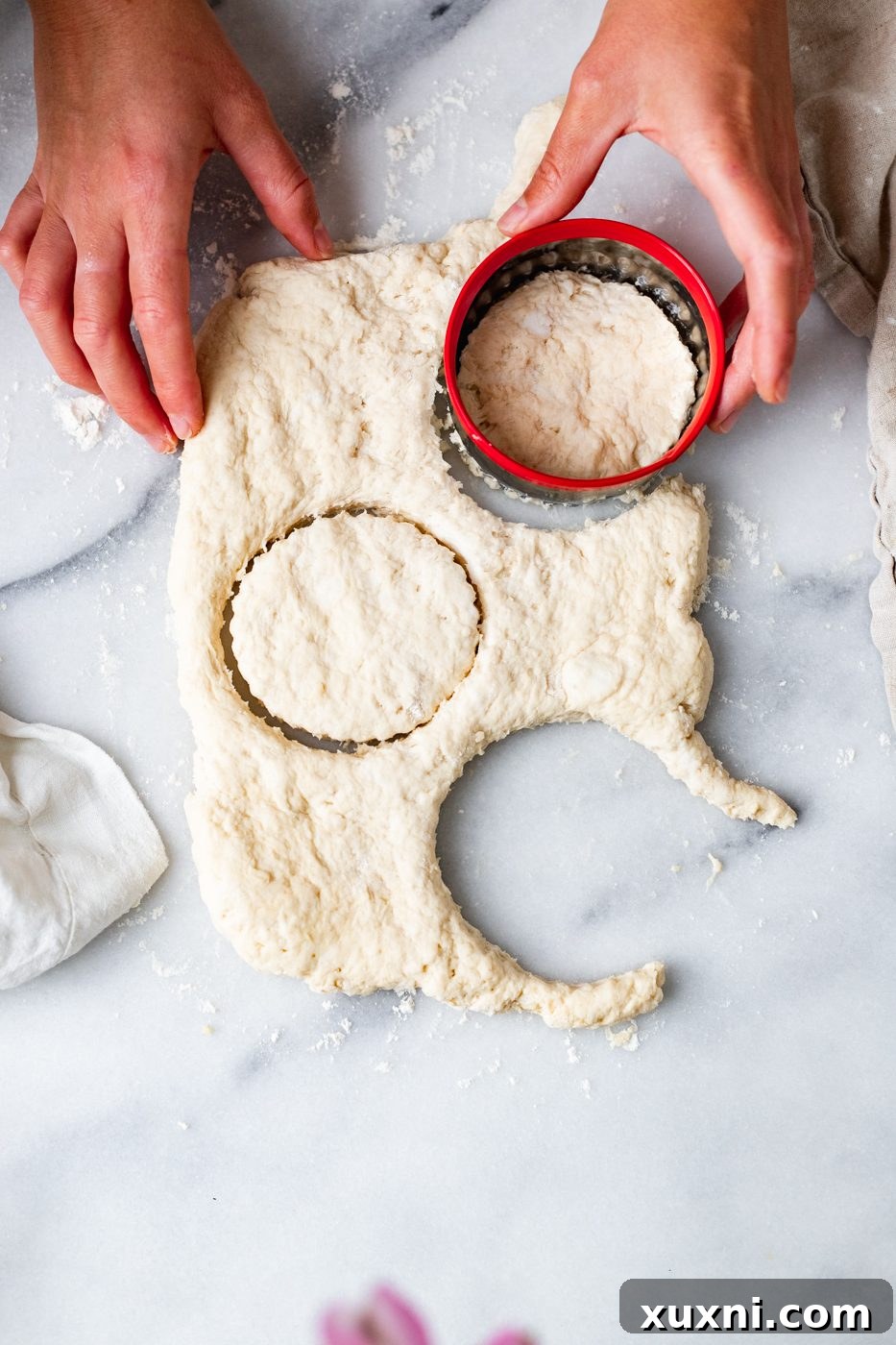
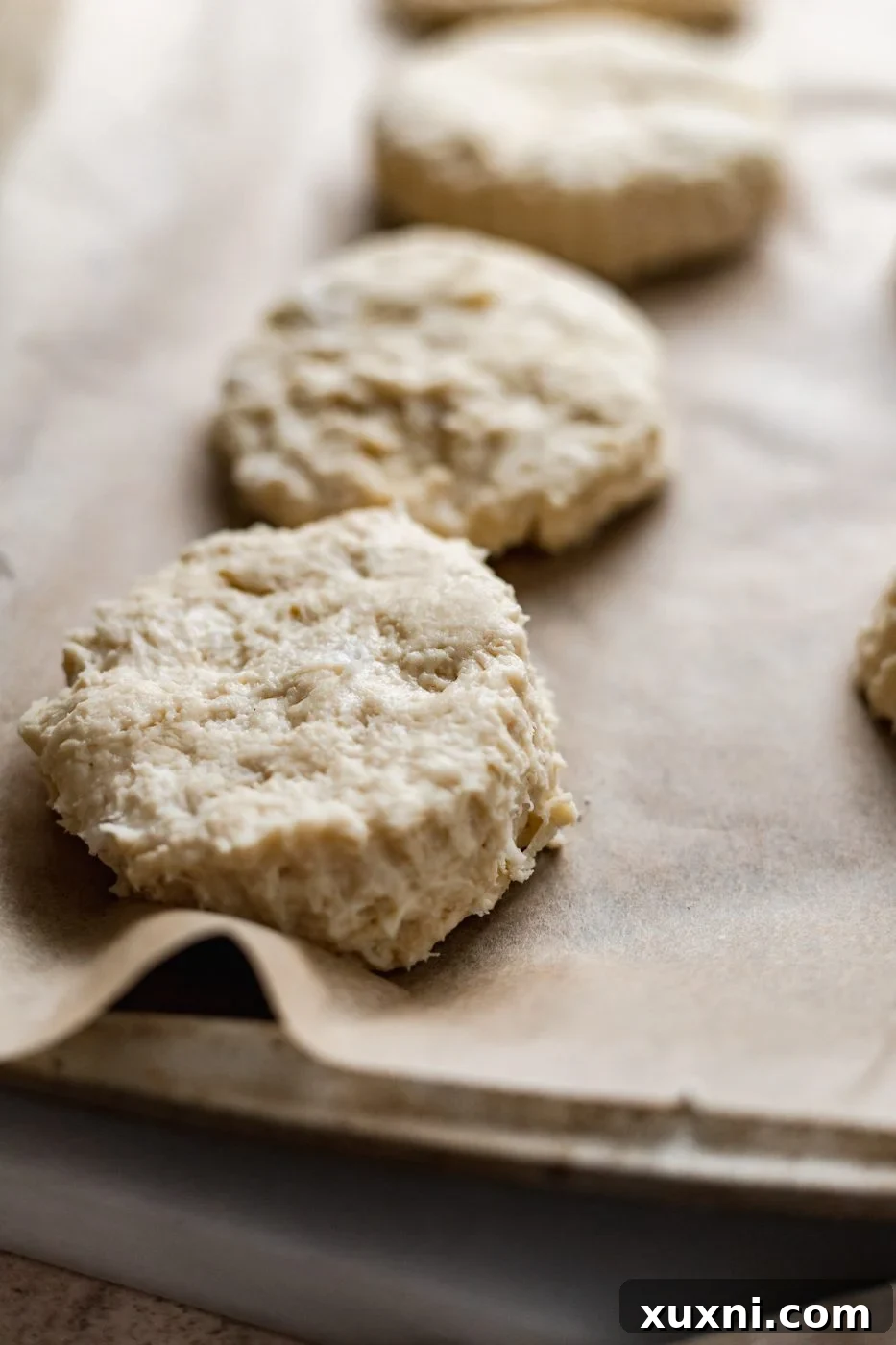
- Cut and Prepare for Baking: After completing the lamination, gently press the dough into a final rectangle, aiming for a thickness of about 1.5 to 2 inches. Using a 3-inch or 4-inch round cookie cutter or biscuit cutter, press straight down firmly and cleanly into the dough. It’s crucial to resist the urge to twist the cutter; twisting seals the edges of the biscuit, which can prevent it from rising properly and inhibit those lovely flaky layers from separating. Cut out as many biscuits as possible from the first press. Gather any remaining dough scraps, gently press them together (again, avoid vigorous kneading), and re-roll once more to cut additional biscuits. Alternatively, cutting the dough into square biscuits is a fantastic, no-waste option and yields equally delicious results.
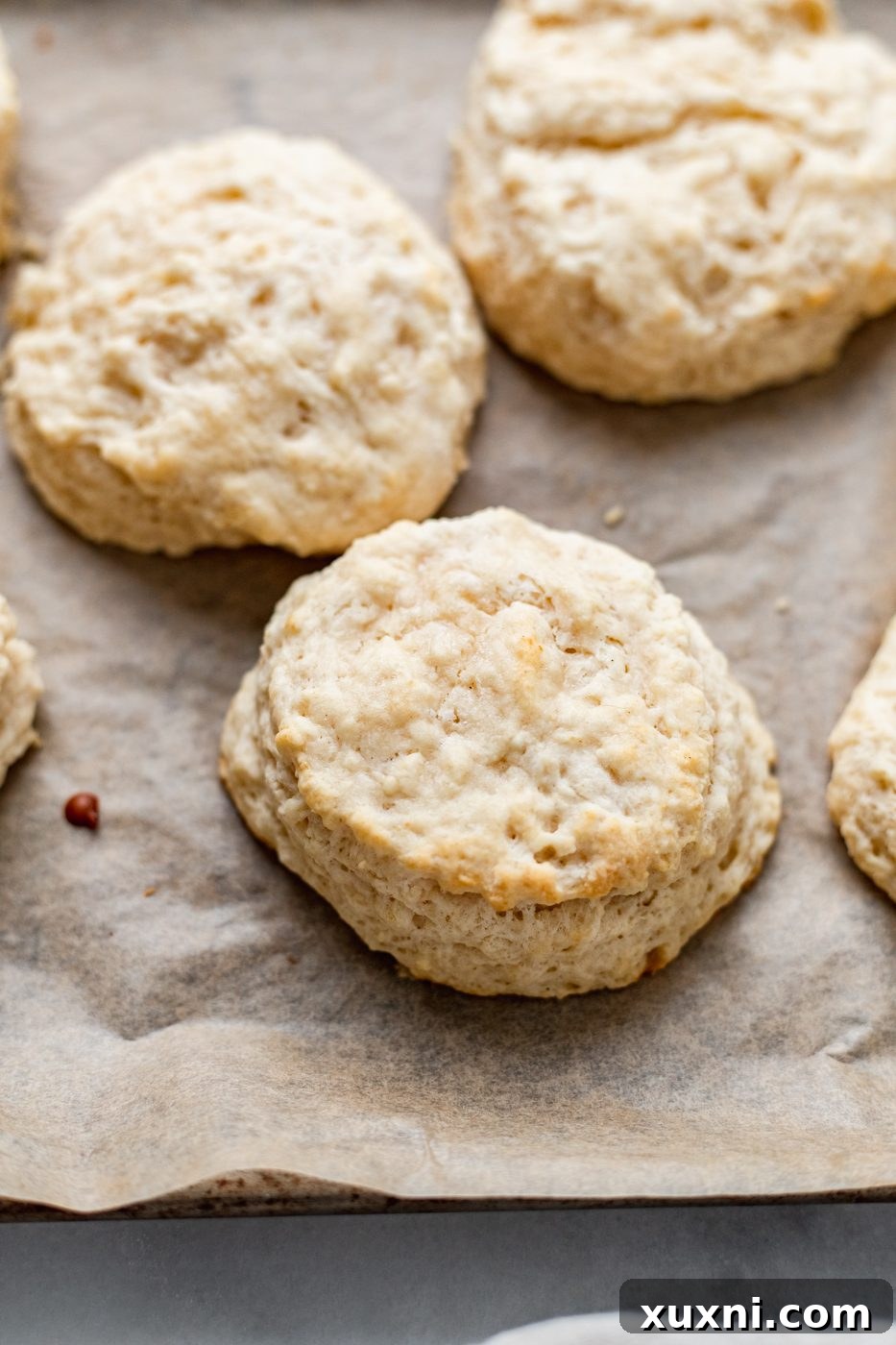
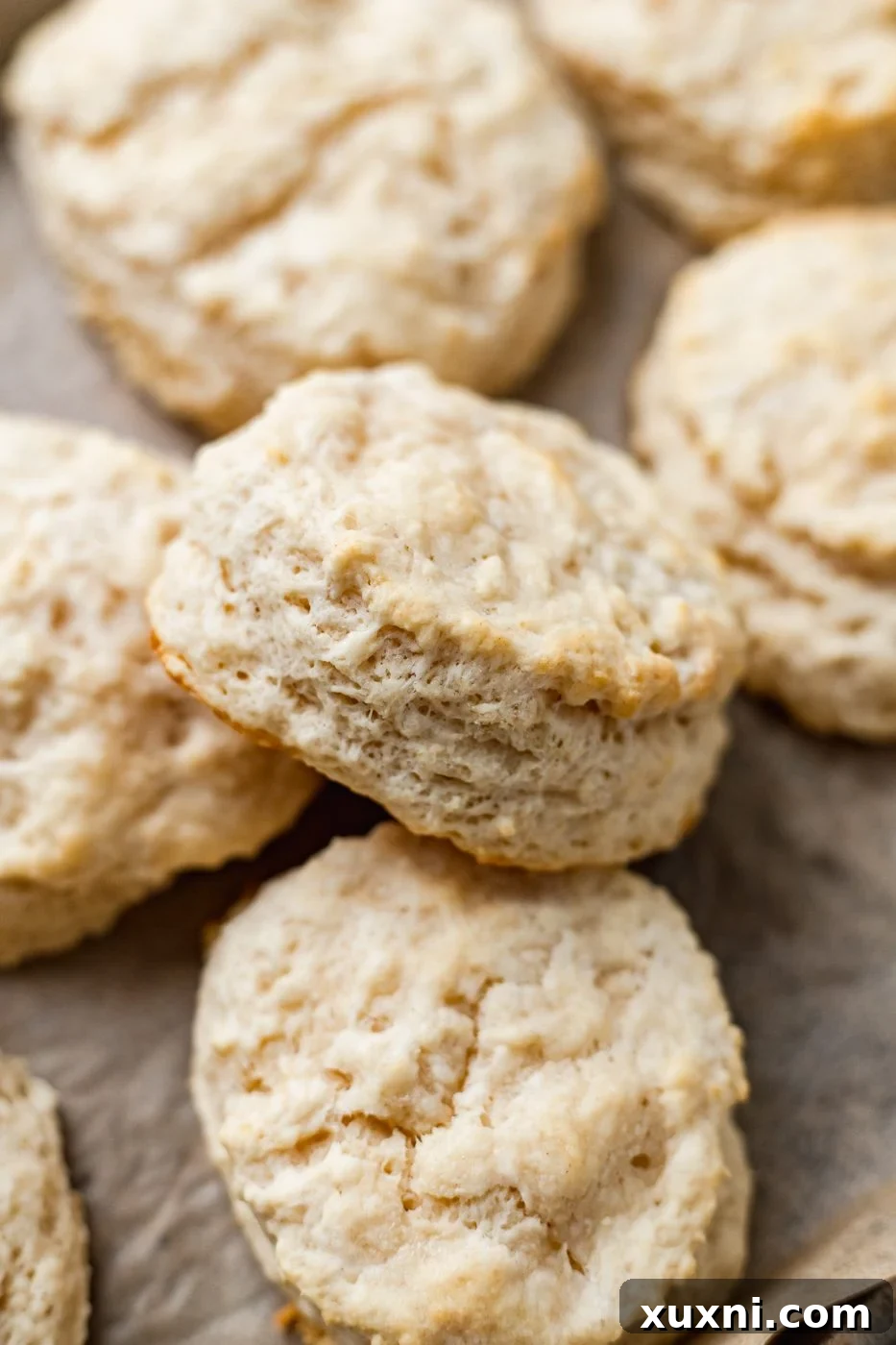
- Bake to Golden Perfection: Carefully transfer your cut vegan biscuit dough to the prepared baking sheet. For a taller rise, arrange them so they are slightly touching each other on the baking sheet. Before placing them in the oven, lightly brush the tops of the biscuits with a little extra vegan buttermilk. This step promotes a beautiful golden-brown crust and a softer top. Place the baking sheet into your preheated 425°F (218°C) oven and bake for 15-20 minutes, or until the tops are beautifully golden brown and the biscuits have risen significantly, appearing puffed and light. Keep a close eye on them during the last few minutes of baking to prevent over-browning. Once baked, remove the biscuits from the oven and allow them to cool on the baking sheet for approximately 10 minutes before serving. This crucial resting period allows the internal structure of the biscuits to set, making them easier to handle and ensuring a perfect crumb.
Achieving Delicious Gluten-Free Vegan Biscuits
Absolutely! These vegan buttermilk biscuits are wonderfully adaptable and can be made completely gluten-free without sacrificing any of their buttery, flaky appeal or tender crumb. The key lies in selecting the right gluten-free flour and understanding its unique properties. You have two primary excellent options for crafting delicious gluten-free vegan biscuits:
1. Gluten-Free 1:1 Baking Flour Blends: These commercially prepared blends are specifically formulated to mimic the properties of traditional all-purpose wheat flour, making them a convenient, direct substitute in many baking recipes. They typically contain a thoughtful mix of different gluten-free flours (such as rice flour, sorghum flour, or brown rice flour) and starches (like tapioca starch, potato starch, or cornstarch), often with added xanthan gum to provide the elasticity and structure that gluten usually offers.
- Recommendations: I highly recommend using a reputable brand known for its consistent and reliable results in baking. Bob’s Red Mill 1:1 Gluten-Free Baking Flour (the one identifiable by its blue bag) and King Arthur’s Gluten-Free Measure for Measure Flour are excellent choices that have proven reliable in countless recipes, including this one, consistently yielding a tender and well-structured biscuit.
- Brands to Potentially Avoid: Conversely, I’ve found that some brands, such as Namaste flour, do not perform as well in this type of delicate baking recipe, often leading to a denser, gummier, or less desirable texture. Always make an informed choice by reading reviews and selecting a blend specifically designed for a 1:1 substitution in baked goods.
2. Oat Flour: For a whole-grain, naturally gluten-free option, oat flour is a fantastic choice that lends a unique, wholesome, and slightly nutty flavor to your biscuits. It contributes to a wonderfully soft and tender crumb.
- Source: You can either use good quality, commercially produced oat flour or easily make your own. To make oat flour, simply process certified gluten-free rolled oats in a high-speed blender or food processor until a very fine, flour-like consistency is achieved. Ensuring your oats are certified gluten-free is essential if strict gluten avoidance is necessary.
- Measurement Adjustment: It’s important to note that oat flour absorbs liquids differently than wheat or 1:1 gluten-free blends. For this recipe, you will need to adjust the quantity. While the precise measurements are detailed in the recipe card below, generally, you’ll substitute the 2 cups (250 grams) of all-purpose flour with approximately 300 grams (which is roughly 3 cups when spooned and leveled) of oat flour. When working with oat flour dough, it can be a bit stickier and more delicate; handle it gently and don’t hesitate to use a bit more flour on your work surface and hands to prevent sticking while shaping.
Regardless of which gluten-free flour option you choose, remember that gluten-free doughs can sometimes be a bit more delicate or sticky to handle. Work quickly and gently, avoid overmixing, and always keep a little extra flour on hand for dusting your work surface and hands. With these considerations and the right flour, you’ll be enjoying truly delicious, flaky gluten-free vegan biscuits that everyone will love in no time!
Storage and Reheating Tips for Fresh Vegan Biscuits
Once you’ve baked a magnificent batch of these glorious vegan biscuits, you’ll want to ensure any delightful leftovers stay as fresh and delicious as possible. Proper storage and reheating techniques are key to preserving their tender crumb and flaky texture. Here’s how to best manage your homemade vegan biscuits:
Refrigerator Storage: If you find yourself with any leftover biscuits (a truly rare occurrence, I know!), the optimal way to keep them fresh and soft is by placing them in an airtight container or a high-quality resealable bag. Stored correctly in the refrigerator, they will maintain their quality, moisture, and delightful softness for up to 4-5 days. Ensure the container is truly airtight to prevent them from drying out or absorbing refrigerator odors.
Freezer Storage: For longer-term preservation, these vegan buttermilk biscuits freeze beautifully for up to 3 months, making them perfect for meal prepping or unexpected cravings. Once your biscuits have completely cooled to room temperature, arrange them in a single layer on a baking sheet and flash freeze them for about an hour. This crucial step prevents them from sticking together. After they are firm, transfer the frozen biscuits to an airtight freezer-safe bag or container. This method helps to prevent freezer burn and preserves their desirable texture.
Reheating Instructions: To bring your cold or frozen biscuits back to life and restore their comforting warmth and tender crumb, you have a few excellent options:
- Oven Reheating (Highly Recommended): For the absolute best results, which most closely mimic freshly baked biscuits, preheat your oven to 350°F (175°C). Place the biscuits on a baking tray lined with parchment paper or aluminum foil.
- For refrigerated biscuits: Heat for approximately 5-10 minutes, or until warmed through.
- For frozen biscuits: Heat for 10-15 minutes, or until thoroughly warmed through and slightly crisp on the exterior.
This method helps to revive their flaky layers.
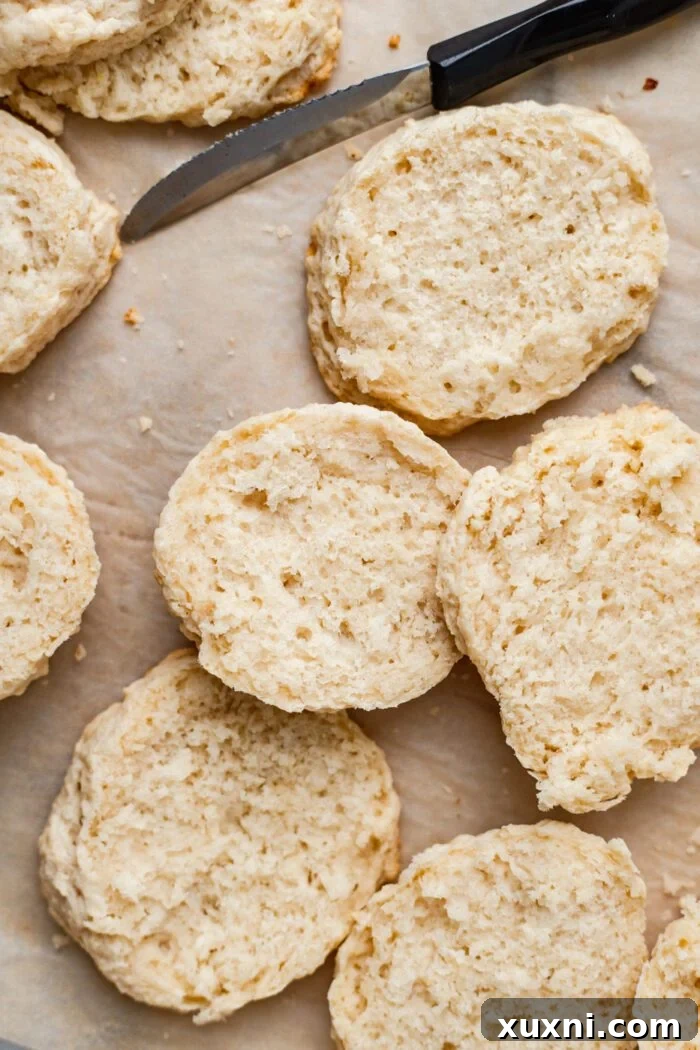
- Toaster Oven: If you are only reheating one or two biscuits, a toaster oven can be a convenient alternative. Slice the biscuit in half horizontally and toast on a low to medium setting until warm and lightly crisp. Watch carefully to prevent over-toasting.
- Microwave (Quickest, but Less Ideal for Texture): While the quickest method, reheating biscuits in a microwave can sometimes make them a bit softer or chewier, and may reduce their flakiness. Heat in short bursts of 15-30 seconds until warm. This method is best if you plan to smother them generously in gravy, jam, or other toppings.
Always ensure your biscuits are heated through to the center before serving to ensure maximum enjoyment.
Versatile Ways to Enjoy Your Homemade Vegan Biscuits
Once your irresistible, buttery vegan biscuits emerge golden and fragrant from the oven, the real fun begins: deciding how to enjoy them! Their tender texture, rich flavor, and slight tang from the buttermilk make them incredibly versatile, perfect for elevating any meal, whether sweet or savory, for breakfast, brunch, dinner, or even dessert. Here are some of my favorite ways to savor these delightful creations:
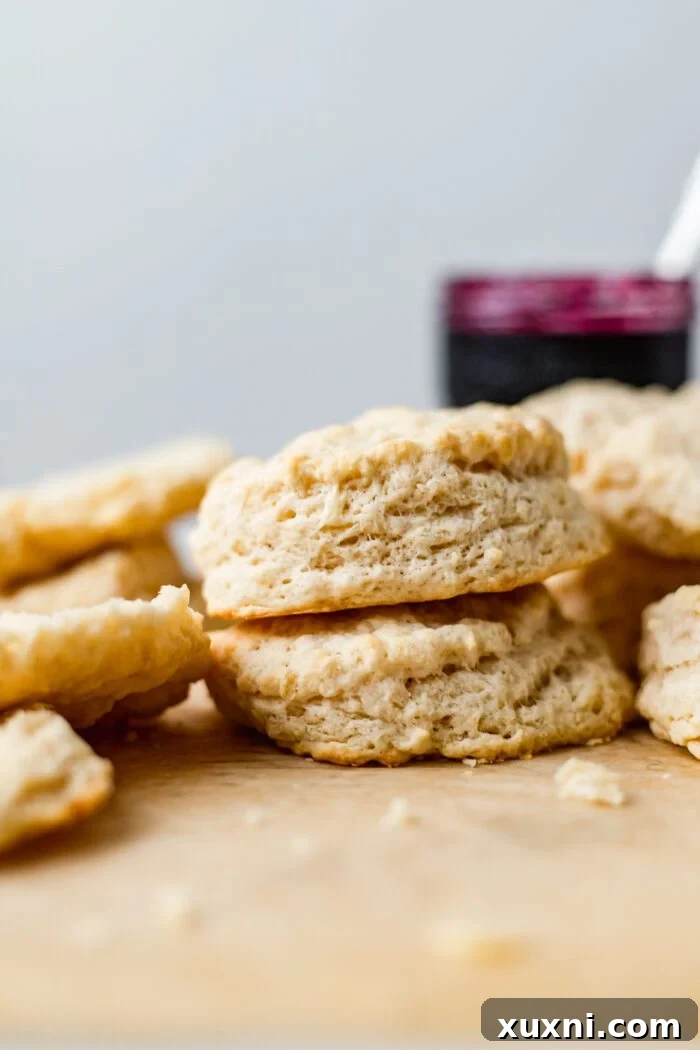
- The Classic Duo: Jam & Vegan Butter: The quintessential biscuit experience. Lightly split a warm biscuit, generously spread with extra vegan butter, and then dollop with your favorite fruit preserves. Homemade raspberry or strawberry jam are perennial favorites, offering a perfect balance of sweetness and tang.
- Wholesome Nut Butter & Fresh Fruit Delight: For a nutritious yet satisfying treat, slather a split biscuit with rich homemade peanut butter or creamy cashew butter. Top with thinly sliced fresh nectarines, apples, pears, or bananas for a burst of natural sweetness and refreshing texture.
- Decadent Vegan Nutella Indulgence: Indulge your sweet tooth by spreading a warm biscuit with homemade vegan Nutella. This transforms it into an incredibly luxurious dessert or an extra-special breakfast treat.
- Essential Savory Holiday Side: These biscuits are a must-have accompaniment for any holiday feast. Serve them warm and fluffy alongside a rich, savory vegan gravy for Thanksgiving or Christmas dinners. Their tender crumb is perfectly designed for soaking up all the delicious, hearty flavors of your holiday spread.
- Hearty & Satisfying Sandwich Bread: Elevate your sandwich game to new heights! These tall, sturdy, and flavorful biscuits make an excellent, decadent base for savory vegan sandwiches. Fill them with your favorite plant-based deli slices, melted vegan cheese, fresh lettuce, and tomato for an unforgettable meal.
- The Perfect Vegan Strawberry Shortcake Base: Move over, traditional shortcake! These tender yet resilient biscuits provide the ideal sturdy base for classic vegan strawberry shortcakes. Pile them high with macerated fresh berries and a generous dollop of coconut whipped cream for a delightful dessert.
- Comforting Chili Companion: There’s nothing quite like dipping a warm, flaky biscuit into a robust bowl of hearty vegan chili. The biscuit absorbs the rich, spicy flavors beautifully, offering a delightful textural contrast and a comforting element to your meal.
- Gourmet Breakfast Sandwich: Transform them into an impressive breakfast sandwich by adding scrambled tofu, a plant-based sausage patty, and a slice of melty vegan cheese. A truly satisfying start to your day.
- Soup and Stew Soppers: Their absorbent nature makes them perfect for soaking up the last delicious drops of your favorite vegan soups, stews, and casseroles.
No matter how you choose to enjoy them, these homemade vegan biscuits are an incredibly versatile and comforting treat that will undoubtedly bring warmth and joy to any table and please every palate.
Expert Tips for Flawlessly Flaky Vegan Biscuits Every Time
Achieving those perfectly flaky, tender, and sky-high vegan biscuits isn’t just about the ingredients; it’s equally about mastering the technique. Follow these expert tips closely to ensure your homemade vegan biscuits turn out flawlessly every single time, earning you rave reviews:
- Embrace the Cold – This is Non-Negotiable: This is arguably the single most critical tip for flaky biscuits. Ensure your vegan butter is not just cold, but *frozen solid* and cut into small cubes before you even begin mixing. Freezing the butter helps it stay intact longer during the initial mixing stages. When these tiny, solid pieces of cold butter melt in the hot oven, they release steam, creating incredible pockets of air and those coveted, distinct flaky layers. If the butter melts before baking (due to warm ingredients or overhandling), you’ll end up with dense, tough, and flat biscuits.
- Handle with Care – Avoid Overworking the Dough: Whether you’re using traditional all-purpose flour or a gluten-free blend, overworking the dough is the ultimate enemy of tender biscuits. Excessive kneading or mixing develops gluten (even in gluten-free flours, it can make them tough and gummy), resulting in a tough, dense, and gluey texture rather than a light, airy one. Mix the ingredients *just until* they are combined and a shaggy dough forms, and no dry flour streaks are visible.
- The Art of Lamination for Layers: Do not skip the crucial folding step! Folding the dough like a letter (the lamination technique) is the secret behind creating those beautiful, separated internal layers. Each fold creates new strata of butter and dough, which expand into magnificent flakiness during the baking process. Execute this step gently and quickly to ensure the butter remains as cold and solid as possible.
- Cut Straight Down – Never Twist the Cutter: When cutting your biscuits with a round cutter, press straight down firmly and cleanly into the dough. It is absolutely essential to resist the urge to twist the cutter as you press. Twisting seals the edges of the biscuit dough, which can unfortunately prevent it from rising properly and inhibit those lovely flaky layers from separating and puffing up.
- Don’t Be Afraid to Flour Your Surface (Judiciously): Especially when working with gluten-free or oat flour dough, which can be naturally a bit stickier, a lightly floured work surface is your friend. It prevents sticking and allows for much easier handling and shaping. Just ensure you’re not incorporating excessive amounts of flour into the dough itself, which could dry it out.
- Bake Until Just Golden Brown: Keep a close eye on your biscuits while they bake. The ideal doneness is indicated by a beautiful, light golden-brown color on the tops and edges. This signifies they are perfectly baked through without being undercooked (doughy in the middle) or over-dried (crumbly and hard). An overbaked biscuit will be dry and tough, lacking the desired tenderness.
- The Power of Vegan Buttermilk: Our homemade vegan buttermilk (plant milk combined with an acid like apple cider vinegar) is more than just a liquid; it’s a critical component for texture and rise. The acid in the buttermilk reacts with the baking powder, producing carbon dioxide bubbles that help the biscuits rise high and contribute significantly to their incredibly tender crumb. This acidic environment also helps to tenderize the proteins in the flour, leading to a softer, more delicate biscuit.
- Resist the Urge to Peek Too Soon: Try your best to resist opening the oven door frequently, especially during the first 10-15 minutes of baking. Each time you open the door, cold air rushes into the oven, causing the internal temperature to drop. This sudden temperature fluctuation can deflate your rising biscuits and prevent them from achieving their full height and flakiness. Let them work their magic undisturbed.
By keeping these expert tips and tricks in mind, you’re well on your way to baking a batch of the most delicious, tall, and exquisitely flaky vegan buttermilk biscuits that will impress everyone at your table, whether they follow a vegan or gluten-free diet or not!
You are genuinely going to adore these perfectly buttery vegan biscuits! They offer a delightful and wholesome alternative to traditional dinner rolls and stand proudly alongside vegan cornbread at any holiday gathering, like Thanksgiving, or as a comforting side to a weeknight meal. These deliciously tall, tender, and incredibly flaky vegan biscuits are universally appealing. Everyone will fall in love with them, regardless of their dietary preferences or whether they are vegan or gluten-free!
Save This Irresistible Recipe for Later!
Don’t let this amazing recipe get lost in the depths of the internet! Pin it to your favorite recipe board on Pinterest so you can easily find it whenever a biscuit craving strikes or you’re planning your next meal. It’s the perfect, essential addition to your collection of plant-based baking recipes!
If you try this incredible recipe, please be sure to leave a comment and a rating ⭐️⭐️⭐️⭐️⭐️ below. Your valuable feedback not only brightens my day but also helps countless others discover and enjoy these delicious recipes! And as always, I absolutely love seeing your beautiful culinary creations, so remember to tag me on Instagram and Pinterest – I can’t wait to see your perfectly baked vegan biscuits!
Print Recipe
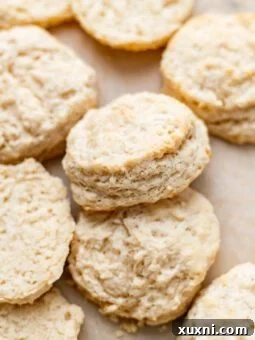
Best “Buttery” Vegan Biscuits (Gluten-Free Option!)
5 Stars
4 Stars
3 Stars
2 Stars
1 Star
5 from 4 reviews
- Author: Britt Berlin
- Prep Time: 10 minutes
- Cook Time: 20 minutes
- Total Time: 30 minutes
- Yield: 8 1x
- Category: Breakfast, Bread, Side Dish
- Method: Baking
- Cuisine: American, Southern
- Diet: Vegan, Plant-Based, Dairy-Free
Description
Get ready for the best “buttery” flaky, deliciously soft and tender vegan biscuits ever! These vegan buttermilk biscuits are so easy to make, easily made gluten free, and taste just as good as the classic. Everyone will love them, vegan or not!
Ingredients
Scale
- 3/4 cup (177 mL) vegan buttermilk, plus 2 tbsp for brushing, cold
- 2 cups (250 grams) all-purpose flour or gluten-free 1:1 baking flour*
- 2 tbsp organic granulated sugar or coconut sugar
- 1 tbsp arrowroot or cornstarch
- 1 tbsp baking powder
- 1/2 cup (113 grams) salted vegan butter, cubed + frozen*
Instructions
- Prep: Preheat the oven to 425°F (218°C) and line a baking sheet with parchment paper. Weigh and measure all biscuit ingredients, ensuring butter and buttermilk are very cold. Make the vegan buttermilk if you haven’t already by combining plant milk with acid (e.g., apple cider vinegar).
- Make the Biscuit Dough: In a large bowl, whisk together the flour (all-purpose or gluten-free 1:1 baking flour), sugar, arrowroot starch (or cornstarch), and baking powder. Add the cubed, frozen vegan butter, and use a pastry cutter, fork, or your fingertips to cut the butter into the flour mixture until it resembles coarse sand or small peas. Then, add the cold vegan buttermilk. Using a rubber spatula or your hands, gently fold the buttermilk into the flour mixture *just until* a shaggy, thick dough forms. Avoid overmixing to prevent tough biscuits.
- Shape the Biscuits (Lamination): Lightly flour a clean work surface. Gently turn the dough out and use your hands to press it into a rectangle, about 1 to 1.5 inches thick. To create flaky layers, fold the dough like a letter (one-third over the middle, then the other third over that). Gently press it back into a rectangle. Repeat this folding and pressing process once more. This lamination is key for a tall, flaky rise. Finally, press the dough into a rectangle about 1.5 to 2 inches thick. Using a 3-inch or 4-inch round cookie or biscuit cutter, press straight down firmly (do not twist!) to cut out 6-8 biscuits. Gather any scraps, gently press them together, and re-roll once more to cut additional biscuits, or cut them into squares to avoid waste.
- Bake the Biscuits: Place the cut vegan biscuits onto the prepared baking sheet, allowing them to touch slightly for a taller rise. Brush the tops with the remaining 2 tablespoons of cold vegan buttermilk. Bake in the preheated oven for 15-20 minutes, or until the tops are beautifully golden brown and they have risen considerably. Remove from the oven once baked and allow the biscuits to cool on the baking sheet for at least 10 minutes before serving.
Notes
Gluten-Free All-Purpose Flour: For optimal results, not every gluten-free 1:1 baking flour works identically. My top recommendations are Bob’s Red Mill 1:1 Gluten-Free Baking Flour (in the blue bag) or King Arthur’s Gluten-Free Measure for Measure Flour. I do not recommend using Namaste 1:1 flour for this recipe, as it tends to yield different results.
Gluten-Free Oat Flour Biscuits: If opting for oat flour, substitute the 2 cups (250 grams) of all-purpose flour with 300 grams (approximately 3 cups, spooned and leveled) of finely ground oat flour. Ensure your oats are certified gluten-free if necessary.
Salted vs. Unsalted Vegan Butter: This recipe uses salted vegan butter. If you can only find unsalted vegan butter, increase the fine sea salt in your dry ingredients by 1/4 teaspoon to balance the flavors.
Vegan Buttermilk Ratio: To make 3/4 cup of vegan buttermilk, combine 3/4 cup of unsweetened plain plant milk (soy or almond work best) with 3/4 tablespoon of apple cider vinegar or lemon juice. Let it sit for 5-10 minutes until it visibly curdles.