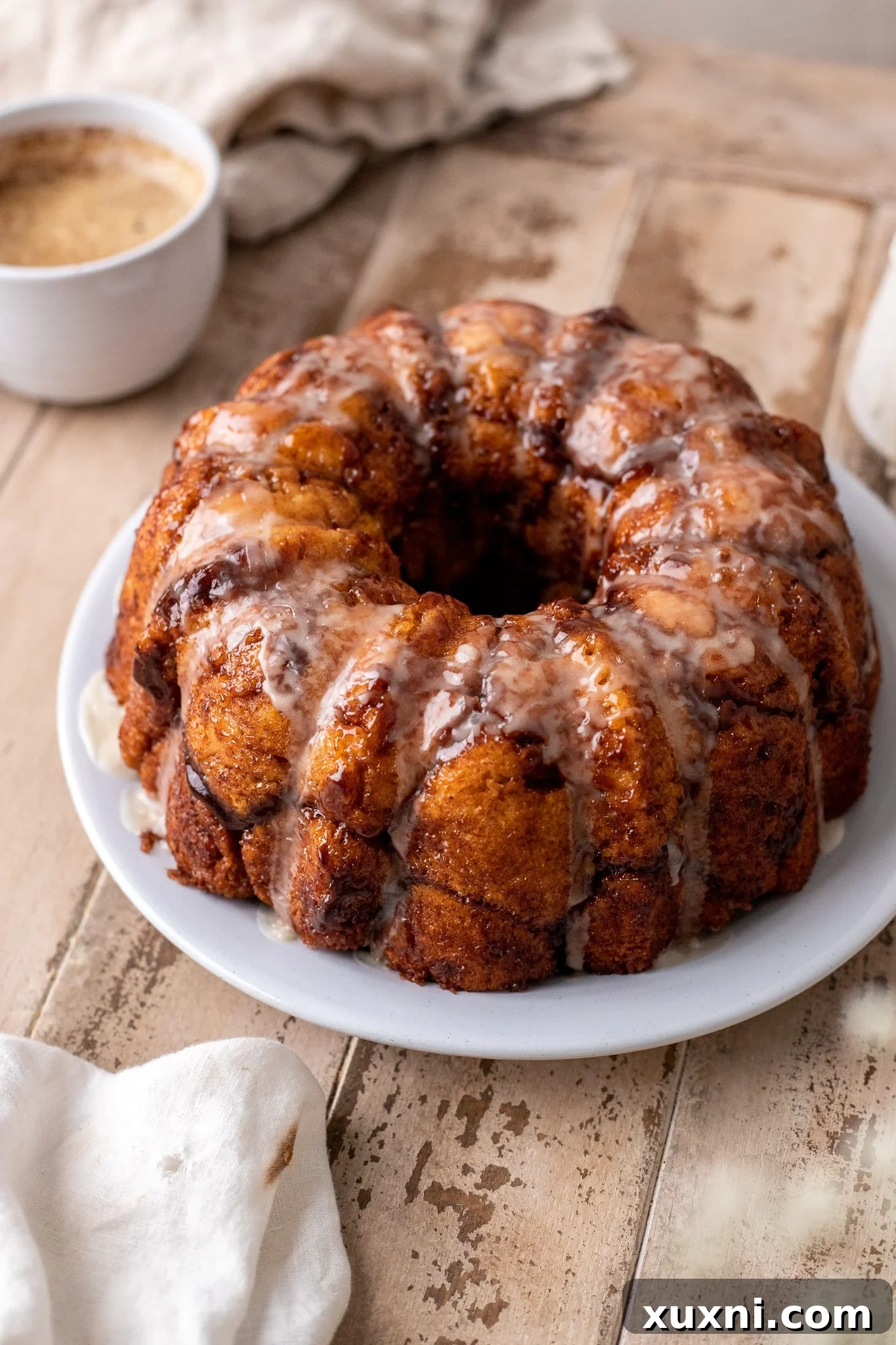
Welcome to a culinary revelation that will redefine your breakfast and brunch experiences: our Unbelievably Gluten-Free Monkey Bread! Prepare to be astonished by its perfectly soft, plush, and utterly irresistible texture. This isn’t just a gluten-free recipe; it’s a masterpiece that tastes so much like the classic version, you’d never guess it’s also entirely vegan and dairy-free. Forget complicated techniques or hard-to-find ingredients; this recipe is incredibly easy to make, requires no xanthan gum, and features a dough that’s an absolute dream to work with. Imagine a sweet, cinnamon-infused pull-apart bread, light as a cloud, gracing your holiday table. This Gluten-Free Monkey Bread isn’t just a dish; it’s a guaranteed crowd-pleaser, perfect for adding a touch of festive warmth to any special occasion.
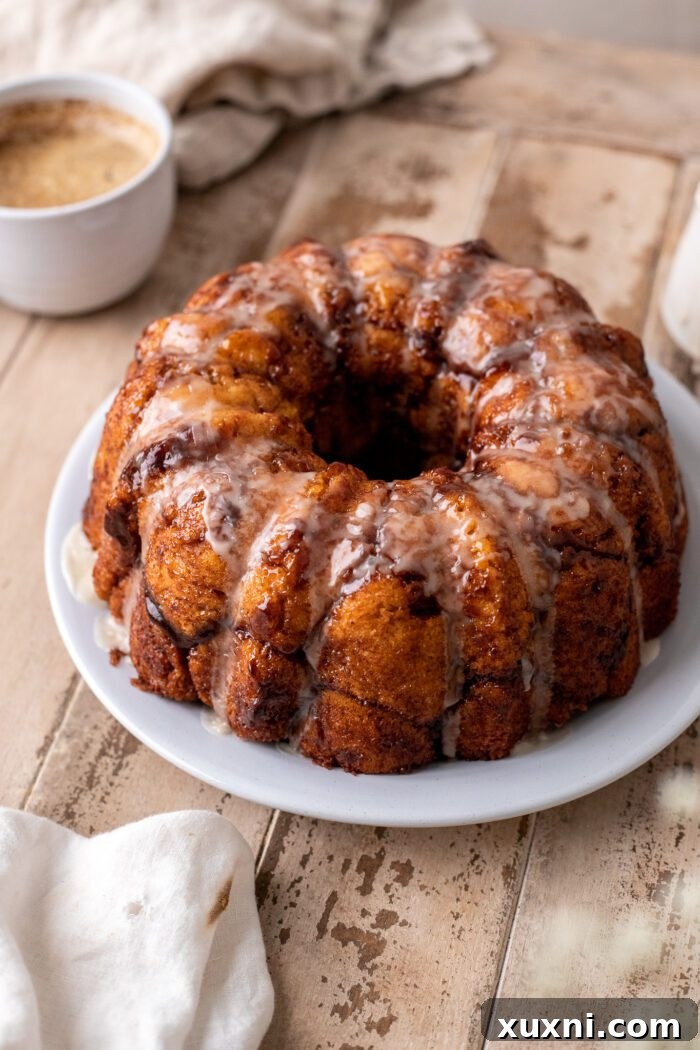
Discover the Secret: What Makes This the Best Gluten-Free Monkey Bread?
Gluten-free enthusiasts, the moment you’ve been waiting for has arrived! You no longer have to compromise on taste or texture when it comes to classic monkey bread. This isn’t an exaggeration; I recently conducted a side-by-side comparison, baking both my traditional vegan monkey bread recipe and this gluten-free rendition on the very same day. The results were nothing short of shocking – in the best way possible.
This gluten-free monkey bread is every bit as incredibly soft, plush, and delightfully sweet as its conventional counterpart. Even discerning palates, including those accustomed to gluten (like my own!), will find it virtually impossible to detect that this version is gluten-free. The added bonus? It’s also completely dairy-free and vegan, making it a truly inclusive treat for everyone at your table. Its moist, tender crumb and irresistible cinnamon-sugar coating are simply unparalleled in the world of gluten-free baking.
Much like our famously unbelievable vegan gluten-free cinnamon rolls, this recipe is designed to be the ultimate gluten-free vegan breakfast centerpiece for any gathering. Whether it’s a festive holiday brunch, a special family breakfast, or simply a weekend treat, this monkey bread will captivate every single person who tries it. Be prepared for everyone to be absolutely obsessed. It’s more than just a recipe; it’s an experience that brings joy to all dietary preferences, proving that “free-from” baking can be just as decadent and satisfying as traditional baking.
For even more delectable holiday breakfast ideas that cater to all, be sure to explore our collection of vegan gluten-free breakfast recipes or delve into my comprehensive gluten-free vegan cookbook! You’ll find a treasure trove of inspiration to make your holiday mornings truly special.
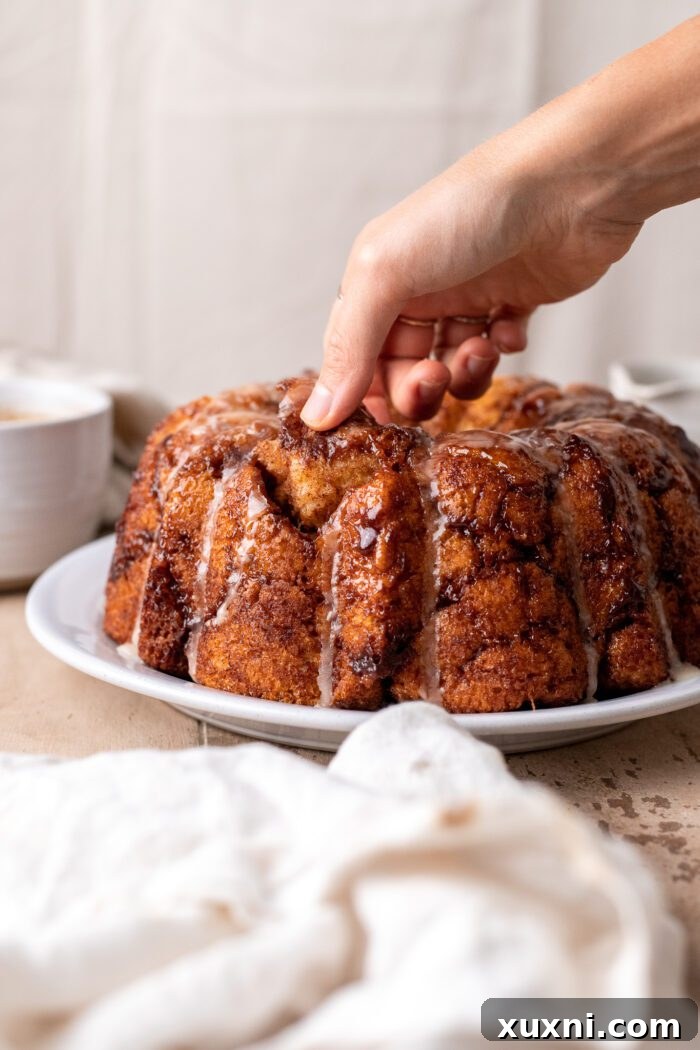
This recipe truly embodies the essence of a gooey, sticky, pull-apart cinnamon sweet bread that transcends dietary restrictions. Its rich flavors and delightful texture ensure that everyone, regardless of their eating preferences, can revel in its deliciousness. While a simple powdered sugar glaze provides a classic finish, don’t hesitate to elevate your monkey bread to gourmet status! Consider drizzling a luscious dairy-free vegan caramel sauce over the warm bread, or sprinkle it generously with toasted candied pecans for an extra layer of crunch and flavor. These additions transform an already incredible treat into an unforgettable indulgence, perfect for impressing guests or simply treating yourself to something truly special.
Essential Ingredients & Expert Substitutions for Gluten-Free Monkey Bread:
Crafting the perfect gluten-free, vegan monkey bread involves a thoughtful selection of ingredients, each playing a crucial role in achieving that sought-after soft and fluffy texture. Here’s a detailed breakdown of what you’ll need and how to navigate substitutions:
- Tapioca Flour: Often interchangeable with tapioca starch, this ingredient is a game-changer in gluten-free baking. It contributes significantly to the incredibly plush, tender, and slightly chewy texture of the dough, making it almost indistinguishable from traditional gluten-containing breads. It’s a staple for achieving lightness and elasticity without gluten.
- Millet Flour: This is a highly recommended gluten-free flour known for imparting a wonderfully soft crumb and a subtly sweet, mild flavor to baked goods. It’s naturally light and creates a delicate texture. While oat flour can be an alternative, it’s only suitable for those who tolerate oats and may result in a slightly different texture. Sorghum flour can also be used, but keep in mind it bakes more like whole wheat flour, leading to a denser result. For the absolute best texture and flavor, sticking with millet flour is your top choice.
- Psyllium Husk Powder: This is an absolutely CRUCIAL ingredient in this recipe, acting as a natural binder that brilliantly replaces xanthan gum – an additive often found in other gluten-free recipes. Psyllium husk is a soluble fiber that, when hydrated, forms a gel-like substance. This property is what mimics the elasticity and structure of gluten, giving the dough a remarkable chewiness and preventing it from becoming crumbly. I strongly advocate for using the finely ground powder form rather than whole husks for consistent results and a smoother dough texture.
- Arrowroot Starch: Essential for enhancing the overall tenderness and softness of the monkey bread, arrowroot starch contributes to a delicate crumb. If arrowroot starch isn’t readily available, you can easily substitute it with cornstarch for similar results. Alternatively, using a bit more tapioca flour or starch can also work in a pinch, though arrowroot provides a uniquely silky texture.
- Granulated Sugar: For a truly vegan recipe, it’s vital to opt for organic granulated sugar, as conventional sugar sometimes uses bone char in its refining process. This ensures your monkey bread is 100% plant-based. If you’re looking for a refined sugar-free option, coconut sugar is an excellent substitute, offering a caramel-like note and a slightly deeper color. For the cinnamon sugar coating, brown sugar can also be used to add a richer, more molasses-like flavor.
- Quick Rise Yeast: Also known as rapid rise yeast, this is the only type of yeast recommended for this recipe’s standard preparation. Its fast-acting nature means you can skip the lengthy double-rise process, significantly reducing overall preparation time. It’s important to use quick rise yeast and NOT active dry yeast, unless you are specifically following the overnight option (detailed in the notes section), where active dry yeast would be appropriate.
- Dairy-Free Milk: This recipe is designed to be dairy-free and vegan, so any unflavored dairy-free milk works beautifully. Popular choices include soy milk, oat milk (especially homemade non-slimy oat milk), or almond milk. These plant-based milks contribute moisture and richness without any dairy. If dairy is not a concern for you, regular cow’s milk can also be used.
- Dairy-Free Yogurt: This ingenious ingredient serves as a fantastic egg replacement in our gluten-free vegan monkey bread. It adds essential moisture, richness, and a slight tang that enhances the dough’s flavor and texture. While applesauce or pumpkin puree can sometimes substitute eggs, dairy-free yogurt (such as soy, oat, or coconut-based varieties) provides the best consistency and overall results for this particular recipe.
- Apple Cider Vinegar: Don’t skip this! A small amount of apple cider vinegar plays a critical role in stabilizing the air bubbles produced by the yeast. It reacts with baking soda (often present in self-rising flours or added separately if using plain flours) and creates a more tender, airy crumb, ensuring your monkey bread rises beautifully and remains light.
- Vanilla Extract: A touch of pure vanilla extract is indispensable for enhancing the overall sweetness and complexity of the cinnamon-sugar flavors, adding a comforting aromatic depth to every bite.
- Vegan Butter: Crucial for both the dough and the luxurious cinnamon-sugar coating, vegan butter adds rich flavor and moisture. My personal favorite is Miyoko’s Kitchen vegan butter for its superior taste and texture. For those with nut allergies, Miyoko’s oat butter or Earth Balance are excellent nut-free alternatives. We’ll be using melted butter, so if you opt for coconut oil, simply ensure it’s melted to a liquid state.
- Cinnamon: The star spice of monkey bread! Ground cinnamon provides that classic warm, aromatic flavor. For a delightful twist, especially during the holidays, you can experiment with pumpkin pie spice or chai spice blends to add a unique depth of flavor.
Simplified Process: How to Effortlessly Create Gluten-Free Monkey Bread
You’ll be absolutely thrilled by the simplicity and ease of making this unbelievably delicious gluten-free monkey bread! One of the greatest advantages of this recipe is that it cleverly bypasses the need for a lengthy double-rise. Instead, you’ll simply prepare the dough, meticulously shape it, and then allow the assembled monkey bread to proof while your oven preheats, saving you valuable time and effort.
For those who dream of waking up to freshly baked monkey bread, perhaps on a magical Christmas morning, I’ve included a convenient overnight option. Detailed instructions for this method can be found in the notes section of the recipe card below, allowing you to prepare most of the work in advance and simply bake it fresh when you’re ready.
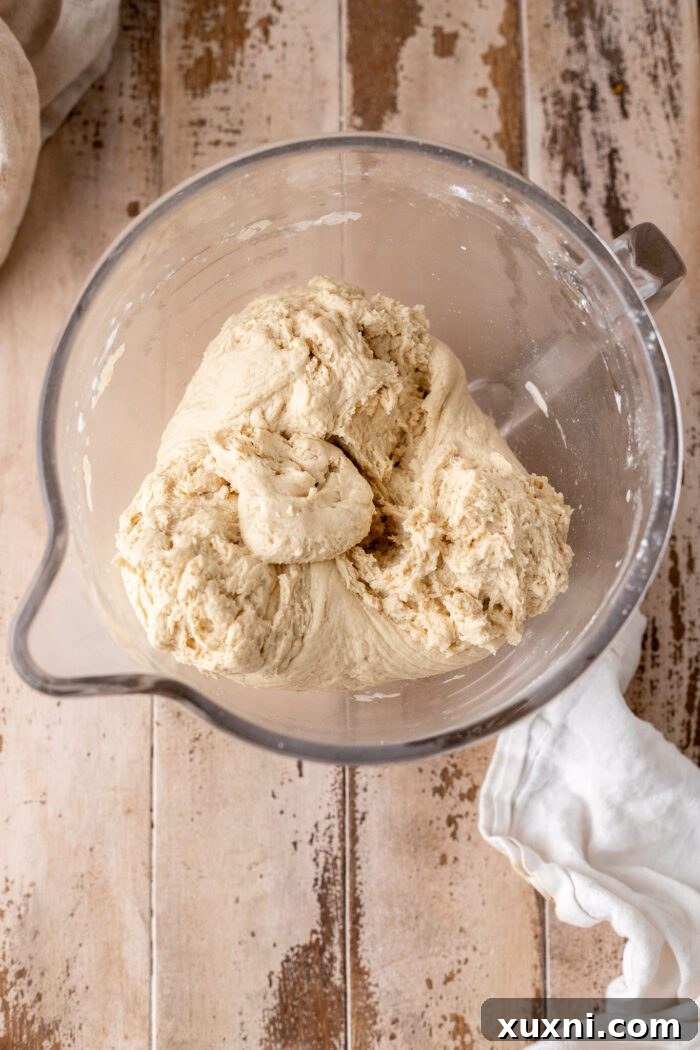
The journey begins by preparing the dough, ideally in a stand mixer for effortless kneading. Thanks to the use of quick rise yeast, the process is streamlined: start by thoroughly whisking together all your dry ingredients. This ensures an even distribution of the yeast and leavening agents throughout the flour mixture. Once the dry components are well combined, introduce the wet ingredients. Utilize a dough hook attachment on your stand mixer to knead the dough for approximately 10 minutes. This dedicated kneading time is vital for developing the structure and ensuring a beautifully smooth, pliable dough that is a joy to work with.
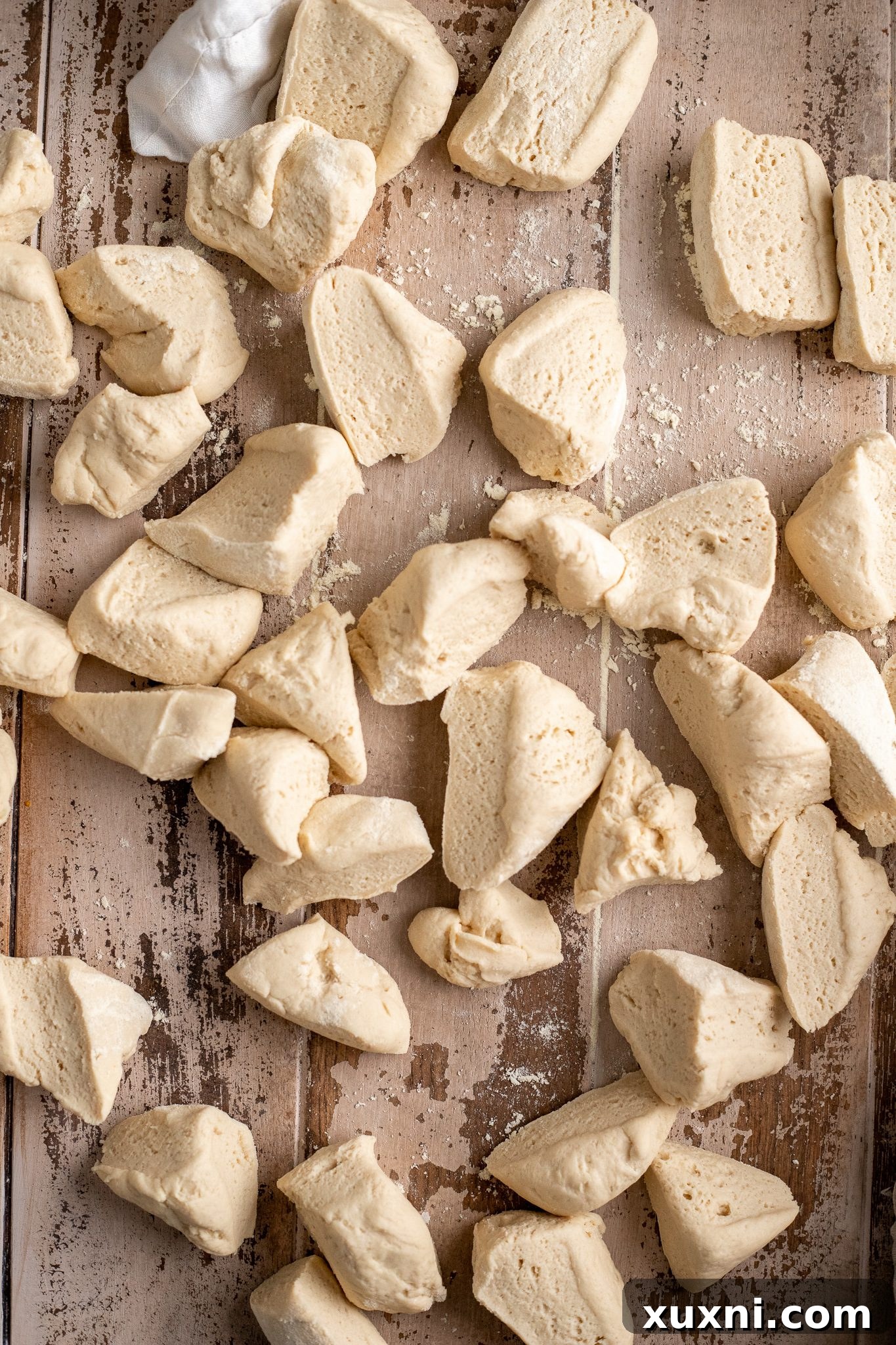
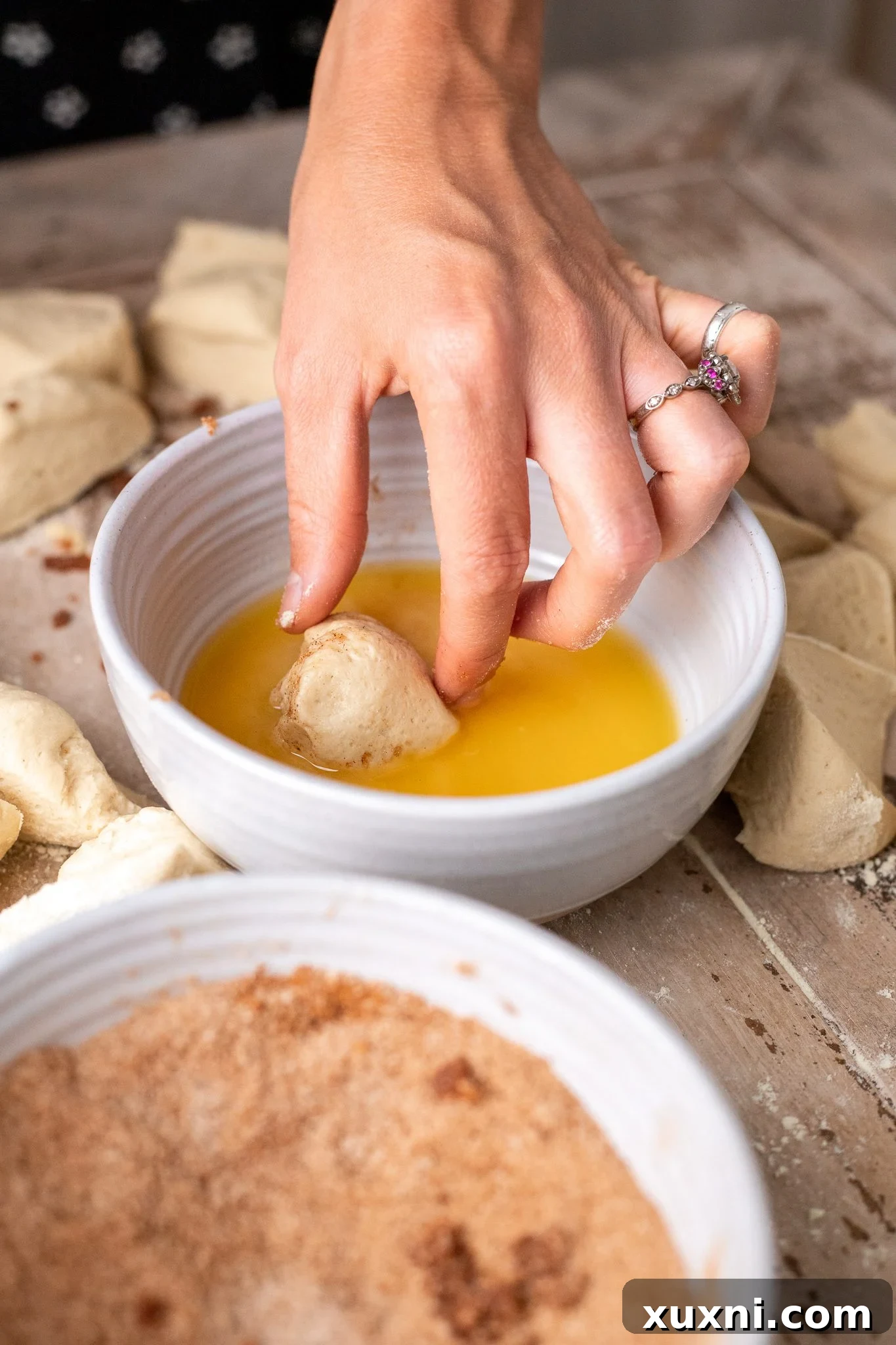
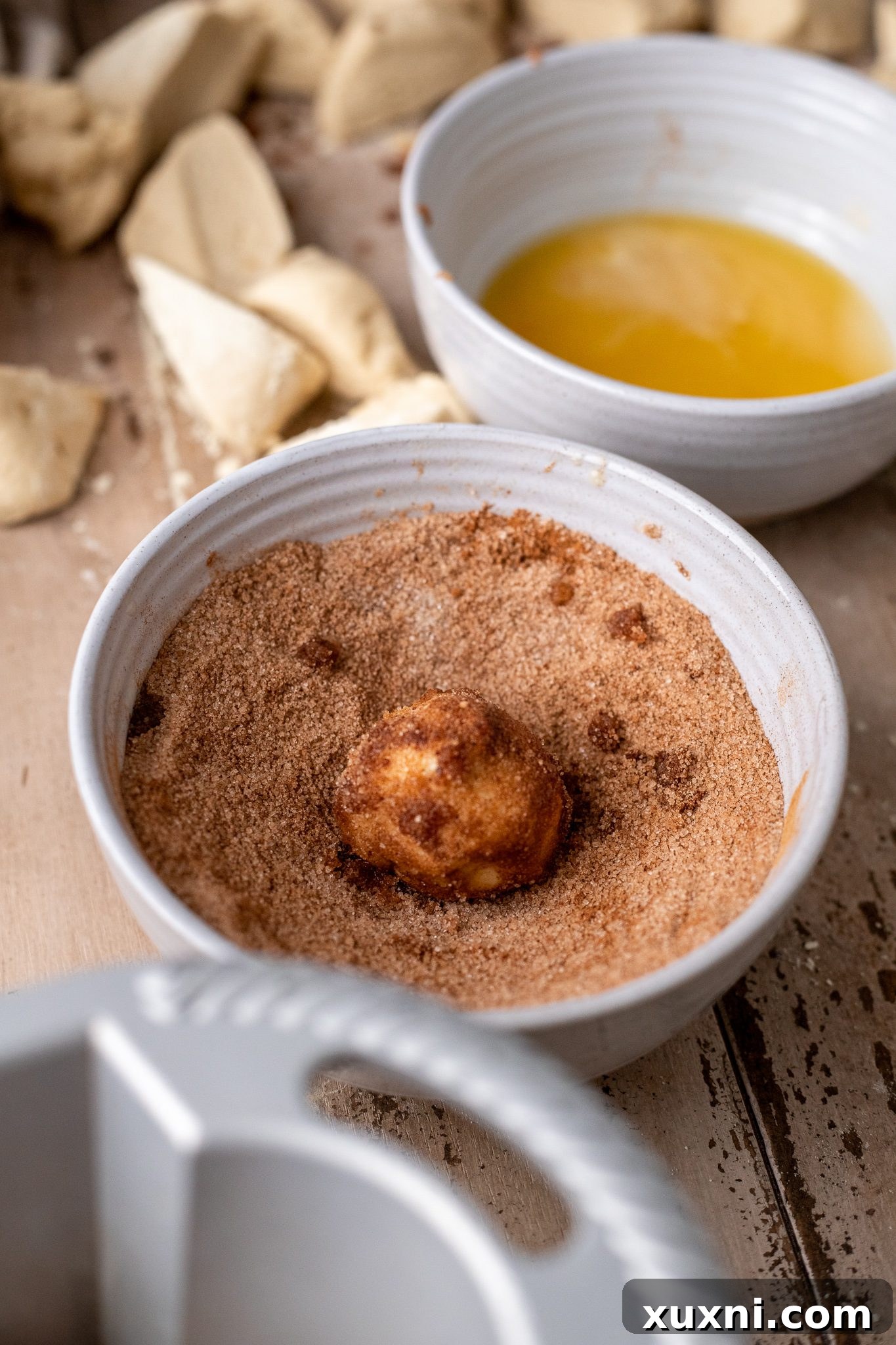
Next, you’ll embark on the satisfying task of shaping your monkey bread. Begin by dividing the prepared dough into approximately 40-50 small, manageable pieces. To streamline your process, create an efficient assembly line: set up a bowl of melted vegan butter, followed by a bowl of your aromatic cinnamon sugar mixture, and finally, have your greased bundt pan ready. Take one dough piece at a time, dip it completely into the melted vegan butter, ensuring it’s thoroughly coated. Immediately after, roll it generously in the cinnamon sugar mixture until it’s evenly covered. Then, carefully place the coated dough ball into the bundt pan. Continue this delightful process for all the remaining dough pieces, arranging them in layers within the pan to create that iconic pull-apart structure.
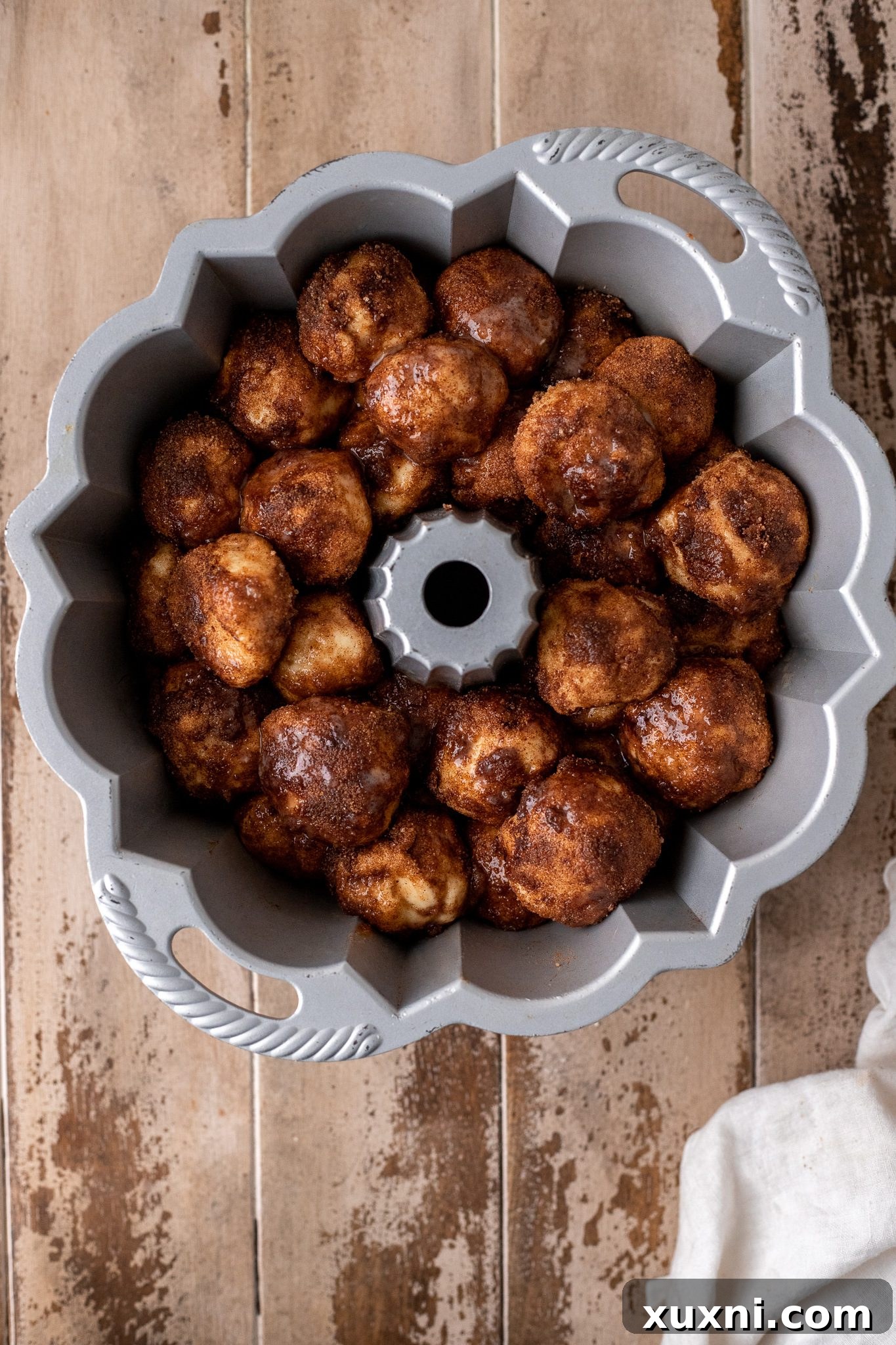
Once all the dough pieces are meticulously arranged in the bundt pan, it’s time for the crucial rising stage. Gently cover the pan with a clean dish towel and place it in a warm environment. This allows the gluten-free monkey bread dough to proof until it has beautifully doubled in size, a process that typically takes between 40 to 60 minutes. While your dough is happily rising, take this opportunity to preheat your oven to the specified temperature. Once the dough has achieved its full, puffy volume and the oven is perfectly hot, your monkey bread is ready for baking. It will bake to a golden perfection in approximately 35-40 minutes, or until the top is beautifully browned and a skewer inserted comes out clean, indicating it’s thoroughly cooked through and exquisitely soft inside.
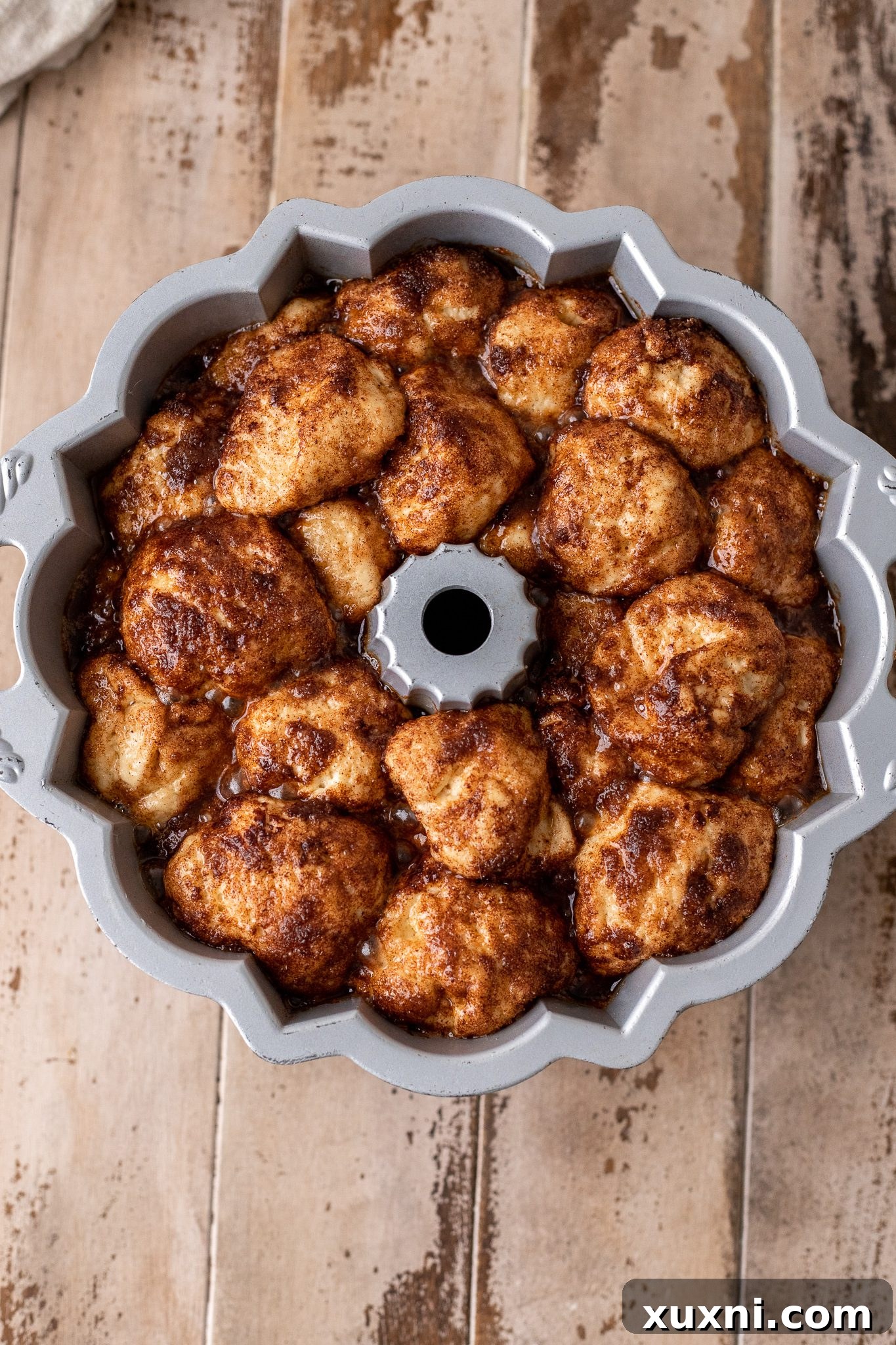
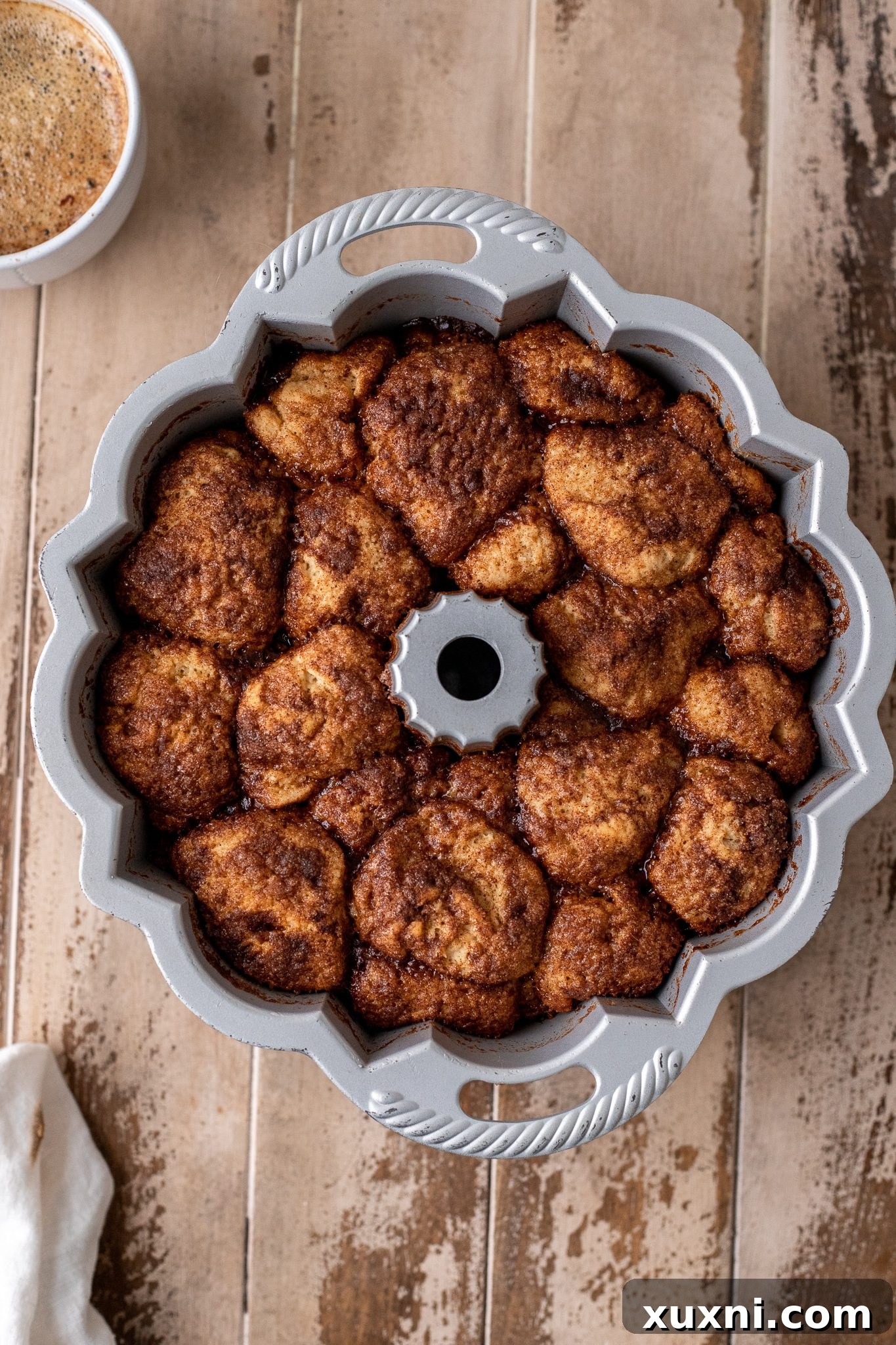
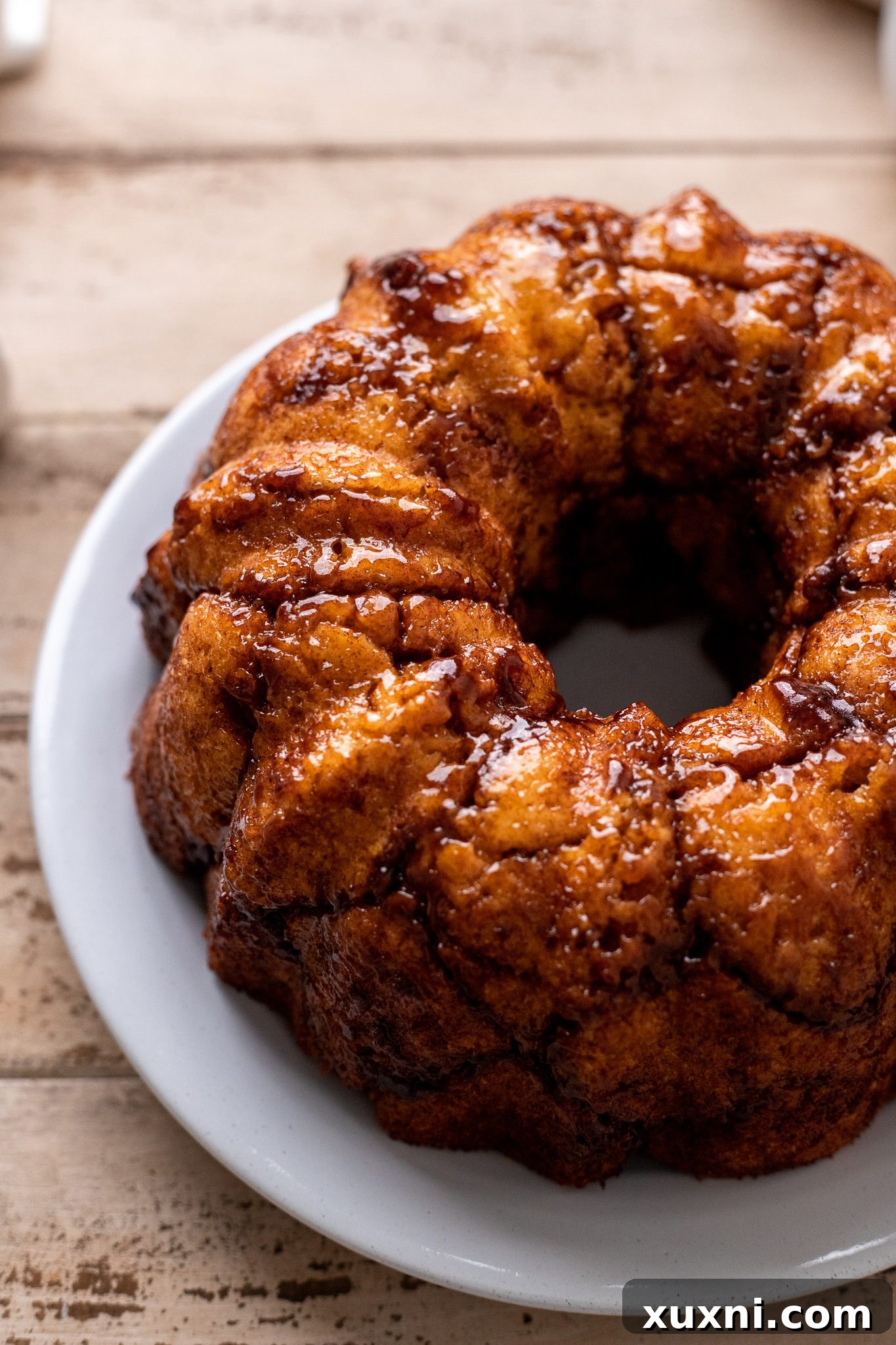
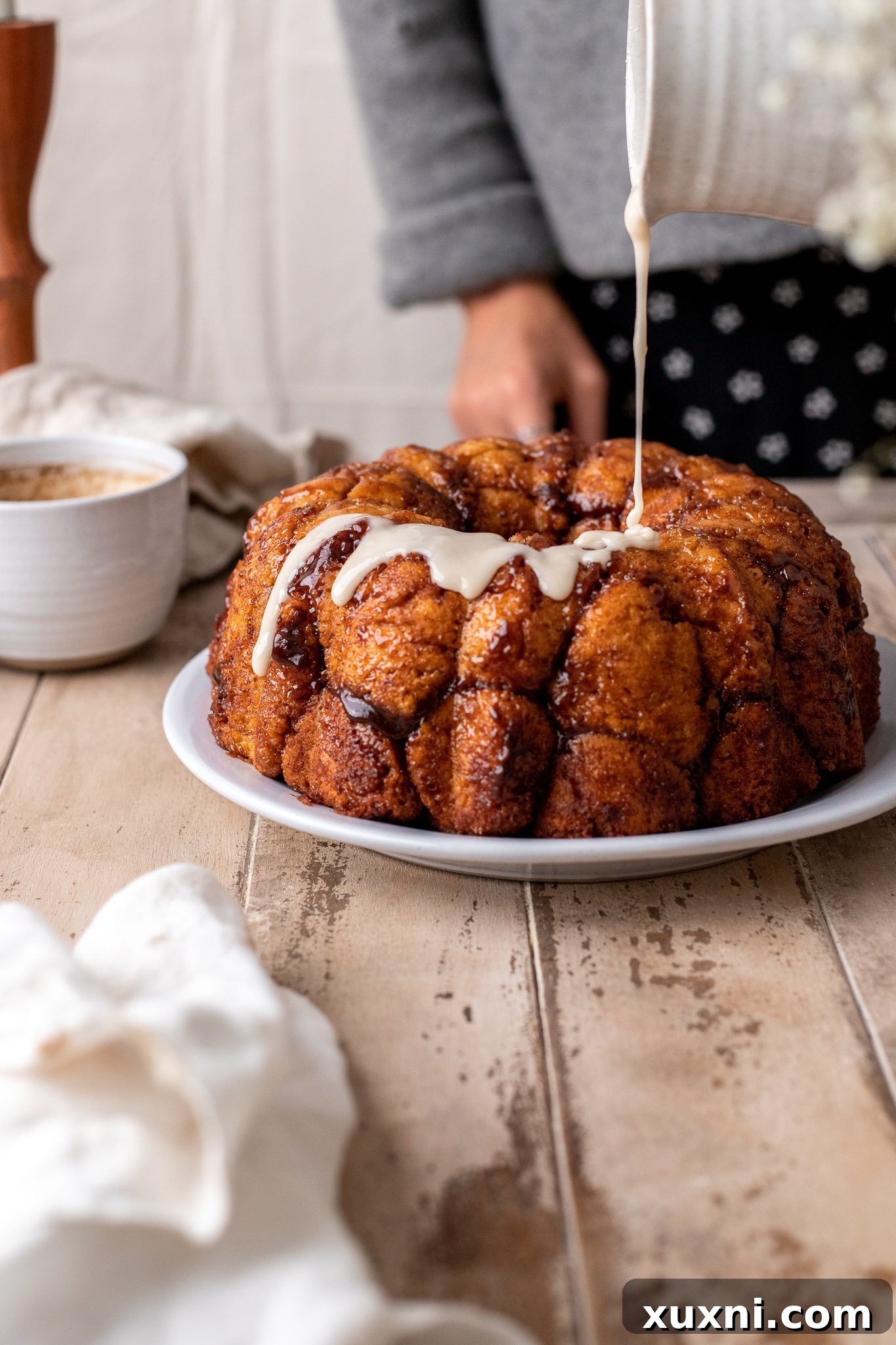
The final touch to this magnificent treat is a luscious, simple powdered sugar glaze. Once your monkey bread has cooled slightly, liberally drizzle the sweet glaze over the warm, fragrant pull-apart bread. The glaze will cascade into all the nooks and crannies, adding another layer of sweetness and moisture. Then, it’s time to serve! Gather your loved ones, pull apart a piece of this heavenly creation, and revel in the joy of a truly unbelievable gluten-free, vegan, and dairy-free monkey bread. It’s an experience that delights all senses and leaves a lasting impression.
Do I Really Need a Stand Mixer for This Recipe?
While a stand mixer with a dough hook attachment is highly recommended for this gluten-free monkey bread dough, it’s not an absolute necessity. The stand mixer simplifies the kneading process, especially for gluten-free doughs which can sometimes be a bit trickier to handle due to their unique texture. It ensures thorough mixing and proper development of the dough’s structure without requiring extensive manual effort.
However, if you don’t own a stand mixer, you can certainly make this gluten-free dough by hand! Be prepared for a bit more physical work, as it will require vigorous mixing and kneading with a sturdy wooden spoon or your hands to achieve the desired smooth, pliable consistency. The key is to be patient and ensure all ingredients are well incorporated and the psyllium husk has fully hydrated, which may take slightly longer than with a mixer. The end result will still be a delicious homemade monkey bread, a testament to your baking dedication!
Can I Use a Bread Machine for Gluten-Free Monkey Bread?
While bread machines are convenient for many types of bread, I personally have not experimented with using one for this specific gluten-free monkey bread recipe. Therefore, I cannot definitively speak to the results you would achieve. Gluten-free doughs often have unique hydration and kneading requirements that can differ significantly from traditional wheat-based doughs, and not all bread machine settings are optimized for these distinctions.
For the best and most reliable outcome, I strongly recommend sticking to the methods outlined in this recipe: either using a stand mixer with a dough hook or preparing the dough by hand. These methods allow for greater control over the dough’s consistency and the kneading process, which are crucial for achieving the perfect soft and fluffy texture in gluten-free baking. If you’re looking for an easier alternative, the stand mixer provides excellent results with minimal effort.
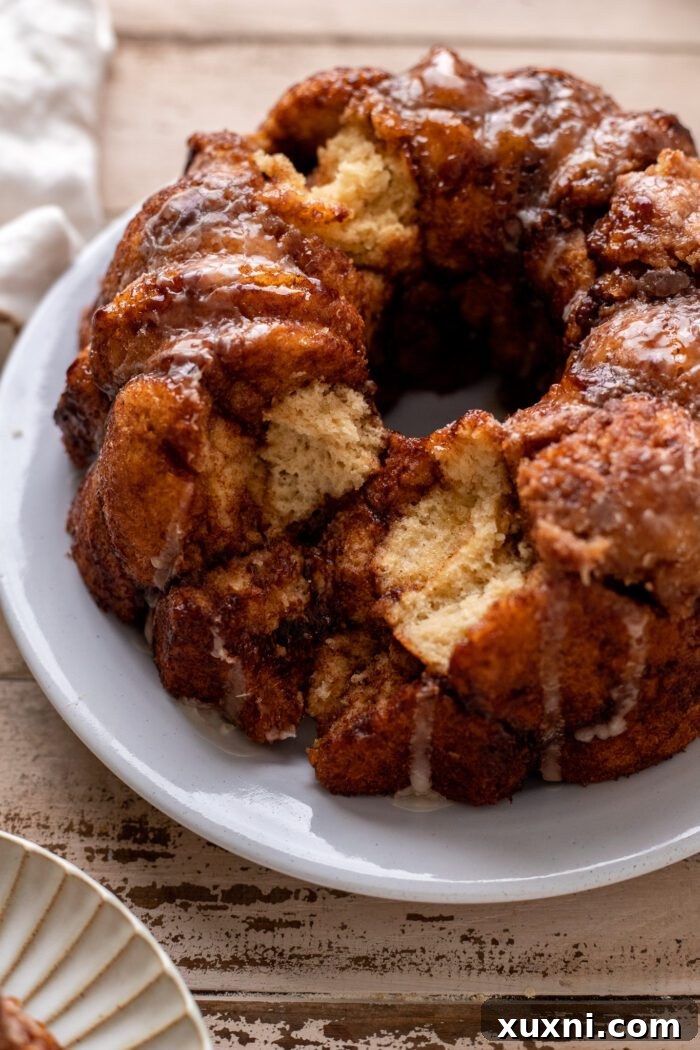
Storage and Reheating: How Long Does Gluten-Free Monkey Bread Last?
Enjoying your homemade gluten-free monkey bread beyond the first delicious serving is entirely possible with proper storage! This delightful vegan treat can be stored in a few different ways to maintain its freshness and flavor.
For short-term enjoyment, you can keep the gluten-free vegan monkey bread at room temperature. Simply ensure it is covered tightly with plastic wrap or stored in an airtight container to prevent it from drying out. When stored this way, it will remain wonderfully fresh and soft for up to 1 day.
If you need to store it for a longer period, the refrigerator is your best bet. Wrap the monkey bread securely in plastic wrap, then place it in an airtight container. In the refrigerator, it will stay fresh and delicious for up to 5 days, making it perfect for preparing a few days in advance for a special occasion.
For extended storage, the freezer is an excellent option. Once the monkey bread has completely cooled, wrap individual portions or the whole loaf tightly in plastic wrap, then an additional layer of aluminum foil, and place it in a freezer-safe bag or container. It can be stored in the freezer for up to 3 months, allowing you to enjoy this delightful treat whenever a craving strikes.
To reheat previously stored monkey bread and bring it back to its original soft and warm glory, follow these simple steps: Preheat your oven to a gentle 300°F (150°C). Line a baking sheet with parchment paper. Place the desired amount of monkey bread onto the prepared baking sheet. Heat for approximately 5-10 minutes, or until it is thoroughly warmed through and returns to its beautifully soft and fluffy texture. This gentle reheating method ensures it tastes freshly baked every time!
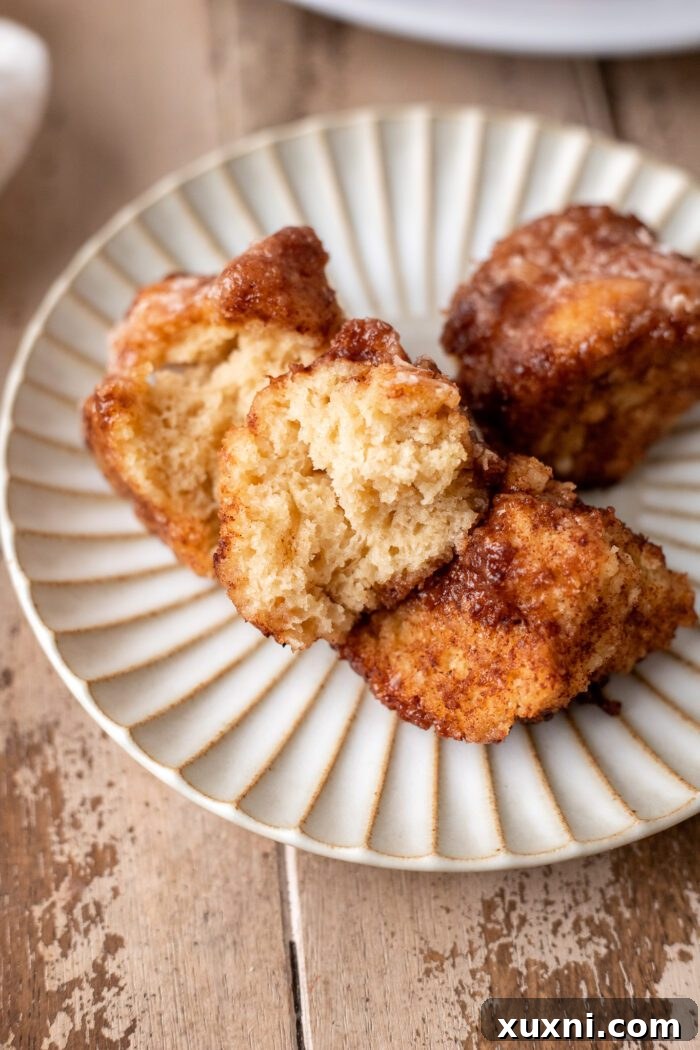
Don’t let this incredible recipe slip away! Add it to your favorite recipe board on Pinterest and keep it handy for future baking adventures.
We absolutely adore seeing your culinary creations! If you whip up this fantastic recipe, please take a moment to leave a comment and a rating ⭐️⭐️⭐️⭐️⭐️ below. Your feedback is incredibly valuable and helps other home bakers discover and enjoy these recipes. As always, feel free to share your gorgeous photos on Instagram and Pinterest – remember to tag me @the_bananadiaries and use the hashtag #thebananadiaries so I can celebrate your beautiful bakes!
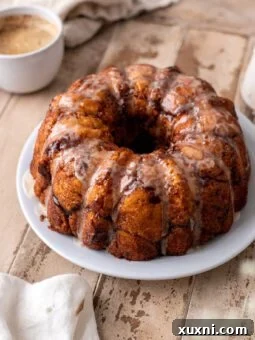
Soft & Fluffy Gluten-Free Monkey Bread (Just like the classic!)
5 Stars
4 Stars
3 Stars
2 Stars
1 Star
5 from 3 reviews
- Author: Britt Berlin
Prep Time: 20 minutes
Proof: 60 minutes
Cook Time: 35 minutes
Total Time: 1 hour 55 minutes
Yield: 10-12 servings
Category: Breakfast, Dessert
Method: Baking
Cuisine: American
Diet: Gluten-Free, Vegan, Dairy-Free
Description
This unbelievably gluten-free monkey bread is so perfectly soft and fluffy, no one will know it’s gluten-free (and vegan and dairy-free too!)! It’s incredibly easy to make, requires no xanthan gum, and features a dough that’s a pure delight to work with. This gluten-free monkey bread is truly the perfect sweet cinnamon breakfast to elevate your holiday brunch or any special morning!
Ingredients
Scale
*FOR THE MOST ACCURATE MEASUREMENTS, PLEASE USE A KITCHEN SCALE TO WEIGH YOUR INGREDIENTS!*
For the Gluten-Free Monkey Bread Dough:
- 3 cups (390 g) tapioca flour or starch
- 2 1/3 cups (325 g) millet flour*
- 1/2 cup + 1 tbsp (115 g) granulated sugar (organic for vegan, or coconut sugar for refined sugar-free)
- 1/3 cup (32 g) psyllium husk powder
- 2 tbsp arrowroot starch (or cornstarch for substitution)
- 4 1/2 tsp (2 packets or 14 g) instant yeast (quick rise yeast is essential)
- 1/8 tsp sea salt
- 1 3/4 cups (400 mL) dairy-free milk (such as soy milk, oat milk, or almond milk), warmed to lukewarm temperature
- 1/2 cup (143 g) dairy-free yogurt, at room temperature
- 1/3 cup (75 g) vegan butter, melted but cooled to not be hot
- 1 tbsp (15 mL) apple cider vinegar
- 1 tsp vanilla extract
For the Irresistible Cinnamon Sugar Coating:
- 1/2 cup (113 g) vegan butter, melted and cooled to room temperature
- 1 cup (200 g) granulated sugar (or brown sugar for a deeper flavor), plus extra as needed for coating
- 3 tbsp ground cinnamon
For the Simple Glaze:
- 2 cups powdered sugar
- 1 tbsp dairy-free milk (add more if needed for desired consistency)
Instructions
- Preparation is Key: Begin by thoroughly greasing a 10-cup fluted bundt pan. Set it aside for later use. Next, meticulously measure out all your ingredients before you start mixing – this ensures a smooth and stress-free baking process. In a separate small bowl, whisk together the granulated sugar and ground cinnamon designated for the cinnamon sugar coating until well combined. Set this fragrant mixture aside.
- Combine Dry Ingredients: In the large bowl of your stand mixer (or a spacious mixing bowl if you’re kneading by hand), combine the tapioca starch and millet flour. Using a whisk, thoroughly blend these two flours. Then, incorporate the granulated sugar, psyllium husk powder, arrowroot starch, sea salt, and the instant yeast. Whisk all these dry ingredients vigorously for at least 1-2 minutes to ensure everything is perfectly and evenly distributed throughout the flour mixture. This step is crucial for consistent rising and texture.
- Form the Dough: If using a stand mixer, attach the bowl and the dough hook. Create a small well or crater in the center of your dry ingredients. Pour in the lukewarm dairy-free milk, room temperature dairy-free yogurt, melted (but not hot) vegan butter, apple cider vinegar, and vanilla extract. Turn your stand mixer on to a medium speed. Mix until a smooth, cohesive dough forms, typically around 7 minutes in a stand mixer. If kneading by hand, mix with a sturdy wooden spoon until the ingredients come together, then turn it out onto a lightly floured surface and knead for about 15 minutes. The dough should feel smooth and pliable, with very minimal stickiness. The psyllium husk needs a few minutes to fully activate and absorb moisture, which helps give the dough a wonderful, traditional dough-like feel. If after 7 minutes of mixing in the stand mixer the dough still feels excessively sticky, you can safely add an additional 20 grams (about 1.5-2 tablespoons) of millet flour, one tablespoon at a time, until the desired consistency is reached.
- Set Up Your Assembly Line: Prepare your efficient assembly line for coating the monkey bread pieces. Pour the melted vegan butter into one shallow bowl. Place the prepared cinnamon sugar mixture into another shallow bowl right next to it. As you progress through the shaping process, you might find that you need to replenish or add more granulated sugar to your cinnamon sugar mixture, depending on how many individual dough bites you create.
- Create and Coat the Dough Bites: Using a bench scraper or a large, sharp knife, first divide your dough in half, then divide each half into quarters. Proceed to divide these quarters further until you have approximately 40-50 small dough balls. Aim for pieces roughly 1 to 1.5 inches in diameter; they don’t need to be perfectly uniform. Take one dough ball, dip it completely into the bowl of melted vegan butter, ensuring it’s thoroughly coated on all sides. Immediately transfer it to the cinnamon sugar mixture and roll it around until it’s generously covered. Place this coated dough ball directly into your greased bundt pan. Repeat this dipping and coating process with all the remaining dough balls, arranging them evenly throughout the pan.
- Arranging and Final Coating in the Bundt Pan: As you place the cinnamon-sugar-coated dough balls into the bundt pan, distribute them evenly around the bottom, then gradually build up the layers. It’s important to not discard any leftover vegan butter or cinnamon sugar mixture at this point. You will likely have some excess from the dipping process. Combine any remaining cinnamon sugar with the leftover melted vegan butter in a bowl. Stir this mixture vigorously until it is thoroughly combined and forms a thick, sticky sauce. Once all the dough balls are arranged in the bundt pan, pour this delicious cinnamon sugar butter mixture generously over the top of the dough. This creates an extra layer of gooey sweetness that will caramelize beautifully during baking.
- The Final Rise (Proofing): After pouring the vegan butter mixture over the dough, cover the bundt pan tightly with a clean kitchen towel. Place the covered pan in a warm, draft-free spot, ideally near your preheating oven. Allow the monkey bread dough to rest and rise for approximately 40-60 minutes, or until it has visibly doubled in size and looks puffy. Towards the end of this resting period, begin preheating your oven to 350°F (175°C). This synchronized timing ensures your oven is perfectly ready once your dough is fully proofed.
- Baking Perfection: Once your gluten-free monkey bread has completed its rise and the oven is fully preheated to 350°F (175°C), carefully transfer the bundt pan to the oven. Bake for approximately 30-35 minutes. You’ll know it’s done when the tops of the dough balls are beautifully golden brown, look crispy and puffy, and the entire loaf feels firm to the touch. For an extra check, carefully insert a thin knife or skewer into the center of the monkey bread: if it comes out mostly clean with just a few moist crumbs, it’s ready. If it still looks wet or gooey, allow it a few more minutes in the oven.
- Glaze and Serve: Once baked, carefully remove the monkey bread from the oven. Allow the bundt pan to cool on a wire rack for precisely 10 minutes – this cooling period is crucial for the monkey bread to set and release easily. While it cools, prepare your simple glaze: whisk together the powdered sugar with 1 tablespoon of dairy-free milk in a small bowl until completely smooth and free of any clumps. To remove the monkey bread from the pan, don oven mitts, place a serving plate upside down over the top of the bundt pan, and holding both the plate and the pan firmly, carefully flip them over. The monkey bread should gently release onto the plate. Liberally drizzle the freshly made glaze over the warm monkey bread, letting it cascade down the sides and seep into the crevices. Serve immediately and enjoy the incredibly soft, gooey, and sweet pull-apart layers!
Notes for Baking Success
Accuracy with a Kitchen Scale: For the absolute best and most consistent results in gluten-free baking, I cannot stress enough the importance of using a kitchen scale to weigh your ingredients, especially flours. Measuring by weight (grams) is significantly more accurate than by volume (cups), as flour density can vary. I highly recommend the OXO kitchen scale for precise measurements. If you must use US standard cups, please remember to spoon and level your flours into the measuring cup to avoid compaction, which can lead to too much flour and a dry dough.
Millet Flour Alternatives: While millet flour is preferred for its soft texture and subtle sweetness, you can substitute it with sorghum flour if necessary. However, be aware that using sorghum flour will result in a monkey bread with a denser texture and a flavor profile that leans more towards that of a whole wheat cinnamon roll. This is still delicious but will differ from the ideal light and fluffy outcome of millet flour.
Dairy-Free Yogurt Choices: This recipe is incredibly versatile when it comes to dairy-free yogurt. Feel free to use your favorite variety! If you have nut allergies, soy milk yogurt or coconut yogurt are excellent choices that work beautifully. I’ve also successfully tested this recipe with vegan Greek-style protein-packed yogurts, yielding equally fantastic results. The key is to use an unflavored, unsweetened or lightly sweetened plain dairy-free yogurt.
Yeast Type is Critical: For the standard preparation of this recipe, it is crucial to use INSTANT yeast (also known as quick rise or rapid rise yeast), and NOT active dry yeast. Instant yeast is formulated to be fast-acting, allowing you to bypass the traditional double-rise and significantly shorten the total proofing time. Using active dry yeast for the standard method will result in a much longer rise time and potentially a different texture. The only exception is if you are following the OVERNIGHT option, where active dry yeast can be successfully employed due to the extended cold proofing time.
Make-Ahead / Overnight Option: To enjoy fresh monkey bread first thing in the morning with minimal effort, you can prepare the dough in advance. Follow steps 1 through 7 of the instructions, stopping just before the final proofing. Once the dough balls are arranged in the bundt pan and covered with the butter mixture, cover the pan tightly with plastic wrap. Store the monkey bread in the refrigerator overnight (up to 12-18 hours). Approximately 1 hour before you plan to serve the monkey bread, remove the pan from the fridge and place it in a warm area to allow the dough to complete its rise while your oven preheats. Then, continue with step 8 (baking) as directed. This method is perfect for stress-free holiday breakfasts!
Comprehensive Tips and Substitutions: For a deeper dive into all possible tips, tricks, and more extensive descriptions on ingredient substitutions and troubleshooting, please refer to the full blog post above. It provides a wealth of information to help you achieve the best gluten-free monkey bread every time.
Explore More Holiday-Inspired Gluten-Free Breakfast Ideas:
Looking for more delicious and inclusive breakfast options to brighten your holiday mornings? We have a fantastic selection of gluten-free and vegan recipes that are perfect for any festive spread. Expand your repertoire with these delightful choices:
- Gluten-Free Vegan French Toast: A classic breakfast staple made accessible and utterly delicious, featuring perfectly golden, custardy slices.
- Vegan French Toast Casserole: The ultimate make-ahead dish, this casserole offers all the comforting flavors of French toast in an easy-to-serve format, ideal for feeding a crowd.
- Gluten-Free Gingerbread Cinnamon Rolls: Infuse your mornings with the festive spices of gingerbread in these soft, warm, and gooey cinnamon rolls.
- Vegan Gluten-Free Quiche: A savory and satisfying option, this chickpea-based quiche is rich, flavorful, and perfect for a hearty brunch.
Each of these recipes is crafted to bring joy and flavor to your holiday table, ensuring that everyone can partake in the festive feast, regardless of their dietary needs. Happy baking and happy holidays!