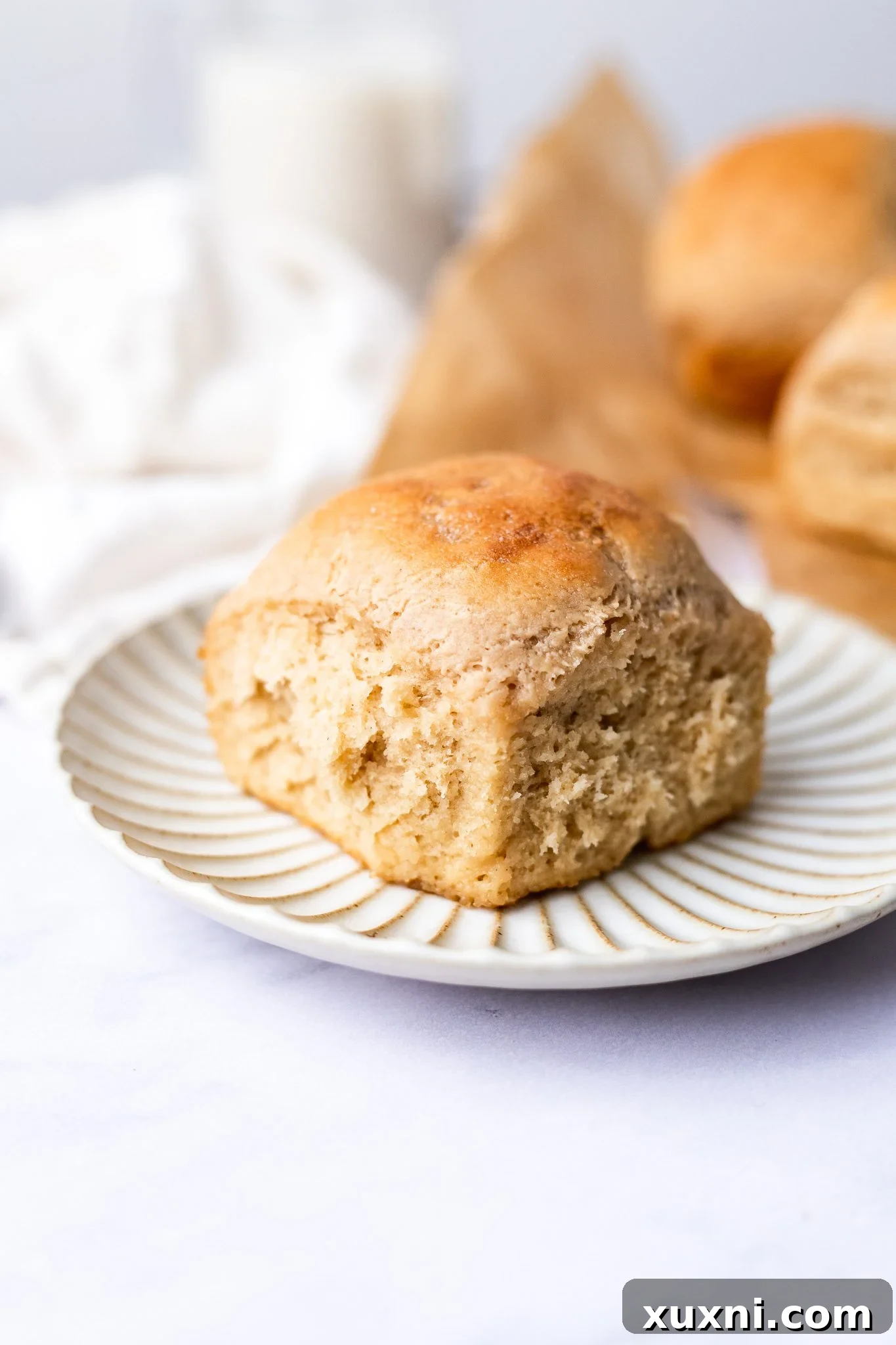
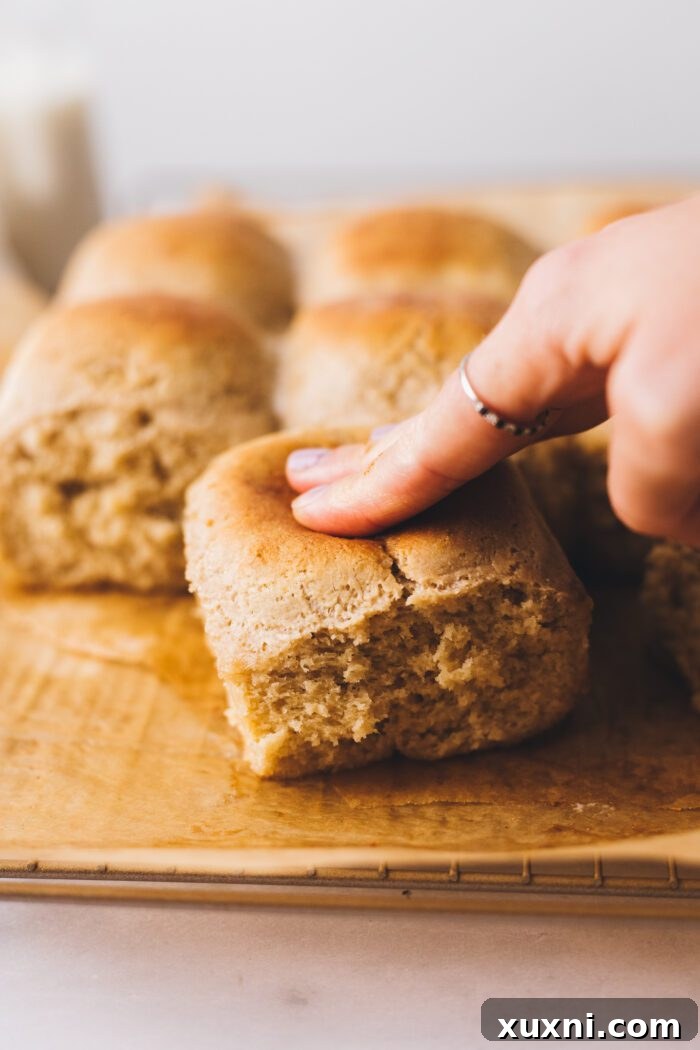
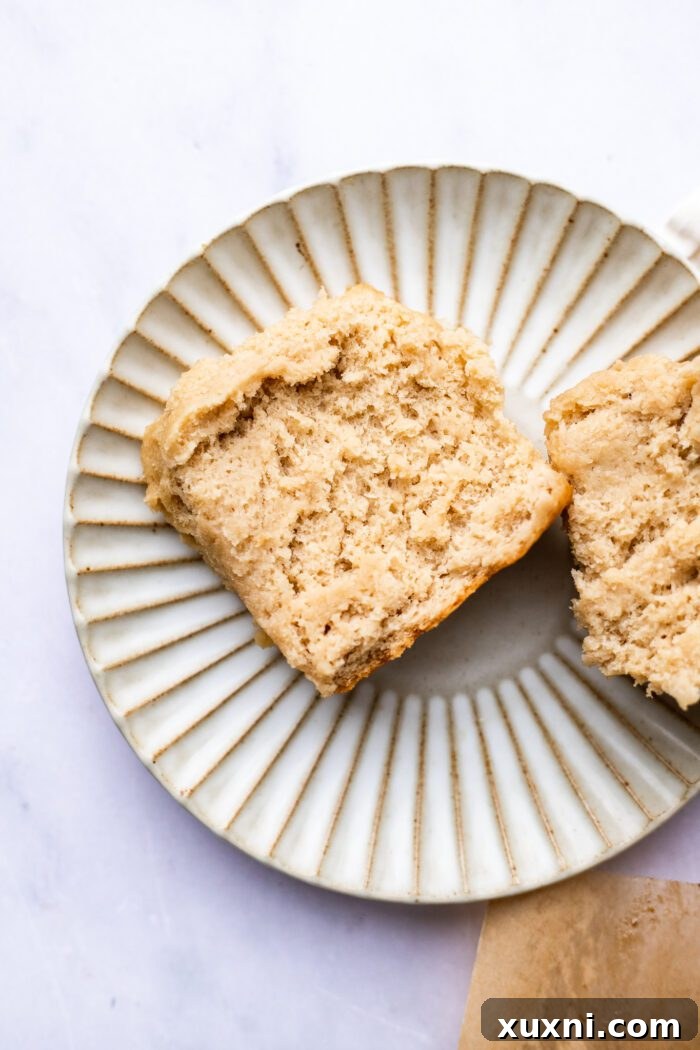
Imagine perfectly soft, incredibly fluffy dinner rolls that just melt in your mouth – and happen to be entirely gluten-free and vegan! This isn’t a dream; it’s the reality with this amazingly easy recipe. Forget complicated bread machines or the need for xanthan gum. These rolls are so delightful, everyone at your table will reach for seconds, regardless of their dietary preferences. Get ready to bake the most unbelievably delicious gluten-free and vegan dinner rolls you’ve ever tasted.
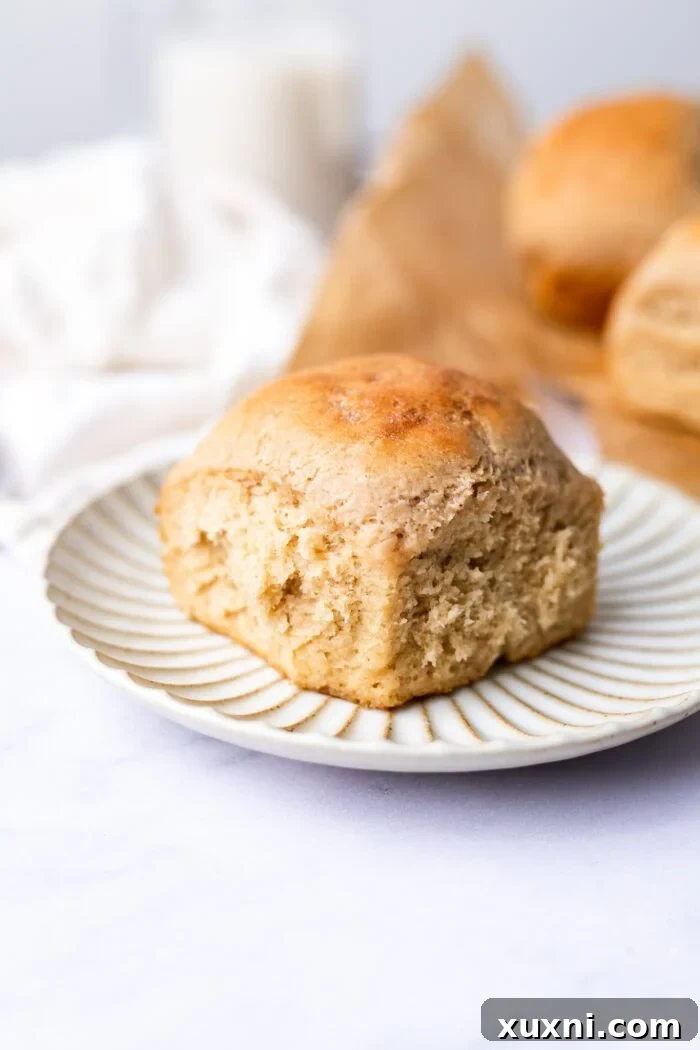
The Ultimate Guide to Easy Soft & Fluffy Gluten-Free Dinner Rolls (Vegan)
For many, gluten-free baking can be a daunting journey, often leading to dense, crumbly, or disappointing results. The quest for truly light and fluffy gluten-free bread can feel endless. But what if we told you that achieving perfectly pillowy dinner rolls, even without gluten or animal products, is not only possible but incredibly easy? You’ve stumbled upon the recipe that will change your perception of gluten-free baking forever. This isn’t just another gluten-free recipe; it’s the secret to creating dinner rolls that are so tender and flavorful, they’ll become a staple in your kitchen, cherished by gluten-free and traditional bread lovers alike.
Our commitment to delicious, accessible plant-based baking has led to a collection of award-winning recipes, and these dinner rolls are no exception. They join the ranks of our celebrated gluten-free vegan cinnamon rolls, versatile gluten-free pizza dough, and the beloved gluten-free sandwich bread – all crafted with care to be completely vegan and utterly delicious. This particular recipe stands out because it delivers on a promise many gluten-free bread recipes fail to keep: a texture and taste indistinguishable from classic, gluten-containing dinner rolls.
What makes these rolls so special? They’re surprisingly simple to make, requiring less than two hours from start to finish. The dough handles beautifully, mimicking the elasticity and workability of traditional bread dough, making the baking process a joy, not a challenge. Furthermore, these rolls are crafted to be undetectably vegan, meaning they are completely free from eggs, dairy, and nuts. And for those sensitive to common gluten-free additives, you’ll be thrilled to know this recipe achieves its incredible texture without any xanthan gum.
Unlike many gluten-free recipes that rely on expensive, pre-mixed flour blends, our approach simplifies things by utilizing just three primary flours. This not only makes the ingredients more accessible but also gives you more control over the final texture and flavor. The outcome is a batch of perfectly plush, soft, and delightfully squishy dinner rolls, ready to grace any meal, whether for family dinners, holiday feasts, or simply as a comforting side. Prepare to be amazed by the delicious potential of truly fantastic gluten-free and vegan baking!
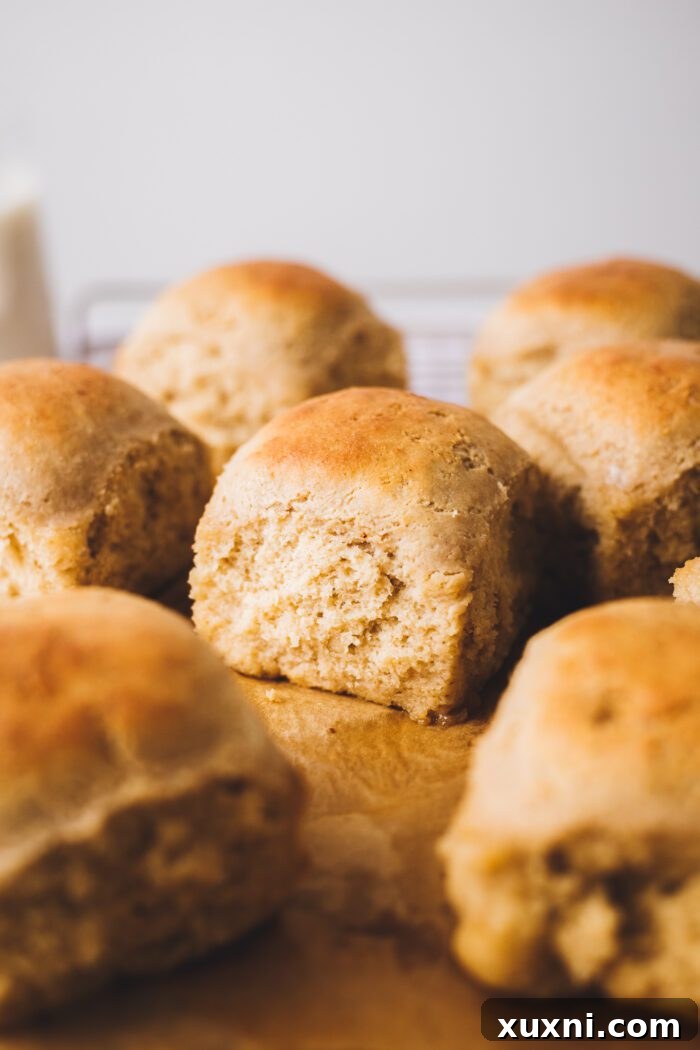
Essential Ingredients for Perfect Gluten-Free Dinner Rolls
Crafting exceptional gluten-free and vegan dinner rolls starts with a thoughtful selection of flours and binders. Each ingredient in this recipe plays a crucial role in achieving the desired soft, fluffy, and tender texture. Here’s a detailed look at what you’ll need and potential substitutions to ensure success:
- Tapioca Flour: Often labeled as tapioca starch, this ingredient is vital for adding chewiness and a light, crispy crust to gluten-free baked goods. It contributes to the pillowy soft interior of our rolls. While it’s quite unique, in a pinch, you could try a mix of cornstarch and potato starch, though results may vary slightly.
- Millet Flour: This is a superstar in our gluten-free bread recipes, beloved for its subtle sweetness and its ability to yield an exceptionally fluffy texture. Millet flour provides a rich, wholesome flavor that complements the rolls beautifully. For the absolute best results, stick with millet flour. If you must substitute, sorghum flour is the closest alternative, but be aware it might alter the delicate flavor profile.
- Sweet Rice Flour: It’s crucial to distinguish this from regular rice flour. Sweet rice flour, also known as glutinous rice flour (despite being gluten-free), is key for providing elasticity and chewiness, mimicking the role of gluten in traditional bread. Do not use regular rice flour as it will result in a drier, crumbier texture. Acceptable substitutions include oat flour or sorghum flour, which can also contribute to a tender crumb.
- Psyllium Husk Powder: This ingredient is the unsung hero of many gluten-free, xanthan gum-free recipes. It acts as a powerful binder and provides structure, absorbing moisture and forming a gel-like substance that gives the dough elasticity and prevents crumbling. It’s essential to use the finely ground powder form, not the whole husks, for consistent results. Do not omit or substitute without understanding its critical function.
- Arrowroot Starch: Similar to tapioca flour, arrowroot starch contributes to the lightness and soft texture of the rolls. It’s a great thickening agent and helps to create a tender crumb. Cornstarch can be used as a direct substitute if arrowroot is unavailable.
- Baking Powder: Working in conjunction with the yeast, baking powder provides an extra lift, ensuring our rolls are extra fluffy and light.
- Water + Dairy-Free Milk: To create an “enriched dough” feel typical of classic dinner rolls, we use a combination of warm water and warm dairy-free milk. The milk adds richness and promotes a softer crumb. Almond milk, soy milk, or oat milk are all excellent choices. Ensure they are warm (around 105-115°F / 40-46°C) to properly activate the yeast.
- Dairy-Free Yogurt: This acts as a superb vegan egg replacement, adding moisture, richness, and helping with structure and tenderness. Unsweetened plain dairy-free yogurt (soy or almond based work well) is recommended.
- Vegan Butter: Just a touch of melted vegan butter adds luxurious richness and a delightful flavor to these rolls. High-quality vegan butter brands, like Miyoko’s, are excellent for achieving a truly decadent taste and texture.
- Apple Cider Vinegar: A small amount of apple cider vinegar helps to stabilize the rise of the dough and interacts with the baking powder, contributing to sturdier, fluffier rolls. It also slightly tenderizes the crumb.
- Quick Rise Yeast: Essential for helping our dinner rolls achieve their impressive rise. We specifically recommend quick rise (or instant) yeast due to its rapid activation properties, which significantly shortens proofing time compared to active dry yeast. Please see the dedicated section below for more details on why this choice is critical for gluten-free bread.
Understanding Yeast: Quick Rise vs. Active Dry for Gluten-Free Baking
When it comes to yeast, especially in gluten-free baking, the type you choose can dramatically impact your results and timeline. For this specific gluten-free dinner roll recipe, we strongly advocate for using quick rise yeast (also known as instant yeast) over active dry yeast.
The primary reason for this recommendation lies in the nature of gluten-free dough. Unlike traditional wheat-based dough, gluten-free dough lacks the elastic gluten network that traps gas produced by yeast, allowing for a sustained and gradual rise. Active dry yeast typically requires a longer activation period and a more extended proofing time, which can be particularly challenging for gluten-free doughs that tend to dry out or over-proof if left too long. Gluten-free dough can sometimes struggle to maintain its structure over long proofing periods, leading to less successful rises.
Quick rise yeast, on the other hand, is milled more finely and treated differently, allowing it to activate much faster. This rapid activation means significantly shorter proofing times—often under an hour—compared to several hours that active dry yeast might require for a gluten-free dough. This efficiency is crucial for our recipe, ensuring your rolls are light, airy, and ready to bake without extensive waiting or the risk of over-proofing. The recipe instructions are specifically tailored for the quick action of instant yeast, so using active dry yeast would necessitate considerable adjustments to the proofing times, which we cannot guarantee will yield the same fantastic results. Always check your yeast packaging; quick rise and instant yeast are generally interchangeable.
A Step-by-Step Overview: Crafting Your Gluten-Free Dinner Rolls
While a visual guide can be incredibly helpful (we encourage watching our detailed video tutorial on YouTube or Instagram for a dynamic walkthrough!), let’s break down the process of making these magnificent gluten-free dinner rolls right here. You’ll find that the steps are straightforward and designed for baking success.
Mastering the Gluten-Free Dinner Roll Dough
Creating this dough is surprisingly simple, and its texture and pliability will remind you of traditional bread dough. For ease and optimal results, we highly recommend using a stand mixer equipped with a dough hook. This tool makes the kneading process effortless and efficient, ensuring all ingredients are thoroughly incorporated and the dough develops correctly. While it is possible to mix the dough by hand with a sturdy wooden spoon in a large bowl, be prepared for a more vigorous workout and potentially longer mixing times.
Here’s how to begin:
- Whisk the Dry Ingredients: In the bowl of your stand mixer (or a large mixing bowl if working by hand), combine all the dry ingredients: tapioca flour, millet flour, sweet rice flour, psyllium husk powder, arrowroot starch, baking powder, quick rise yeast, and sea salt. It’s crucial to whisk these thoroughly to ensure even distribution of leavening agents and binders. This step sets the foundation for a consistent texture in your finished rolls.
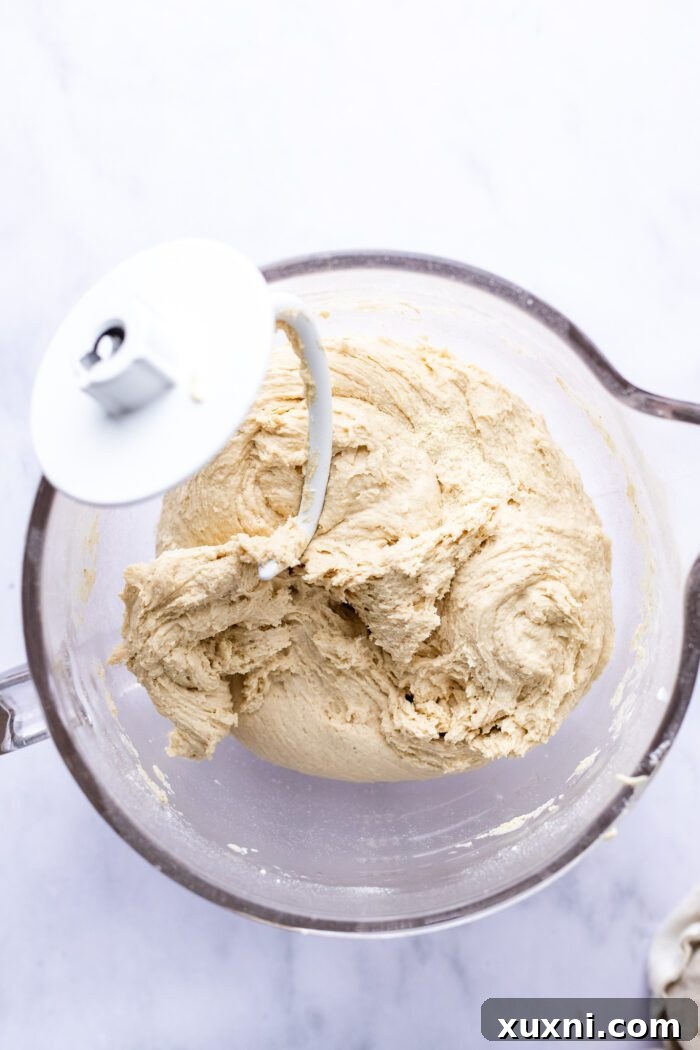
- Incorporate the Wet Ingredients: Next, add the warm water, warm dairy-free milk, dairy-free yogurt, maple syrup, and apple cider vinegar to the dry mixture. Begin mixing on medium speed with the dough hook. Initially, the mixture may appear loose, but as the psyllium husk powder activates, it will start to absorb the liquids and transform the dough. You’ll notice it thickening and coming together, much like a traditional bread dough.
- Knead and Enrich the Dough: Continue mixing the dough for about 4-5 minutes until it’s thick, consistent, and slightly tacky. This kneading process is vital for developing the structure provided by the psyllium husk. After this initial kneading, add the room temperature vegan butter. Continue mixing until the butter is fully incorporated and the dough becomes smooth and cohesive. This should take an additional 2-3 minutes in a stand mixer. If kneading by hand, the initial mixing will take about 5-7 minutes before the butter, and then another few minutes to fully integrate the butter and achieve a smooth consistency. A key advantage of this recipe is that there’s no need for an initial proofing before shaping; you can move directly to forming your rolls!
The Art of Shaping Perfect Dinner Rolls
Shaping these gluten-free rolls is a straightforward process, especially if you’re familiar with forming traditional dinner rolls. The dough is wonderfully pliable and easy to work with. Precision in shaping helps ensure uniform baking and presentation, making your rolls look as good as they taste.
Begin by lightly flouring a clean work surface with a small amount of millet flour to prevent sticking. Carefully transfer your prepared dough onto this surface. The next step is to divide the dough into 9 or 12 equal sections, depending on your desired roll size and the pan you are using (a 9×13 inch pan typically accommodates 12 rolls, while a 9×9 inch pan is better for 9 larger rolls). For absolute uniformity, you can weigh the entire dough and then divide that total by your desired number of rolls to determine the precise weight for each individual dough ball. This ensures every roll bakes evenly and looks consistent.
Once your dough is divided, take one piece and gently flatten it with the palm of your hand on the floured surface. Now, focus on creating tension and a smooth surface. Take the edges or “corners” of the flattened dough and pinch them together towards the center. This action draws the dough inward and creates a tighter structure. Flip the dough piece over so that the pinched seam is facing downwards. With gentle pressure, cup your hand around the dough ball and begin to roll it in a circular motion against the clean surface. This rolling action helps to seal the seams and creates a smooth, round, perfectly shaped dinner roll. Repeat this process for each of the remaining dough pieces, placing each finished roll into your prepared baking dish. This method ensures each roll is beautifully rounded and ready for its final proof.
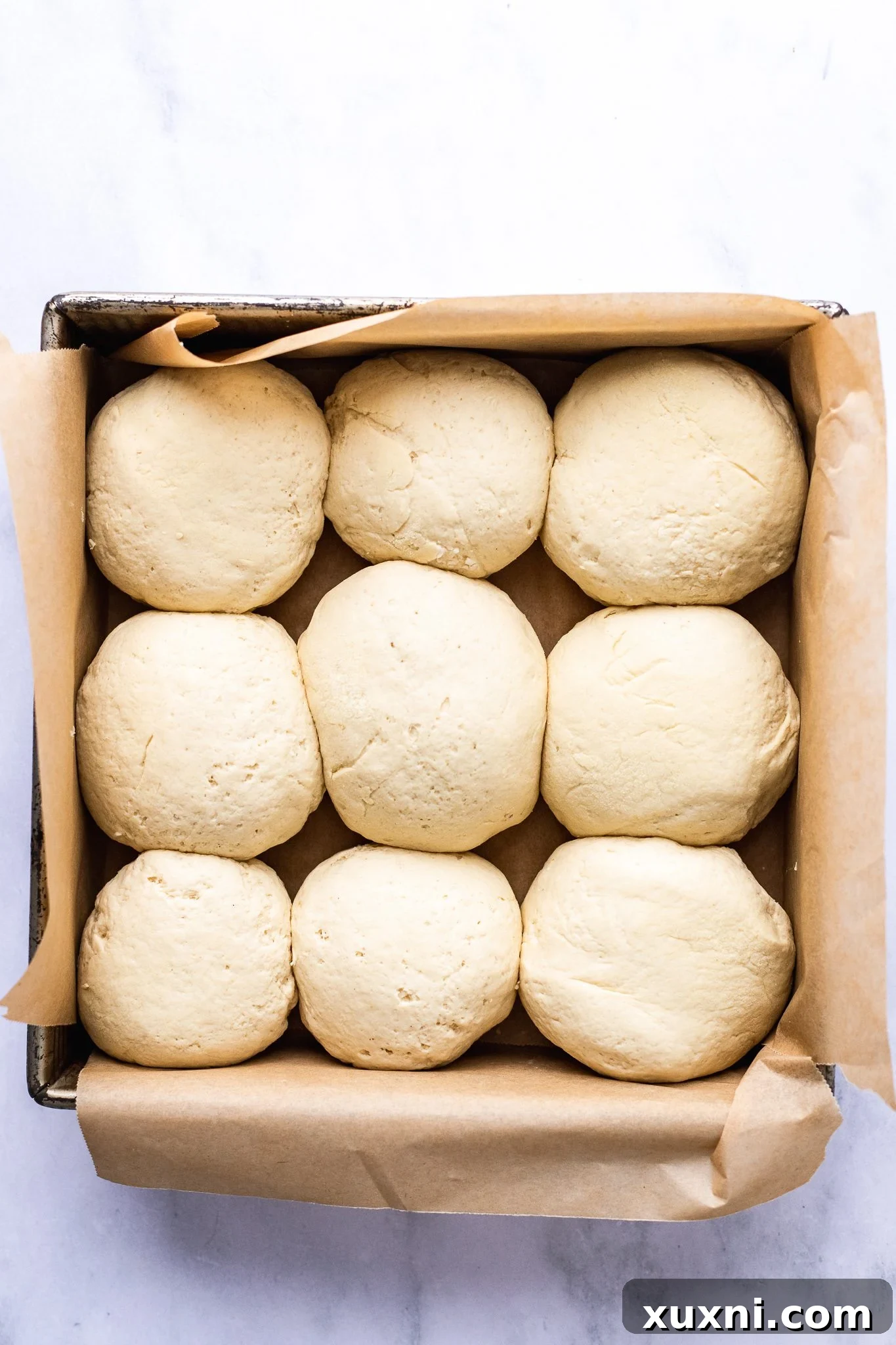
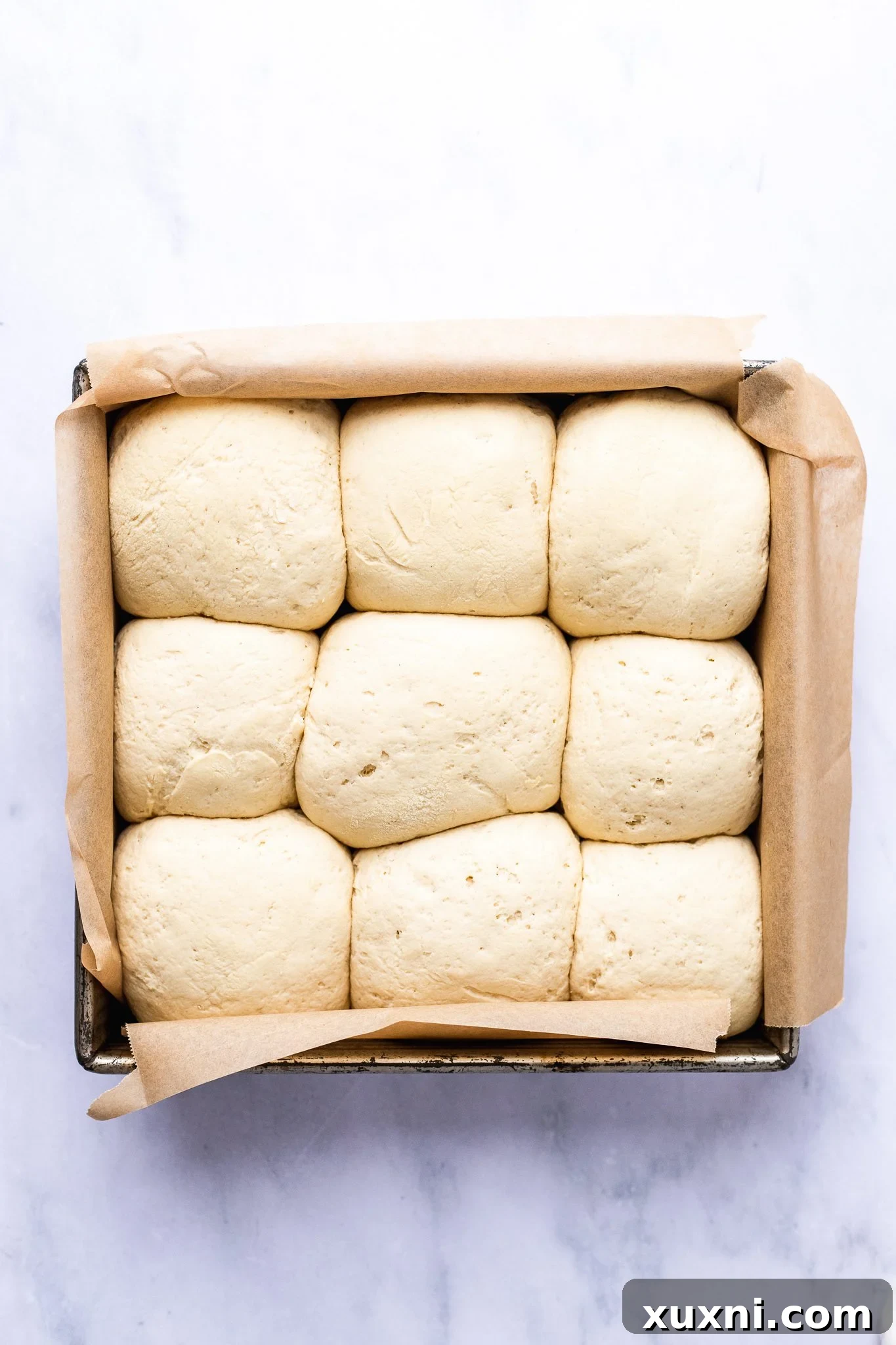
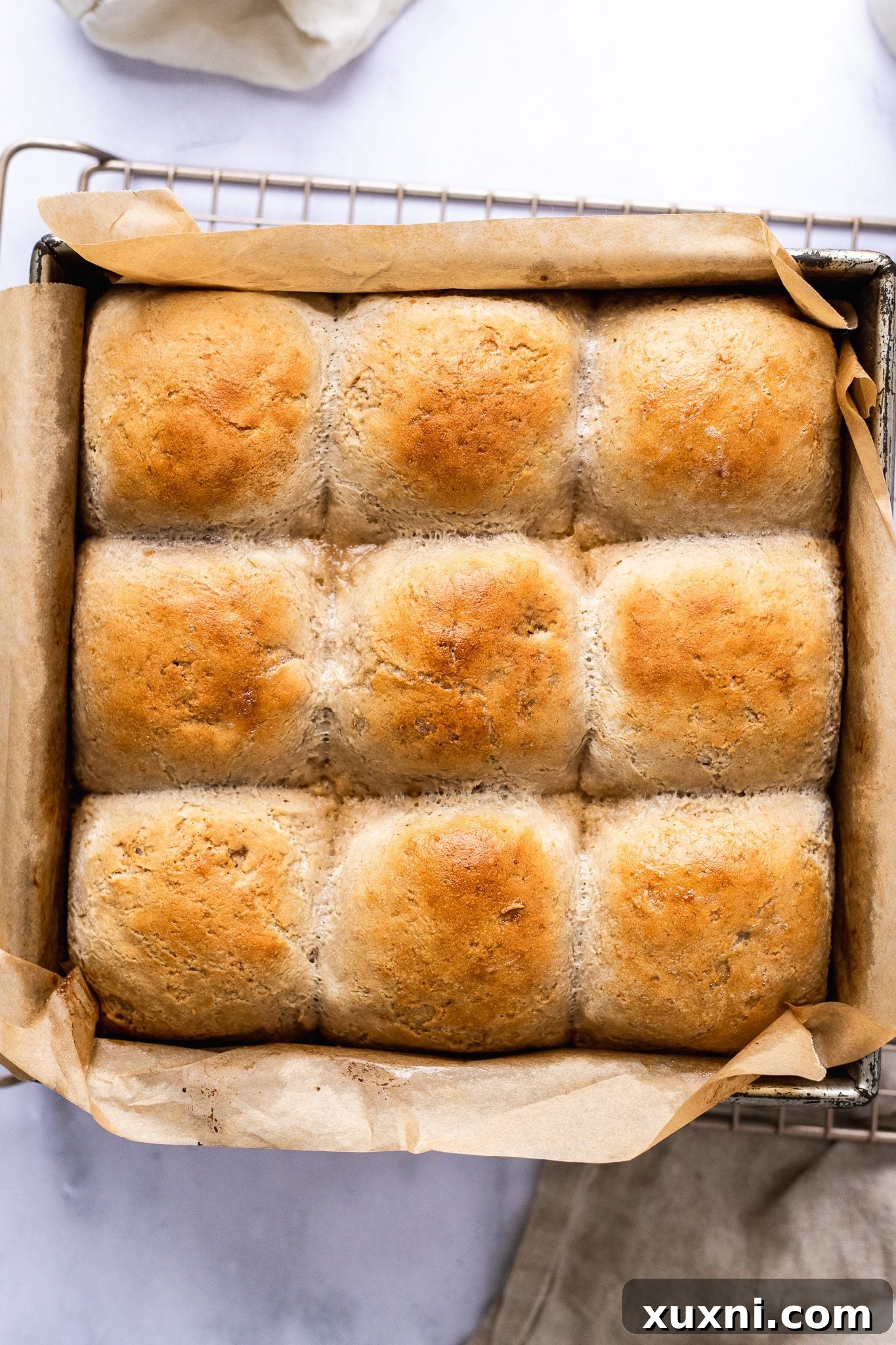
After shaping, arrange the rolls in your prepared baking dish, allowing a little space between each for expansion. Cover the dish with a clean kitchen towel or proofing cloth and place it in a warm, draft-free area to rise. The rolls should approximately double in size, which typically takes about 30-40 minutes with quick rise yeast. While they are proofing, preheat your oven to 350°F (175°C).
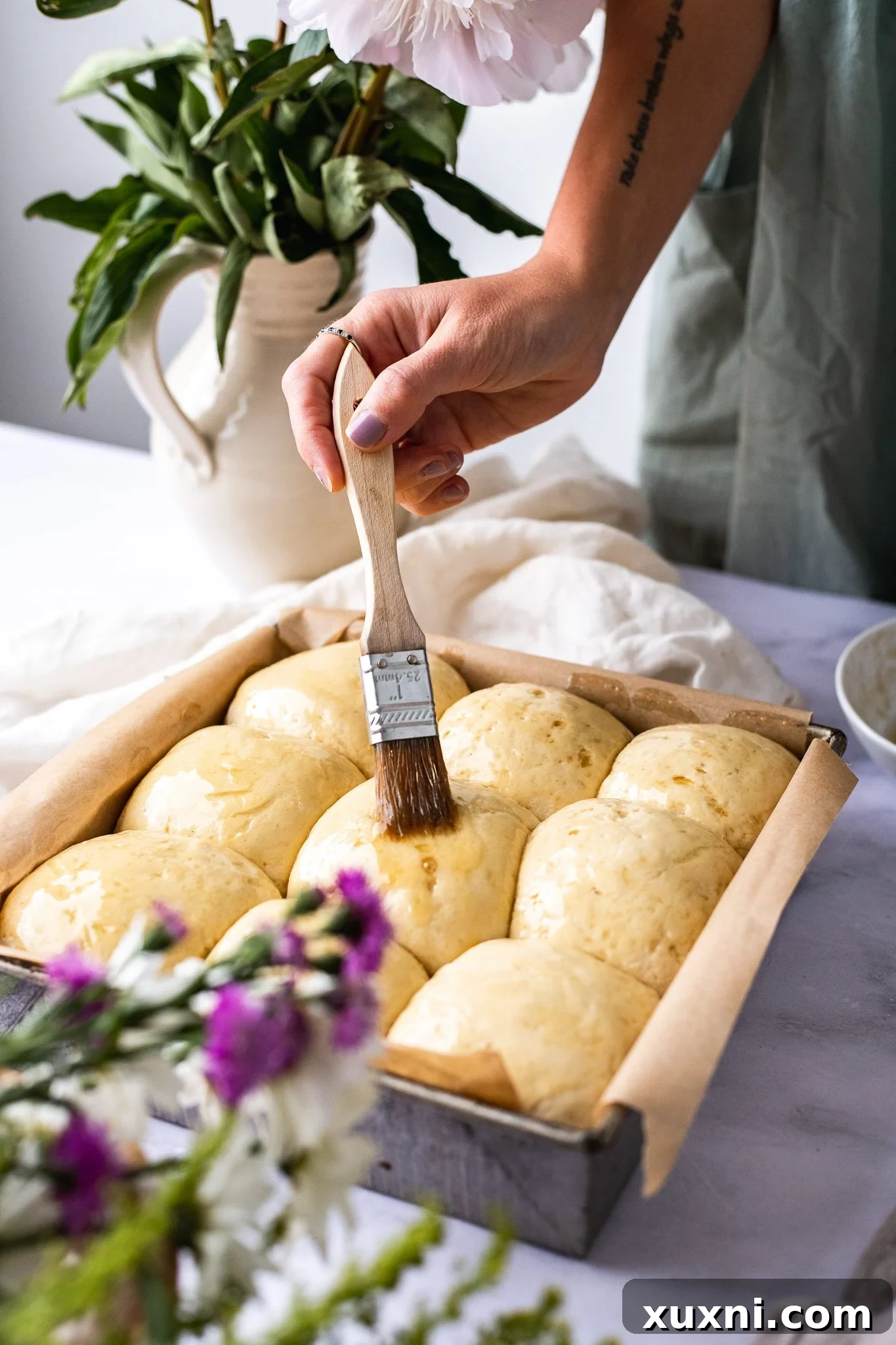
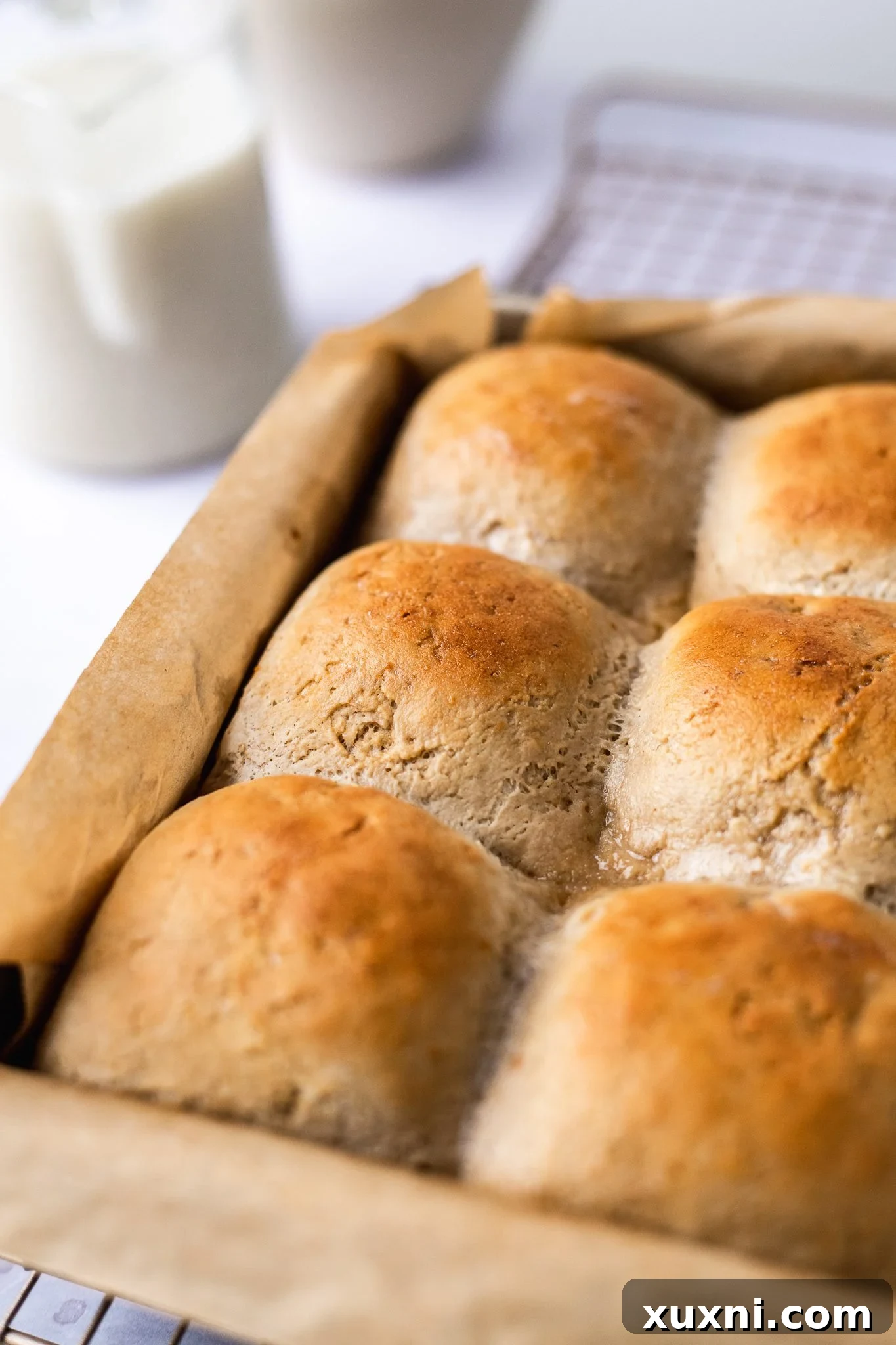
Once the rolls have risen beautifully, prepare a simple vegan “egg wash” by whisking together a tablespoon of maple syrup with a tablespoon of dairy-free milk (such as soy milk). Gently brush this mixture over the tops of each roll. This wash will contribute to a lovely golden-brown crust and a subtle sweetness. Bake the rolls for 37-45 minutes, or until their tops are lightly golden brown and they sound hollow when tapped lightly. If your rolls are cooked through but haven’t achieved enough golden color on top, you can briefly use the broiler for 2-3 minutes. However, be extremely vigilant – stay by the oven and watch them continuously to prevent burning, as broilers can toast quickly!
Expert Baking Tips for Gluten-Free & Vegan Rolls
Even with the best recipe, a few insider tips can elevate your baking experience and ensure truly outstanding results every time. Here are some pro tips to help you achieve the softest, fluffiest gluten-free and vegan dinner rolls:
- Prepare Your Baking Pan Thoughtfully: To prevent any sticking, always line your baking pan with parchment paper. For an extra layer of security and to help the parchment paper adhere better to the pan, lightly grease the pan with a bit of cooking spray or oil before laying down the paper. This simple step ensures your beautiful rolls release effortlessly after baking.
- Stick to Approved Substitutions: Gluten-free and vegan baking is a science, and the balance of ingredients is delicate. While we offer a few tested substitutions, altering ingredients without guidance can significantly change the outcome. For rolls that look and taste like those pictured, it’s best to follow the recipe precisely, especially concerning flour types and psyllium husk powder.
- Elevate the Flavor with Herbs and Garlic: While delicious on their own, these rolls make an excellent base for more adventurous flavors. If you love savory bread, consider transforming this dough into garlic and herb dinner rolls. Simply fold in finely minced garlic and your favorite fresh or dried herbs (like rosemary, thyme, or oregano) during the final stages of kneading.
- Accommodating Non-Vegan Diets: This recipe is expertly crafted to be both gluten-free and vegan, ensuring it meets specific dietary needs without compromising on taste or texture. However, we’ve had many readers who are not fully vegan successfully swap in traditional dairy butter and yogurt. While we are vegan and cannot personally attest to these non-vegan adaptations, the vegan components in this recipe are minimal and chosen for their functional qualities. Feel free to experiment if your dietary needs allow, but proceed knowing the original vegan recipe is tried and true.
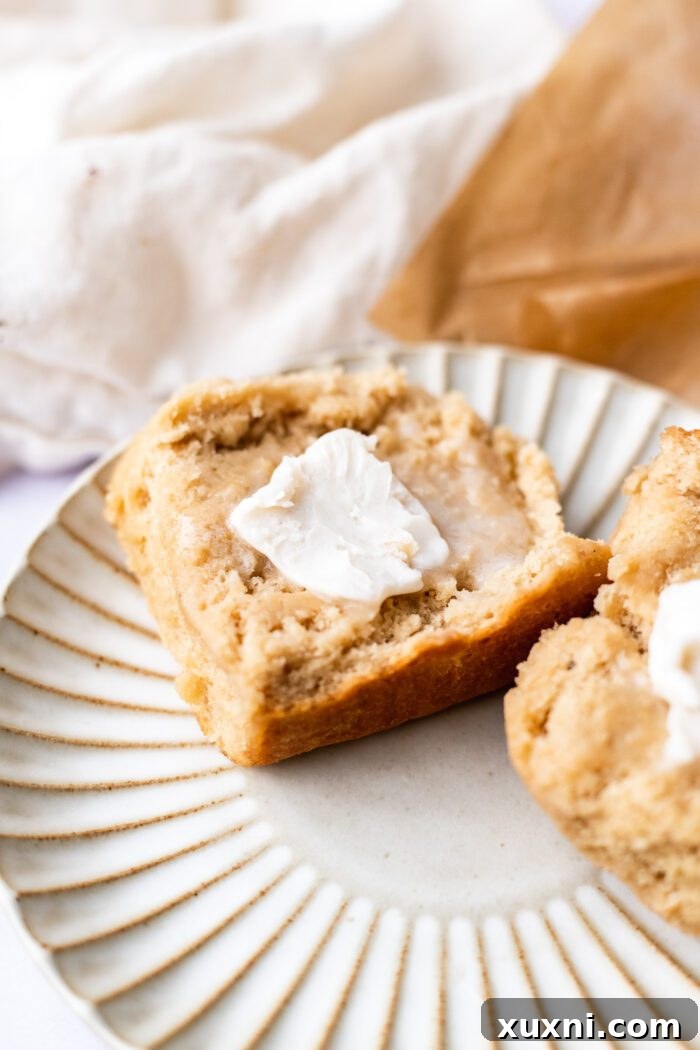
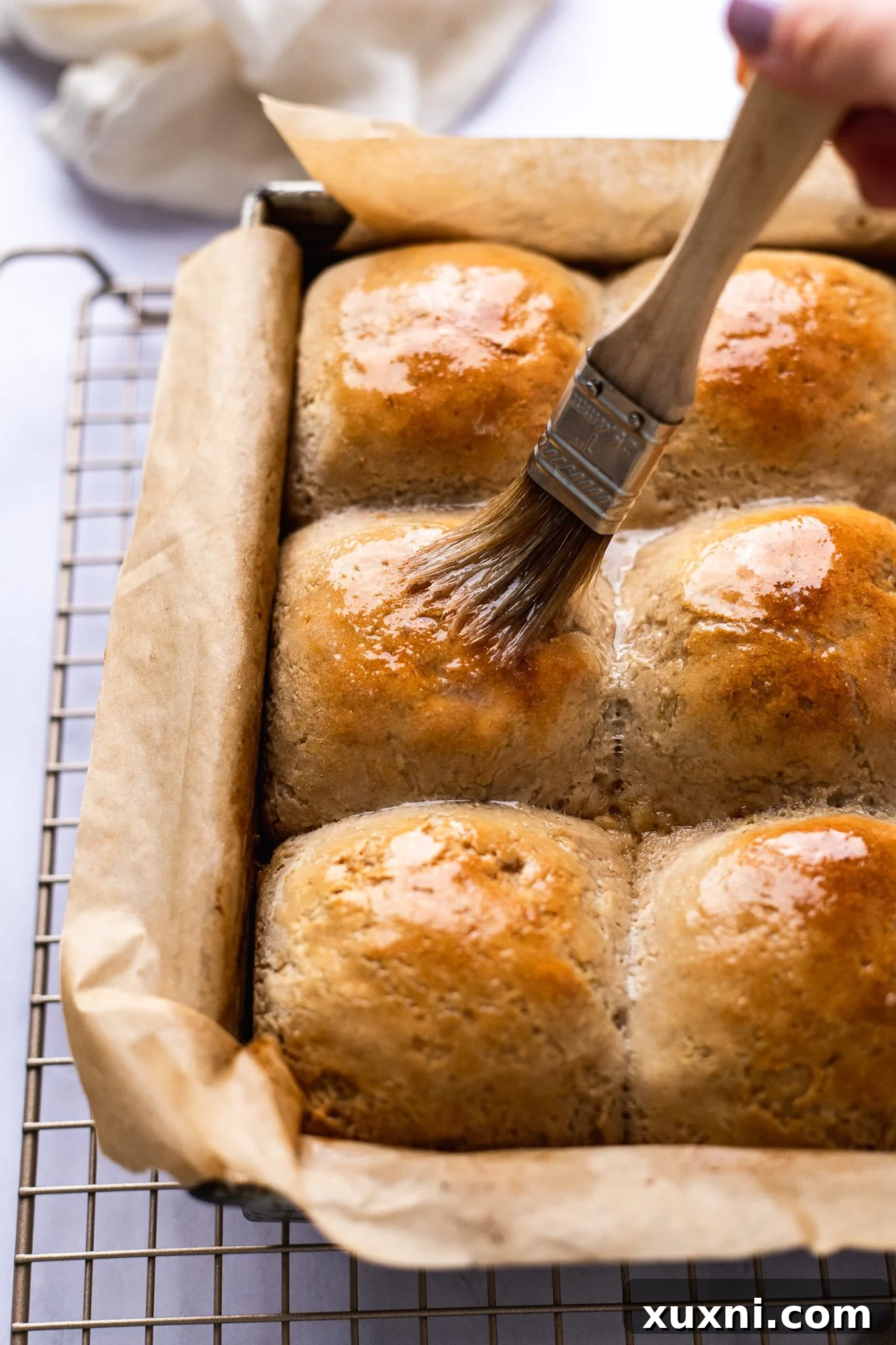
- Enhance the Finish with a Butter Brush: For that irresistible, glossy, bakery-fresh look and an extra layer of richness, brush the tops of your freshly baked gluten-free dinner rolls with a little more melted vegan butter immediately after removing them from the oven. This simple trick adds a beautiful sheen and enhances their tender crust, making them an even more appealing side dish for your vegan dinner party or a festive Thanksgiving dinner.
- Perfect Proofing Environment: Gluten-free dough benefits from a warm, humid environment for optimal rising. If your kitchen is cool, consider turning on your oven to its lowest setting for a few minutes, then turning it off and placing the covered rolls inside (with the oven light on) to create a cozy proofing box. Just ensure the oven isn’t too hot!
- Cooling is Key: It can be tempting to tear into warm bread immediately, but allowing your dinner rolls to cool for at least 10-15 minutes after baking is crucial. This cooling period allows the internal structure to set, preventing a gummy texture and ensuring they are perfectly soft and fluffy.
Watch How to Make These Irresistible Vegan Gluten-Free Dinner Rolls
Seeing the process in action can make all the difference, especially with specialized baking. For a comprehensive visual guide, we’ve prepared a step-by-step video tutorial that walks you through every stage of making these incredible vegan gluten-free dinner rolls. From mixing the dough to shaping each roll and achieving that perfect golden bake, our video covers it all. You can find the full tutorial on our YouTube channel, offering clarity and confidence as you bake along. Watching the dough come together and seeing the shaping technique demonstrated can be incredibly helpful for first-time bakers or those new to gluten-free bread.
Save This Recipe for Later!
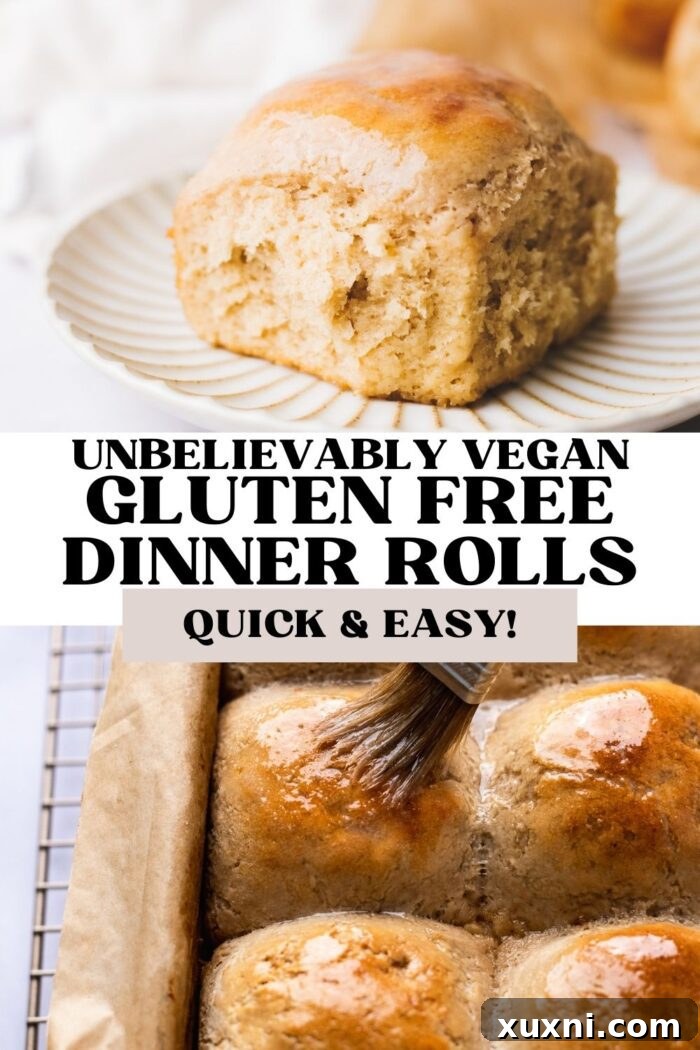
Don’t let this incredible recipe get lost in the digital shuffle! Pin it to your favorite recipe board on Pinterest so you can easily find it whenever you’re ready to bake a batch of these glorious gluten-free and vegan dinner rolls. Share the love with your friends and family too – everyone deserves to enjoy perfectly soft, fluffy bread!
If you try this recipe, please leave a comment and a rating below. Your feedback helps others discover and enjoy these recipes! We absolutely love seeing your beautiful creations, so remember to tag us on Instagram and Pinterest!
Easy Soft & Fluffy Gluten Free Dinner Rolls (Vegan)
5 from 2 reviews
- Author: Britt Berlin
- Prep Time: 15 minutes
- Proofing time: 40 minutes
- Cook Time: 45 minutes
- Total Time: 1 hour 40 minutes
- Yield: 12 rolls
- Category: Dinner
- Method: Baking
- Cuisine: American
- Diet: Vegan
Description
Pillowy soft & fluffy gluten free dinner rolls that are so easy to make. No bread machine, no xanthan gum, and vegan! Everyone loves these rolls, gluten free or not.
Ingredients
- 3 cups (390 g) tapioca flour
- 1 1/2 cups + 1 tbsp (362 g) millet flour
- 1/2 cup (80 g) sweet rice flour
- 37 g psyllium husk powder
- 2 tbsp arrowroot starch
- 1 tbsp baking powder
- 2 tsp (14 g) instant dry/quick rise yeast
- 1 tsp sea salt
- 1 1/4 cups (300 mL) water, warm
- 1 1/4 cups (300 mL) dairy free milk (soy milk, almond milk, oat milk, etc.), warm
- 2/3 cup (170 g) dairy free yogurt
- 2 tbsp apple cider vinegar
- 2 tbsp maple syrup
- 4 tbsp vegan butter, room temperature
- Vegan egg wash (1 tbsp maple syrup + 1 tbsp soy milk)
Instructions
- Prep: Measure out all ingredients and set aside. Grease and line a 9×13 inch casserole dish with oil and parchment paper, then set aside. If you’re making just 9 dinner rolls, you can use a 9×9 inch pan.
- Whisk the dry ingredients: In the bowl of a stand mixer or in a large bowl, whisk together the tapioca flour, millet flour, sweet rice flour, arrowroot starch, sea salt, psyllium husk powder, baking powder, and instant dry yeast. Ensure that all ingredients are thoroughly combined and evenly distributed.
- Make the dough: Add in the warm water, warm dairy-free milk, dairy-free yogurt, maple syrup, and apple cider vinegar. Using a dough hook attachment on your stand mixer or a large wooden spoon for hand mixing, combine the ingredients on medium speed. The dough will start to thicken as the psyllium husk powder activates. Continue to mix and knead for 4-5 minutes until the dough becomes thick, consistent, and slightly rough but tacky. Then, add the room temperature vegan butter and continue mixing until the butter is fully incorporated and the dough becomes smooth. This process typically takes about 2-3 minutes in a stand mixer after adding butter, or 5-7 minutes longer if mixing by hand.
- Shape the dinner rolls: Once your dough is ready, lightly flour a clean surface with millet flour. Divide the dough into 9 or 12 even pieces. For each piece, gently flatten it with your palm, then gather and pinch the corners towards the center. Flip the dough over so the pinched seam faces downwards. Gently roll the dough on the table with your palm to form a smooth, round ball (refer to photos and video for visual guidance). Place each shaped roll into your prepared casserole dish, leaving a little space between them.
- Proof: Cover the gluten-free dinner rolls with a clean dish towel or proofing cloth. Place them in a warm, draft-free area to rise until they have doubled in size, which should take approximately 30-40 minutes with quick rise yeast. While the rolls are proofing, preheat your oven to 350°F (175°C).
- Brush: Once the dinner rolls have doubled in size, gently brush the tops of the rolls with the vegan egg wash (a mixture of maple syrup and soy milk). This will help create a beautiful golden crust.
- Bake: Place the gluten-free dinner rolls into the preheated oven and bake for 37-45 minutes, or until the tops are lightly golden brown and the rolls are cooked through. If your rolls are done but not quite golden enough, you can turn on the broiler setting for 2-3 minutes. It is crucial to keep a constant eye on the rolls under the broiler with your oven light on to prevent burning, as they can brown very quickly.
- Serve and enjoy!: Remove the dinner rolls from the oven. Allow them to cool in the pan for 10-15 minutes before serving and enjoying their tender, fluffy goodness. Store any leftover rolls in an airtight container or bag in the refrigerator for up to 4 days, or freeze them for up to 3 months for future enjoyment.
Notes
For detailed tips, tricks, and substitution advice, please refer to the complete blog post above!
Nutrition
- Serving Size: 1 gluten free dinner roll
- Calories: 257
- Sugar: 3.1 g
- Sodium: 225.4 mg
- Fat: 6.3 g
- Saturated Fat: 2.9 g
- Carbohydrates: 44.4 g
- Fiber: 3.8 g
- Protein: 5.6 g
- Cholesterol: 12 mg