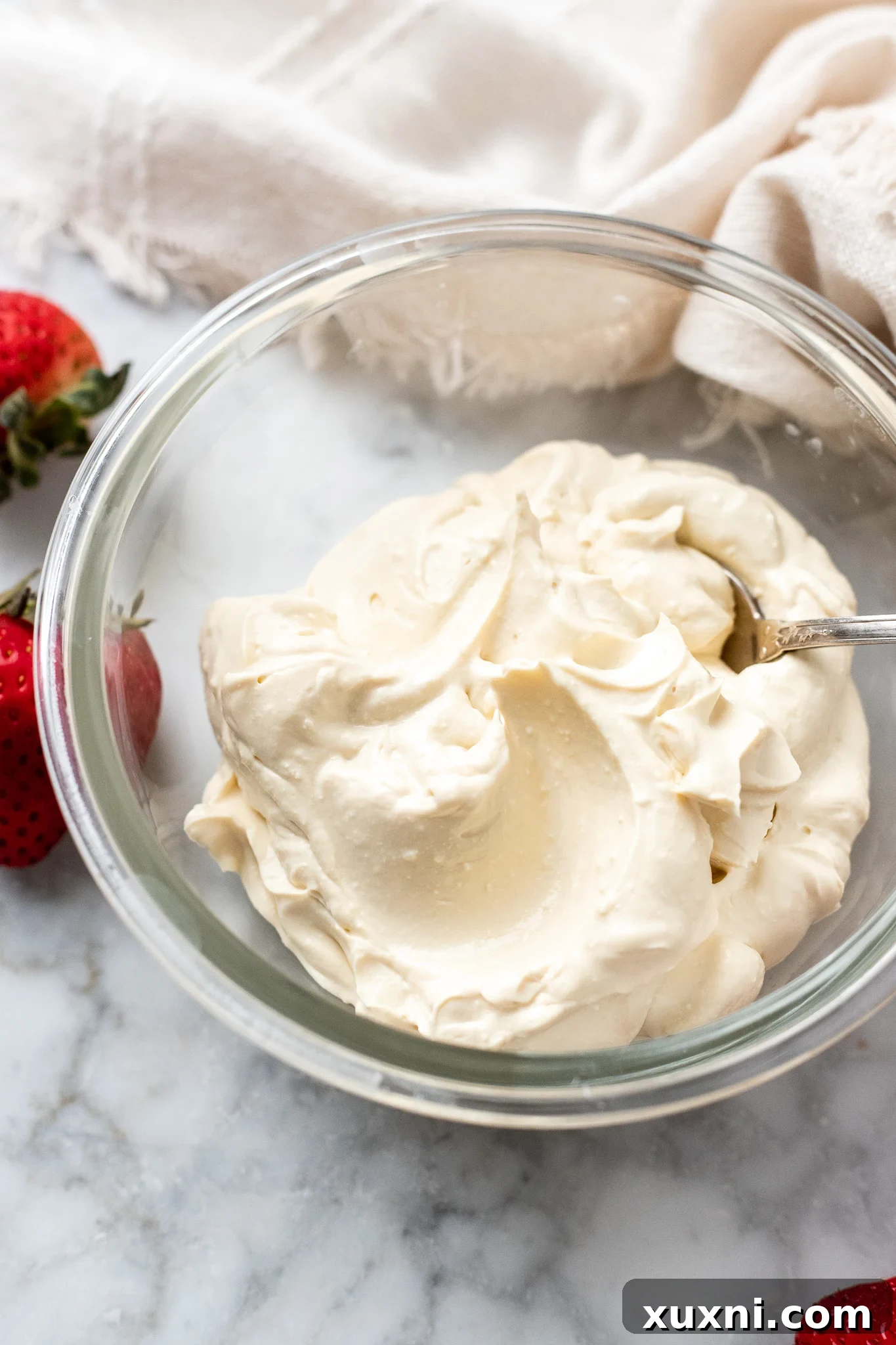
Discover the secret to making the most exquisite vegan mascarpone right in your kitchen! This incredibly creamy, dairy-free mascarpone requires only three simple ingredients and follows a method inspired by traditional techniques. Forget tofu, cashews, or complicated substitutes – this recipe is quick, straightforward, and yields a luxurious plant-based mascarpone perfect for both sweet desserts and savory dishes.
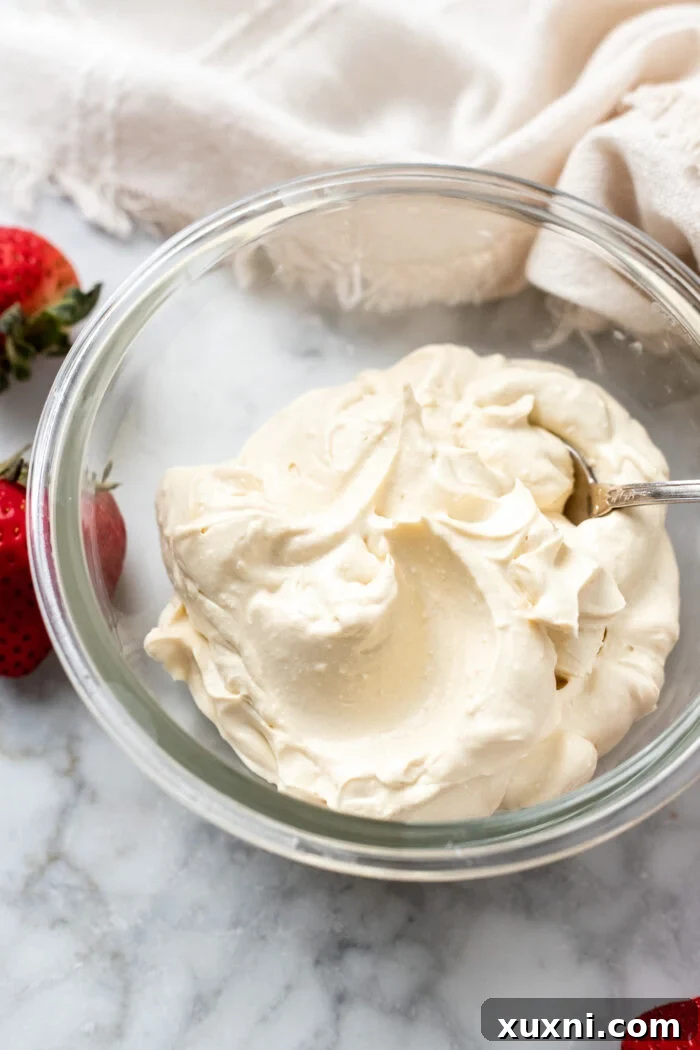
Why This is the Ultimate Vegan Mascarpone Recipe You’ll Ever Need
If you’ve been on a quest for the perfect vegan mascarpone, your search ends here. This recipe delivers an exceptionally creamy, smooth, and subtly sweet mascarpone that’s entirely dairy-free and astonishingly easy to prepare. Unlike many plant-based alternatives that rely heavily on nuts or soy, our method utilizes just three core ingredients, none of which are cashews, vegan yogurt, or tofu. The result is a dairy-free mascarpone that truly shines, versatile enough for anything from an authentic vegan tiramisu to a rich vegan pasta dish.
What sets this recipe apart is its commitment to simplicity without sacrificing taste or texture. Many vegan mascarpone recipes demand extensive soaking, complex blending, or exotic ingredients. Ours is refreshingly different, focusing on accessible components and minimal effort. You’ll spend only about 5 minutes on active preparation, making this an ideal solution for busy home cooks who refuse to compromise on flavor. When paired with homemade vegan ladyfingers, it transforms into an unforgettable tiramisu that consistently receives rave reviews. Prepare to be amazed by its versatility and delightful taste!
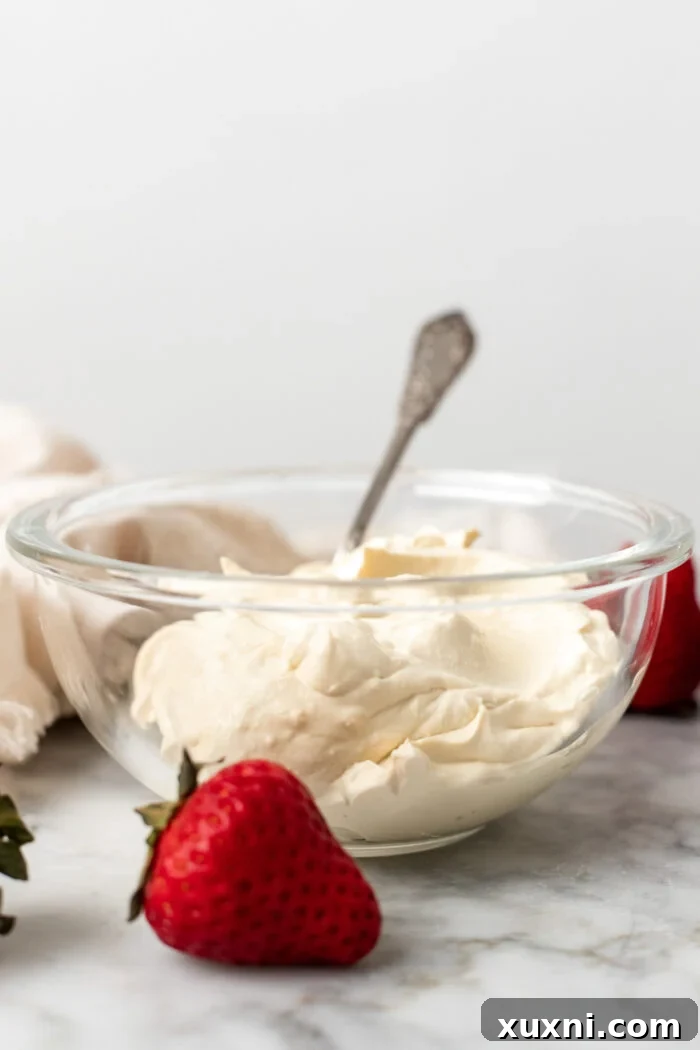
What is Mascarpone, and How Does the Vegan Version Compare?
For those unfamiliar with mascarpone, it’s an Italian cream cheese, renowned for its incredibly mild, almost sweet flavor and rich, velvety texture. Traditionally, mascarpone is made by gently coagulating and simmering high-fat heavy cream with an acid, such as lemon juice, then straining the mixture to achieve its signature consistency. This delicate process results in a dairy product that’s distinct from standard cream cheese, being less tangy and far creamier.
Our vegan mascarpone meticulously replicates these characteristics. While traditional mascarpone typically uses just two ingredients (cream and acid), our plant-based version introduces a third to compensate for the lower fat content of pea milk compared to dairy heavy cream. By reintroducing a rich, vegan heavy cream at the end, we achieve that decadent, super-creamy texture that makes mascarpone so beloved. The result is so remarkably similar to the classic dairy version that even connoisseurs will be pleasantly surprised by its authenticity and luxurious mouthfeel.
The Three Essential Ingredients for Your Dairy-Free Mascarpone
When we say simple, we truly mean simple. Much like our easy vegan ricotta recipe, this mascarpone relies on a minimalist approach to ingredients. Here’s what you’ll need, along with insights into why each component is crucial:
- Pea Milk: This is the star of our vegan mascarpone, making the recipe naturally gluten-free, soy-free, and nut-free. Pea milk is an excellent dairy-free alternative to traditional milk due to its protein content, which curdles effectively with acid, mimicking the dairy process. It has a remarkably neutral flavor profile, ensuring your mascarpone tastes fresh and clean, not like peas! While soy or almond milk (not shelf-stable varieties, as their protein structure can be different) can also be used, pea milk is preferred for maintaining a nut-free and soy-free profile. Its ability to curdle similarly to dairy milk is also what makes it a fantastic substitute in recipes like vegan buttermilk.
- Lemon Juice: The vital acidic component! Freshly squeezed lemon juice (or alternatives like apple cider vinegar, white wine vinegar, or distilled white vinegar) is essential for initiating the coagulation of proteins in the pea milk. This process is fundamental to creating the curds that form the base of mascarpone, just as it does in the traditional dairy method. The acid gently separates the milk solids, setting the stage for that iconic creamy texture.
- Heavy Vegan Cream: Since pea milk is naturally lower in fat than dairy heavy cream, we reintroduce richness with a high-fat vegan cream at the final stage. This ensures your vegan mascarpone achieves that unparalleled lushness and smooth, decadent mouthfeel. Full-fat canned coconut milk (the thick cream part only, chilled) or a store-bought heavy vegan cream like Plant Crock or Silk brand are excellent choices. This step is key to transforming the curds into a truly luxurious and spreadable mascarpone.
Beyond these three magical ingredients, you’ll need a few common kitchen tools: a large sieve, a piece of cheesecloth, a large bowl, a medium saucepan, and a food processor or high-speed blender (an immersion blender works too!). With your ingredients and equipment ready, let’s dive into the simple steps!
Step-by-Step Guide to Making Creamy Vegan Mascarpone
The precise measurements for each ingredient can be found in the recipe card below, but here’s a detailed walkthrough of the entire process, designed to be easy to follow and ensure perfect results every time:
- Prepare Your Straining Station: Begin by placing a large fine-mesh sieve over a spacious bowl. Line the sieve with a double layer of high-quality cheesecloth, ensuring there’s enough overhang to gather later. This setup will be crucial for separating the curds from the whey.
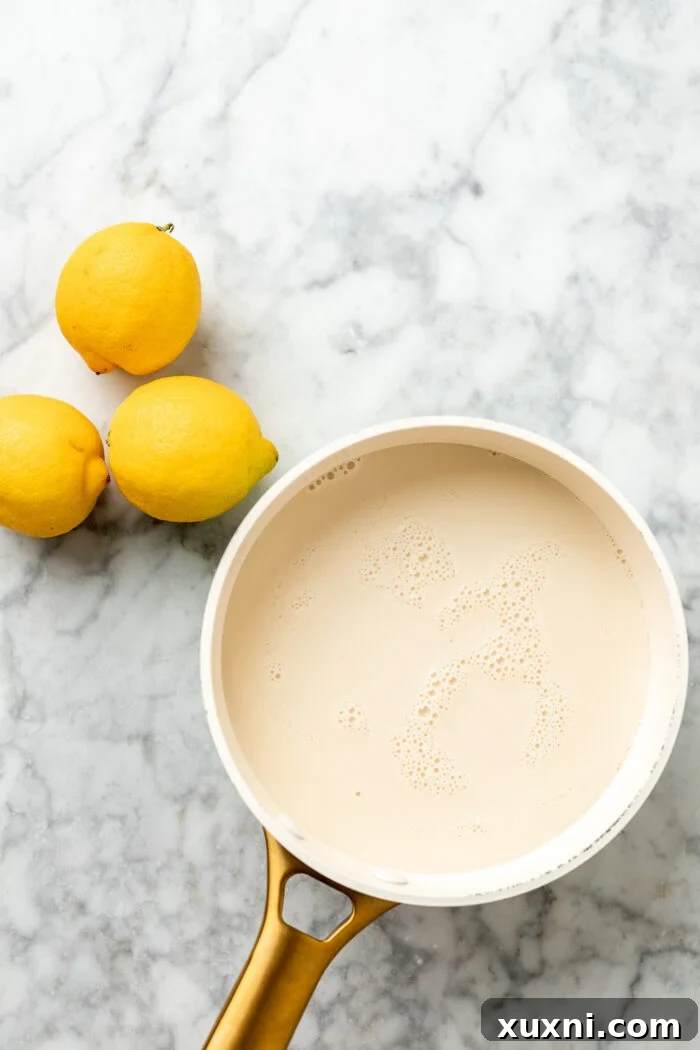
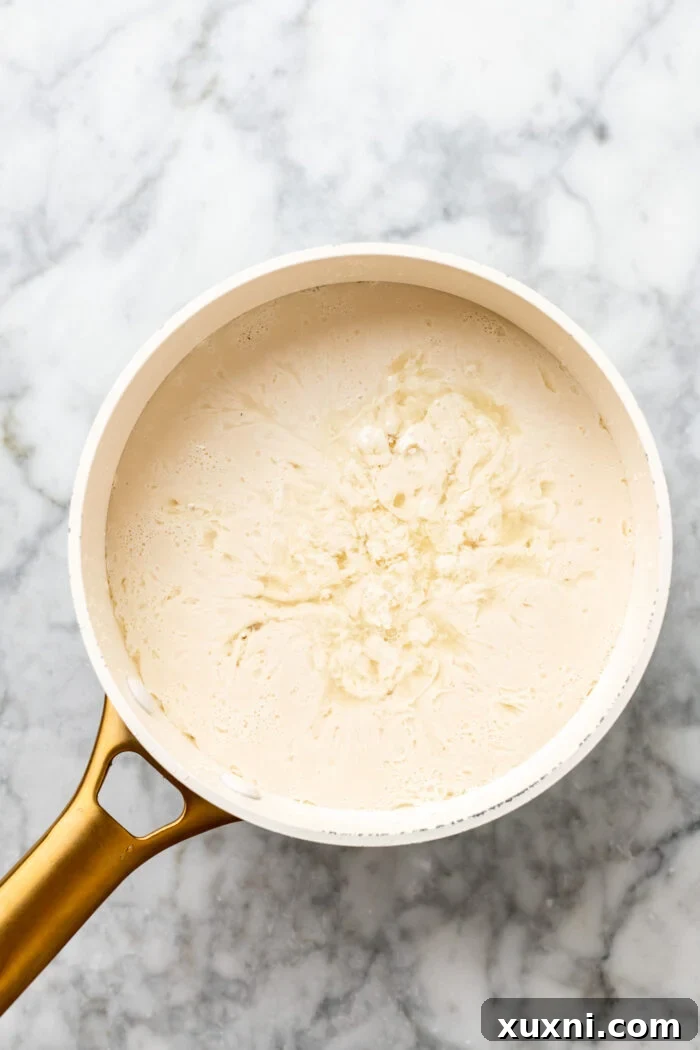
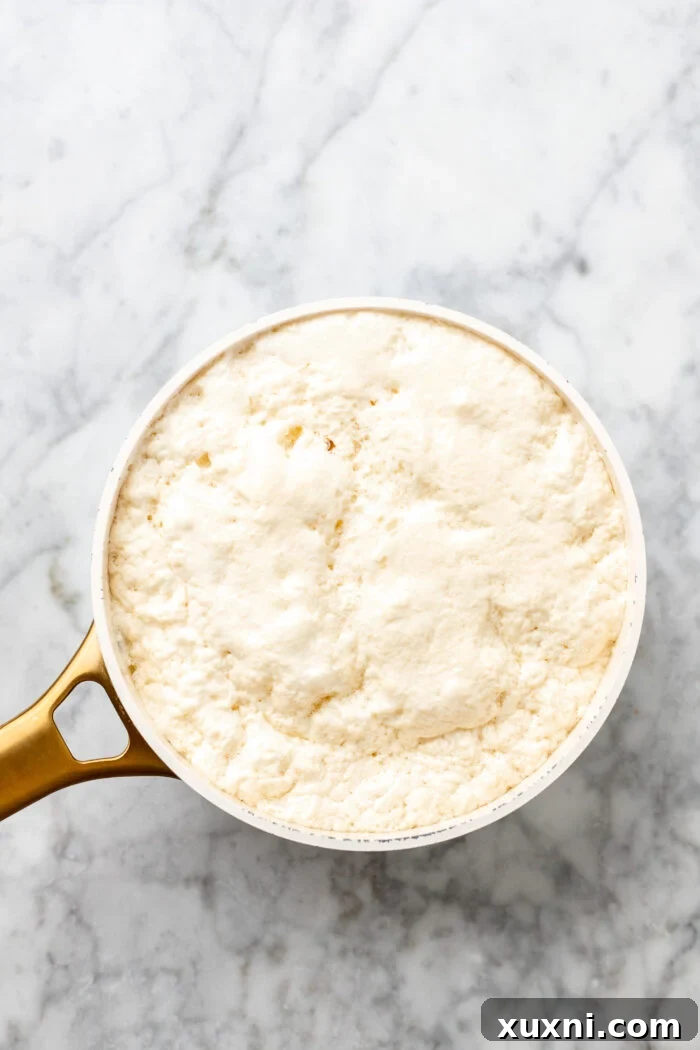
- Heat and Curdle the Milk: Pour the pea milk into a medium saucepan. Add the lemon juice and stir gently to combine. Place the saucepan over medium heat. Allow the mixture to heat, stirring occasionally, until it begins to foam and visibly curdle on the surface. You’ll see distinct milk solids separating from a clearer liquid (whey). This usually takes about 5 minutes. The mixture should look almost as if it’s overflowing with curds – these are exactly what you want!
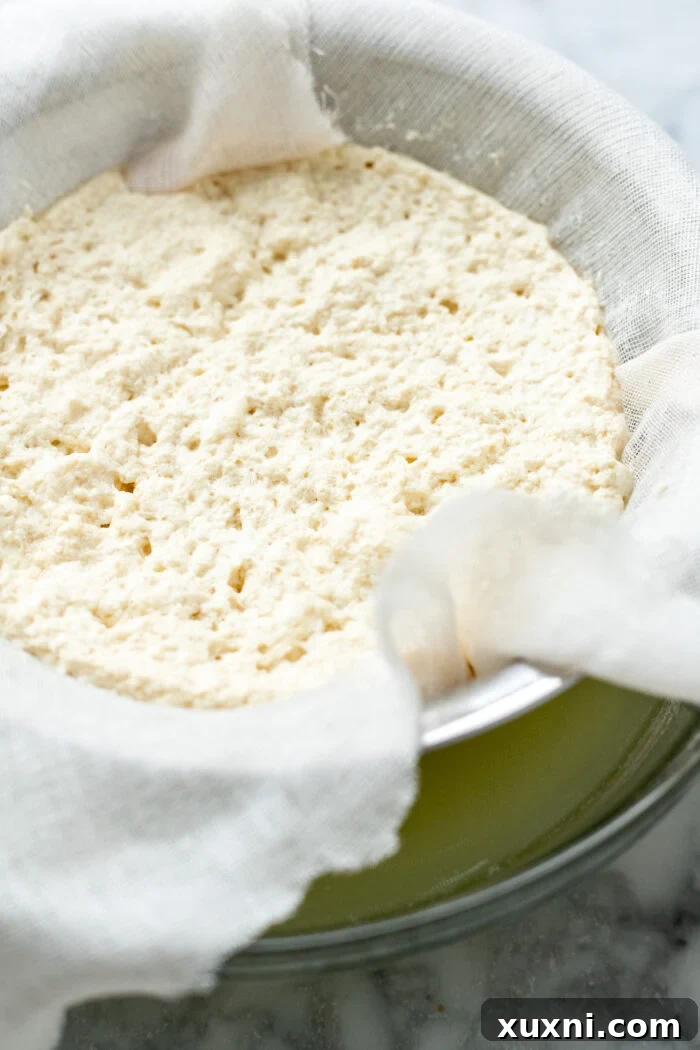
- Strain the Curds: Carefully pour the hot curdled mixture into the prepared sieve lined with cheesecloth. Allow it to stand for at least 10 minutes to cool down sufficiently. This cooling period is important not only for safety but also to allow more liquid to drain naturally. Once the pea milk curds are cool enough to handle comfortably (please be cautious, as it can still be warm!), gently gather the edges of the cheesecloth together, forming a ball.
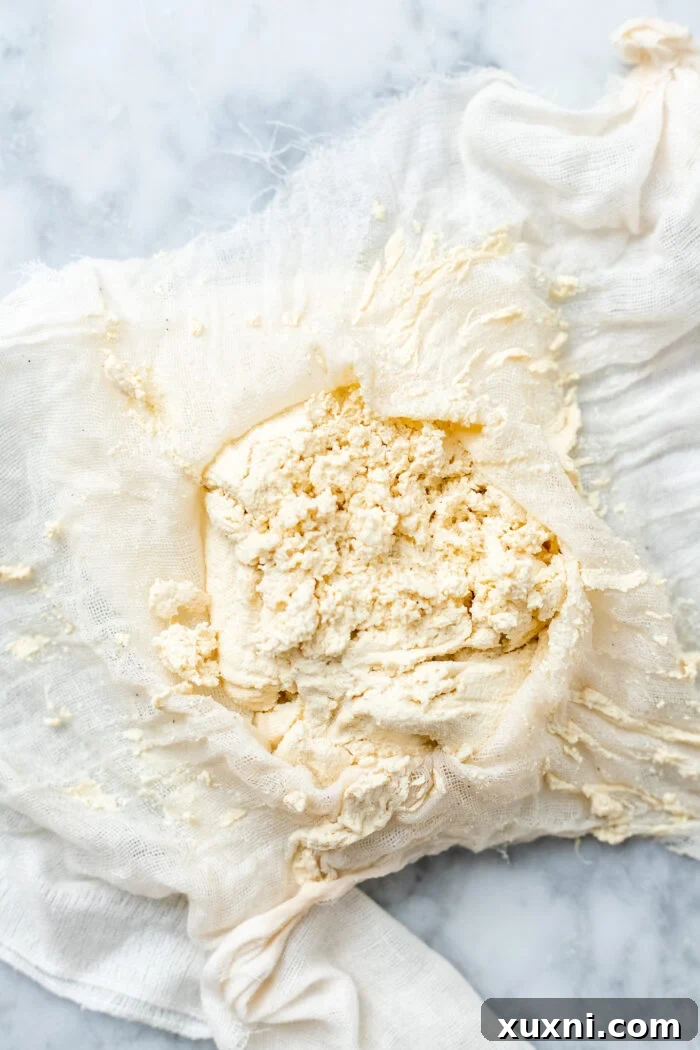
- Squeeze Out Excess Liquid: Over the bowl, gently but firmly squeeze the cheesecloth ball to extract any remaining liquid from the curds. Continue squeezing until no more liquid drips out and the curds feel relatively dry. The more liquid you remove, the thicker and richer your mascarpone will be. Discard the drained liquid (whey).
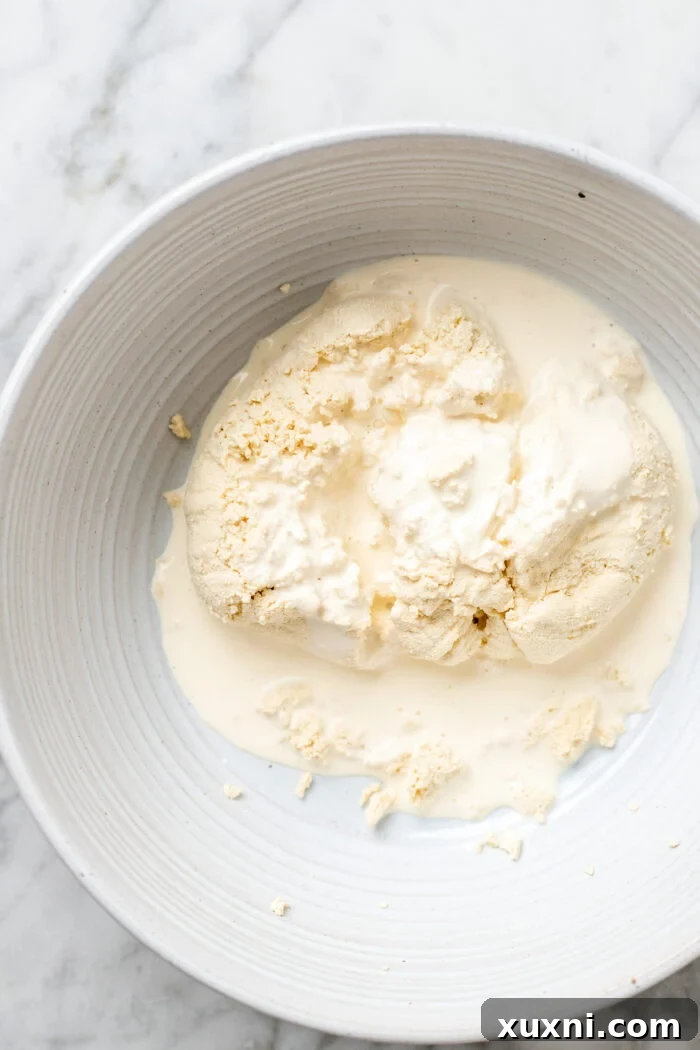
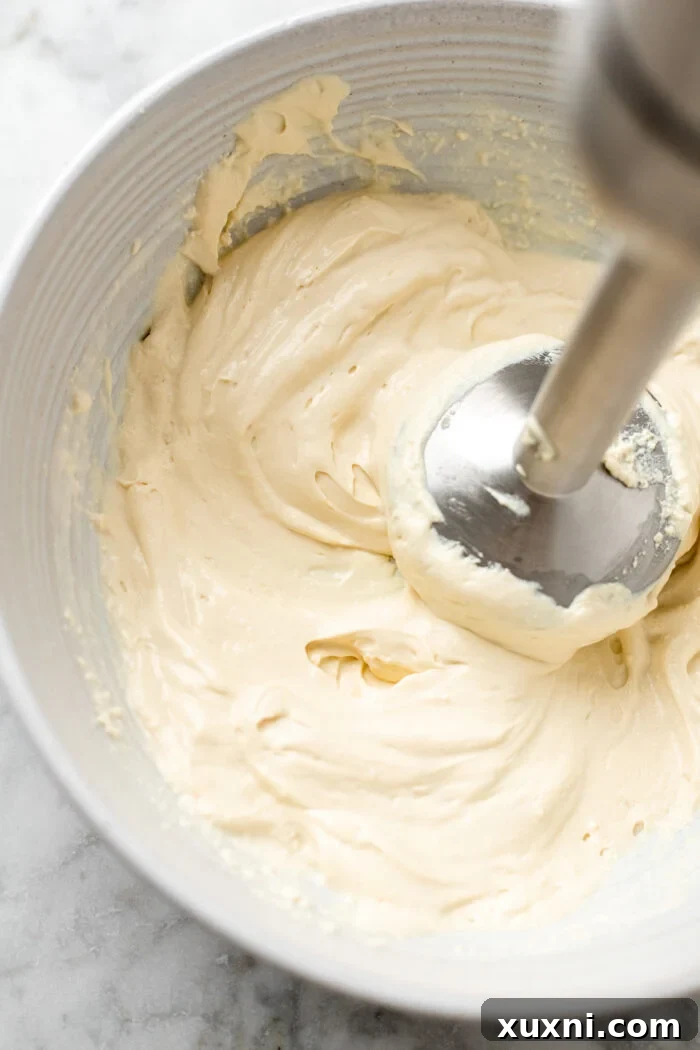
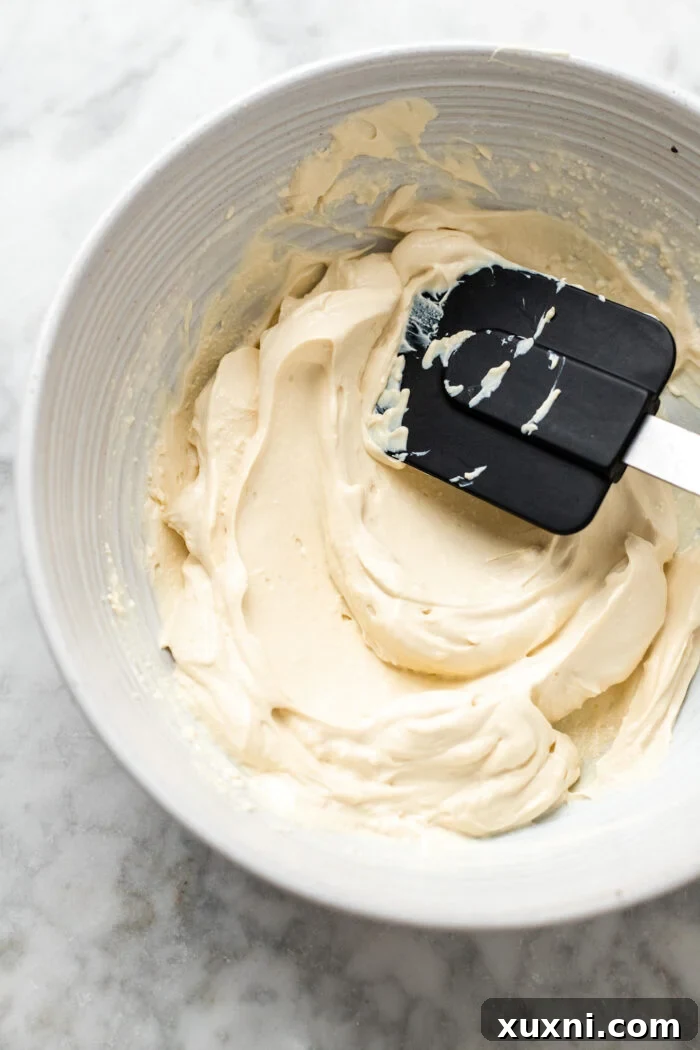
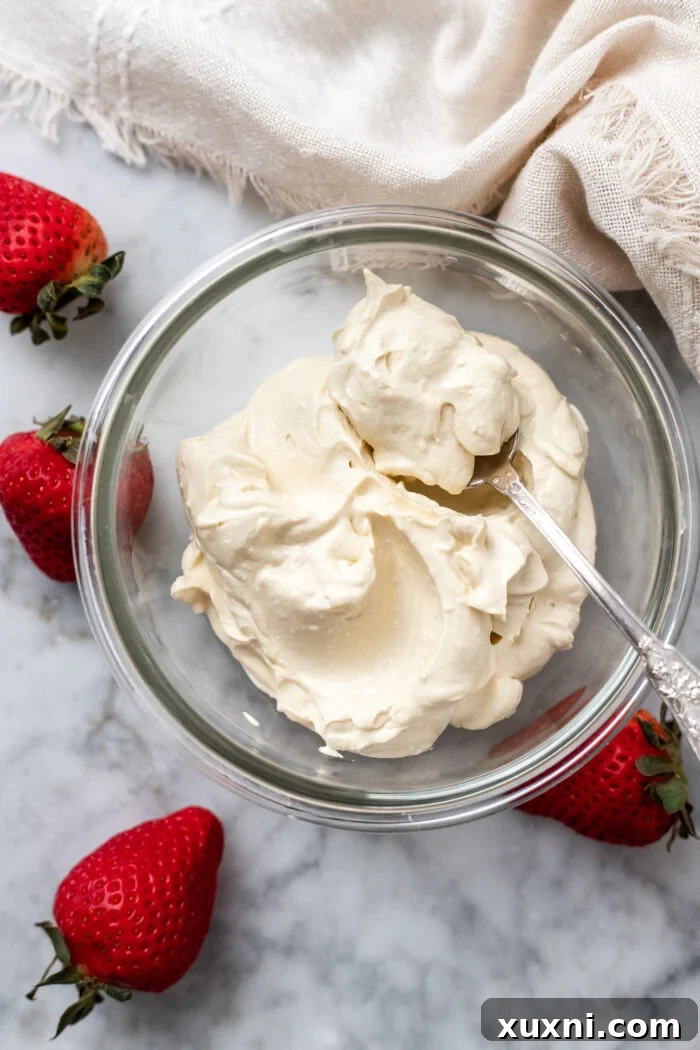
- Blend to Perfection: Transfer the squeezed pea curds to a food processor or a high-speed blender. Add the heavy vegan cream (or chilled coconut cream). Alternatively, you can use an immersion blender directly in a deep bowl. Process or blend the mixture until it becomes completely smooth, creamy, and takes on a light, fluffy consistency. This usually takes about 1-2 minutes, depending on your equipment. Stop once it reaches your desired silky texture.
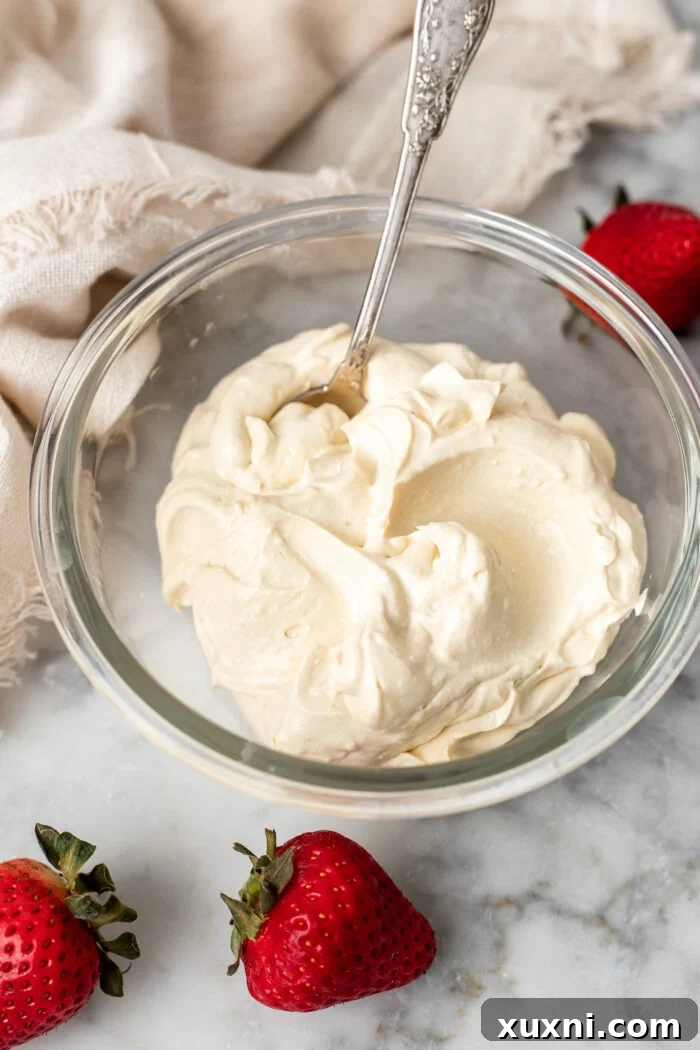
- Store or Serve: Scrape the freshly made vegan mascarpone into a sealable storage container. You can use it immediately, though it might still be slightly warm. For best results and a firmer texture, chill it in the refrigerator for at least 30 minutes before incorporating it into your recipes. It will continue to firm up as it cools.
Why Avoid Tofu for Authentic Vegan Mascarpone Flavor?
You might wonder why this recipe doesn’t use tofu, a common base for many homemade vegan cheeses. I’ve experimented with both firm and silken tofu for various recipes, including homemade vegan cream cheese and mascarpone. Personally, I found that tofu-based versions often lacked the desired texture and, more importantly, could carry an undeniable soy aftertaste. While effective for some applications, achieving the delicate, neutral flavor profile of mascarpone proved challenging with tofu.
Interestingly, when I previously used soy milk (a direct derivative of soybeans) in this recipe, the acidity from the lemon juice seemed to neutralize any “soy” flavor, yielding a mascarpone with a clean taste. However, pea milk offers the added benefit of being naturally soy-free and nut-free, appealing to a wider audience.
Furthermore, by using pea milk and an acidic agent to create curds, we are intentionally honoring the traditional Italian method of making mascarpone. This approach doesn’t just replicate the flavor and texture; it celebrates the craft. Incorporating such longstanding culinary traditions into vegan baking and cooking is truly exciting. Imagine the satisfaction of making this from scratch, perhaps even starting with your own homemade pea milk or soy milk! It’s a rewarding journey from basic ingredients to a gourmet plant-based delight.
Versatile Uses for Your Homemade Vegan Mascarpone
One of the most appealing aspects of this dairy-free mascarpone is its incredible versatility. It’s equally fantastic in luxurious vegan desserts and hearty savory dishes. Its mild sweetness and creamy texture make it a delightful addition to countless recipes.
Beyond simply serving it with fresh berries or fruit, here are some of my top favorite ways to incorporate this homemade vegan mascarpone into your culinary creations:
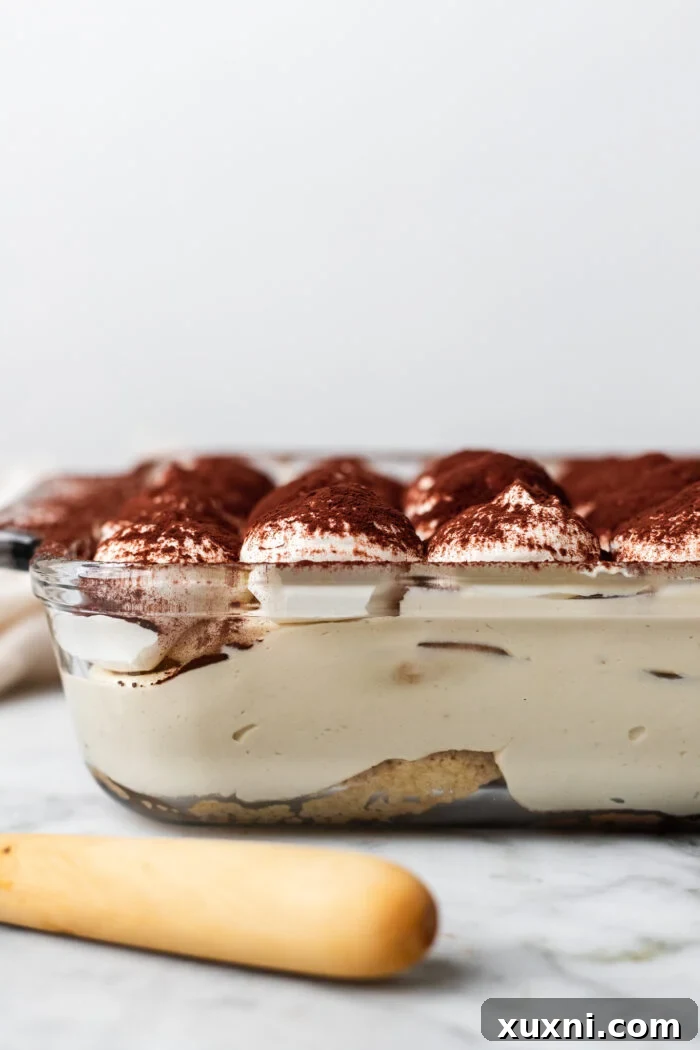
- Craft the most incredible, highly-rated vegan tiramisu recipe you’ll ever taste – it’s a game-changer!
- Elevate your dessert game with an amazing brown sugar maple mascarpone cheesecake, showcasing its rich texture.
- Whip it into a delicate vegan mascarpone cream to dollop generously on any favorite dessert, adding a touch of elegance.
- Mix it into vegan whipped cream and spoon it over this tender vegan olive oil cake for an extra layer of richness.
- Enhance your favorite soup recipe, like this comforting Tuscan white bean soup, with a dollop for creamy indulgence.
- Substitute it directly into your beloved cream cheese frosting recipe for a unique twist and a less tangy flavor profile.
- Add luxurious dollops onto homemade vegan pizza (or gluten-free pizza!) as a rich, creamy topping after baking.
- Stir it into your favorite vegan pasta sauce or other pasta dishes to create an incredibly smooth and decadent finish.
- Spread it generously on top of fluffy vegan pancakes or golden French toast for a luxurious breakfast or brunch.
- Use it as a luscious cake or cupcake filling, transformed into a mascarpone cream for your favorite cake recipe.
- Fold it into creamy vegan mashed potatoes in place of vegan sour cream for an extra rich and smooth side dish.
- Enjoy it simply spread on toast or a warm homemade bagel, just as you would regular vegan cream cheese.
Storage and Freshness Tips for Your Vegan Mascarpone
Once you’ve crafted your homemade vegan mascarpone, you have the option to use it immediately, especially if you enjoy it slightly warm and freshly made. However, it’s also perfect for preparing ahead of time and storing for future culinary adventures.
To store your vegan mascarpone: Simply spoon the creamy mascarpone into an airtight storage container. Ensure the container is clean and tightly sealed to maintain freshness. Keep it refrigerated, and it will stay wonderfully fresh and delicious for up to 7 days. For optimal texture, it’s best to let it chill for at least 30 minutes before using in recipes, as it will firm up nicely in the cold.
Pin This Recipe for Later!
Don’t let this incredible recipe slip away! Save it to your favorite recipe board on Pinterest so you can easily find it whenever the craving for creamy, dairy-free mascarpone strikes.
If you make this irresistible vegan mascarpone recipe, we’d absolutely love to hear from you! Please take a moment to leave a comment and a rating ⭐️⭐️⭐️⭐️⭐️ below. Your feedback helps others discover and enjoy this recipe too! And as always, remember to tag @the_bananadiaries on Instagram and use the hashtag #thebananadiaries so we can see your beautiful creations!
3 Ingredient Quick Vegan Mascarpone – No Cashews, No Tofu!
- Author: Britt Berlin
- Prep Time: 1 minute
- Cooling Time: 10 minutes
- Cook Time: 5 minutes
- Total Time: 16 minutes
- Yield: 1 cup
- Category: Cheese
- Method: Stovetop
- Cuisine: Italian
- Diet: Vegan
Description
This creamy vegan mascarpone is made with just 3 simple dairy-free ingredients using a traditional method. It’s quick to make and perfect for both sweet and savory applications!
Ingredients
- 4 cups (960 mL) pea milk
- 1/4 cup lemon juice
- 1/3 cup heavy vegan cream or coconut cream
Instructions
- Prep: Place a large sieve over a large bowl and line it with cheesecloth. Set this aside.
- Heat: Pour the pea milk and lemon juice into a medium saucepan. Stir to combine, then set the heat to medium. Cook the mixture until it begins to foam and visibly curdle on the top, which takes approximately 5 minutes. Refer to the photos in the blog post for visual guidance. The curdles should be prominent and almost appear to overflow.
- Strain: Carefully pour the hot curdled mixture into the prepared sieve with the cheesecloth. Allow it to cool for at least 10 minutes. Once the pea milk curds are cool enough to handle, gather the cheesecloth and gently squeeze out and drain any remaining liquid. Discard the drained liquid.
- Blend: Transfer the pea curds to a food processor or a high-speed blender. Add the heavy vegan cream. Alternatively, an immersion blender can be used in a suitable container. Blend the mixture until it is smooth, consistent, and fluffy, typically for about 2 minutes.
- Store: Scrape the finished mascarpone into a sealable storage container and refrigerate for up to 1 week. It can also be used immediately, though it might still be slightly warm. For a firmer texture, chill it for 30 minutes before use.
Notes
- Pea milk: This recipe has also been successfully tested with both soy milk and almond milk. However, please ensure you do not use shelf-stable varieties, as their protein composition can affect curdling.
- Why not tofu? For a detailed explanation on why tofu is not used in this recipe, please refer to the dedicated section within the main blog post above.