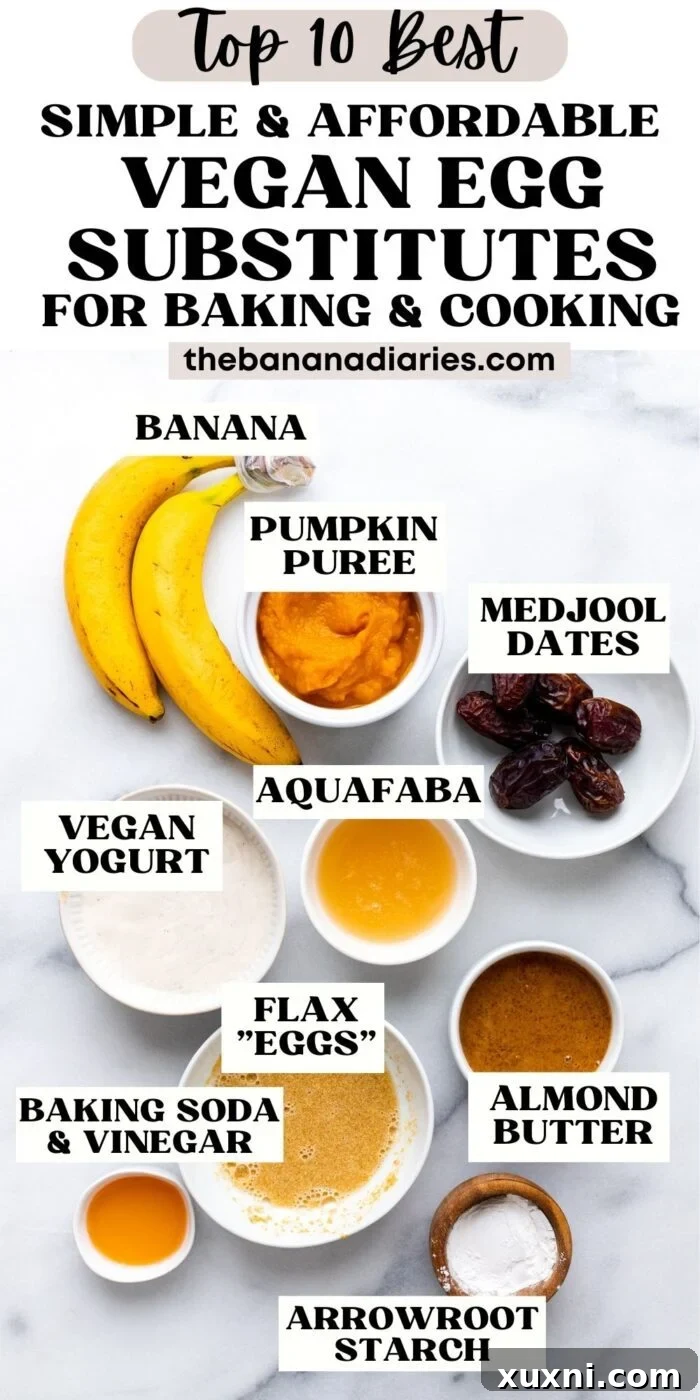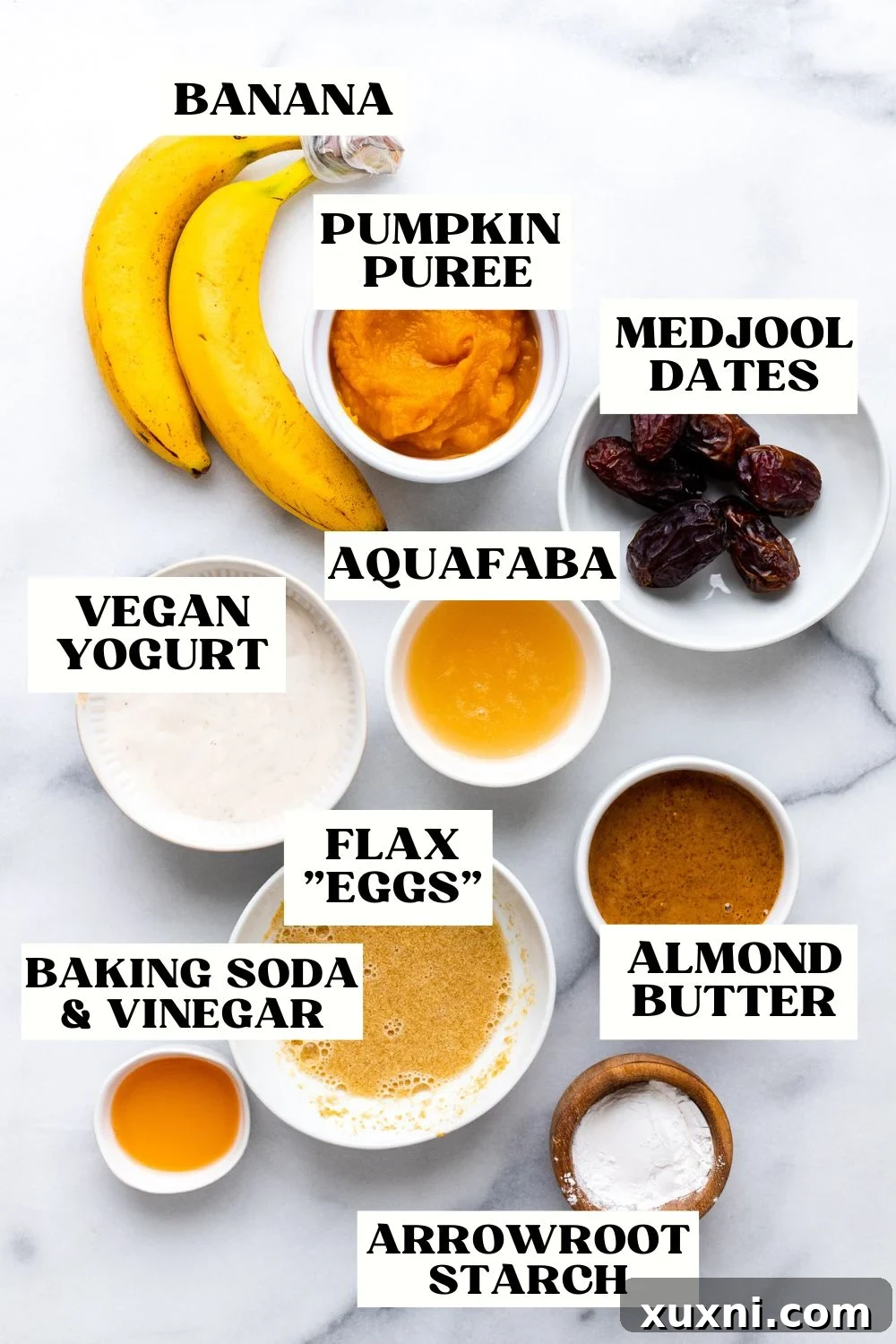
Welcome to the ultimate guide for effortlessly navigating the world of vegan cooking and baking! If you’ve ever felt daunted by the prospect of replacing eggs in plant-based recipes, you’re in the right place. After extensive testing and years of refining techniques, I’ve compiled the definitive list of the best vegan egg substitutes that truly deliver. Say goodbye to guesswork and hello to recreating your cherished desserts and savory dishes with confidence, all while keeping them completely vegan.
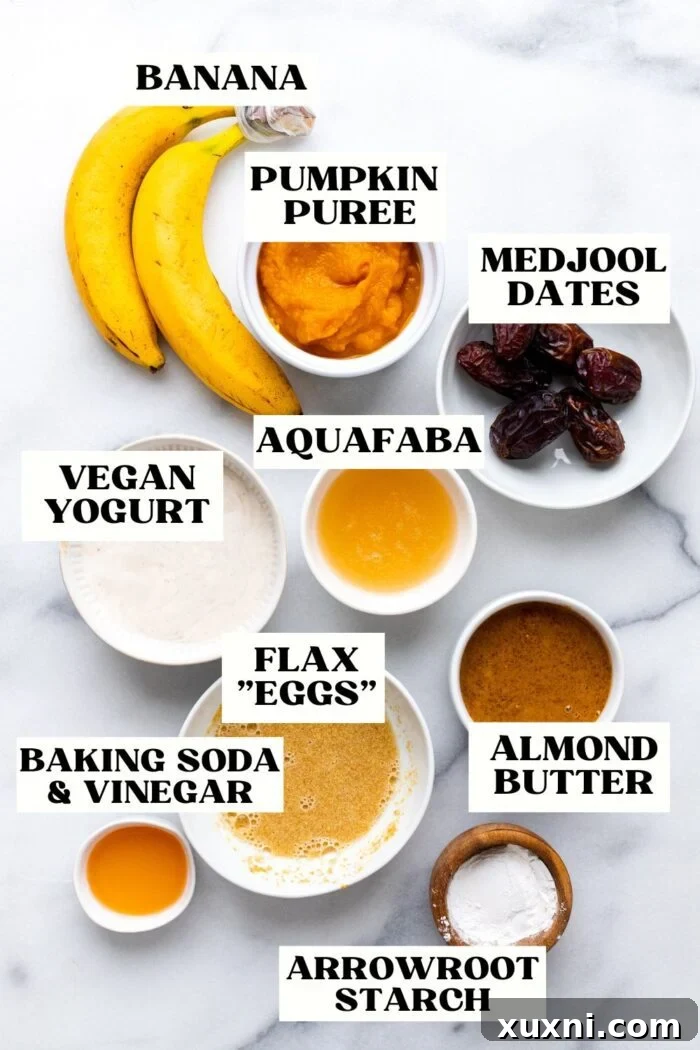
Unlocking the Secrets: What Do Vegans Use Instead of Eggs?
For newcomers to vegan baking and cooking, or those managing an egg allergy, the question of egg substitutes can seem like a culinary puzzle. It’s true that eggs possess a unique molecular structure, providing binding, leavening, moisture, richness, and emulsification in traditional recipes. Replicating these multifaceted functions with plant-based ingredients requires a bit of knowledge and the right tools.
But here’s the exciting part: once you understand the simple, effective swaps, your vegan baking can be just as good – if not superior – to its traditional counterparts. The array of plant-based alternatives available today is truly remarkable. We’re going to explore readily accessible ingredients, often found right in your pantry or at any grocery store, that are derived from fruits, nuts, and beans. Many of these versatile substitutes are staples in my vegan cookbook, proving their efficacy across a wide range of recipes.
Forget complex, store-bought egg replacer mixes like Ener-G or Bob’s Red Mill; our focus is on straightforward, whole-food ingredients that are easy to use and incredibly effective. Below, you’ll discover my top 10 favorite vegan egg substitutes, along with a bonus savory option, that will simplify your baking and cooking journey. Get ready to transform your kitchen into a haven of delicious, compassionate cuisine!
Table of Contents: Your Guide to Vegan Egg Replacements
- Unlocking the Secrets: What Do Vegans Use Instead of Eggs?
- 1. Dairy-Free Yogurt: The Moisture and Richness Champion
- 2. Applesauce: A Natural Sweetener and Binder
- 3. Ground Flaxseed (Flax Egg): The Dependable Binder
- 4. Pumpkin Puree: Adding Moisture, Color, and Earthy Sweetness
- 5. Mashed Banana: For Sweetness and Exceptional Moisture
- 6. Aquafaba (Chickpea Brine): The Whippable Wonder
- 7. Baking Soda + Vinegar: The Leavening Powerhouse
- 8. Arrowroot Starch (or Cornstarch): For Thickening and Binding
- 9. Nut Butters: Adding Richness and Structure
- 10. Medjool Dates: A Sweet, Sticky Binder
- 11. BONUS: Chickpeas for Savory “Scrambled Eggs”!
- Tailoring Your Choice: Best Vegan Egg Replacements for Specific Recipes
- How Do I Replace Egg Whites in Vegan Baking?
- What Do Vegans Use Instead of Eggs for Breading?
- What Should I Use for a Vegan Egg Wash?
- What is the Best Vegan Egg Substitute for Cake?
- How Do I Achieve an “Eggy” Flavor in Vegan Cooking?
- Bonus: 5 Game-Changing Secrets to Transform Your Vegan Baking!
1. Dairy-Free Yogurt: The Moisture and Richness Champion
Conversion: 1 egg = 1/4 cup (62 g) unsweetened dairy-free yogurt
Dairy-free yogurt is, without a doubt, my absolute favorite vegan egg substitute, especially for baked goods that crave a luxurious texture. Whether it’s soy, coconut, cashew, or almond yogurt, this plant-based marvel replaces both the yolk and white, lending an incredible richness and moisture. Its high fat content and natural acidity interact beautifully with leavening agents like baking soda, resulting in exceptionally fluffy and tender bakes. I particularly adore using it in my vegan cakes, such as my renowned vegan vanilla cake, and various vegan bread recipes. It also works wonders in vegan cookies, making them wonderfully soft and chewy, as demonstrated in my vegan chocolate chip cookies. Always opt for plain, unsweetened varieties to avoid altering the flavor profile of your final product.
2. Applesauce: A Natural Sweetener and Binder
Conversion: 1 egg = 1/4 cup (62 g) unsweetened applesauce
Unsweetened applesauce is another fantastic and widely available vegan egg replacement, especially prized for its ability to lock in moisture. It’s my go-to for vegan pancakes and quick breads, providing a subtle sweetness and excellent binding properties without an overpowering flavor. While it works well in cakes when yogurt isn’t available, I find it particularly shines in brownie recipes, contributing to their desirable fudgy texture. You can easily make your own applesauce at home, but store-bought jars are perfectly convenient. A critical tip: always choose unsweetened applesauce. The added sugars in sweetened versions can significantly impact the recipe’s balance, leading to an overly sweet or altered final product. Applesauce is primarily a moisture and binding agent, making it ideal for denser, moist baked goods.
3. Ground Flaxseed (Flax Egg): The Dependable Binder
Conversion: 1 egg = 1 tablespoon (10 g) ground flaxseed + 1/4 cup (60 mL) water
The “flax egg” is a foundational vegan egg substitute, created by combining ground flaxseed with water. This mixture forms a gelatinous consistency that acts as a superb binder, making it perfect for recipes where structural integrity is key. While chia seeds can be used similarly (“chia egg”), I generally recommend ground flaxseed due to chia’s more pronounced flavor and texture, which can be noticeable in delicate bakes. My main caveats for flax eggs are precision in measurement – the flax-to-water ratio is crucial for proper consistency – and the potential for visible flax specks. To mitigate this, opt for finely ground golden flaxseed, which is lighter in color and blends in more seamlessly. Beyond baking, flaxseed is an excellent binder for savory dishes like vegan lentil burgers and vegan lentil meatballs, ensuring they hold together perfectly. For extra binding in savory applications, a touch of oat flour also works wonders.
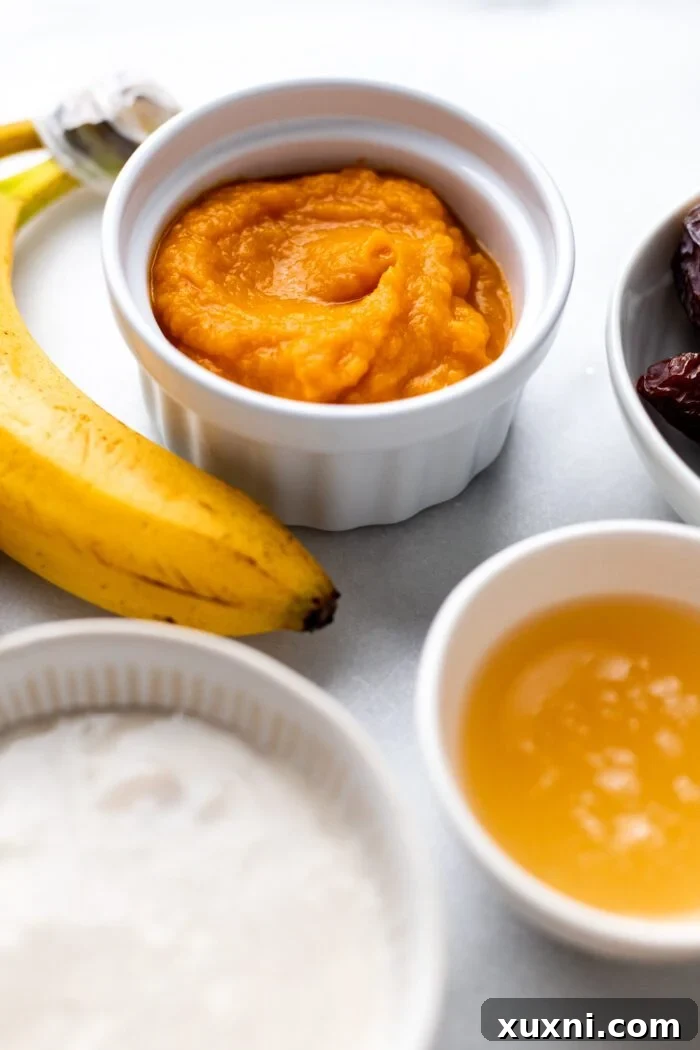
4. Pumpkin Puree: Adding Moisture, Color, and Earthy Sweetness
Conversion: 1 egg = 1/4 cup (62 g) pumpkin puree
Pumpkin puree is a phenomenal vegan egg substitute, especially in recipes where its natural moisture and subtle earthy sweetness can shine. I absolutely adore its use in chocolate-based desserts, like rich vegan brownies or moist chocolate cake, where its color blends seamlessly. It’s also the secret behind the incredibly fluffy texture of my vegan pumpkin cinnamon rolls! Pumpkin puree is naturally hydrating, ensuring that your cakes, breads, and cupcakes remain wonderfully moist and tender. Due to its distinct orange hue, it’s best reserved for chocolate recipes, pumpkin-flavored treats like vegan pumpkin pie, or other darker baked goods where the color won’t be an issue. As a versatile alternative, mashed or pureed sweet potato can be used in the exact same quantity and yields similar results.
5. Mashed Banana: For Sweetness and Exceptional Moisture
Conversion: 1 egg = 1 medium (118 g) ripe mashed banana
Mashed banana serves as an excellent vegan egg replacement, much like pumpkin puree and applesauce, excelling at providing moisture and acting as a binder. However, ripe bananas possess a distinct flavor that will undoubtedly come through in your baked goods. For this reason, I typically reserve mashed banana for recipes where its flavor complements the overall profile, such as my truly exceptional vegan banana bread or a delectable vegan banana cake. In these instances, the banana serves a dual purpose: providing both the primary flavor and the necessary binding and moisture. Always use very ripe bananas (those with plenty of brown spots) for the best sweetness and a softer texture that’s easier to mash smoothly.
6. Aquafaba (Chickpea Brine): The Whippable Wonder
Conversion: 1 egg = 1/4 cup (62 mL) aquafaba (for full “egg” effect, add 1 tbsp chickpea flour)
Aquafaba, the liquid from a can of chickpeas, is a miraculous vegan egg replacement, especially celebrated for its ability to mimic egg whites. When considering a full egg substitute, I often combine 1/4 cup aquafaba with a tablespoon of chickpea flour to replicate the emulsifying and binding properties of a whole egg. However, aquafaba truly shines in its ability to be whipped into stiff peaks, much like egg whites. This makes it ideal for achieving light, airy textures. One of my favorite applications is in vegan French toast, where it creates that quintessential custard-like coating far superior to flaxseed. It’s also indispensable for brownies; the aquafaba helps form that desirable crinkly top characteristic of fudgy vegan brownies. We’ve even perfected a vegan angel food cake using aquafaba, demonstrating its incredible versatility for creating delicate, airy structures.
7. Baking Soda + Vinegar: The Leavening Powerhouse
Conversion: 1 egg = 1/2 teaspoon baking soda + 1 tablespoon vinegar
This dynamic duo is a secret weapon in vegan baking, particularly effective as a leavening agent. The chemical reaction between baking soda (a base) and vinegar (an acid) produces carbon dioxide gas, which creates bubbles and helps baked goods rise, resulting in a lighter, fluffier texture. In several of my vegan cupcake recipes, this combination is the *sole* egg substitute, proving that sometimes, eggs are simply not necessary for a fantastic result! I generally prefer apple cider vinegar for its mild flavor profile, though white vinegar works just as well. This trick is also useful if you’ve run out of baking powder. It’s an excellent choice for achieving lift in cakes, brownies, and cookies, especially for recipes needing a corn-free option, as I often use it when baking for Jared’s allergy.
8. Arrowroot Starch (or Cornstarch): For Thickening and Binding
Conversion: 1 egg = 1 tablespoon (10 g) arrowroot starch (mixed with 2 tablespoons water to form a slurry)
Arrowroot starch, or its common alternative cornstarch, is an exceptional thickening and binding agent in vegan cooking and baking. While it can act as a standalone egg substitute (mixed with a small amount of water to form a slurry), I often use it in conjunction with other vegan egg alternatives, such as dairy-free yogurt, to enhance binding and texture. It’s particularly effective in achieving a desirable crumb in cakes and cookies, and is a staple in many gluten-free cookie recipes. Beyond baked goods, arrowroot starch is indispensable for creating rich, creamy vegan custards and custard-based desserts. It plays a crucial role in recipes like vegan chocolate pudding and achieving the perfect consistency in a baked vegan cheesecake, especially when aquafaba or chickpea flour might not be available or suitable.
9. Nut Butters: Adding Richness and Structure
Conversion: 1 egg = 1/4 cup (62 g) smooth almond butter (or other nut/seed butter)
Nut butters are a fantastic, high-fat vegan egg substitute that impart richness, moisture, and binding properties to baked goods. Almond butter is my preferred choice due to its relatively neutral flavor, allowing other ingredients to shine. Cashew butter is another excellent, creamy alternative. If you want to lean into a particular flavor, peanut butter can add a delicious nutty depth to your recipes. Nut butters are particularly well-suited for recipes that benefit from a higher fat content and dense structure, such as fudgy brownies and decadent cheesecakes. They contribute to a tender crumb and a satisfying chewiness. For those with nut allergies, sunflower seed butter is a fantastic and equally effective nut-free alternative that performs just as well.
10. Medjool Dates: A Sweet, Sticky Binder
Conversion: 1 egg = 1/4 cup (62 g) pureed dates (approx. 3-4 medium Medjool dates)
Pureed dates offer a wonderfully unique and naturally sweet vegan egg replacement, especially beneficial in sweet recipes like cakes, quick breads, and cupcakes. They not only provide excellent binding but also infuse your baked goods with a rich, caramelized flavor. While they require a little more preparation – typically involving soaking the dates in warm water to soften them before pureeing – the effort is well worth it. Medjool dates are generally preferred for their soft texture and intense sweetness. Once pureed, they create a sticky, thick paste that binds ingredients beautifully. Pureed dates are indispensable for the crusts of raw vegan cheesecakes and are a star ingredient in my comforting vegan sticky toffee pudding recipe, where their natural sugars contribute to a moist and flavorful result.
11. BONUS: Chickpeas for Savory “Scrambled Eggs”!
Conversion: 1 egg = 1/3 cup mashed chickpeas
When it comes to savory vegan “egg” dishes, mashed chickpeas are an absolute game-changer. While silken tofu is a popular choice for its similar texture, chickpeas offer a fantastic soy-free and often more cost-effective alternative. They provide a wonderful texture and base for creating plant-based versions of classic egg dishes. My vegan chickpea scramble is a breakfast favorite, perfectly mimicking the texture and heartiness of traditional scrambled eggs. Additionally, my vegan quiche made from chickpeas proves that you can achieve a delightfully savory and satisfying quiche without any eggs. Chickpeas are versatile, nutritious, and truly transform into delicious savory “egg” experiences.
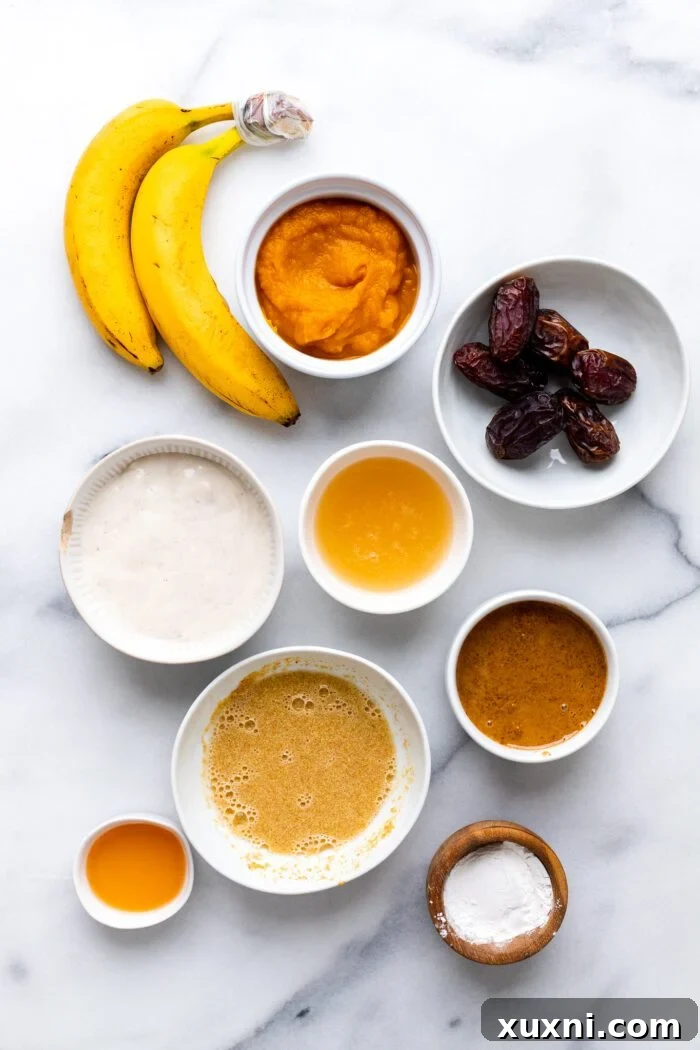
Tailoring Your Choice: Best Vegan Egg Replacements for Specific Recipes
Understanding the distinct properties of each vegan egg substitute is key to successful plant-based cooking and baking. Here’s a quick guide to help you choose the best option for your specific recipe needs:
How Do I Replace Egg Whites in Vegan Baking?
Aquafaba is undeniably the champion for replacing egg whites in vegan baking. While it doesn’t contain the same protein structure as animal egg whites, which are crucial for stabilizing height and structure, aquafaba can be whipped into impressive peaks, creating similar airy textures. This makes it perfect for vegan meringue cookies that bake up beautifully light and crisp. For custard-like textures, like a rich vegan lemon curd (which is heavenly in my vegan lemon meringue pie!), combining aquafaba with a touch of chickpea flour effectively mimics the body and richness of a full egg. While replicating a truly lofty vegan angel food cake can be challenging due to the protein difference, aquafaba has brought us closer than ever to achieving this delicate dessert.
What Do Vegans Use Instead of Eggs for Breading?
For achieving a crisp, adherent breading on items like tofu, tempeh, or vegetables before frying or baking, a mixture of aquafaba and chickpea flour is highly recommended. The aquafaba provides a sticky base for the breading to cling to, while the chickpea flour adds an extra layer of binding and can help create a golden finish.
What Should I Use for a Vegan Egg Wash?
To achieve that beautiful golden sheen and promote browning on baked goods like vegan dinner rolls or vegan pie crusts, a simple vegan egg wash works wonders. I suggest mixing maple syrup with a splash of plant milk, such as soy milk or almond milk. The maple syrup provides sweetness and helps with caramelization, while the plant milk adds moisture and helps create that desirable crust.
What is the Best Vegan Egg Substitute for Cake?
When it comes to cakes, cupcakes, and muffins, my top recommendation for a vegan egg substitute is dairy-free yogurt. The unique combination of fat content and acidity in vegan yogurt reacts beautifully with leavening agents like baking soda, resulting in incredibly fluffy, tender, and often velvety textures. This is why so many people, including non-vegans, rave about vegan cakes made with yogurt – it truly creates a superior mouthfeel and crumb. Additionally, dairy-free yogurt is quite neutral in flavor, allowing the main flavors of your cake to shine. The next best substitute is unsweetened applesauce, particularly for vanilla-based bakes, as it offers a neutral flavor profile and won’t introduce the color changes that pumpkin puree might, or the distinct taste of banana.
How Do I Achieve an “Eggy” Flavor in Vegan Cooking?
If you’re transitioning to veganism and find yourself missing the distinctive sulfurous taste of eggs in savory dishes, there’s a simple secret ingredient: kala namak, also known as black salt. This unique Himalayan rock salt has a high sulfur content, which imparts a surprisingly authentic “eggy” flavor. A pinch of kala namak can dramatically transform your tofu scrambles, chickpea omelets, and savory custards, making them taste remarkably similar to their traditional counterparts.
Bonus: 5 Game-Changing Secrets to Transform Your Vegan Baking!
Beyond choosing the right egg substitute, mastering a few key techniques can elevate your vegan baking from good to absolutely phenomenal. These simple secrets will ensure your plant-based creations are consistently moist, perfectly risen, and incredibly delicious:
- Ensure Room Temperature Ingredients: Just like traditional baking, bringing vegan butter and plant milk to room temperature is crucial. Room temperature vegan butter creams better with sugar, creating air pockets for a lighter texture. Similarly, room temperature plant milk blends more smoothly, preventing lumps and ensuring a cohesive batter. Cold ingredients can cause batters to curdle or become stiff, leading to dense or unevenly baked results. Plan ahead by taking these ingredients out of the fridge at least 30-60 minutes before you start baking.
- Do Not Overmix Your Batter: Overmixing is a common pitfall in baking, and vegan baking is no exception. Once you’ve added the dry ingredients to the wet, mix only until just combined. Overmixing develops the gluten in flour, which can lead to a tough, rubbery texture in cakes, cookies, and muffins. A few small lumps are perfectly fine and often preferred. Gentle mixing ensures a tender and airy crumb, which is especially important for delicate vegan bakes.
- Master Your Leavening Agents: Understanding the interaction between baking soda and baking powder is vital. Baking soda requires an acid (like vinegar, lemon juice, or even the acidity in plant-based yogurts and purees) to activate and produce carbon dioxide, providing lift. Baking powder, on the other hand, is usually double-acting, meaning it has one leavening reaction when mixed with liquid and another when exposed to heat in the oven. Using the correct balance of these agents, often guided by your chosen egg substitute, ensures your baked goods rise beautifully and achieve the desired lightness.
- Harness the Power of Flavor Enhancers: Small additions can make a huge difference in the overall flavor profile of your vegan bakes. A generous splash of pure vanilla extract can deepen and round out sweetness in almost any recipe. A tiny pinch of salt, even in sweet dishes, helps to balance flavors and bring out the sweetness. For chocolate recipes, a teaspoon of instant espresso powder can intensify the chocolate flavor without making the dish taste like coffee. These subtle enhancements elevate your baking to a professional level.
- Measure Ingredients Accurately: Baking is a science, and precision is paramount, especially in vegan baking where ingredient interactions can be more delicate. Invest in a kitchen scale for the most accurate measurements, particularly for flour and other dry ingredients. Volume measurements (cups and spoons) can be less consistent. Precise measurements ensure the correct balance of wet and dry ingredients, leavening agents, and fats, leading to consistently successful results.
I genuinely hope this comprehensive guide empowers you on your vegan baking and cooking journey. Embracing plant-based alternatives is an incredibly fun and rewarding way to approach food. While it might feel overwhelming at first, just like learning any new skill, mastering the basics will open up a world where you can create dishes as delicious, or even more delicious, than their traditional counterparts.
For more essential vegan baking insights, be sure to explore my guide on achieving room temperature vegan butter – it’s a game-changer! You’ll also find a wealth of knowledge in my dedicated vegan baking tips section and my in-depth vegan baking guide.
Now, I’m eager to hear from you! What’s your go-to vegan egg substitute for baking and cooking? Share your favorites and any personal tips in the comments below!