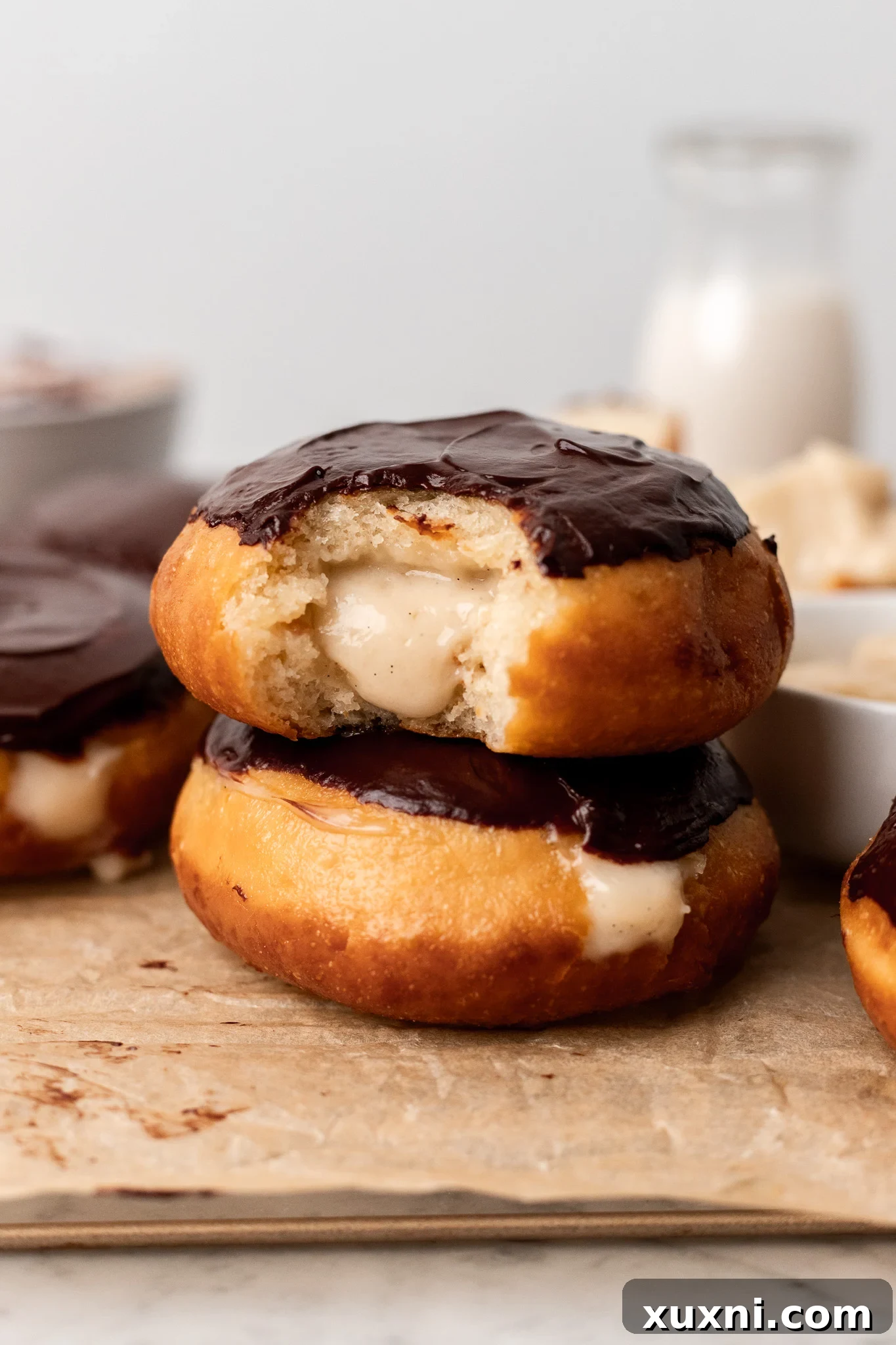
Indulge in the ultimate homemade treat with these astonishingly easy and irresistibly delicious vegan Boston cream donuts! Crafted to be undetectably plant-based, this recipe delivers all the classic charm of cream-filled donuts without any animal products. We’ll guide you through each simple, straightforward step to create fluffy, sweet doughnut dough, generously filled with a lush, egg-free vanilla custard, and crowned with a rich, glossy chocolate coating. These decadent delights are truly the perfect indulgent experience, whether you’re seeking a special breakfast or a luxurious mid-afternoon snack! Get ready to impress yourself and your loved ones with these incredible vegan Boston cream donuts.
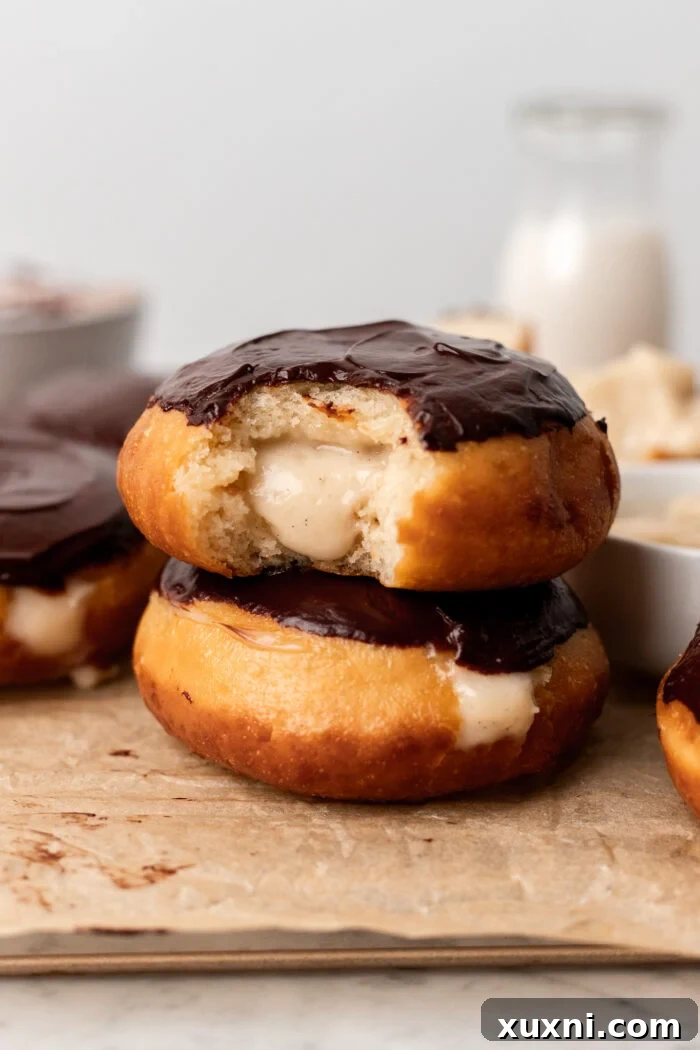
Doughnut or Donut? Unraveling the Sweet Debate
Before we dive into the delicious details of this recipe, let’s address a common query: is it “doughnut” or “donut”? You might notice me using both spellings interchangeably throughout this post, and for good reason! Both are widely accepted, though they have slightly different origins and popularities.
Historically, “doughnut” was the original and formal spelling, emerging from early American culinary texts. However, in the late 20th century, the simplified spelling “donut” gained significant traction, especially in North America. Its widespread adoption was notably propelled by iconic brands like Dunkin’ Donuts. So, whether you prefer the classic “Boston cream doughnuts” or the modern “Boston cream donuts,” rest assured that the incredible recipe you’re about to discover remains equally delightful. The taste is what truly matters, and these vegan beauties deliver every single time!
Why These Homemade Vegan Boston Cream Donuts Will Become Your New Favorite
My adoration for Boston cream pie runs deep, inspiring not only its classic form but also charming mini versions like my popular Boston cream cupcakes. It was only natural, then, to extend this passion to the beloved Boston cream donut – and, of course, to make it completely vegan!
Boston cream donuts are, in my humble opinion, among the finest cream-filled doughnuts ever created. This particular recipe is genuinely one of my most cherished vegan doughnut recipes, offering an experience that even non-vegans will rave about. Imagine: a light, incredibly airy fried donut, generously piped with a rich, silky, custard-like vanilla pastry cream—much like the filling in my irresistible vegan Bomboloni! Then, it’s elegantly topped with a decadent coating of smooth chocolate ganache. Truly, what’s not to love?
The magic doesn’t stop there. These aren’t just any donuts; they are completely eggless and dairy-free, making them accessible to a wider audience without sacrificing an ounce of flavor or texture. The contrast between the fluffy fried dough, the cool, creamy vanilla filling, and the slightly firm chocolate shell is pure culinary bliss. These vegan Boston cream donuts are also a fantastic companion to your morning cup of coffee or a comforting vegan latte, elevating your everyday moments into something truly special. Prepare to fall head over heels for this incredible plant-based treat!
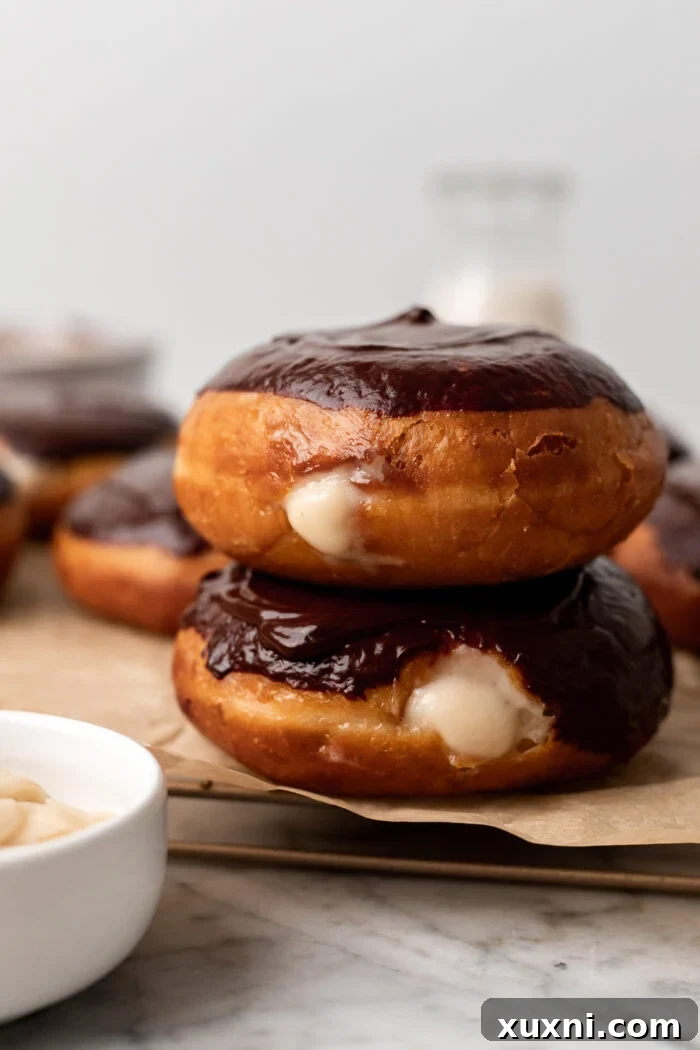
Essential Ingredients for Your Undetectably Vegan Boston Cream Doughnuts
Crafting these extraordinary vegan Boston cream doughnuts requires a selection of readily available plant-based ingredients. Each component plays a crucial role in achieving the perfect texture, flavor, and richness. Here’s a detailed look at what you’ll need:
- Activated Dry Yeast: This is the leavening agent that gives our donuts their incredibly light and airy texture. While I recommend activated yeast for blooming first, you can use quick-rise yeast by simply mixing it directly into the flour with other dry ingredients, skipping the initial blooming step. Ensure your yeast is fresh for optimal rise.
- Granulated Sugar: Provides sweetness to both the dough and the custard. For a slightly different flavor profile or to reduce refined sugar, you can substitute with maple sugar or coconut sugar, adjusting quantities as needed for desired sweetness.
- Dairy-Free Milk: Essential for both the dough and the custard, providing moisture and richness. Almost any dairy-free milk will work beautifully here—soy milk, oat milk, almond milk, or cashew milk are all excellent choices. Ensure it’s unsweetened for best results, unless specified otherwise in your custard recipe.
- Flour: I’ve had fantastic success using all bread flour, which contributes to a chewier, more structured donut, as well as with all-purpose flour for a softer crumb. While I haven’t specifically tested this recipe with gluten-free 1:1 baking flour blends, those seeking a gluten-free option might experiment with it, keeping in mind that the texture and rise may vary significantly.
- Avocado Oil: This neutral-flavored oil is my top recommendation for frying due to its high smoke point, which means it can withstand higher temperatures without breaking down or imparting undesirable flavors. It ensures a beautifully golden-brown and crispy exterior.
- Vanilla Extract: A crucial flavor enhancer, vanilla brings warmth and depth to both the donut dough and the luscious pastry cream, tying all the sweet elements together.
- Vegan Custard (Pastry Cream): The heart of any Boston cream donut! We’ll be preparing a rich, creamy, and completely egg-free vanilla custard. You can find my detailed recipe for the perfect plant-based version right here: Vegan Vanilla Pastry Cream.
- Vegan Chocolate Ganache: The iconic glossy topping! This smooth, rich chocolate coating perfectly complements the sweet donut and creamy custard. Make sure to use a high-quality vegan chocolate for the best flavor.
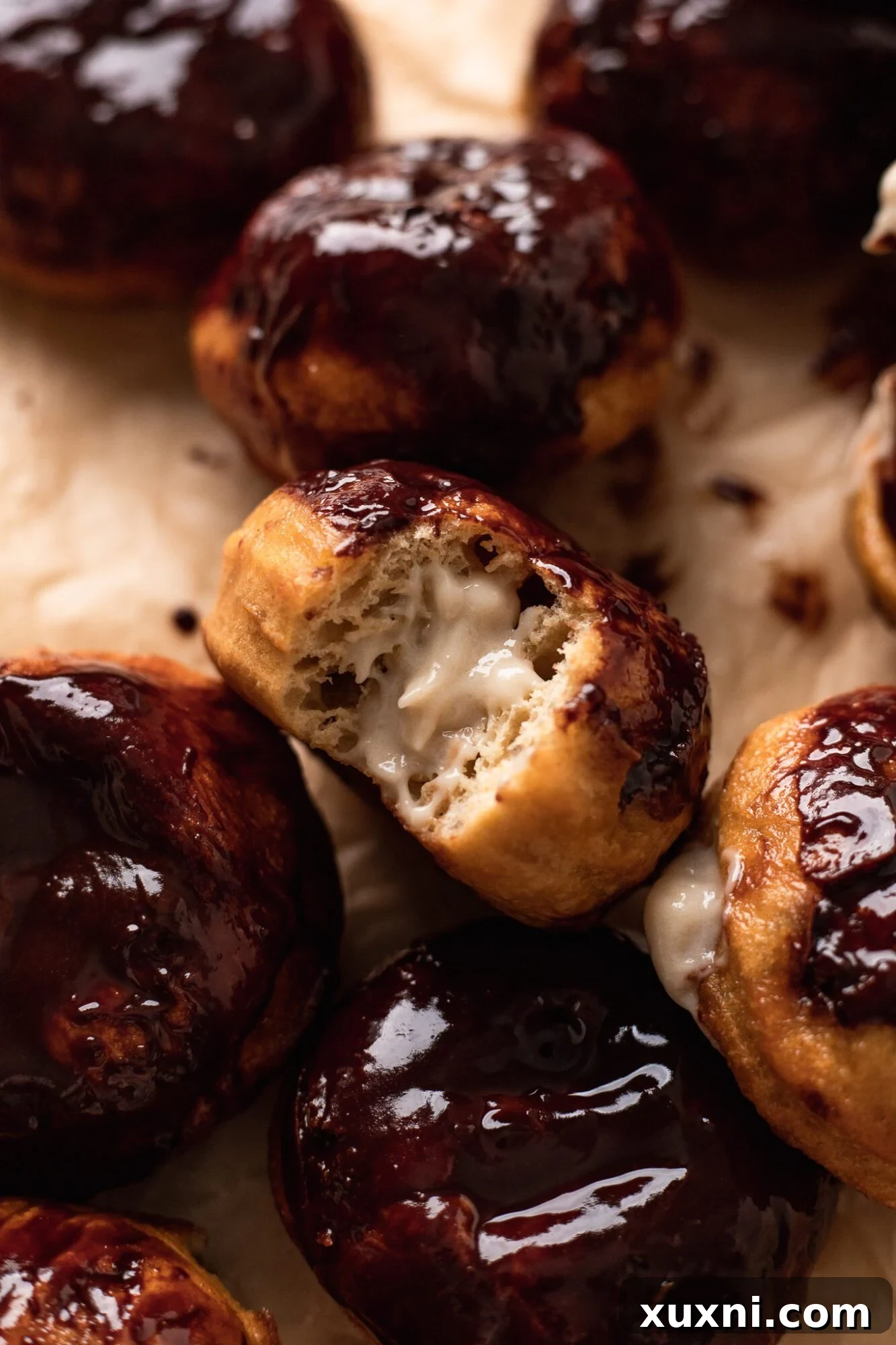
Overview: How to Master These Vegan Boston Cream Donuts
For the comprehensive written instructions, precise ingredient measurements, and detailed tips, please refer to the recipe card located at the bottom of this post. You can also quickly access it by clicking the “jump to recipe” button at the top of the page! Below, we’ll provide a brief, visual-rich overview of the key steps, designed to give you a clearer understanding of the process.
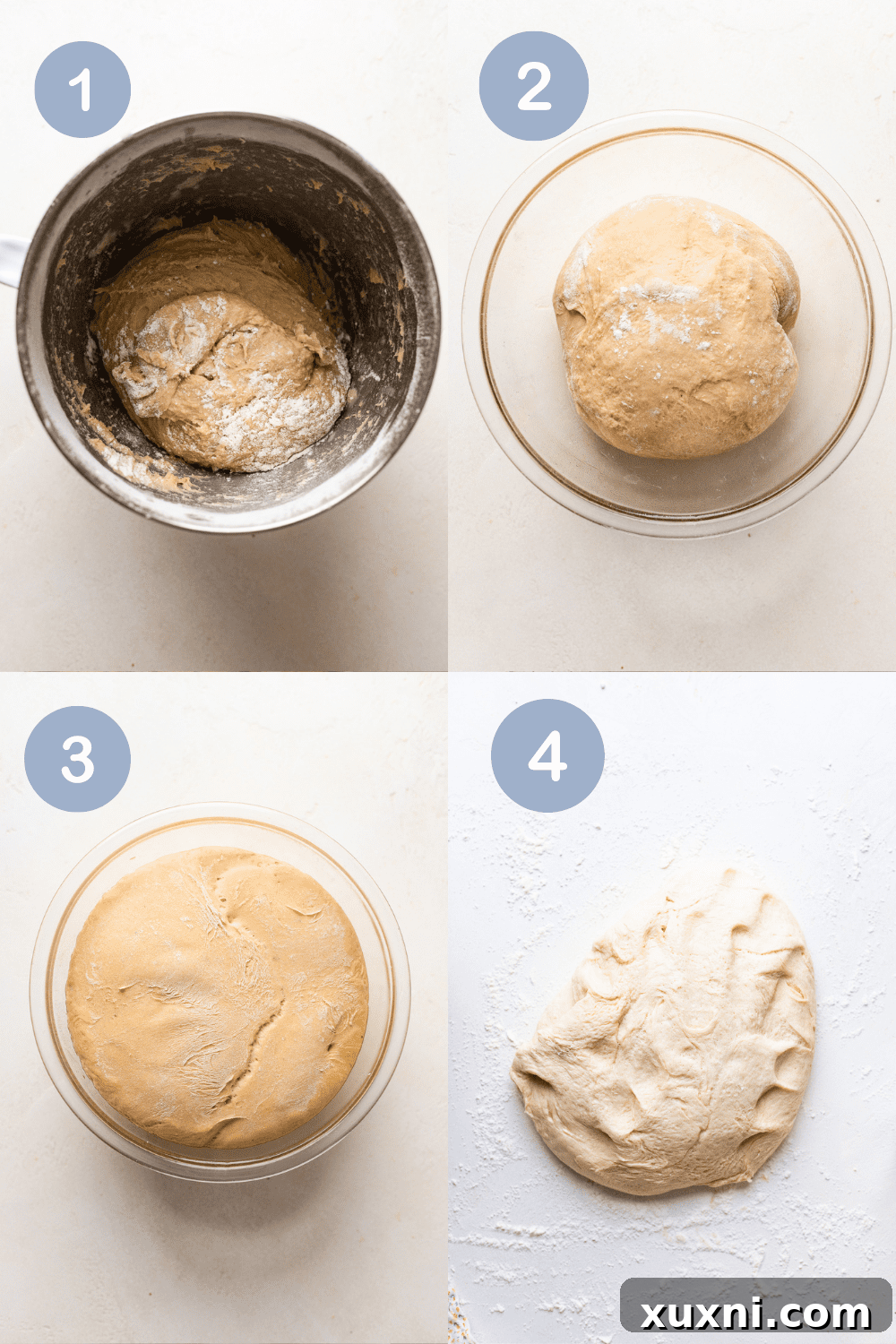
If you’ve ever embarked on the delightful journey of making homemade cinnamon rolls, you’ll find the initial stages of crafting these vegan Boston cream doughnuts remarkably similar. It involves working with yeast dough, which requires a little patience but rewards you with an incredibly soft and pliable foundation for your donuts.
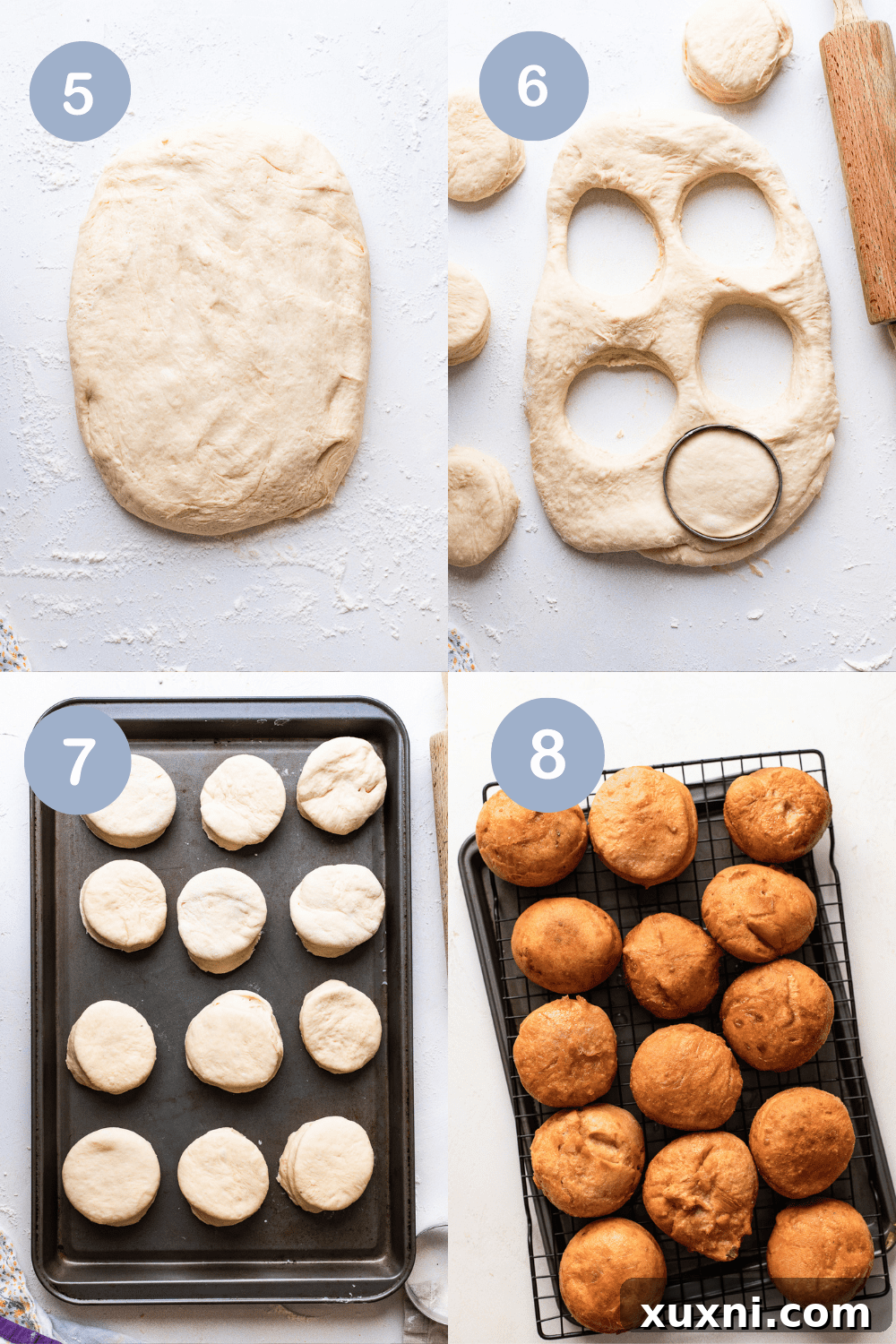
I employ two distinct methods for shaping the doughnuts, each offering a slightly different result. The first approach involves rolling out the prepared dough and using a small cookie cutter. This method is excellent for efficiently producing a batch of uniform mini doughnuts, perfect for bite-sized indulgence or when serving a crowd.
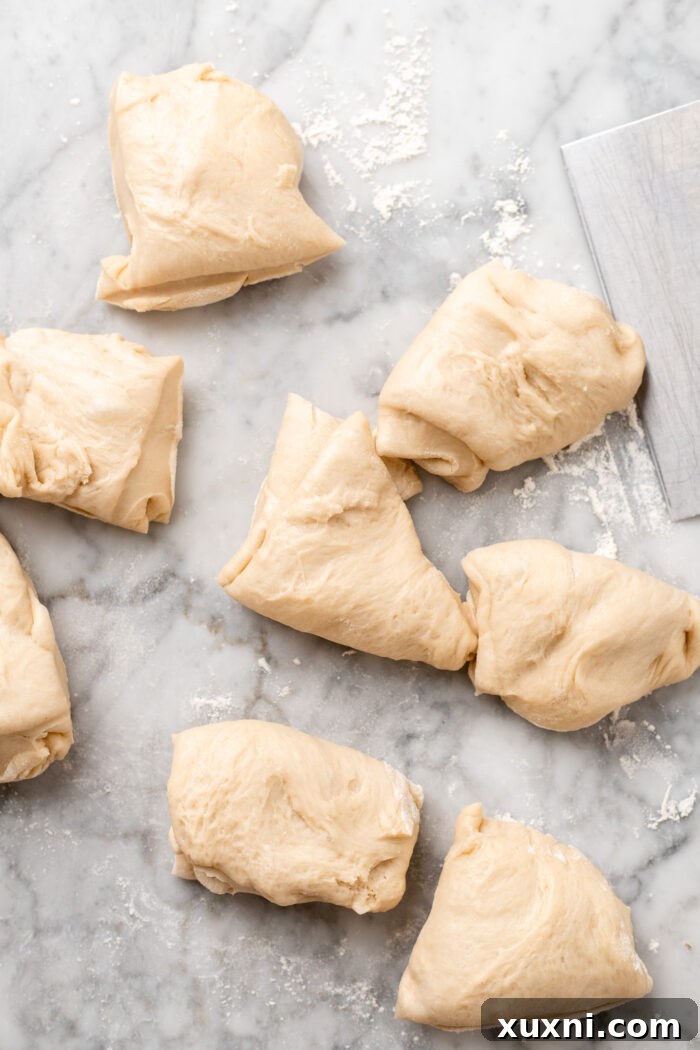
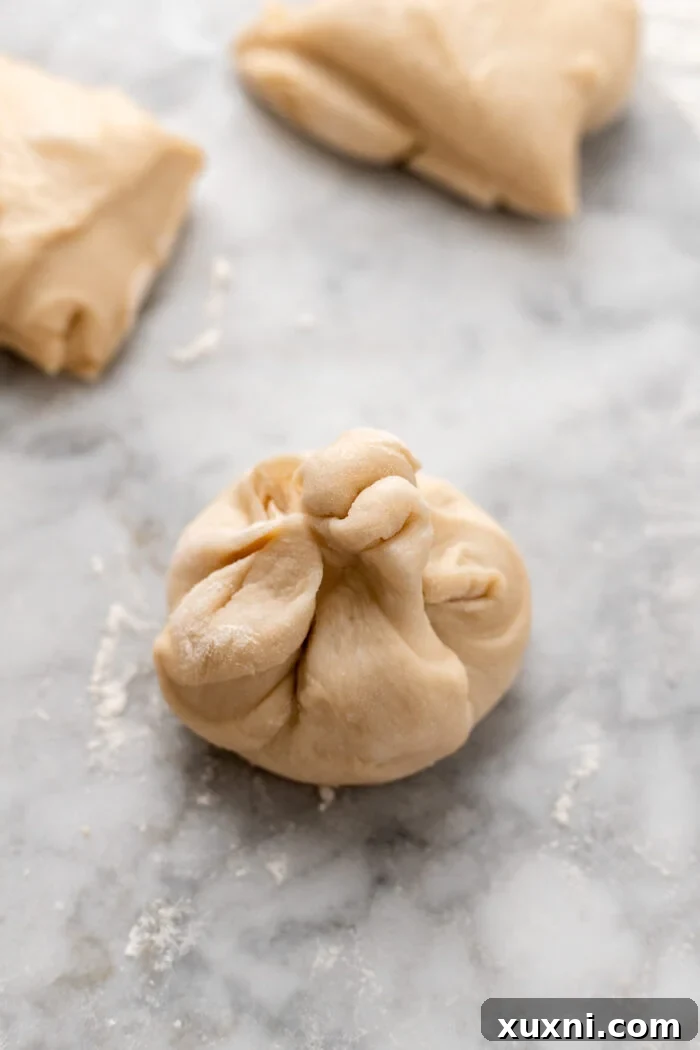
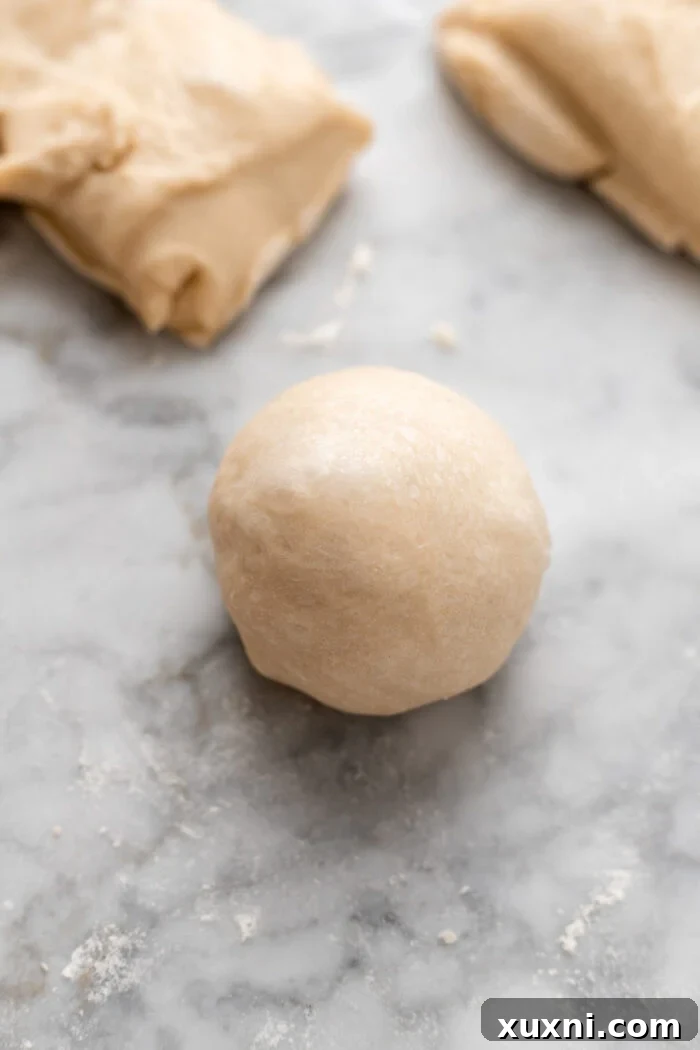
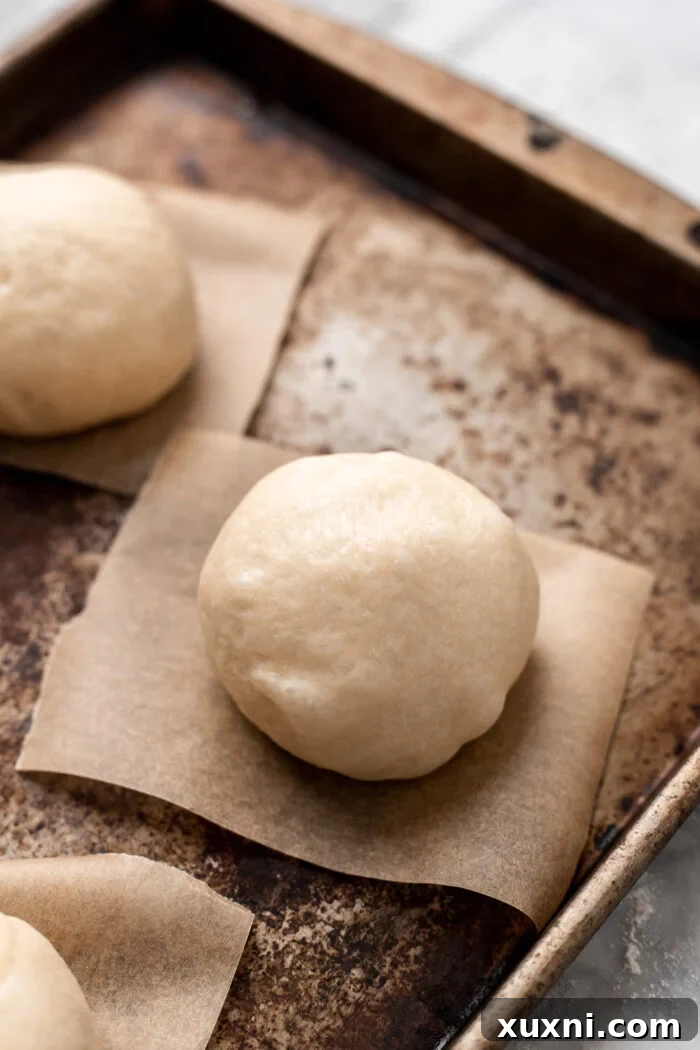
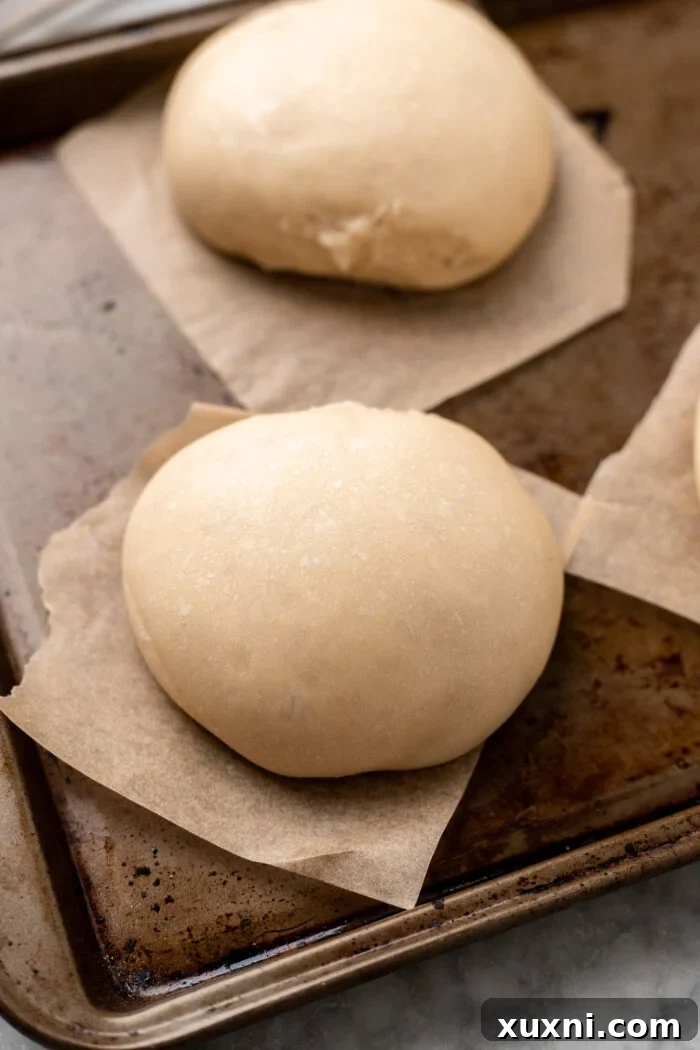
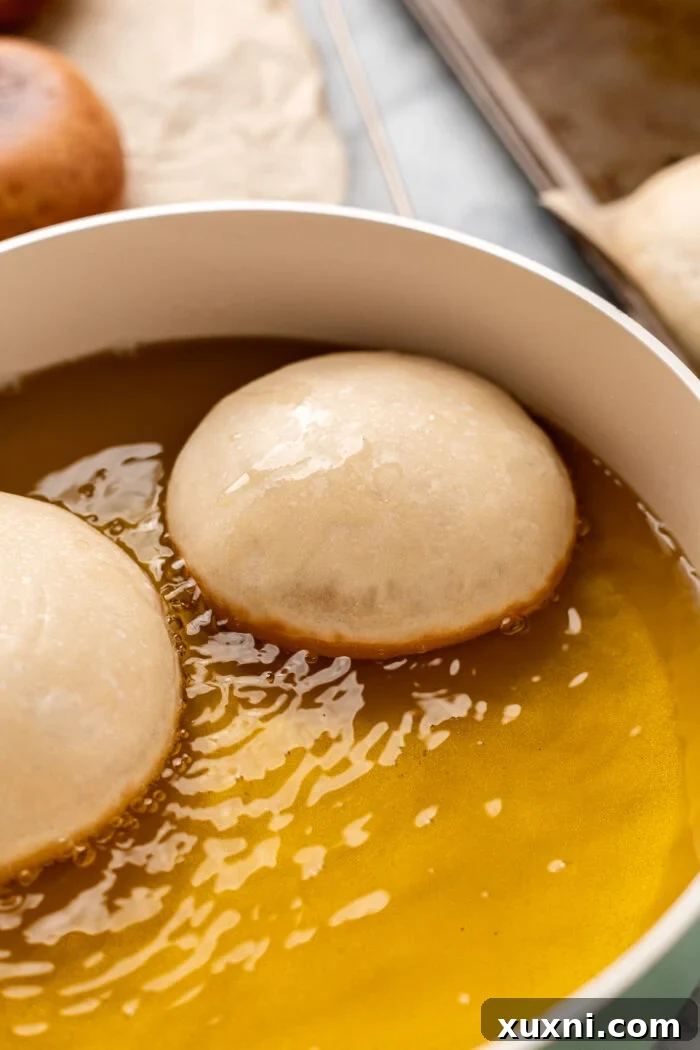
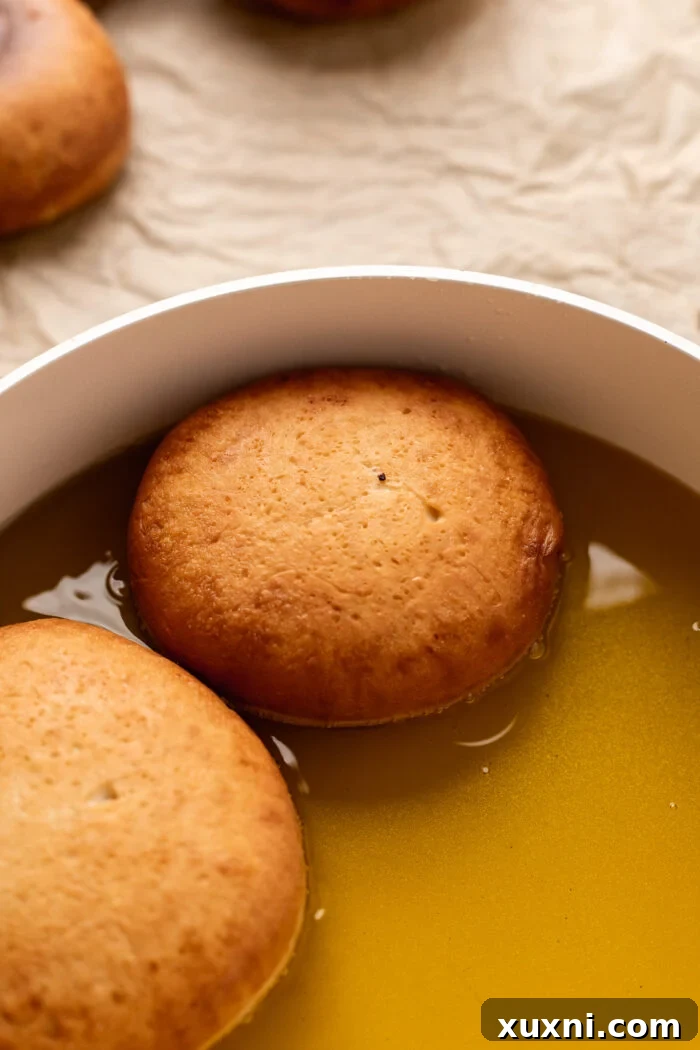
The second, and perhaps more classic, method focuses on dividing the dough into individual portions and then rolling them into smooth, perfect spheres. This technique is ideal for creating the iconic rounded Boston cream donut shape, which is perfectly suited for filling. Let’s walk through this process visually:
Crafting the Perfect Finish: How to Assemble Vegan Boston Cream Donuts
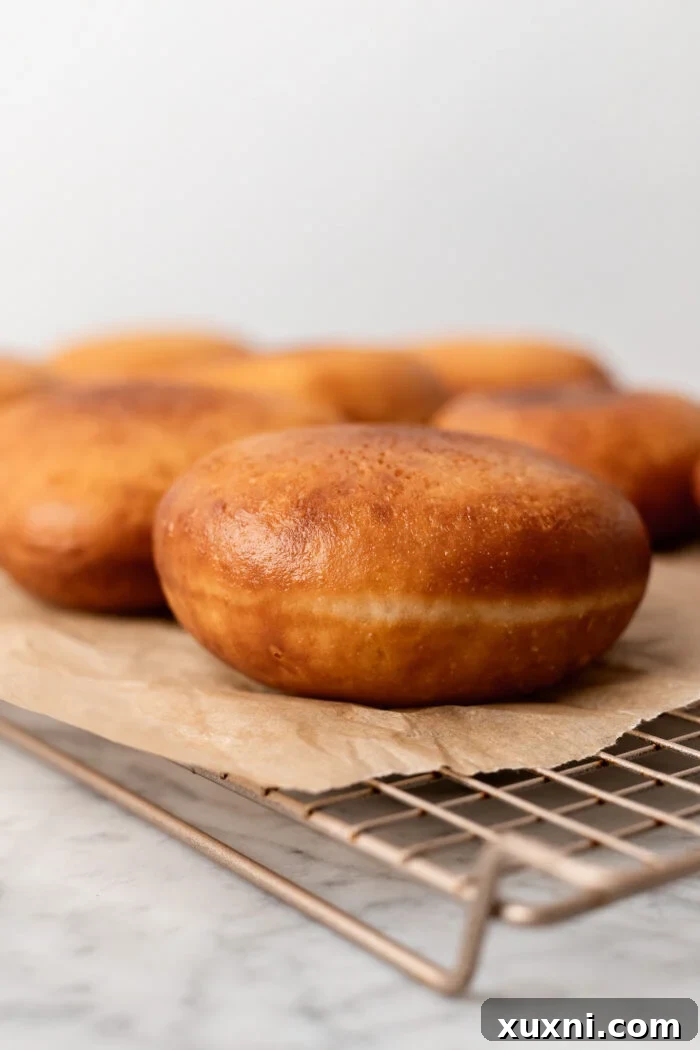
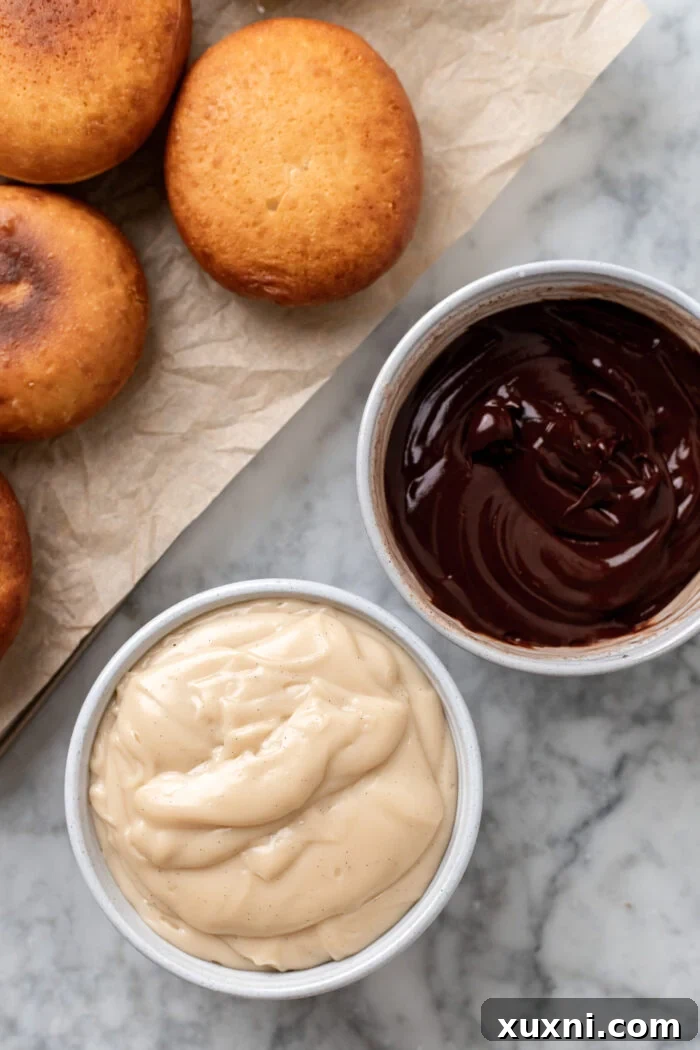
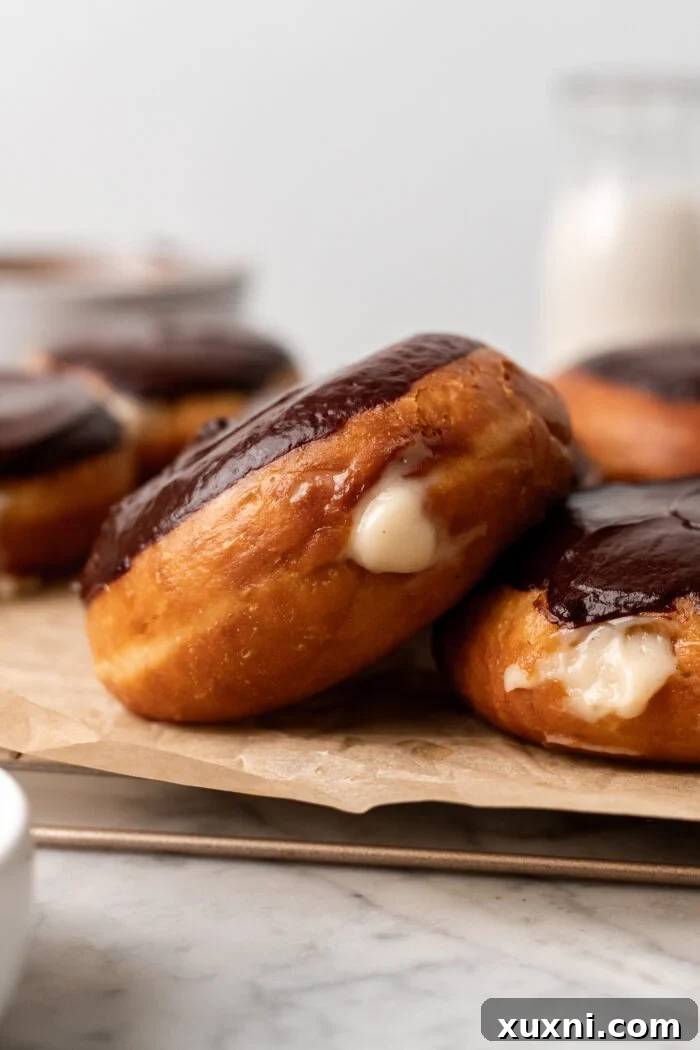
Once your freshly fried donuts have cooled to room temperature, it’s time for the most exciting part: assembling these magnificent vegan Boston cream donuts! This involves preparing both the luscious vanilla pastry cream and the rich chocolate ganache, then carefully combining all the elements to create the iconic treat.
Storage Tips: Can I Freeze These Vegan Boston Cream Doughnuts Once Filled?
While these delightful vegan filled donuts are undeniably at their absolute best when enjoyed fresh on the same day they are made, you can certainly store them to extend their deliciousness. After they’ve been filled, they can be kept in an airtight container in the refrigerator for 1-2 days. The chill helps maintain the integrity of the pastry cream and ganache.
For longer storage, you’ll be pleased to know that these donuts can also be frozen for up to 2 months. To freeze, arrange the filled and glazed donuts in a single layer on a baking sheet and freeze until solid. Once firm, transfer them to a freezer-safe airtight container or bag, separating layers with parchment paper to prevent sticking. When you’re ready to enjoy them, simply transfer the frozen donuts to room temperature and allow them to thaw for approximately 2-3 hours. While the texture might be ever-so-slightly different than freshly made, they will still offer a wonderfully satisfying treat!
Baked vs. Fried: Can I Bake These Vegan Donuts Instead of Frying Them?
This is a common question, especially for those seeking a lighter alternative. I have indeed experimented with baking these Boston cream doughnuts instead of frying them. To be completely transparent, the results, while edible, tend to be a bit underwhelming compared to their fried counterparts.
Frying is key to achieving that classic, light, and airy texture with a delicate crisp exterior that truly defines a Boston cream donut. Baking tends to yield a denser, more cake-like texture, which, while not bad, doesn’t quite replicate the authentic fried donut experience. If your primary goal is a healthier Boston cream doughnut, and you don’t mind a different texture, then baking is an option. To give them a little shine and prevent them from drying out too much, be sure to brush each baked donut lightly with dairy-free cream or milk shortly after they come out of the oven.
Personally, I believe the true magic of these vegan Boston cream donuts shines through when they are fried. I highly recommend frying them, ideally in coconut oil (Edward & Sons or Native Forest brands offer excellent coconut oil for frying, known for its high smoke point and neutral flavor!). While you *can* bake them, I want to manage expectations so you aren’t disappointed by the difference in texture. For an authentic, indulgent experience, frying is the way to go!
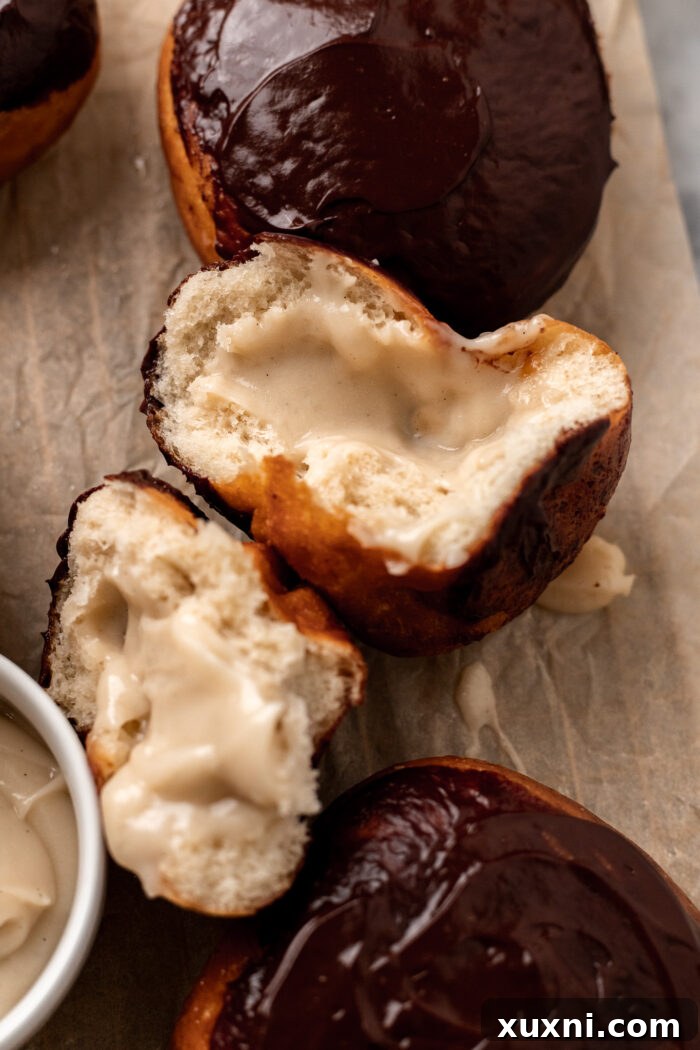
You are truly going to adore these homemade vegan Boston cream donuts! They are wonderfully sweet, incredibly delicious, and immensely satisfying. Each bite offers a harmonious blend of fluffy dough, rich vanilla custard, and smooth chocolate ganache, proving that plant-based desserts can be every bit as indulgent and satisfying as their traditional counterparts. Don’t forget to leave a comment and a review below to share your experience, and most importantly, enjoy every single delectable moment!
More Irresistible Vegan Donut Recipes You’ll Love:
If you’re now a fan of homemade vegan donuts, you’ll be thrilled to discover more delightful recipes from my collection:
Best Vegan Cinnamon Sugar Donuts
Easy Vegan Birthday Donuts
Baked Chocolate Donuts with Peanut Butter Glaze
Vegan Apple Cider Donuts
Want to save this recipe for later? Add it to your favorite recipe board on Pinterest!
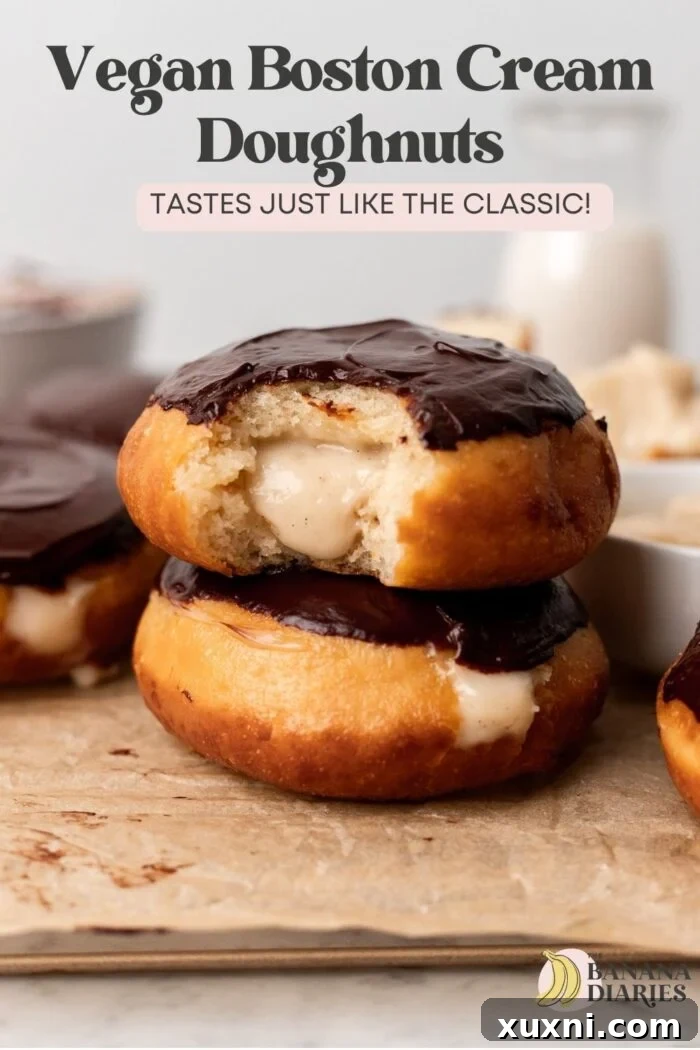
If you try this recipe, please make sure to leave a comment and a rating ⭐️⭐️⭐️⭐️⭐️ below. Your feedback helps others discover and enjoy these recipes! As always, I absolutely love seeing your beautiful culinary creations on Instagram and Pinterest, so don’t forget to tag me there!
Print
Vegan Boston Cream Donuts, Step-by-Step
5 Stars 4 Stars 3 Stars 2 Stars 1 Star
No reviews
Author: Britt Berlin
Prep Time: 40
Resting Time: 90
Cook Time: 30
Total Time: 2 hours 40 minutes
Yield: 8–16 1x
Category: Breakfast
Method: Frying
Cuisine: American
Diet: Vegan
Description
These astonishingly easy and undetectably vegan Boston cream donuts are a dream come true for cream-filled donut lovers! This recipe provides clear, simple steps to create perfectly light and fluffy plant-based donuts. Each sweet doughnut is generously filled with a rich, egg-free vanilla custard, then topped with a luscious chocolate coating. They are the ideal indulgent treat for breakfast, a delightful mid-afternoon snack, or any time you crave a truly special vegan dessert.
Ingredients
Scale
- 3/4 cup (184 g) dairy free milk, heated to 110F (lukewarm)
- 1/2 cup (100 g) granulated sugar or coconut sugar, divided
- 4 cups (500 g) bread flour or all purpose flour
- 2.5 tsp (.25 oz) dry activated yeast (or quick-rise yeast)
- 12 tbsp (185 g) unsalted vegan butter, room temperature
- 1/4 cup (62.5 grams) plain dairy free yogurt, room temperature
- 1 tsp vanilla extract
- 3 cups avocado oil, for frying (ensure it has a high smoke point)
- 1 batch homemade vegan vanilla pastry cream (chilled)
- 1 batch rich vegan chocolate ganache (prepared for dipping)
Instructions
- Important: Please ensure you read through all instructions and tips carefully before beginning to ensure a smooth baking process and perfect results.
- Prep Your Bowl: Lightly grease a medium-sized mixing bowl with a neutral oil like olive or coconut oil. This bowl will be used for the first dough proofing. Set it aside.
- Activate the Yeast: In a separate large mixing bowl, combine the gently warmed dairy-free milk (ensure it’s precisely 110°F or 43°C – too hot will kill the yeast, too cold won’t activate it), 1/4 cup (50g) of the granulated sugar, and the activated dry yeast. Stir with a wooden spoon until just combined. Cover the bowl with a clean kitchen towel and place it in a warm, draft-free area for about 10 minutes. The yeast should become frothy and emit a distinct, slightly beer-like aroma, indicating it’s active and ready.
- Prepare the Dough: Once your yeast is visibly activated, you can begin making the donut dough. In the bowl of a stand mixer fitted with a paddle attachment (or a large bowl for hand mixing), add the bread flour (or all-purpose flour) and the remaining granulated sugar. Mix on low speed for about a minute to evenly distribute the sugar. Next, add the dairy-free yogurt, vanilla extract, and the bloomed yeast mixture to the bowl. Mix on medium speed for 3-4 minutes until a shaggy, cohesive dough starts to form. Now, gradually add the softened vegan butter, one tablespoon at a time, mixing on medium speed after each addition until fully incorporated. Once all the butter is in, increase the stand mixer speed to high and knead the dough for approximately 10-15 minutes. The dough should become soft, elastic, and pliable, pulling away from the sides of the bowl. It might remain slightly tacky, but it should not leave significant residue on your fingertips. A good test for readiness is the windowpane test – stretch a small piece of dough; if it stretches thin enough to see light through without tearing, it’s ready.
- First Proofing: Form the kneaded dough into a ball and transfer it to the greased medium-sized bowl you prepared earlier. Cover the bowl with a clean dish towel. Place it in a warm environment (ideally above 80°F / 27°C, like a warmed oven with the light on, or a sunny spot) to rest and rise for 60-120 minutes, or until the dough has impressively doubled in size. This is a crucial step for a light donut.
- Simultaneous Prep (During Proofing): While your dough is undergoing its first proof, take this opportunity to prepare the vegan vanilla pastry cream according to its recipe instructions. Once prepared, cover the custard directly with plastic wrap (to prevent a skin from forming) and refrigerate it until it’s thoroughly chilled and firm. Just before you’re ready to fill the donuts, you’ll need to blend or whisk the pastry cream to ensure it’s perfectly smooth and pipeable. Additionally, cut out 8-16 individual squares of parchment paper (depending on how many donuts you plan to make from the dough) and arrange them on a baking sheet. These will prevent your shaped donuts from sticking.
- Shape the Doughnuts: Once the dough has proudly doubled in size, gently punch it down to release the air. Lightly flour a clean work surface and turn the dough out onto it. Divide the dough into 8 equal portions for larger, classic-sized donuts, or more if you prefer smaller ones. Take one piece of dough and gather its edges, pinching them together at the bottom to form a smooth ball. Then, gently roll the dough ball between your palms or on the lightly floured surface with a cupped hand to create a perfectly round, seamless shape. Place each shaped dough ball onto an individual parchment paper square on your prepared baking sheet. Repeat this process for all remaining dough pieces.
- Second Proofing: Cover the baking sheet containing the shaped doughnuts loosely with a clean kitchen towel. Return it to a warm place to rest and rise again until they are nearly doubled in size, which typically takes about 30-45 minutes. This second proof ensures a wonderfully airy texture after frying.
- Prepare for Frying: With about 10-15 minutes left in the second proofing time, begin preparing your frying station. Pour the avocado oil into a large, heavy-bottomed saucepan or Dutch oven with high walls (for safety and to prevent splatter). Heat the oil over medium-high heat until it reaches a steady temperature of 350-365°F (175-185°C). A candy thermometer is absolutely essential for accurate temperature control – fluctuations can result in greasy or undercooked donuts. For cooling, line a separate cooling rack with several layers of paper towels underneath to absorb any excess oil from the fried donuts.
- Fry the Doughnuts: When your donuts have finished their second proof and the oil is at the correct temperature, it’s time to fry! Carefully pick up one shaped donut, using its parchment paper square to help transfer it. Gently place the donut, still on its parchment paper, onto a slotted spoon. Lower the spoon into the hot oil and, as the donut detaches, carefully remove the parchment paper with tongs (it should slide off easily). Fry the donut on one side for approximately 2 minutes, or until it develops a beautiful golden-brown color on the bottom. Then, using the slotted spoon, carefully flip the donut to fry the second side for another 1 to 1.5 minutes, until it’s evenly golden. You can fry multiple donuts at once, depending on the size of your pan, but be careful not to overcrowd the pot as this will lower the oil temperature. Ensure the oil temperature remains consistently between 350-365°F. Remove the cooked donuts with the slotted spoon and transfer them to the prepared cooling rack to drain and cool.
- Cooling and Final Preparations: Allow the fried donuts to cool completely on the rack for at least 10 minutes. While they are cooling, ensure your pastry cream is perfectly smooth by giving it a quick blend or vigorous whisking. At this stage, you can also prepare your vegan chocolate ganache according to its recipe instructions, ensuring it’s at a smooth, dippable consistency.
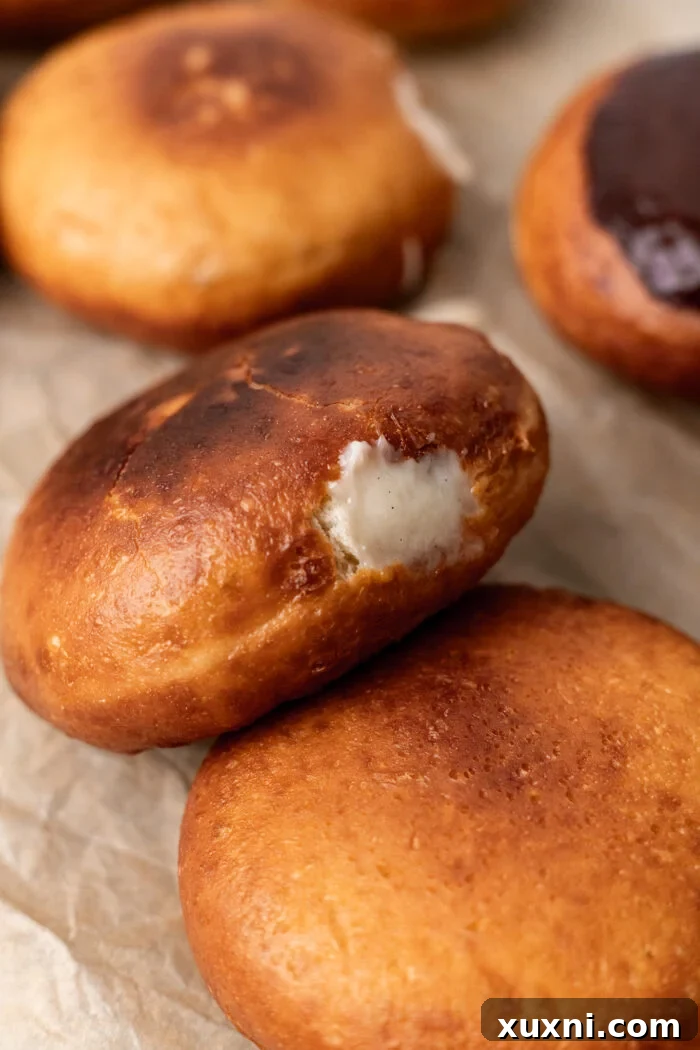
- Fill the Doughnuts: Once the donuts are cool, use a small, sharp knife or a long skewer to poke a hole into the side seam of each donut. Gently wiggle the skewer to create a small pocket in the center, which will house your filling. Fill a pastry bag fitted with a round piping nozzle (or a plain large tip) with the smooth pastry cream. Insert the tip of the piping bag into the hole made by the skewer and gently pipe the filling into each donut. Be mindful not to overfill, as the cream may ooze out, making the ganache dipping difficult.
- Top with Ganache: After filling, carefully dip the top surface of each donut into the warm chocolate ganache. Gently twist the donut as you pull it up to allow any excess ganache to drip off, creating a smooth, even coating. Place the ganache-dipped donuts back on the cooling rack.
- Serve and Enjoy!: Allow the chocolate ganache to set for a few minutes until it is slightly firm to the touch. Serve your magnificent vegan Boston cream donuts freshly made for the best experience. If you have any leftovers, store them in an airtight container in the refrigerator for up to 3 days to maintain freshness.
Notes
For detailed tips, troubleshooting, and ingredient substitutions, refer to the full blog post above this recipe card!