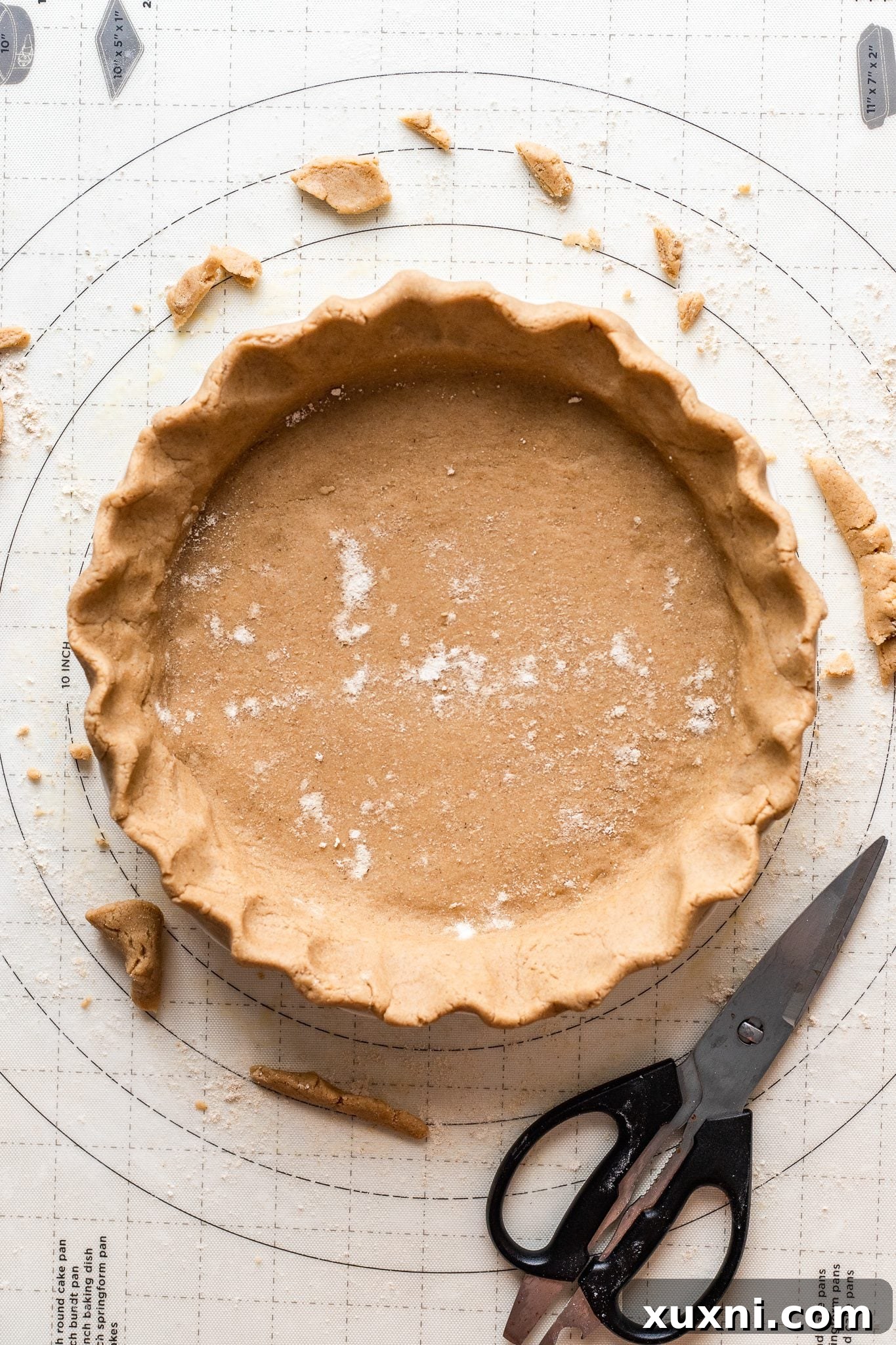
Prepare to transform your baking with the easiest and most reliable oat flour pie crust recipe! This incredible dough is a true game-changer, especially for those seeking delicious vegan and gluten-free options. Crafted with just five simple ingredients and relying solely on wholesome oat flour, this recipe creates a perfectly buttery, crisp, and wonderfully flaky base for any pie filling imaginable, whether sweet or savory. Say goodbye to complicated crusts and hello to effortless, plant-based perfection!
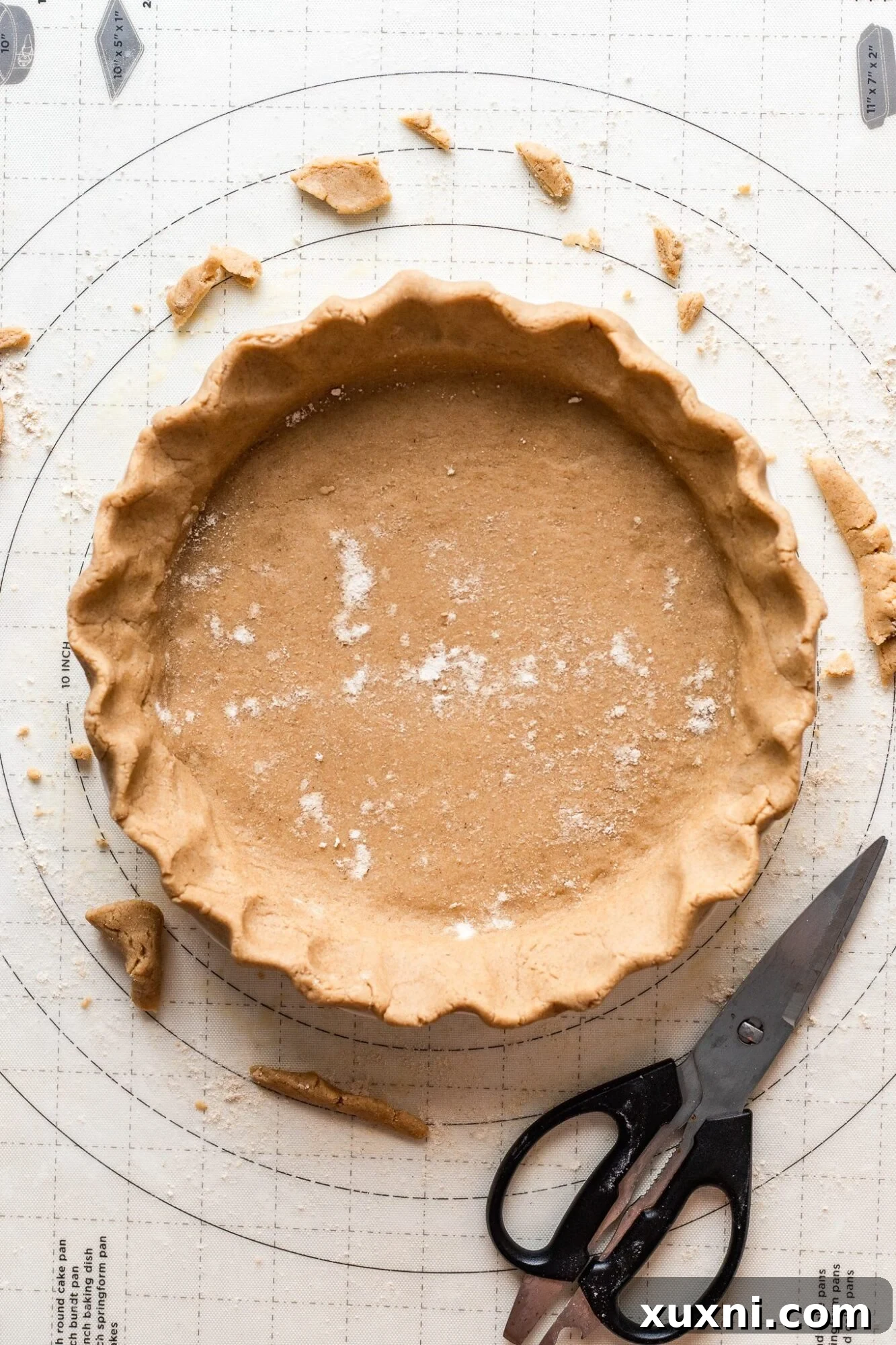
Discover Your Go-To Gluten-Free Vegan Pie Crust: Simple, Affordable, and Delicious
If you’ve been on a quest for a truly outstanding vegan and gluten-free pie crust that doesn’t break the bank, your search ends here. This oat flour pie crust isn’t just an alternative; it’s a revelation. Unlike many specialty gluten-free crusts that require a blend of expensive flours, this recipe champions the humble yet mighty oat flour, making it both accessible and economical.
The result is nothing short of spectacular. When baked, this crust achieves that coveted “just right” texture: delightfully buttery, satisfyingly crisp, and incredibly light. It’s a versatile foundation, performing beautifully with both robust savory fillings and delicate sweet creations. Imagine crafting an intricate lattice top for your favorite fruit pie or a sturdy base for a rich quiche – this dough handles it all with grace. Just like our popular vegan pie crust and our classic gluten-free pie crust, we keep the ingredient list minimal – only five simple items, one of which is water! – ensuring the process is incredibly straightforward and stress-free.
This recipe is destined to become a staple in your kitchen, especially as you gear up for holiday gatherings and special occasions. Save it now, and prepare to impress everyone with your homemade, wholesome pies!
Essential Ingredients & Smart Substitutions for Your Oat Flour Pie Crust
This oat flour pie crust recipe is intentionally streamlined, designed for maximum flavor and minimal fuss. While traditional pie doughs often rely on dairy butter, we achieve that classic richness and flakiness by simply swapping it for high-quality vegan butter. However, what truly sets this gluten-free vegan pie crust apart is its elegant simplicity: it calls for just one main flour – oat flour – eliminating the need for a complex mix of specialty flours that can be hard to find or costly.
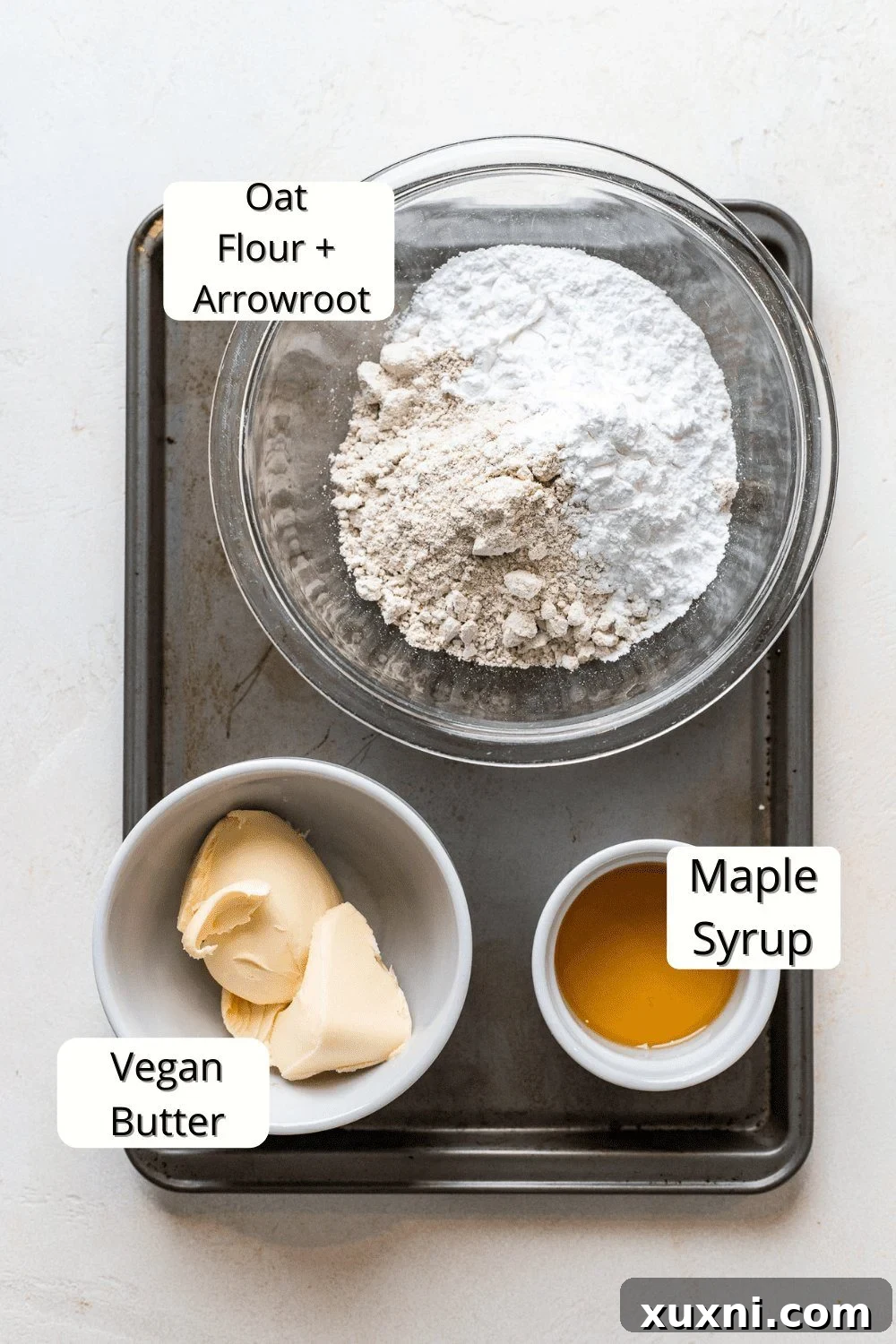
- Oat Flour: The star of our crust! For the best results and peace of mind, especially if serving to individuals with celiac disease or severe gluten sensitivities, ensure your oat flour is certified gluten-free. While store-bought oat flour provides a consistent, fine texture, you can also make your own homemade oat flour. Homemade versions often yield a slightly more rustic texture, which can add a lovely character to your crust. Regardless of source, using organic oats can also enhance the overall quality and flavor.
- Arrowroot Starch: This is a crucial binding agent for our gluten-free crust, helping to provide structure and prevent crumbling. You can readily substitute cornstarch if arrowroot is unavailable. However, steer clear of tapioca starch, as it tends to create a gummy texture when baked in a pie crust, which isn’t what we’re aiming for. It’s also vital to check the expiration date on your starches; old or expired starches can lose their thickening and binding power, negatively impacting the success of your dough.
- Vegan Butter: Achieving that classic buttery flavor and flaky texture is paramount. We recommend high-quality vegan butters like Miyoko’s Kitchen, Earth Balance, or Flora Plant Butter, which are known for their excellent performance in baking. These brands closely mimic the properties of dairy butter. For a slightly different flavor profile or if you prefer an alternative, refined coconut oil (solid, chilled) can be used as a substitute. Just ensure your chosen fat is very cold to maintain the integrity of the dough.
- Maple Syrup: This adds a subtle sweetness and a beautiful golden hue to the crust, enhancing its appeal for dessert pies. If you’re preparing a savory pie, such as a quiche or pot pie, you can simply omit the maple syrup entirely without affecting the structural integrity of the crust.
- Chilled Water: The temperature of your water is absolutely critical to the success of this pie crust. It must be ice cold. Why? Cold water helps keep the vegan butter (or coconut oil) solid, creating tiny pockets of fat within the dough. As the pie bakes, these fat pockets melt and release steam, resulting in a wonderfully flaky crust. If the water is too warm, it can cause the butter to melt prematurely, leading to a tough, dense crust rather than a light, flaky one. Consider adding a few ice cubes to your water for 10 minutes before measuring.
Effortless Oat Flour Pie Crust: A Step-by-Step Guide for Flaky Perfection
For the full written instructions and precise ingredient measurements, please refer to the detailed recipe card located at the bottom of this post. You can also quickly navigate there by hitting the “jump to recipe” button at the top! This section provides a concise overview of the steps, complemented by helpful visuals to enhance your understanding and confidence in mastering this simple recipe.
If the thought of making pie dough from scratch seems daunting, worry not! This oat flour pie crust is designed for ease, guaranteeing you’ll feel like a seasoned baker in no time. While you can certainly use a pastry cutter and a bowl, we highly recommend utilizing a food processor for the most consistent, flaky results with minimal effort. The food processor quickly cuts the butter into the flour, preventing overworking the dough and keeping the ingredients perfectly cold – both crucial for a tender crust.
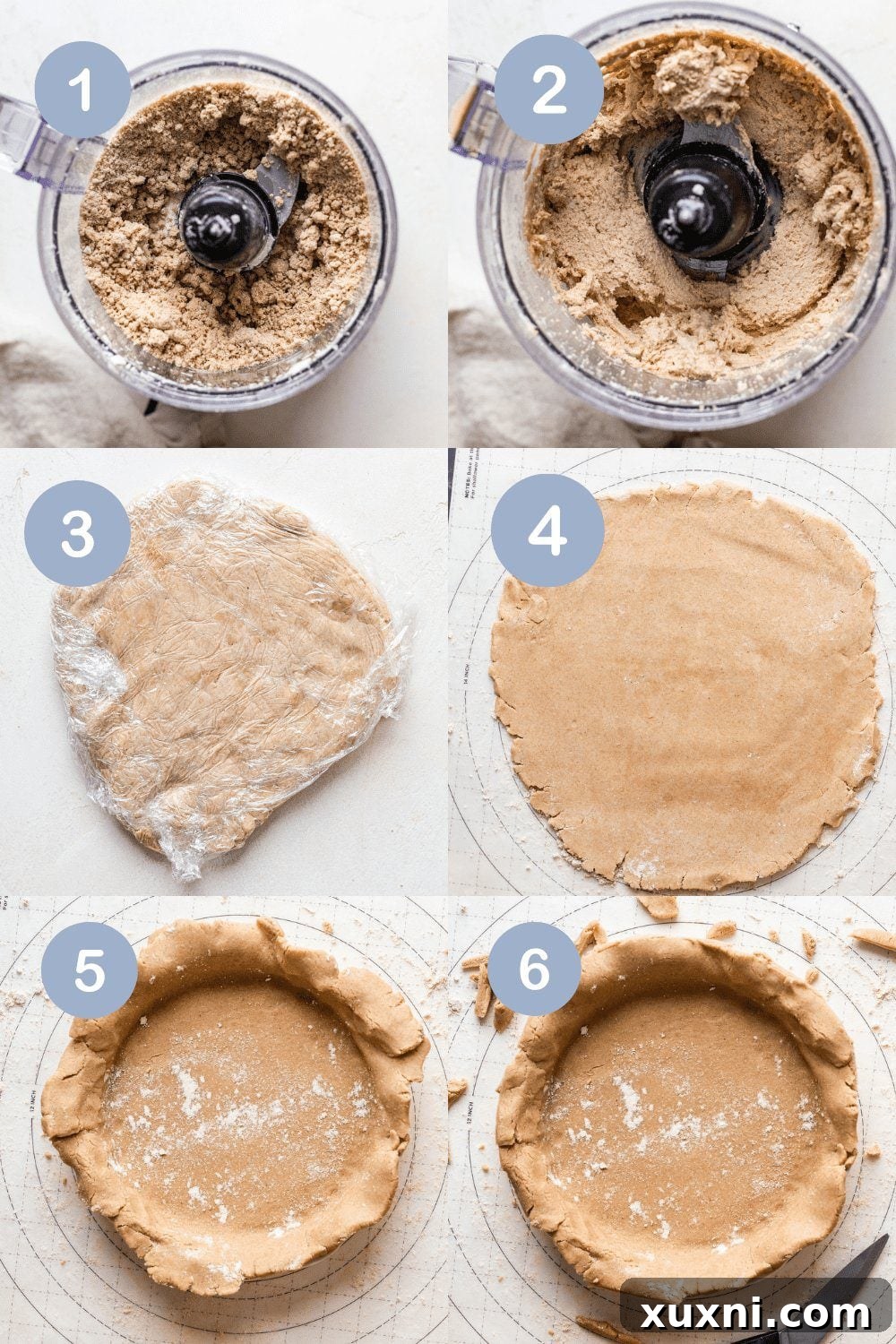
To craft your perfect gluten-free vegan oat flour pie crust, follow these straightforward steps:
-
Combine Dry Ingredients.
Begin by adding your oat flour and arrowroot starch (or cornstarch) to your food processor. Give them a quick pulse or two until they are thoroughly combined. This ensures an even distribution of the binding agent throughout the flour, which is key for a cohesive gluten-free dough.
-
Cut in the Cold Vegan Butter.
Next, add your very cold, cubed vegan butter to the flour mixture. Pulse the food processor in short bursts, typically 10-15 seconds in total. You’re aiming for a texture that resembles coarse sand with some pea-sized crumbs of butter remaining. These small pockets of butter are essential for creating a beautifully flaky crust.
-
Gradually Incorporate Wet Ingredients.
With the food processor running, slowly drizzle in the maple syrup, one tablespoon at a time, followed by the chilled water, also one tablespoon at a time. It’s crucial to add these liquids gradually and observe the dough. Stop adding water as soon as the mixture begins to clump together and form a cohesive ball. This controlled addition prevents over-hydrating the dough, which can make it sticky and difficult to work with.
-
Chill the Dough for Perfect Handling.
Once your dough has formed a thick, consistent ball, remove it from the food processor. Gently shape it into a flat disk, wrap it tightly in parchment paper or plastic wrap, and refrigerate for at least 30 minutes. Chilling allows the oat flour to fully hydrate and the fats to firm up, making the dough much easier to roll out without sticking or tearing.
And that’s all there is to it! After chilling, your perfectly prepared oat flour pie dough is ready to be rolled out and transformed into your desired vegan pie masterpiece. Whether you’re making a simple bottom crust or venturing into a more elaborate lattice design or a full double crust for a magnificent vegan apple pie, this recipe provides a sturdy yet tender foundation. Just remember to double the recipe if your pie calls for a top crust or lattice!
Preventing Crumbles: Secrets to a Sturdy Gluten-Free Pie Crust
One of the most common frustrations with gluten-free baking, especially pie crusts, is the tendency for them to crumble or fall apart. Fortunately, with this specific oat flour recipe, you’ll find that crumbling is rarely an issue, or at least, easily remedied. If you notice your dough is a bit delicate while rolling it out or transferring it to your pie dish, it’s often a sign that a tiny bit more water was needed in the initial mixing stage. Don’t fret if small cracks appear once the crust is in the dish; they can be effortlessly sealed by gently pressing the dough together with your fingers before baking.
The single biggest factor in preventing a gluten-free pie crust from crumbling, however, lies in the inclusion of arrowroot starch or cornstarch. These ingredients are not merely optional; they are critical for success. Acting as powerful binders, they help to create a cohesive structure within the oat flour, which naturally lacks the elasticity of gluten. Without these starches, the oat flour particles would remain loose, resulting in a fragile, sandy crust that struggles to hold its shape. So, whichever you choose, ensure it’s fresh and included in the specified amount – it’s the secret to a perfectly bound, wonderfully flaky oat flour pie crust every time.
Advanced Tips & Tricks for Your Vegan Gluten-Free Pie Crust
Elevate your pie-making game with these expert tips and tricks designed to ensure your vegan gluten-free pie crust is a resounding success, every single time.
Maintaining a very cold temperature for your vegan butter or coconut oil is perhaps the most important tip for a truly flaky pie crust. When the fat remains solid and in small pieces throughout the dough, it creates tiny pockets. As the crust bakes, these fat pieces melt, releasing steam that pushes apart the layers of dough, resulting in that coveted flaky texture. If your butter is too warm, it will melt into the flour, leading to a tough, dense crust more akin to a cookie than a delicate pie base. Ensure your butter is straight from the fridge and cubed just before adding it to the food processor.
Absolutely! This oat flour pie crust is incredibly versatile and performs beautifully with savory fillings. The subtle sweetness from the maple syrup is optional for savory applications. Simply omit the maple syrup from the ingredients list, and proceed with the rest of the recipe as directed. It makes a fantastic base for quiches, vegetable pot pies, or any other savory tart you can imagine. The buttery, crisp texture perfectly complements a wide range of savory flavors.
This recipe is perfectly proportioned for a standard 9-inch pie dish. If your recipe calls for a larger pie dish, or if you’re planning to make a top crust or an elaborate lattice design, you can easily double the recipe. For more precise adjustments to fit specific pie dish sizes or quantities, a reliable recipe converter tool can be incredibly helpful. This ensures you have just the right amount of dough for your particular baking needs, preventing waste and ensuring a perfectly filled pie.
For those eager to delve deeper into the art of vegan pie making, we’ve compiled a comprehensive vegan pie crust guide. This detailed resource covers everything from advanced techniques for achieving the ultimate flakiness to step-by-step instructions on creating stunning lattice crusts and mastering the delicate process of transferring pie dough to your dish without tearing. It’s an invaluable companion for both novice and experienced bakers looking to perfect their vegan pie creations.
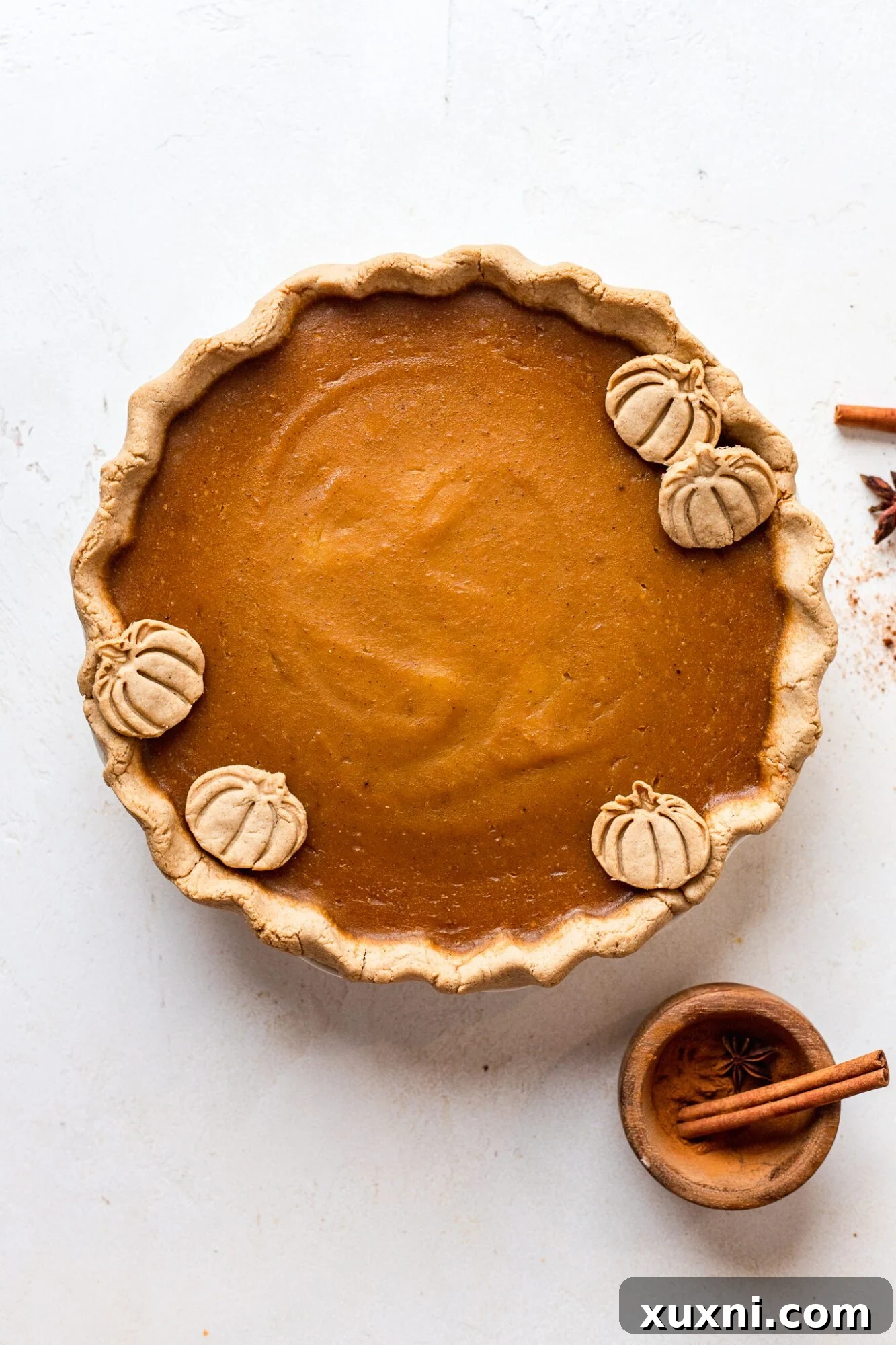
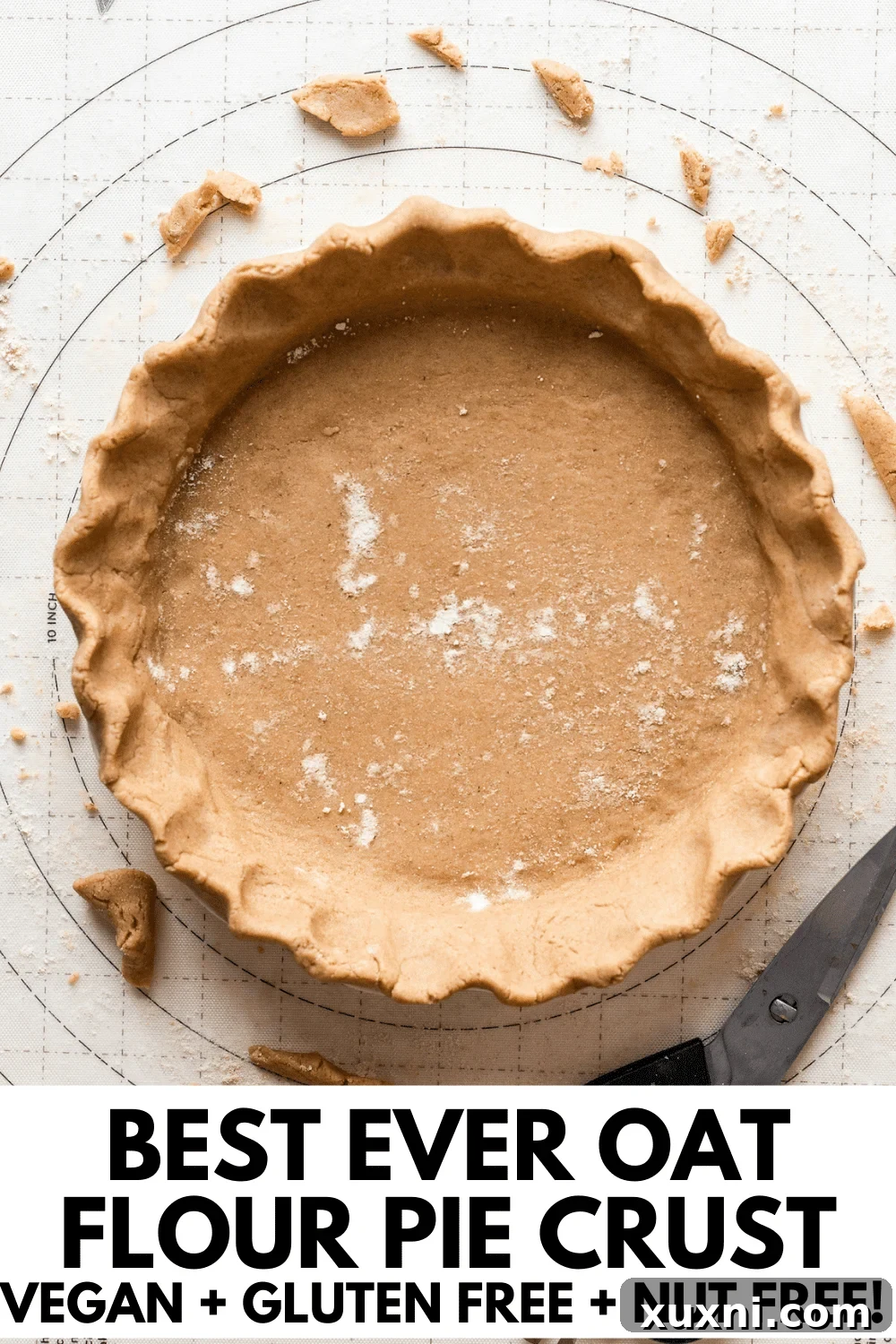
You are truly going to adore this incredibly easy oat flour pie crust. Its simplicity, combined with its exceptional texture and flavor, makes it an indispensable recipe for all your holiday baking and everyday dessert cravings. This crust transcends dietary preferences, appealing to vegan, gluten-free, and traditional eaters alike. Prepare for rave reviews!
Looking for inspiration to fill your magnificent new crust? Explore these delightful vegan pie recipes below:
More Irresistible Vegan Pies You’ll Adore:
The Best Ever Vegan Pumpkin Pie
Our Amazing Vegan Apple Pie
Easy Vegan Chocolate Pecan Pie
The Best Vegan Pecan Pie
Don’t forget to save this fantastic recipe for later! Pin it to your favorite recipe board on Pinterest and share the plant-based pie love!
We love seeing your culinary creations! If you make this easy oat flour pie crust or any recipe from our site, please take a moment to leave a comment and a star rating ⭐️⭐️⭐️⭐️⭐️ below. Your feedback helps other bakers discover and enjoy these recipes. As always, be sure to tag us @the_bananadiaries on Instagram and use the hashtag #thebananadiaries so we can admire your beautiful pies!
Print
Easy Oat Flour Pie Crust Recipe (Vegan + Gluten Free)
5 Stars 4 Stars 3 Stars 2 Stars 1 Star
5 from 4 reviews
Author: Britt Berlin
Prep Time: 5
Chill Time: 30 minutes
Cook Time: 10
Total Time: 45 minutes (including chill)
Yield: 8 1x
Category: Dessert
Method: Baking
Cuisine: American
Diet: Vegan, Gluten-Free
Description
This is the easiest oat flour pie crust that’s perfect for both vegan and gluten-free eaters! With just 5 simple ingredients and the power of oat flour, this vegan and gluten-free pie crust dough is incredibly versatile for any pie recipe, sweet or savory.
Ingredients
Scale
- 190 grams oat flour (ensure gluten-free certified if needed)
- 40 grams arrowroot starch (or cornstarch)
- 1/8 tsp finely ground sea salt
- 115 grams vegan butter, cubed and thoroughly chilled
- 2 tbsp maple syrup (omit for savory pies)
- 6–7 tbsp ice-cold water
Instructions
- Important Note: Please read through all instructions carefully before you begin the preparation process.
- Initial Preparation: Accurately measure all your ingredients and ensure your vegan butter and water are ice-cold. Lightly grease or oil a standard 9-inch pie dish (approximately 1 inch deep) and set it aside.
- Crafting the Dough: In the bowl of a food processor, combine the oat flour, arrowroot starch, and sea salt. Pulse a few times until they are well combined. Add the cold, cubed vegan butter and pulse again in short bursts until the mixture resembles coarse sand with some pea-sized pieces of butter remaining (about 10-15 seconds). With the processor running, slowly drizzle in the maple syrup (if using for a sweet pie), one tablespoon at a time, immediately followed by the ice-cold water, one tablespoon at a time, until a cohesive dough forms. The dough should come together into a ball but not be overly sticky.
- Chilling the Dough: Remove the dough from the food processor. Gently press and shape it into a flat disk, then wrap it tightly in parchment paper or plastic wrap. Place the wrapped dough in the refrigerator to chill for a minimum of 30 minutes. This chilling period is crucial for hydrating the flour and firming the butter, making the dough much easier to handle and roll.
- Rolling Out the Dough: Lightly flour a clean work surface or a dedicated pie mat with a dusting of oat flour. Lightly flour your rolling pin as well. Roll out the chilled pie dough evenly to a diameter of about 12 inches for a 9-inch pie dish. To carefully transfer the pie dough, gently wrap it around your rolling pin, then unroll it over your prepared pie dish. Carefully lift the edges of the dough and ease it down into the dish, ensuring it settles without stretching or creating air pockets. This helps prevent cracks and ensures an even crust.
- Shaping and Finishing the Crust: Use kitchen scissors to trim any excess dough hanging over the edge of the pie dish, leaving about a 1/2-inch overhang. You can use these dough scraps to create decorative elements if desired. Crimp the edges of the crust with your fingers or press a fork around the rim to create a decorative finish. Once shaped, place the pie crust back into the refrigerator to chill while your oven preheats to 400°F (200°C).
- Baking or Par-Baking: Follow the specific instructions of your pie recipe to determine whether your oat flour pie crust requires par-baking (partially baking), full baking before filling, or can be filled and baked immediately (like with this vegan pumpkin pie). Adjust baking times and temperatures according to your chosen filling to achieve the perfect golden-brown, flaky crust.