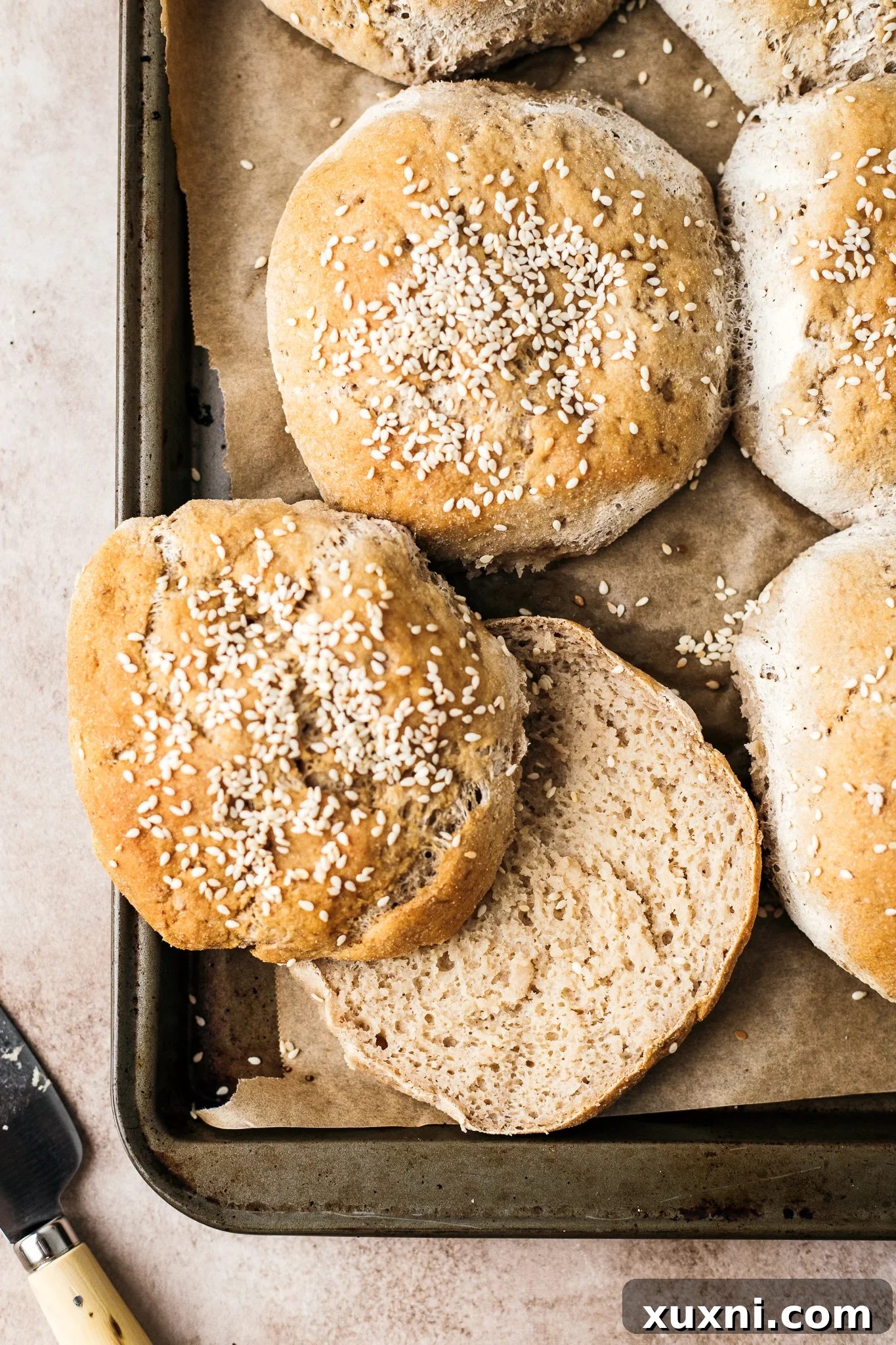
Welcome to the ultimate guide for crafting the most delightful gluten-free hamburger buns you’ve ever tasted! These buns aren’t just good for being gluten-free; they’re simply fantastic. Imagine sinking your teeth into a bun that’s unbelievably soft, deliciously tender, and boasts that perfect squishy yet structured texture, just like traditional bakery bread. What makes them even more exceptional? They’re incredibly easy to whip up, naturally vegan, and, for those sensitive or avoiding it, completely free of xanthan gum. This recipe is poised to become the star of your next barbecue, transforming your burgers into an unforgettable experience for everyone at the table.
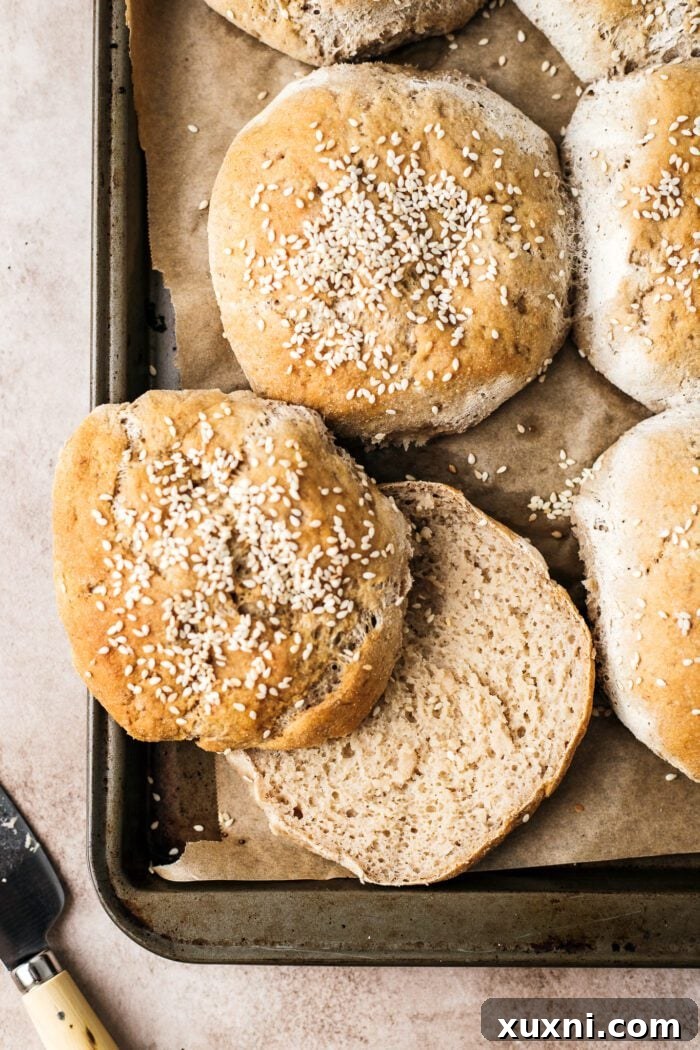
Table of contents
- Why You Need These Amazing Gluten-Free Hamburger Buns in Your Life
- The Magic Behind Our Vegan Gluten-Free Hamburger Bun Ingredients
- Step-by-Step Guide: How to Make Vegan Gluten-Free Burger Buns
- Can I Transform This Recipe into Gluten-Free Hot Dog Buns?
- Perfect Pairings for Your Homemade Buns
- Storing Gluten-Free Burger Buns for Maximum Freshness
- Watch How to Make Gluten-Free Hamburger Buns: Video Tutorial
- Unbelievably Soft Gluten Free Hamburger Buns Recipe (Vegan!)
Why You Need These Amazing Gluten-Free Hamburger Buns in Your Life
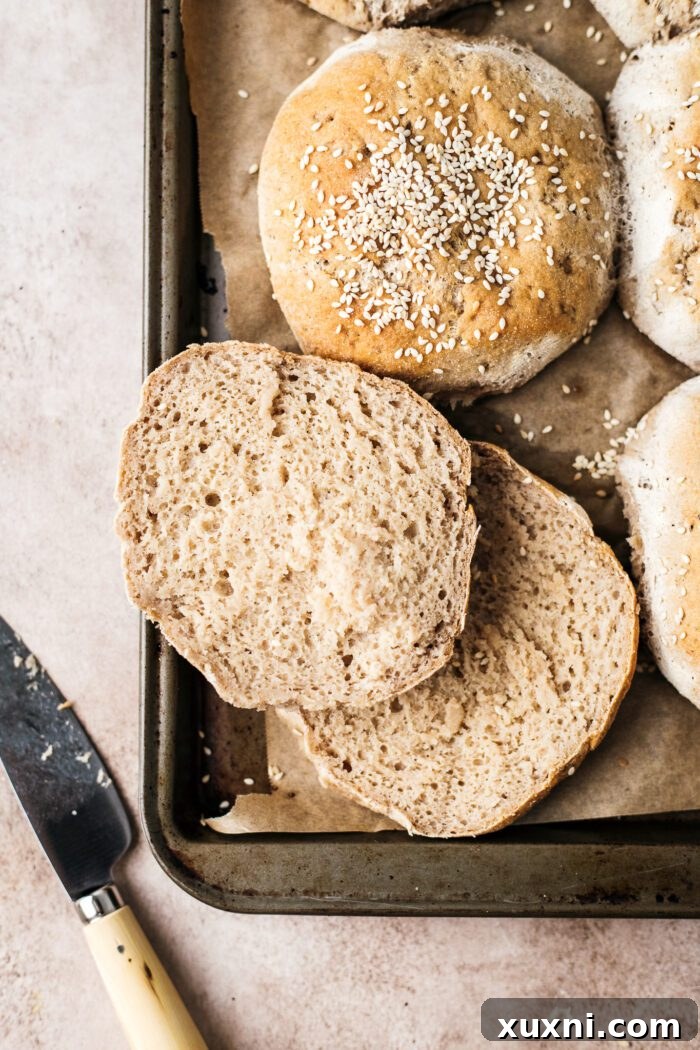
If your quest for the perfect soft, tender, and resilient gluten-free hamburger bun has led you down countless disappointing paths, then your search ends here. These gluten-free burger buns are not just a substitute; they are a revelation. They defy expectations, offering a texture and mouthfeel so remarkably similar to traditional bread that you’ll genuinely forget they’re gluten-free. The dough handles beautifully, mimicking regular yeast dough in its pliability and responsiveness, making the baking process surprisingly enjoyable and stress-free.
What sets these buns apart is their incredible versatility and inclusivity. Beyond being naturally gluten-free, they are also entirely egg-free and dairy-free, making them a fantastic option for vegans and those with various dietary restrictions. Crucially, we’ve achieved this sublime texture without relying on xanthan gum, a common ingredient in gluten-free baking that many prefer to avoid. This means you get a cleaner, simpler recipe with exceptional results.
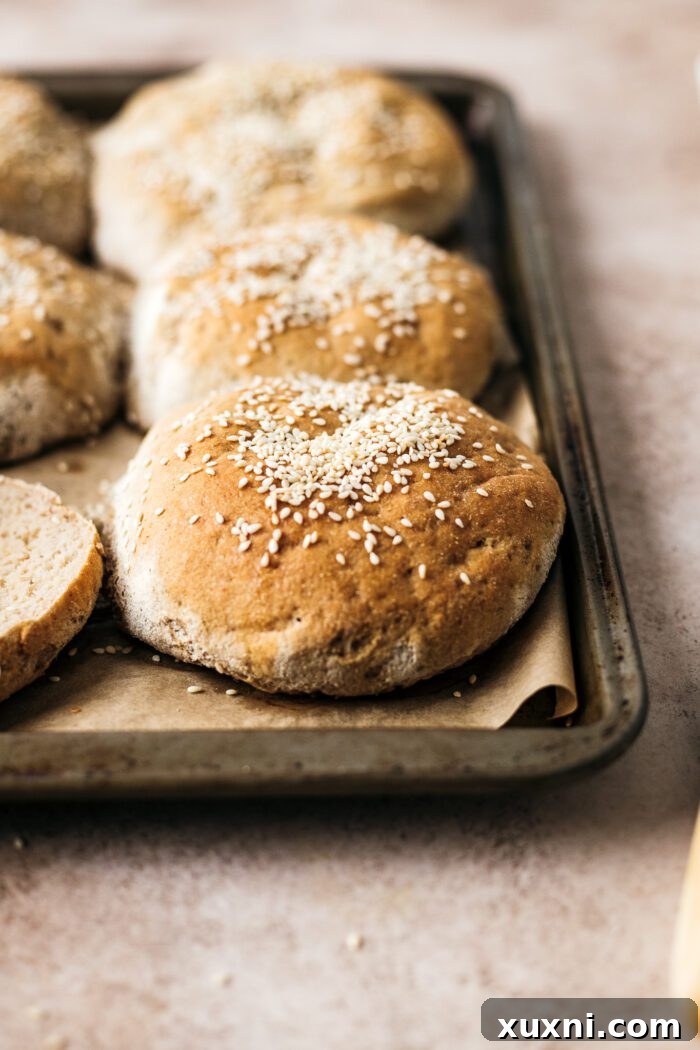
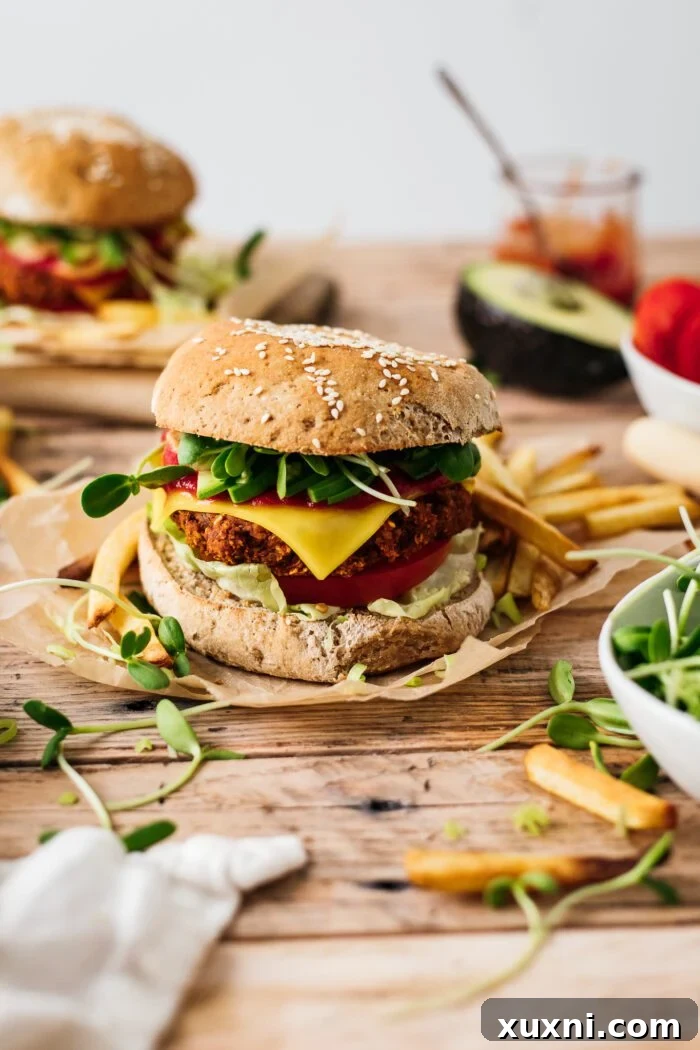
Whether you follow a gluten-free diet, embrace a vegan lifestyle, or simply appreciate exceptionally delicious bread, these buns are designed to impress. They complement any burger, from classic beef patties to inventive vegan lentil mushroom burgers, adding a layer of sophisticated taste and texture that elevates the entire meal. Prepare to amaze your family and friends – even the most ardent gluten lovers will be reaching for seconds!
Pro Tip: Enhance your burger experience by serving these soft gluten-free vegan burger buns alongside a generous helping of homemade crispy French fries or a refreshing herbed potato salad for a complete and satisfying meal!
The Magic Behind Our Vegan Gluten-Free Hamburger Bun Ingredients
Achieving the perfect gluten-free bun requires a thoughtful blend of specific flours and binders. Each ingredient in this recipe plays a vital role in creating that desirable soft, airy, yet structured texture. Here’s a closer look at the key components:
- Millet Flour: This often-underestimated flour is absolutely essential for the success of these buns. Millet flour contributes significantly to the soft, tender crumb and provides a subtle, pleasant sweetness that enhances the overall flavor. While some other flours in this recipe can be swapped, millet flour should not be substituted, as it’s crucial for the unique texture we’re aiming for.
- Tapioca Starch (Tapioca Flour): Acting as a powerful binder, tapioca starch is key to holding our gluten-free ingredients together, giving the buns their characteristic chewiness and elasticity. If tapioca starch isn’t available, arrowroot starch is an excellent substitute, offering similar binding properties. However, it’s very important to note that cassava flour, despite being derived from the same plant, behaves very differently in recipes and should *not* be used as a substitute for tapioca or arrowroot starch.
- Oat Flour: Providing a delicate, slightly nutty flavor and contributing to the bun’s soft structure, oat flour is a wonderful addition. For those with oat intolerance or celiac disease, ensure you use certified gluten-free oat flour. Alternatively, sorghum flour makes a great substitute, offering a similar light texture and mild taste.
- Sugar: We use organic granulated sugar not just for sweetness but also to help activate the yeast and promote browning, giving the buns an appealing golden crust. For a refined sugar-free option, maple syrup can be used, contributing a rich, subtle flavor profile.
- Dairy-Free Yogurt: This ingredient adds moisture, richness, and a slight tang that enhances the bread’s flavor complexity, much like traditional dairy yogurt would. Full-fat coconut cream can also be used as a substitute, lending a creamy texture and mild coconut notes without overpowering the bun’s overall taste.
- Quick-Rise Yeast: This recipe is specifically formulated for quick-rise yeast (also known as instant yeast) because it’s a more efficient leavening agent for gluten-free bread than traditional active dry yeast. Quick-rise yeast helps achieve a robust rise and a lighter texture in the absence of gluten.
- Water: The liquid base for our dough, water can be used entirely on its own, or you can opt for a half-water, half-dairy-free milk mixture (as demonstrated in the video) for added richness. Suitable dairy-free milk options include soy milk, oat milk, almond milk, or coconut milk, all contributing their own subtle flavors and creaminess.
- Psyllium Husk Powder: This remarkable ingredient is the secret weapon in achieving that coveted “wheaty” texture without xanthan gum. Psyllium husk powder absorbs a significant amount of liquid, forming a gel-like consistency that mimics gluten’s binding and elastic properties, providing structure and preventing crumbling. It’s crucial to use psyllium husk *powder*, not whole psyllium husks, as their absorption rates and effects on the dough differ significantly.
- Arrowroot Starch: Beyond its role as a potential substitute for tapioca, a small amount of arrowroot starch also aids in further softening the gluten-free hamburger buns, contributing to their tender crumb.
- Apple Cider Vinegar: A touch of apple cider vinegar helps to stabilize the air bubbles created by the yeast, which is vital for maintaining the bun’s structure and achieving that classic bread-like rise in gluten-free baking. It subtly contributes to the overall flavor without imparting a vinegary taste.
Step-by-Step Guide: How to Make Vegan Gluten-Free Burger Buns
Preparing these gluten-free hamburger buns is a surprisingly straightforward process, often quicker and simpler than making traditional yeast buns. The magic of psyllium husk powder eliminates the need for extensive double-proofing, streamlining your baking time. Here’s a clear overview, complete with visual guidance, to help you bake perfect vegan gluten-free burger buns:
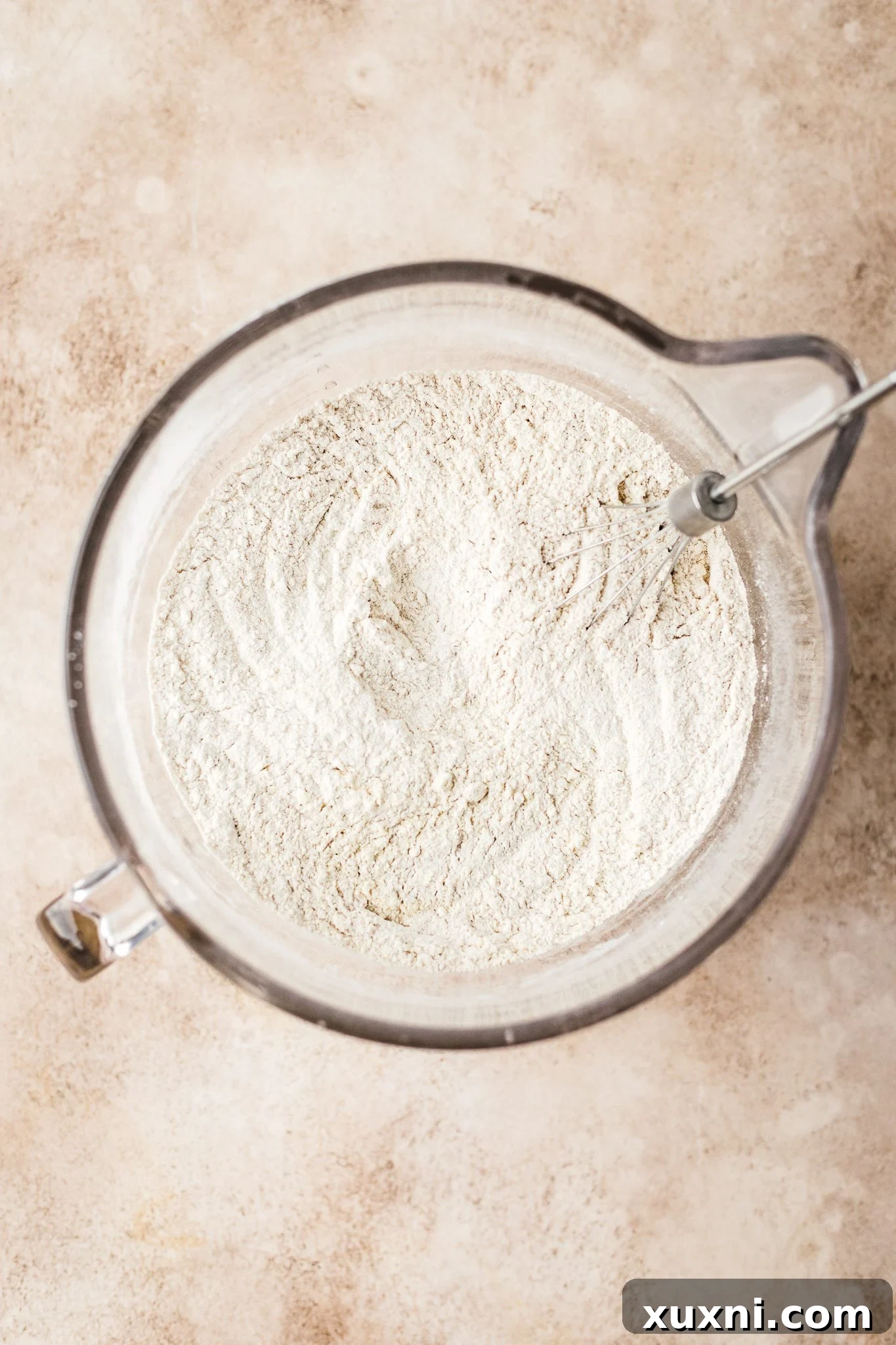
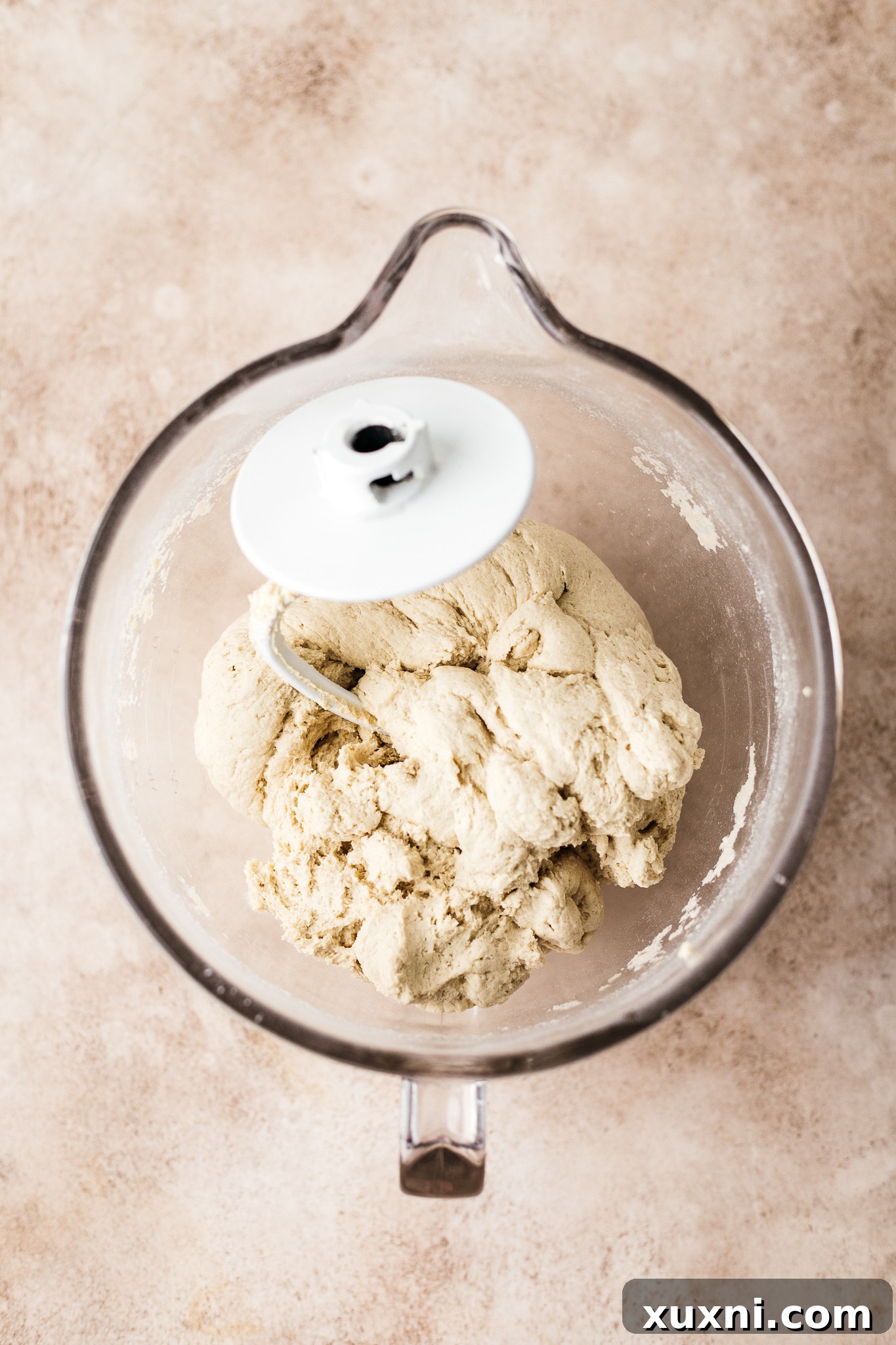
- Prepare the Dough with Precision: Begin by combining all your dry ingredients – tapioca flour, millet flour, oat flour, psyllium husk powder, arrowroot starch, baking powder, quick-rise yeast, and sea salt – in the bowl of a stand mixer fitted with a dough hook. Whisk them thoroughly to ensure even distribution. Next, gradually add the warm water, warm dairy-free milk, room-temperature dairy-free yogurt, maple syrup, and apple cider vinegar. Mix on medium speed. Initially, the dough might seem loose, but as the psyllium husk powder activates, it will thicken beautifully, much like conventional dough. Knead the dough for 4-5 minutes with the stand mixer, or 5-7 minutes by hand until it’s consistent and slightly tacky.
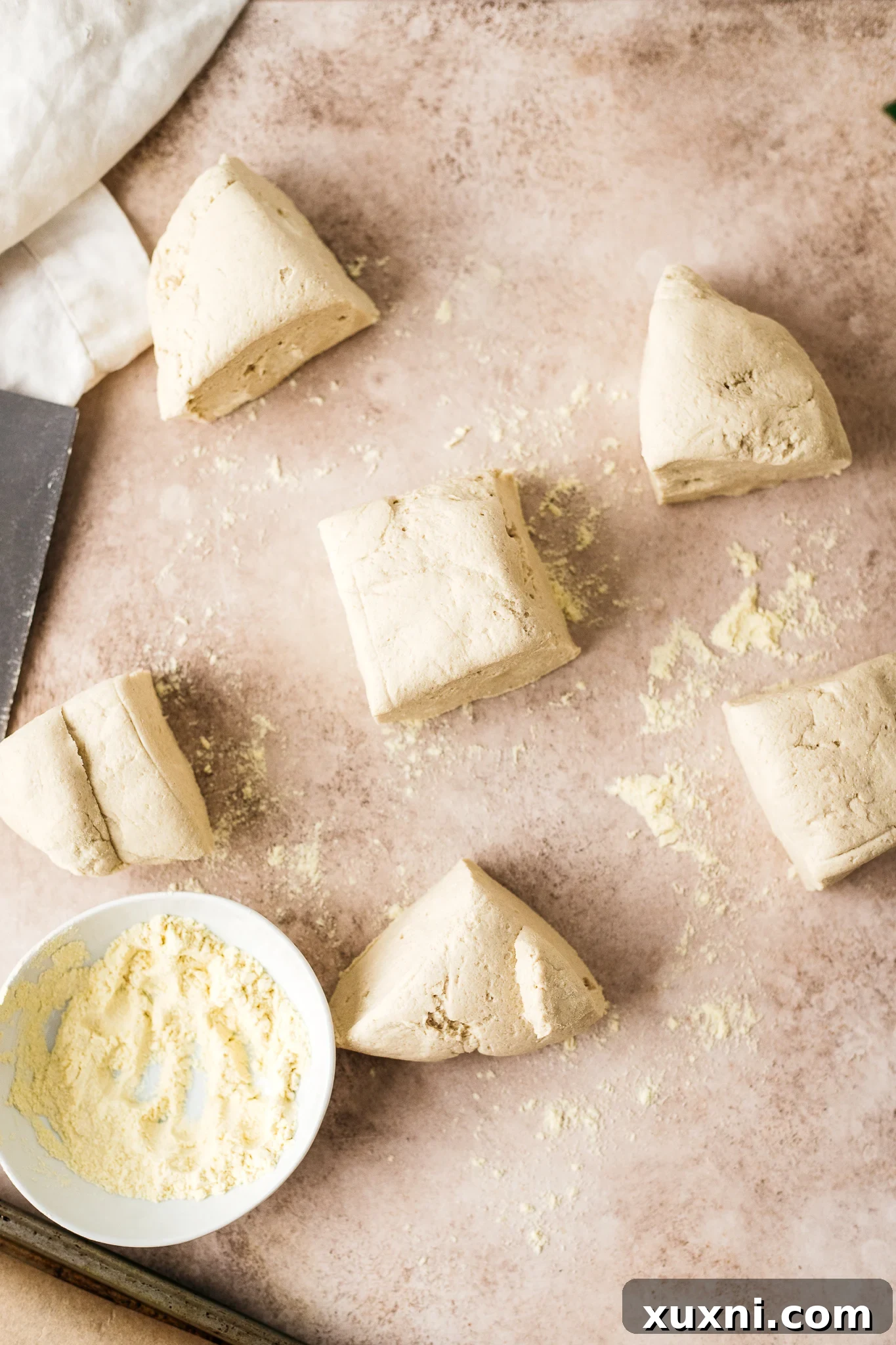
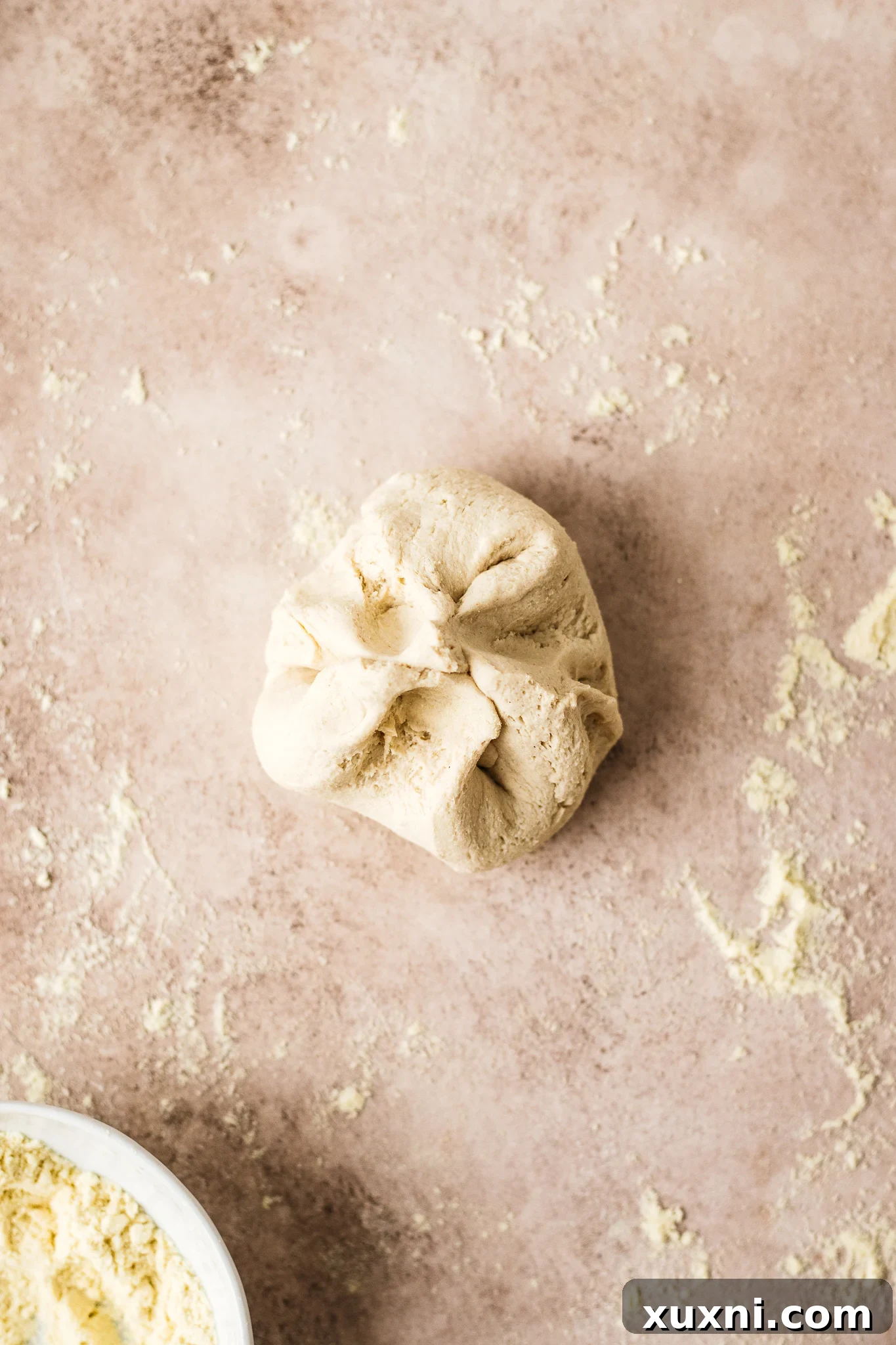
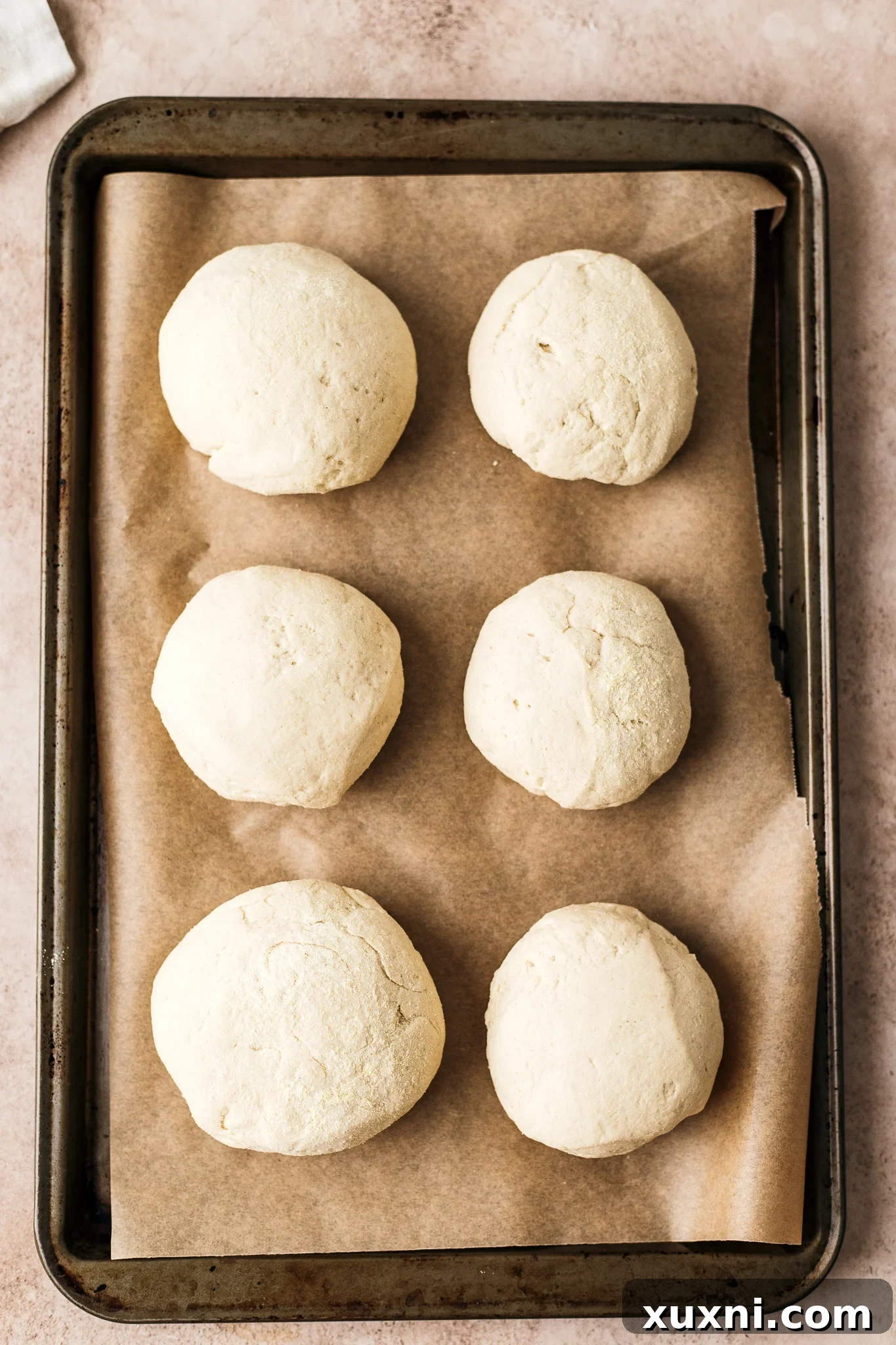
- Expertly Shape Your Burger Buns: Unlike traditional doughs that require a first rise before shaping, these gluten-free buns are shaped immediately after mixing. Lightly flour a clean surface with millet flour. Divide the dough into 6 equal portions. Take one portion, gently press it down with your palm, then gather the edges and pinch them together in the center to create a taut top surface. Flip the dough ball over so the pinched seam is underneath. Using the palms of your hands, gently roll the dough in a circular motion on the counter to form a smooth, perfectly rounded bun. Repeat this process for the remaining dough portions.
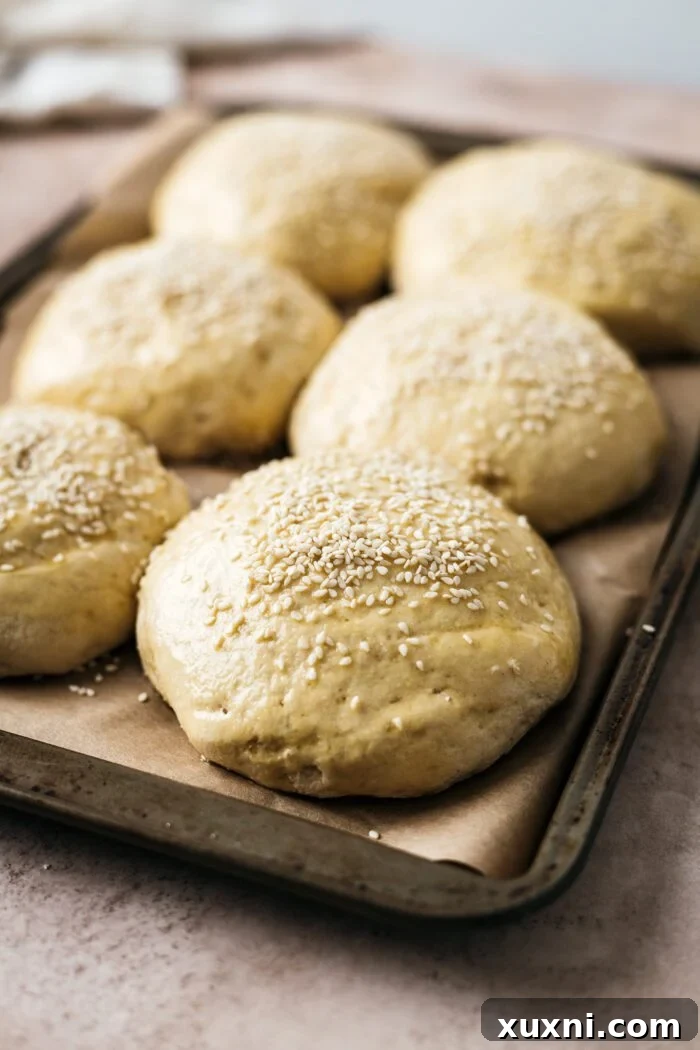
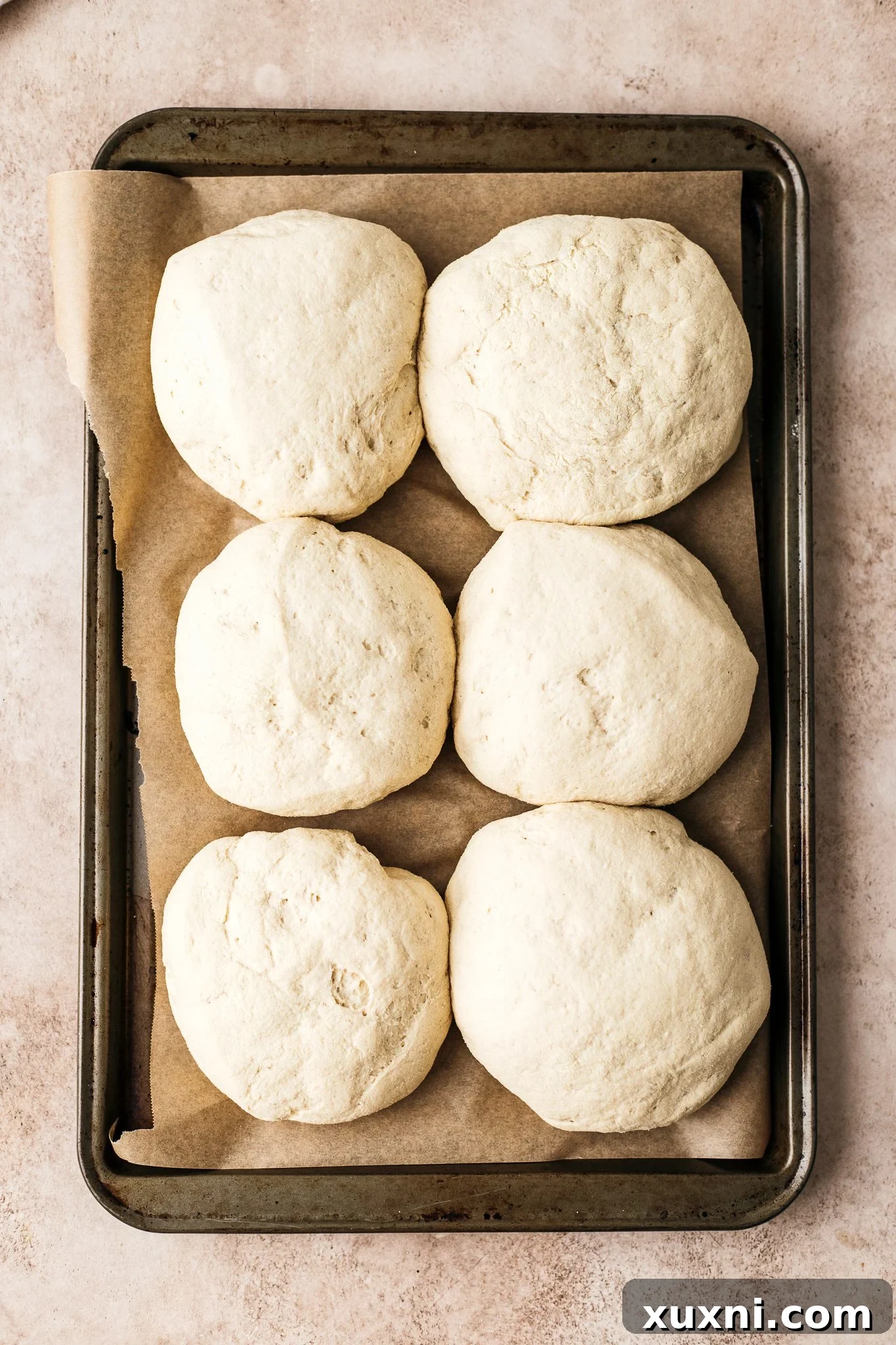
- Proof for Optimal Rise: Arrange the shaped burger buns onto a baking sheet lined with parchment paper, ensuring there’s adequate space between each bun for expansion. Cover the baking sheet with a clean, damp kitchen towel or a proofing cloth. Place the sheet in a warm, draft-free area to allow the buns to rise until they have visibly doubled in size. This crucial proofing stage typically takes between 30-40 minutes, but keep an eye on them as rising times can vary based on ambient temperature.
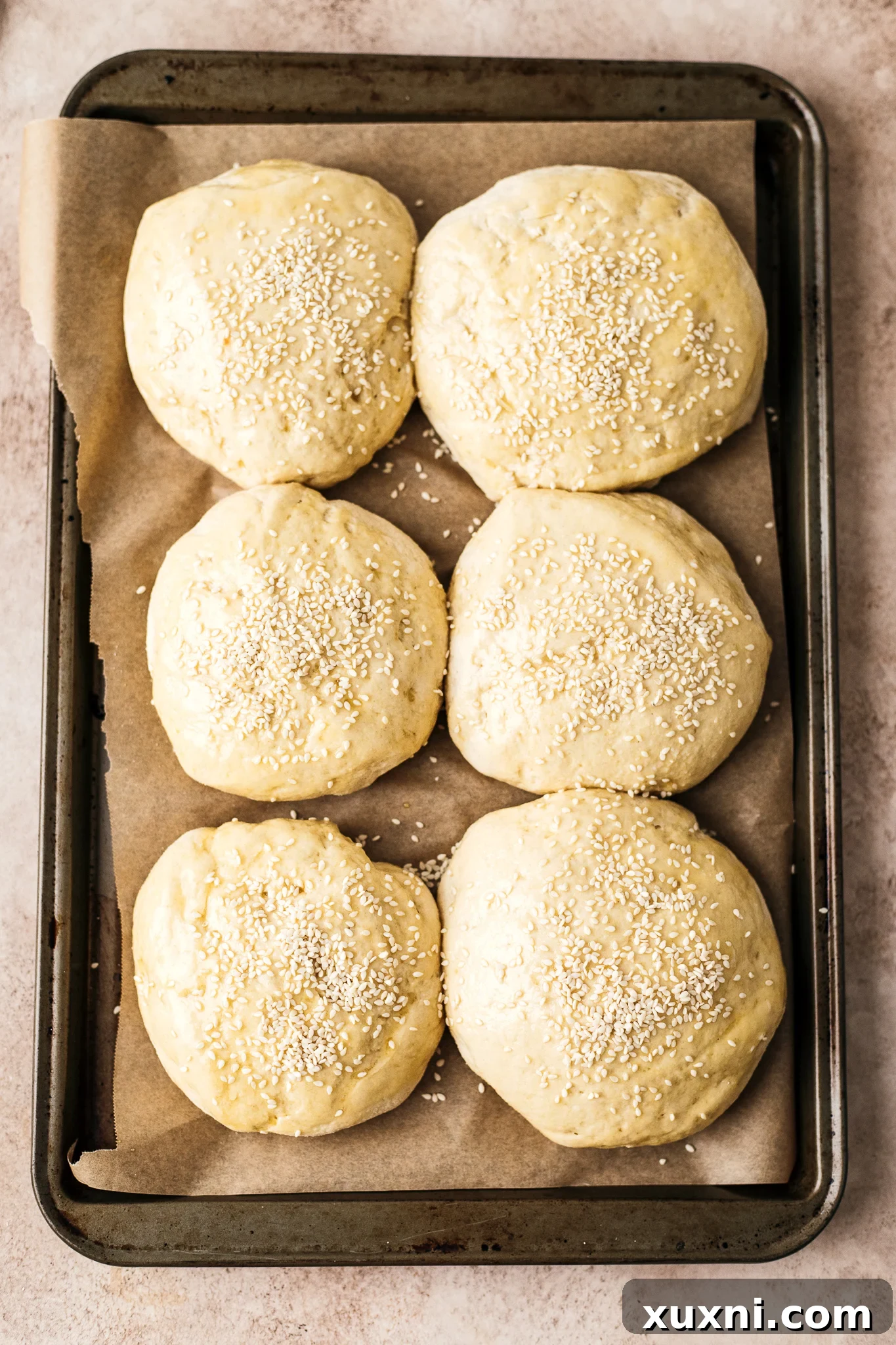
- The Perfect Glaze and Topping: Once your gluten-free burger buns have achieved their desired doubled size, gently prepare your vegan egg wash by whisking together maple syrup and soy milk. Carefully brush this mixture over the top of each bun. This glaze not only promotes a beautiful golden-brown crust but also helps any optional sesame seeds adhere perfectly. Sprinkle sesame seeds generously over the brushed buns for that classic hamburger bun finish, if desired.
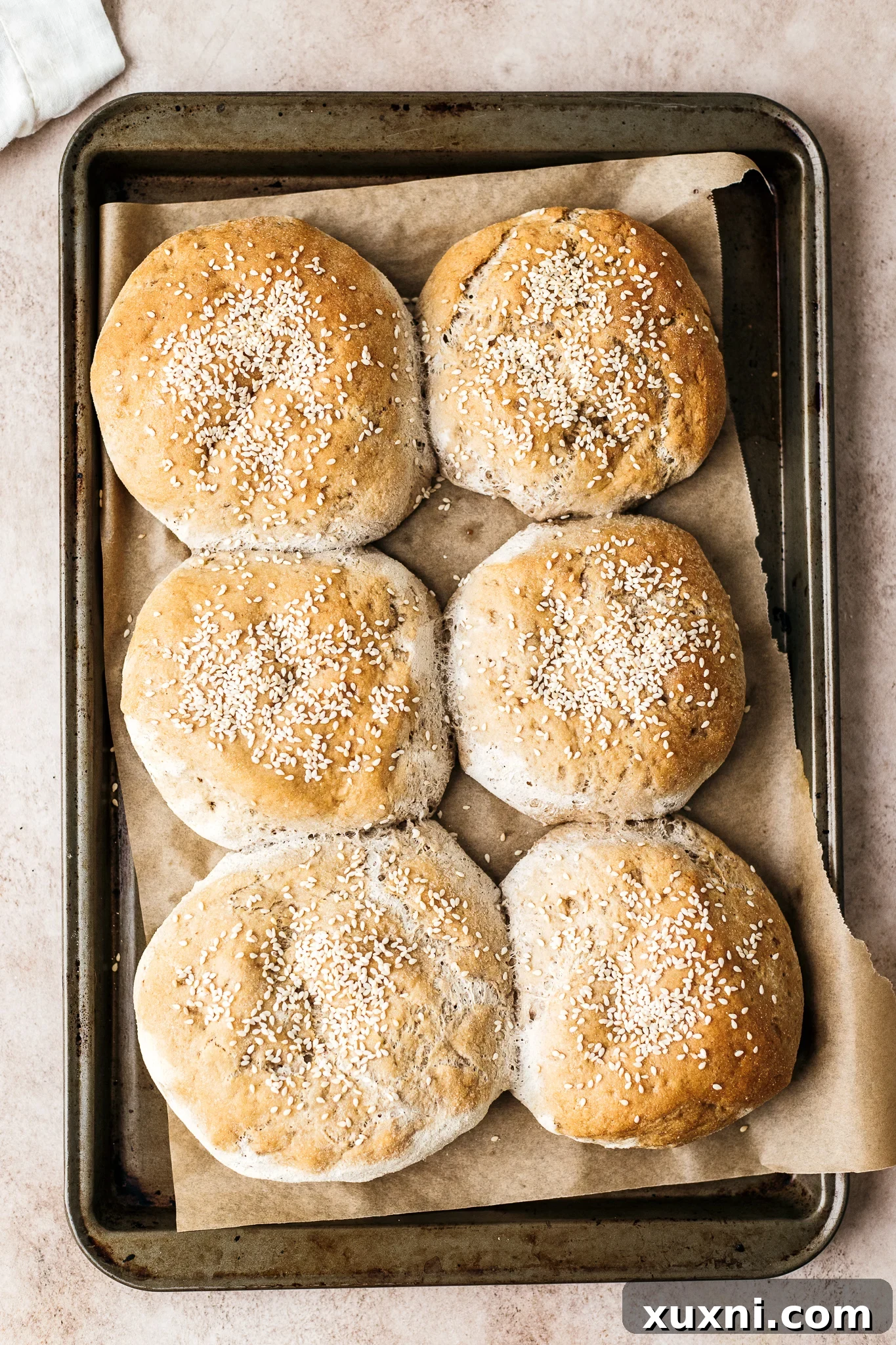
- Bake to Golden Perfection: While the buns are proofing, preheat your oven to 350°F (175°C). Once brushed and topped, carefully transfer the baking sheet to the preheated oven. Bake the gluten-free hamburger buns for 25-30 minutes, or until their tops are beautifully golden brown and they sound hollow when tapped on the bottom. If you find the buns are cooked through but haven’t achieved enough browning, you can use the broiler setting for 2-3 minutes. However, it’s absolutely essential to watch them continuously under the broiler to prevent burning.
- Cool and Savor: Remove the baked buns from the oven and allow them to cool on the baking sheet for at least 10-15 minutes before attempting to slice or serve them. This cooling period is important as it allows the internal structure of the buns to set, preventing them from becoming gummy or collapsing. Once cooled, slice them open, load them with your favorite burger, and enjoy the fruits of your labor!
Pro Tip: For the ultimate burger experience, lightly toast the cut sides of your baked gluten-free buns in a pan or on the grill just before assembling your sandwich. This adds a delightful crispness and prevents the bun from becoming soggy!
Can I Transform This Recipe into Gluten-Free Hot Dog Buns?
Absolutely! This versatile gluten-free bun recipe isn’t limited to just hamburgers. With a simple adjustment, you can easily create perfectly soft and delicious vegan gluten-free hot dog buns. Imagine enjoying your favorite hot dogs, veggie sausages, or even bratwursts, nestled in a homemade bun that’s just as good, if not better, than its gluten-containing counterparts.
To make gluten-free hot dog buns, instead of dividing the dough into 6 portions for burger buns, divide it into 8 equal sections. For each section, gently roll the dough into a cylindrical shape, aiming for a length and thickness appropriate for hot dogs. Place these elongated dough pieces onto two separate baking sheets lined with parchment paper, ensuring enough space for them to expand during proofing and baking. Then, simply continue with the proofing, brushing, and baking steps as outlined for the hamburger buns. The result will be wonderfully soft and resilient hot dog buns that will elevate your grilled favorites.
Perfect Pairings for Your Homemade Buns
These incredible gluten-free and vegan buns are designed to complement a wide array of fillings, making them perfect for any gathering. While they shine with traditional burgers, don’t limit your imagination! They are particularly delightful when paired with my easy veggie mushroom lentil burger recipe, which is not only incredibly flavorful but also grillable – a true crowd-pleaser, even for meat-eaters! For an extra burst of flavor, try drizzling your finished burger with a homemade vegan barbecue sauce. The combination of the tender bun and savory burger with a tangy sauce is simply irresistible.
Beyond burgers, consider using these buns for:
- Sloppy Joes: The soft texture is perfect for soaking up rich, savory sauces.
- Pulled “Pork” Sandwiches: Whether you’re using jackfruit, mushrooms, or another vegan alternative, these buns hold up beautifully to saucy fillings.
- Grilled Chicken or Fish Sandwiches: For non-vegan options, the buns provide a light and airy counterpoint to hearty proteins.
- Breakfast Sandwiches: Use them for egg, tofu scramble, or sausage patties for a gourmet start to your day.
Storing Gluten-Free Burger Buns for Maximum Freshness
To ensure your delicious homemade gluten-free hamburger buns remain as fresh and delightful as possible, proper storage is key. Gluten-free breads tend to dry out more quickly than their gluten-containing counterparts, but with these simple tips, you can enjoy them for days.
When stored in an airtight bag or container at room temperature, these buns will retain their soft texture and flavor for 2-3 days. For extended freshness, you can refrigerate them in the same manner for up to 5 days. If you’ve baked a larger batch or want to have buns readily available for future meals, freezing is an excellent option. Wrap each bun individually in plastic wrap, then place them in a freezer-safe bag or container. They will keep beautifully in the freezer for up to 3 months.
To Reheat: When you’re ready to enjoy a bun from the fridge or freezer, simply preheat your toaster oven or conventional oven to 350°F (175°C). Place the bun (thawed if frozen) on a piece of parchment paper on a baking sheet and reheat for 5-6 minutes, or until it’s soft, warm, and wonderfully fragrant. Avoid microwaving for reheating, as it can sometimes lead to a chewier texture.
Watch How to Make Gluten-Free Hamburger Buns: Video Tutorial
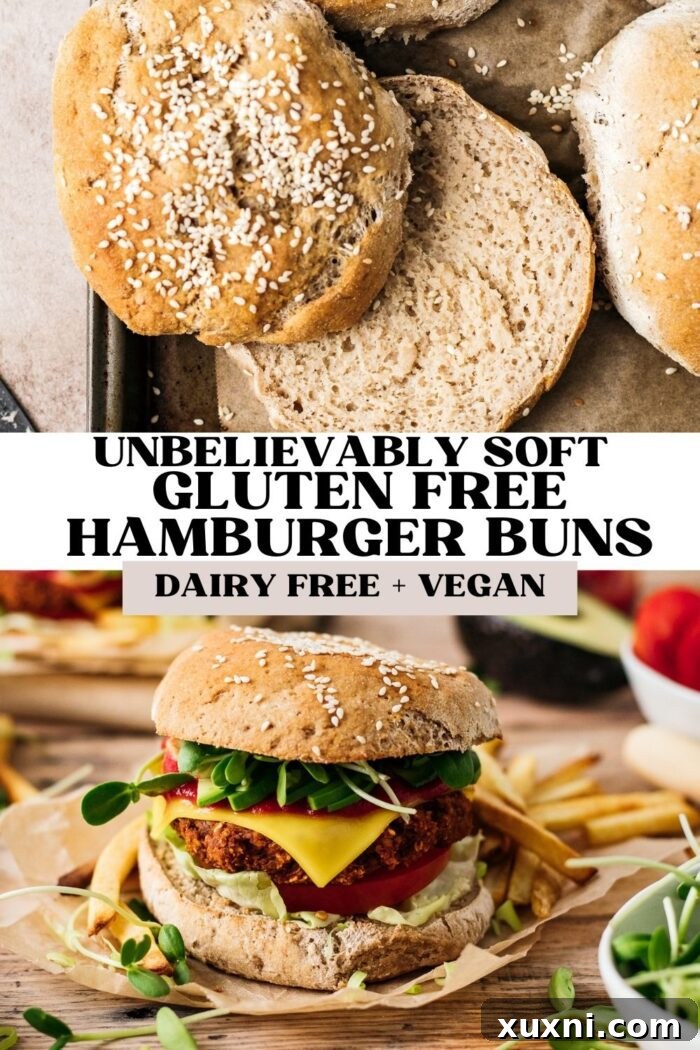
Want to save this amazing recipe for later? Pin it to your favorite recipe board on Pinterest!
If you try this incredible recipe, please take a moment to leave a comment and a rating ⭐️⭐️⭐️⭐️⭐️ below. Your feedback helps others discover and enjoy these recipes! As always, I absolutely adore seeing your beautiful culinary creations on Instagram and Pinterest, so be sure to tag me there as well!
Print Recipe
Unbelievably Soft Gluten Free Hamburger Buns Recipe (Vegan!)
5 Stars
4 Stars
3 Stars
2 Stars
1 Star
4.8 from 11 reviews
- Author: Britt Berlin
- Prep Time: 20 minutes
- Resting time: 40 minutes
- Cook Time: 30 minutes
- Total Time: 1 hour 30 minutes
- Yield: 6 buns
- Category: Bread
- Method: Baking
- Cuisine: American
- Diet: Vegan
Description
These gluten-free hamburger buns are incredibly soft and delicious! So easy to make, naturally vegan, and no xanthan gum, they’re the perfect addition to your BBQ burgers and will surprise everyone with their amazing texture.
Ingredients
Scale
- 2 cups (260 g) tapioca flour
- 2 cups (270 g) millet flour
- 1/2 cup (70 g) oat flour or sorghum flour
- 42 g psyllium husk powder
- 2 tbsp arrowroot starch
- 1 tbsp baking powder
- 4 tsp (14 g) instant dry/quick rise yeast
- 1 tsp sea salt
- 1 cup (240 mL) warm water
- 1 cup (240 mL) warm dairy-free milk (soy, almond, oat, or coconut milk), or more water
- 2/3 cup (170 g) room temperature dairy-free yogurt
- 2 tbsp apple cider vinegar
- 2 tbsp maple syrup
- Vegan egg wash (1 tbsp maple syrup + 1 tbsp soy milk)
- Sesame seeds for topping (optional)
Instructions
- Prep: Measure all ingredients accurately and set them aside. Line a baking sheet with parchment paper, preparing it for your buns.
- Whisk the dry ingredients: In the bowl of a stand mixer (or a large mixing bowl if making by hand), combine the tapioca flour, millet flour, arrowroot starch, sea salt, psyllium husk powder, and instant dry yeast. Whisk thoroughly until all ingredients are well combined and evenly distributed.
- Make the dough: To the dry ingredients, add the warm water, warm dairy-free milk, dairy-free yogurt, maple syrup, and apple cider vinegar. If using a stand mixer, attach the dough hook and mix on medium speed. If mixing by hand, use a sturdy wooden spoon. Continue mixing until a thick, consistent, and slightly tacky dough forms. Allow the stand mixer to knead for 4-5 minutes, or knead by hand for 5-7 minutes. The dough will become more cohesive as the psyllium husk activates.
- Shape the burger buns: Lightly flour a clean work surface with millet flour. Divide the dough into 6 equal pieces. Take one piece, flatten it slightly with your palm, then gather the edges and pinch them together in the middle. Flip the dough ball over so the pinched side is facing down, and gently roll it on the table to create a smooth, round bun. Place the shaped bun on your prepared baking sheet and repeat for the remaining dough.
- Proof: Cover the shaped gluten-free hamburger buns with a clean, damp dish towel. Place the baking sheet in a warm, draft-free area to allow the buns to rise until they have doubled in size, which should take approximately 30-40 minutes. During this time, preheat your oven to 350°F (175°C).
- Brush: Once the gluten-free burger buns have doubled in size, gently brush their tops with the vegan egg wash (a mixture of maple syrup and soy milk, whisked together). If desired, sprinkle some sesame seeds over the tops for a classic finish.
- Bake: Carefully transfer the baking sheet with the buns to the preheated oven. Bake for 25-30 minutes, or until the tops of the buns are beautifully golden brown. If they are cooked through but not sufficiently browned, you can briefly use the broiler setting for 2-3 minutes, but watch them *very closely* to prevent burning.
- Serve and enjoy! Remove the baked burger buns from the oven. Let them cool on the baking sheet for 10-15 minutes before slicing and serving with your delicious vegan burgers. For an enhanced experience, lightly toast the cut sides of the buns before assembling your sandwiches. Store any leftover buns in an airtight container or bag for up to 4 days in the refrigerator, or freeze for up to 3 months.
Notes
Please refer to the detailed blog post above for all essential tips, tricks, and ingredient substitution suggestions to ensure the best results.