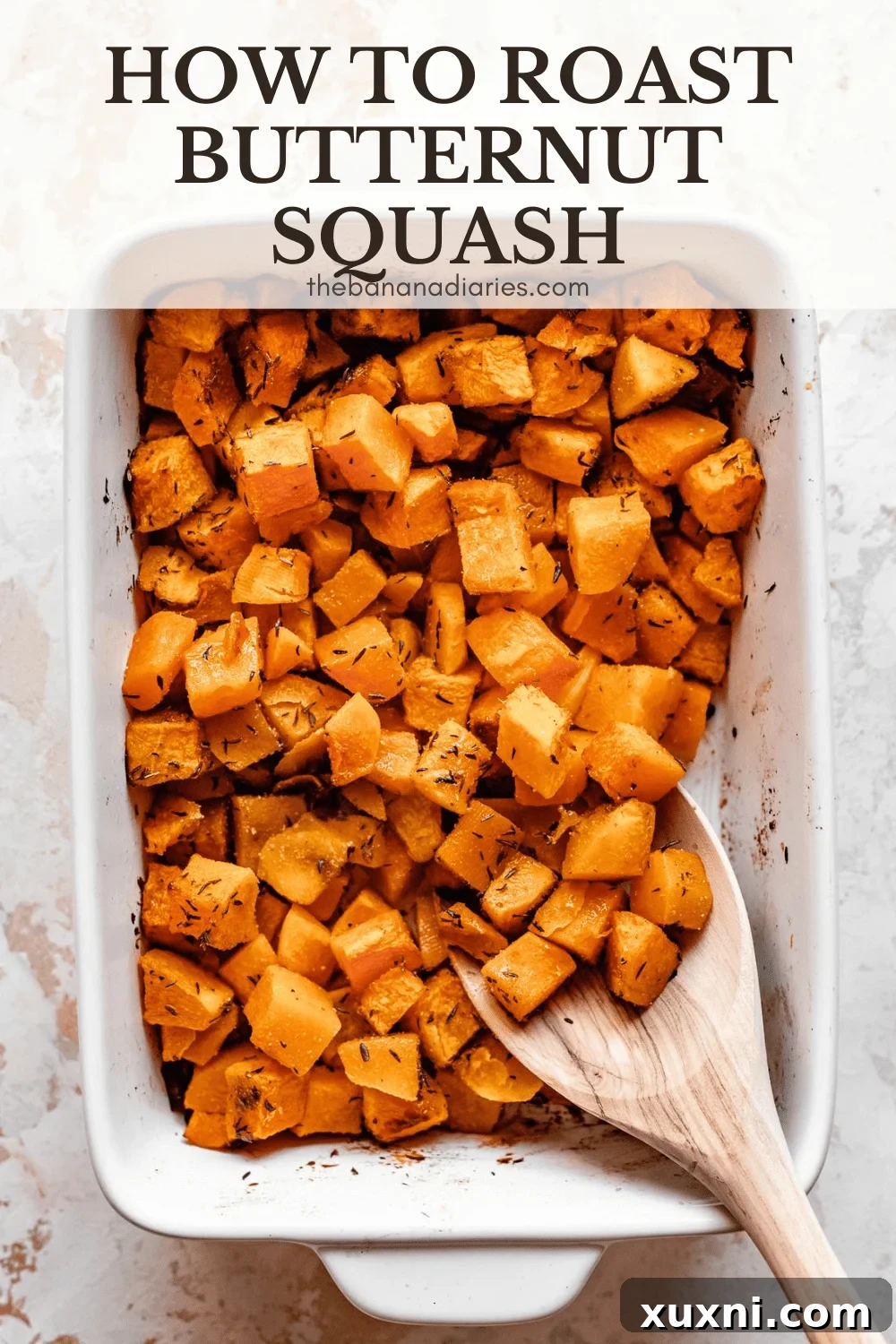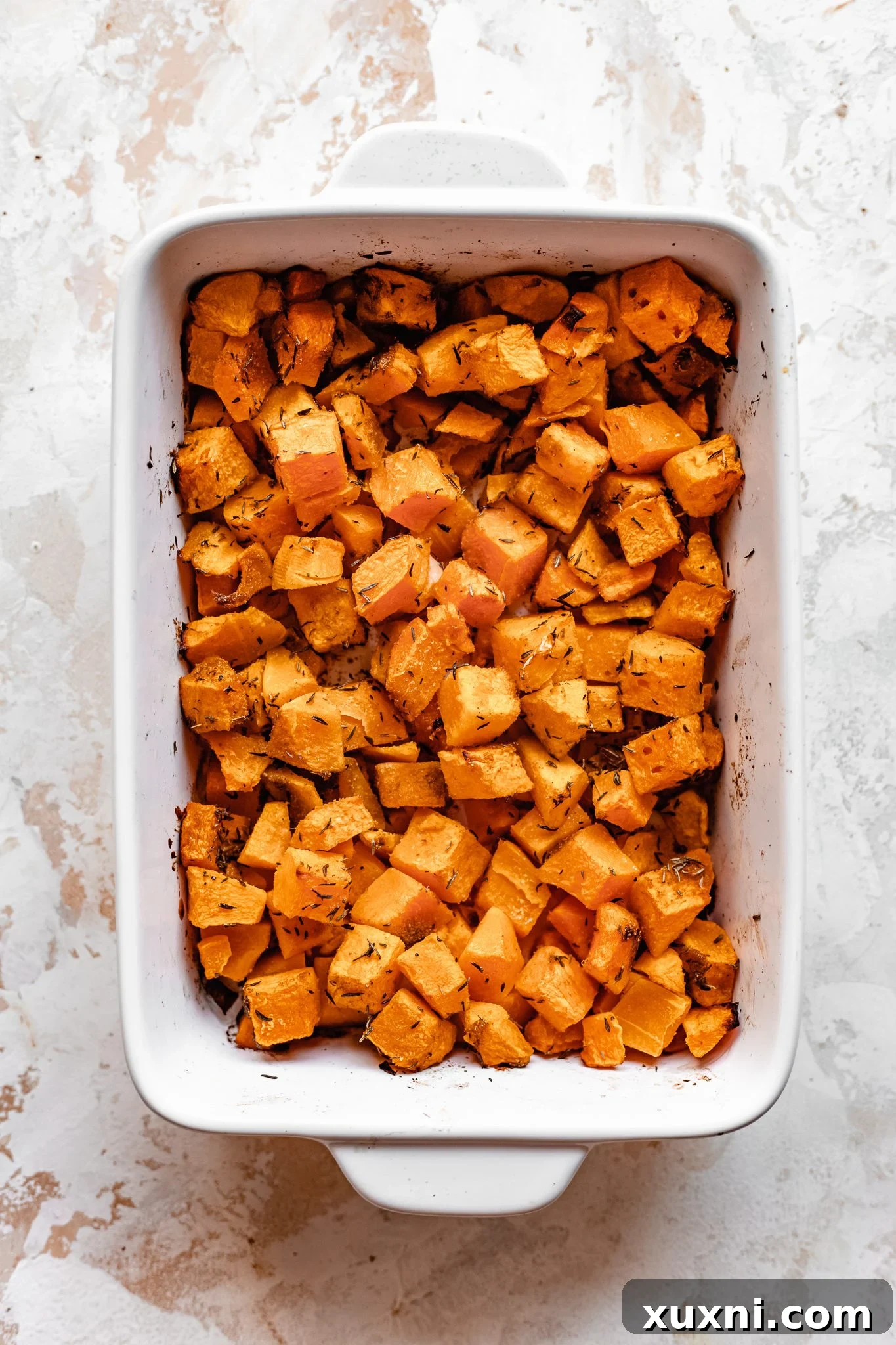
As the days grow shorter and the air crisp, there’s a natural longing for comforting, wholesome meals. And what better way to embrace the autumn season than with the vibrant, versatile butternut squash? This guide will teach you how to effortlessly transform this humble gourd into a delightful roasted side dish, perfect for cozy weeknight dinners, holiday feasts, or as a foundational ingredient for a myriad of other recipes, from creamy vegan soups to savory cheese sauces. Get ready to discover the ease and deliciousness of perfectly roasted butternut squash, a naturally sweet and nutty addition to any meal that also serves as a fantastic healthy meal prep component.
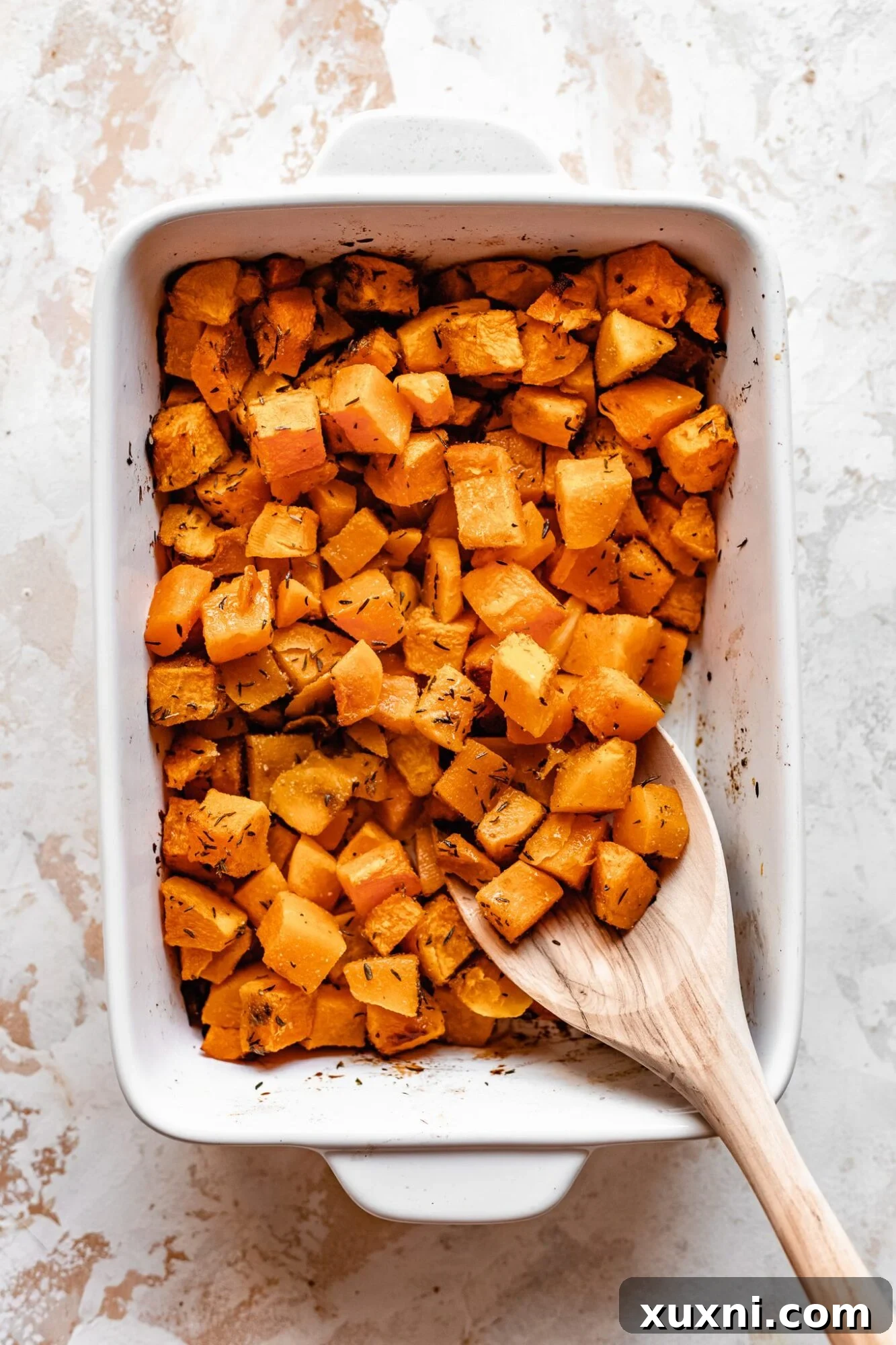
Unlocking the Goodness: The Remarkable Benefits of Butternut Squash
I find immense joy in celebrating the inherent goodness of various foods, advocating for a holistic perspective rather than succumbing to fear-mongering. It’s a common misconception that all carbohydrates are detrimental, and given that butternut squash is a starchy vegetable, I’m eager to shed light on its incredible nutritional profile and health advantages, dispelling any unfounded anxieties.
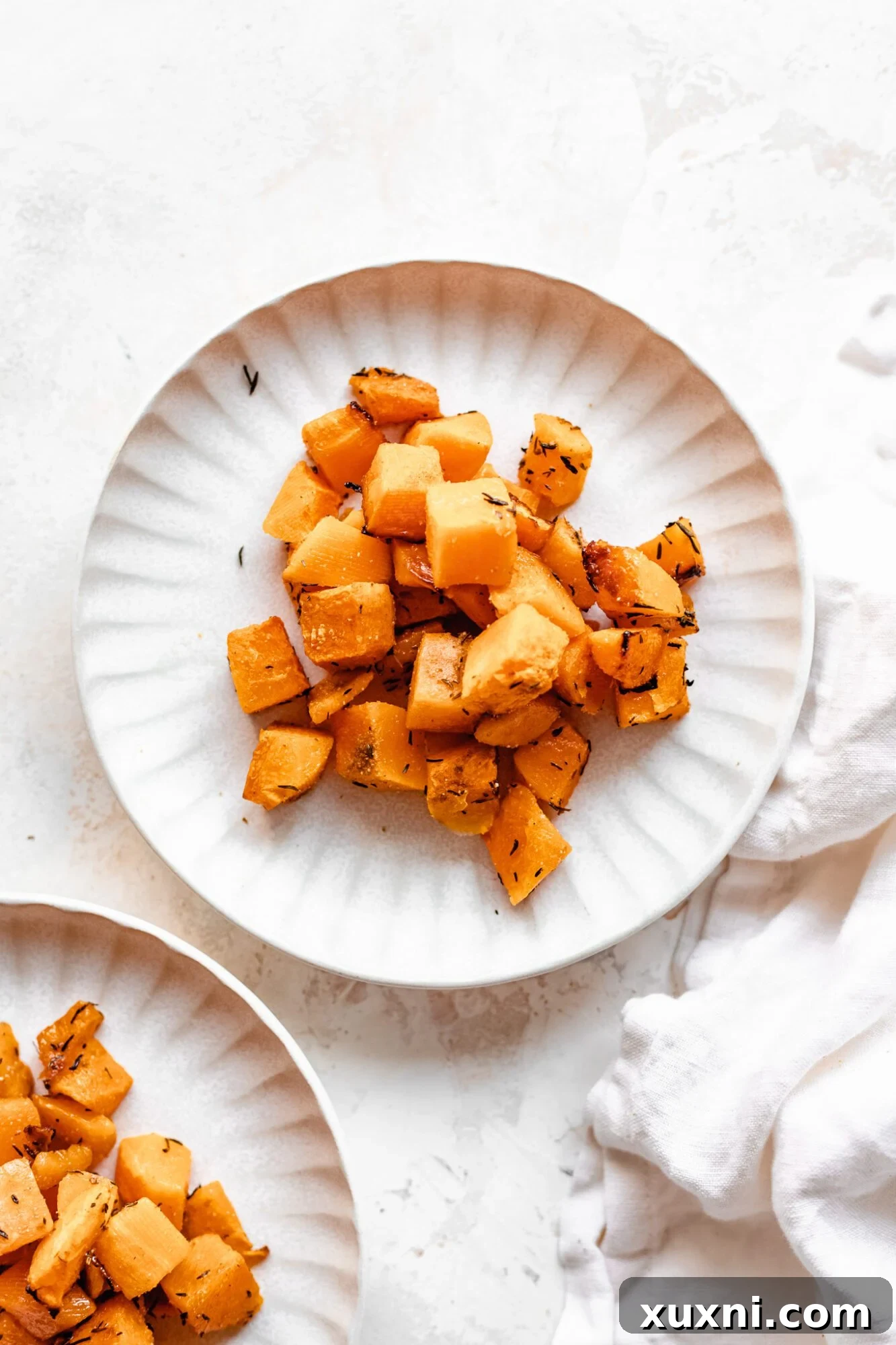
Exquisite Taste Profile: While pumpkin and sweet potato often steal the spotlight during the autumn months, butternut squash stands as an equally delightful and healthy fall starch. Its flavor is a harmonious blend of subtle sweetness with a distinctive “nutty” undertone – rest assured, it’s completely nut-free despite its name! This unique taste delivers a truly warming and comforting experience, making it a beloved ingredient for seasonal dishes.
Nutritional Powerhouse: Beyond its delicious flavor, butternut squash is a nutritional champion. Just one cup of cooked butternut squash provides approximately 82 calories, an astonishing amount of Vitamin A – more than four times your daily recommended intake – and 22 grams of carbohydrates, including a robust 7 grams of dietary fiber. It also serves as an excellent source of essential minerals like calcium and phosphorus, vital for bone health and numerous bodily functions.
Profound Health Benefits: This vibrant orange squash is not just tasty; it’s also brimming with powerful antioxidants that combat oxidative stress and inflammation in the body. Studies suggest that incorporating butternut squash into your diet may contribute to the prevention of serious health conditions such as heart disease and even help in mitigating mental decline. Its rich fiber content also supports digestive health, promoting regularity and a healthy gut microbiome. Enjoying butternut squash is truly a delicious way to nourish your body from the inside out.
Essential Ingredients for Perfect Roasted Butternut Squash
Creating this incredibly easy roasted butternut squash recipe requires only a handful of readily available ingredients. The beauty lies in its simplicity, allowing the natural flavors of the squash to shine through.
- Butternut Squash: You have the option to purchase this autumnal gem either whole or pre-cubed. While pre-cut squash offers convenience, opting for a whole squash can often be more cost-effective and provides a fresher taste. If you choose a whole squash, refer to the detailed section below for guidance on how to peel and cube it safely and efficiently.
- Refined Coconut Oil: When roasting vegetables or squash at higher temperatures, typically 400°F (200°C) or above, refined coconut oil is my preferred choice over olive oil. This is due to its impressive smoke point of 450°F (232°C), which is significantly higher than olive oil’s smoke point (ranging from 350-400°F or 175-200°C). Using an oil with a higher smoke point prevents it from burning and imparting an unpleasant flavor to your food. For those who still cherish the distinctive taste of olive oil, a drizzle after roasting adds a wonderful aromatic finish.
- Herbs & Spices: This is where you can truly personalize your roasted squash. My go-to blend includes a fragrant mix of thyme, sage, ground ginger, and cumin, which imparts a warm, earthy profile perfect for fall. However, feel free to experiment! A sprinkle of cinnamon can transform it into a sweeter dish suitable for breakfast or dessert applications, while a touch of smoked paprika can add a delightful depth. Don’t hesitate to mix and match to discover your favorite combination.
- Sea Salt: A fundamental seasoning, sea salt is essential for enhancing the natural sweetness and flavors of the butternut squash. Start with the recommended amount and adjust to taste after roasting.
A Step-by-Step Guide: How to Peel and Cube Butternut Squash Safely
While purchasing pre-cubed butternut squash from the grocery store is undeniably convenient, knowing how to prepare a whole squash offers a fresh, often more flavorful result and can be a rewarding culinary skill. Whether you’ve picked your squash fresh from a pumpkin patch or simply prefer the whole variety, here’s a straightforward method to peel and cube it with ease.
You’ll need a few basic kitchen tools:
- A sturdy cutting board to provide a stable surface.
- A sharp potato peeler or a Y-peeler for efficient skin removal.
- A large, sharp kitchen knife for slicing and cubing.
- A sturdy spoon (an ice cream scoop works wonders) for deseeding.
Follow these steps for safe and effective preparation:
- Begin by thoroughly washing the exterior of the butternut squash under cool running water. Pat it completely dry with a clean towel.
- Carefully trim about half an inch off both the top and bottom ends of the squash. This creates flat surfaces, making it more stable and easier to handle.
- Using your potato peeler, systematically peel the tough outer skin of the squash. Always peel away from your body to prevent accidental cuts. The skin is quite thick, so you might need to go over areas more than once until all the pale green and orange skin is removed, revealing the bright orange flesh underneath. Discard the peeled scraps.
- Once peeled, stand the squash upright on one of its flat ends. Carefully slice it in half lengthwise with your large kitchen knife. Be mindful of the hard texture and use a rocking motion with the knife if necessary.
- With the squash halves exposed, use a spoon to scoop out the stringy pulp and seeds from the bulbous end. You can save these seeds in a small bowl, rinse them thoroughly, and roast them later for a nutritious and crunchy snack!
- To cube the squash, place each half flat-side down on the cutting board for maximum stability. Slice the squash halves horizontally into approximately 1-inch thick strips.
- Next, stack a few strips at a time (if they are stable) and cut them vertically into 1-inch cubes. Aim for uniform size as much as possible to ensure even cooking.
Now that your butternut squash is perfectly peeled and cubed, it’s ready for roasting!
Mastering the Art of Roasting Butternut Squash: A Simple Recipe
This easy roasted butternut squash recipe is a truly fantastic and effortless way to enjoy a healthy fall starch. It’s so quick to prepare that you can whip it up for dinner on a busy weeknight or even batch-cook it on a Sunday for convenient meal prep throughout the week.
Here’s how to achieve perfectly tender and caramelized roasted butternut squash every time:
- Prepare Your Oven and Baking Surface: Begin by preheating your oven to a consistent 400°F (200°C). While the oven heats, prepare your baking vessel. You can either grease a large baking dish (like a casserole dish) generously with coconut oil or line a sheet pan with parchment paper or aluminum foil. I personally find a baking dish more convenient for tossing and ensuring an even coating of spices, as its raised sides keep everything contained. However, a sheet pan works perfectly fine; if using a sheet pan, consider tossing the squash and spices in a separate large bowl first for optimal distribution before spreading them out.
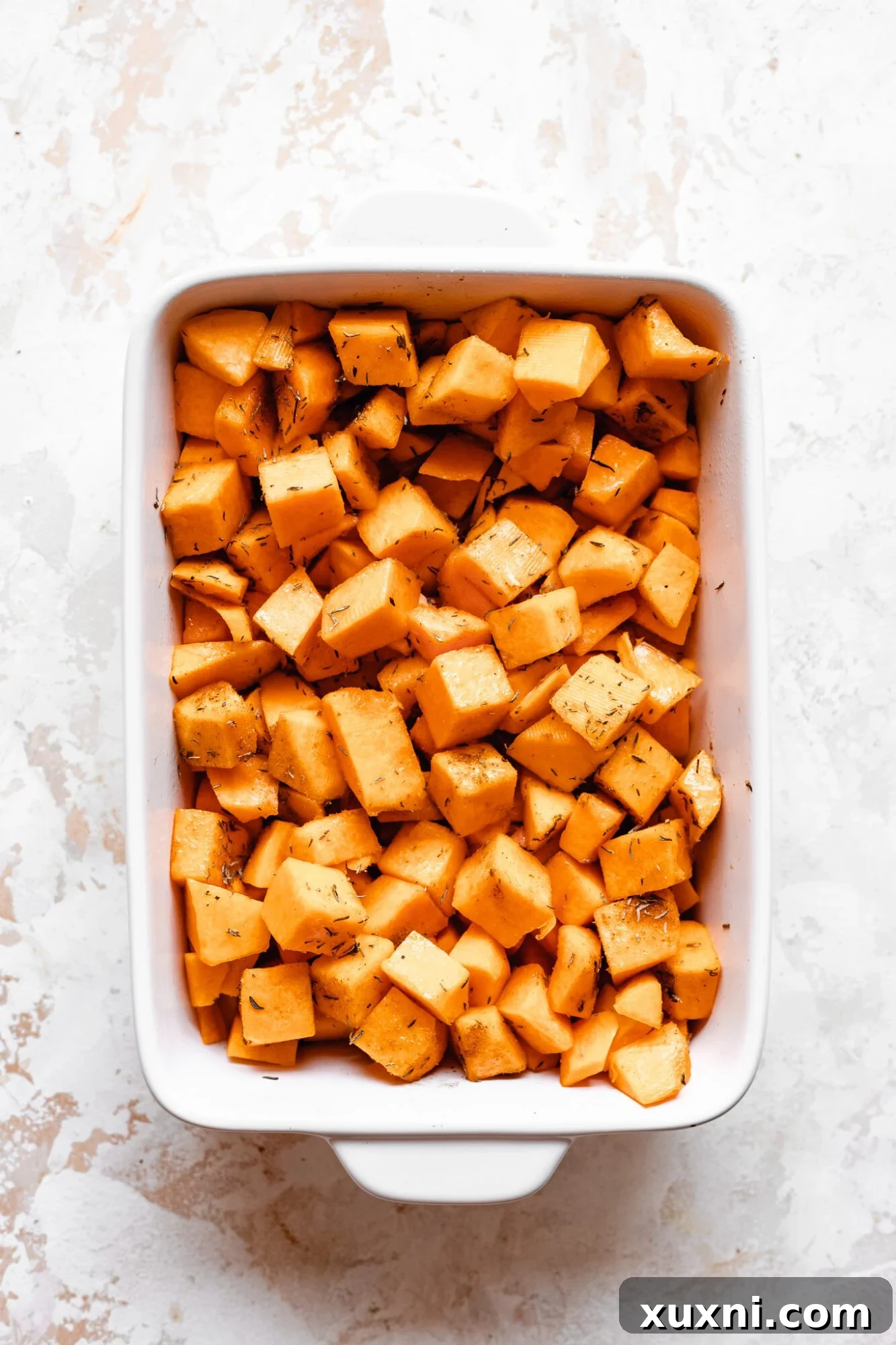
- Combine Ingredients: Add your cubed butternut squash directly into the prepared baking dish or onto the sheet pan. Drizzle with the melted coconut oil and sprinkle generously with your chosen herbs and spices (thyme, sage, ginger, cumin, or cinnamon) and sea salt.
- Ensure Even Coating: Using your hands or a spatula, gently but thoroughly toss the squash cubes until each piece is evenly coated with the oil and seasonings. This step is crucial for consistent flavor and browning. For best results, spread the squash out in a single layer, ensuring pieces are not overcrowded. This allows for proper air circulation, leading to caramelization rather than steaming.
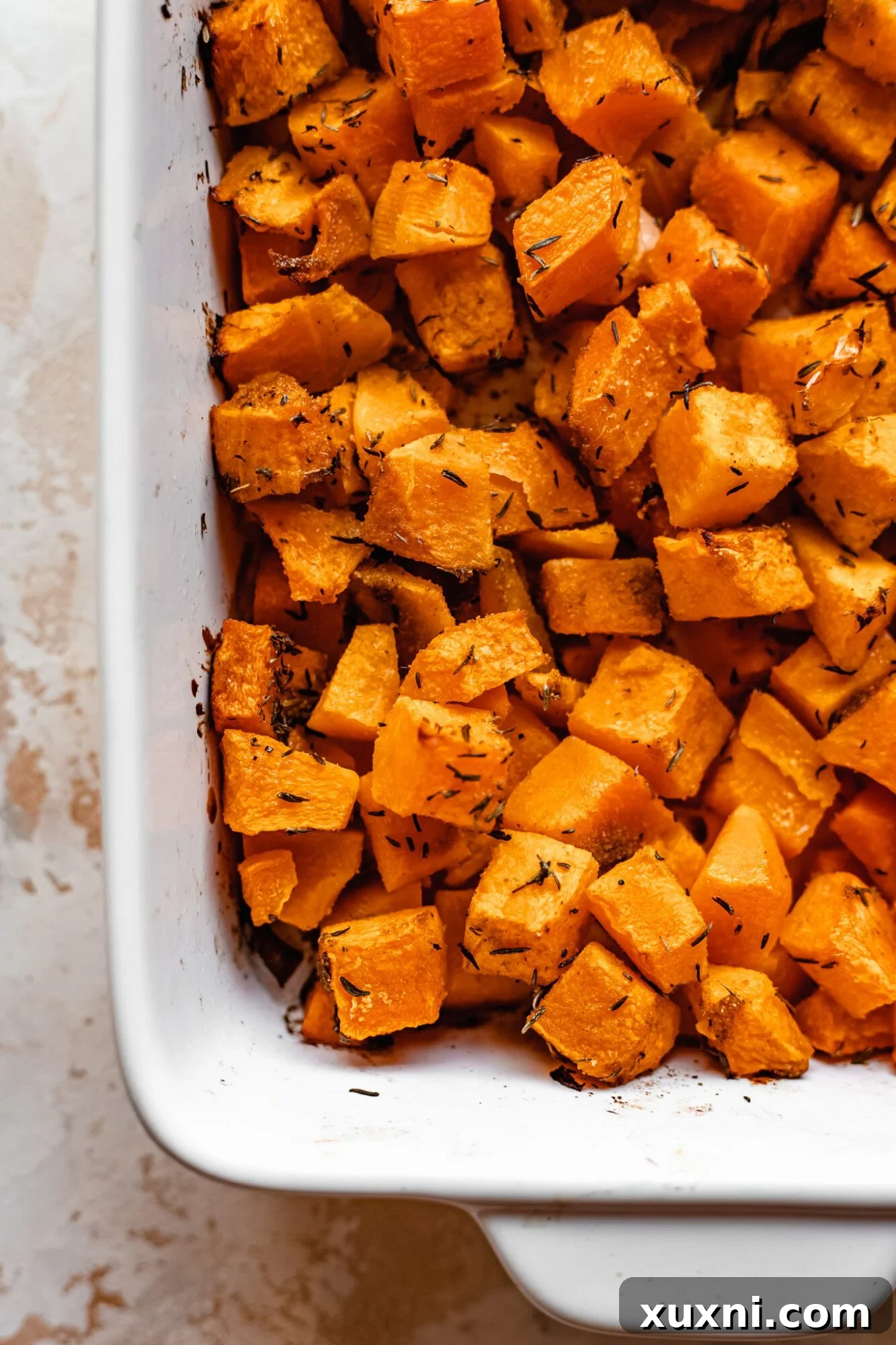
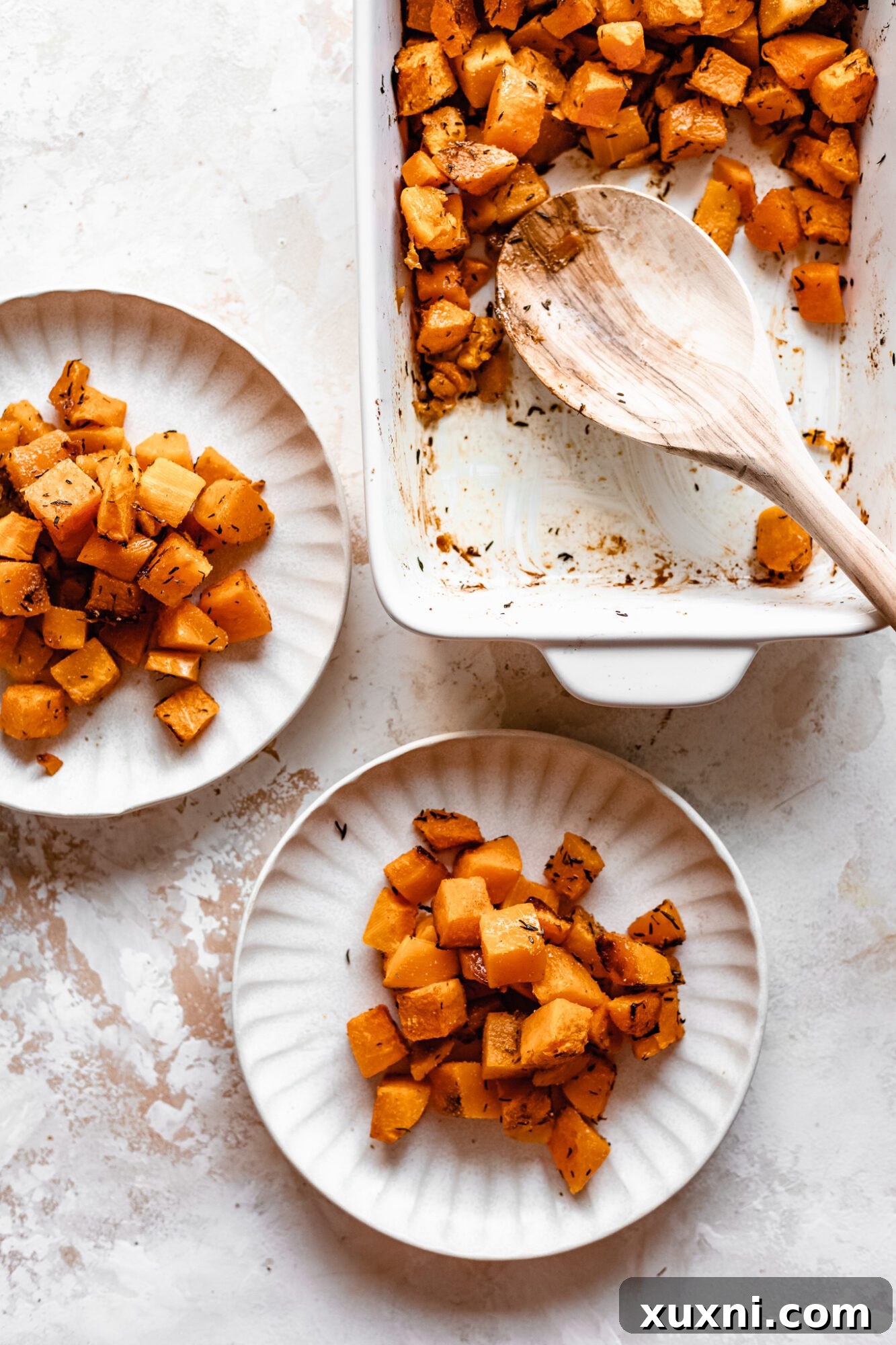
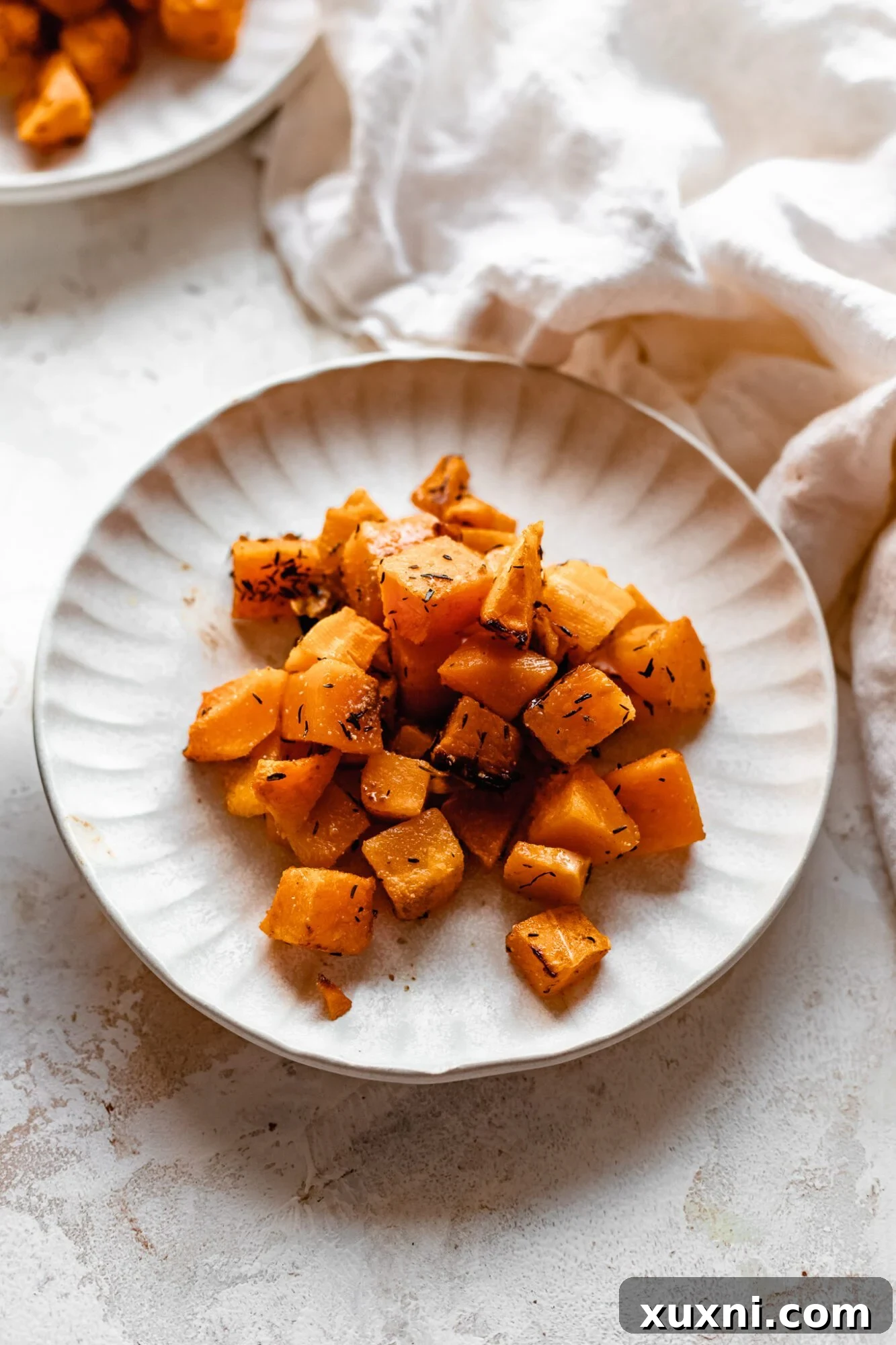
- Roast to Perfection: Place the dish or sheet pan into the preheated oven. Roast for 35-40 minutes, stirring the squash halfway through the cooking time (around the 20-minute mark) to promote even browning and prevent sticking. You’ll know the squash is ready when the edges are beautifully browned and slightly crispy, and the flesh is tender enough to be easily pierced with a fork.
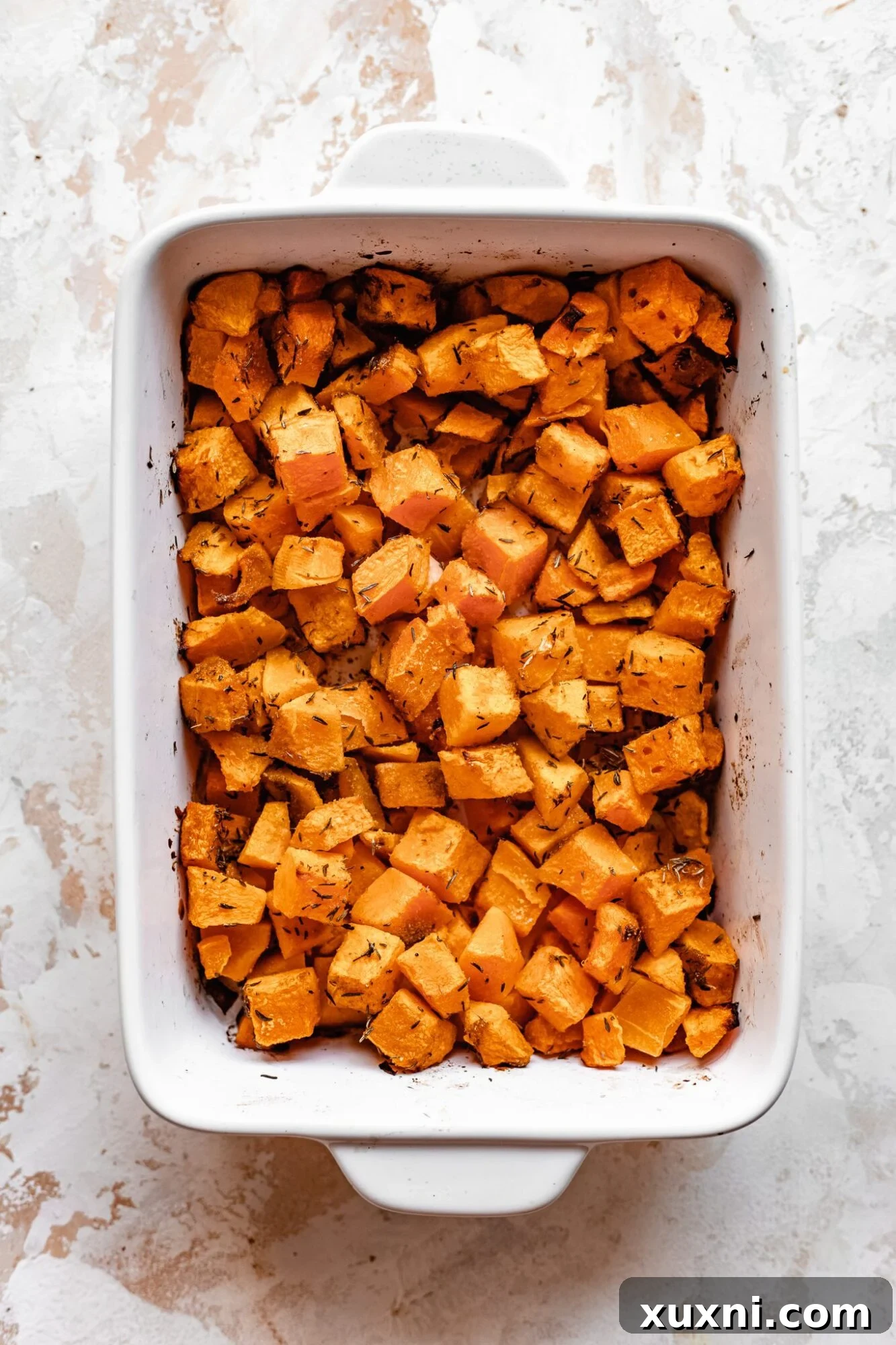
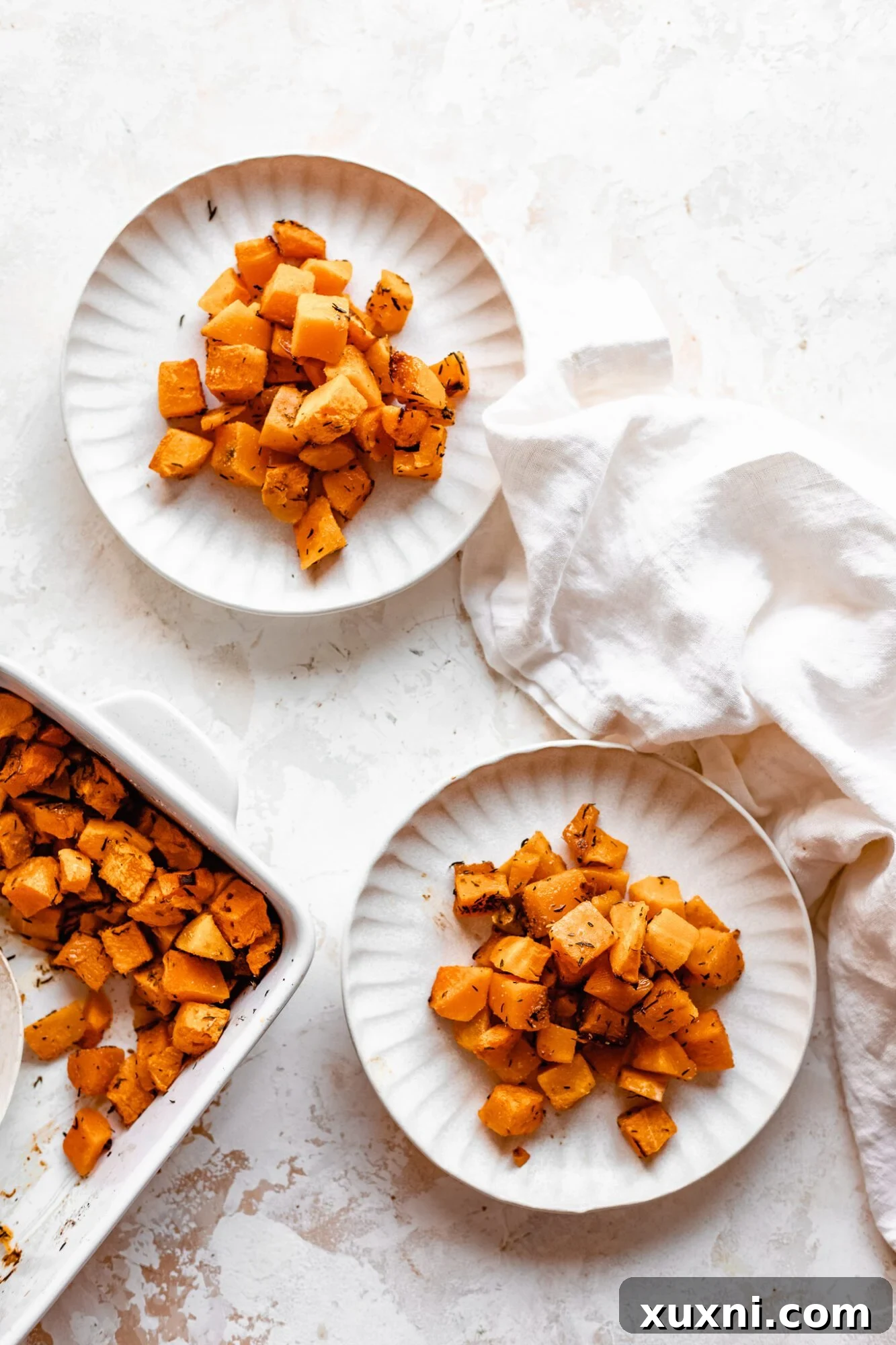
Once roasted to your liking, remove the butternut squash from the oven and allow it to cool slightly before serving. The flavors will deepen as it rests briefly.
Versatile Delights: Creative Ways to Serve and Utilize Roasted Butternut Squash
This roasted butternut squash recipe isn’t just a delicious side; it’s an incredibly versatile ingredient that can elevate a wide array of dishes. Its sweet and nutty flavor pairs beautifully with both savory and sweet applications. Here are some inspiring ideas to incorporate this autumnal staple into your meals:
- The Perfect Vegan Thanksgiving Side: Move over, traditional sweet potato casserole (though we love that too!). Roasted butternut squash, with its comforting flavor profile, makes an exquisite addition to your vegan Thanksgiving dinner spread. It complements all the holiday fixings wonderfully, offering a touch of rustic elegance.
- A Savory Breakfast Boost: Kickstart your day by adding roasted butternut squash to a hearty chickpea scramble, a tofu scramble, or any other savory breakfast recipe. Its slight sweetness balances the savory notes and adds a satisfying texture.
- Crafting Creamy Vegan Sauces: Roasted butternut squash is an exceptional base for rich, dairy-free sauces. It adds a natural creaminess and subtle sweetness that works wonders in vegan cheese sauces for pasta, mac and cheese, or even as a decadent topping for steamed vegetables.
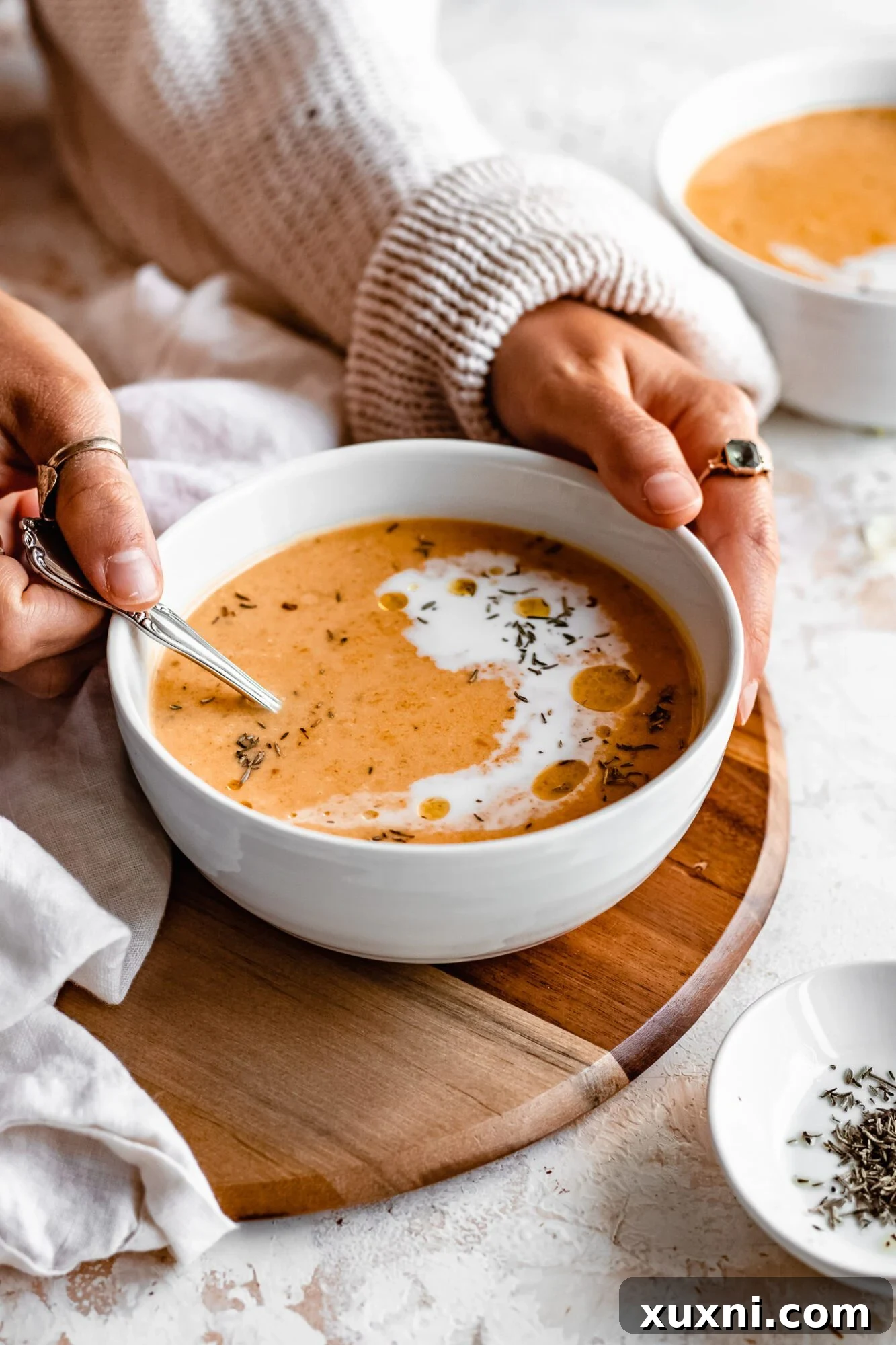
- Warming Vegan Butternut Squash Soup: Transform your roasted squash into a velvety, comforting vegan butternut squash soup. Blend it with vegetable broth, a touch of plant-based milk, and your favorite spices for a meal that’s both hearty and packed with plant-based protein.
- Silky Smooth Butternut Squash Mash: For another fantastic holiday side or a simple weeknight treat, blend the roasted squash with a splash of plant milk and a knob of vegan butter until smooth. Season to taste for a luxurious, mashed vegetable dish.
- Vibrant Fall Salads: Add a pop of seasonal color and satisfying texture to any fall salad recipe. The roasted squash cubes provide a hearty, satiating carb component that makes your salad a more complete and fulfilling meal.
- Sweet Baked Goodies: For a delightful twist, omit the savory spices and instead toss your butternut squash with cinnamon before roasting. Once roasted, puree it to create a wonderful substitute for pumpkin or sweet potato puree in your favorite baked goods, such as muffins, breads, or pies. It’s a fantastic way to sneak in extra nutrition!
- Elevate Grain Bowls: Pair roasted butternut squash with your favorite grains like quinoa, farro, or brown rice, along with leafy greens, roasted chickpeas, and a flavorful dressing for a wholesome and satisfying grain bowl.
- Butternut Squash Tacos or Bowls: Use seasoned roasted butternut squash as a filling for tacos, burritos, or as a base for vibrant Buddha bowls, complemented by black beans, corn salsa, and avocado.
Storing Your Roasted Butternut Squash for Future Enjoyment
One of the many benefits of roasted butternut squash is its excellent meal prep potential. Whether you’ve made a large batch or have delicious leftovers, proper storage ensures you can enjoy its goodness for days or even months to come.
Refrigerator Storage:
If you plan to consume your roasted butternut squash within a few days, simply transfer any cooled leftovers into an airtight container. Place the container in the refrigerator, where it will remain fresh and flavorful for up to 5 days. This makes it perfect for adding to lunches, quick dinners, or snacks throughout the week.
Freezer Storage for Longer Freshness:
For longer-term storage, the freezer is your best friend. Allow the roasted butternut squash to cool completely. Then, spread the cooled squash in a single layer on a parchment-lined baking sheet and flash freeze for about 1-2 hours until solid. This prevents the pieces from sticking together. Once frozen, transfer the squash to an airtight freezer-safe container or a heavy-duty freezer bag. Squeeze out as much air as possible before sealing to prevent freezer burn. Your butternut squash will maintain its quality in the freezer for up to 2 months.
Reheating Instructions:
- From the fridge: You can reheat refrigerated squash in several ways. For best results, spread it on a baking sheet and bake at 350°F (175°C) for about 10-15 minutes, or until heated through and slightly re-crisped. Alternatively, you can warm it gently in a sauté pan over medium heat, or even microwave it for a quicker option, though the texture might be softer.
- From the freezer: You can reheat frozen roasted butternut squash directly from the freezer. Spread the frozen cubes on a baking sheet and bake at 375°F (190°C) for 15-20 minutes, or until heated through and tender. If reheating in a sauté pan, you may need a splash of water or broth to prevent sticking and ensure even thawing.
I genuinely hope you cherish this roasted butternut squash recipe as much as I do! Its simplicity, health benefits, and incredible versatility make it a must-try for anyone looking to embrace the flavors of fall. If you give it a whirl, please share your thoughts and experiences in the comments section below, and consider leaving a rating to help other home cooks discover this delicious dish.
As always, I adore seeing your magnificent culinary creations on social media! Be sure to tag me on Instagram and Pinterest so I can celebrate your cooking triumphs.
Happy Roasting!
Explore More Healthy Butternut Squash & Related Recipes:
If you’re looking for more ways to enjoy the goodness of butternut squash and other seasonal favorites, check out these delicious recipes:
- Vegan Butternut Squash Pasta
- Creamy Vegan Butternut Squash Soup
- Healthy Vegan Pumpkin Muffins
- Vegan Pumpkin Bread
- Paleo Vegan Marbled Pumpkin Bread
- Easy Vegan Sweet Potato Casserole
- Vegan Sweet Potato Spice Cake
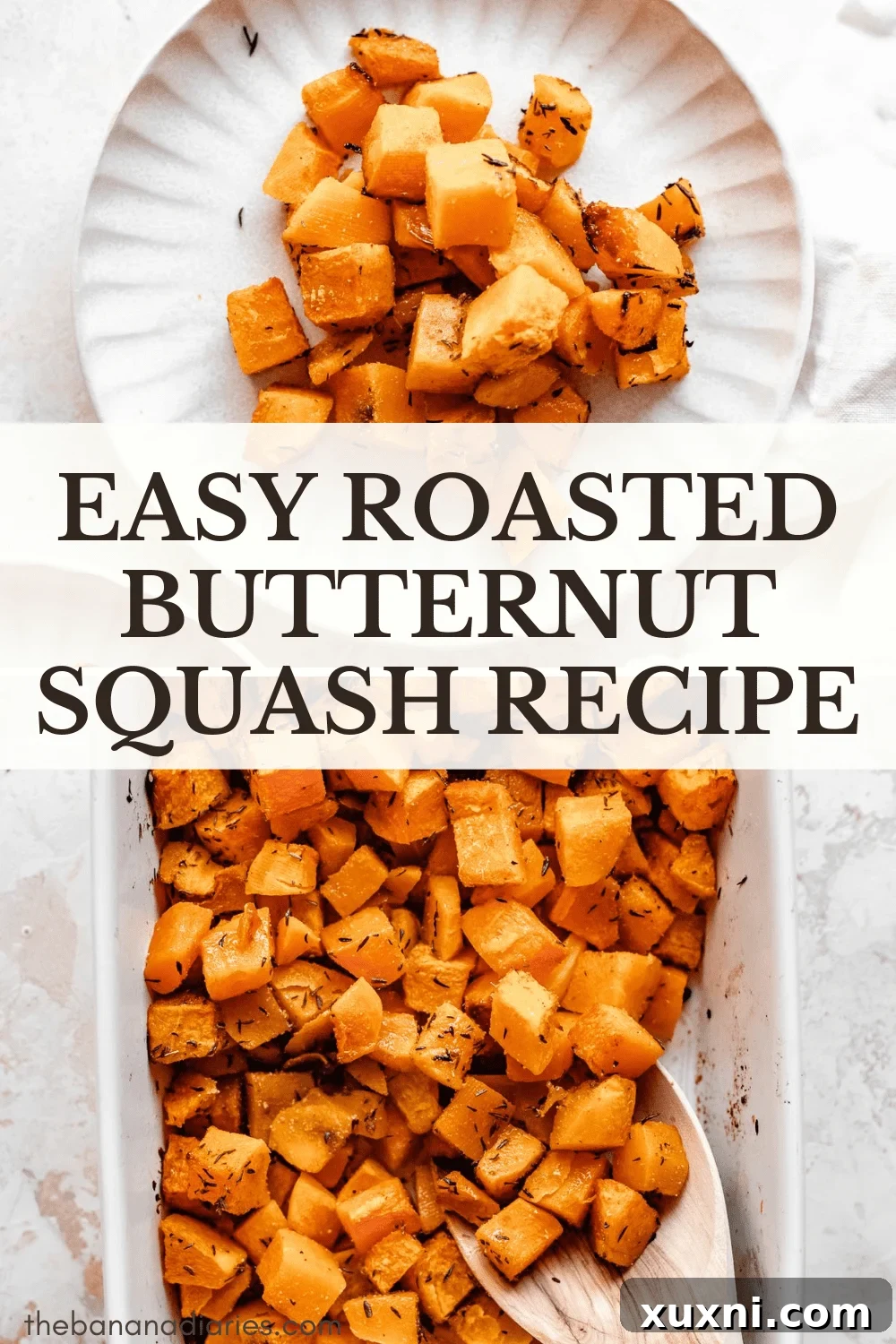
Don’t forget to save this incredible recipe for later! Pin it to your favorite recipe board on Pinterest!
Print Recipe
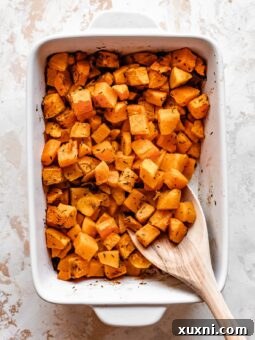
Easy Roasted Butternut Squash Recipe (How To)
- Author: thebananadiaries
- Prep Time: 5 minutes
- Cook Time: 40 minutes
- Total Time: 45 minutes
- Yield: 6 servings
- Category: Sides
- Method: Baking
- Cuisine: American
- Diet: Vegan
Description
Learn how to easily make roasted butternut squash for a quick and healthy fall side dish or use in a recipe, such as butternut squash soup or a vegan cheese sauce!
Ingredients
- 3 cups cubed butternut squash
- 1 tbsp coconut oil, melted
- 1 tsp fresh or dried thyme
- 1 tsp ground cumin
- 1 tbsp sage
- 1 tsp ground ginger
- 1 tsp sea salt + more to taste
- Topping: olive oil drizzle
Instructions
- Preheat the oven to 400F, and grease a large baking dish with coconut oil. Alternatively, you can use a baking sheet with a piece of parchment paper or tin foil. Please coat the paper or foil with coconut oil to prevent sticking.
- Add the butternut squash to the dish or pan, and top with the remaining ingredients. Toss lightly in the dish or carefully on the pan, and place into the oven to roast for 35-40 minutes.
- When the roasted butternut squash is done, it will be slightly browned at the corners and easy to poke a fork through. Remove from oven when ready and cool for 10 minutes before serving.
- Once cooled, store leftovers in an airtight container in the fridge for up to 5 days or in the freezer for up to 2 months.
Nutrition
- Serving Size: 1/2 cup
- Calories: 52
- Sugar: 1.5 g
- Sodium: 390.4 mg
- Fat: 2.3 g
- Saturated Fat: 1.9 g
- Carbohydrates: 8.2 g
- Fiber: 1.4 g
- Protein: 0.7 g
- Cholesterol: 0 mg