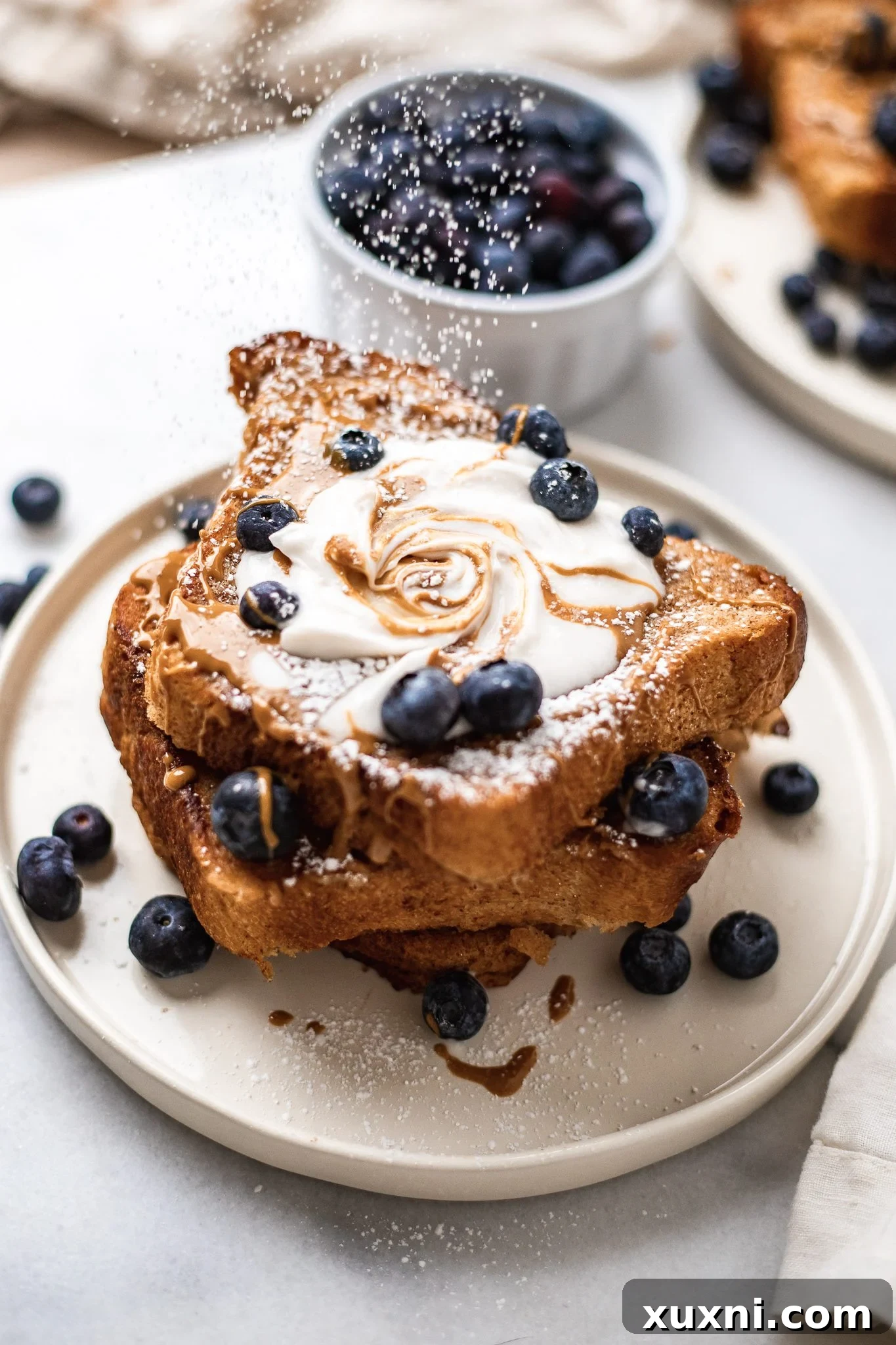
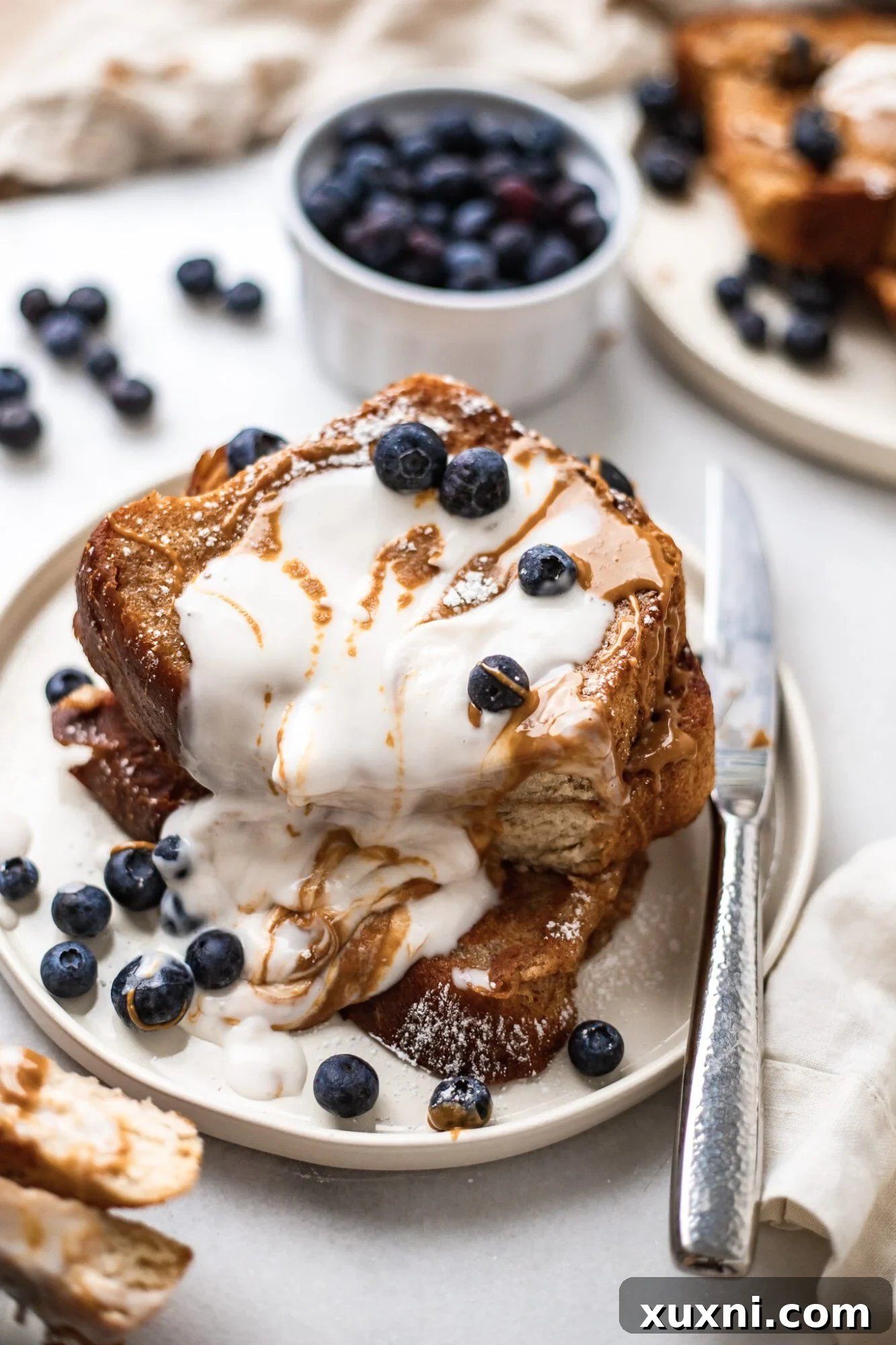
Are you craving a classic breakfast favorite with a plant-based twist? Look no further! This incredible vegan French toast recipe delivers on all fronts: it’s light, incredibly fluffy, and bursting with delicious flavor. It’s truly the perfect classic plant-based breakfast that everyone, vegan or not, will adore. Forget bland, soggy, or overly “chia-y” eggless versions – this recipe, featuring just 8 simple ingredients, with aquafaba as the undisputed star, promises a rich, custardy texture and irresistible taste. Best of all, it’s completely free of refined sugar and messy chia seeds, and can be ready to enjoy in under 15 minutes. Garnish with a dollop of creamy coconut whipped cream and a generous handful of fresh berries for an unforgettable morning treat!
Why This Will Become Your Go-To Vegan French Toast Recipe
Prepare for this to become your new favorite vegan French toast recipe – and for very good reasons! In our household, it stands as one of the most beloved vegan breakfast recipes, right up there with our decadent vegan cinnamon rolls and super easy vegan Belgian waffles made with oat flour.
What makes this recipe truly exceptional isn’t just its simplicity, requiring only 8 everyday pantry staples, but the astonishing outcome: it tastes exactly like traditional French toast! You won’t find any hint of an “eggy” flavor, nor will you contend with a soggy, unappealing texture. Crucially, it’s entirely “chia-free,” avoiding the gummy consistency often associated with many eggless French toast recipes that rely heavily on chia seeds as a binder.
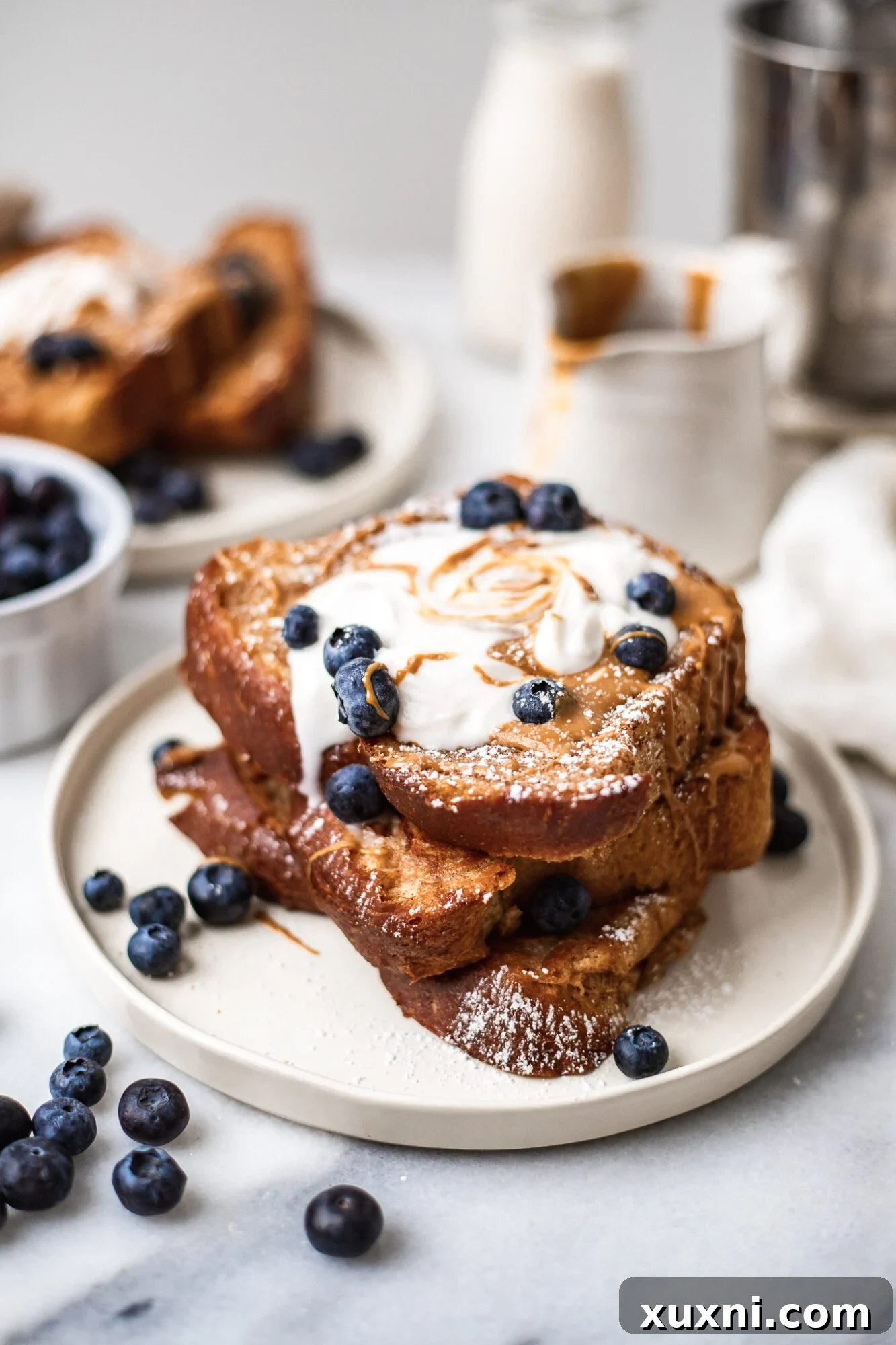
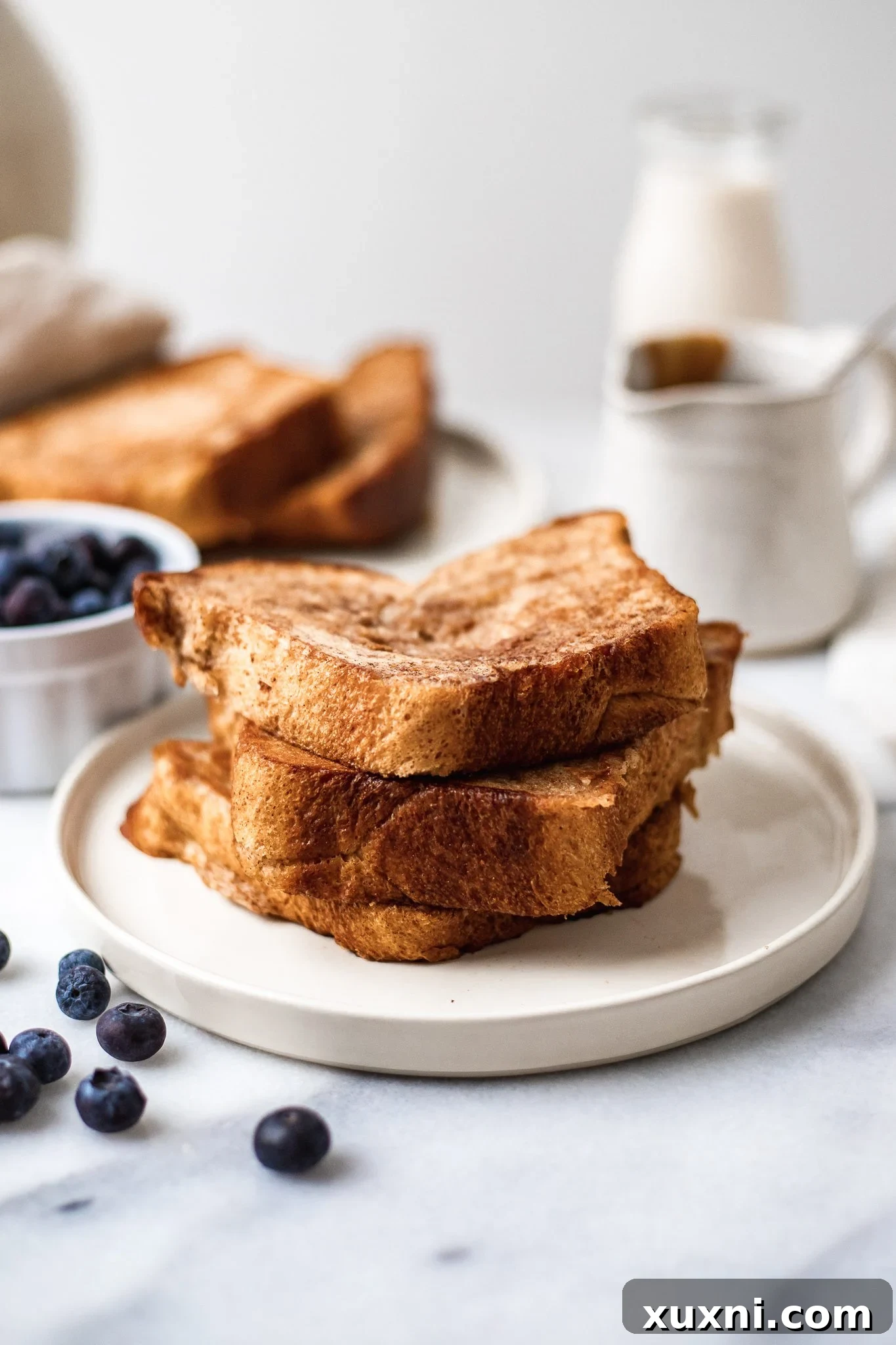
Each slice achieves a perfect golden sear on both sides, yielding a crispy exterior and a tender, melt-in-your-mouth interior. The delightful infusion of cinnamon and vanilla creates a flavor profile that is nothing short of heavenly.
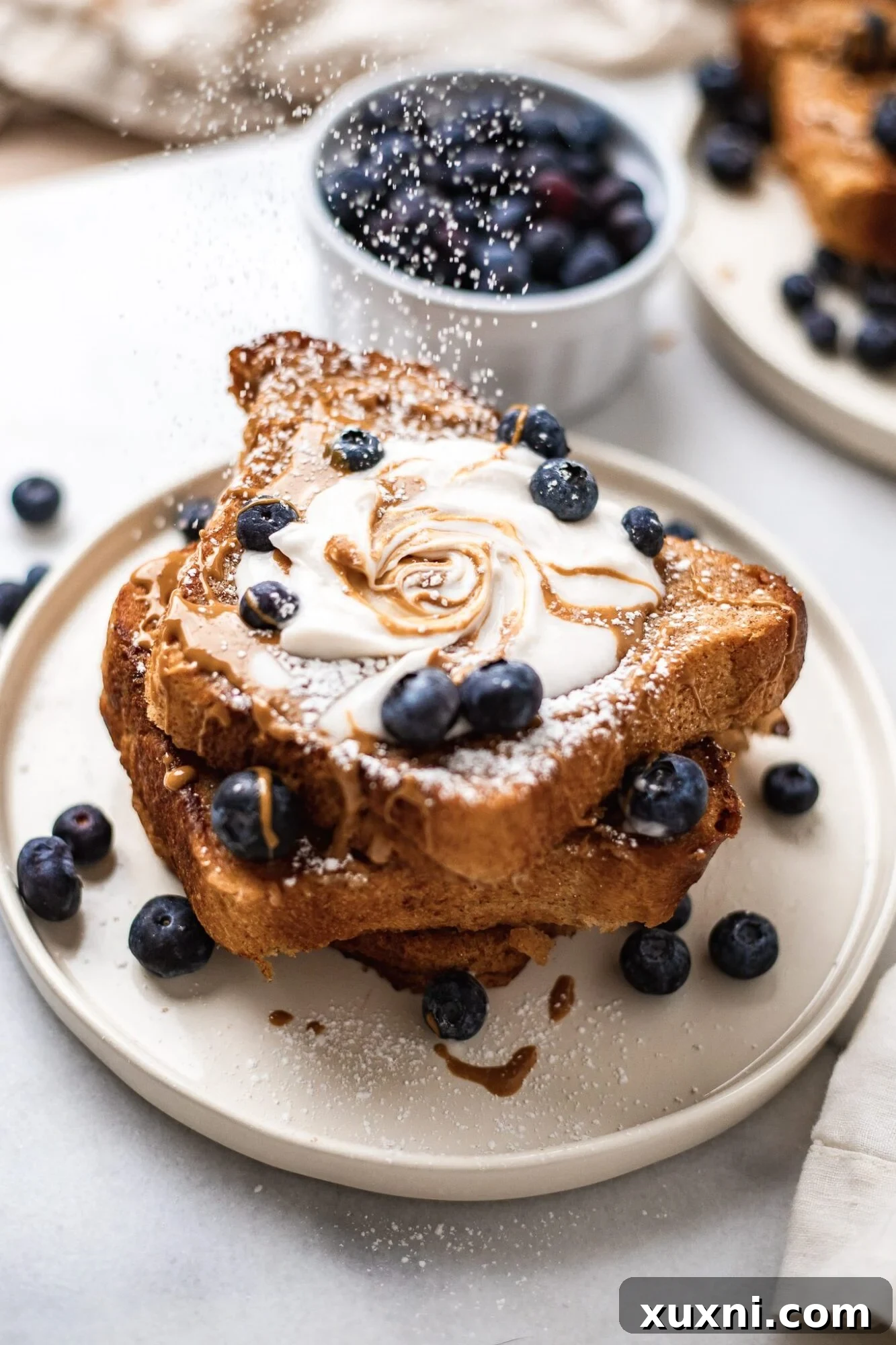
So, what’s the secret to achieving this perfect custardy texture without eggs? It all comes down to the meticulous preparation and combination of ingredients. Think of it like a baking challenge: if you have all the components but don’t know the proper technique, the results can vary wildly. The precise method for combining our chosen ingredients is paramount to preventing a soggy outcome and instead achieving that luscious, custard-like consistency everyone adores in a classic French toast. That’s precisely why this truly is the best vegan French toast recipe; we’re going to guide you through every step to ensure your French toast is nothing short of perfection.
Crafting French Toast Without Eggs: The Aquafaba Advantage
The cornerstone of any successful vegan French toast lies in its egg replacement. While many recipes opt for flaxseed or chia seeds, we’re taking a different, more effective approach. Our secret weapon is a dynamic duo of arrowroot powder and, most notably, aquafaba. Let’s explore why aquafaba reigns supreme over flaxseed or chia for this particular application.
A common complaint with chia or flaxseed-based French toast is the undesirable taste and inconsistent texture they often yield. Frankly, I share this sentiment. While chia seeds are undeniably nutritious, I find their aftertaste less than ideal in French toast, reserving them mainly for delightful chia pudding. For most vegan baking and cooking where an egg binder is needed, my go-to replacements, as featured in my cookbook, are ground flaxseed, aquafaba, or applesauce.
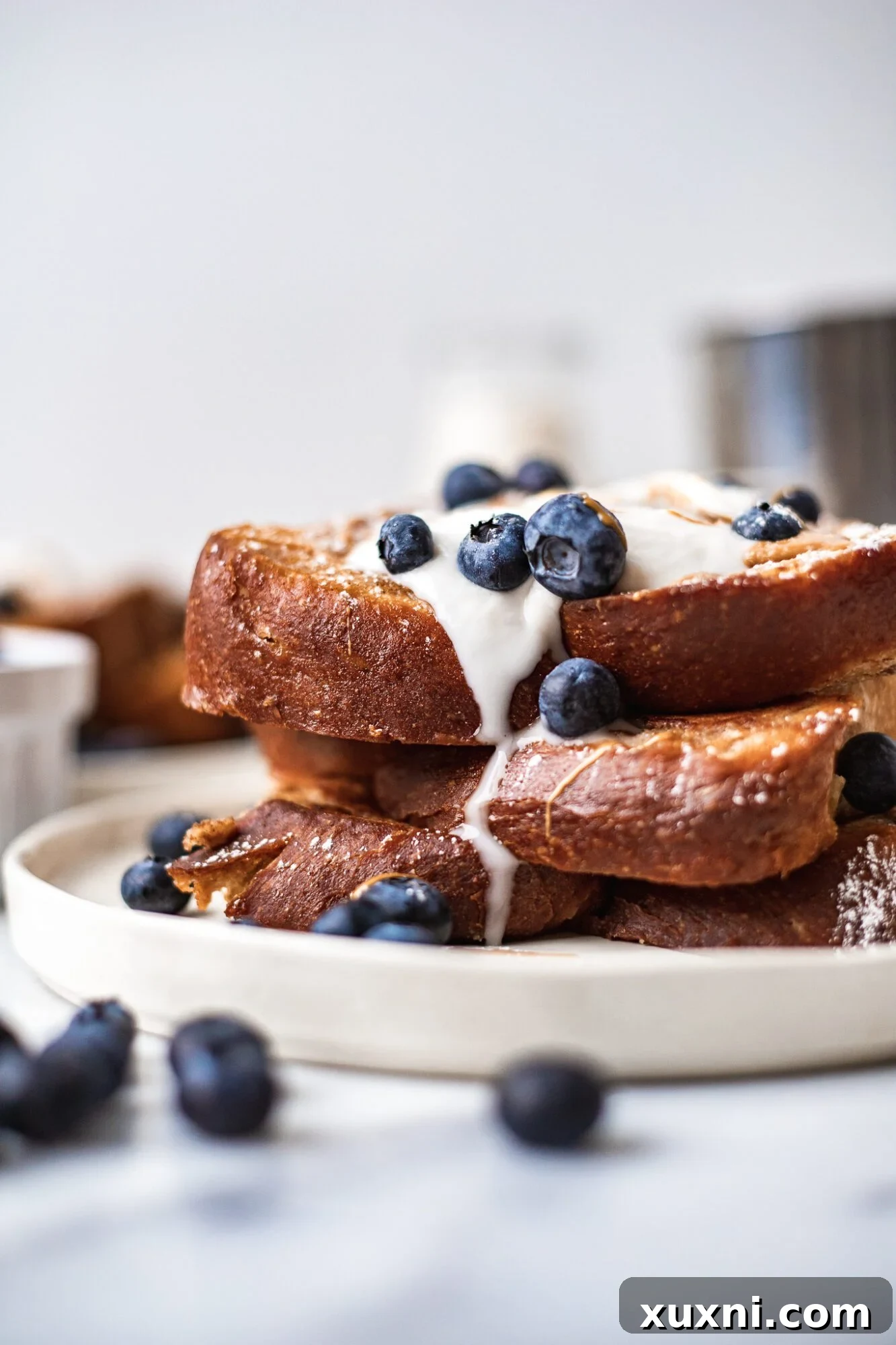
Some adventurous cooks might suggest chickpea flour, but the results can often be *iffy*, leading to a denser, sometimes gummy texture. For the ultimate eggless French toast, aquafaba is the clear winner. This miraculous liquid, essentially chickpea brine (the liquid found in a can of chickpeas), functions as a superb egg white binder. When skillfully combined with a rich dairy-free yogurt, it creates a “custard” that perfectly mimics the texture and richness of its egg-laden counterpart. And no, this isn’t simply sweetened non-dairy milk; it’s a carefully crafted blend designed for true French toast perfection.
Now that we’ve demystified the egg replacement, let’s delve into the other essential ingredients. Creating French toast without traditional eggs or milk might sound unconventional to some, but each component plays a crucial role in achieving that classic, comforting taste and texture.
Essential Ingredients for Fluffy Vegan French Toast
To create this spectacular plant-based French toast, gather these simple yet powerful ingredients:
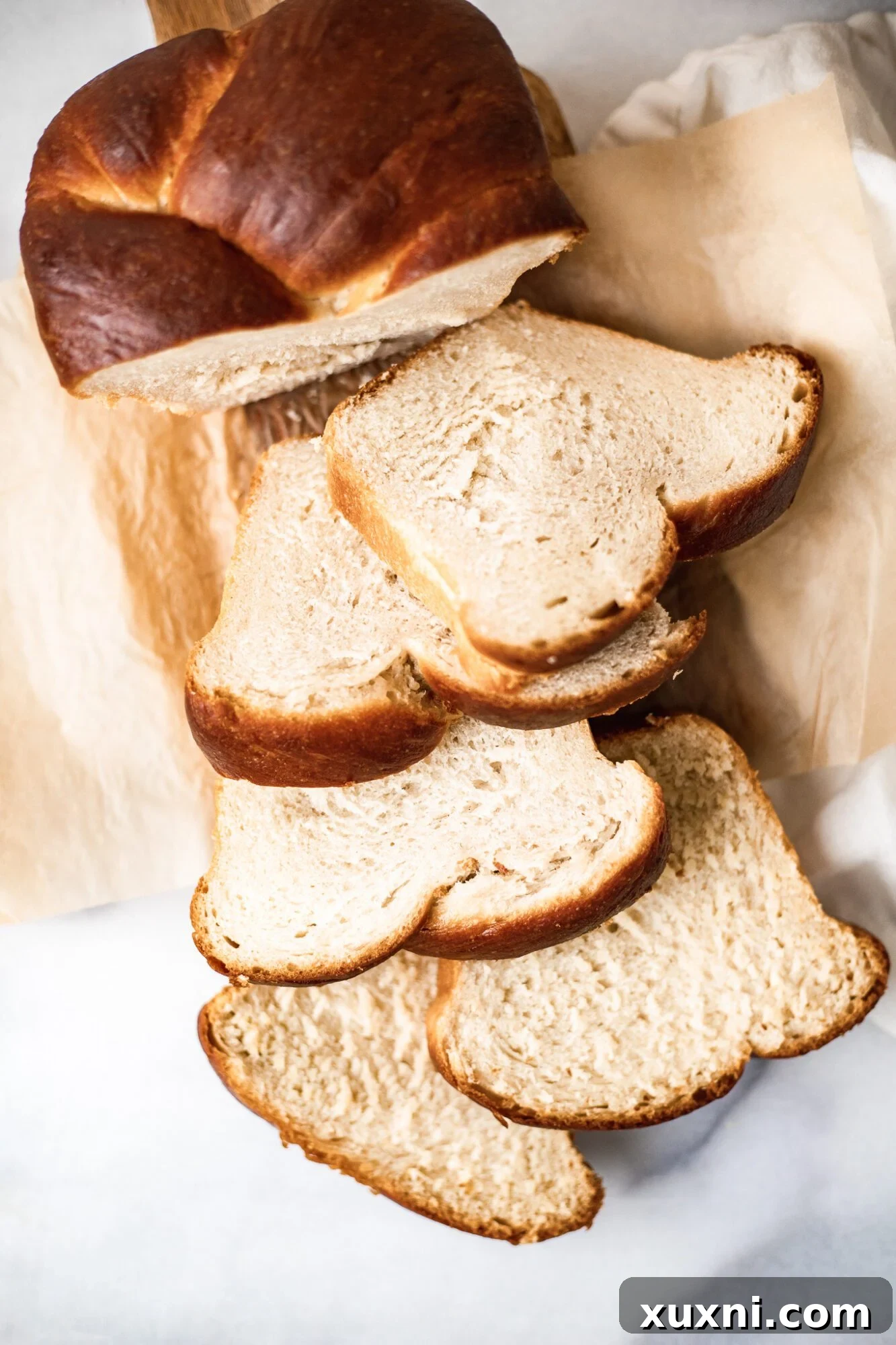
- Vegan Bread: The foundation of any great French toast! For the absolute best results, I highly recommend using a rich, enriched vegan bread like my easy vegan Challah bread recipe or my indulgent vegan Brioche bread. These breads offer a tender crumb and absorb the batter beautifully. If you need a gluten-free option, my gluten-free sandwich bread recipe works wonderfully. Stay tuned for updates when my gluten-free vegan brioche bread recipe is ready!
- Dairy-Free Milk: The thicker, the better for a rich batter! My homemade 5-minute oat milk is fantastic, or you can use full-fat coconut milk from a can for extra richness. Forager Project’s soy milk is another excellent, creamy choice.
- Aquafaba: This is our star egg replacer! Instead of the common ground flaxseed or chia seeds, we harness the power of chickpea brine (the liquid from a can of chickpeas). Its unique properties, when combined with dairy-free yogurt, create a superior binding and custardy texture far surpassing traditional seed-based egg alternatives.
- Dairy-Free Yogurt: A crucial ingredient for adding tang, richness, and contributing to that custardy texture. I love Forager Project’s unsweetened vanilla cashew milk yogurt for its creamy consistency and subtle flavor, but any thick, plain dairy-free yogurt will work.
- Arrowroot Powder: This natural thickener is vital for achieving the desired custard-like consistency in the French toast batter, ensuring it coats the bread perfectly without becoming overly runny or gloopy. It’s a game-changer for texture.
- Vanilla Extract: A splash of high-quality vanilla extract is essential for that classic, comforting French toast aroma and flavor.
- Coconut Sugar: Our natural sweetener of choice, contributing a lovely caramel note without being overly sweet. You can easily substitute with pure maple syrup or any granulated sugar you prefer.
- Ground Cinnamon: This warm spice is non-negotiable, infusing every bite with that signature French toast coziness.
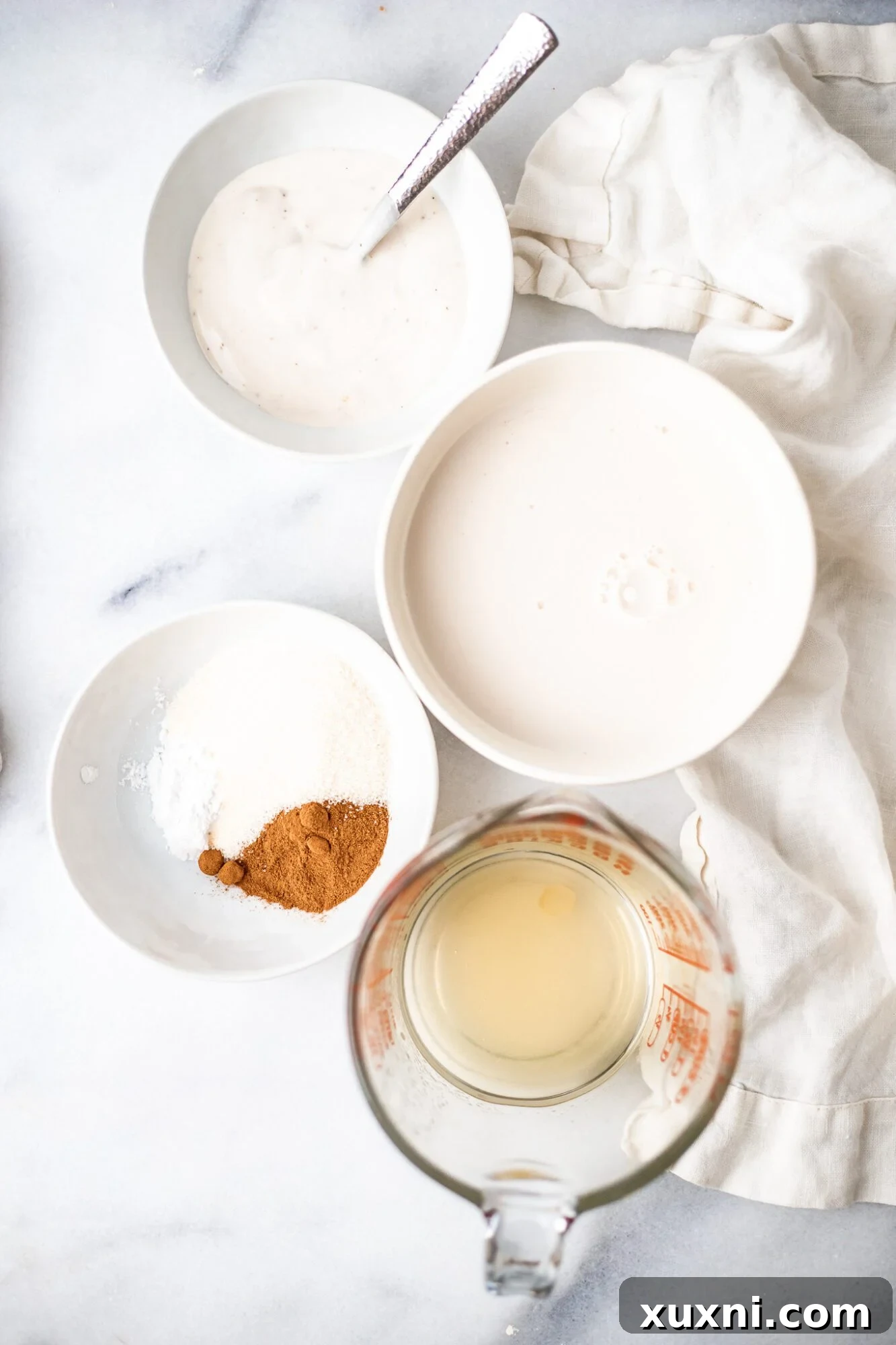
You might notice that maple syrup is also listed as an optional sweetener for the batter itself (alongside coconut sugar). This isn’t a mistake! While maple syrup is a classic topping, incorporating a small amount into the batter can subtly enhance the flavor and contribute to a desirable consistency. For those in the New York/tri-state area, Crown Maple offers exceptional quality, but any local, pure maple syrup will work beautifully.
Selecting the Perfect Bread for Vegan French Toast
The type of bread you choose significantly impacts the final result of your French toast. My childhood memories of French toast often involved my mom using brioche, while my partner Jared’s family always opted for challah, leading to slightly different preferences.
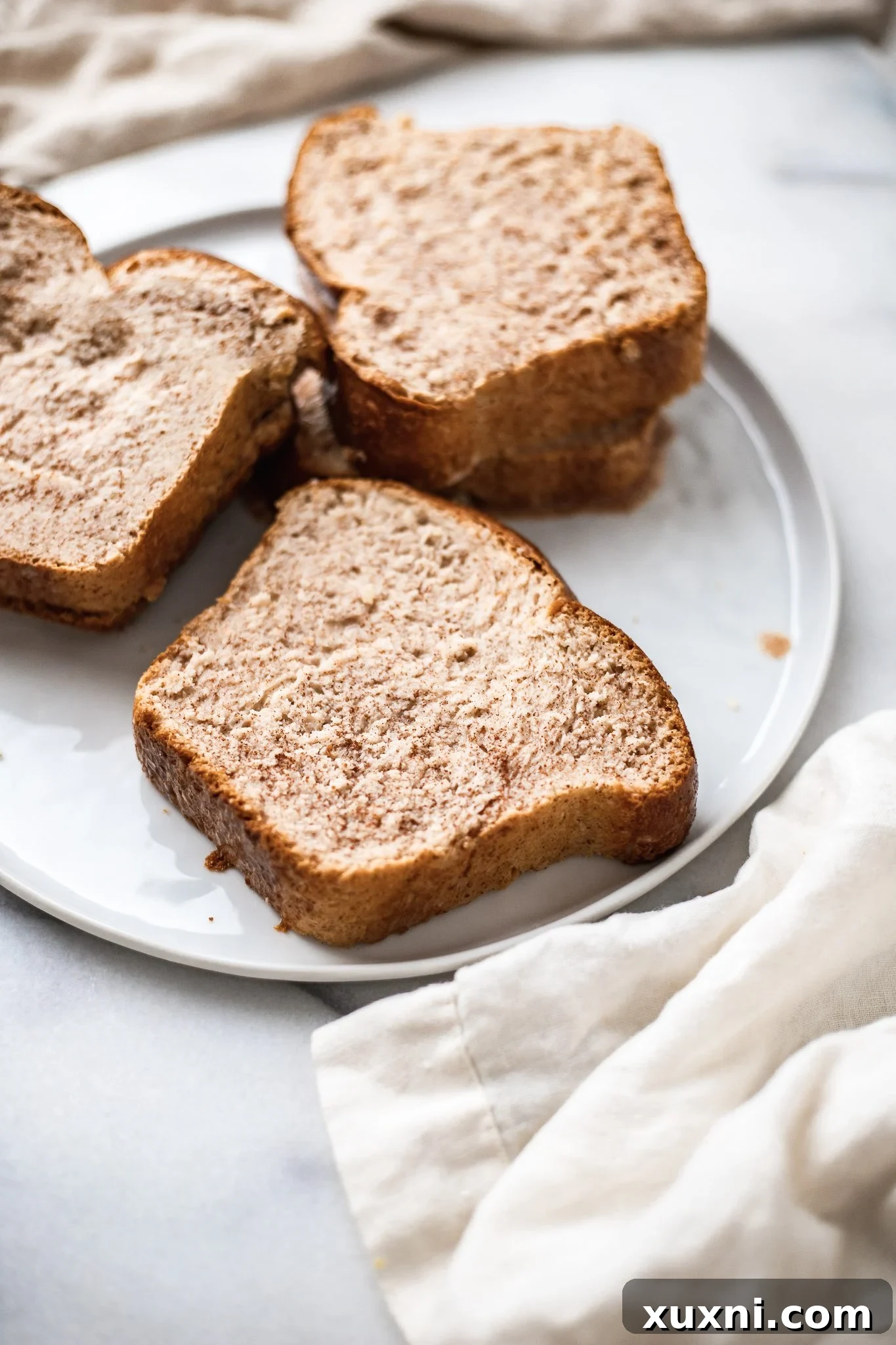
Generally, an enriched bread, such as Brioche or Challah, is ideal. Their slightly sweet, tender, and sturdy crumb holds up well to soaking the batter without disintegrating. However, don’t limit yourself! Ciabatta, sourdough, or even a good artisan loaf can make fantastic French toast. The most crucial factor, regardless of the bread type, is that it should be at least a day old, or even slightly stale.
Why stale bread? In France, French toast is known as *pain perdu*, which translates to “lost bread.” This tradition stems from using day-old or stale bread, which otherwise might go to waste. Stale bread is perfect because it has less moisture, allowing it to absorb the French toast batter like a sponge without becoming soggy. Fresh bread, with its higher moisture content, tends to become mushy and fall apart when soaked. So, embrace that slightly firm, day-old loaf for the best texture!
For those requiring a gluten-free option, ensure you use a high-quality vegan gluten-free bread. My personal favorite is Little Northern Bakehouse, known for its excellent texture and ability to stand up to soaking. You can also use my homemade gluten-free sandwich bread recipe for a truly fresh approach.
Overview: How to Make Vegan French Toast Taste Just Like the Classic
While the full, detailed instructions and ingredient measurements are provided in the recipe card below, let’s walk through the essential steps to achieve that perfect classic French toast experience.
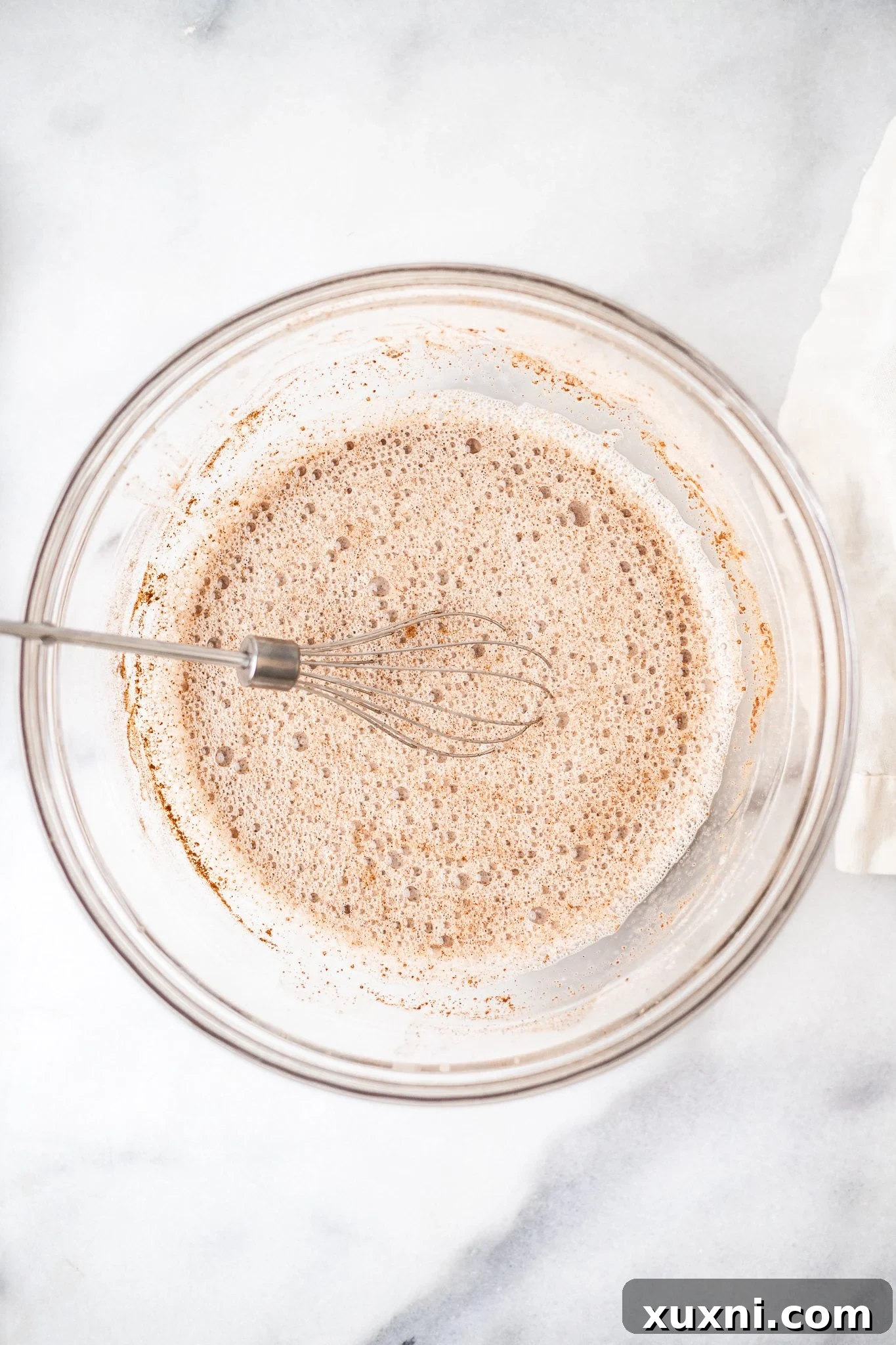
- Prepare the Batter: In a large mixing bowl, combine your chosen dairy-free milk, aquafaba, dairy-free yogurt, arrowroot powder, vanilla extract, and coconut sugar (or maple syrup), and cinnamon. Whisk these ingredients together vigorously until the mixture is completely smooth and well combined. This energetic whisking helps to fully dissolve the arrowroot and integrate all flavors, crucial for a consistent batter.
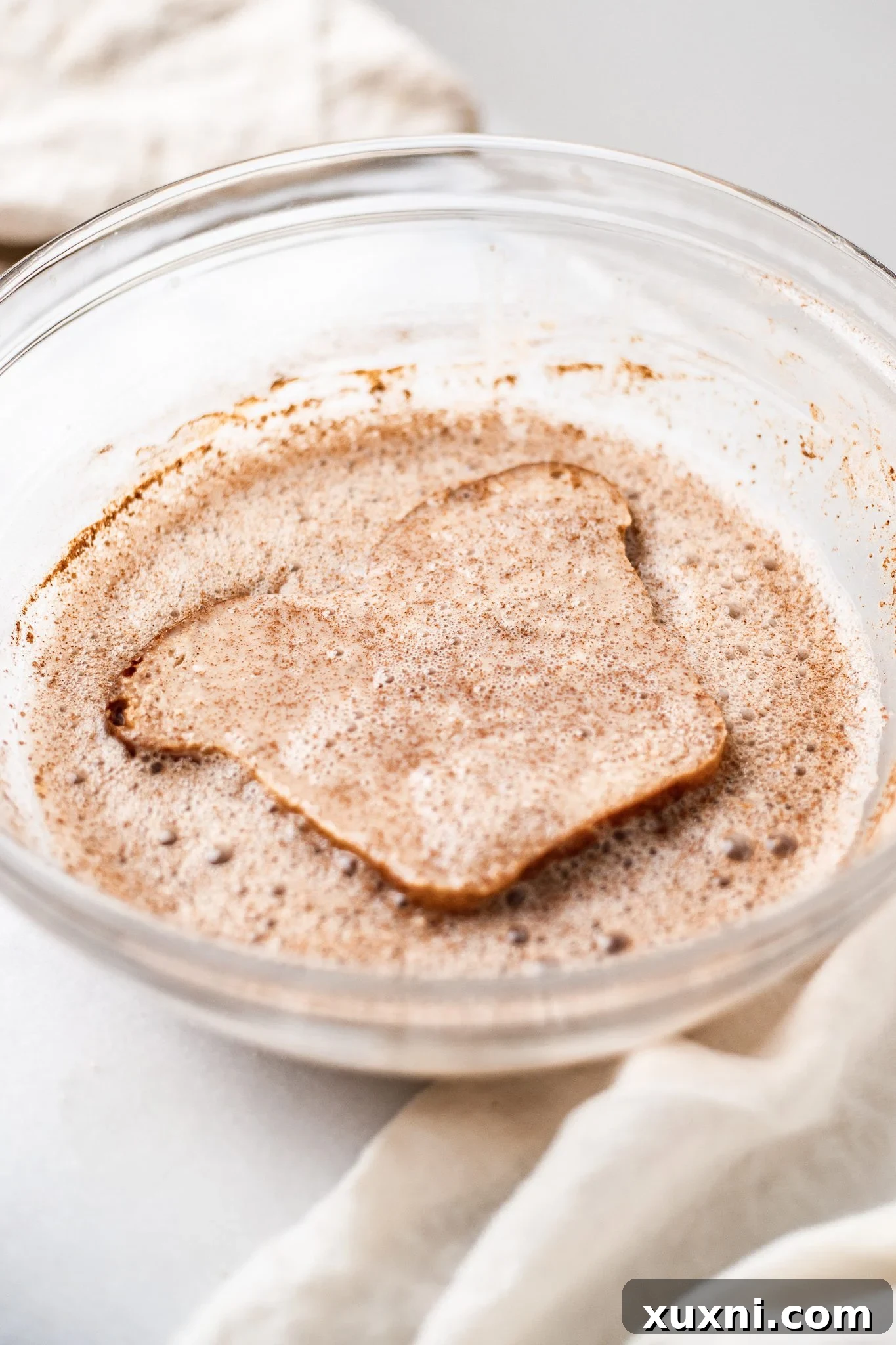
- Properly Soak the Bread: This step is key for achieving a custardy interior. Take one slice of bread and immerse it fully into the batter. Allow it to soak for a good 2-3 minutes. If you’re using particularly thick slices, extend the soaking time up to 10 minutes to ensure thorough absorption. The goal is for the bread to drink in the mixture, but not become oversaturated and fall apart. Flip the bread to ensure the other side soaks for another 2 minutes. This even saturation is vital for that desired texture.
- Cook to Golden Perfection: Heat a pancake griddle or a large skillet over medium heat. Add a tablespoon of coconut oil or vegan butter to lightly coat the cooking surface, ensuring a non-stick cooking environment and promoting a beautiful golden crust. Once the pan is hot, carefully place the soaked bread onto the skillet. Let it cook for approximately 2-3 minutes per side. You’re looking for a rich golden-brown color and a firm, cooked exterior. Don’t be afraid to press down lightly with your spatula to help sear the sides, creating those appealing crisp edges. If it doesn’t look like traditional French toast, give it a little longer – cooking times can vary based on bread thickness and pan temperature. Flip carefully and repeat the process on the other side until evenly golden and cooked through.
- Serve Immediately and Enjoy! Transfer the cooked French toast slices to a plate. For the best flavor and texture, serve them immediately with your favorite toppings.
Can You Prepare Vegan French Toast in Advance?
While you might be tempted to get a head start, I generally don’t recommend preparing this vegan French toast too far in advance for immediate consumption. It truly shines when enjoyed fresh off the griddle, when its exterior is perfectly crispy and its interior custardy and warm.
However, you absolutely *can* freeze cooked French toast for later! This is a fantastic meal prep hack. Simply allow the cooked slices to cool completely, then layer them with parchment paper in an airtight freezer-safe container or bag. They can be stored in the freezer for up to 3 months. When you’re ready to enjoy, simply reheat them in a toaster, toaster oven, or a lightly oiled skillet until warmed through and crispy. While freezing is great for convenience, remember that the texture won’t be quite as perfect as when served fresh.
On the other hand, preparing your bread in advance is highly recommended! For the best tasting vegan French toast, it’s ideal to use day-old bread, particularly an enriched loaf like brioche. This gives the bread a chance to slightly stale, which improves its ability to absorb the batter without becoming soggy. So, feel free to bake your brioche a day or two before you plan to make your French toast!
Pro Tips for Making the Ultimate Vegan French Toast
Elevate your vegan French toast from good to absolutely phenomenal with these expert tips:
- Always Use Day-Old or Stale Bread: As mentioned, this is paramount. Fresh bread has too much moisture and will turn mushy. Day-old bread, often referred to as *pain perdu* (lost bread) in France, is perfect because it eagerly soaks up the flavorful batter, restoring its moisture and creating that delightful custardy texture.
- Avoid Flaxseed or Chia Seed as Egg Replacements: For this specific recipe, I strongly advise against swapping in flaxseed or chia seeds. While they work as binders in some recipes, they tend to impart an undesirable aftertaste and often result in a gummy or grainy texture in French toast. Flaxseed can also leave tiny, visible specks in your otherwise smooth eggless toast. Our combination of aquafaba and dairy-free yogurt is truly the superior choice for a smooth, custardy finish.
- Experiment with Spices: Don’t hesitate to get creative with your spice blend! While cinnamon and vanilla are classic, you can easily adapt the flavor profile. For an autumnal twist, add a pinch of pumpkin puree and a dash of pumpkin pie spice blend. During the holidays, a mix of gingerbread spices can transform your French toast into a festive treat.
- Cornstarch is a Great Substitute for Arrowroot Powder: If you don’t have arrowroot powder on hand, cornstarch can be used as a 1:1 replacement. Both are excellent thickeners that contribute to the custard-like texture. I personally tend to stock arrowroot starch (which is interchangeable with arrowroot powder in name and function).
- For Gluten-Free Vegan French Toast: Simply swap in your favorite gluten-free vegan bread! My easy gluten-free bread recipe is a perfect choice, or you can opt for a high-quality store-bought gluten-free loaf like Little Northern Bakehouse.
- Proper Soaking Technique: Don’t rush the soaking process. Give each side of the bread ample time to absorb the batter, especially if using thick slices. This ensures the center cooks through and becomes wonderfully custardy, not dry. However, be mindful not to over-soak, which can lead to soggy bread.
- Don’t Overcrowd the Pan: Cook your French toast in batches to avoid overcrowding the skillet. Giving each slice enough space ensures even cooking and a good sear. Overcrowding can lower the pan temperature, leading to steamed rather than seared French toast.
- Storage and Reheating: Leftover slices are best stored frozen in an airtight container for up to 3 months. For easy reheating, place a piece of parchment paper between each slice. Reheat in a toaster, toaster oven, or a lightly oiled skillet over medium-low heat until heated through and crispy.
Irresistible Eggless French Toast Topping Ideas
The fun doesn’t stop after cooking! Elevate your vegan French toast with these fantastic topping suggestions:
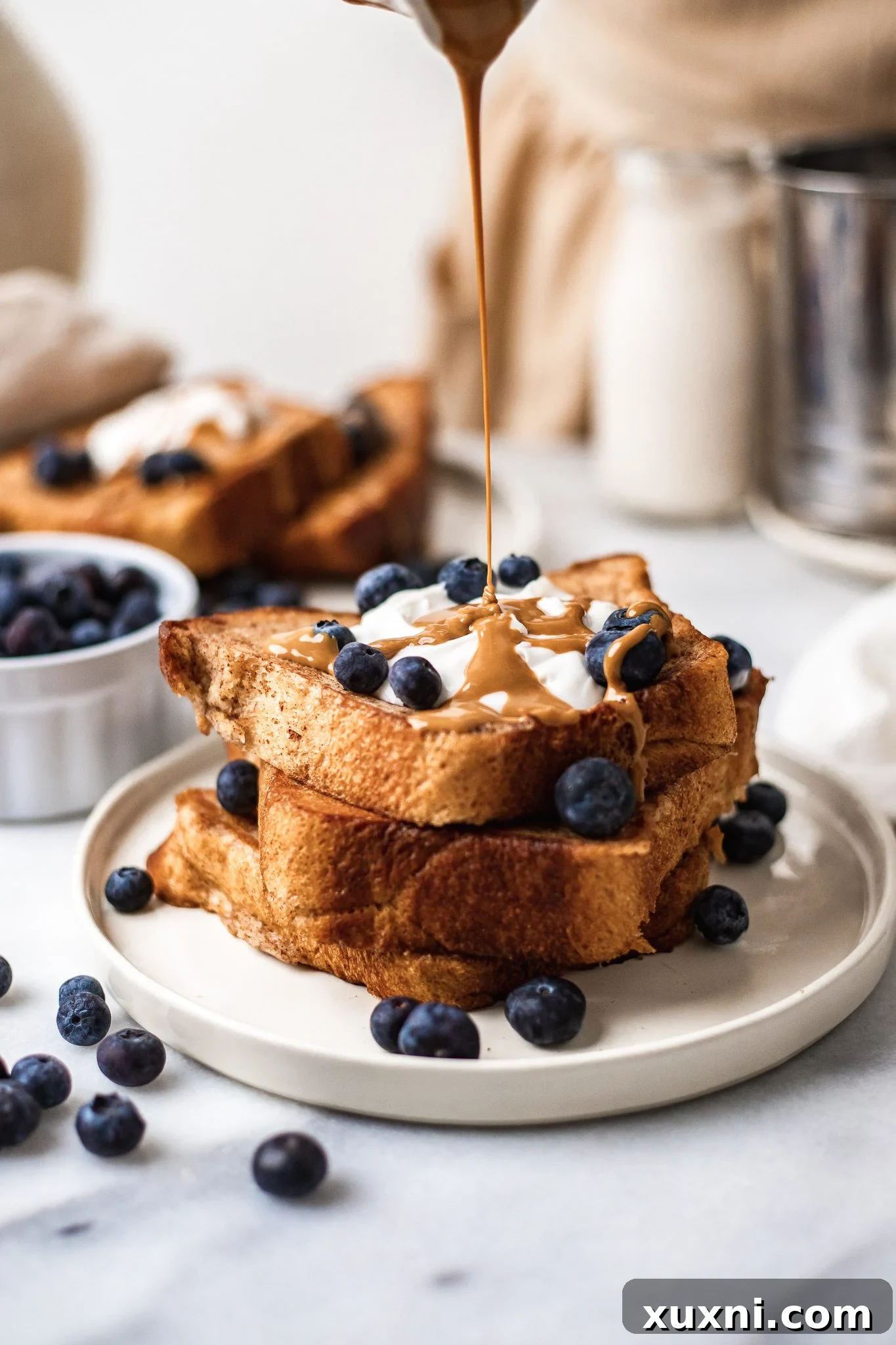
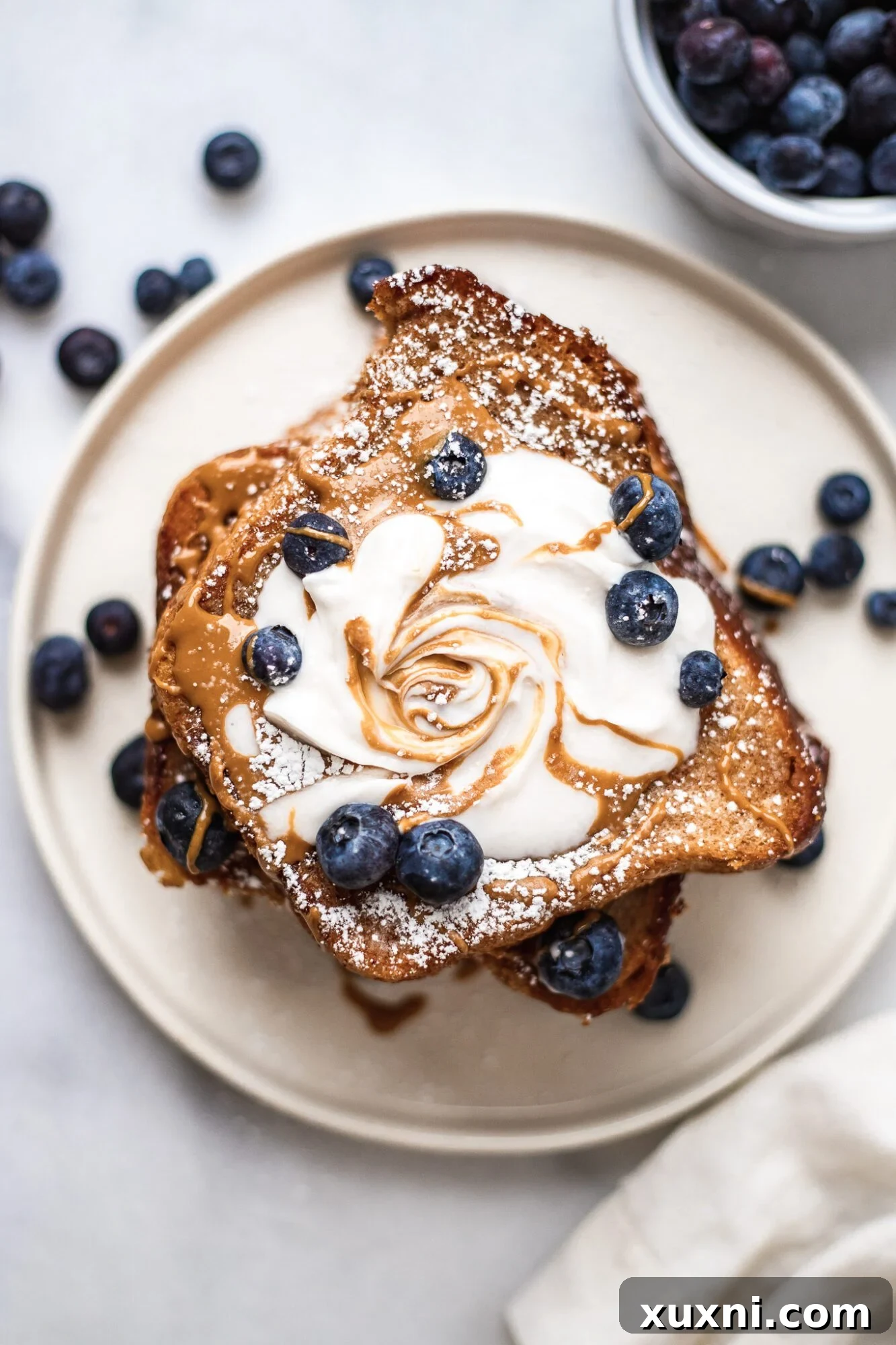
- Homemade Coconut Whipped Cream: Light, airy, and dairy-free!
- Fresh Berries: Blueberries, raspberries, strawberries – a vibrant burst of flavor and antioxidants.
- Sliced Banana: A classic pairing that adds natural sweetness and a creamy texture.
- Chocolate Chips: Melted over warm toast for a decadent touch.
- Pure Maple Syrup: The timeless classic, generously drizzled.
- Candied Walnuts, Pecans, or Toasted Seeds: For an added crunch and nutty flavor.
- Vegan Coconut “Bacon”: If you’re feeling adventurous and want a savory-sweet contrast.
- Drizzle of Biscoff Cookie Butter: For an incredibly unique and spiced sweetness.
- Nut Butters: Creamy peanut butter, almond butter, or cashew butter for protein and richness.
- Rich Vegan Chocolate Ganache: A truly indulgent option for chocolate lovers.
- Homemade Vegan Nutella: A healthier, plant-based hazelnut spread.
- Powdered Sugar: A simple, elegant dusting for a picture-perfect finish.
What to Serve Alongside Your Vegan French Toast
Turn your French toast into a complete brunch experience by pairing it with these delicious sides:
- Homemade Berry Compote: A warm, fruity sauce to complement the sweetness of the toast.
- Dairy-Free Yogurt: A dollop of plain or vanilla dairy-free yogurt adds a refreshing tang.
- Fresh Fruit Salad: A medley of seasonal fruits for a light and healthy accompaniment.
- Savory Quinoa or Tofu Scramble: For a balanced meal, pair your sweet French toast with a protein-packed savory dish like a fluffy tofu scramble or seasoned quinoa.
- Vegan Sausages or Bacon: Add a hearty, savory element to your breakfast spread.
- A Glass of Fresh Orange Juice or Coffee: The perfect beverage to complete your meal.
I have no doubt you’re going to fall head over heels for this vegan French toast recipe, just as much as I have. Its simplicity, incredible flavor, and perfect texture make it a standout plant-based breakfast. If you decide to give it a try, please be sure to leave a comment below and a rating ⭐️⭐️⭐️⭐️⭐️. Your feedback helps other passionate cooks discover and enjoy this delicious recipe.
As always, I absolutely love seeing your beautiful culinary creations! So, don’t forget to tag me on Instagram and Pinterest when you share your French toast masterpieces.
Happy French toasting!
More Delightful Vegan Breakfast Recipes:
Looking for more plant-based inspiration for your mornings? Explore these other healthy and delicious vegan breakfast ideas:
- Easy Vegan French Toast Casserole
- Fluffy Vegan Buttermilk Pancakes
- Gluten-Free Vegan Belgian Waffles
- Homemade Banana Bread Granola (Oil-Free!)
- Simple Vegan Overnight Oats
Save This Delicious Recipe for Later!
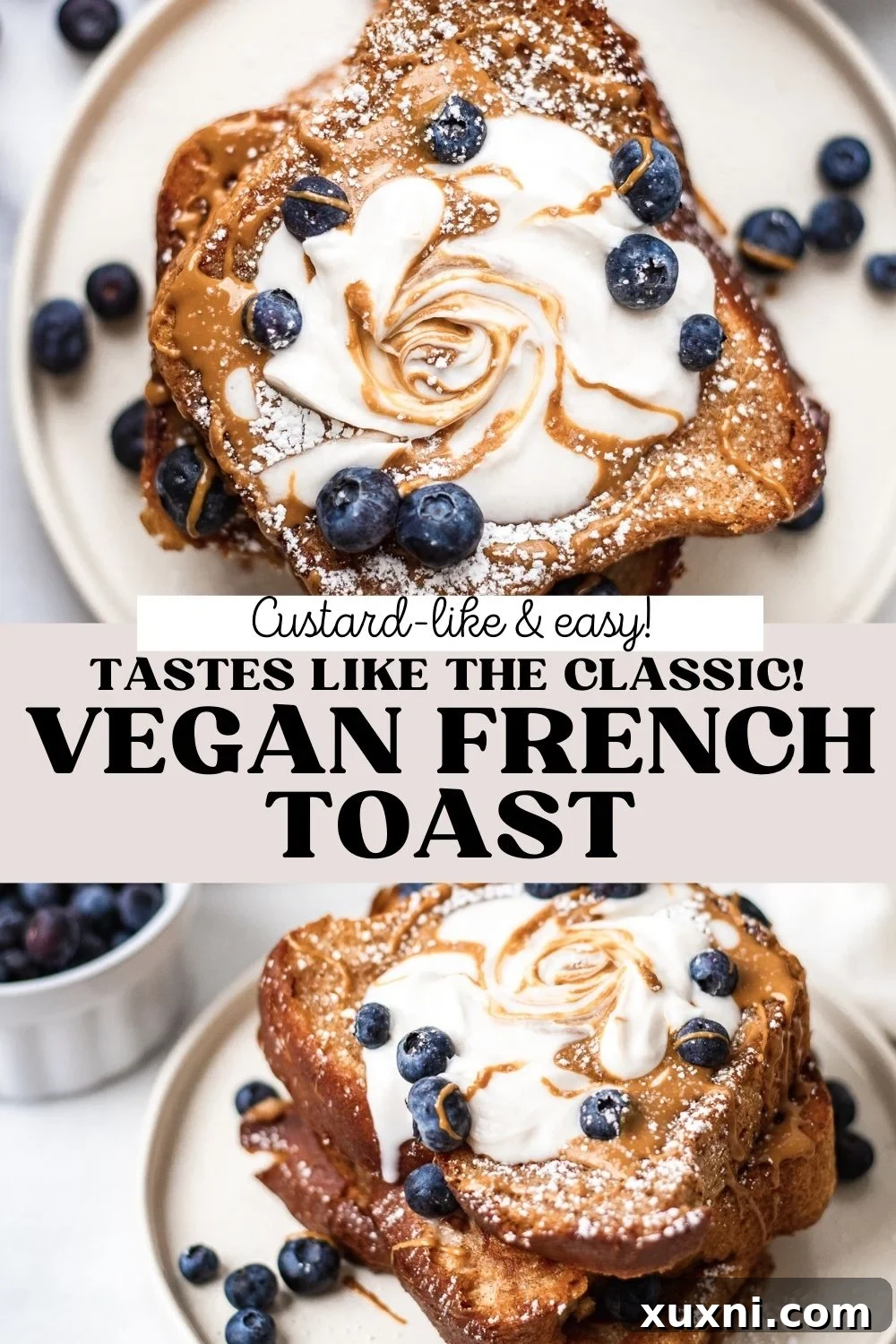
Don’t let this amazing recipe get lost! Add it to your favorite breakfast board on Pinterest so you can easily find it whenever a French toast craving strikes.
If you try this recipe, please be sure to leave a comment and a rating ⭐️⭐️⭐️⭐️⭐️ below. This simple action helps others discover and love the recipes! And as always, I absolutely adore seeing your beautiful creations on Instagram and Pinterest, so remember to tag me there as well!
Print
Quick & Easy Vegan French Toast (No Chia!)
5 Stars
4 Stars
3 Stars
2 Stars
1 Star
5 from 2 reviews
- Author: BRITT BERLIN
Prep Time: 5
Cook Time: 10
Total Time: 15 minutes
Yield: 4 1x
Category: Breakfast
Method: Stove
Cuisine: French
Diet: Vegan
Description
This vegan French toast recipe is light, fluffy, and so delicious — it’s the perfect classic plant-based breakfast! This recipe has just 8 ingredients — aquafaba is the star of the show! — and uses no refined sugar and no chia seeds. Ready within 15 minutes, top with coconut whipped cream and fresh berries and enjoy!
Ingredients
Scale
- 8 slices thick vegan bread, such as Brioche or Challah (GF as needed)
- 1 cup (240 mL) dairy free milk (like oat milk or coconut milk from the can)
- 1/3 cup (85 mL) aquafaba
- 1/4 cup (56 g) dairy free yogurt or unsweetened applesauce
- 2 tsp arrowroot powder
- 1 tbsp cinnamon
- 3 tbsp coconut sugar, maple syrup, or granulated sugar
- 1 tsp vanilla extract
- 1 tbsp coconut oil or vegan butter (for the pan)
- Toppings: fresh berries, coconut cream, maple syrup, cinnamon
Instructions
- In a large bowl, vigorously whisk together the dairy free milk, aquafaba, dairy free yogurt, arrowroot powder, cinnamon, sugar, and vanilla extract. Whisk until combined.
- Dip one slice of bread into the mixture and let it soak for at least 2 minutes (longer if you’re using thick bread- up to 10 minutes). Then flip and allow the other side to soak.
- While the bread is soaking, in a medium skillet or on a pancake griddle, heat the coconut oil or vegan butter on medium heat until melted.
- Place the soaking piece of bread onto the skillet and let cook for 2-3 minutes. If it needs longer to cook, give it another minute or two. Flip onto the other side and allow the bread to cook for 2 minutes.
- Remove the bread from the skillet and place onto a plate. Repeat for the remaining slices.
- Serve with coconut cream, cinnamon, maple syrup, berries, or any of your favorite toppings!
Notes
Bread: I recommend using vegan brioche bread for the best results.
Gluten free: I will update this post with the gluten free brioche bread version when it’s available! Stay tuned! You may also use vegan gluten free sandwich bread if you’d like.
Nutrition
- Serving Size: 1 slice
- Calories: 184
- Sugar: 11.2 g
- Sodium: 259.5 mg
- Fat: 2.2 g
- Carbohydrates: 32.5 g
- Protein: 1.1 g
- Cholesterol: 0.4 mg