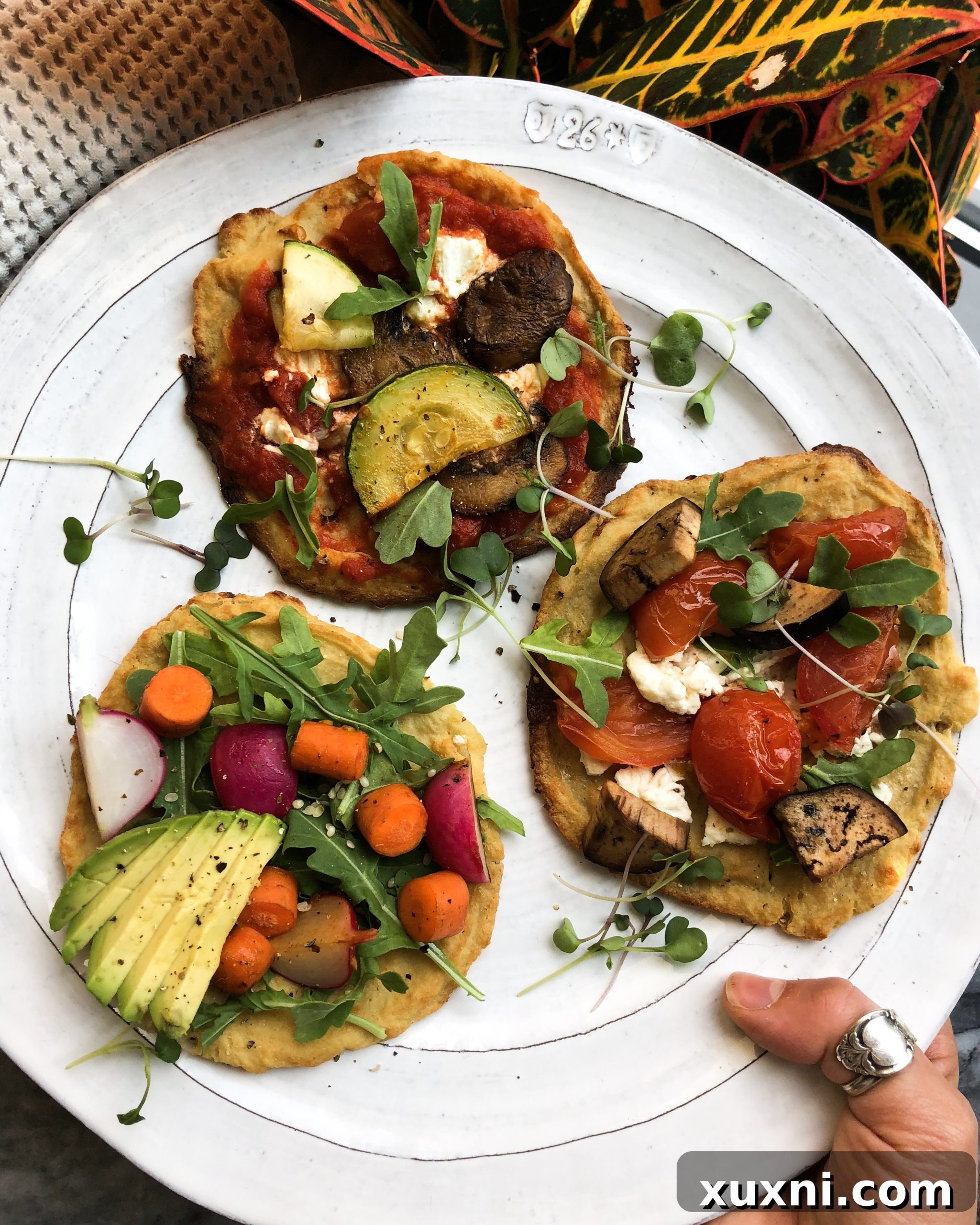
There are some culinary pairings that are simply irresistible, and for me, a delicious pizza with a perfectly chosen beverage is one of them. This past Saturday, after a wonderfully energetic day exploring the vibrant streets of Manhattan from its southern tip to its northern reaches and back again, my partner Jared and I returned home with an appetite that could only be satisfied by something truly comforting and profoundly delicious.
The creation of this particular pizza crust recipe was, I must admit, entirely spontaneous. It began with a simple idea, a flicker of inspiration in the kitchen, and very little expectation. As I gathered the ingredients, there was an element of hopeful experimentation, a belief that with a little culinary intuition, something good might emerge. To my delightful surprise, the outcome far exceeded any initial hopes I harbored; in fact, I was genuinely impressed with how incredibly well it turned out. This recipe transcended mere “good” and entered the realm of “exceptionally delicious.” I truly hope it brings you the same joy and satisfaction it brought us.
I chose to craft these into several mini pizza crusts, primarily because I enjoy the freedom of having a variety of toppings—a common dilemma for any pizza lover who wants to try “all the things!” However, rest assured that this versatile recipe works equally beautifully as a single large pizza pie, perfect for sharing (or not!). The truly remarkable aspect of this recipe lies in its inclusive nature: it’s entirely vegan, gluten-free, sugar-free, and dairy-free, catering to a wide range of dietary preferences and needs without compromising on flavor or texture. Moreover, it’s incredibly budget-friendly; based on my calculations, each individual pizza crust works out to be approximately $2.50. Wholesome, delicious food that aligns with your health goals and won’t break the bank? That’s a culinary win-win in my book!
Before we dive into the delicious details, I’d love to hear your thoughts on this recipe once you’ve tried it. Please share your feedback and experiences in the comments section below. And for all your beautiful culinary creations, don’t forget to tag @the_bananadiaries on Instagram and use the hashtag #iyamlove. You might just see your masterpiece featured in our weekly newsletter!
The journey to finding healthy yet satisfying alternatives to our favorite comfort foods can often be a long and winding one. For those who adore pizza but live with dietary restrictions or simply seek lighter, plant-based options, cauliflower crust pizza has become a revolutionary staple. It’s not just a substitute; it’s a delightful culinary experience in its own right, offering a surprisingly sturdy, flavorful base that crisps up beautifully in the oven.
Why Choose a Vegan Cauliflower Pizza Crust?
There are numerous compelling reasons to embrace this incredible vegan cauliflower pizza crust. Beyond its delicious taste and satisfying texture, it offers a wealth of benefits that cater to a modern, health-conscious lifestyle:
- Dietary Inclusivity: This recipe is a game-changer for individuals with various dietary needs. Being naturally gluten-free, it’s perfect for those with celiac disease or gluten sensitivities. Its dairy-free and vegan nature makes it suitable for plant-based eaters and those with dairy allergies or intolerances. Plus, it’s sugar-free, contributing to a healthier overall diet.
- Nutrient-Rich: Cauliflower is a nutritional powerhouse. It’s low in calories and carbohydrates, yet packed with essential vitamins and minerals, including Vitamin C, Vitamin K, and folate. Incorporating it into a pizza crust boosts your vegetable intake in a fun and appealing way.
- Fiber-Packed: Thanks to the cauliflower, this crust provides a good source of dietary fiber, which is crucial for digestive health, helps regulate blood sugar levels, and contributes to a feeling of fullness, making this pizza surprisingly satisfying.
- Weight Management Friendly: Compared to traditional flour-based crusts, cauliflower crusts are significantly lower in calories and carbs, making them an excellent choice for anyone monitoring their intake or aiming for weight management without feeling deprived of their favorite foods.
- Versatility: While the base is humble, it serves as a fantastic canvas for a myriad of toppings. From classic marinara and vibrant vegetables to gourmet plant-based cheeses and protein-rich additions, the possibilities are endless.
- Cost-Effective: As mentioned, this recipe is incredibly economical. Making your own crust from scratch, especially with affordable ingredients like cauliflower and chickpea flour, can save you a substantial amount compared to store-bought specialty crusts or restaurant pizzas.
The Magic Behind the Ingredients: A Closer Look
Each ingredient in this simple recipe plays a crucial role in creating the perfect vegan cauliflower pizza crust. Understanding their function can help you appreciate the magic that happens in your kitchen:
- Steamed Cauliflower: The star of the show! Steaming the cauliflower until tender is key to achieving a smooth puree, which forms the bulk of the crust. It provides the texture, moisture, and nutritional benefits.
- Sprouted & Organic Chickpea Flour: This is our primary binder and provides structural integrity. Chickpea flour (also known as gram flour or besan) is naturally gluten-free, high in protein, and helps the crust hold together without crumbling. Using sprouted and organic varieties often means better nutrient absorption and purity.
- Organic Coconut Flour: A small amount of coconut flour is added for its incredible absorbent properties. It helps soak up any excess moisture from the cauliflower, preventing a soggy crust, and contributes to a firmer, crispier texture without adding a strong coconut flavor.
- Pinch of Sea Salt & Pepper: Essential flavor enhancers. Sea salt brings out the natural sweetness of the cauliflower and balances the other flavors, while a touch of black pepper adds a subtle warmth and depth. Feel free to adjust to your taste, or even add other herbs and spices for a unique flavor profile.
Choosing high-quality, organic ingredients not only enhances the flavor but also ensures you’re putting the best possible fuel into your body. This recipe proves that healthy eating doesn’t have to be bland or complicated.
Tips for Cauliflower Pizza Crust Success
While this recipe is straightforward, a few key tips can elevate your cauliflower pizza crust from good to absolutely outstanding:
- Don’t Over-Steam the Cauliflower: Steam until it’s fork-tender but not mushy. Over-steaming can lead to excessive moisture, which is the enemy of a crispy crust.
- Thoroughly Drain and Dry: This is arguably the most critical step. After steaming, allow the cauliflower to cool slightly. Then, using a clean kitchen towel or cheesecloth, squeeze out as much excess water as humanly possible. The drier the cauliflower, the crispier your crust will be. This can take a bit of effort but is absolutely worth it.
- Achieve the Right Dough Consistency: The dough should be firm enough to shape but not too dry or crumbly. If it feels too wet, add a tiny bit more chickpea flour; if too dry, a very small splash of water (start with a teaspoon) can help.
- Uniform Thickness: When shaping your crusts, aim for an even thickness. This ensures they cook evenly and prevents some parts from being undercooked or overcooked. For crispier edges, you can make the center slightly thinner.
- Pre-Baking is Key: Don’t skip the initial bake without toppings! This step allows the crust to firm up and become golden, providing a stable base for your sauce and toppings.
- Parchment Paper vs. Foil: While the recipe suggests foil with coconut oil, parchment paper is often a fantastic non-stick alternative for cauliflower crusts, ensuring easy removal without sticking.
With these tips in mind, you’re well on your way to crafting a truly magnificent vegan cauliflower pizza crust!
Print

The Ultimate Vegan Cauliflower Pizza Crust: Crispy, Gluten-Free & Delicious
5 Stars 4 Stars 3 Stars 2 Stars 1 Star
5 from 2 reviews
Prep Time: 20 minutes
Cook Time: 20 minutes
Total Time: 40 minutes
Yield: 1 1x
Category: Main Course, Appetizer
Cuisine: American, Italian, Healthy
Ingredients
Scale
- 1.5 cups steamed cauliflower, thoroughly drained and squeezed dry
- 1/3 cup sprouted & organic chickpea flour
- 1 tsp organic coconut flour
- Pinch of Sea Salt & Freshly Ground Black Pepper (to taste)
- Optional: 1/2 tsp garlic powder, 1/2 tsp onion powder, 1/4 tsp dried oregano for extra flavor
Instructions
- Prepare the Oven and Baking Sheet: Begin by preheating your oven to 350°F (175°C). Line a baking sheet with parchment paper or tin foil, and lightly grease it with a little coconut oil or cooking spray. This crucial step prevents the delicate crust from sticking, ensuring a smooth transfer later.
- Process the Cauliflower: Take your thoroughly steamed and well-drained cauliflower (remember, the drier, the better!). Place it into a food processor and blend until it transforms into a thick, creamy, and smooth consistency. You want it to resemble a fine, uniform “cream sauce” with no large chunks remaining. This texture is vital for a cohesive crust.
- Form the Dough: Transfer the pureed cauliflower into a large mixing bowl. Add the chickpea flour, coconut flour, sea salt, and freshly ground black pepper. If using, incorporate any optional spices like garlic powder, onion powder, or dried oregano at this stage. Mix all the ingredients thoroughly with your hands or a sturdy spatula until a consistent, pliable dough forms. It should be firm enough to handle without being excessively sticky.
- Shape the Crusts: On the prepared baking sheet, take portions of the dough and gently shape them into small, round pizza circles. Aim for an even thickness, approximately 1/4 to 1/2 inch thick, to ensure even cooking and optimal crispiness. Continue this process until all of the dough is used. For a single large pizza, simply spread the entire dough mixture evenly into one large circle.
- First Bake for Firmness: Carefully place the baking sheet into the preheated oven. Bake for approximately 20 minutes, or until the edges of the crusts begin to turn golden brown and feel firm to the touch. This initial bake is essential for drying out the crust and giving it structural integrity before adding toppings.
- Top and Finish Baking: Remove the par-baked crusts from the oven. Now comes the fun part: generously top them with your favorite vegan pizza sauce, plant-based cheese, and an array of fresh vegetables or other desired toppings. Return the pizzas to the oven and cook for an additional 5-7 minutes, or until the cheese is melted and bubbly, and the toppings are heated through. Keep an eye on them to prevent burning.
Delicious Vegan Topping Inspirations
Once your cauliflower crust is ready, the possibilities for toppings are endless! Here are some ideas to inspire your next pizza night:
- Classic Margherita: A simple spread of vegan marinara sauce, fresh basil leaves, and dollops of vegan mozzarella.
- Mediterranean Delight: Hummus as a base, topped with sun-dried tomatoes, Kalamata olives, red onion, artichoke hearts, and a sprinkle of vegan feta.
- BBQ Chickpea: A smoky BBQ sauce base, roasted chickpeas, thinly sliced red onion, and fresh cilantro.
- Pesto Paradise: A vibrant vegan pesto instead of red sauce, topped with cherry tomatoes, spinach, and pine nuts.
- Spicy Veggie Lovers: Marinara, bell peppers, mushrooms, zucchini, jalapeños, and a generous sprinkle of red pepper flakes.
Storage and Reheating Tips
Got leftovers? Here’s how to keep your vegan cauliflower pizza delicious:
- Storage: Store cooled leftover pizza in an airtight container in the refrigerator for up to 3-4 days.
- Reheating: For the best results, reheat slices in a preheated oven at 350°F (175°C) for about 5-10 minutes, or until warmed through and the crust is crispy again. A toaster oven or air fryer also works wonderfully for individual slices. Avoid the microwave if you want to maintain crispiness.
Frequently Asked Questions (FAQ)
Here are answers to some common questions about making cauliflower pizza crust:
- My crust is soggy. What went wrong? The most common culprit for a soggy crust is excess moisture in the cauliflower. Ensure you squeeze out as much water as possible after steaming. Also, pre-baking the crust adequately before adding toppings is crucial.
- Can I use frozen cauliflower? Yes, you can! Just make sure to thoroughly thaw it first, and then steam it and squeeze out *even more* water, as frozen cauliflower tends to retain more moisture than fresh.
- Can I prepare the dough ahead of time? You can prepare the cauliflower puree and mix the dry ingredients separately. However, it’s best to mix the wet and dry components and form the crusts just before baking for the freshest results. Unbaked crusts might soften if left too long.
- How do I get my crust extra crispy? Aside from draining moisture, using a pizza stone or an inverted baking sheet (preheated in the oven) can help achieve a crispier bottom. Baking directly on the oven rack for the last few minutes can also help, but watch carefully.
- Can I add other spices to the crust? Absolutely! Feel free to experiment with your favorite herbs and spices, such as Italian seasoning, dried rosemary, or a pinch of nutritional yeast for a cheesy flavor.
This Vegan Cauliflower Pizza Crust is more than just a recipe; it’s an invitation to enjoy your favorite comfort food in a healthier, more inclusive way. It’s a testament to how simple, wholesome ingredients can come together to create something truly spectacular that everyone can enjoy. Whether you’re adhering to specific dietary guidelines or simply looking to add more vegetables to your diet, this recipe offers a delicious solution.