
The Ultimate Guide to Perfect Vegan Royal Icing with Aquafaba
Unlock the secret to flawlessly decorated vegan treats with this incredible royal icing recipe! Crafted exclusively with aquafaba (chickpea brine) and powdered sugar, this plant-based marvel mimics the classic royal icing in every way – from its smooth application to its impeccable, hard-setting finish. Say goodbye to raw eggs and complicated ingredients; this simple, two-ingredient wonder is about to become your go-to for all your vegan baking decorations.

Discover the Only Vegan Royal Icing Recipe You’ll Ever Need
So, you’ve perfected your favorite vegan sugar cookie recipe, and now comes the exciting part: decorating them! If you’ve been searching for a vegan royal icing that performs just like its traditional counterpart, your quest ends here. This recipe is not just easy; it’s a game-changer for anyone looking to create beautiful, dairy-free, and egg-free edible art.
What makes this recipe truly stand out? It requires only two readily available ingredients – a can of chickpeas and powdered sugar – making it an accessible option for every home baker. Beyond decorating sugar cookies and gingerbread cookies, this versatile icing can be used for elaborate projects, such as constructing a sturdy and delicious vegan gingerbread house. Forget the need for agave, corn syrup, or specialty meringue powders. This aquafaba-based royal icing delivers a beautiful, hard-setting finish that is incredibly easy to work with.
In this comprehensive guide, we’ll delve into everything you need to know: from mastering the perfect icing consistencies and selecting vegan-friendly colors to applying professional decorating techniques. Prepare to transform your vegan baked goods into stunning masterpieces!
Simple Ingredients for an Extraordinary Vegan Royal Icing
You might be surprised by the simplicity and effectiveness of this vegan royal icing. The magic truly lies in just two core ingredients:
- Vegan Powdered Sugar: Ensure your powdered sugar is vegan-friendly. Some conventional brands may use bone char in their refining process. Look for brands explicitly labeled vegan or organic, as these typically avoid bone char. Powdered sugar is essential for both sweetness and structure, providing the fine texture needed for smooth icing.
- Aquafaba (Chickpea Brine): This liquid gold, drained from a can of chickpeas, is the star of our show. It acts as a phenomenal vegan egg white substitute, providing the necessary protein and starch structure for the icing to whip up and set firmly. Don’t discard those chickpeas – save them for delicious salads, hummus, or even flourless chickpea brownies!
For an added layer of flavor, you can also incorporate a teaspoon of pure vanilla extract. While optional, it enhances the overall taste of your decorated cookies.
A Note on Aquafaba: Sourcing and Safety
There’s occasionally some discussion around the health implications of aquafaba, particularly when sourced from canned chickpeas. While it’s an incredible vegan egg replacement, some express concern about potential BPA lining in cans. To mitigate this, consider sourcing your aquafaba from jarred chickpeas, which are less likely to contain BPA. Alternatively, for the most natural approach, you can even make your own aquafaba from scratch by cooking dried chickpeas. For the purpose of royal icing, the amount of aquafaba used is relatively small, and it’s not consumed in large quantities directly, making it a perfectly safe and effective ingredient for your baking projects.
Once you’ve gathered these simple ingredients, you’re ready to embark on the journey of creating your perfect vegan royal icing.
Essential Decorating Tools for Professional Results
To ensure a smooth and enjoyable decorating experience, having the right tools on hand is key. Here’s what you’ll need to transform your cookies into edible works of art:
- Your favorite baked and cooled vegan sugar cookies: The foundation of your masterpiece! Ensure they are completely cool to prevent the icing from melting or running.
- Cookie Cutters: Unleash your creativity with a variety of shapes. Think festive designs like snowmen, snowflakes, Santa hats, reindeer, stars, or any shape that inspires you.
- Freshly Prepared Vegan Royal Icing: Made precisely according to the recipe instructions.
- Piping Bags & Tips (Optional but Recommended): While you can achieve great results by simply snipping the end of a piping bag for basic outlines, a set of small round piping tips (e.g., Wilton 1, 2, or 3) offers more precision and allows for intricate details.
- Toothpick or Scribe Tool: An invaluable tool for spreading flooding icing into corners, popping air bubbles, and creating marbled or intricate designs.
- Vegan-Friendly Food Colors: Essential for adding vibrant hues to your icing. (More details on specific brands and types below).
- Vegan-Friendly Sprinkles: Add a festive touch with sprinkles. Always double-check labels, as many sprinkles contain confectioner’s glaze (shellac) or carmine, which are not vegan.
Once you’ve assembled all your supplies, you’re ready to dive into the wonderful world of cookie decorating!
Mastering the 2 Key Consistencies for Royal Icing Success
Achieving perfectly decorated sugar cookies hinges on understanding and preparing two distinct royal icing consistencies: border (or outlining) and flooding. Each plays a crucial role in creating crisp, defined designs and smooth, even fills.
1. Border & Decorating Consistency: This is a thicker vegan royal icing, designed to hold its shape. When dropped from a spoon, it should fall slowly, maintaining a defined trail for a few seconds before blending back into the main mixture. It should be thick enough to pipe crisp lines without spreading, yet fluid enough to flow smoothly from your piping bag. This consistency is used to create the outer boundaries of your designs, acting as a dam to contain the thinner flooding icing, and for piping intricate details that need to stand tall and distinct.
2. Flooding Consistency: In contrast, flooding consistency is thinner and more fluid. When dropped from a spoon, it should drip easily and quickly, yet it shouldn’t be watery. It should settle back into the mixture within 5-10 seconds. This consistency is specifically used to fill in the areas outlined by the border icing, creating a smooth, even surface. You can achieve this by gradually adding small amounts of additional aquafaba or drops of water to your border consistency icing, mixing thoroughly until the desired flow is reached. A crucial tip: always reserve some of your border consistency icing before thinning it for flooding, especially if you plan to pipe more details later in the same color.

How Long Does Vegan Royal Icing Take to Set and Harden?
Just like traditional royal icing, patience is a virtue when it comes to drying your vegan royal icing. For the icing to fully harden and become stackable without damage, you’ll need approximately 8 hours, or ideally, an overnight rest in a cool, dry area. This allows the moisture to evaporate completely, resulting in a durable, non-breakable finish.
While the first layer of hardened sugar will typically appear within about 15 minutes of decorating, making the cookies enjoyable for immediate consumption, waiting the full 8 hours is highly recommended if you plan to store them in a cookie box, stack them, or transport them without risk of smudging or breakage.
Can Refrigeration or Freezing Speed Up the Drying Process?
It’s a common misconception that refrigeration or freezing can accelerate the drying of royal icing. In reality, introducing moisture or extreme cold can adversely affect the icing. Refrigeration or freezing can disrupt the moisture levels, potentially causing the colors to bleed, the icing to dry unevenly, or even prevent it from fully hardening, leading to a sticky or strange texture. For the best results, always allow your decorated cookies to air dry at room temperature in a low-humidity environment. Patience truly is the key to achieving perfectly set vegan royal icing!
Exploring Vegan Food Coloring Options for Vibrant Decorations
One of the challenges in vegan sugar cookie decorating can be finding truly vegan food colorings, as many common brands use animal-derived ingredients like carmine (crushed cochineal insects) or red dyes derived from beetles. However, the market for plant-based options has grown significantly, making it easier than ever to achieve a full spectrum of vibrant hues.
Here are some excellent vegan food coloring ideas:
- Vegan Gel Food Colorings: These are highly concentrated and produce vivid colors without adding excess liquid, which is crucial for royal icing consistency. Brands like Ann Clark’s gel food colorings are certified vegan and a personal favorite for their intense colors and ease of use. Go Supernatural! is another fantastic option, offering colors derived from natural sources like beets, turmeric, and purple cabbage. The Whole Foods 365 brand also offers a reliable vegan gel food coloring. While some specialty vegan gels can be pricier, brands like Nomeca often provide excellent vegan-friendly options at a more accessible price point (always check current ingredients, as formulas can change).
- Using Natural Food Powders: For a more natural approach, culinary powders can double as food coloring. Options include:
- Turmeric: For bright yellows and oranges.
- Beetroot powder: For various shades of pink and red.
- Matcha powder: For earthy greens.
- Blue Spirulina powder: For stunning blues.
- Activated charcoal: For deep blacks and grays.
Brands like Love Beets, Suncore Foods, and Bare Organics offer a wide array of high-quality food powders that are perfect for natural coloring. Keep in mind that natural powders might yield slightly more muted or earthy tones compared to synthetic gels.
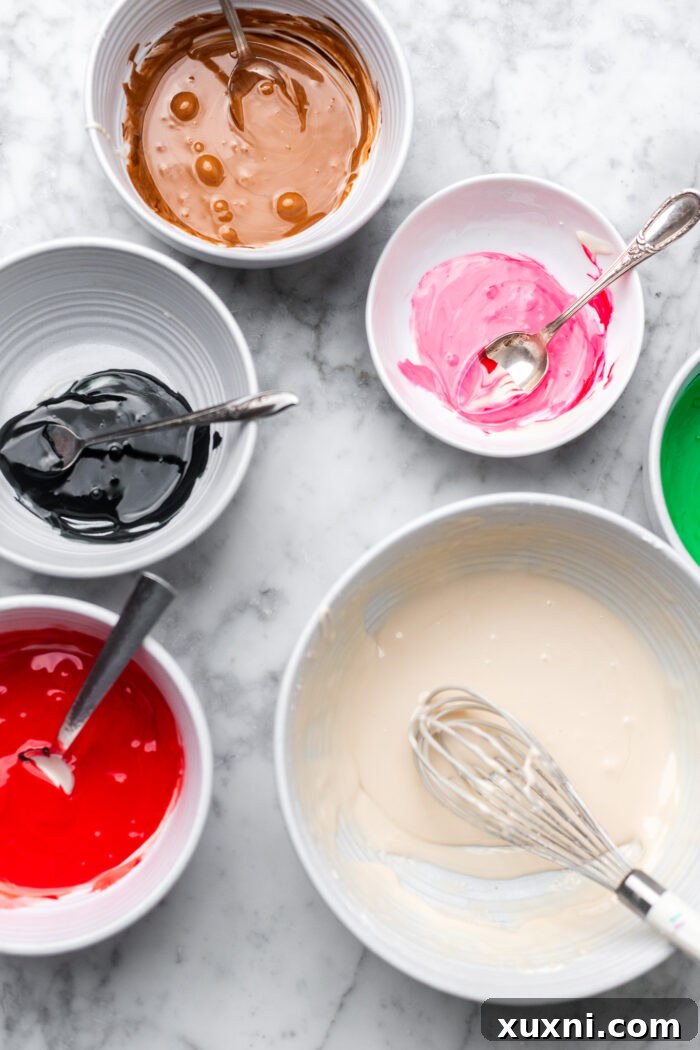
When working with multiple colors for your sugar cookies, remember that you’ll need both a border consistency and a flooding consistency for *each* color. A smart tip: start by preparing the border consistency for all your desired colors. Once you’ve piped all your borders, you can then thin down a portion of each border icing to create the flooding consistency for that same color. This method helps to conserve bowls, minimize waste, and maintain a tidier workspace.

A Step-by-Step Guide to Decorating Vegan Sugar Cookies
Now for the most satisfying part: bringing your vegan sugar cookies to life with beautiful decorations! Follow these steps for professional-looking results:
Before You Begin: Ensure Cookies are Completely Cool
This step is absolutely critical! Your vegan sugar cookies must be completely cool to the touch before you apply any royal icing. Warm cookies will cause the icing to melt, spread, and run, ruining your intricate designs. To speed up the cooling process, transfer baked cookies to a wire cooling rack and, if desired, place them in the refrigerator for a few minutes until thoroughly chilled. Once cool, you’re ready to start decorating!
Step 1: Create the Icing Border
Begin by piping a border around the edge of your sugar cookie using the thicker, border-consistency royal icing. This outline will act as a barrier to hold the thinner flooding icing in place. If your design involves multiple colors (e.g., a white snowman body and a blue hat), prepare separate batches of border consistency icing for each color.
For piping, a common technique is to use a small round piping tip for precision. However, for a cleaner, fine line, many decorators find success by simply filling a piping bag with icing and snipping a very small piece off the tip of the bag with scissors. Practice on a piece of parchment paper first to get a feel for the pressure and flow.
Crucial Tip: As you work, always keep any unused royal icing covered with a damp paper towel or plastic wrap. This prevents it from hardening prematurely in the bowl or piping bag.
Step 2: Flood the Sugar Cookies
Once you’ve piped all your borders, allow them to set for about 10-15 minutes. This brief drying time ensures the border is firm enough to contain the flood icing. While the borders are setting, prepare your flooding consistency icing by thinning a portion of each border icing with additional aquafaba or water until it flows smoothly (receding within 5-10 seconds when dropped from a spoon).
Carefully pipe a small amount of the flooding icing into the center of the outlined area. Use a toothpick or scribe tool to gently push the icing to the edges of the border, ensuring a smooth, even fill and popping any small air bubbles that may appear. Avoid overfilling, as this can cause the icing to overflow the border.
Step 3: Add Sprinkles and Intricate Details (Optional)
If you plan to add vegan-friendly sprinkles, do so immediately after flooding, while the icing is still wet. This allows the sprinkles to adhere securely. Once the flood layer has set for about 15 minutes (it will be firm to the touch), you can pipe additional details on top, such as scarves, facial features, or decorative patterns, using the thicker border consistency icing. This layering creates beautiful depth and dimension.

Vegan Royal Icing Recipe
Want to save this recipe for later? Pin it to your favorite recipe board on Pinterest!
Print Recipe

Perfect Vegan Royal Icing with Aquafaba
5 from 2 reviews
- Author: Britt Berlin
- Prep Time: 5 minutes
- Total Time: 5 minutes
- Yield: 35 cookies
- Category: Dessert
- Method: Baking
- Cuisine: American
- Diet: Vegan
Description
Using just aquafaba (chickpea brine) and powdered sugar, you can create the most perfect vegan royal icing that decorates and sets just like the classic – SO easy and no raw eggs required!
Ingredients
- Your favorite vegan sugar cookie recipe
- 4 cups powdered sugar
- 5–6 tbsp aquafaba (chickpea brine)
- 1 tsp vanilla extract (optional)
- Plant-based food coloring*
Instructions
- Prepare Cookies: Bake your sugar cookies in your desired shapes and allow them to cool completely on a wire rack. This is crucial for the icing to set properly.
- Make Border Royal Icing: In a medium bowl, combine 4 cups of powdered sugar with 2-3 tablespoons of aquafaba. Mix thoroughly until a thick, paste-like consistency is achieved. It should be thick enough to hold its shape when piped but still flow smoothly. If making multiple colors, divide this icing into separate bowls and mix in your desired plant-based food coloring for each. Spoon the border icing into a piping bag and snip a very small hole at the tip. Pipe a clean, continuous border around the perimeter of each cookie, creating a dam to contain the thinner flooding icing.
- Cover Unused Icing: Always cover any unused border icing (in bowls or piping bags) with a damp paper towel or plastic wrap. This prevents it from drying out and hardening.
- Create Flooding Royal Icing: After piping the borders, allow them to set for 10-15 minutes. While they set, take the remaining border icing (or portions of each colored border icing) and gradually add an additional tablespoon (or more, drop by drop) of aquafaba. Mix until the icing reaches a flooding consistency – it should drip easily from a spoon and level itself out within 5-10 seconds. Spoon this thinner icing into a fresh piping bag, snip the tip, and gently fill the outlined areas of your cookies. Use a toothpick or scribe tool to gently spread the icing to the edges and pop any air bubbles.
- Add Details & Sprinkles: Allow the flood icing to set for approximately 15 minutes before piping any additional details (like scarves, facial features, or mittens) on top. If adding vegan-friendly sprinkles, do so immediately after flooding while the icing is still wet.
- Final Drying and Storage: After all decorating is complete, allow the cookies to air dry undisturbed at room temperature. While a first layer will harden in about 15 minutes, for full hardness and stackability, let the cookies dry for at least 8 hours, or preferably overnight, lightly covered. Once completely dry, they can be safely packed into cookie boxes for gifting or storage.
Notes
*For plant-based food coloring: We recommend Ann Clark’s gel food colorings for vibrant, easy-to-use liquid colors. Other excellent vegan options include Go Supernatural! and Whole Foods 365 brand food colorings, which often use natural fruit and vegetable extracts for their hues.