This post contains affiliate links. By clicking on a product link and making a purchase, I may receive a commission at no extra cost to you. Thank you for supporting The Banana Diaries!
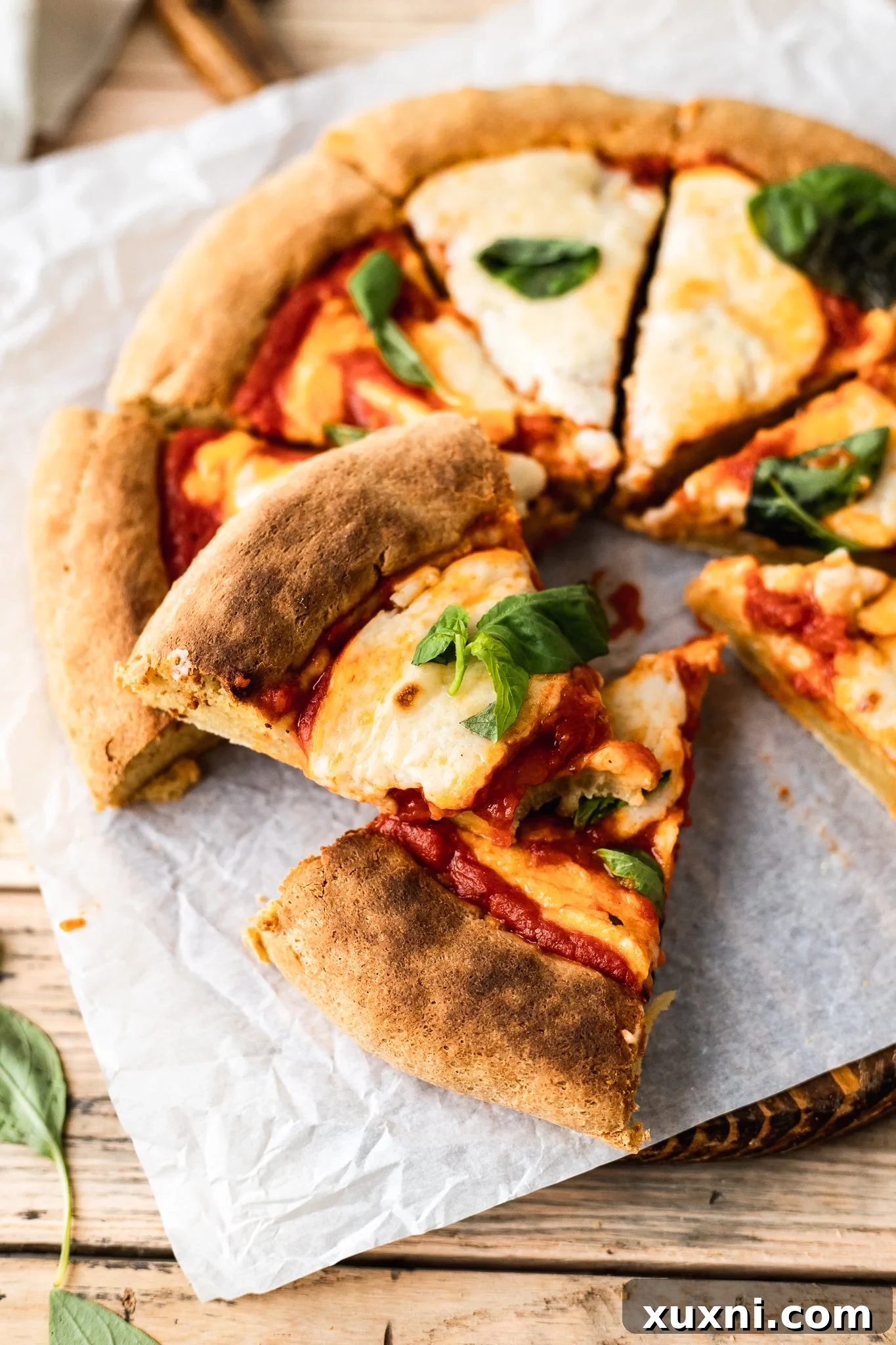
Embark on a culinary journey to create the ultimate gluten-free pizza dough right in your kitchen! This incredibly easy and quick recipe uses the simplest gluten-free flours, skipping common binders like xanthan gum and the need for eggs. Whether you’re baking a delicious gluten-free pizza tonight or preparing dough to freeze for future meals, this recipe promises a perfect, versatile base every time.
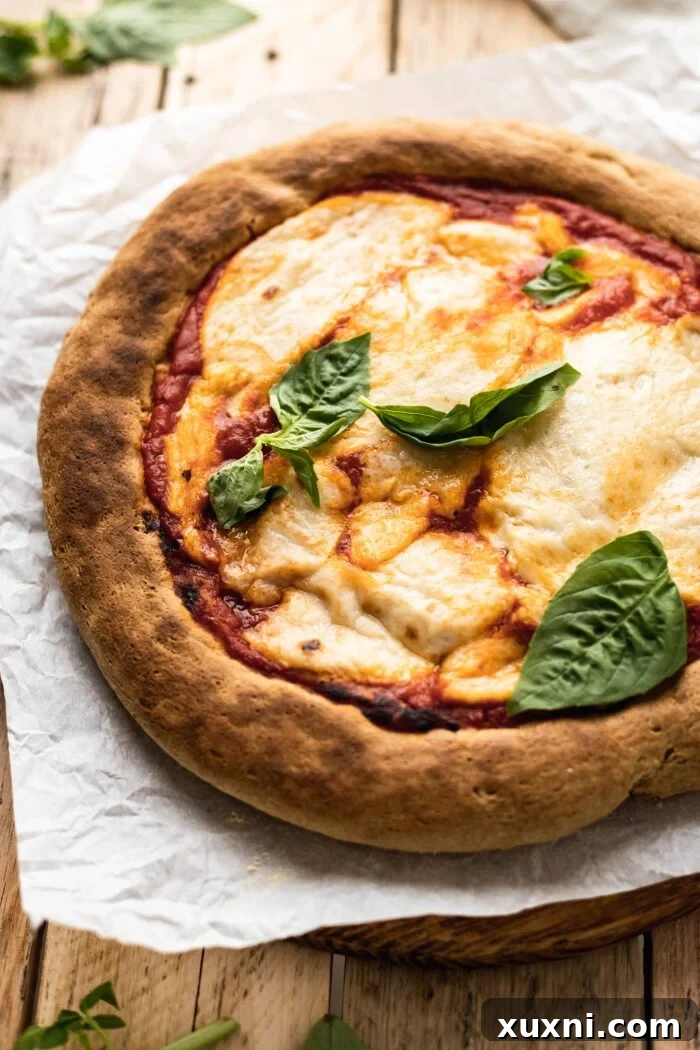
Unlock the Secret to Perfect Gluten-Free Pizza Dough: No Xanthan Gum, No Eggs!
For too long, gluten-free pizza has been a compromise, often resulting in dense, crumbly, or rubbery crusts. But rejoice, gluten-free enthusiasts! This isn’t just another gluten-free pizza crust recipe; it’s a game-changer. Imagine a pizza dough that’s soft, wonderfully chewy, and perfectly crisp on the outside – almost indistinguishable from traditional pizza dough. This recipe doesn’t just promise; it delivers a dream-like baking experience that will make you forget it’s gluten-free. It even pairs beautifully with our gluten-free vegan focaccia bread, proving that delicious gluten-free baking is entirely achievable.
What truly sets this gluten-free pizza dough apart is its simplicity and inclusivity. Forget complex gluten-free flour blends and obscure ingredients. We use just two basic gluten-free flours, making the process straightforward and accessible. Furthermore, this recipe is meticulously crafted to be free from xanthan gum, eggs, and dairy. This makes it an ideal gluten-free pizza crust not only for vegans but also for individuals managing multiple allergies, ensuring everyone can enjoy a slice of homemade goodness.
The entire process, from mixing to proofing, is surprisingly quick. The dough comes together in about 10 minutes, followed by an hour of rising. Then, a mere 25 minutes in the oven transforms it into the absolute best gluten-free pizza you’ll ever taste. This efficiency makes it an excellent choice for vegan weeknight dinners, simplifying meal prep without sacrificing flavor or quality.
This recipe caters to everyone: those with Celiac disease, gluten-sensitive eaters, and even classic bread lovers who might typically shy away from gluten-free alternatives. Its versatility extends to storage options too. You can easily freeze the dough for future use, or bake it immediately and top it with your favorite vegan and dairy-free pizza toppings. Don’t forget to try our incredible 10-minute vegan mozzarella cheese, made without cashews or coconut, for the ultimate pizza experience!
Essential Ingredients for Your Gluten-Free Pizza Dough
Crafting exceptional gluten-free pizza dough begins with understanding the role of each ingredient. Here’s a breakdown of what you’ll need and potential substitutions:
Warm Water: Crucial for activating the instant yeast. Ensure the water is lukewarm, ideally between 105-115°F (40-46°C). Water that’s too hot can kill the yeast, while water that’s too cold may not activate it properly, hindering the dough’s rise.
Instant Yeast: Also known as quick-rise yeast, instant yeast is our preferred choice for gluten-free bread recipes, including this pizza dough. It’s incredibly user-friendly as it doesn’t require proofing beforehand, saving you time and simplifying the process. Unlike active dry yeast, instant yeast can be mixed directly with the dry ingredients. This recipe also uniquely develops a beautiful rise without the need for baking powder, mirroring the natural rise of traditional pizza dough. (For more details on yeast, check out our gluten-free bread recipe or our easy vegan pizza dough for non-gluten-free options).
Maple Syrup: This liquid sweetener acts as food for the yeast, helping it activate and produce the gases necessary for the dough to rise. You can easily substitute granulated sugar or coconut sugar if maple syrup is not available, using the same measurements.
Apple Cider Vinegar: A secret weapon in gluten-free baking! Apple cider vinegar helps tenderize the dough, contributing to a softer, more pliable texture. More importantly, it stabilizes the air bubbles produced by the yeast, resulting in a wonderfully fluffy and chewy gluten-free pizza crust.
Millet Flour: One of our absolute favorite gluten-free flours, millet flour is key to this recipe’s success. It imparts a delightful softness, chewiness, and a subtle sweetness to the dough, making it incredibly appealing. While millet flour yields the best results, you can substitute it with sorghum flour or white rice flour. However, be aware that the final texture and flavor might vary slightly.
Tapioca Flour (Tapioca Starch): Essential for achieving that desirable “chew” in your gluten-free pizza slice. Tapioca flour provides elasticity and contributes to the crispy exterior and soft interior. We highly recommend against substituting this ingredient, as it plays a unique and critical role in the dough’s structure.
Arrowroot Starch (Cornstarch): This acts as a natural binder in our recipe, effectively replacing xanthan gum. It helps hold the dough together, providing stability and structure without the need for additional gums. Cornstarch can be used as a direct substitute for arrowroot starch.
Sea Salt: Beyond just flavor, salt is vital for controlling yeast activity and strengthening the dough’s structure. A good quality sea salt enhances the overall taste of your pizza crust.
Psyllium Husk Powder: An indispensable ingredient for gluten-free baking, especially when avoiding xanthan gum. Psyllium husk powder acts as a super binder, providing elasticity and mimicking the structural properties of gluten. It absorbs a significant amount of liquid, forming a gel that helps hold the dough together and gives it a pliable texture. It’s crucial to use psyllium husk *powder* for this recipe, not whole psyllium husks, as the measurements differ significantly. If you’re unfamiliar with psyllium husk, you might find this guide to psyllium husk benefits informative.
Olive Oil: Adds richness, flavor, and helps keep the dough pliable and moist. It also contributes to a beautiful golden crust.
Desired Vegan Pizza Toppings: The fun part! We opted for a classic tomato sauce and vegan mozzarella cheese combination, but feel free to get creative with your favorite plant-based ingredients!
Recommended Kitchen Tools for Gluten-Free Pizza Success:
Having the right tools can make all the difference in your gluten-free pizza-making experience. These are some of our favorites:
Pizza Tray
Buy Now →
Pizza Cutter
Buy Now →
As an Amazon Associate and affiliate partner, I earn from qualifying purchases made through the links above at no extra cost to you. All recommendations are based on my personal experience and preference! Thank you for supporting The Banana Diaries!
Is Yeast Naturally Gluten-Free? Addressing a Common Concern
A common question arises in gluten-free baking: Is yeast truly gluten-free? The answer, for the most part, is a resounding yes! Specifically, the baker’s yeast (both dry active and instant yeast) that you typically find in grocery stores is naturally gluten-free. This type of yeast is a single-celled fungus that converts sugars into carbon dioxide and alcohol, causing dough to rise, and does not contain gluten proteins.
The confusion often stems from other types of yeast, particularly brewer’s yeast, which is a byproduct of the beer-making process. Since most traditional beers are made with gluten-containing grains like barley and wheat, brewer’s yeast can absorb gluten proteins during fermentation. Therefore, brewer’s yeast is generally not considered gluten-free unless explicitly stated and certified. However, for the purpose of baking delicious breads and pizzas, the instant yeast used in this recipe is completely safe for gluten-free diets. Yeast is, in fact, an essential ingredient in many gluten-free bread recipes, providing the necessary leavening to achieve a light and airy texture where gluten is absent.
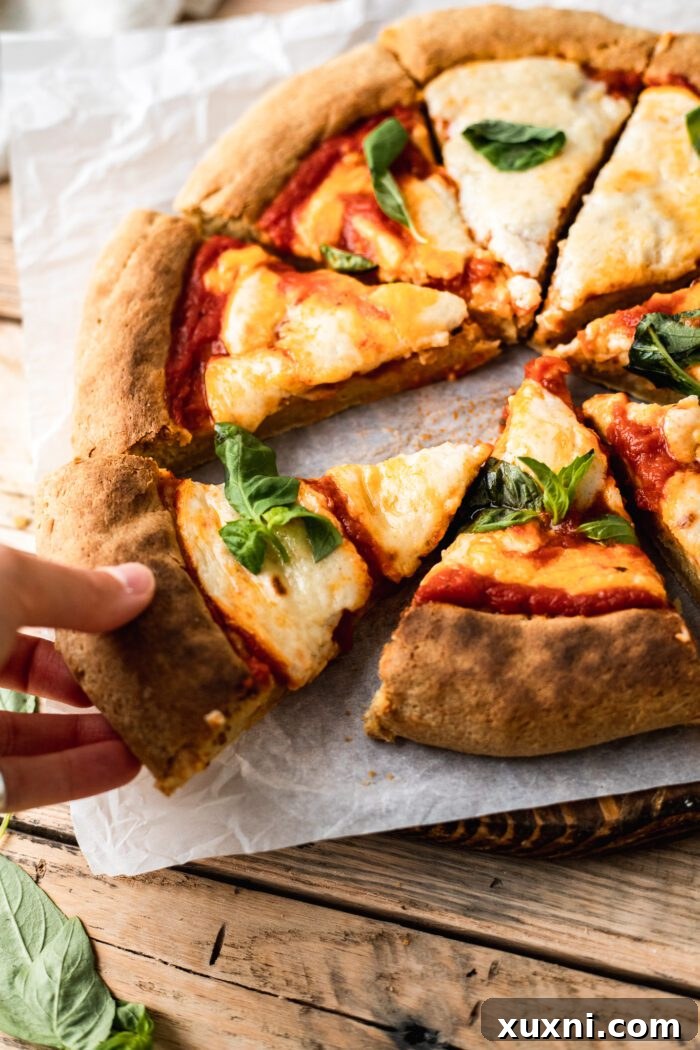
Step-by-Step Guide: How to Make Irresistible Gluten-Free Pizza Dough
As we’ve highlighted, this gluten-free pizza dough recipe is designed for ease and speed, coming together in approximately 10 minutes of active preparation. Here’s an overview of the main steps, complete with visual cues to help guide you:
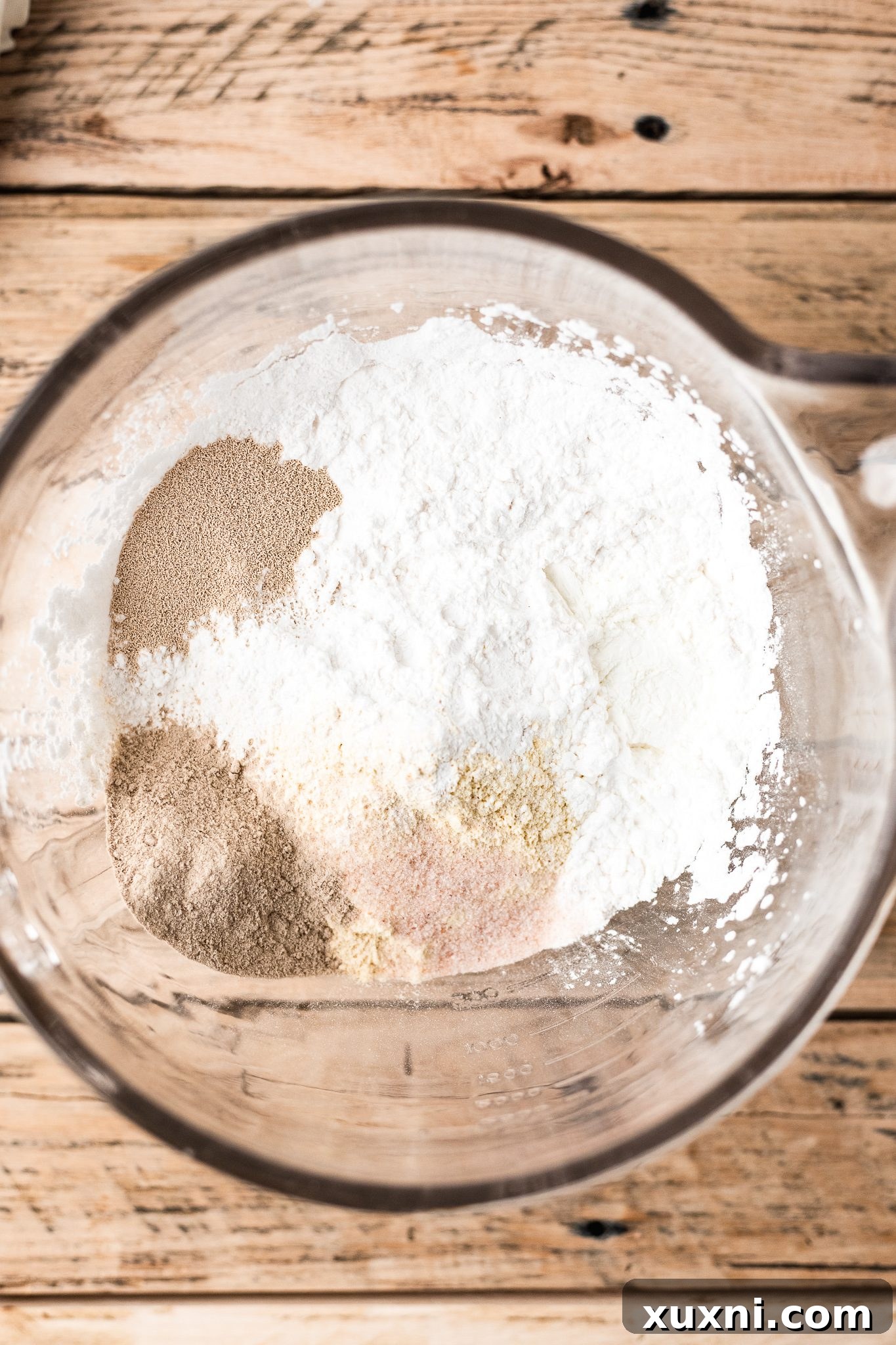
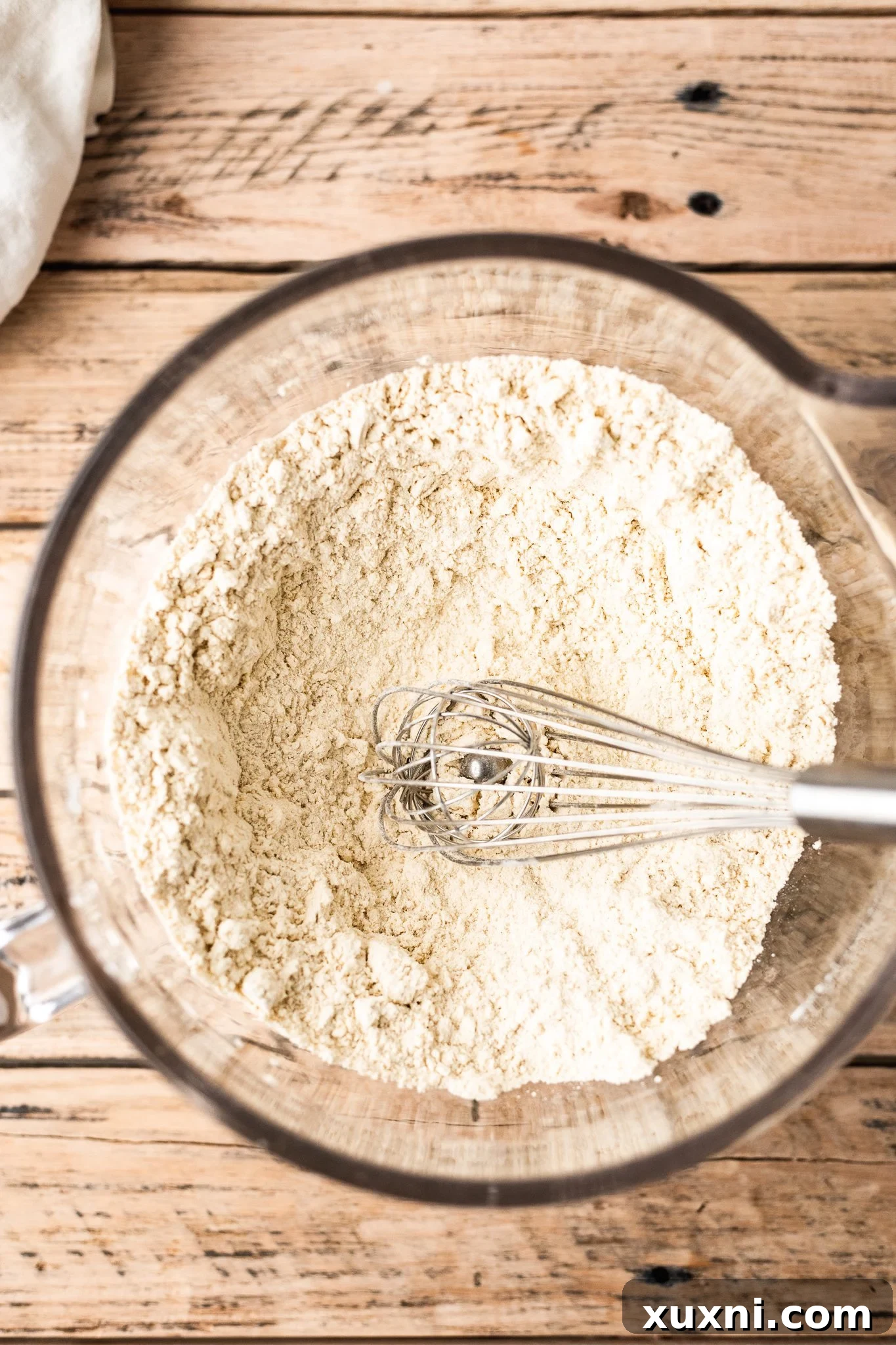
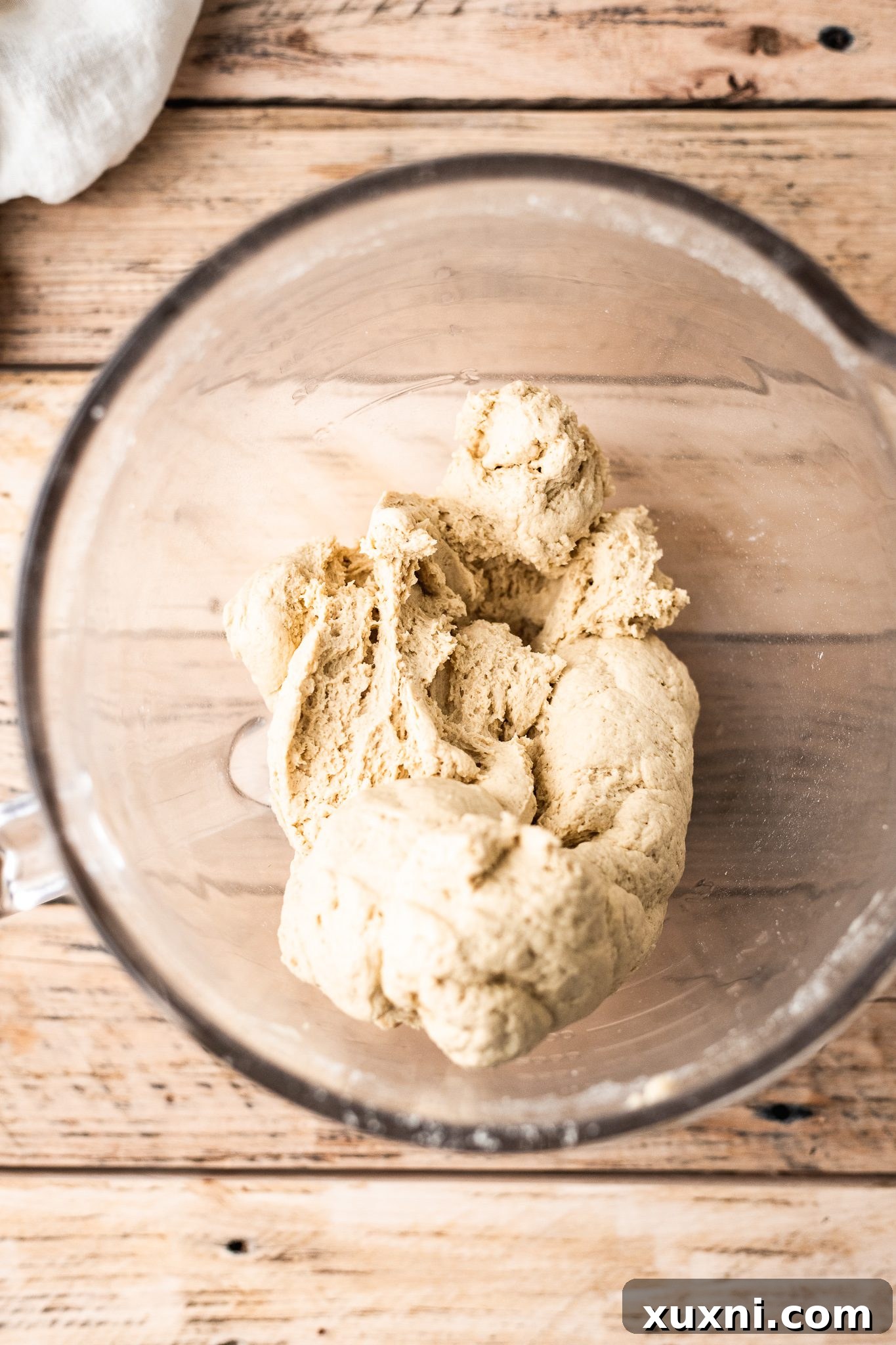
- Prepare the Dough: Begin by combining all your dry ingredients in a large bowl. Ensure they are thoroughly whisked to distribute the psyllium husk powder and yeast evenly. Next, incorporate the wet ingredients. You can opt for a stand mixer equipped with a dough hook attachment for convenience, which will make the process almost effortless. Alternatively, mixing by hand with a sturdy wooden spoon will yield similar results, though it requires a bit more effort and time. Mix until a thick, consistent, and slightly tacky dough ball forms. Continue to knead the dough for a few minutes (about 4-5 minutes in a stand mixer after it comes together, or 5-7 minutes by hand) to develop its structure.
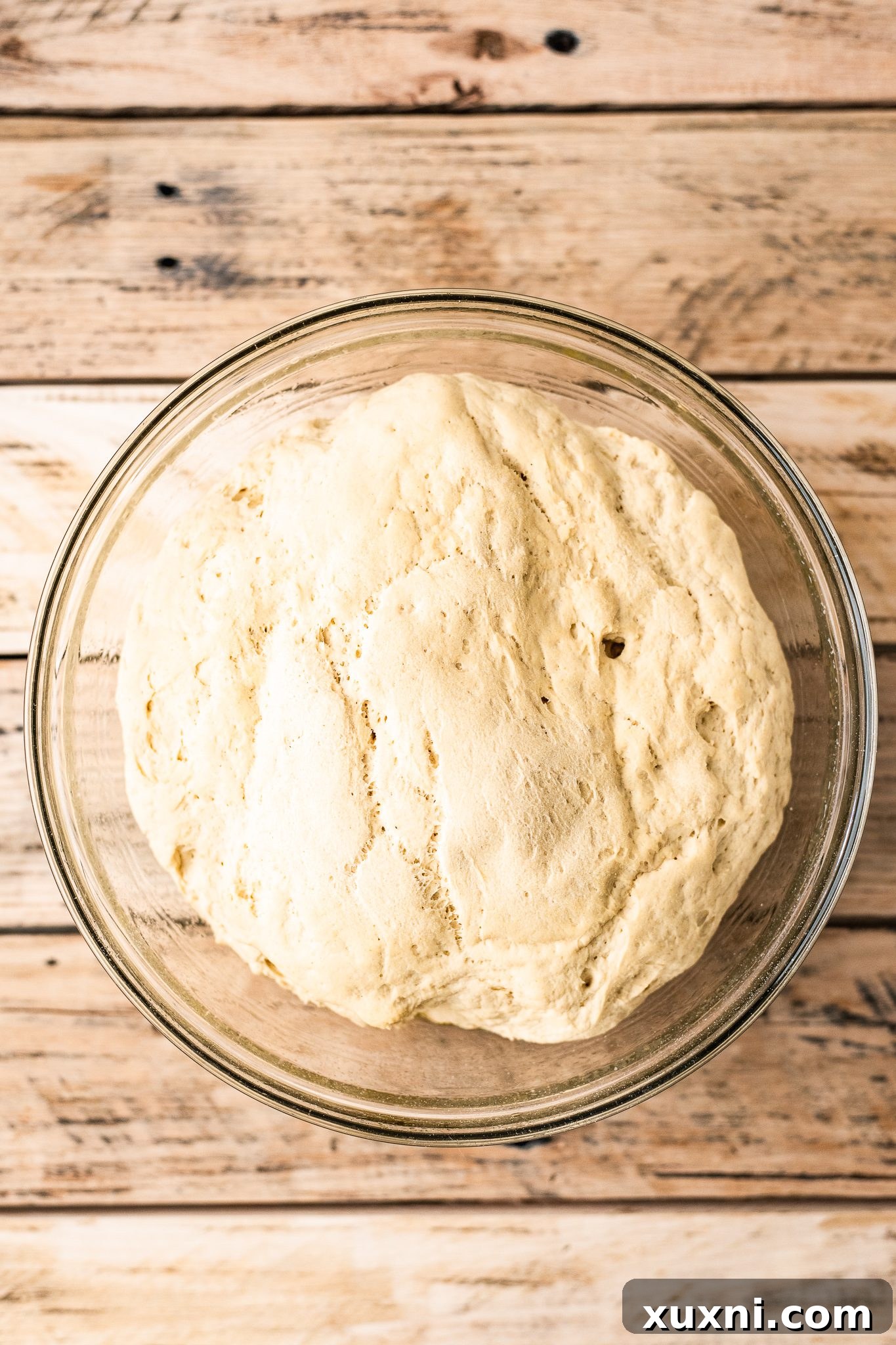
- Proof the Dough to Perfection: Transfer your newly formed dough ball into a clean bowl that has been lightly greased with olive oil to prevent sticking. Cover the bowl securely, either with plastic wrap or a clean tea towel. Find a warm spot in your kitchen, ideally 85°F (29°C) or warmer, to allow the dough to rise until it has doubled in size. This crucial step typically takes about one hour, and a warm environment is key for optimal yeast activity.
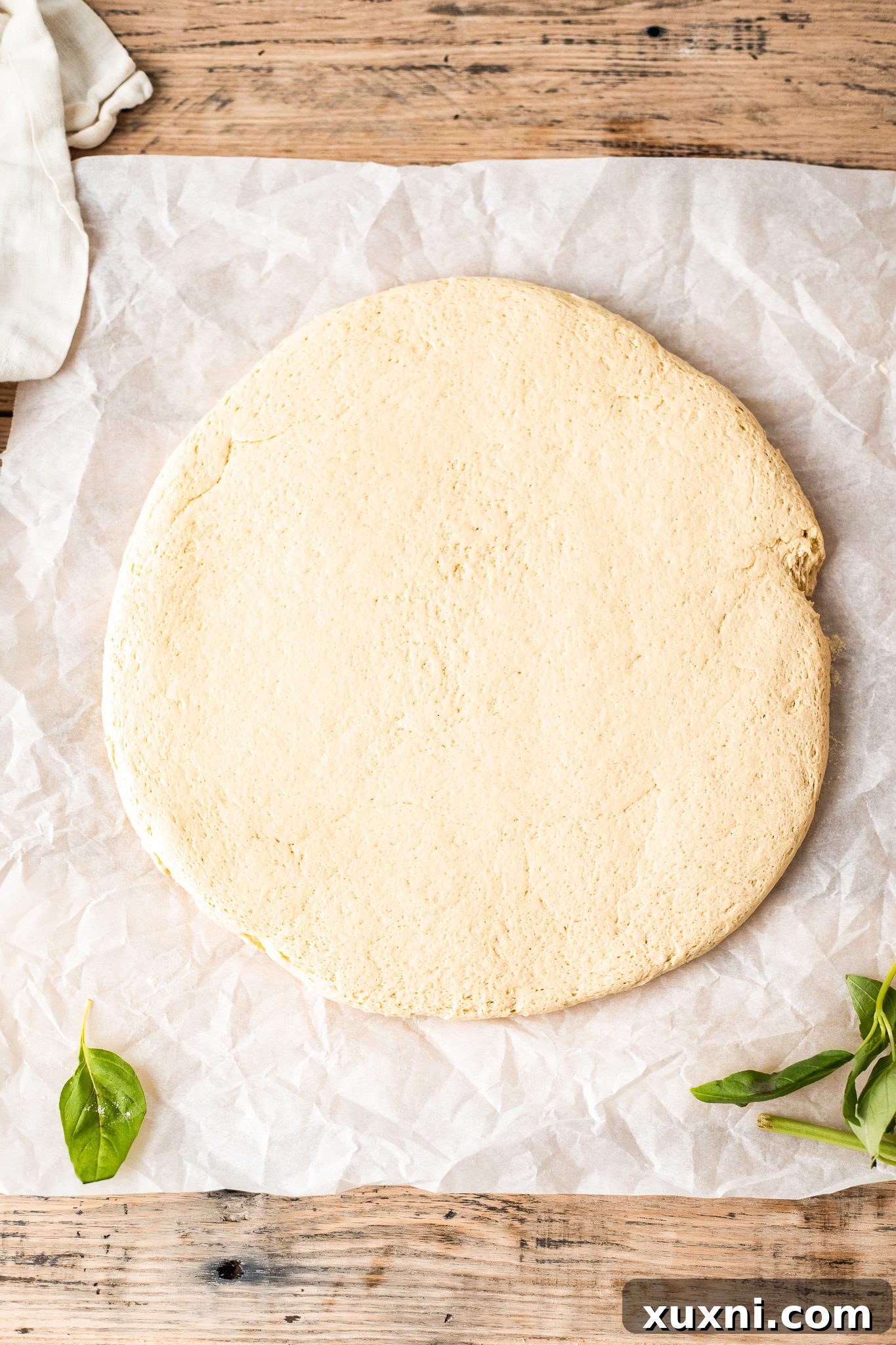
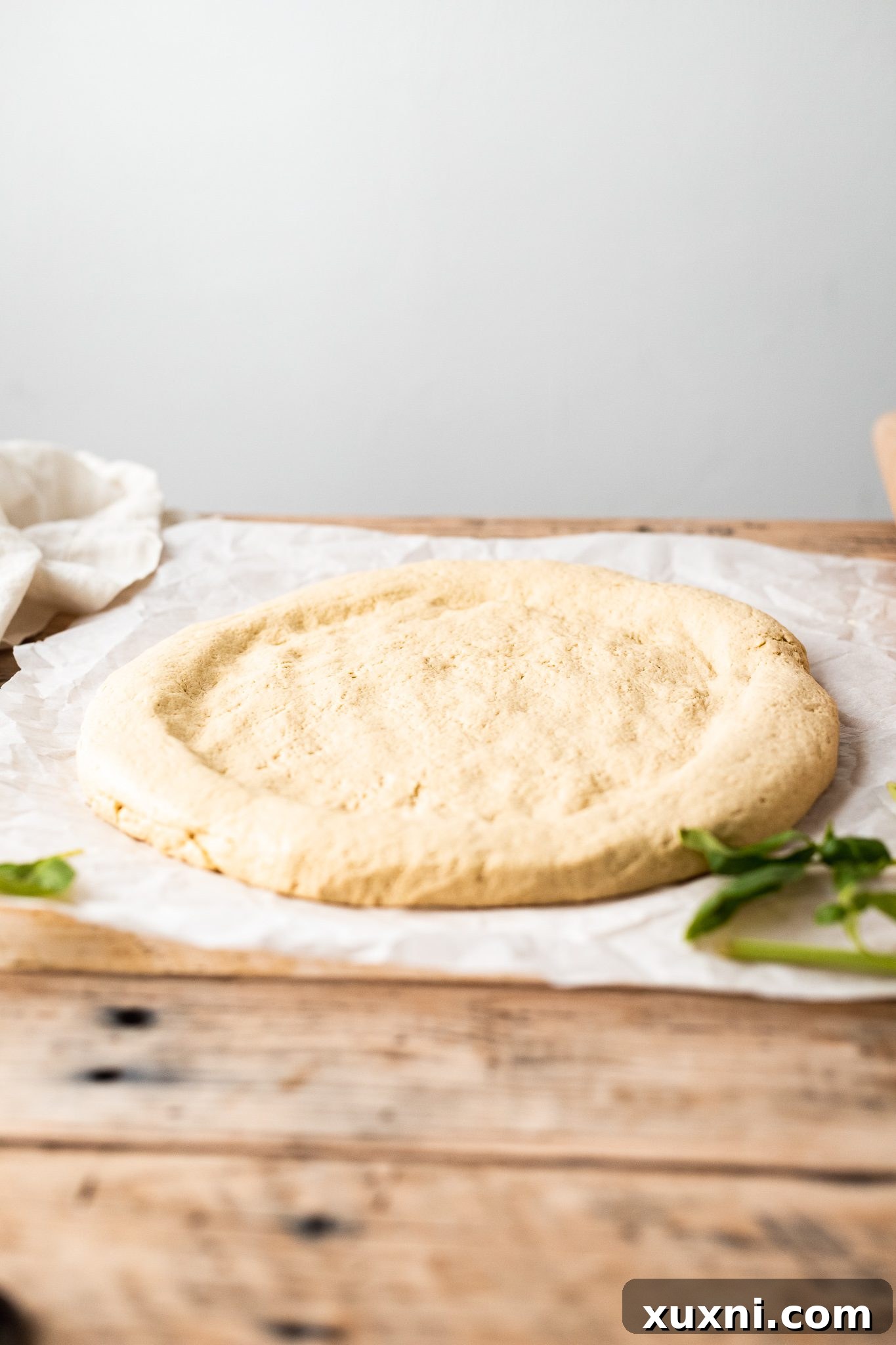
- Shape Your Pizza Crust: Once the dough has successfully risen, you have a couple of options. You can use the entire dough to create one extra-large pizza crust (around 18 inches or more in diameter), or divide it into two portions to make two slightly smaller pizzas (each about 12-15 inches). For ultimate flexibility, you might consider freezing half the dough for another time (refer to our detailed freezing instructions below). To shape, lightly flour a piece of parchment paper with millet flour to prevent sticking. This parchment paper will also make transferring the dough much easier. Roll the dough out to your desired diameter. Then, using your fingertips, gently press down along the edges to form a defined crust, creating that classic pizza look and feel.
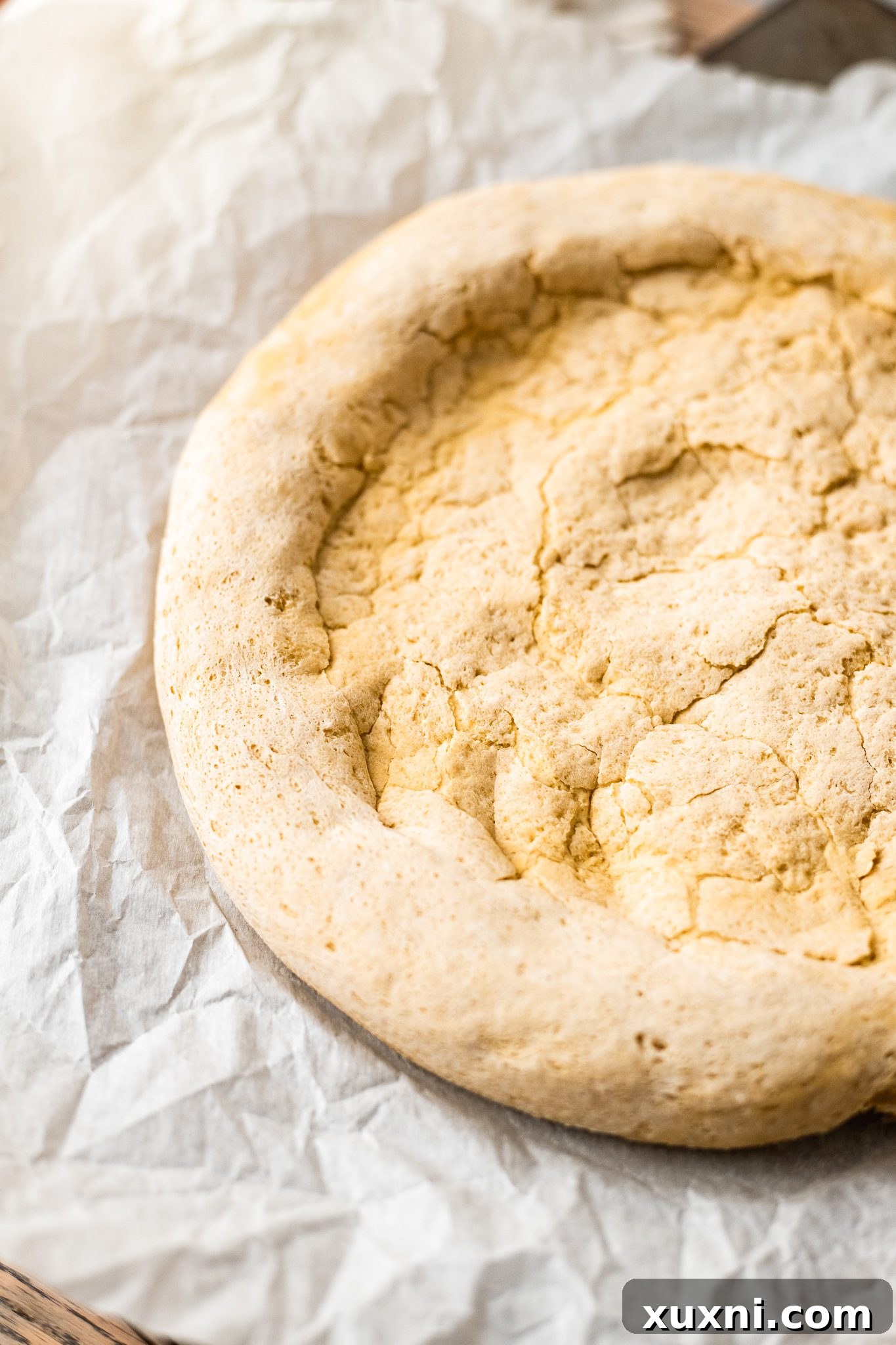
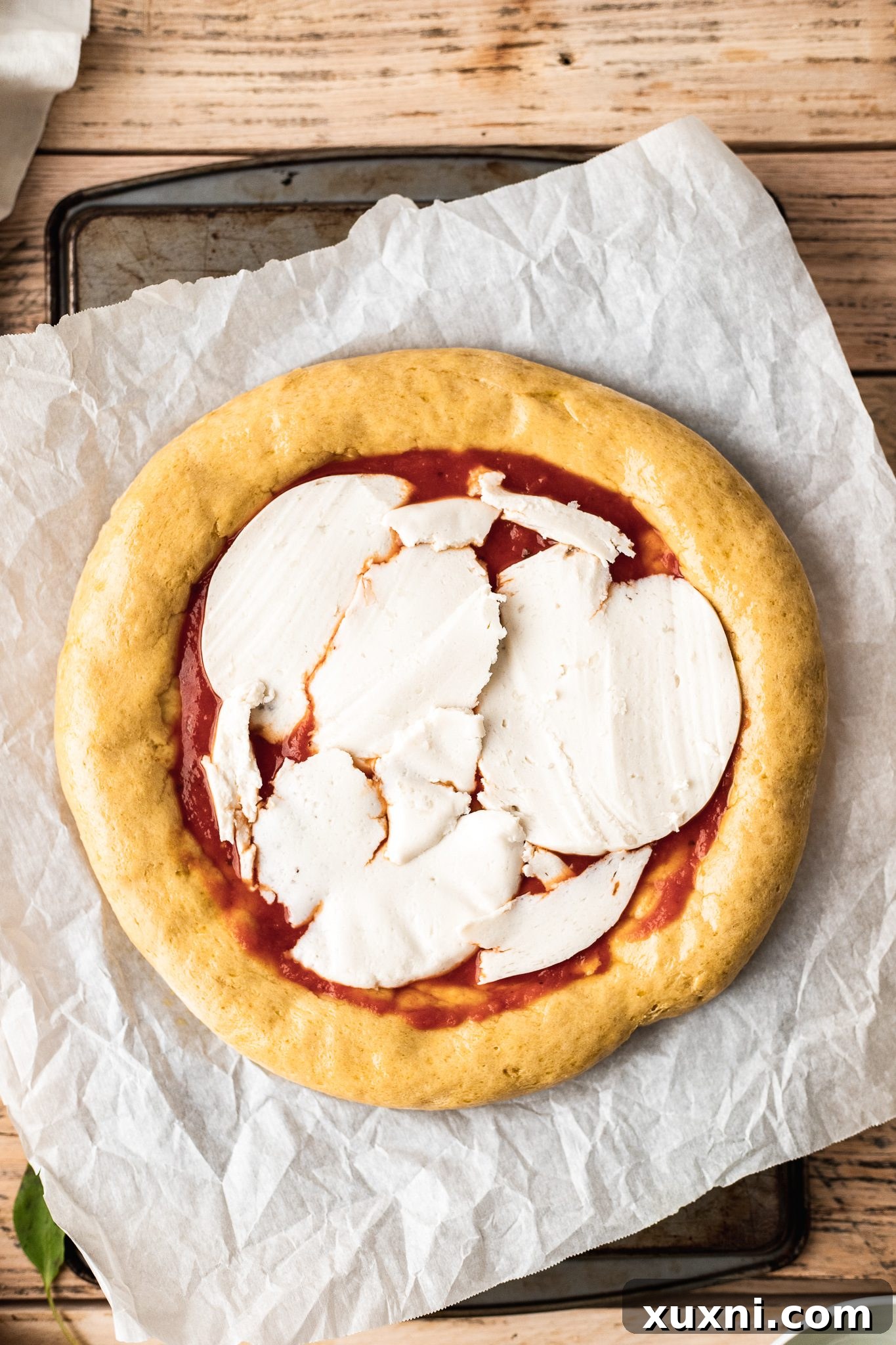
- The Essential Par-Bake: Before adding your delicious toppings, it’s vital to partially bake the crust. This step, often referred to as “par-baking,” prevents your pizza from developing a soggy bottom once loaded with sauce and cheese, ensuring a wonderfully crisp base. Use either a dedicated pizza tray, a pizza stone, or the back of a large cookie sheet. Carefully transfer the parchment paper with the shaped dough onto your chosen baking surface and place it into your preheated 425°F (220°C) oven for 10 minutes. You might notice the crust puffing up slightly during this stage; this is normal. After par-baking, if the center has puffed up too much, gently press it back down with the back of a spoon to create an even surface for your toppings.
- Top Your Gluten-Free Pizza: Now for the creative part! Remove the par-baked crust from the oven. If desired, you can brush the crust edges with an additional tablespoon of olive oil for extra flavor and a beautiful golden finish. Spoon and spread your chosen pizza toppings evenly over the crust. For a truly authentic vegan experience, we recommend a robust marinara sauce and a generous layer of our delightful 10-minute vegan mozzarella cheese.
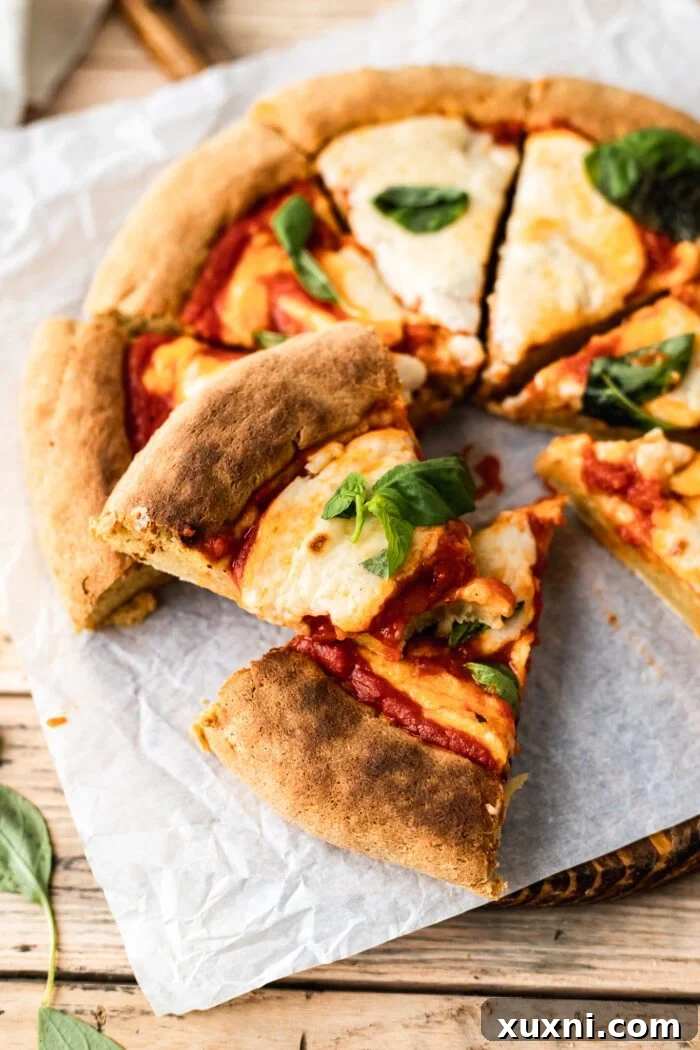
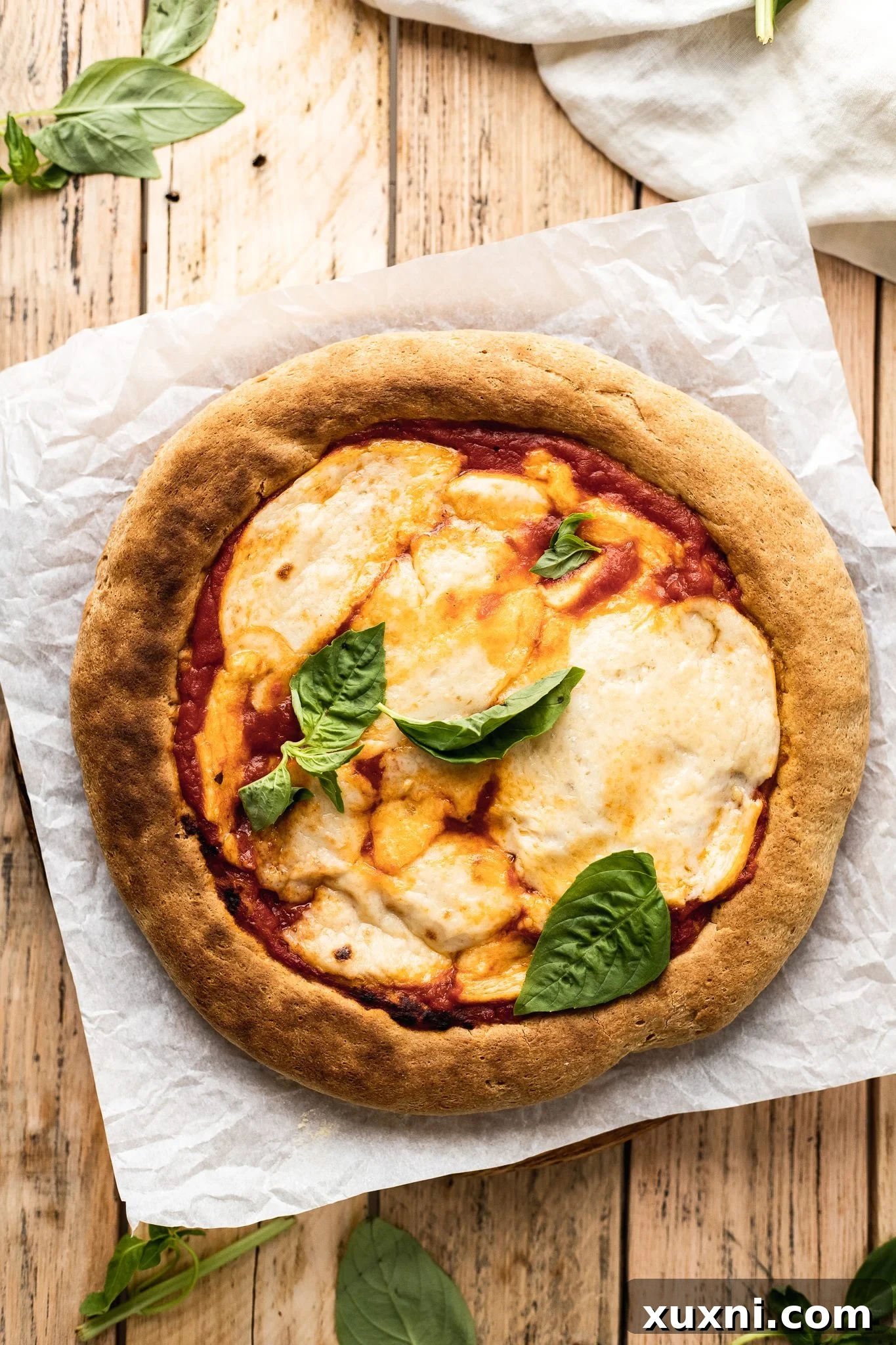
- Final Bake and Enjoy: Return your topped pizza to the oven and continue baking at 425°F (220°C) for an additional 10-15 minutes. The pizza is ready when the vegan cheese has melted beautifully and the crust has achieved a light golden-brown color and crispy texture. If your specific brand of vegan cheese is proving stubborn to melt, a quick trick is to switch your oven to the “broil” setting for 1-2 minutes, keeping a close eye on it to prevent burning.
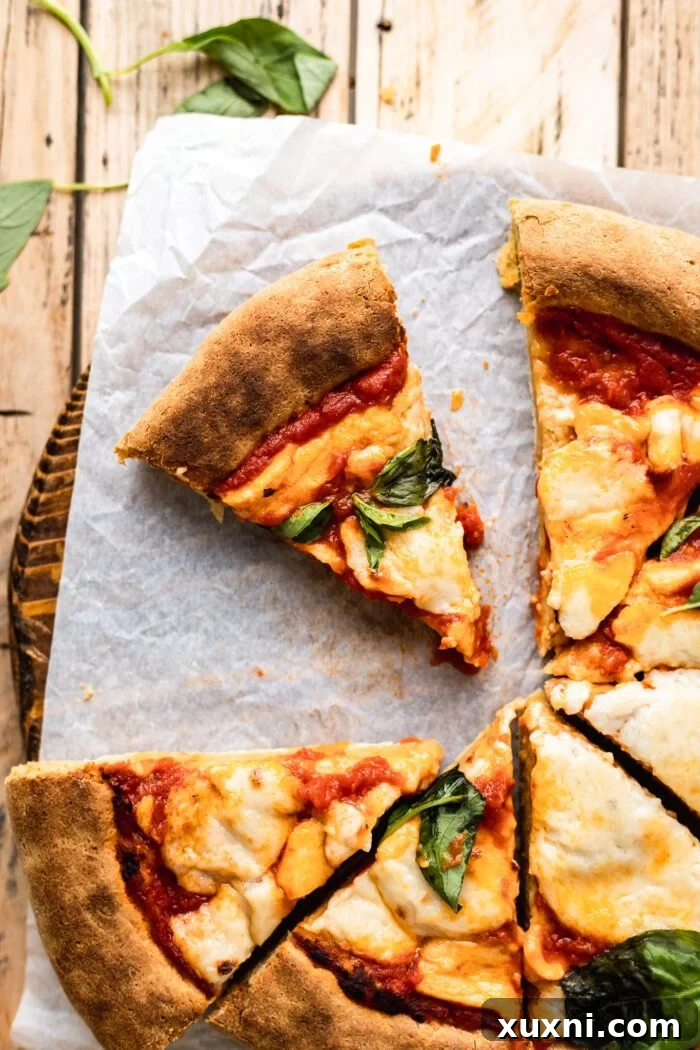
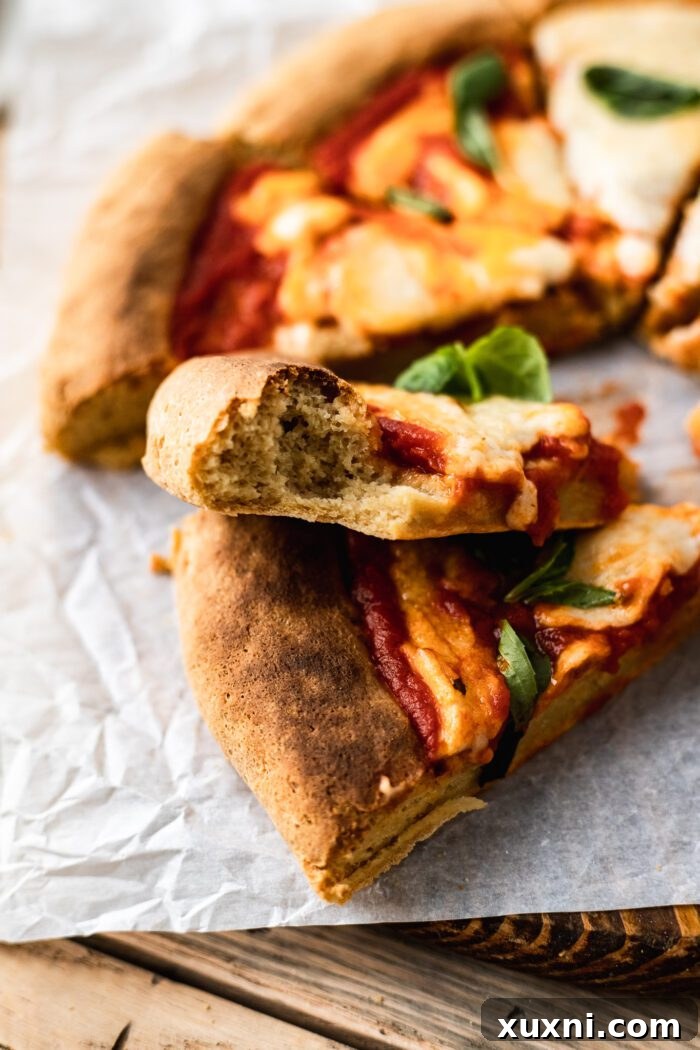
- Slice and Serve! Carefully remove your perfectly baked gluten-free pizza from the oven, slice it into wedges, and serve warm. Leftovers can be stored in an airtight container in the refrigerator for up to 3 days or frozen for up to 3 months.
Pro Tip: Precision in Gluten-Free Flour Measurement is Key
When it comes to gluten-free baking, precision is paramount, and nowhere is this more true than with flour measurement. Unlike all-purpose flour, where a cup measurement can often be forgiving, gluten-free flours vary significantly in weight and density. One cup of millet flour might weigh differently than one cup of tapioca starch, and scooping methods can lead to wildly inconsistent results. Measuring by volume (cups) is inherently less accurate than measuring by weight (grams).
To ensure consistent success and a perfectly delicious gluten-free pizza dough every time, we strongly recommend using a kitchen scale for all your gluten-free flour measurements. This eliminates guesswork and provides the most accurate portions, guaranteeing your dough has the correct flour-to-liquid ratio. A reliable kitchen scale is an invaluable tool for any serious gluten-free baker. While high-end models exist, an affordable option like the OXO kitchen scale (around $40) or even a basic $10 scale from Amazon can serve you beautifully for years.
Frequently Asked Questions About Gluten-Free Pizza Dough
Can I Prepare This Gluten-Free Pizza Dough in Advance?
Absolutely! This gluten-free pizza dough is excellent for make-ahead convenience, perfect for busy schedules. If you wish to prepare the dough earlier in the day or even a full day before you plan to bake, simply follow the instructions in the recipe card below up to and including **Step 3 (making the dough)**. Once the dough is formed, instead of rising it at room temperature, transfer it to a lightly greased bowl, cover it tightly with plastic wrap, and allow it to bulk ferment slowly in the refrigerator for up to 10 hours. The cold temperature will slow down the yeast activity, developing flavor without over-proofing. When you are ready to bake, simply remove the dough from the fridge and continue with the recipe from where you left off, allowing it to come to room temperature for about 30 minutes before shaping if it feels too stiff.
Is It Possible to Freeze This Gluten-Free Pizza Dough for Later Use?
Yes, freezing this gluten-free pizza dough is a fantastic way to extend its shelf life and have a homemade pizza base ready whenever cravings strike! To freeze, you’ll first need to allow the dough to fully rise according to the instructions, completing **Step 4 (proofing the dough)**. After it has risen, gently reshape the dough into a ball, then wrap it very tightly in plastic wrap, ensuring no air can get in. For added protection against freezer burn, place the plastic-wrapped dough into a freezer-safe bag, removing as much air as possible, or an airtight container. Store the dough in the freezer for up to 3 months.
When you’re ready to make a fresh gluten-free pizza, simply transfer the frozen dough from the freezer to the refrigerator to thaw overnight. This slow thawing process helps maintain the dough’s texture. The next day, once thawed, proceed with **Step 6 (shaping the dough)** as usual, ensuring your oven is preheated to the correct temperature. You’ll be amazed at how fresh it tastes!
Can Almond Flour Be Substituted in This Pizza Dough Recipe?
Unfortunately, almond flour is not a suitable substitute for the flours used in this gluten-free pizza dough recipe. Almond flour has a very different protein and fat content, as well as significantly different absorption properties compared to millet and tapioca flour. These differences would drastically alter the dough’s structure, texture, and ability to rise, leading to a result that won’t resemble the intended pizza crust. Gluten-free baking often requires specific flour combinations to achieve optimal results, as each flour contributes unique characteristics. Please refer to the detailed ingredients section above for our recommended and tested substitutions for millet flour, ensuring you maintain the quality and success of this recipe.
What Are the Keys to Achieving a Crispy Gluten-Free Pizza Crust?
Achieving a wonderfully crispy gluten-free pizza crust is entirely possible with this recipe! Several factors contribute to that perfect crunch: Firstly, baking the dough at a high temperature of 425°F (220°C) is crucial. High heat helps rapidly cook the crust, promoting crispness. Secondly, utilizing a pizza stone or the back of a preheated baking sheet creates an intensely hot surface that mimics a professional pizza oven, ensuring quick and even cooking from the bottom up. The par-baking step (Step 7) is also vital, as it removes excess moisture from the dough before toppings are added, preventing sogginess and paving the way for crispness. If you desire an *extra* crispy, thin-crust gluten-free pizza, simply roll the dough out more thinly than specified before the initial bake. The thinner the dough, the crisper the final result will be.
Which Tomato Sauce Recipe Should I Use for My Gluten-Free Pizza?
The beauty of pizza is its adaptability, and that extends to your choice of tomato sauce! You don’t necessarily need a specifically designated pizza sauce. A simple yet flavorful tomato basil sauce works wonderfully and is what we typically use. If you don’t have a specific recipe on hand, a good quality store-bought marinara sauce will also do the trick. For those looking to explore different flavor profiles, our vegan pesto makes a surprisingly delicious and vibrant base for a gluten-free pizza, offering a fresh herbaceous twist!
Save This Incredible Recipe for Later! Add it to Your Favorite Recipe Board on Pinterest!

If you make this fantastic gluten-free pizza dough recipe, please take a moment to leave a comment and a rating ⭐️⭐️⭐️⭐️⭐️ below. Your feedback helps other home cooks discover and enjoy these recipes! As always, we absolutely adore seeing your beautiful creations, so be sure to tag us on Instagram and Pinterest!
Watch Our Easy-to-Follow Video Guide: How to Make Gluten-Free Pizza Dough!
Print Recipe
Simple Gluten Free Pizza Dough Recipe (No Xanthan Gum)
- Author: Britt Berlin
- Prep Time: 20 minutes
- Proof Time: 40 minutes
- Cook Time: 20 minutes
- Total Time: 1 hour 20 minutes
- Yield: 1 large dough (1x)
- Category: Dinner
- Method: Baking
- Cuisine: Italian
- Diet: Gluten Free, Vegan, Dairy Free, Egg Free
Description
This quick and easy gluten free pizza dough recipe is made with the simplest flours and absolutely no eggs nor xanthan gum! Bake this gluten free dough into the perfect gluten free pizza or freeze the pizza dough for later!
Ingredients
- 1 1/4 cup + 2 tbsp (325 mL) warm water
- 1 tbsp maple syrup
- 2 cups (272 g) millet flour
- 1 cup (130 g) tapioca starch/flour
- 1 tbsp arrowroot starch or cornstarch
- 1 tsp finely ground sea salt
- 2 tbsp (20 g) psyllium husk powder
- 1 packet (7 g) instant dry yeast
- 1 tbsp apple cider vinegar
- 2 tbsp olive oil
- Desired vegan pizza toppings
Instructions
- Prep: Measure out all ingredients and set aside. Ensure you have a medium bowl greased with extra olive oil or cooking oil (separate from the measurement in the ingredients section) for the rising of the dough, along with a bowl cover (a clean tea towel works great). Prepare your baking surface: a pizza tray, pizza stone, or the back of an extra-large cookie sheet lined with parchment paper.
- Whisk the Dry Ingredients: In the bowl of a stand mixer or a large mixing bowl, thoroughly whisk together the millet flour, tapioca starch, arrowroot starch, sea salt, psyllium husk powder, and instant dry yeast until well combined.
- Make the Dough: Add the lukewarm water, maple syrup, apple cider vinegar, and olive oil to the dry ingredients. Using a dough hook attachment on a stand mixer (on medium speed) or a large wooden spoon for hand mixing, combine until you achieve a thick, consistent, and slightly tacky pizza dough. Allow the dough to knead for 4-5 minutes in the stand mixer after it comes together (this usually takes 2-3 minutes to form initially) or about 5-7 minutes of kneading by hand.
- Proof the Dough: Place the dough ball into the greased bowl and cover it. Set the bowl in a warm area (ideally 85°F/29°C or warmer) to rise until doubled in size, which typically takes about 1 hour.
- While the Dough is Rising: Preheat your oven to 425°F (220°C).
- Shape the Dough: You can choose to make one extra-large pizza (approximately 18 inches or more in diameter) or divide the dough into two smaller balls, each yielding a pizza about 12-15 inches in diameter. Alternatively, you can make one pizza now and freeze the other half for later (see the Notes section below for storage instructions). On a lightly floured piece of parchment paper (using millet flour is recommended for dusting), roll the dough to your desired diameter. Gently form a raised crust by pressing the dough down lightly with your fingertips just before the edge.
- Par-bake the Crust: Carefully transfer the parchment paper with the gluten-free pizza dough onto the back of a large baking sheet or a preheated pizza stone. Place the crust into the oven and bake for 10 minutes. This partial bake helps prevent a soggy crust. After par-baking, if the middle of the crust has puffed up significantly, gently press it back down with the back of a spoon to create an even surface for toppings.
- Top the Gluten-Free Pizza: Remove the par-baked crust from the oven. You may brush the crust edges with an additional tablespoon of olive oil for extra flavor and a golden finish, though this is optional. Spread your desired pizza toppings over the crust (we used 1/2 cup marinara sauce and a container of Miyoko’s vegan mozzarella cheese).
- Finish Baking the Pizza: Return the topped pizza to the oven and bake for an additional 10-15 minutes at 425°F (220°C). The pizza is ready when the vegan cheese is melted and bubbly, and the crust is lightly golden brown. If your vegan cheese isn’t melting sufficiently, you can turn the oven to “broil” for 1-2 minutes, watching carefully to prevent burning.
- Serve and Enjoy! Remove your perfectly baked pizza from the oven and serve it warm. Store any leftovers in an airtight container in the fridge for up to 3 days, or in the freezer for up to 3 months.
Equipment
pizza cutter
Buy Now →
pizza tray
Buy Now →
Notes
Storing the Dough: If you wish to store half or all of the dough for future use, allow the dough to fully rise first (completing Step 4). After it has risen, wrap the dough tightly in plastic wrap, ensuring it’s completely sealed. Then, place the wrapped dough into a freezer-safe bag or an airtight container, removing as much air as possible, and freeze for up to 3 months. When you’re ready to use it, transfer the frozen dough to the refrigerator to thaw overnight. The next day, proceed by rolling out the dough as you would in Step 6, ensuring your oven is preheated appropriately.
Discover More Delicious Gluten-Free Bread Recipes You’ll Adore:
If you loved making this gluten-free pizza dough, you’ll be thrilled to explore our other fantastic gluten-free bread creations:
- Artisan Gluten-Free Bread: Achieve bakery-quality bread at home with this simple yet impressive recipe.
- BEST Gluten-Free Vegan Cinnamon Rolls: Indulge in soft, gooey cinnamon rolls that are surprisingly gluten-free and vegan.
- Gluten-Free Vegan Bagels (No Yeast!): Enjoy chewy, delicious bagels without gluten or yeast, perfect for any breakfast or brunch.