
The Best Edible Vegan Cookie Dough Recipe: Just Like Tollhouse, But Safe and Dairy-Free!
Craving that irresistible taste of classic chocolate chip cookie dough but want a healthier, safer, and entirely plant-based option? Look no further! This edible vegan cookie dough recipe captures the nostalgic flavor and luscious texture of traditional Tollhouse cookie dough, all while being completely dairy-free and eggless. Made with just 7 simple, familiar ingredients, it’s incredibly easy to whip up and perfect for satisfying those raw cookie dough cravings without any guilt or worry.

Indulge Safely: Edible Vegan Cookie Dough That Tastes JUST Like Tollhouse
Let’s be honest, for many of us, sneaking a spoonful (or ten!) of raw cookie dough is arguably the best part of baking chocolate chip cookies. That rich, sweet, buttery texture is simply divine. However, traditional cookie dough, with its raw flour and eggs, carries potential health risks due to bacteria like Salmonella and E. coli. For anyone who loves the thrill of raw cookie dough but wants to ensure every bite is safe and delicious, an edible version is a game-changer.
That’s precisely why this edible vegan cookie dough recipe was developed. Based on a “better than Tollhouse” vegan chocolate chip cookie recipe, this version delivers an authentic flavor profile that will transport you straight back to childhood memories of licking the bowl. You won’t believe it’s vegan! The taste is so incredibly rich, “buttery,” and decadent, you’d swear it was your classic cookie dough recipe, yet it contains no animal products whatsoever. This makes it an ideal treat for vegans, those with dairy or egg allergies, or anyone simply looking for a healthier, safe-to-eat alternative.
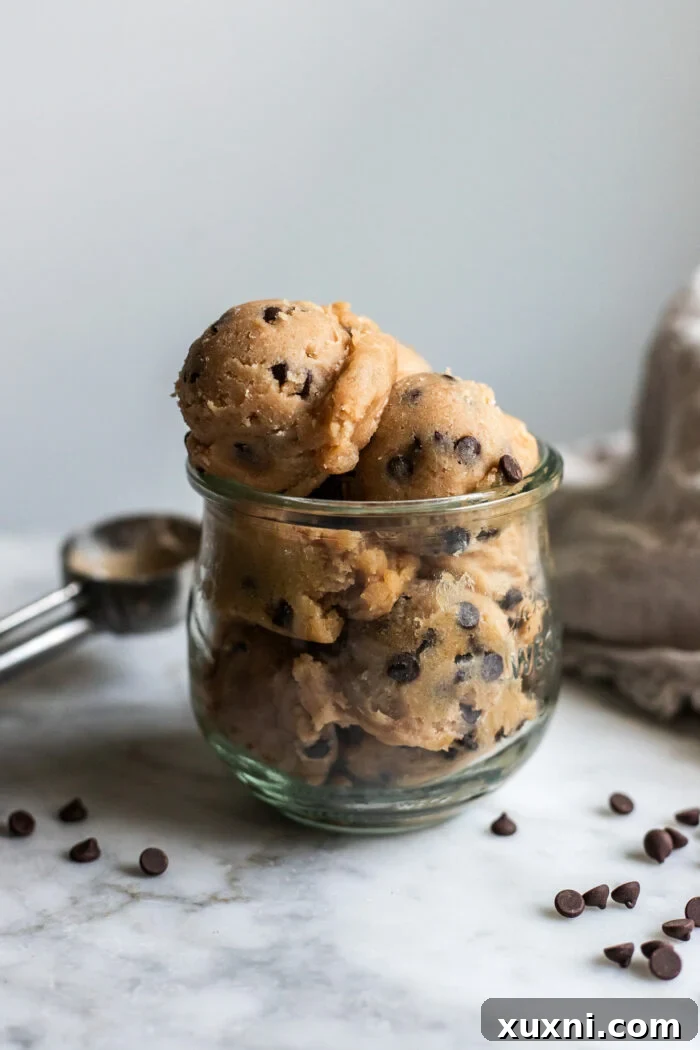
The magic lies in the simplicity of the ingredients. You only need a handful of pantry staples – just 7 key ingredients, not counting a pinch of sea salt! There are no fancy, hard-to-find components like coconut oil or maple syrup taking center stage. Instead, this recipe focuses on classic flavors: flour, sugar, vegan butter, and plenty of delicious chocolate chips to create that truly indulgent, traditional cookie dough experience.
Forget the cumbersome stand mixer; all you’ll need is a bowl, a whisk, and a silicone spatula. This straightforward approach means you can have a batch of delectable, edible vegan cookie dough ready in minutes. Whether you roll it into bite-sized balls for a quick treat, enjoy it by the spoonful, or incorporate these delightful vegan cookie dough bites into other desserts, this recipe is incredibly versatile. We’re truly obsessed with cookie dough here, so you’re definitely in good company!
Imagine using this incredibly versatile dough for various culinary creations. These vegan cookie dough bites are perfect as a topping for ice cream sundaes, a delightful component in homemade milkshakes, or even baked into treats like vegan cookie dough cupcakes, rich cookie dough cheesecake, or a show-stopping cookie dough cake. The possibilities are endless when you have such a delicious and safe-to-eat base.
Essential Ingredients for Perfect Edible Vegan Cookie Dough
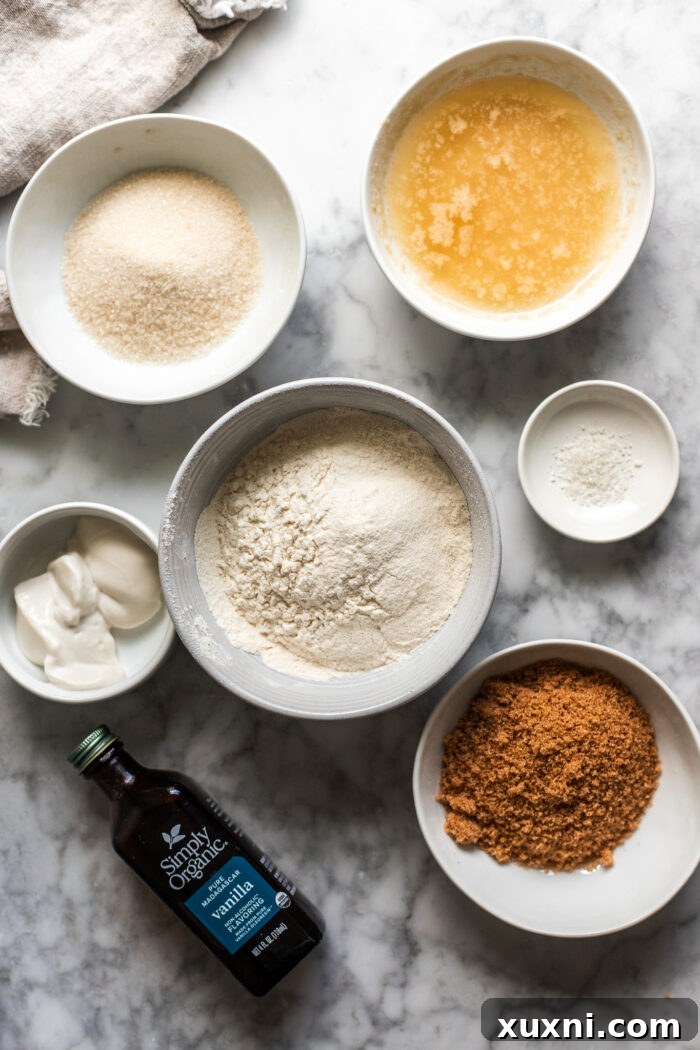
One of the most appealing aspects of this edible vegan cookie dough recipe is its reliance on readily available, simple ingredients. You likely already have most of these in your kitchen, especially if you maintain a dairy-free or plant-based household. Each ingredient plays a crucial role in achieving that authentic Tollhouse cookie dough flavor and texture.
- Heat-Treated All-Purpose Flour: This is the foundation of our cookie dough. While all-purpose flour works wonderfully, it’s absolutely crucial to heat-treat it first. This step eliminates any potential bacteria (like E. coli) that can be present in raw flour, making it safe for consumption. Details on how to properly heat-treat your flour are provided below. We’ll also discuss gluten-free alternatives.
- Light Brown Sugar: This isn’t just for sweetness; light brown sugar contains molasses, which imparts that characteristic rich, caramel-like flavor and chewy texture found in classic chocolate chip cookies and their dough. It’s a key component in replicating the Tollhouse taste.
- Granulated Sugar: Paired with brown sugar, granulated sugar contributes to the overall sweetness and provides a slightly crisper texture. When purchasing, ensure your granulated sugar is certified vegan and/or organic, as some conventional sugars are processed with bone char. Organic sugar is always a safe bet for vegans.
- Dairy-Free Yogurt or Unsweetened Applesauce: This is our secret weapon for achieving a soft, pliable dough that remains scoopable even after refrigeration. It acts similarly to an egg replacement, binding the ingredients and adding moisture without altering the flavor. My personal preference is Forager Project dairy-free yogurt, but unsweetened applesauce is another excellent and readily available option. You won’t taste the yogurt, it simply enhances the dough’s texture.
- Vegan Butter: The cornerstone of any rich cookie dough! Using a high-quality vegan butter is essential for replicating that indulgent, creamy, buttery flavor. Miyoko’s Kitchen vegan butter is a top recommendation for its superior taste and texture. If you need nut-free options, Earth Balance or Violife are fantastic alternatives that perform beautifully in this recipe.
- Pure Vanilla Extract: A touch of vanilla is non-negotiable for elevating the overall flavor profile and adding warmth to the dough. Always opt for pure vanilla extract for the best results.
- Fine Sea Salt: A pinch of sea salt is vital to balance the sweetness and enhance all the other flavors in the dough. It brings out the richness of the chocolate and the “butteriness” of the vegan butter.
- Vegan Chocolate Chips: What’s cookie dough without chocolate chips? For superior flavor, I adore Valrhona Oriado chocolate feves, which are naturally dairy-free and vegan. Other excellent choices include Enjoy Life mini chocolate chips (great for smaller bites), Ghirardelli dark chocolate chips (check label for “dairy-free” if not explicitly vegan), and Pascha chocolate chips. Feel free to use your favorite vegan chocolate!
The Critical Step: Why Heat-Treating Your Flour is Non-Negotiable
You might be wondering, “Do I really need to heat treat my flour?” The answer is a resounding yes, you absolutely do! This step is paramount for food safety when making any edible cookie dough, whether it’s vegan or not, and applies even to gluten-free flours. Raw flour, straight from the package, can contain harmful bacteria like E. coli or Salmonella, acquired during the milling process at the factory. These bacteria are typically eliminated during baking, but since we’re enjoying this dough raw, heat-treating becomes essential to make it safe and truly edible.
Fortunately, heat-treating flour is a quick and simple process, taking only about 7-10 minutes. While microwave methods exist, I strongly recommend the oven method for its reliability and even heat distribution. The oven ensures the flour reaches a consistent safe temperature throughout, minimizing the risk of unevenly heated spots often associated with microwaving. The microwave method often requires multiple short bursts, constant stirring, and frequent temperature checks, which can be tedious and less precise.
With the oven method, you simply spread your measured flour evenly onto a baking sheet and bake it at 350°F (175°C) for 7-10 minutes. The goal is to reach an internal temperature of 160°F (71°C), which you can verify with a food thermometer. Once it’s reached the safe temperature, remove it from the oven and let it cool completely. It’s important to note that flour tends to clump after heat-treating, so sifting it before adding it to your wet ingredients is a crucial step for a smooth, uniform dough. This ensures your edible vegan cookie dough has the perfect consistency without any pockets of dry flour.
Step-by-Step Guide: How to Make Irresistible Vegan Cookie Dough
For precise measurements and the complete written recipe, please refer to the recipe card at the bottom of this post. This section provides a helpful visual overview and detailed guidance for each step, ensuring your edible vegan cookie dough turns out perfectly every time.

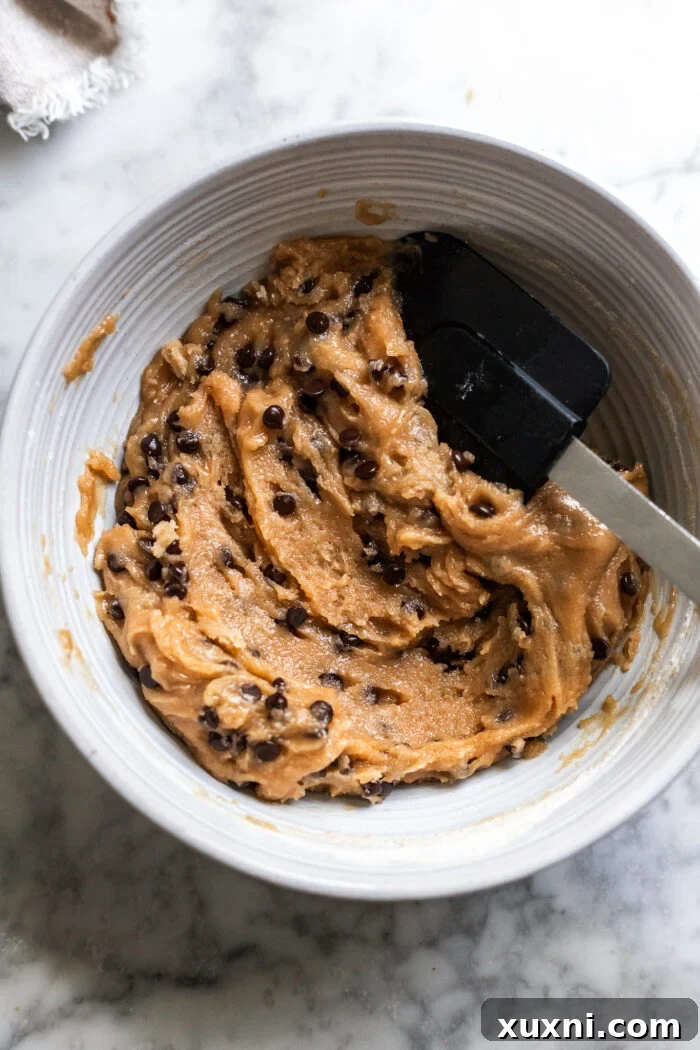
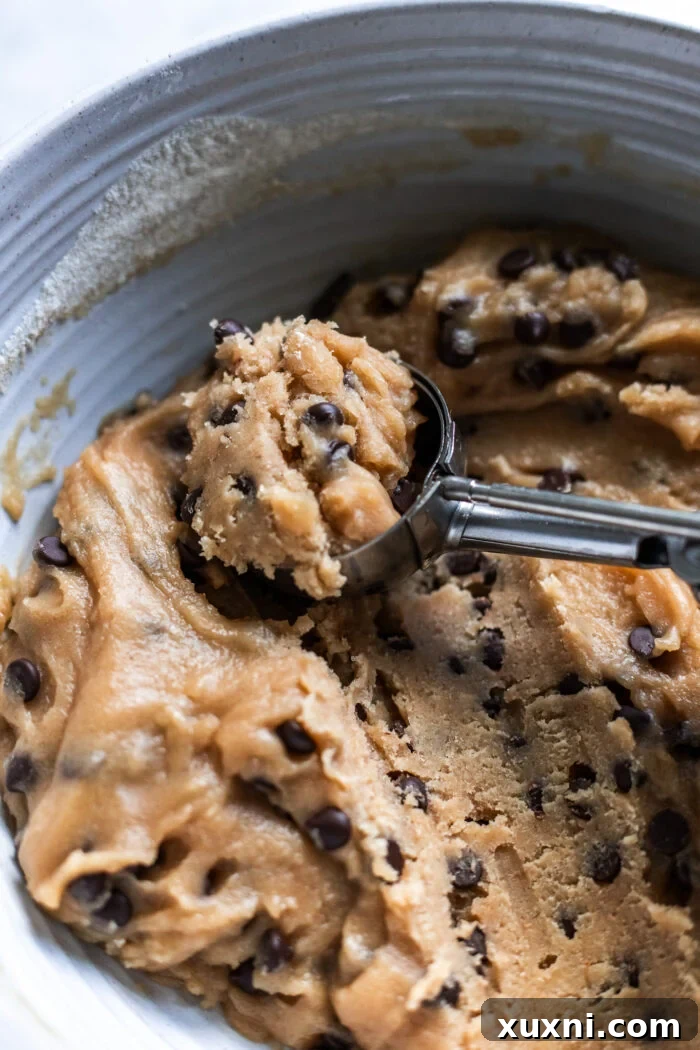
Creative Cookie Dough Add-Ins to Elevate Your Treat
While this edible vegan cookie dough is absolutely delightful on its own, it also serves as a fantastic base for customization. Get creative with these delicious add-ins to make each batch uniquely yours:
- Chopped Vegan Chocolate Bar: Elevate the chocolate experience by chopping up your favorite vegan chocolate bar, whether it’s dark, milk, or a flavored variety.
- Vegan White Chocolate Chips: Add a sweet, creamy contrast with some dairy-free white chocolate chips.
- Freeze-Dried Strawberries: For a burst of fruity flavor and a pop of color, finely chop some freeze-dried strawberries and mix them in.
- Sprinkles: Make it festive for any occasion by folding in some colorful vegan sprinkles.
- Chopped Nuts: For added crunch and flavor, consider chopped walnuts, almonds, peanuts, or pecans.
- Nut Butter Swirls: Swirl in dollops of creamy peanut butter, cashew butter, or even a homemade vegan Nutella for a rich, marbled effect.
- Crushed Vegan Cookies: Crumble in some vegan Oreos or other favorite plant-based cookies for an extra layer of texture and flavor.
- Vegan Candy-Coated Chocolate Gems: For a fun and colorful addition, mix in some vegan versions of classic candy-coated chocolates.
Making it Gluten-Free: Safe and Delicious Alternatives
Yes, you can absolutely make this incredible edible cookie dough gluten-free! It’s important to remember that the same rules for heat-treating flour apply to gluten-free varieties as well. Even gluten-free flours can harbor bacteria from factory processing, so always ensure you heat-treat them to 160°F (71°C) before incorporating into your dough.
For the best results with a gluten-free edible vegan cookie dough, I recommend two excellent options:
- Oat Flour: Homemade oat flour (made by blending rolled oats until fine) or store-bought oat flour works beautifully. It provides a slightly nutty flavor and a tender texture that mimics traditional flour well. Remember to heat-treat it!
- King Arthur Measure for Measure Gluten-Free Flour: This specific blend is formulated to be a direct 1:1 substitute for all-purpose flour in most recipes, including this one. Its balanced composition ensures a great texture without extensive modifications.
Another delicious option is to use a blend of half almond flour and half oat flour. This combination can offer a richer flavor profile and a slightly different texture, which some prefer. Regardless of your choice, ensuring the flour is properly heat-treated is the most critical step for a safe and enjoyable gluten-free treat.

Storage and Shelf Life Tips
This edible vegan cookie dough is so delicious, it might not last long! However, if you have any leftovers, proper storage will keep it fresh for future cravings. Store the cookie dough in an airtight container in the refrigerator for up to one week. For longer storage, you can freeze it for up to three months. To enjoy from the freezer, simply let it thaw slightly at room temperature until it reaches your desired consistency.
If you try this delightful recipe, please take a moment to leave a comment and a rating ⭐️⭐️⭐️⭐️⭐️ below. Your feedback helps other dessert lovers discover and enjoy these recipes! Don’t forget to share your beautiful creations on Instagram and Pinterest – remember to tag me @the_bananadiaries and use the hashtag #thebananadiaries so I can see your amazing work!
Print Recipe
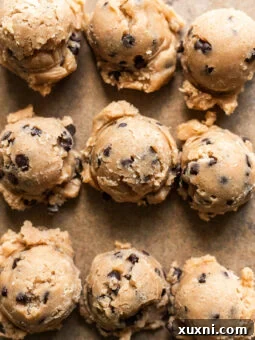
Simple Edible Vegan Cookie Dough Recipe – Like Tollhouse!
- Author: Britt Berlin
- Prep Time: 5 minutes
- Chill Time: 15 minutes
- Cook Time: 5 minutes
- Total Time: 25 minutes
- Yield: 12 servings
- Category: Cookies
- Method: No Bake
- Cuisine: American
- Diet: Vegan
Description
This edible vegan cookie dough offers the beloved taste and texture of classic Tollhouse cookie dough, made with simple dairy-free and eggless ingredients. It’s incredibly easy to prepare and completely safe to enjoy raw!
Ingredients
- 1 cup (125 g) heat-treated all-purpose flour or gluten-free 1:1 baking flour, sifted and spoon & leveled
- 6 tbsp (85 g) unsalted vegan butter, melted and cooled to room temperature
- 1/4 cup (50 g) organic granulated sugar
- 1/3 cup (75 g) light brown sugar
- 3 tbsp (45 g) dairy-free yogurt or unsweetened applesauce, room temperature
- 2 tsp vanilla extract
- 1/4 tsp sea salt
- 1/2 cup (85 g) vegan chocolate chips
Instructions
- Heat-treat the flour: Preheat your oven to 350°F (175°C). Line a baking sheet with parchment paper. Pour the all-purpose or gluten-free flour onto the prepared baking sheet, spreading it out evenly. Bake for 7-10 minutes, or until the flour reaches an internal temperature of 160°F (71°C) as measured with a food thermometer. Remove from the oven and allow it to cool completely. Once cool, make sure to sift the flour, as it will likely clump up from the heat-treating process. This step is essential for a smooth dough.
- Whisk the wet ingredients: In a separate medium-sized bowl, combine the melted and cooled vegan butter, organic granulated sugar, light brown sugar, room-temperature dairy-free yogurt (or applesauce), pure vanilla extract, and sea salt. Whisk these ingredients together until they are fully combined and smooth.
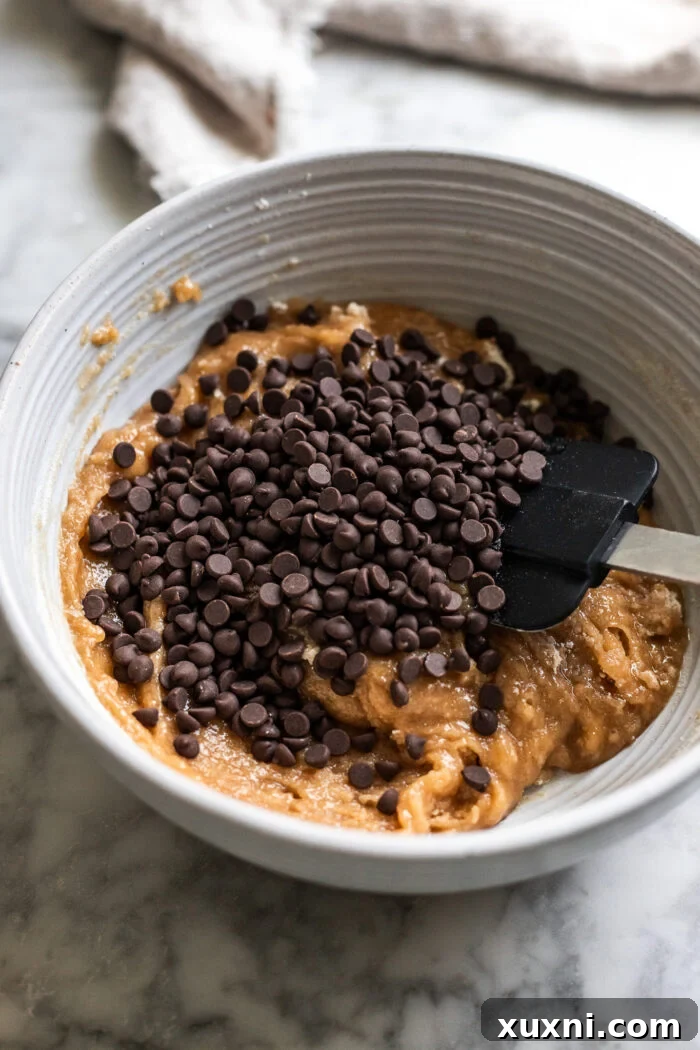
- Fold in the flour and chocolate chips: Carefully sift the heat-treated and cooled flour into the bowl with the wet ingredients. Using a rubber spatula, gently fold the flour into the wet mixture until just combined. Overmixing can lead to a tougher dough. Once the flour is mostly incorporated, add your chosen vegan chocolate chips and fold again until they are evenly distributed throughout the dough.
- Chill the dough: Cover the bowl with plastic wrap or a lid and refrigerate the cookie dough for 15-20 minutes. This chilling period helps the dough firm up slightly, making it easier to handle and enhancing its flavors and texture.
- Serve and enjoy: Once chilled, your edible vegan cookie dough is ready! Scoop the cookie dough into 1.5 tablespoon-sized servings, enjoy it directly from the bowl, or use it as a delicious component in other recipes. Store any leftover cookie dough in an airtight container for up to 1 week in the refrigerator, or freeze for up to 3 months.
Notes
Gluten-free Option: Remember that even gluten-free flours require heat-treating to ensure safety. For best results, use either oat flour or King Arthur Measure for Measure gluten-free flour. Refer to the blog post section above for more detailed tips on gluten-free flour usage and alternatives.