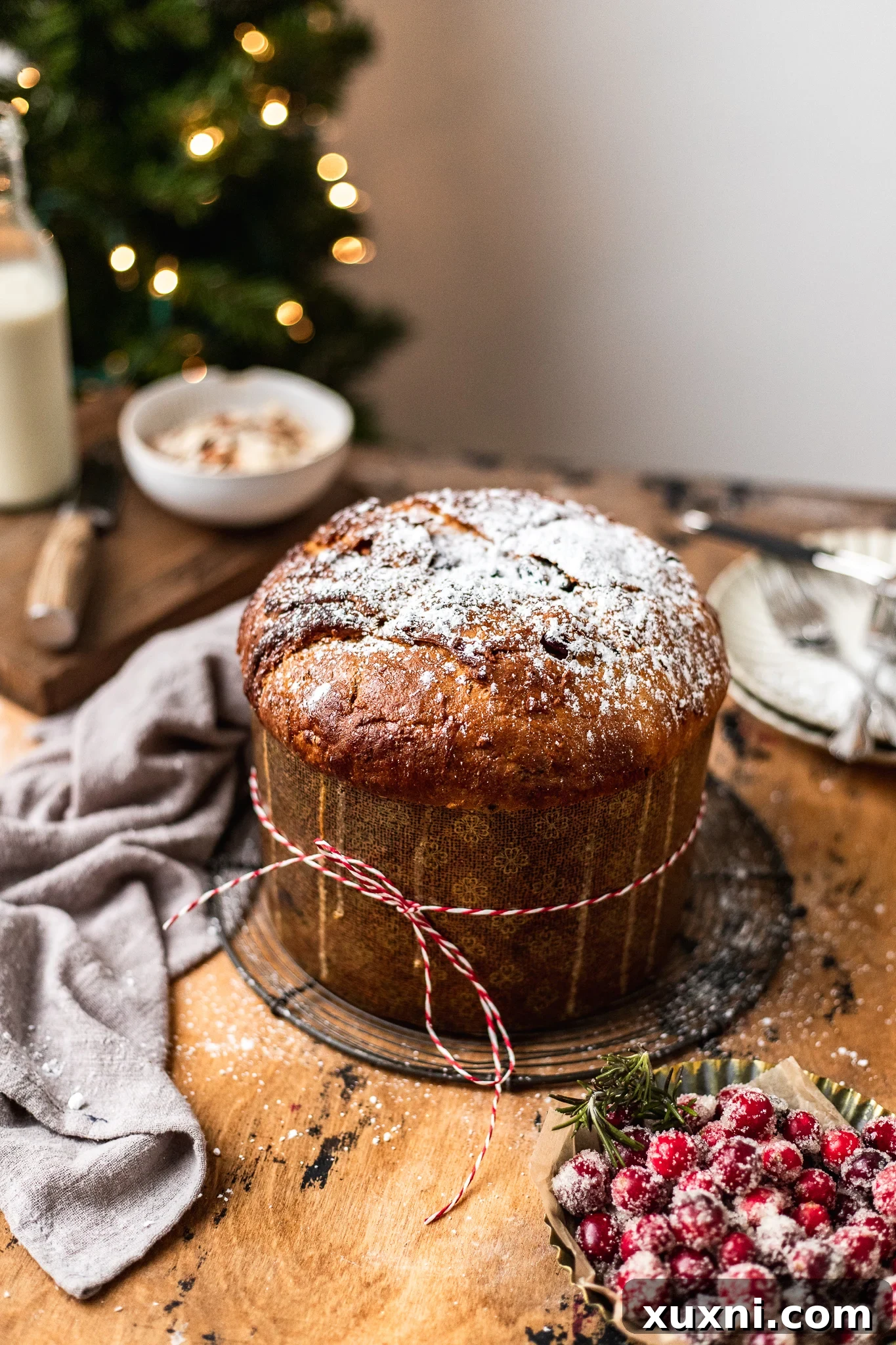
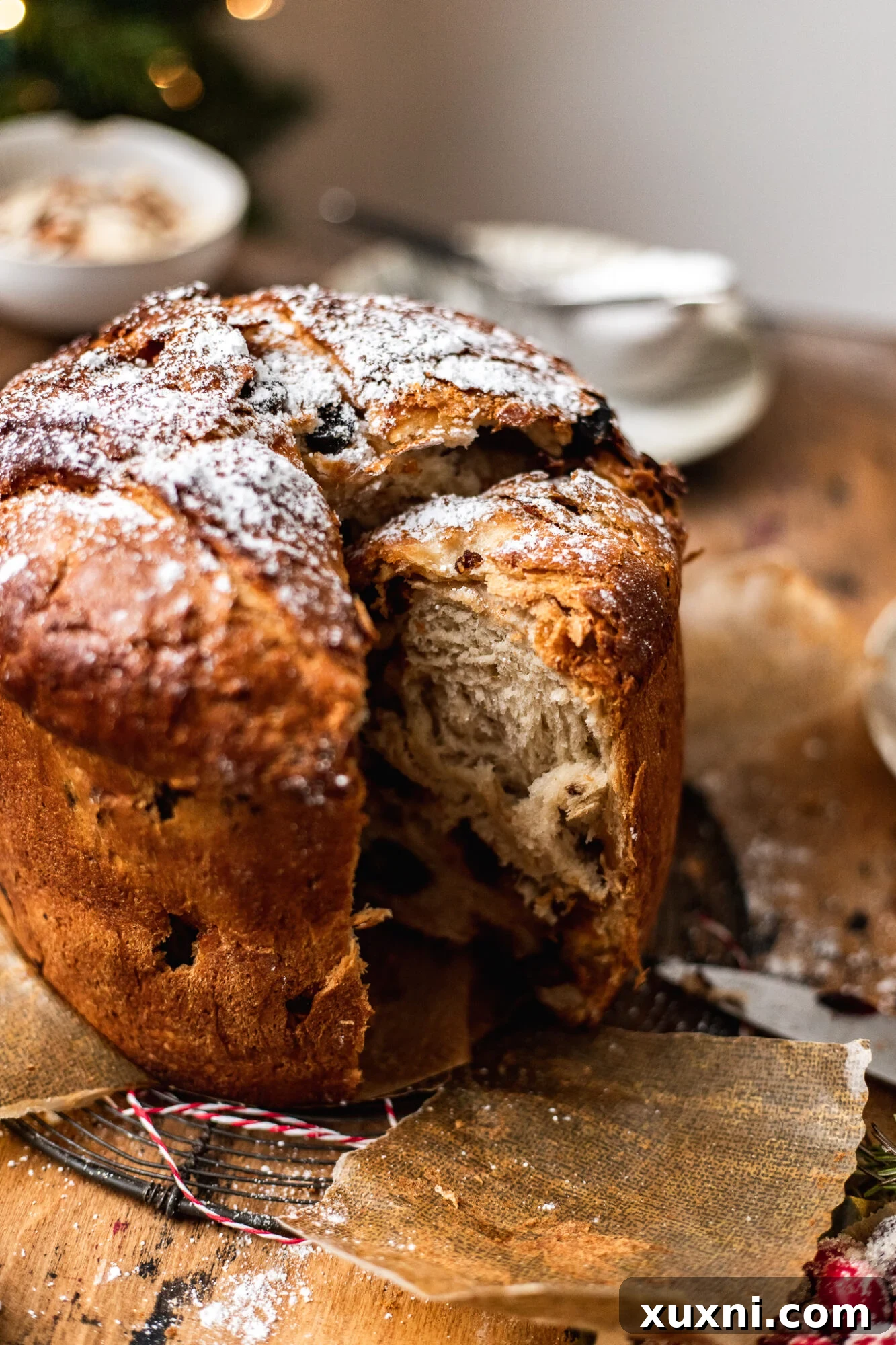
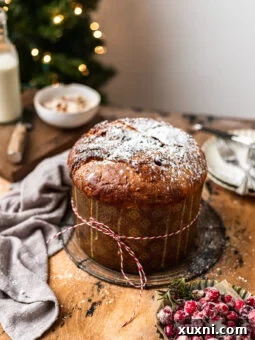
Embark on a delightful culinary journey this holiday season with our extraordinary vegan panettone recipe. Inspired by my cherished great-grandpa Andrea’s traditional Italian masterpiece, this adaptation offers all the classic charm without any eggs or dairy. Imagine a beautifully risen, enriched dough, generously studded with vibrant candied raisins, sweet cherries, and aromatic citron pieces. This vegan panettone doesn’t just mimic the original; it truly tastes like the beloved classic, making it the quintessential treat for all your Christmas celebrations. Get ready to bake a memory that’s both deeply personal and universally delicious!
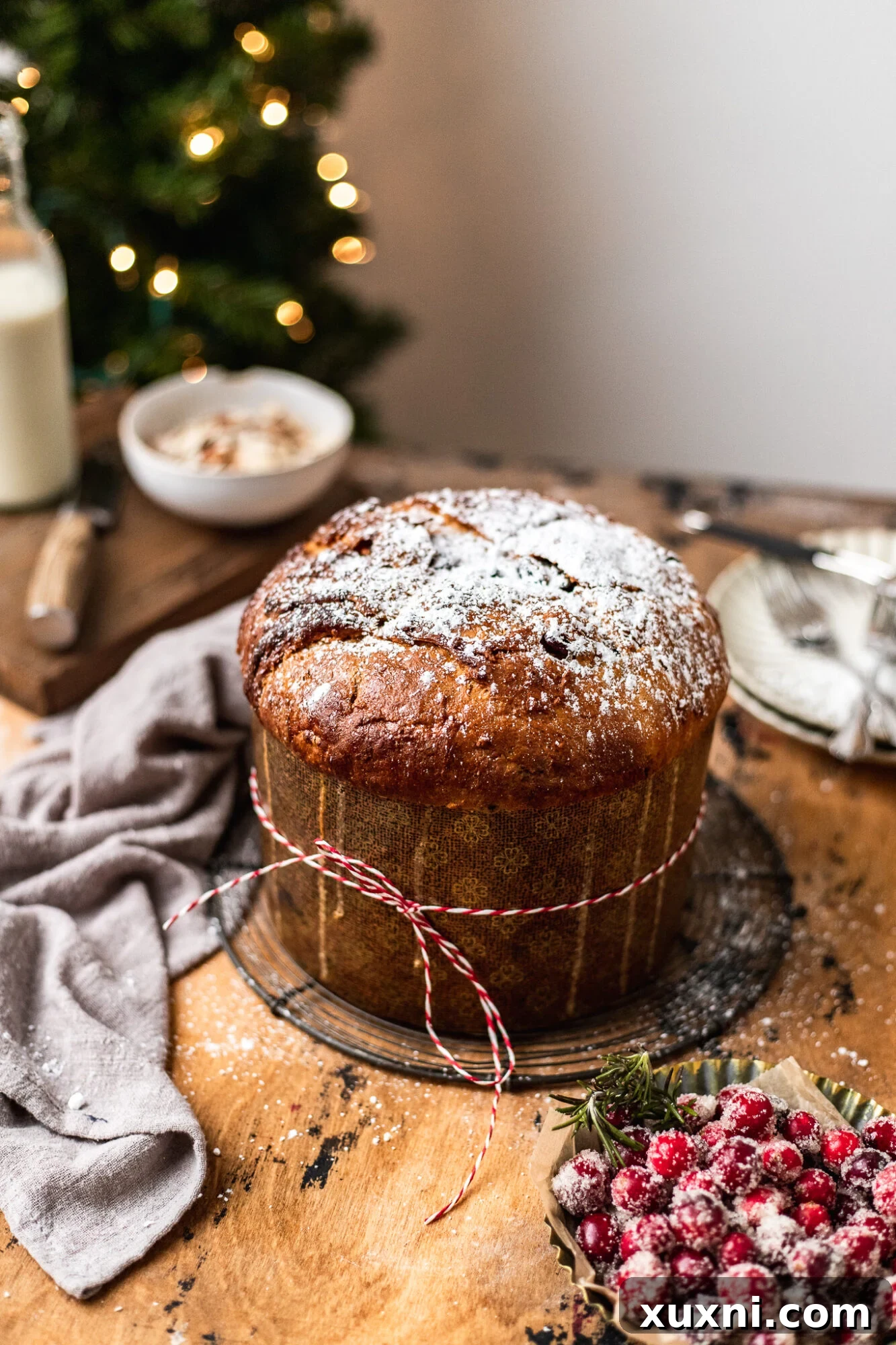
What is Panettone? Unveiling the Italian Christmas Bread
If the name Panettone is new to you, prepare for a delightful introduction to one of Italy’s most celebrated holiday treats. Originating from Milan, Panettone is far more than just a simple bread; it’s a rich, dome-shaped confection traditionally served during the Christmas season. This iconic Italian Christmas bread is distinguished by its incredibly light, airy texture and a dough that is deeply enriched with butter and eggs.
The classic preparation involves a lengthy, two-day process of slow fermentation, which is crucial for developing its complex flavor and signature fluffy crumb. As the dough is carefully kneaded and proofed, it’s generously folded with an assortment of candied fruits, typically including vibrant orange peel, succulent raisins, and occasionally sweet cherries or crunchy almonds. While often referred to as “Italian Christmas cake” due to its sweet and celebratory nature, Panettone technically falls into the category of an enriched pastry bread, similar in its lavishness to brioche or challah. Its unique combination of sweet dough and candied fruit has transcended Italian borders, becoming a beloved holiday staple in homes across the globe, including the United States and beyond.
My Sicilian great-grandpa, Andrea, held a special place in his heart for making Panettone. His passion for baking this festive bread was legendary within our family. This vegan recipe is my loving tribute to his culinary spirit, thoughtfully adapted to incorporate some of his distinctive touches while making it accessible to everyone with dietary restrictions.
My Great-Grandpa Andrea’s Original Panettone Recipe
Great-grandpa Andrea was an exceptional chef and baker, a true artisan in the kitchen. His original panettone recipe was a testament to his skill and passion. While he wasn’t vegan, and his recipe naturally included animal products, I wanted to share the essence of his culinary legacy. Providing his traditional ingredients allows us to appreciate the starting point from which our vegan adaptation was lovingly crafted, honoring the memory of the recipe he passed down to my grandmother.
Andrea’s Traditional Panettone Ingredients:
- 3 cups pastry flour
- 1 envelope yeast
- 2 teaspoons lukewarm water
- 1/4 teaspoon salt
- 1/4 cup butter, melted
- 4 egg yolks, room temperature
- 2 eggs, room temperature
- 1 cup sugar
- 1/2 cup lukewarm water
- 2/3 cup seedless raisins
- 1/2 cup candied citron peel, cut in small pieces
Crafting My Vegan Panettone: A Modern Twist on a Timeless Classic
Adapting Andrea’s beloved recipe to be completely vegan presented a unique and exciting challenge. Enriched doughs, like Panettone, rely heavily on eggs and dairy for their signature richness, structure, and delicate texture. Replicating these qualities in a vegan format required thoughtful substitutions and a slight adjustment in ratios to ensure a successful and delicious outcome.
My primary goal was to maintain the authentic essence and flavor profile of the classic panettone while making it entirely eggless and dairy-free. I strove to keep the ingredient ratios as close as possible to the original, but some modifications were essential for the vegan version to truly shine. For instance, to achieve the beautiful golden hue typically imparted by egg yolks in traditional panettone, I’ve incorporated a touch of turmeric. This natural coloring agent provides that inviting warmth without affecting the taste. If turmeric isn’t readily available, or you prefer to omit it, the recipe will still yield a wonderfully delicious panettone; it simply won’t have the same vibrant golden tint.
One notable change you’ll observe is the use of weighted measurements in my vegan recipe. While my great-grandpa Andrea was a remarkably precise baker even without them, using grams ensures consistency and accuracy, especially when dealing with the delicate balance of an enriched dough. You’ll also notice a slight increase in flour and a subtle reduction in sugar compared to Andrea’s recipe. After reviewing various traditional panettone recipes, I realized his was quite sweet! I aimed for a balance that still offers that delightful festive sweetness without being overly aggressive. This vegan rendition of the classic Italian Christmas bread remains perfectly sweet and satisfying.
Another departure from Andrea’s method is the suggestion to soak the dried fruit. While he added his fruit dry to the dough, many contemporary panettone recipes, especially the authentic Milanese versions, recommend soaking the fruit in rum extract or a similar liquid to infuse more flavor and keep the fruit moist. As I prefer to bake alcohol-free, my recipe suggests soaking the fruit in a blend of maple syrup and water, which effectively simulates the rum extract’s contribution. However, for those who prefer a truer rendition, feel free to use rum extract for soaking. This step ensures the fruit remains plump and juicy throughout the baking process, adding another layer of exquisite flavor.
Here’s my enhanced vegan panettone recipe:
- 5 cups (600 grams) pastry flour, divided, plus more for kneading
- 2/3 cup (167 grams) lukewarm water, divided
- 1 packet active dry yeast (not instant)
- 3/4 cup (150 grams) granulated sugar
- 1 cup (240 grams) dairy-free unsweetened vanilla yogurt, room temperature
- 2/3 cup (160 grams) vegan butter, melted but not hot
- 1/2 cup candied citron or orange peel (or sub 1 tsp fiori di sicilia if you can’t find orange peel)
- 1/2 cup each diced apricot, raisins, and cherries
- 1 tbsp maple syrup + 1/4 cup water or 3 tbsp rum extract (for soaking fruit)
- 1/2 cup slivered almonds
- 1 tsp turmeric, for coloring (optional)
- 1/4 tsp sea salt
Essential Equipment for Panettone Perfection
Making Panettone is truly a labor of love, a rewarding experience that culminates in a spectacular holiday treat. While the process is deeply satisfying, it does require a few specific tools to ensure the best results, especially given the enriched nature of the dough.
**A Stand Mixer is Your Best Friend:** I highly recommend using a stand mixer equipped with a dough hook for this recipe, particularly if you are new to bread baking or working with enriched doughs. Panettone dough is quite soft and sticky, making hand-kneading a challenging and messy endeavor, though certainly achievable with patience and practice. A stand mixer will effortlessly handle the extensive kneading required, ensuring proper gluten development and a perfectly smooth, elastic dough, which is crucial for achieving that characteristic airy panettone crumb. While I have successfully made this version by hand, the ease and efficiency of a stand mixer significantly streamline the process.
**The Indispensable Panettone Mold:** Another critical piece of equipment is a dedicated panettone mold. These tall, cylindrical paper molds are specifically designed to support the dough during its final, dramatic rise and baking. They help the panettone achieve its iconic dome shape and prevent it from collapsing under its own weight. You can typically find these molds at Italian bakeries, specialty kitchen stores, or conveniently order them online. Don’t underestimate the importance of this mold; it’s key to the panettone’s distinctive appearance and texture.
Beyond these specialty items, ensure you have standard baking essentials like large mixing bowls, measuring cups and spoons (or better yet, a digital kitchen scale for precision), a rolling pin, and a baking sheet. Preparing your workspace with these tools beforehand will make the multi-day baking process smoother and more enjoyable.
The Culinary Journey: How to Make Vegan Panettone (Detailed Overview)
For the complete written instructions and precise ingredient measurements, please refer to the comprehensive recipe card located at the bottom of this post. You can also easily jump directly to the recipe by clicking the “jump to recipe” button at the top of the page. Here, we’ll provide a more detailed overview of each step, complemented by visuals to enhance your understanding and confidence in tackling this rewarding recipe.
Crafting Panettone, even the vegan version, is a testament to patience and dedication. While the method itself is straightforward, the key to its success lies in its slow fermentation process, which spans two days. This extended timeline allows the flavors to deepen and the dough to develop its characteristic airy structure.
To make the most of your time, I highly recommend beginning your vegan panettone journey on the morning of the first day. Day one involves several crucial rising periods, totaling approximately 6-8 hours, so starting early ensures you have ample time for each stage without feeling rushed. This careful pacing is essential for the dough’s development and ultimately, for the sublime texture of your finished Italian Christmas bread.
Here’s a comprehensive overview of how to bring this magnificent vegan panettone to life:
Day 1: Building the Foundation – Starter & Enriched Doughs
Day one is dedicated to building the foundation of your panettone, starting with the yeast and progressively enriching the dough. As mentioned, an early start is key to comfortably navigate the various rising stages.
You’ll begin by preparing the starter, the vital first step that will carry the entire recipe. Unlike many online panettone recipes that opt for instant yeast, I’ve chosen active dry yeast, mirroring my great-grandpa’s preferred method. I find active dry yeast to be incredibly reliable, offering a consistent and robust rise.
First, you’ll bloom the active dry yeast in lukewarm water, allowing it to awaken and become bubbly. This ensures your yeast is active and ready to work its magic. Following this, you’ll incorporate flour to form the initial starter dough, a small, pliable ball that will then be left to rest and develop for **2 hours** in a warm environment. This crucial rest period allows the yeast to multiply and begin its fermentation process, creating the foundation for a flavorful and airy panettone.
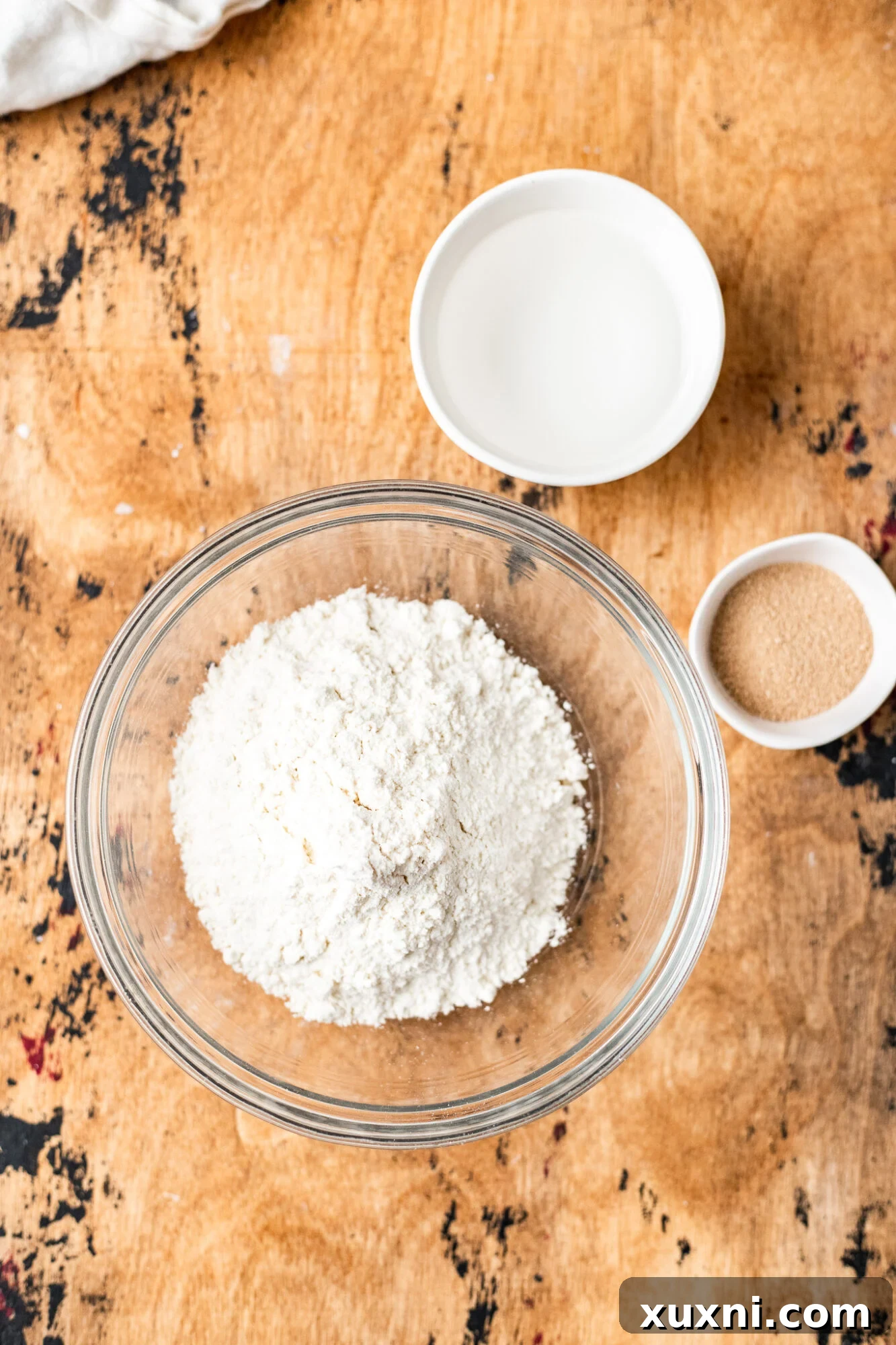
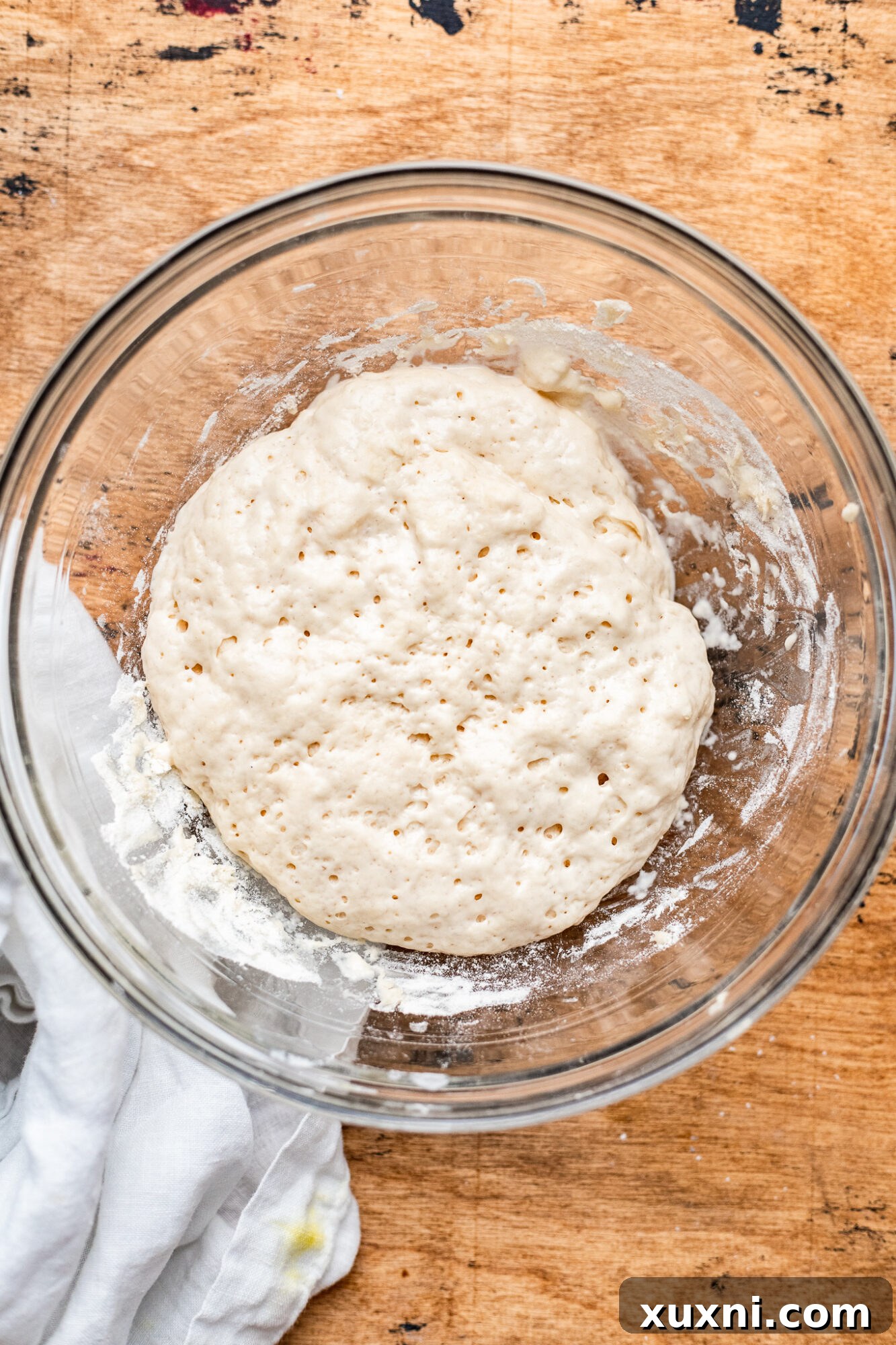
Once your starter has visibly tripled in size and is bubbly, it’s time to create the first dough. You’ll combine the activated starter with additional pastry flour and more lukewarm water. Whether you choose to use a stand mixer with a dough hook or knead by hand, the goal is to work the mixture until it forms a soft, pliable, and elastic dough ball. Don’t hesitate to add a little more flour if necessary during kneading to achieve the right consistency – it should be soft but not overly sticky. After achieving this initial dough, it will undergo another resting period, allowing it to rise again for another **2 hours**, or until its size has doubled. This second rise further develops the dough’s structure and flavor.
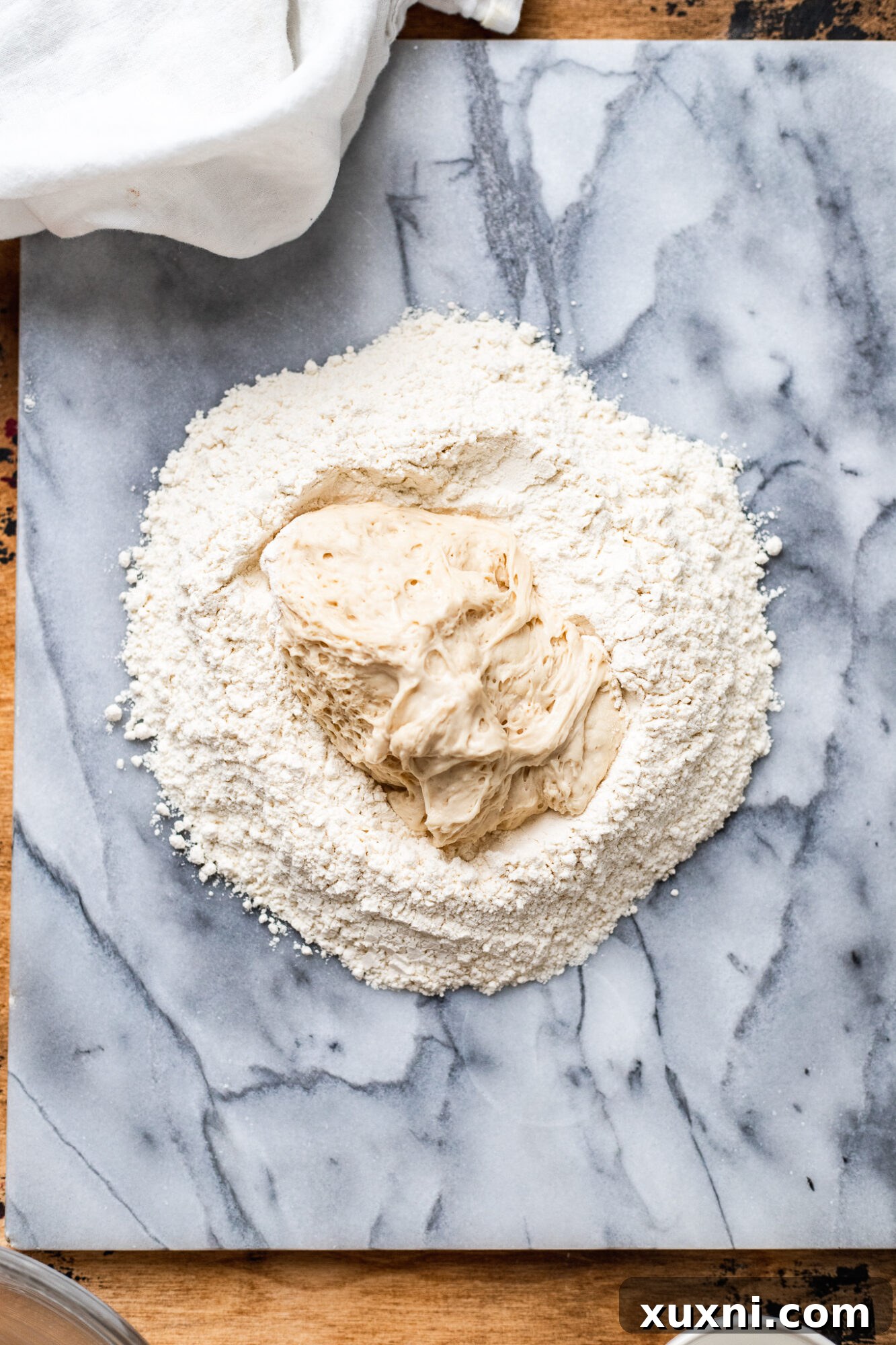
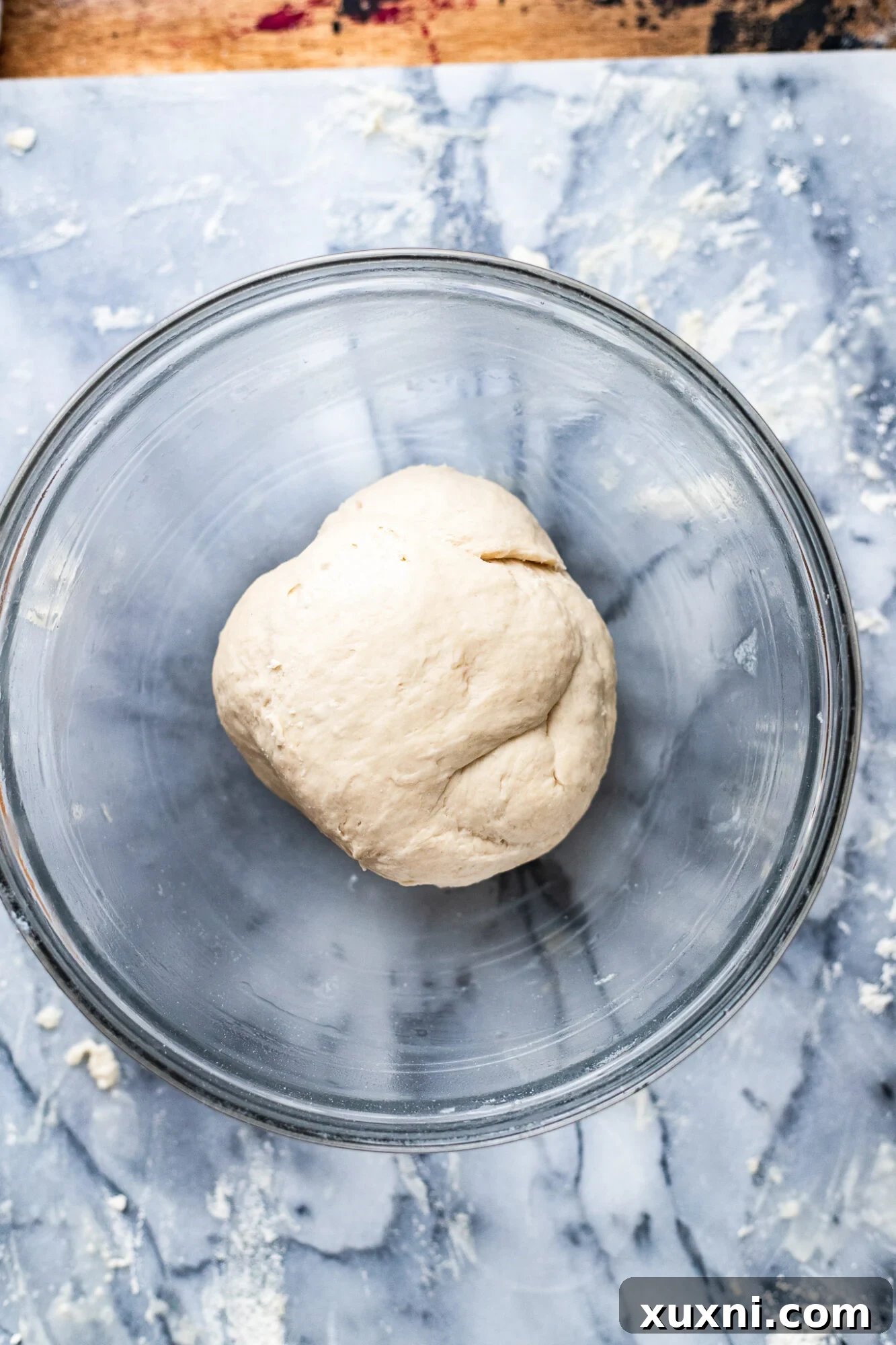
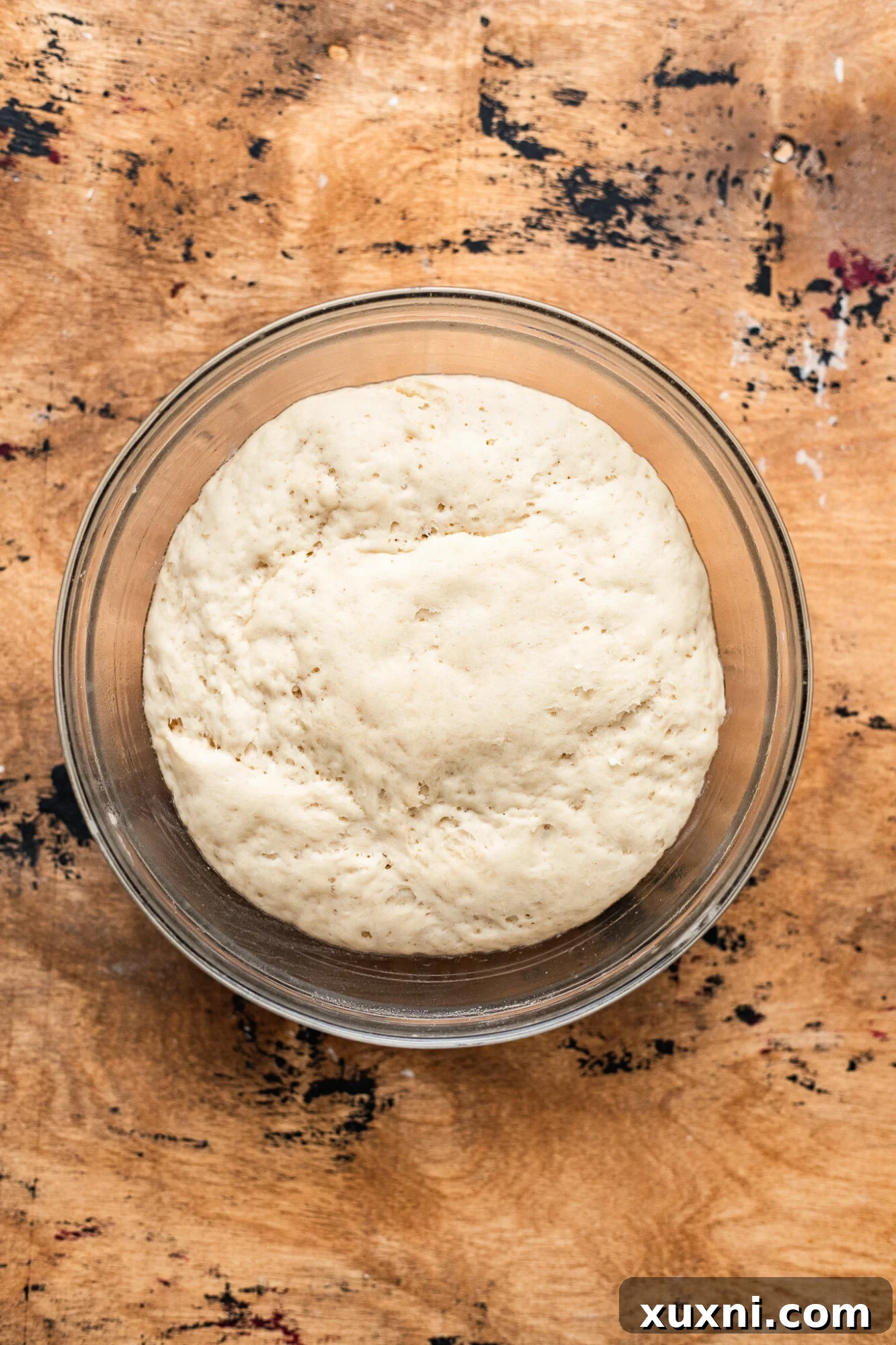
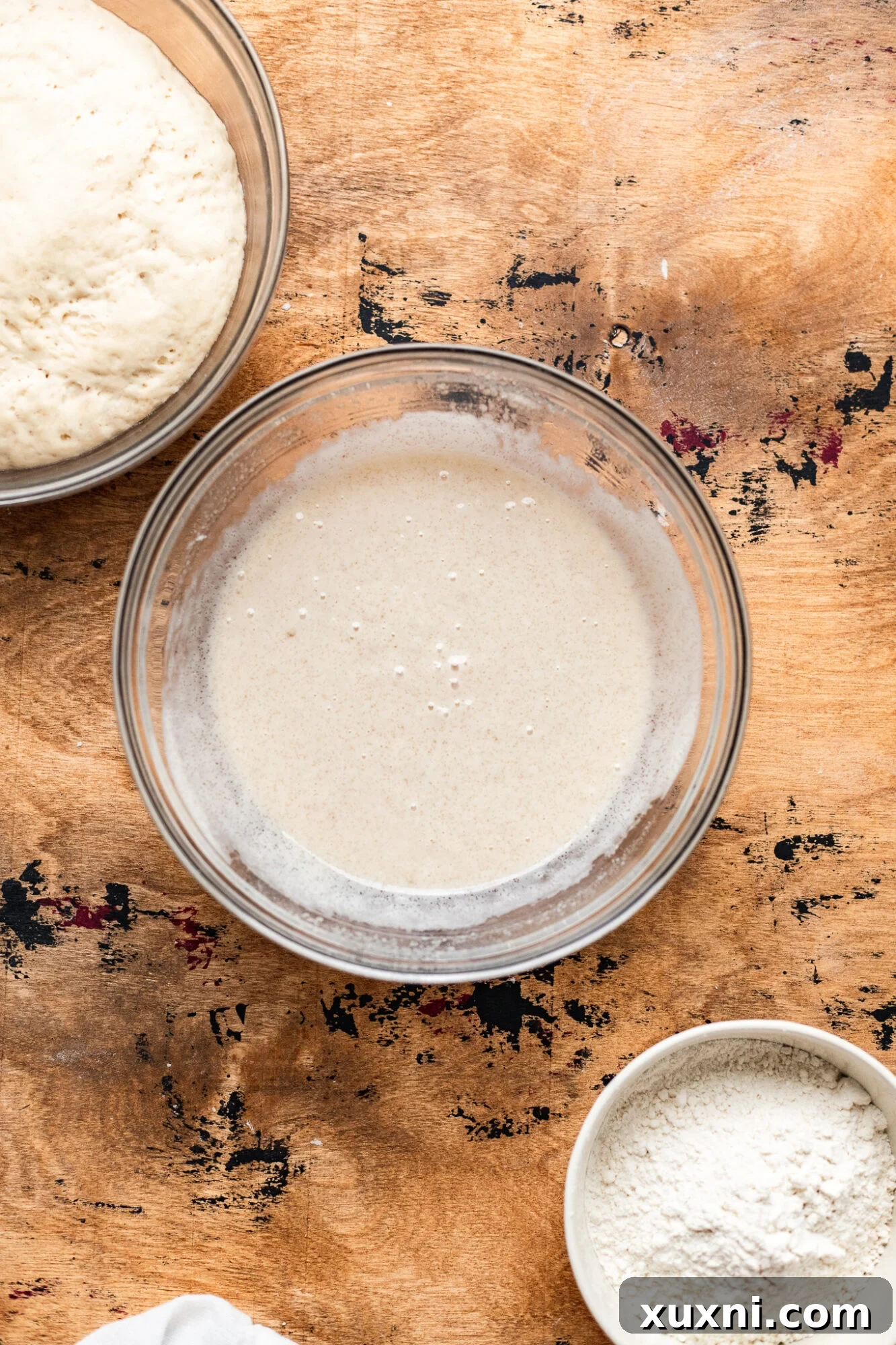
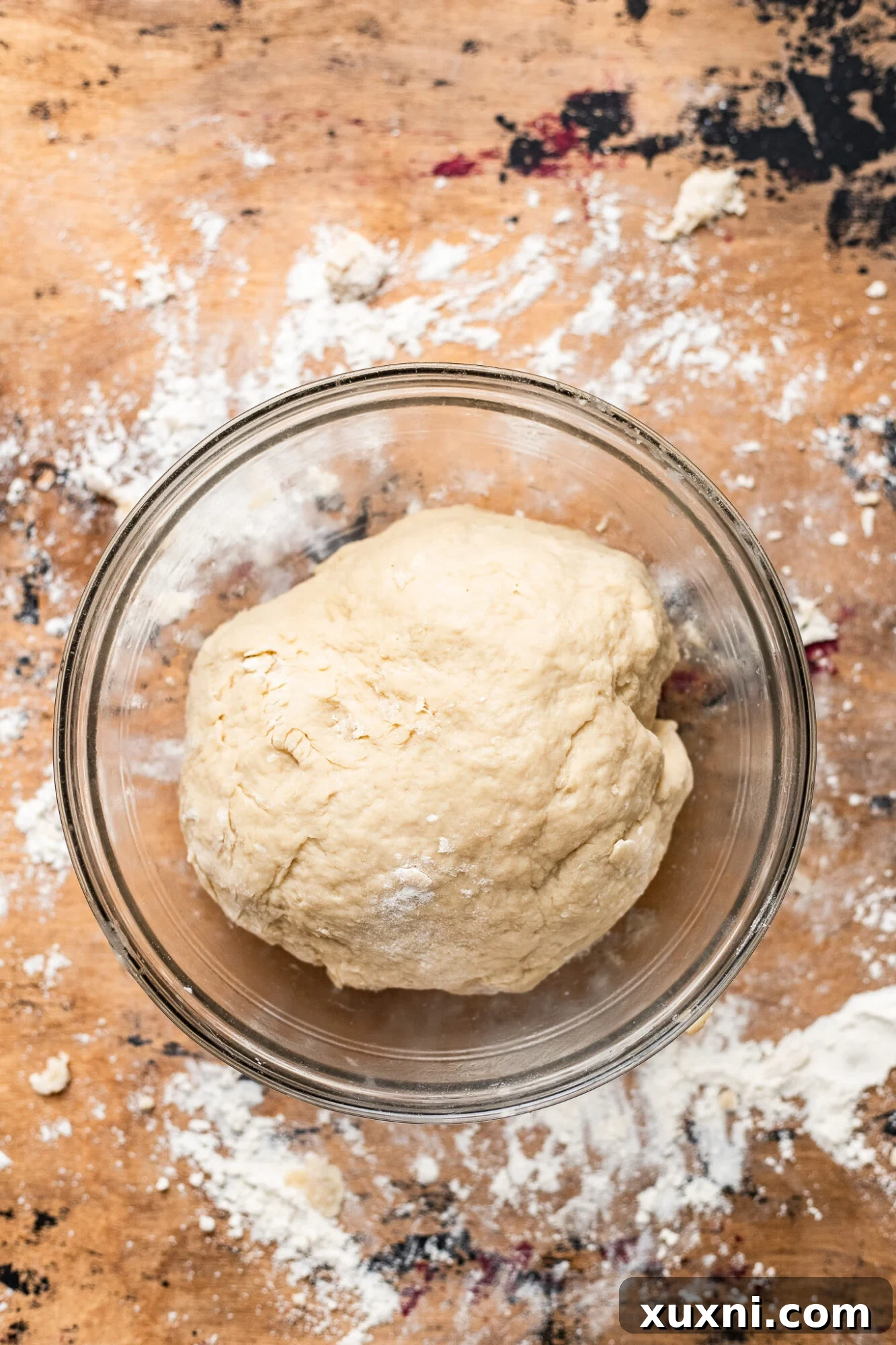
Next, we transition to the second dough, where the true enrichment takes place. Once the first dough has risen beautifully, return it to the stand mixer. In a separate bowl, whisk together the dairy-free yogurt and granulated sugar (incorporating fiori di sicilia here if you’re using it instead of orange peel). To the dough in the mixer, add another cup of flour, along with the sea salt, melted vegan butter, and the optional turmeric for color. Mix or knead these ingredients until they are thoroughly combined. Then, gradually incorporate the sugar and yogurt mixture in three increments, ensuring each addition is fully absorbed into the dough before adding the next. This careful incorporation is essential for developing a rich, supple dough. Continue kneading until a soft, slightly tacky ball is formed.
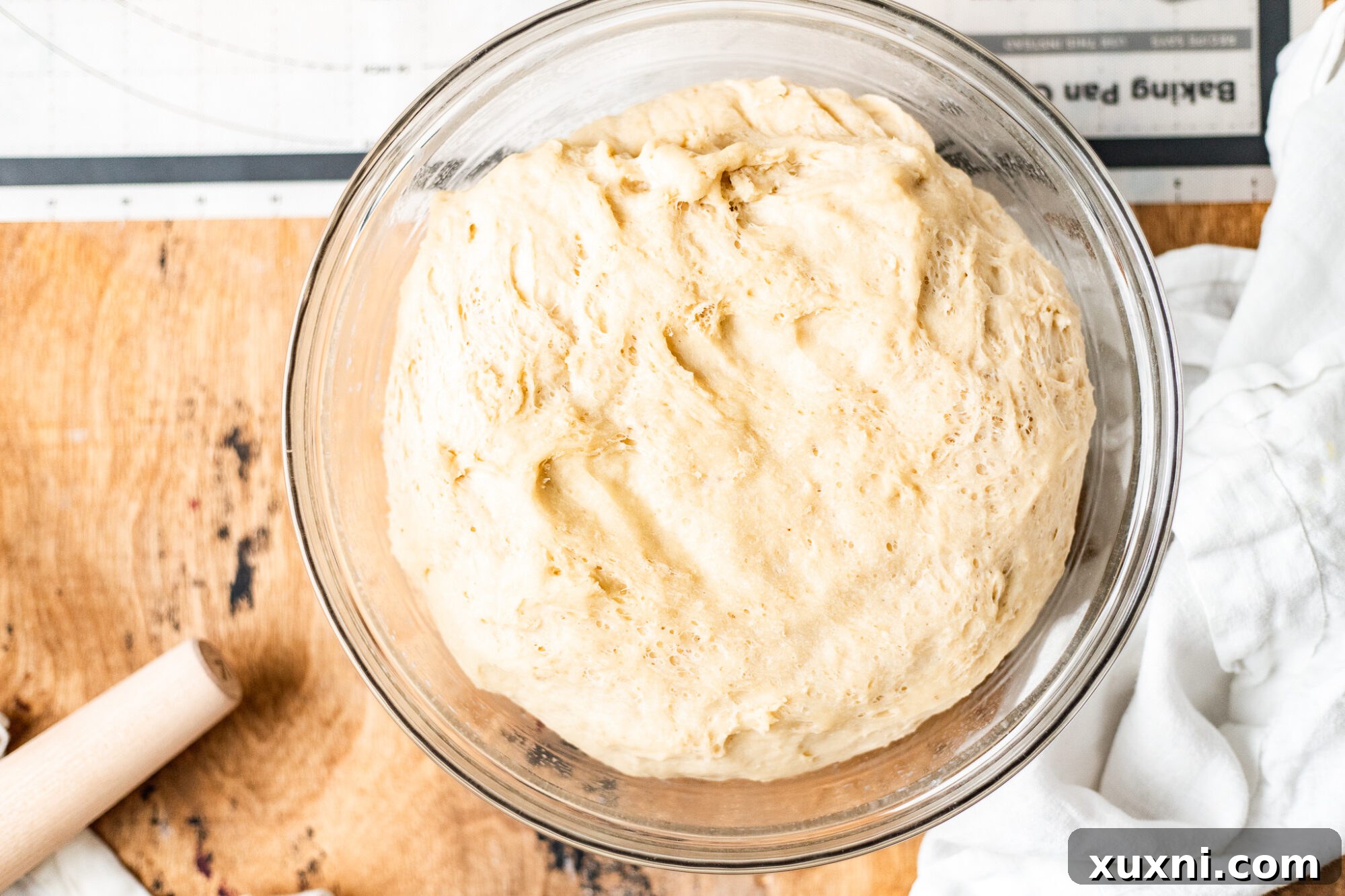
Finally, transfer this beautifully enriched dough into a well-greased bowl, cover it, and allow it to undergo a final rise for **2 hours** in a warm spot. This extended proofing is critical for the development of flavor and texture. After this rise, the dough will be transferred to the refrigerator to continue its slow fermentation overnight. This cold proofing period is paramount; it deepens the panettone’s complex flavors and makes the dough easier to handle on day two.
Pro Tip: For a cleaner and more efficient process, especially with this sticky, enriched dough, I wholeheartedly recommend using a stand mixer over making it by hand. It will save you significant effort and mess!
Day 2: The Grand Finale – Fruit, Shaping, and Baking
Day two is when your vegan panettone truly comes to life, incorporating the delicious fruits and undergoing its final transformation before baking.
Begin by preparing your soaked fruits. Gently drain any excess liquid from the raisins, apricots, and cherries. By now, they should have absorbed much of the maple syrup and water (or rum extract), becoming plump and infused with flavor. Set the fruit aside, ready for incorporation.
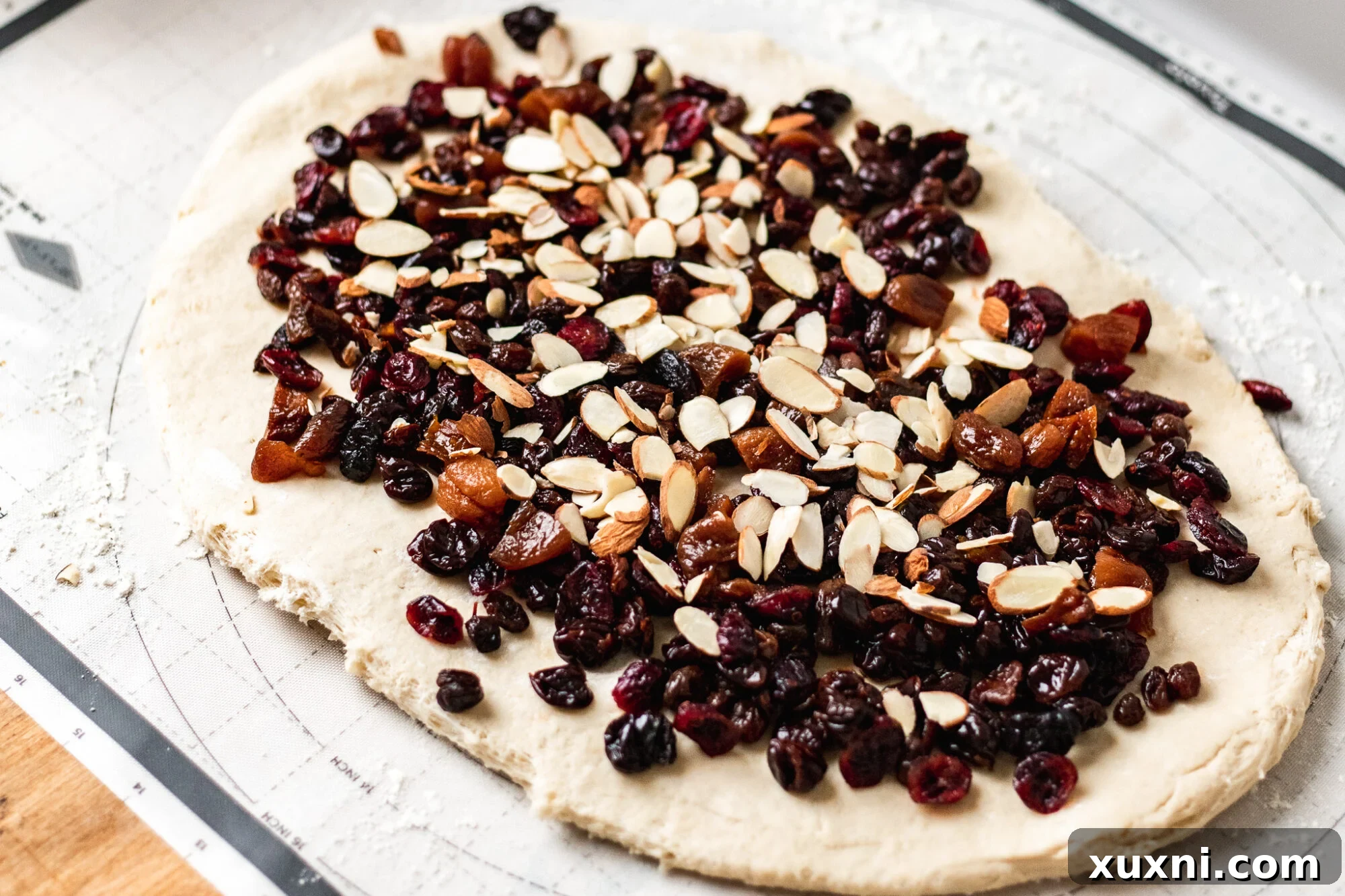
Next, retrieve your dough from the refrigerator. Lightly flour a clean work surface and a rolling pin. Place the chilled dough in the center and gently roll it into a large rectangle, aiming for approximate dimensions of 14×18 inches. This size doesn’t need to be exact, but a generous surface area will make the next step easier. Evenly sprinkle the prepared candied fruits and slivered almonds over the entire surface of the dough.
Now comes the crucial step of folding the fruit into the dough. To distribute the fruits thoroughly, I recommend a series of gentle folds. First, fold the dough into thirds, creating a long, layered column. Then, take the top half of this column and fold it down, followed by folding the bottom half up, essentially folding it in half again. Finally, gather the four corners of the dough and gently pinch them together underneath to shape your dough into a neat, round ball. This method helps to evenly incorporate the fruits without overworking the dough, ensuring a consistent texture throughout your panettone. This technique is similar to how you would shape vegan dinner rolls, focusing on creating a smooth, taut surface.
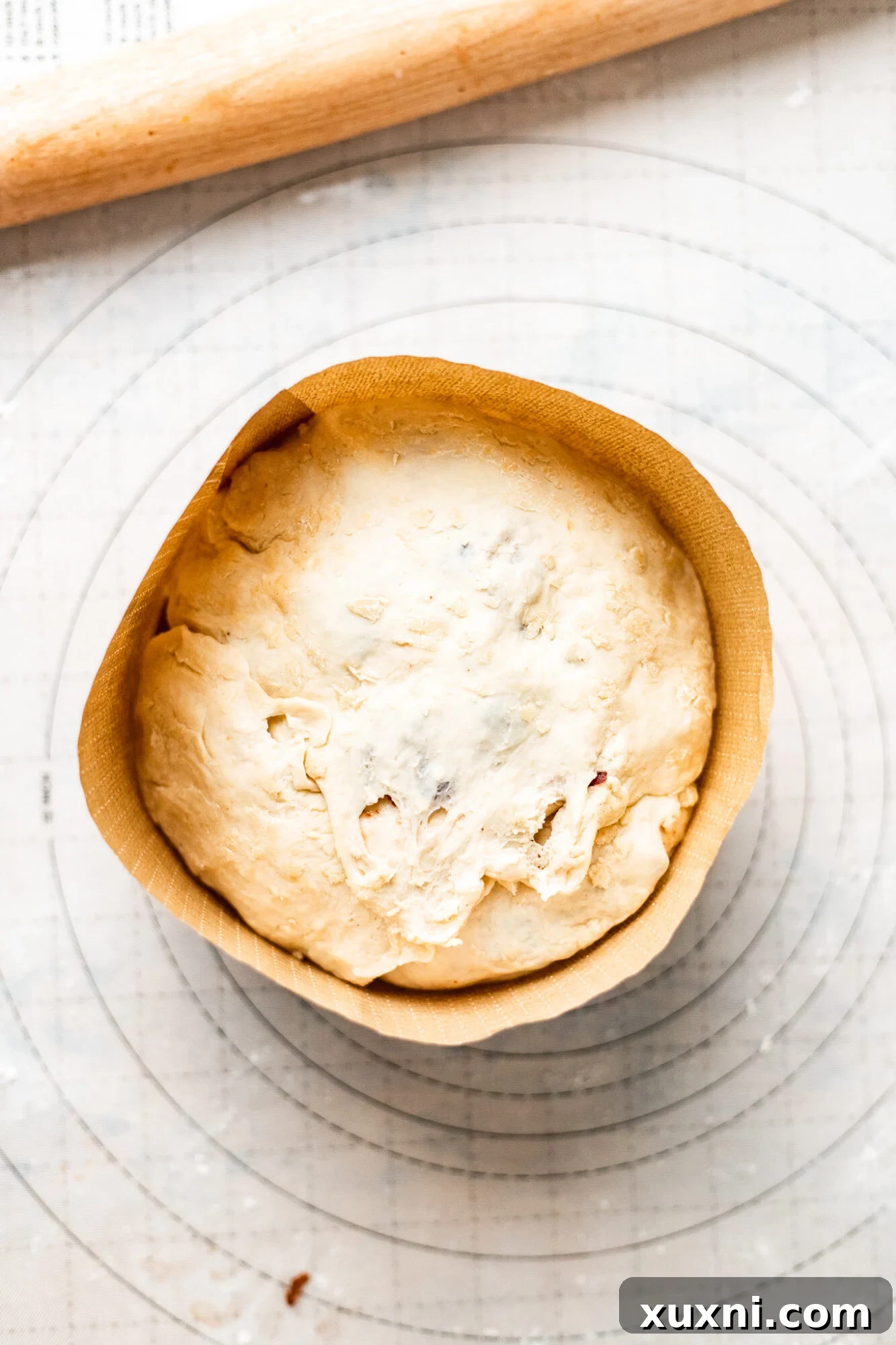
Carefully place the shaped dough, seam-side down, into your panettone mold. Cover the mold loosely and allow the dough to undergo its final, critical rise in a warm area for **4-6 hours**, or until it has doubled significantly in size. A key indicator that it’s ready for baking is when the top of the dough proudly pops over the rim of the mold, showcasing its impressive volume. This final proof is where the panettone truly develops its iconic height and airy internal structure.
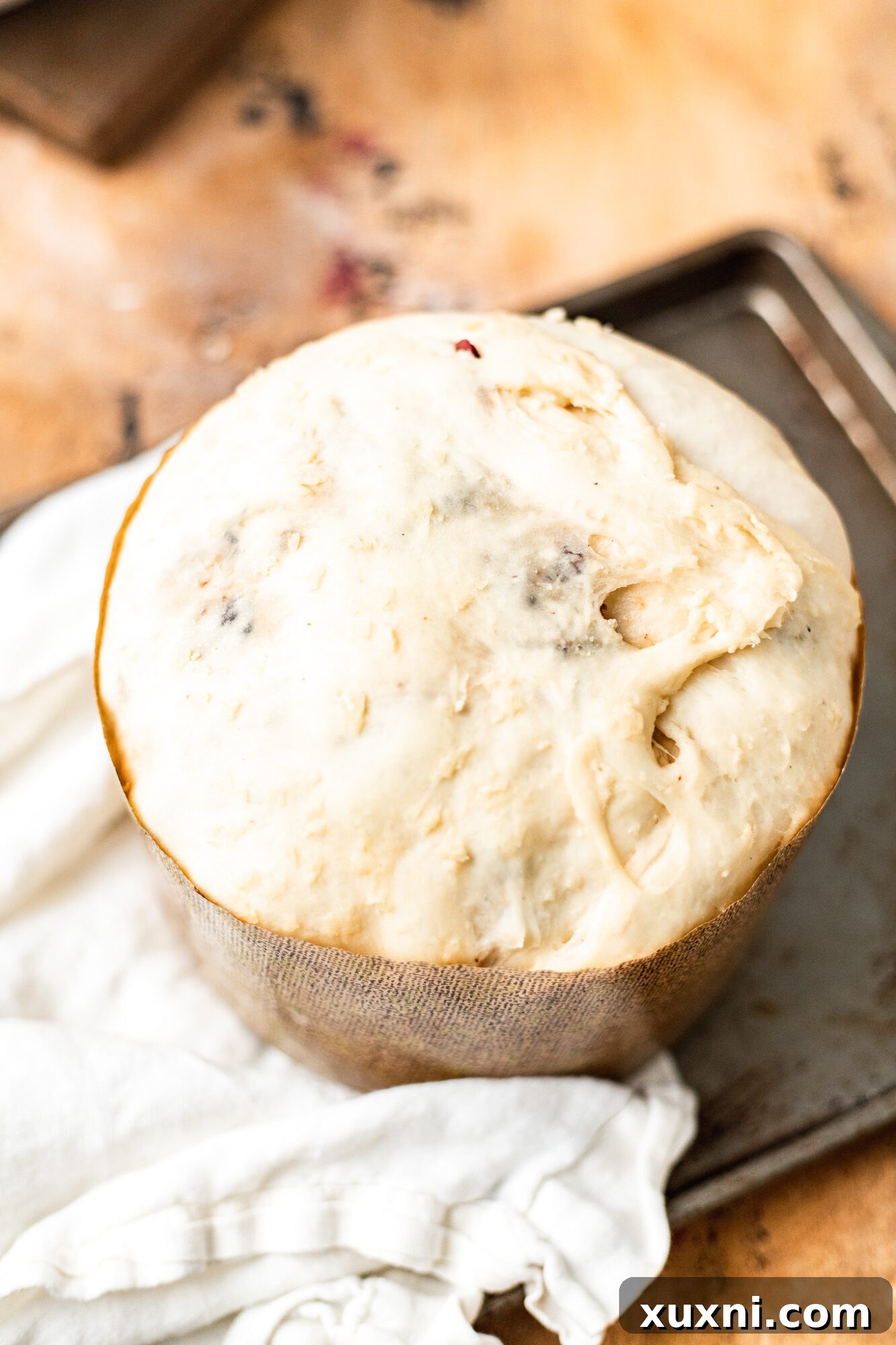
Preheat your oven to 400°F (200°C). Before placing it in the oven, carefully score a cross-hatch mark on the top of the panettone with a sharp knife. This not only adds to its traditional appearance but also helps the loaf expand beautifully during baking. Place a small pat of cold vegan butter in the center of this cross.
Place the panettone on a baking sheet and into the preheated oven for an initial **5 minutes**. This high heat creates a rapid burst of oven spring. After 5 minutes, briefly remove the panettone, and if the butter has melted, ensure there’s a fresh pat of vegan butter in the center of the cross mark (this helps keep the top tender and flavorful). Return it to the oven and bake for another **15 minutes**. Then, reduce the oven temperature to 375°F (190°C) and continue baking for an additional **45 minutes**, or until the top is a deep, golden brown and a wooden skewer inserted into the center comes out clean.
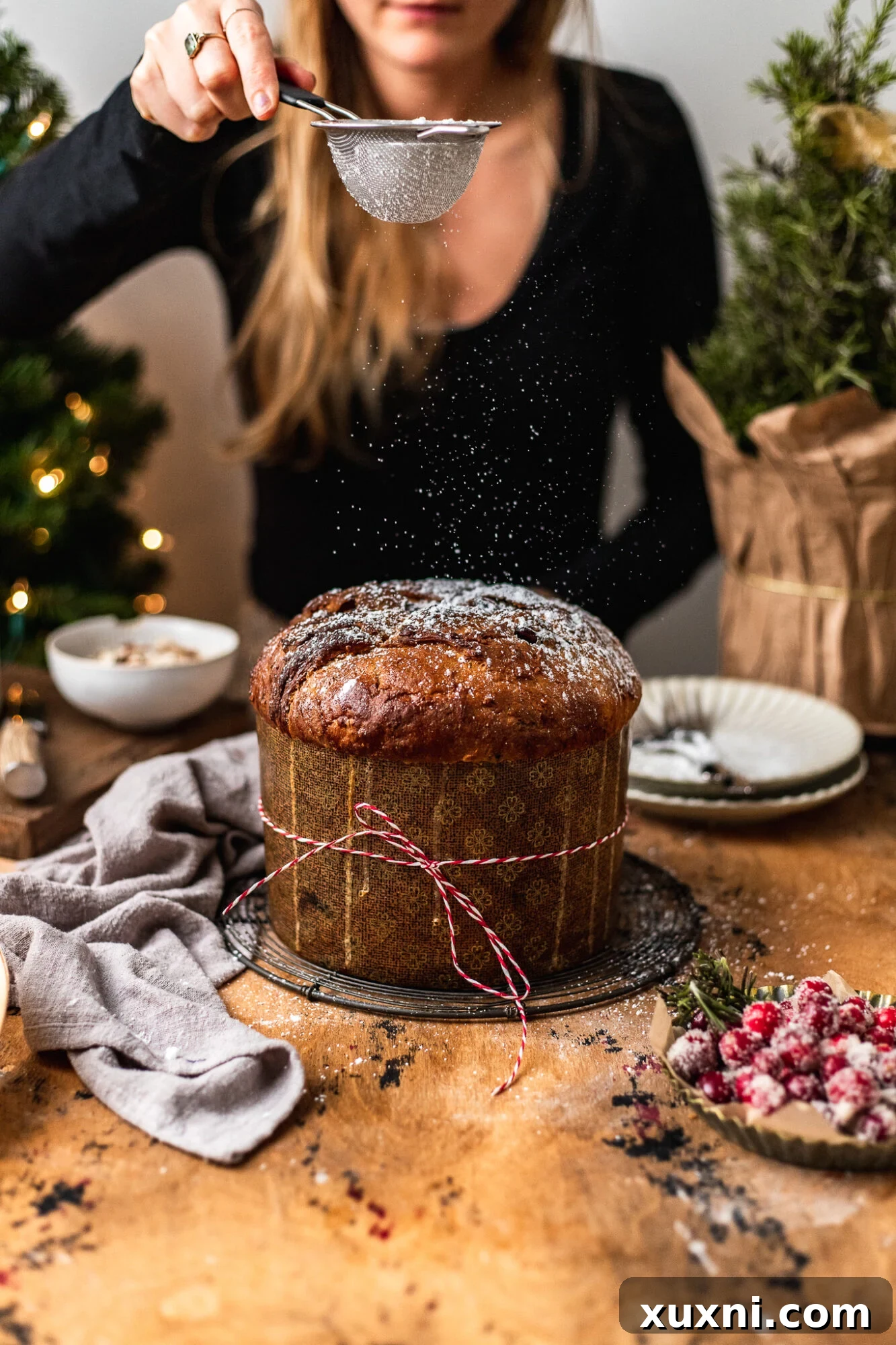
Once baked to perfection, remove the panettone from the oven. Allow it to cool within its mold for at least an hour on a wire rack. This slow cooling helps the structure set and prevents it from collapsing. Once cooled, you can gently peel away the paper mold. Sprinkle with powdered sugar for a festive finish, slice generously, and savor every exquisite bite!
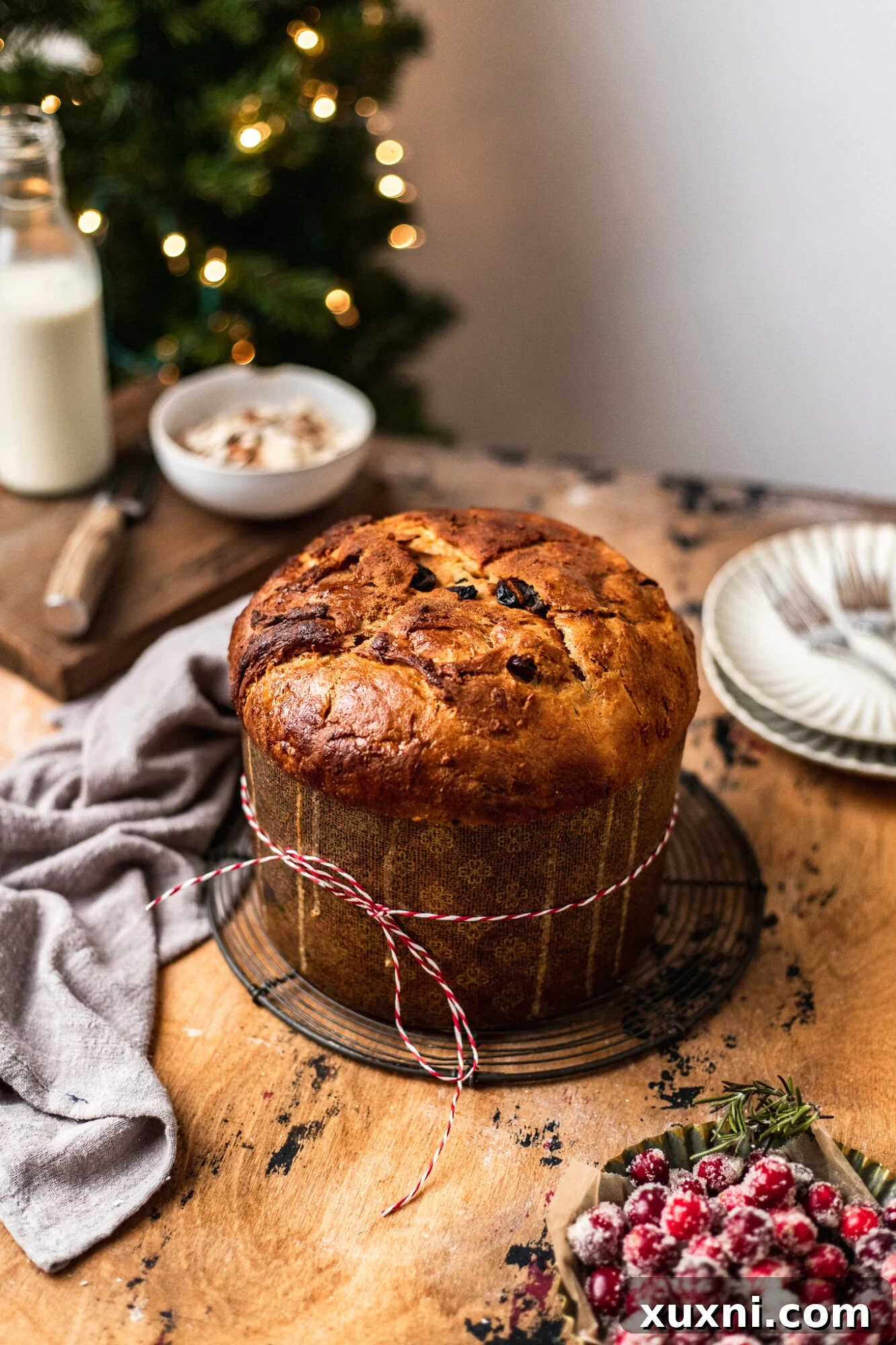
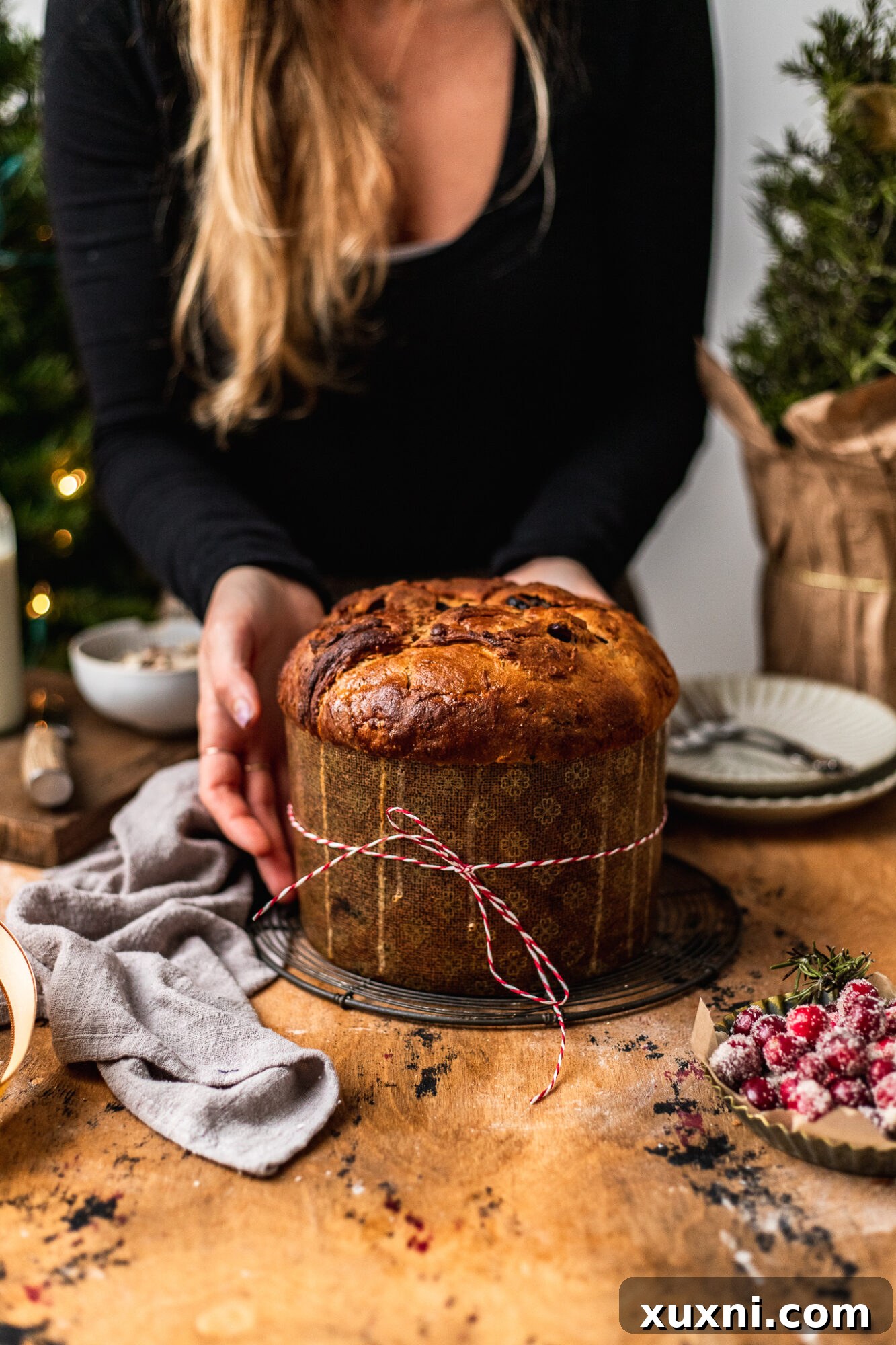
Panettone: Is It a Bread or a Cake? The Delicious Debate
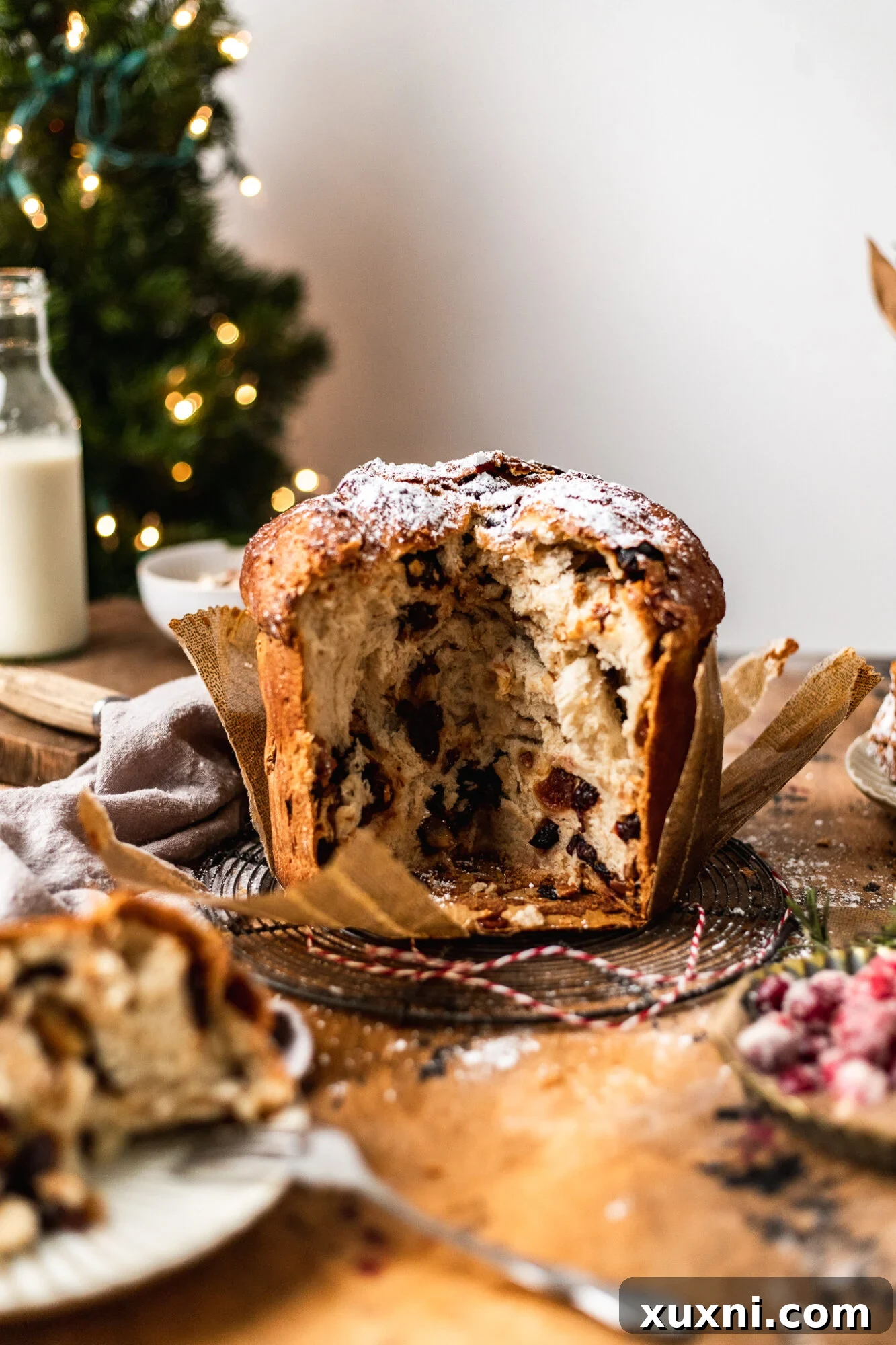
The question of whether panettone is a bread or a cake is a delightful culinary debate that highlights its unique position in the world of baked goods. Personally, I lean towards classifying it more as a sophisticated bread than a cake. Its texture, characterized by a soft, airy crumb that pulls apart rather than crumbles, is distinctly bread-like. However, it’s not a savory bread. As an enriched dough, it shares many characteristics with other sweet breads such as brioche or challah, which are rich with fats and sugar.
Yet, to simply call it “bread” feels incomplete. The generous inclusion of candied fruits like orange peel, raisins, and cherries, along with its sweet, aromatic profile, gives it a celebratory quality often associated with cakes or desserts. It occupies a category of its own – a truly distinct and unique confection. The rich flavors and festive aroma, interwoven throughout its delicate structure, are so intrinsically linked to the holiday season that panettone has become synonymous with an Italian Christmas. It’s this beautiful ambiguity, existing somewhere between a bread and a cake, that makes panettone so wonderfully special and universally cherished.
How to Best Enjoy Your Vegan Panettone
Panettone is incredibly versatile and can be enjoyed in a multitude of ways, making it a staple throughout the Christmas period. In our family, it was a treat savored at various times of the day. You can relish it as a sweet pastry to kickstart your morning, perhaps alongside a cup of coffee or tea, or serve it as an elegant Christmas dessert after a festive meal. Often, it graces both breakfast and dessert tables!
Given its substantial size, panettone typically yields several servings, ensuring you’ll have delicious leftovers to enjoy for days. To serve, simply slice it vertically, much like you would a cake, into thick wedges. A light dusting of powdered sugar adds a touch of visual elegance and extra sweetness. My grandmother always suggested pairing it with a freshly brewed cup of coffee or a comforting mug of tea, and I couldn’t agree more! It’s also delightful when lightly toasted and served with a spread of vegan butter or jam, or even used as the base for a holiday bread pudding. Each bite offers a burst of sweet, fruity flavor and a tender, melt-in-your-mouth texture that epitomizes holiday indulgence.
The Secret to Panettone’s Impressive Shelf Life
It’s a common question: how can a bread, especially one so soft and moist, stay fresh for such an extended period? Unlike many conventional breads that quickly go stale, panettone boasts an impressive shelf life. This remarkable longevity isn’t just a happy accident; it’s a direct result of its unique preparation process and rich composition.
The secret lies primarily in two key factors: the numerous, prolonged rising periods and the rich, enriched nature of its dough. The multiple stages of fermentation, which we carry out over two days, play a crucial role. These extended rises, combined with the high fat content from the vegan butter and the sugar in the dough, work together to naturally preserve the panettone. The fats and sugars help to retain moisture, keeping the crumb soft and tender, while the slow fermentation process contributes to its stability. This careful crafting means that a properly stored panettone can remain delicious and fresh for several days, or even weeks, making it a perfect holiday gift or a treat to slowly savor throughout the festive season. It’s a testament to the art and science of traditional Italian baking, adapted here for our vegan delight.
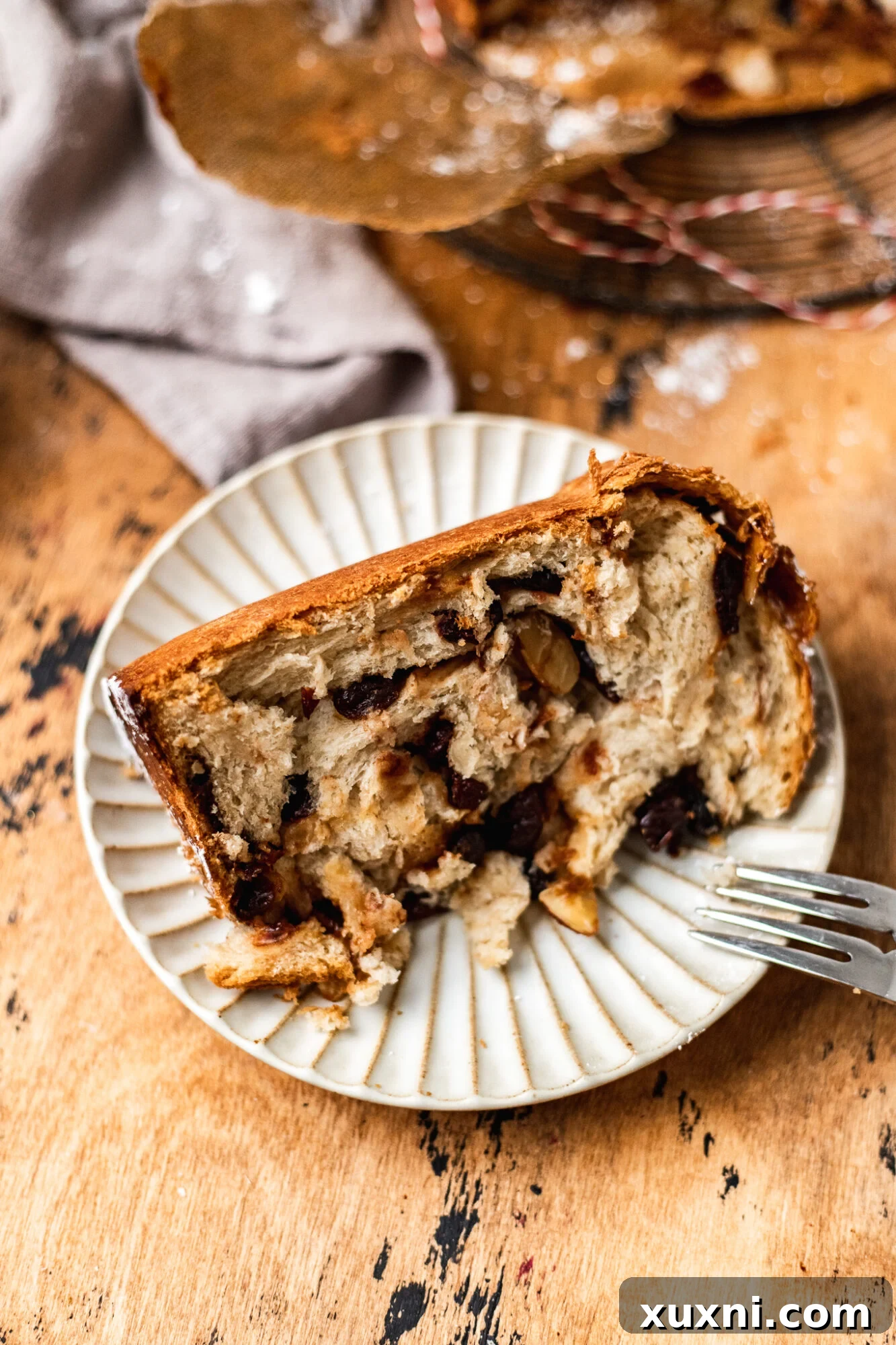
Savoring This Classic Italian Christmas Dessert: A Labor of Love
I genuinely hope you adore this vegan panettone recipe as much as I do. Crafting it was not just a culinary exercise; it was a heartwarming journey back to my roots, a beautiful reminder of my great-grandpa and the precious time we shared. There’s an undeniable joy in baking something with such a rich history and personal connection. This panettone is more than just a sweet bread; it’s a true Christmas treat, a symbol of tradition and celebration. Its exquisite flavor and unique texture are well worth every moment of preparation. May it bring warmth, joy, and a taste of Italian heritage to your holiday table!
Explore More Vegan Christmas Desserts
Looking for more festive vegan delights to sweeten your holiday season? Here are some other incredible plant-based dessert recipes that are perfect for Christmas gatherings:
- Amazing Vegan Yule Log Cake
- Best Vegan White Chocolate Cupcakes
- Vegan Red Velvet Cake
- Amazing Vegan Star Bread
Save This Delicious Recipe for Later!
Don’t let this fantastic vegan panettone recipe get lost! Pin it to your favorite recipe board on Pinterest so you can easily find it whenever you’re ready to bake.
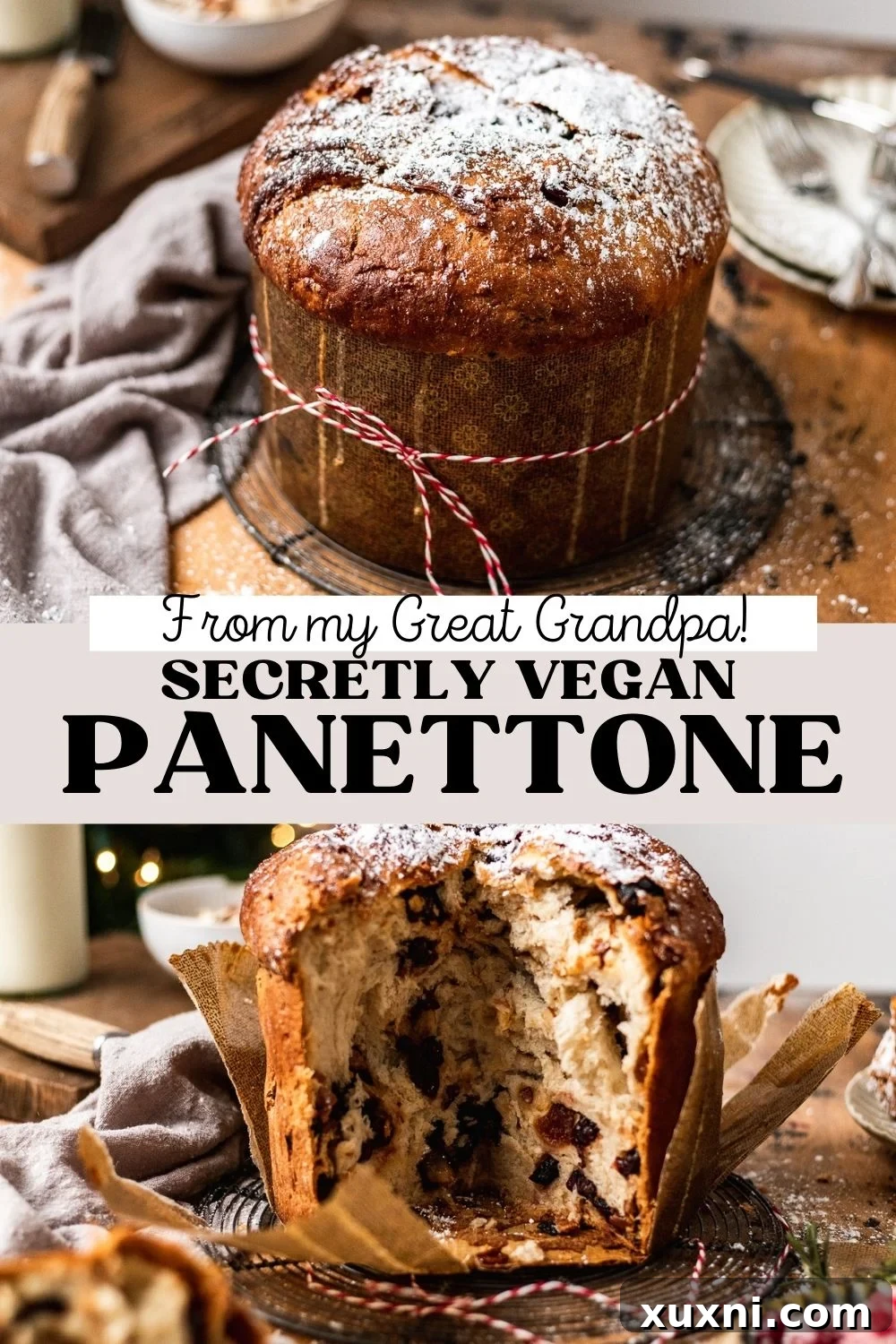
If you try this delightful vegan panettone recipe, please be sure to share your experience by leaving a comment and a rating ⭐️⭐️⭐️⭐️⭐️ below. Your feedback is incredibly valuable and helps other bakers discover and enjoy these recipes! As always, I absolutely love seeing your beautiful creations, so please tag me on Instagram and Pinterest – use #thebananadiaries so I can see and celebrate your baking success!
Print Recipe
Amazing Vegan Panettone Recipe
5 Stars
4 Stars
3 Stars
2 Stars
1 Star
5 from 1 review
-
Author:
thebananadiaries -
Prep Time:
40 minutes -
Rising & Overnight:
10 hours + overnight -
Cook Time:
65 minutes -
Total Active Time:
1 hour 45 minutes -
Yield:
1 Panettone
1x
-
Category:
Dessert -
Method:
Baking -
Cuisine:
Italian -
Diet:
Vegan
Description
This extraordinary vegan panettone recipe, adapted from my great-grandpa’s cherished classic, is both eggless and dairy-free. Featuring a beautifully risen, enriched dough generously speckled with candied raisins, cherries, and citron, it captures the authentic taste and festive spirit of traditional panettone—perfect for all your Christmas celebrations!
Ingredients
Scale
- 5 cups (600 grams) pastry flour, divided, plus more for kneading
- 2/3 cup (167 grams) lukewarm water, divided
- 1 packet active dry yeast (not instant)
- 3/4 cup (150 grams) granulated sugar
- 1 cup (240 grams) dairy-free unsweetened vanilla yogurt, room temperature
- 2/3 cup (160 grams) vegan butter, melted but not hot
- 1/2 cup candied citron or orange peel (or sub 1 tsp fiori di sicilia if you can’t find orange peel)
- 1/2 cup diced apricot
- 1/2 cup raisins
- 1/2 cup cherries
- 1 tbsp maple syrup + 1/4 cup water or 3 tbsp rum extract
- 1/2 cup slivered almonds
- 1 tsp turmeric, for coloring (optional)
- 1/4 tsp sea salt
- 1 tbsp vegan butter, cold (for when the panettone bakes)
Special equipment:
- Stand mixer with dough attachment (highly recommended)
- Panettone mold
Instructions
-
Before you begin, please thoroughly read through all instructions. This exquisite bread requires a two-day preparation process. To ensure ample time for the several crucial rising stages, I highly recommend starting on the morning of the first day.
DAY 1: Developing the Foundation
-
Preparation: Begin by sifting and precisely measuring your pastry flour. Ensure that the dairy-free yogurt is measured out and allowed to reach room temperature, as this is crucial for dough development.
-
Create the Starter: In a medium-sized bowl, gently combine the active dry yeast with 1/3 cup of lukewarm water. Let this mixture stand for about 5 minutes until it becomes visibly foamy, indicating the yeast is active. Next, add 1 cup of pastry flour to the bowl and mix until a small, cohesive dough ball forms. Cover the bowl securely and place it in a warm, draft-free location to rest and rise for 2 hours.
- While the Starter is Resting (Fruit Soaking): In a separate medium bowl, combine the candied orange or citron peel (if using fiori di sicilia, hold off on adding it until later), diced apricots, raisins, and cherries. Mix these fruits gently. Add the maple syrup and water (or rum extract if preferred), ensuring the fruits are well-coated. Cover the bowl and refrigerate it to allow the fruits to soak overnight. These soaked fruits will be incorporated on Day 2.
-
First Dough Development: Once your starter dough ball has successfully tripled in size, it’s time to begin the first stage of dough development. Transfer the risen starter into a large mixing bowl (or the bowl of your stand mixer). Add an additional 2 cups of pastry flour and 1/3 cup of lukewarm water. Using a stand mixer with a dough hook on medium speed, or by carefully kneading the dough by hand, mix until you achieve a soft, pliable, and smooth dough ball. If the dough feels too sticky, you may add a little more flour, one tablespoon at a time, until the desired consistency is reached.
-
First Dough Proofing: Cover the bowl containing your first dough once more, and return it to a warm place. Allow the dough to undergo its second rise for another 2 hours, or until it has visibly doubled in size.
-
Second Dough Enrichment: After the first dough has risen beautifully, place it back into your stand mixer (if not already there). In a separate small bowl, whisk together the dairy-free yogurt and granulated sugar (incorporating the fiori di sicilia here if you’re using it). To the dough in the mixer, add 1 cup of flour, along with the sea salt, melted vegan butter (ensure it’s not hot), and the optional turmeric for color. Mix or knead these ingredients together until they are fully combined. Then, gradually add the sugar and yogurt mixture in three increments, ensuring each addition is completely absorbed before adding the next. Continue mixing or kneading until the dough is smooth, elastic, and slightly tacky. If needed, incorporate a small amount of extra flour to achieve the perfect tacky texture. Transfer the enriched dough into a thoroughly greased large bowl, cover it, and prepare for its final rises of Day 1.
-
Second Proof & Overnight Cold Rise: Allow the dough to rise in a warm area for an initial 2 hours. After this period, transfer the covered bowl directly into the refrigerator to continue rising slowly overnight. This cold proofing is crucial for developing deep flavors and a manageable dough for Day 2.
DAY 2: Infusing Flavor & The Grand Bake
- Incorporating the Fruit & Shaping: The next morning, retrieve your soaked fruit mixture from the fridge. Drain any remaining liquid from the fruits and set them aside. Remove your risen dough from the refrigerator. Lightly flour a clean work surface and your rolling pin. Place the dough in the middle of the floured surface and gently roll it out into a large rectangle (approximately 14×18 inches – exact measurements are not critical). Evenly sprinkle the drained fruits over the entire surface of the dough, followed by the slivered almonds. To incorporate the fruit, fold the dough into thirds to create a layered column. Then, fold the top half of the column down, and the bottom half up, essentially folding it in half again. Finally, gather and pinch the four corners of the dough underneath to shape it into a smooth, rounded ball, similar to how you would shape dinner rolls.
- Final Rise in the Panettone Mold: Carefully place the shaped dough, with the seam-side facing down, into your panettone mold. Cover the mold loosely and allow the dough to undergo its final, critical rise in a warm area for 4-6 hours, or until it has profoundly doubled in size. A clear sign that it’s ready for baking is when the top of the loaf proudly crowns over the rim of the mold.
-
Bake Your Vegan Panettone: Preheat your oven to 400°F (200°C). Once the oven is fully preheated, use a sharp knife to carefully score a cross mark on the top of the risen panettone. Place the panettone (still in its mold) on a baking sheet and transfer it to the oven to bake for an initial 5 minutes. After 5 minutes, carefully remove the panettone from the oven and place 1 tablespoon of cold vegan butter into the center of the cross mark. Return the panettone to the oven and continue baking for another 15 minutes. Following this, lower the oven temperature to 375°F (190°C) and continue baking for an additional 45 minutes, or until the top of the loaf is a rich, golden brown and an internal thermometer registers around 200-205°F (93-96°C).
- Cool, Serve, and Savor: Once baked, remove the panettone from the oven. Allow it to cool within its mold on a wire rack for at least an hour before attempting to slice. This cooling period is essential for the structure to set. Once cooled, sprinkle generously with powdered sugar, slice into thick wedges, and enjoy your magnificent homemade vegan panettone!
Notes
For detailed visual instructions and helpful tips, please refer to the main article above the recipe card!