This post contains affiliate links. By clicking on a product link and making a purchase, I may receive a commission at no extra cost to you. Thank you for supporting The Banana Diaries!
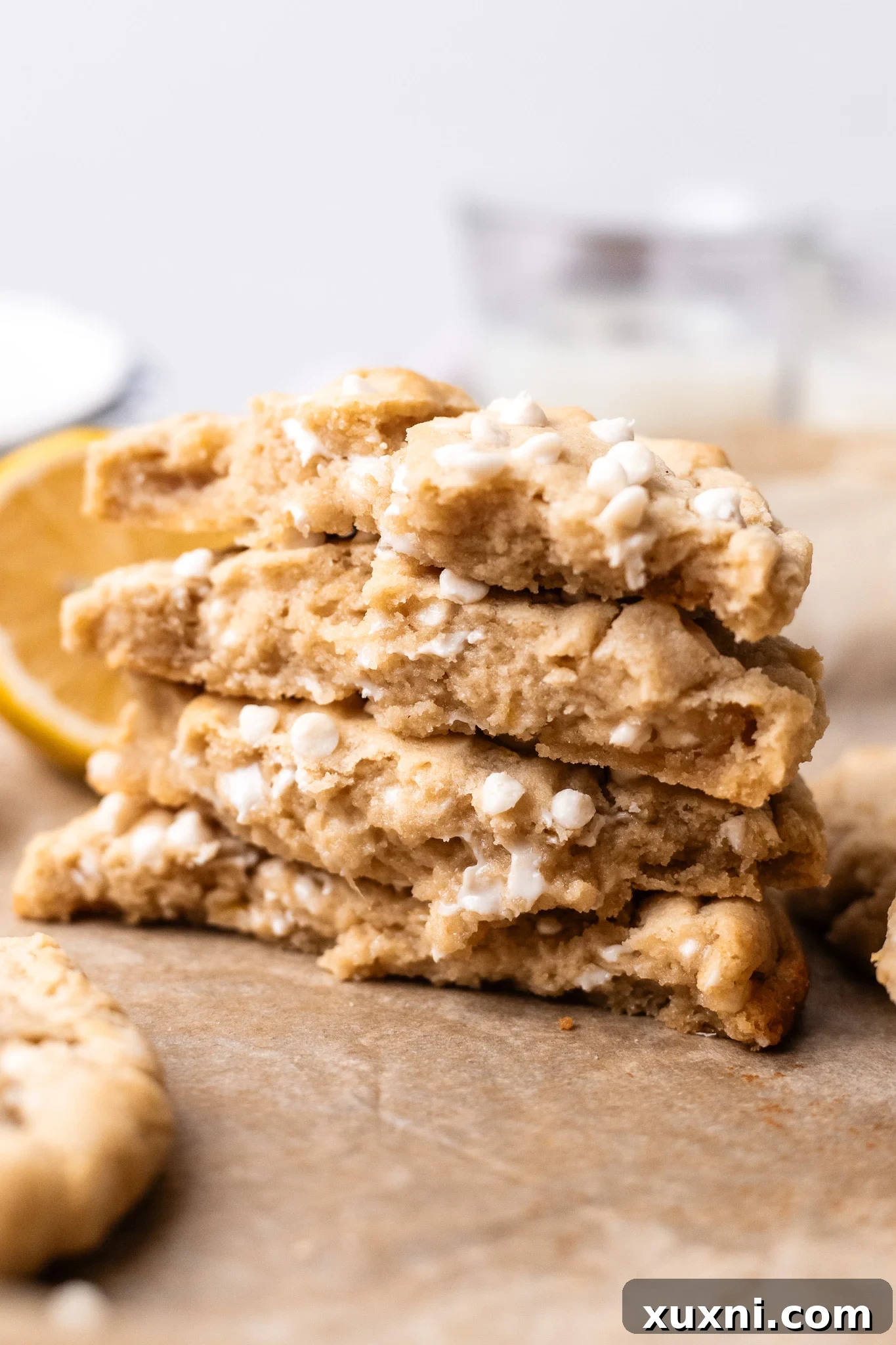
Embark on a culinary journey to create the most irresistible New York-style bakery cookies, right in your own kitchen! These thick, chewy, and gloriously zesty vegan lemon cookies are a game-changer. Forget about lemon extract or eggs; we’re unlocking intense lemon flavor and that coveted bakery texture using simple ingredients and smart baking techniques, including cold vegan butter and high-temperature baking. Get ready to bake a batch of cookies that are not just easy to make, but genuinely extraordinary.
Indulge in Bakery-Style Vegan Lemon White Chocolate Cookies
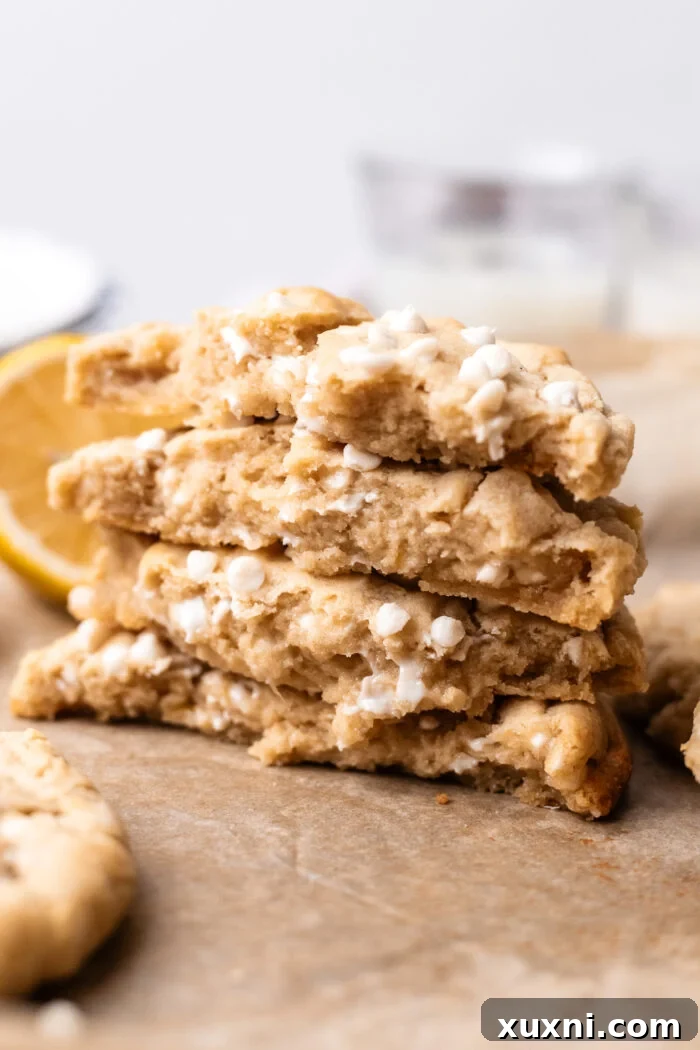
Imagine the perfect cookie: golden edges, a soft, chewy center, bursting with vibrant lemon zest, and studded with pockets of sweet, melted dairy-free white chocolate. These aren’t just any vegan cookies; they are a homage to the iconic New York bakery experience, crafted to perfection without a single animal product. You no longer need a ticket to the Big Apple to savor that authentic, oversized, intensely satisfying cookie you crave. We’ve mastered the art of creating that luxurious, thick, and profoundly flavorful texture right in your home.
My inspiration for this recipe stems from the legendary Levain Bakery’s Lemon White Chocolate Chip Cookies. After countless trials and meticulous adjustments, I’ve developed a vegan counterpart that not only rivals the original but, according to enthusiastic non-vegan taste testers, often surpasses it. The secret lies in a few unconventional yet brilliant techniques that transform simple ingredients into a gourmet treat. Prepare to be amazed by how easily you can achieve such professional results, turning your kitchen into the most coveted bakery in town. These cookies, much like my acclaimed better-than-Tollhouse chocolate chip cookies, are destined to become a staple in your baking repertoire.
The Magic Behind the Method: Why Cold Vegan Butter is Key
In the world of cookie baking, many recipes traditionally advocate for room temperature or even melted butter. The rationale often centers on ease of creaming and achieving a tender crumb. However, for these specific bakery-style vegan lemon cookies, we’re breaking away from convention and embracing cold vegan butter – a technique rumored to be employed by some of New York’s most famous bakeries. This isn’t just a quirky detail; it’s a fundamental element that defines the unique character of these cookies.
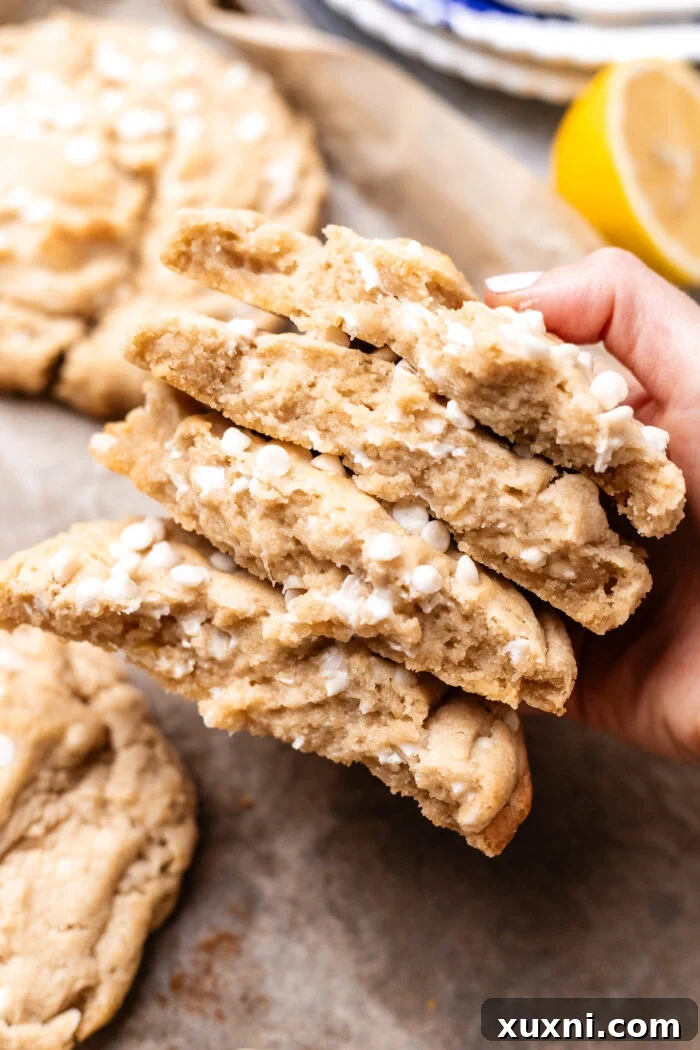
When cold butter is incorporated into the dough, it doesn’t fully blend as quickly or smoothly as softened butter would. Instead, it breaks into tiny, irregular pieces, which then create pockets within the dough. As the cookies bake, these cold pockets of butter slowly melt, releasing steam and contributing to a remarkable lift and a distinct internal structure. This process prevents excessive spreading, ensuring your cookies remain wonderfully thick, while simultaneously developing that signature chewy texture reminiscent of a “biscuit-like” consistency, yet without any dryness often associated with biscuits. The meticulous balance of ingredients ensures that even with the firmer cold butter, the resulting cookie maintains its indulgent, soft, and moist interior.
Contrast this with room temperature butter, which creams smoothly, leading to a more uniform, often denser cookie. Or melted butter, which can sometimes yield a chewier but flatter cookie if not balanced with other ingredients and chilling, as seen in some of my other cookie recipes. For the ultimate thick, soft, and chewy bakery-style cookie, the controlled melting of cold butter is paramount.
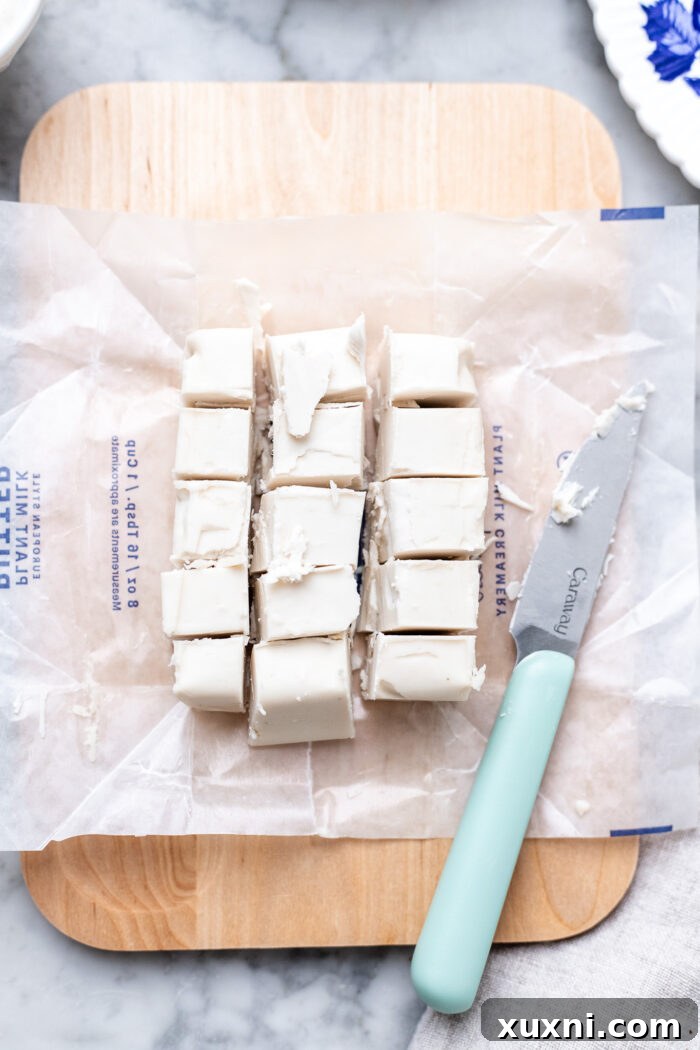
While working with cold butter might require a little more effort if you’re using a hand mixer – patience is certainly a virtue here, as it can take 5-7 minutes to properly cream – a stand mixer with a paddle attachment will make the task much simpler. Regardless of your equipment, the end result is unequivocally worth the extra few minutes of creaming. The profound difference in texture and richness achieved through this cold butter method elevates these cookies from homemade treats to professional-grade masterpieces, making any thought of a trip to a commercial bakery utterly obsolete.
Crafting the Perfect Vegan Lemon Cookie Dough
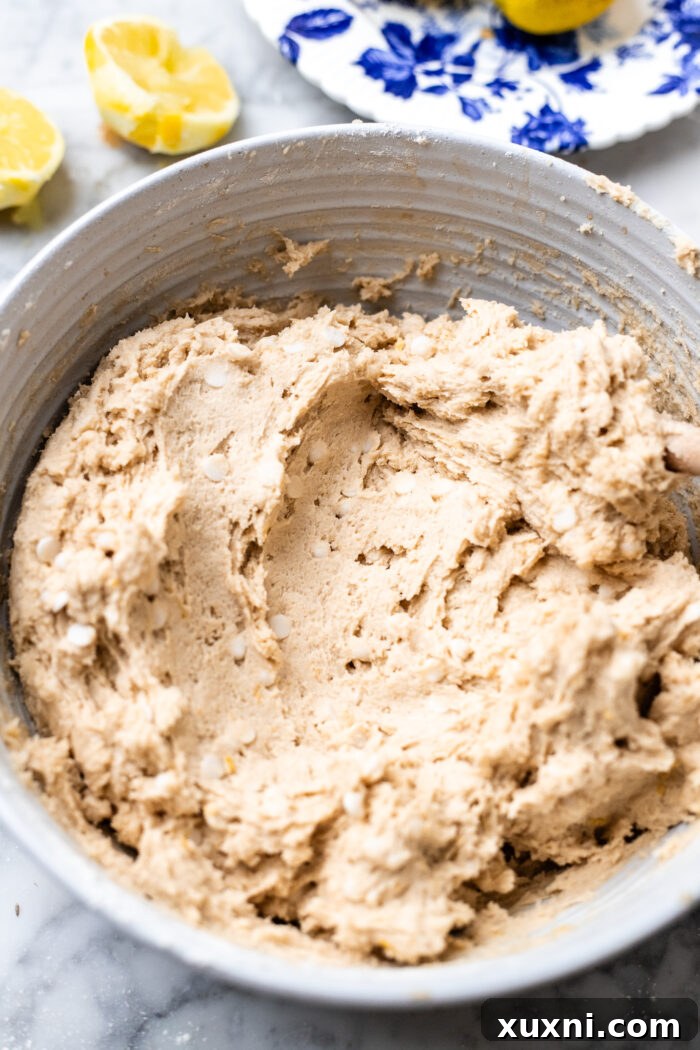
For the full written instructions and ingredient measurements, please refer to the detailed recipe card at the bottom of this post. Here, we’ll provide a brief overview of the steps, along with providing visuals and critical insights for a better understanding of the recipe.
Creating this bakery-style cookie dough is surprisingly straightforward, relying more on technique than complex steps. The true genius lies in the precise ratios of ingredients and a few crucial nuances that contribute to their superior taste and texture. Follow these guidelines, and you’ll be well on your way to becoming a vegan cookie connoisseur, with friends and family clamoring for your secret recipe.
Essential Tips for an Unforgettable Dough:
- Maximize Lemon Flavor: The Zest Rub. This step is non-negotiable for achieving a truly vibrant lemon profile without resorting to artificial extracts. By rubbing the lemon zest directly into the granulated and brown sugars with your clean hands, you effectively release the aromatic oils from the zest. This crucial technique, known as macerating, ensures every bite is imbued with bright, authentic lemon essence, creating a depth of flavor that extract simply cannot replicate. Don’t worry, these copycat Levain lemon cookies will be plenty lemony!
- Mixer Matters (But Don’t Stress!). Whether you opt for a sturdy stand mixer with a paddle attachment or a reliable hand mixer, both will get the job done. A stand mixer will naturally provide more power and require less manual effort, especially when creaming cold butter. If using a hand mixer, just be prepared for a slightly longer creaming time and perhaps a bit more arm work. The key is to cream until the mixture is visibly light, fluffy, and well combined.
- The Non-Negotiable Chill Time. You might wonder why chilling is necessary when we’re already starting with cold butter. This extended chill time, ideally 4 hours or even overnight, is paramount. It allows the gluten in the flour to relax, preventing tough cookies, and more importantly, it gives all the flavors a chance to fully meld and deepen. The result is a more complex, richer, and genuinely bakery-worthy cookie, with an improved texture that holds its shape beautifully during baking. For those eager to bake sooner, a 1-2 hour chill in the freezer can expedite the process, but patience truly rewards with superior flavor.
- The Role of Starch: Cornstarch or Arrowroot. To achieve that exceptionally soft and chewy texture characteristic of bakery cookies, we incorporate either cornstarch or arrowroot starch. These starches help tenderize the dough and contribute to a delicate crumb, preventing the cookies from becoming too cakey or dense. They essentially act as a secret weapon for an ultra-soft interior. While cake flour can achieve similar results (and is excellent for my vegan vanilla cake!), these starches are more common pantry staples and just as effective here. Do not skip this ingredient!
- Dairy-Free Yogurt: Our Vegan Egg Secret. In this recipe, dairy-free yogurt steps in as a brilliant vegan egg replacement. It adds moisture, acts as a binder, and contributes to the rich, tender crumb. The acidity in the yogurt also reacts with the baking soda, promoting a lovely rise and soft texture. Most plain, unsweetened dairy-free yogurts work well. I personally favor Greek-style cashew milk yogurt from brands like Forager Project for its creaminess and tang, but this recipe also works beautifully with Kite Hill, So Delicious, and Cocojune.
Unlocking Bakery Secrets: Pro Tips for Thick & Chewy Cookies
Achieving that coveted thick, chewy, and perfectly imperfect bakery-style cookie isn’t just about the ingredients; it’s about the execution. These pro tips are your secret weapons for transforming simple cookie dough into a magnificent, substantial treat that looks and tastes like it came straight from a gourmet patisserie.
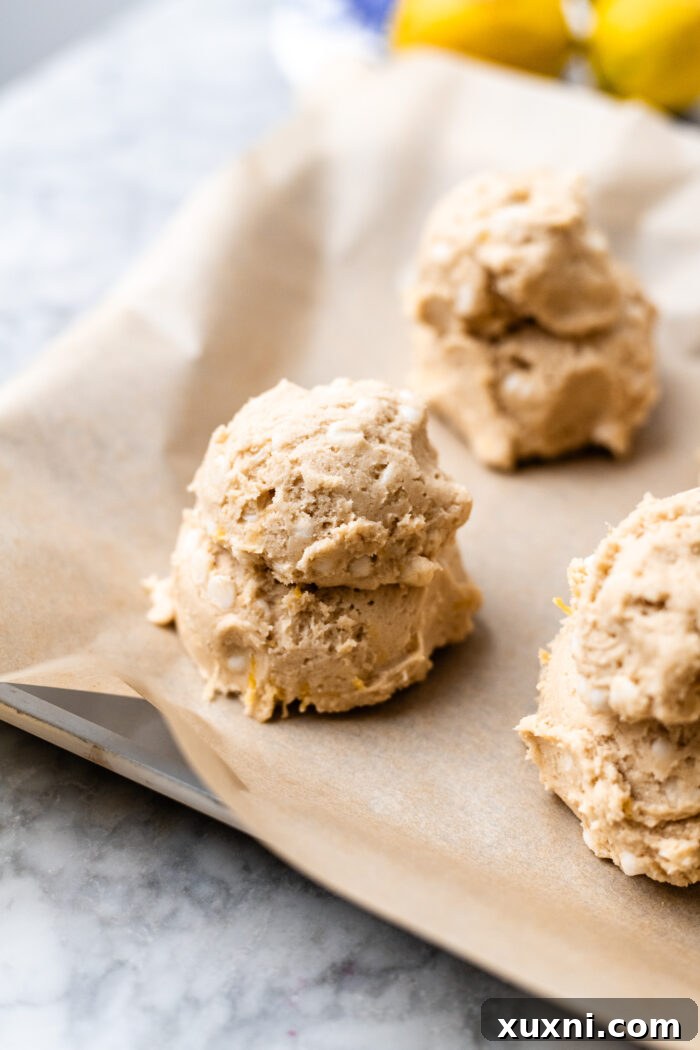
- Embrace the Generous Scoop. Forget dainty cookies! The hallmark of a true bakery-style cookie is its impressive size and heft. We’re aiming for substantial cookies, around 6 ounces each. This typically translates to using a large ice cream scoop, or even 1.5 scoops from a standard medium cookie scoop. For ultimate consistency and even baking, I highly recommend using a kitchen scale to measure each dough portion. This ensures every cookie bakes uniformly and delivers that satisfying, weighty feel that bakery cookies are known for.
- The Art of Tall Mounds, Not Flat Balls. This is perhaps the most critical technique for preventing your cookies from spreading too thin. Instead of rolling your dough into perfectly round, flat balls, you want to shape them into tall, almost cylindrical mounds. Think of stacking the dough upwards rather than outwards. This unique shaping encourages the cookies to spread outwards only slightly during baking, maintaining their vertical structure and resulting in those gorgeously thick centers with slightly crisped edges. It’s a game-changer for achieving maximum thickness and preventing those dreaded flat, crispy cookies.
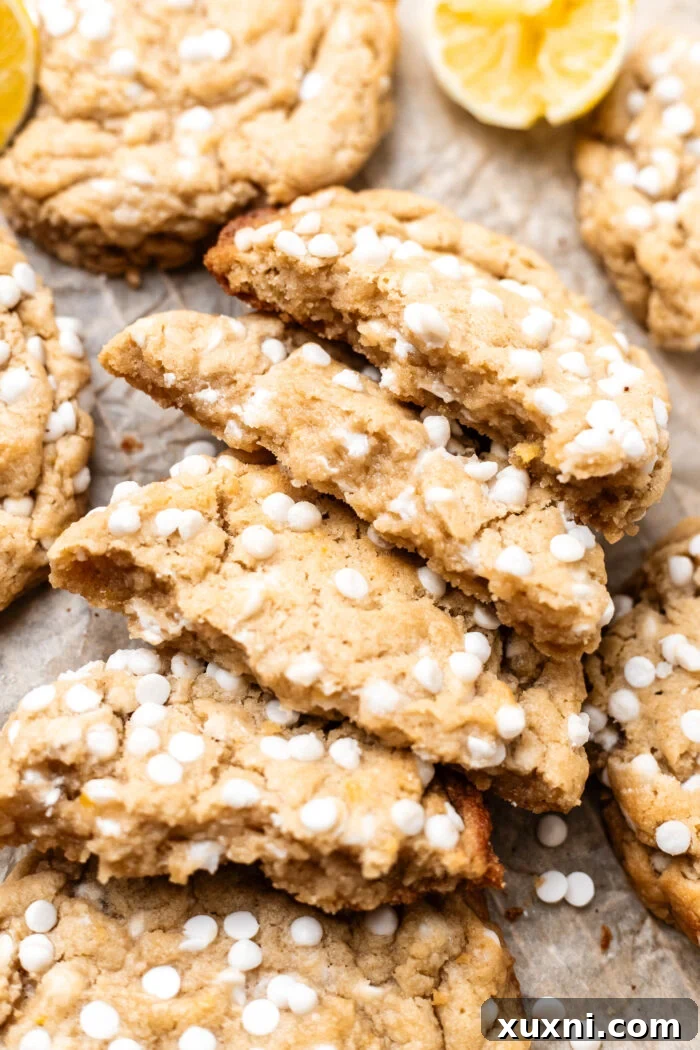
- Bake Hot and Long. While many cookie recipes call for a moderate 350°F (175°C), we’re going bolder here with a baking temperature of 375°F (190°C). This higher heat creates a thermal shock when the cold dough hits the hot oven, quickly setting the exterior of the cookie. This rapid initial crust formation helps to lock in moisture and further prevent excessive spreading, contributing significantly to the cookie’s impressive thickness. Because these are large, dense cookies, they also require a longer baking time – approximately 18 minutes, as opposed to the standard 12-14 minutes for smaller cookies. Keep an eye on the edges for a beautiful golden hue, but trust that the center will remain wonderfully soft and gooey. Baking one sheet at a time on the middle rack also helps ensure even baking.
Want to save this recipe for later? Add it to your favorite recipe board on Pinterest!
If you make this recipe, please be sure to leave a comment and a rating ★★★★★ below. This helps others to find the recipes! As always, I absolutely love to see your beautiful creations on Instagram and Pinterest, so be sure to tag me there as well!
Bakery-Style Vegan Lemon White Chocolate Cookies Recipe
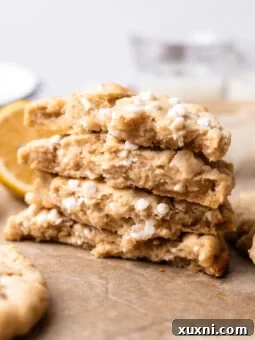
Bakery-Style Vegan Lemon White Chocolate Cookies
Rated 5 out of 5 stars from 1 review
- Author: Britt Berlin
- Prep Time: 10 minutes
- Chilling Time: 4 hours
- Cook Time: 18 minutes
- Total Time: 4 hours 28 minutes
- Yield: 7 large cookies
- Category: Cookies
- Method: Baking
- Cuisine: American
- Diet: Vegan
Description
If you’re craving New York Bakery-Style cookies, then you need to try these zesty thick and chewy vegan lemon white chocolate cookies. We’re using cold vegan butter and baking at high temps to yield the most chewy, soft, and thick lemony sweet cookies – all without any lemon extract, nor eggs. And it’s EASY!
Ingredients
- 1 cup (200 g) granulated sugar
- 1/2 cup (110 g) light brown sugar
- 2 tbsp lemon zest (from about 2-3 large lemons)
- 1 cup (226 g) cold salted vegan butter, cubed (recommended Miyoko’s Kitchen or Earth Balance sticks for best results)
- 1/3 cup (70 g) dairy-free yogurt, cold (plain, unsweetened, e.g., cashew, almond, or soy yogurt)
- 2 tbsp fresh lemon juice
- 2 tbsp cornstarch or arrowroot starch
- 1 tbsp vanilla extract
- 1/2 tsp baking soda
- 1/2 tsp sea salt
- 3 cups (375 g) all-purpose flour
- 9 ounces vegan white chocolate chips (Enjoy Life or chopped Polar-less bars)
Instructions
- Preparation: Begin by lining two large baking sheets with parchment paper. This prevents sticking and ensures easy cleanup. Measure out all your ingredients precisely. Decide whether you’ll use a hand mixer and a large mixing bowl or a stand mixer with a paddle attachment.
- Infuse the Lemon: In your chosen mixing bowl, combine the granulated sugar, light brown sugar, and fresh lemon zest. With clean hands, spend 1-2 minutes rubbing the lemon zest thoroughly into the sugars. This crucial step bruises the zest and releases its potent essential oils, intensifying the natural lemon flavor in your cookies, making lemon extract unnecessary.
- Cream the Butter: Add the cold, cubed vegan butter to the sugar and zest mixture. Using your mixer (hand or stand), cream the butter into the sugars. Since the butter is cold, this process will take longer than usual, typically 5-7 minutes. Continue mixing until the butter is fully incorporated, and the mixture appears light, fluffy, and significantly paler in color. Scrape down the sides of the bowl as needed to ensure everything is evenly combined.
- Add Wet Ingredients: Introduce the cold dairy-free yogurt, fresh lemon juice, cornstarch (or arrowroot), vanilla extract, baking soda, and sea salt to the creamed mixture. Mix on low speed until all these wet ingredients are just combined. Avoid overmixing at this stage, mixing just until no streaks of dry ingredients remain.
- Incorporate Flour: Gradually add the all-purpose flour to the wet ingredients. Mix on the lowest speed until the flour is just combined and you achieve a thick, uniform dough. This should take about 1-2 minutes. Overmixing flour can lead to tough cookies, so stop as soon as no dry streaks remain.
- Fold in White Chocolate: Switch from your mixer to a sturdy silicone spatula. Add the vegan white chocolate chips and gently fold them into the dough until they are evenly distributed throughout. This helps prevent overworking the dough, which can develop gluten too much.
- Shape for Bakery Thickness: For authentic bakery-style cookies, each cookie should weigh approximately 6 ounces. Use a large ice cream scoop, or a kitchen scale for precision, to portion out the dough. You should yield about 7 substantial cookies. Crucially, shape these portions into tall mounds rather than flat balls. This vertical shaping is key to maintaining their thickness and preventing excessive spreading during baking.
- Crucial Chilling: Cover the tray of shaped cookie dough mounds tightly with plastic wrap and refrigerate for a minimum of 4 hours, or ideally, overnight. This extended chill time is essential for the dough to firm up, the flavors to develop, and for achieving that desirable thick, chewy texture. If you’re pressed for time, you can chill them in the freezer for 1-2 hours, but for the best flavor and texture, stick to the fridge.
- Preheat Oven: When you’re ready to bake, preheat your oven to 375°F (190°C). This higher temperature is vital for the pro-tip baking method.
- Bake to Perfection: Arrange the chilled cookie dough mounds on your parchment-lined baking sheets, ensuring at least 2-3 inches of space between each cookie to allow for proper spreading. Bake on the middle rack of your oven for approximately 18 minutes. Baking times can vary slightly, so look for golden-brown edges. You might need to bake one sheet at a time for optimal results, depending on your oven’s capacity.
- Cool and Savor: Once baked, resist the urge to move them immediately. Allow the cookies to cool and set on the baking sheet for at least 10 minutes. This period is crucial for their structure to firm up, making them easier to transfer without breaking. Afterwards, move them to a wire rack to cool completely, or enjoy them warm for a truly decadent experience. Store any leftovers in an airtight container at room temperature for up to 3 days.
Equipment You’ll Need
- Large Mixing Bowl (or stand mixer bowl)
- Hand Mixer or Stand Mixer with Paddle Attachment
- Citrus Zester
- Measuring Cups and Spoons
- Kitchen Scale (optional, but recommended for precision)
- Large Ice Cream Scoop or Medium Cookie Scoop (for portioning)
- Silicone Spatula
- Parchment Paper
- Baking Sheets
- Wire Cooling Rack
Notes & Substitutions
Gluten-Free Option: For those following a gluten-free diet, I’ve found King Arthur Measure-for-Measure Gluten-Free Flour to be an excellent substitute in this recipe, yielding results very close to the original. Ensure your chosen vegan butter and white chocolate are also certified gluten-free if necessary.
Vegan White Chocolate Choices: My go-to for vegan white chocolate chips is Enjoy Life for their widely available and reliable quality. If you prefer using a vegan white chocolate bar, brands like Polar-less offer fantastic options that can be chopped into chunks for varying texture and size in your cookies.
Storage: Store baked cookies in an airtight container at room temperature for up to 3 days to maintain their ideal texture. For longer storage, freeze the baked cookies in a freezer-safe bag or container for up to 3 months. Thaw at room temperature, or warm briefly in a preheated oven (300°F/150°C for 5-7 minutes) for a freshly baked feel.
Troubleshooting Flat Cookies: If your cookies spread too much, double-check that your vegan butter was truly cold and your dough was chilled sufficiently for the recommended time. Also, ensure your oven temperature is accurate (an oven thermometer can help!). The shaping of tall mounds, as detailed in the “Pro Tips” section, is also absolutely crucial for preventing flatness.
Making Them Ahead: The dough for these cookies is perfect for making ahead. You can prepare it up to 2-3 days in advance and keep it tightly covered in the refrigerator. You can also scoop and shape the dough into tall mounds and freeze the raw dough portions for up to a month. When ready to bake, simply place the frozen dough mounds directly on a parchment-lined baking sheet and add an extra 2-4 minutes to the baking time.
Watch the Magic Happen: You can see a visual guide on how I make these delectable cookies here to help you master the techniques!
Frequently Asked Questions (FAQs)
What makes these “bakery-style” cookies?
These cookies are deemed “bakery-style” due to several key characteristics: their impressive size (typically 6 ounces each), their distinctively thick and chewy texture, and their rich, intense flavor. We achieve this through specific techniques like using cold vegan butter, shaping the dough into tall mounds, and baking at a higher temperature, all of which contribute to a professional-grade result that rivals cookies from a high-end bakery.
Can I use regular butter if I’m not vegan?
While this recipe is specifically formulated for vegan ingredients and the properties of vegan butter, you can technically substitute cold dairy butter. However, the exact protein and fat content in dairy butter can differ from vegan butter, which might slightly alter the final texture and spread of the cookies. For the closest possible “bakery-style” chew and thickness, it’s recommended to stick to cold stick vegan butter and meticulously follow all other instructions, especially the chilling and shaping steps.
Why do I need to rub the lemon zest with sugar?
This technique, known as ‘macerating’ or ‘zest rubbing,’ is a flavor powerhouse! Rubbing the finely grated lemon zest directly into the granulated and brown sugars with your clean hands helps to release the natural essential oils trapped in the zest. These oils carry the intense lemon flavor and aroma. By doing this upfront, you infuse the sugar itself with lemon, ensuring a much more profound, authentic, and evenly distributed citrus taste throughout your cookies without needing any artificial lemon extract. It’s a simple step with a huge impact on flavor.
My cookies are spreading too much, what went wrong?
Several factors can lead to cookies spreading too much and becoming flat. The most common culprits include: 1) Vegan butter that wasn’t sufficiently cold, or got too warm during the mixing process. 2) Insufficient chilling time for the dough – the colder the dough, the less it spreads initially. 3) Not shaping the dough into tall mounds as instructed; flat balls are far more prone to excessive spreading. 4) An oven temperature that is too low, which causes the butter to melt and spread before the cookie structure has a chance to set. Ensure you’re following the high-temperature baking and tall mound shaping tips diligently, and consider using an oven thermometer to verify your oven’s accuracy.
Can I make these cookies ahead of time?
Absolutely! This recipe is excellent for meal prepping or baking in stages, which can be a huge time-saver. You can prepare the cookie dough up to 2-3 days in advance and keep it tightly covered in an airtight container or with plastic wrap in the refrigerator. Alternatively, scoop and shape the dough into tall mounds, place them on a parchment-lined tray, and freeze until solid. Once frozen, transfer the dough mounds to a freezer-safe bag or container and store for up to 1 month. When ready to bake, simply place the frozen dough directly on a baking sheet (no need to thaw) and add a few extra minutes to the baking time (typically 2-4 minutes longer than specified).
What if I don’t have vegan white chocolate chips?
No problem at all! If you can’t find vegan white chocolate chips, you can easily substitute with a good quality vegan white chocolate bar (such as Polar-less or other suitable brands found in specialty stores or online). Simply chop the bar into bite-sized chunks or smaller pieces, depending on your preference. This will work just as well and might even give your cookies a more rustic, bakery-fresh appearance with varied chocolate pockets, adding to their homemade charm.
Can I omit the white chocolate?
While the vegan white chocolate adds a delightful sweetness and creamy counterpoint that perfectly complements the tart lemon, you can certainly omit it if you prefer a pure lemon cookie. If you choose to do so, the recipe will still yield wonderfully thick and zesty vegan lemon cookies. You could also experiment with other additions like chopped pistachios for a nutty crunch, dried cranberries for a tart counterpoint, or even a different type of vegan chocolate (like dark chocolate chips), though the flavor profile would obviously change with these variations.
How do I store baked cookies for optimal freshness?
Once baked and completely cooled to room temperature, store your bakery-style vegan lemon white chocolate cookies in an airtight container. They will remain wonderfully fresh and chewy for up to 3 days at room temperature. For longer-term storage, freeze baked cookies in a single layer in a freezer-safe bag or container for up to 3 months. To enjoy them from frozen, thaw at room temperature for an hour, or for a warm, gooey treat, pop them into a preheated oven at 300°F (150°C) for a few minutes until warmed through.