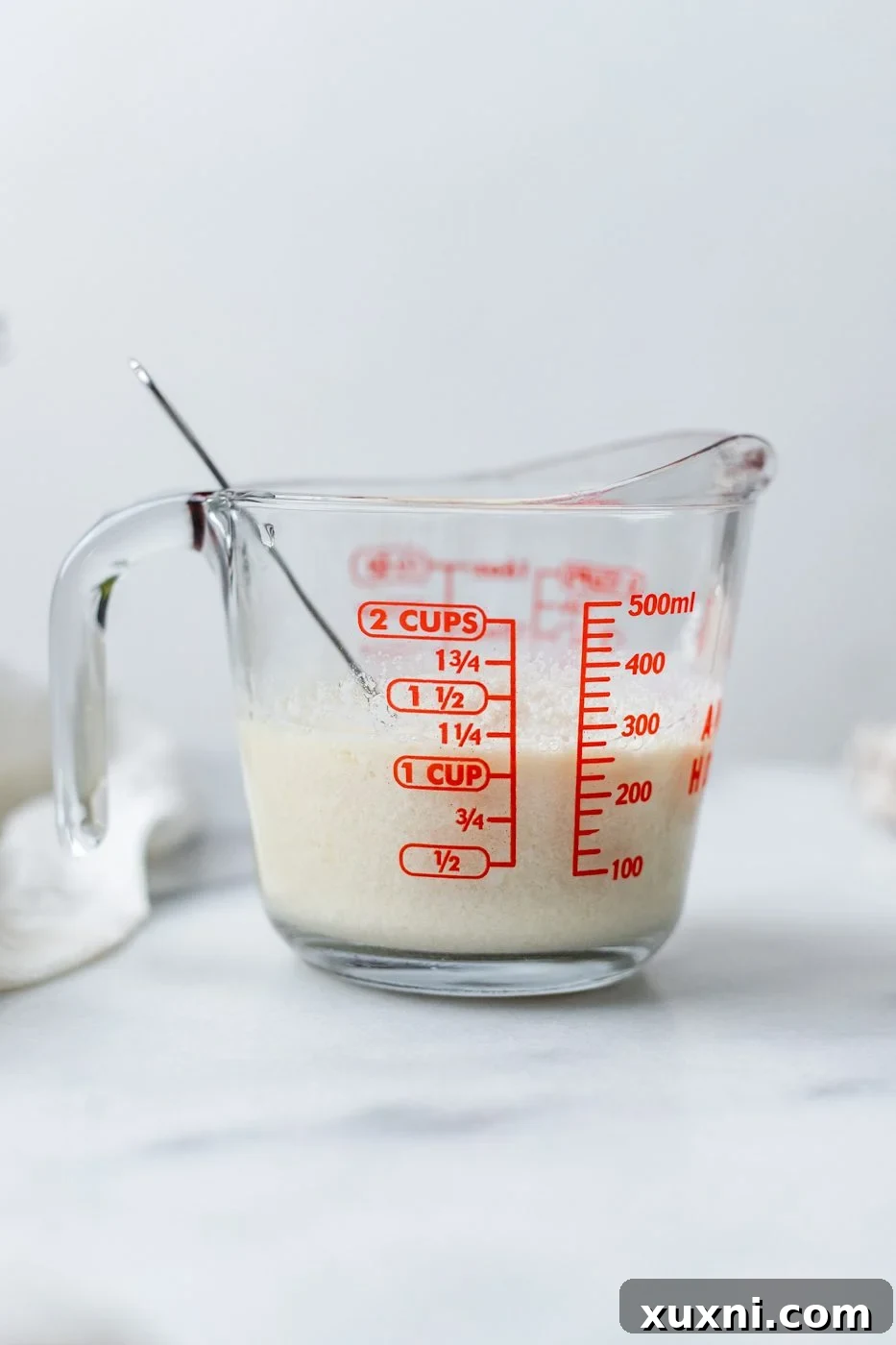
Welcome to the definitive guide for creating your own **quick and easy vegan buttermilk**! This essential plant-based staple requires just two simple ingredients and comes together in less than 5 minutes. Whether you’re a seasoned vegan baker or just starting your dairy-free journey, this homemade substitute is an absolute game-changer. It’s the perfect ingredient for achieving the desired texture and rise in all your non-dairy baking endeavors, from fluffy vegan cakes and tender vegan buttermilk biscuits to light and airy vegan pancakes, and so much more. Say goodbye to store-bought limitations and hello to baking perfection with this effortless recipe!
Understanding Buttermilk: Is Traditional Buttermilk Vegan?
For those new to plant-based diets, a common question arises: “Is buttermilk vegan?” Unfortunately, traditional buttermilk is not suitable for a vegan lifestyle. It’s fundamentally a dairy product, made from fermented cow’s milk. Historically, buttermilk was the liquid left behind after churning butter, hence its name. This traditional process involved naturally occurring bacteria fermenting the milk, giving it its characteristic tangy flavor and thicker consistency. Modern buttermilk is often cultured by adding bacterial cultures directly to skim or low-fat milk, achieving a similar result. Since it originates from animal milk, it contains dairy and is therefore not vegan.
So, why is buttermilk such a treasured ingredient in baking? Is it truly necessary to replicate its properties in vegan recipes? Absolutely! Buttermilk plays a crucial role in enhancing the flavor, texture, and rise of baked goods. Its natural acidity is key. When buttermilk interacts with leavening agents like baking soda, it triggers a chemical reaction, producing carbon dioxide gas. This gas gets trapped in the batter, creating a light, airy structure and helping cakes, muffins, and quick breads to rise beautifully. Without this acidic component, many recipes would fall flat or become dense.
Beyond its leavening power, buttermilk also contributes significantly to the tenderness and moisture of baked goods. The acid helps to break down gluten, resulting in a softer crumb. This is particularly noticeable in recipes like fluffy vegan cakes and melt-in-your-mouth buttermilk biscuits, where its unique tangy flavor is indispensable for achieving that classic, comforting taste. Understanding these vital functions makes it clear why a reliable vegan buttermilk substitute is essential for successful plant-based baking.
Unlock the Secrets to Baking Unbelievably Delicious Vegan Desserts!
Dreaming of creating amazing vegan and gluten-free desserts that are so good, no one will guess they’re eggless and dairy-free? Discover the simple yet powerful techniques to elevate your plant-based baking. Sign up for our exclusive free e-course and transform your vegan bakes into masterpieces everyone will adore!
Finding Your Vegan Buttermilk Solution: Store-Bought vs. Homemade
When it comes to dedicated store-bought vegan buttermilk, the market currently offers very few options, making it a challenging ingredient to source for many plant-based bakers. While traditional buttermilk has been a pantry staple for generations, its dairy-free counterpart has yet to become widely available. You might occasionally stumble upon specialized products, such as Forager Project’s drinkable Cashewmilk yogurt, which, due to its fermented nature and similar consistency, can mimic traditional buttermilk quite effectively. If you’re fortunate enough to find it, it can be a convenient alternative for most recipes calling for vegan buttermilk.
However, relying on a specific brand can be inconsistent, and purchasing a whole container just for a small amount needed in a recipe often leads to waste. This is precisely why making your own homemade vegan buttermilk is not only the most practical and accessible solution but also the most economical. With just a few basic ingredients readily available in most vegan kitchens, you can whip up exactly the amount you need, precisely when you need it, in under 5 minutes. This approach ensures freshness, eliminates waste, and puts you in complete control of your ingredients, making your vegan baking journey much smoother and more sustainable.
Storage Tips: How Long Does Homemade Vegan Buttermilk Last?
Homemade vegan buttermilk, while incredibly fresh and potent when first made, has a slightly shorter shelf life than its dairy counterpart due to the specific plant milk and acid used. When prepared, it’s generally best to use your vegan buttermilk immediately for optimal results in your baking recipes. The chemical reaction between the acid and the plant milk is most robust right after curdling, leading to the best rise and texture in your finished products.
If you have any leftover, or if you prepare it slightly in advance, homemade vegan buttermilk can be stored in an airtight container or a sealed mason jar in the refrigerator for about 2 to 3 days. Beyond this period, the curdling process may become less effective, and the milk might start to develop off-flavors. Always give it a good stir before using, as the curds and liquid may separate. For the freshest and most consistent baking outcomes, plan to incorporate your freshly made vegan buttermilk into your recipes as soon as it’s ready.
Choosing Your Acid: Exploring Options for Your Vegan Buttermilk Recipe
The magic of vegan buttermilk lies in the interaction between plant-based milk and an acidic agent. While this recipe specifically calls for apple cider vinegar (ACV), known for its mild, slightly fruity tang, it’s incredibly versatile, and you have several excellent alternatives if ACV isn’t available or if you prefer a different flavor profile.
The key is to use an acid that has enough strength to curdle the plant milk and react with baking soda, without overpowering the taste of your final baked good. You can substitute ACV with any of the following acids, using an equal ratio:
- Lemon Juice: Freshly squeezed lemon juice is a fantastic alternative. It imparts a bright, fresh tang that can be particularly delightful in lighter baked goods, like lemon poppy seed muffins or vanilla cakes. Be mindful that its flavor is quite distinct, so consider if it complements your recipe.
- White Vinegar: A pantry staple, white vinegar is a strong, neutral acid that works perfectly for curdling plant milk without adding any significant flavor. It’s a reliable choice for recipes where you want the buttermilk’s functional benefits without altering the taste of your dish.
- White Wine Vinegar: Offering a slightly softer and more delicate acidity than white vinegar, white wine vinegar can be a great option for more subtly flavored bakes. Its mild tang will curdle the milk effectively while blending seamlessly into the overall taste.
No matter which acid you choose, the principle remains the same: the acid reacts with the proteins in the plant milk, causing it to curdle and thicken, transforming it into a functional vegan buttermilk substitute. Experiment with these options to find your favorite!
Maximizing Freshness: Can You Freeze Vegan Buttermilk?
Absolutely, you can freeze vegan buttermilk, extending its shelf life and ensuring you always have this crucial ingredient on hand for your baking needs! Just like traditional dairy buttermilk, freezing helps to preserve the unique curdled texture and, most importantly, the vital acidity that makes it so effective in recipes. This is a fantastic tip for meal prep, for those times you make a larger batch than needed, or simply to prevent any precious homemade vegan buttermilk from going to waste.
To freeze your vegan buttermilk, the process is incredibly straightforward:
- Portion it out: Pour the freshly prepared vegan buttermilk into ice cube trays. This method is ideal because it allows you to freeze it in convenient, pre-measured portions, typically 1 tablespoon or 2 tablespoons per cube, depending on your tray.
- Freeze Solid: Place the filled ice cube trays in your freezer until the buttermilk cubes are completely solid. This usually takes a few hours.
- Transfer for Storage: Once frozen, pop the vegan buttermilk cubes out of the trays. Transfer them to an airtight freezer-safe container or a re-sealable freezer bag. Be sure to label the container with the date.
- Store: Your frozen vegan buttermilk will maintain its quality for up to 3 months in the freezer.
When you’re ready to use it, simply take out the desired number of cubes and let them thaw in the refrigerator overnight, or at room temperature for a shorter period. You can also gently warm them if needed, but avoid high heat which might alter the texture. Once thawed, give the liquid a quick whisk to recombine any separated curds before incorporating it into your recipe. This freezing method makes vegan baking even more convenient and efficient!
The Simple Steps: Overview of How to Make Vegan Buttermilk
Making homemade vegan buttermilk is surprisingly effortless, mirroring the simplicity of preparing traditional buttermilk with dairy milk. This method is quick, reliable, and guarantees fresh results every time. Here’s a detailed overview of how to create this essential vegan baking ingredient:
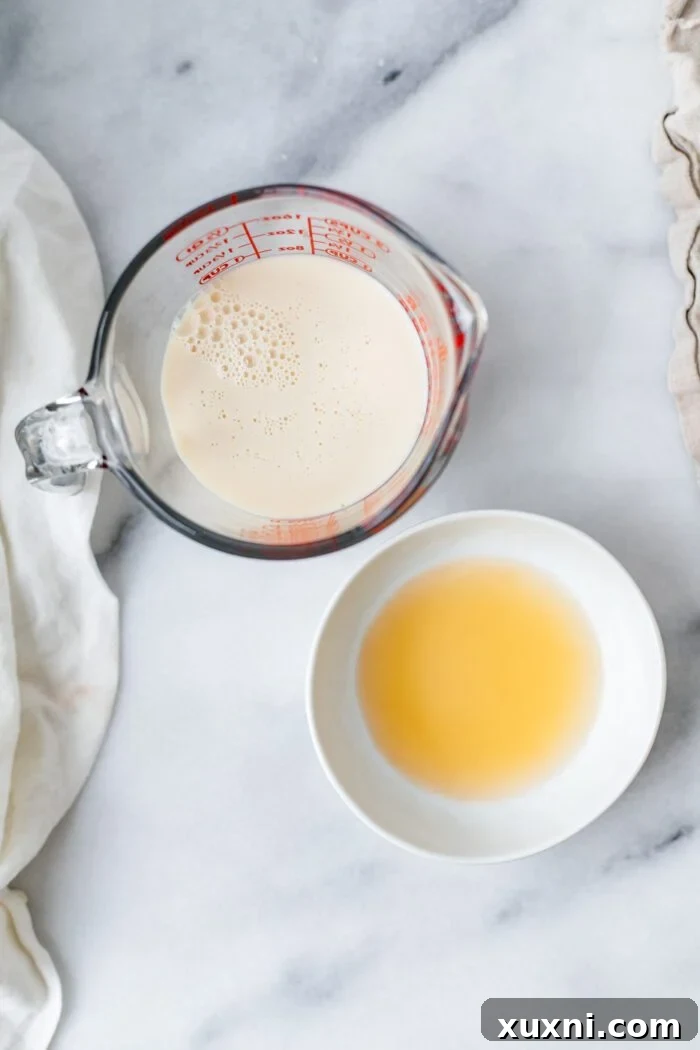
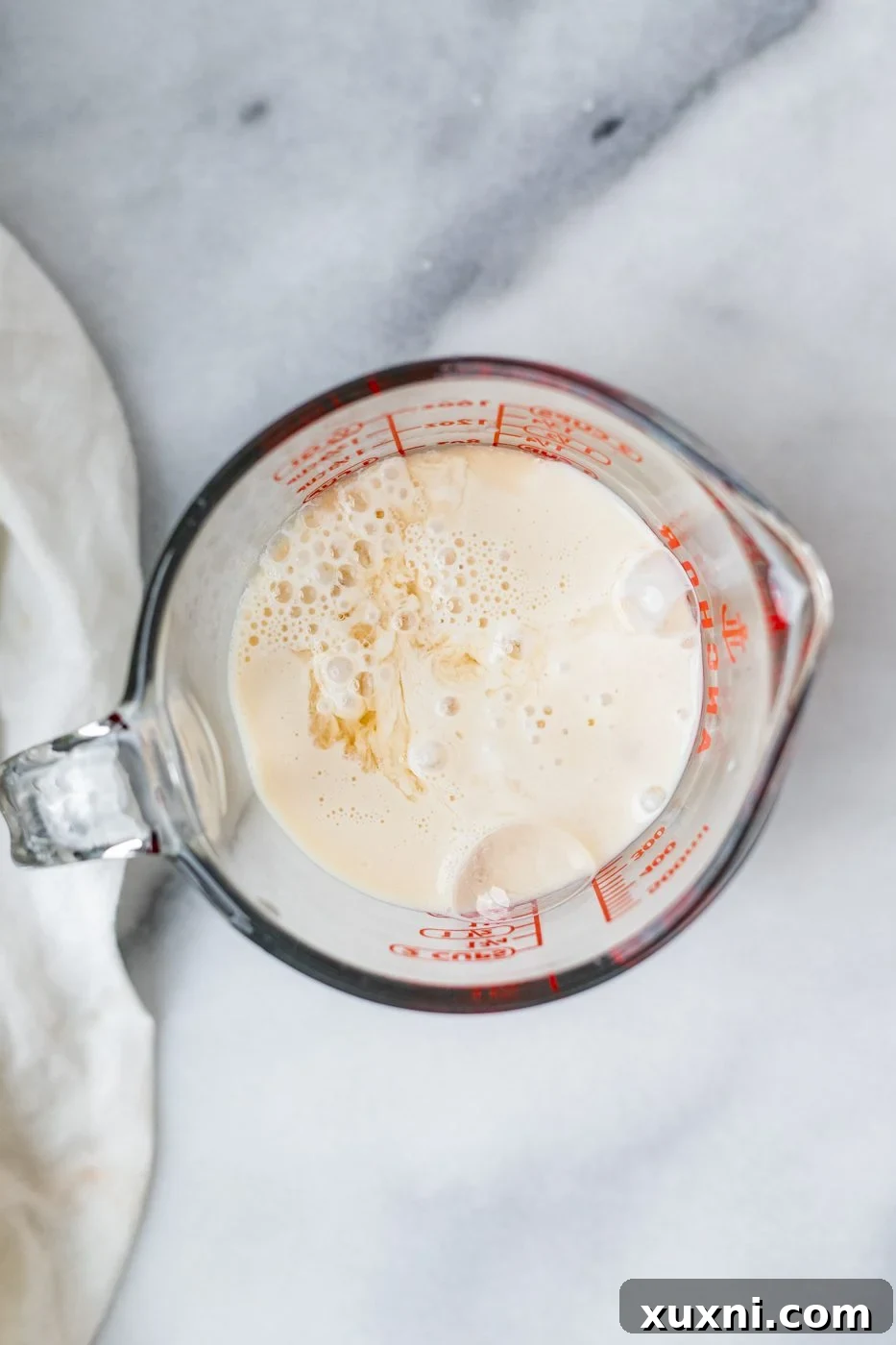
- Combine Dairy-Free Milk and Acid: Begin by pouring your chosen dairy-free milk into a bowl or a mason jar. Add the apple cider vinegar (or your preferred acid) to the milk. The ratio is crucial here: typically, 1 tablespoon of acid per 1 cup of plant milk. Give the mixture a gentle whisk or stir to ensure the acid is well distributed throughout the milk. You’ll immediately notice a slight change in consistency, but the true magic happens in the next step.
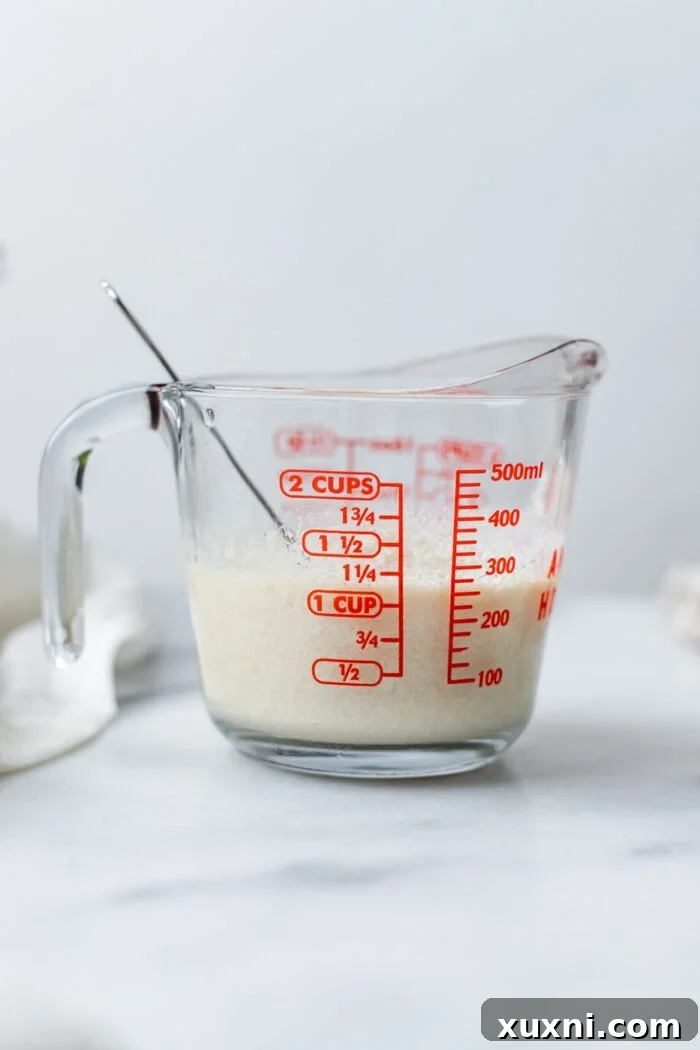
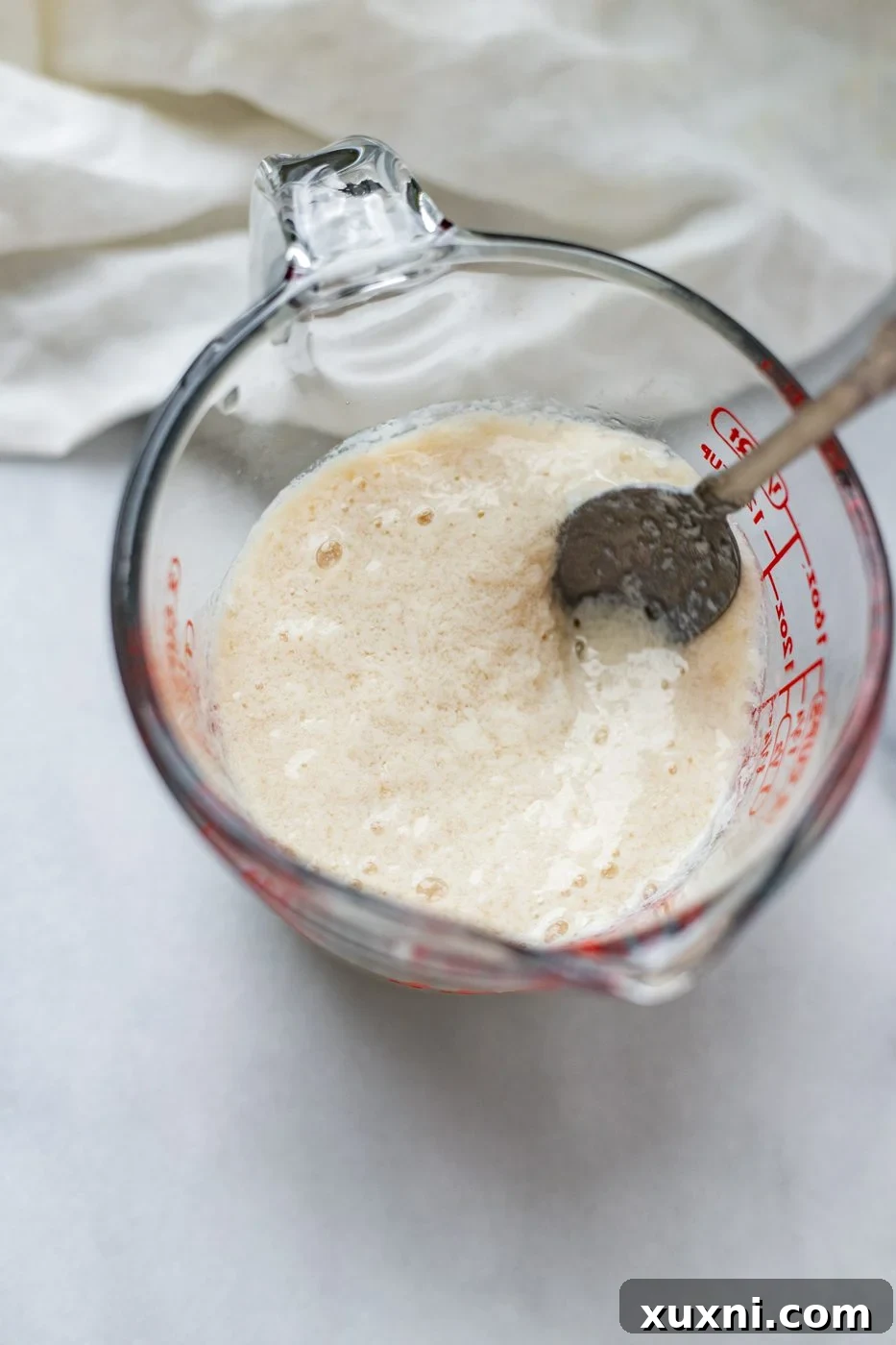
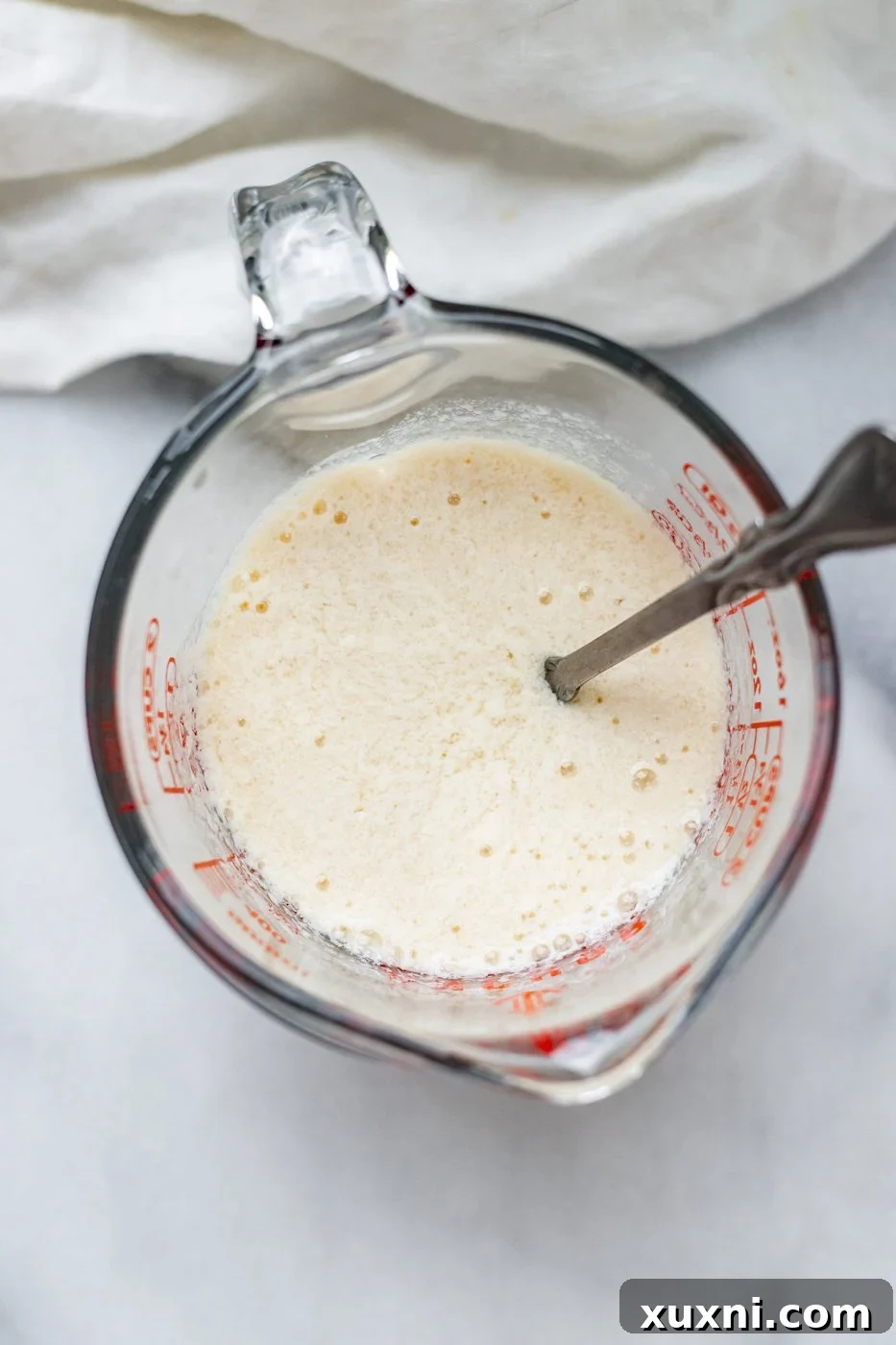
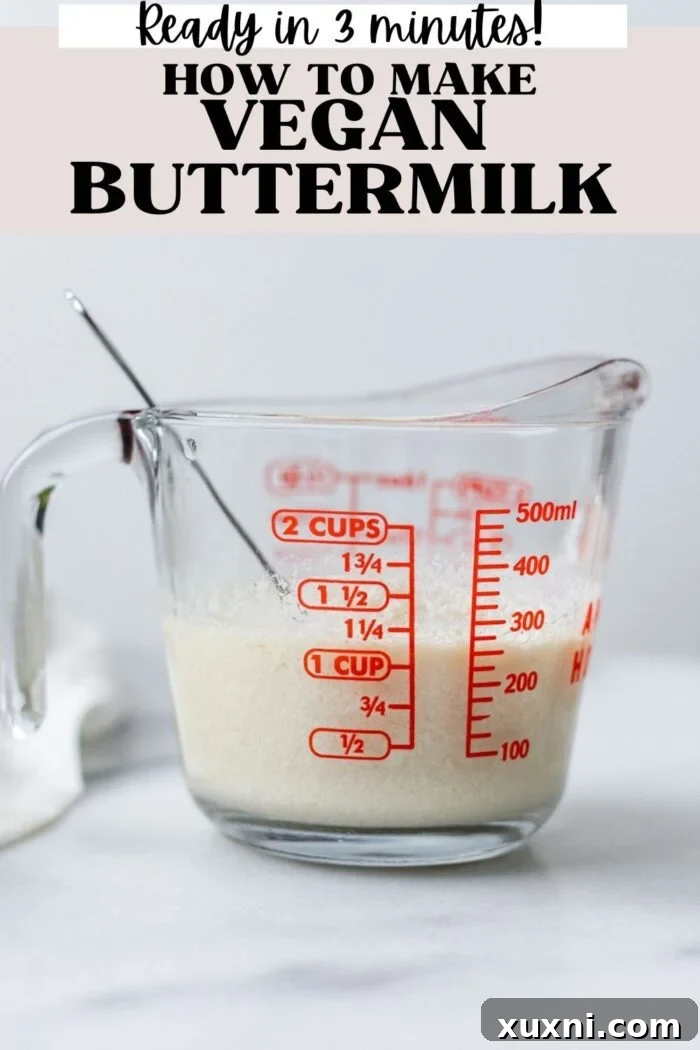
- Allow to Curdle and Thicken: Once stirred, set the mixture aside undisturbed at room temperature for 5 to 10 minutes. During this brief resting period, the acid will begin to react with the proteins in the plant milk. You’ll observe visible curdles forming and the milk thickening slightly, taking on the characteristic appearance of traditional buttermilk. The more prominent the curdles, the more effective your vegan buttermilk will be in your recipe.
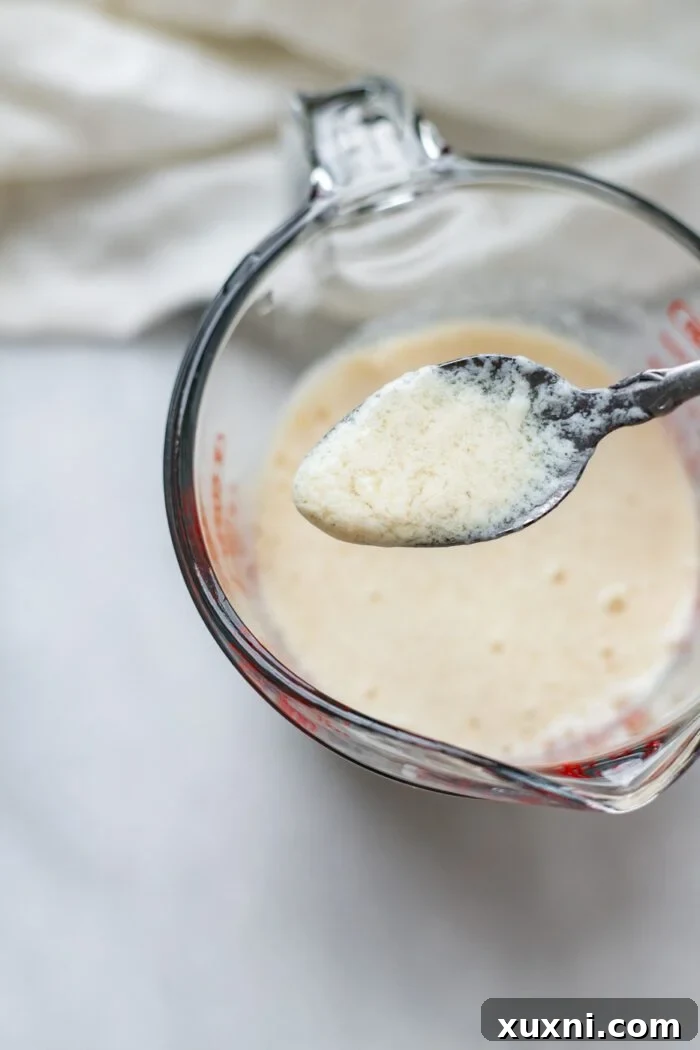
- Ready for Use: Your homemade vegan buttermilk substitute is now ready to be incorporated into your vegan baking recipe! Give it one final quick whisk before adding it to your batter or dough to ensure a uniform consistency. If you’re not using it immediately, follow the storage guidelines mentioned above for refrigeration or freezing. This simple, two-ingredient process yields a powerful ingredient that will transform your plant-based bakes!
Choosing Your Base: Which Dairy-Free Milk is Best for Vegan Buttermilk?
The choice of dairy-free milk is paramount when making vegan buttermilk, as its protein content directly influences how effectively it curdles and mimics traditional buttermilk. While many plant-based milks exist, some are certainly superior for this specific application.
Truthfully, **unsweetened soy milk and almond milk** are generally considered the best dairy-free milks for creating vegan buttermilk. This is primarily because they contain a higher protein content compared to other plant milks. When the acid (like apple cider vinegar or lemon juice) is introduced, it reacts with these proteins, causing them to coagulate and form the distinctive curdles that give buttermilk its thicker texture and acidic properties. The visual curdling is a good indicator that the chemical reaction is taking place and your buttermilk is functional.
You will also find that **unsweetened oat milk** is a decent option and will curdle to some extent, though often not as prominently as soy or almond milk. Its protein content is moderate, providing a satisfactory reaction for most baking needs. Therefore, unsweetened almond, soy, and oat milks are typically your top three choices for consistent and effective vegan buttermilk.
**Coconut milk**, on the other hand, presents a different scenario. It is largely composed of fat and contains very little protein, which means it **will not curdle** in the same way soy or almond milk does when acid is added. You won’t see those distinct clumps or thickening. However, this doesn’t mean you can’t use it! If your recipe primarily relies on the acidic reaction for leavening (e.g., to activate baking soda), coconut milk can still be used. The vinegar will still react with the baking soda, creating the necessary gas for rise, even without the visual curdling. Just be aware that the texture of your final baked good might be slightly different if the recipe also depends on the buttermilk’s thicker consistency. For recipes where curdling is desirable for texture, stick to soy or almond. For leavening, coconut milk can still perform the chemical function.
Elevate Your Bakes: Delicious Vegan Recipes Utilizing Vegan Buttermilk
Once you’ve mastered the art of making your own vegan buttermilk, a world of plant-based baking possibilities opens up! This versatile ingredient can transform ordinary recipes into extraordinary culinary delights. Here are some incredible vegan recipes where homemade vegan buttermilk truly shines, adding essential moisture, tender texture, and that signature tangy flavor:
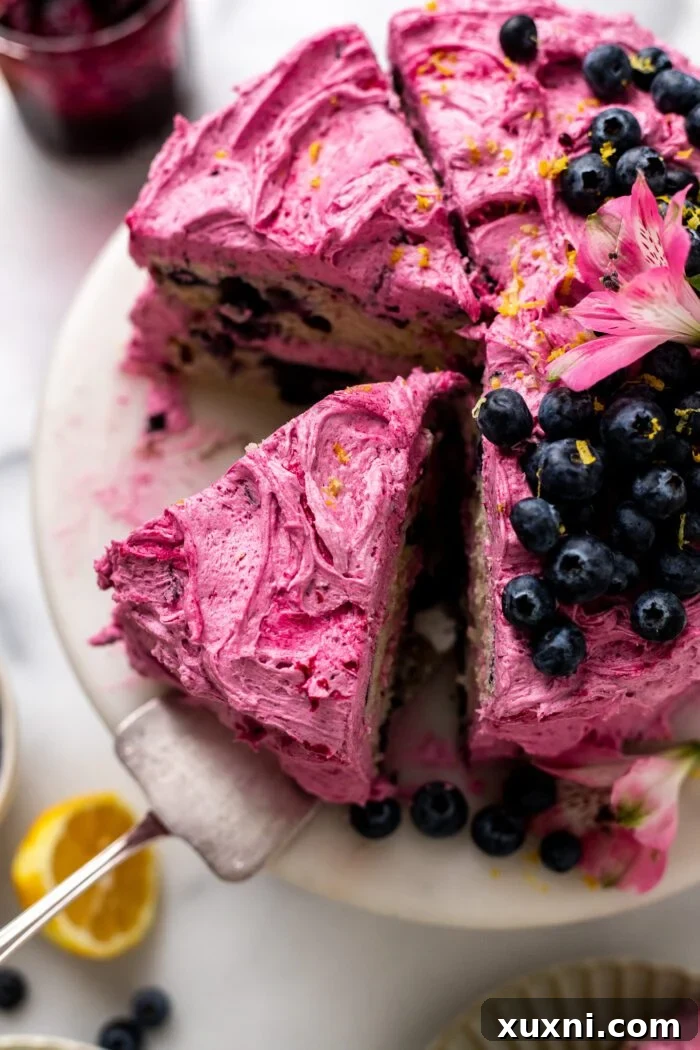
- Best Vegan Vanilla Cake: Vegan buttermilk is critical for achieving a light, fluffy crumb and adding a subtle tang that balances the sweetness, making every slice irresistible.
- Vegan Red Velvet Cake: The acidity of vegan buttermilk is essential here, not just for tenderizing the cake but also for helping to bring out the vibrant red color and contributing to its classic, moist texture.
- Vegan Buttermilk Biscuits: These wouldn’t be “buttermilk” biscuits without it! The vegan buttermilk reacts with the baking soda to create tall, flaky layers and imbues them with that unmistakable, savory tang.
- Vegan Buttermilk Pancakes: For the lightest, fluffiest pancakes with a slight tang, vegan buttermilk is a must. It ensures a tender interior and a beautiful rise, making breakfast a delightful experience.
Don’t limit yourself to these suggestions; vegan buttermilk can enhance nearly any baked good where traditional buttermilk is called for, from cornbread to muffins, ensuring consistently delicious and perfectly textured plant-based treats.
Craving more delicious vegan recipes? Save this guide for later by adding it to your favorite recipe board on Pinterest!
If you embark on this simple journey to make your own vegan buttermilk, please be sure to leave a comment and a rating ⭐️⭐️⭐️⭐️⭐️ below to share your experience. Your feedback helps others discover and trust these recipes! As always, I absolutely adore seeing your beautiful culinary creations, so don’t forget to tag me on Instagram and Pinterest when you use this recipe!
Print
How to Make Vegan Buttermilk (A Quick & Easy Guide)
5 Stars 4 Stars 3 Stars 2 Stars 1 Star
5 from 5 reviews
Author: Britt Berlin
Prep Time: 3
Total Time: 3 minutes
Yield: 1 1x
Category: Baking, Pantry Staples
Method: No Bake
Cuisine: American, Global
Diet: Vegan, Dairy-Free, Plant-Based
Description
This quick and easy vegan buttermilk is a two-ingredient wonder, ready in under 5 minutes, making it an indispensable asset for any non-dairy kitchen. It’s the ultimate vegan buttermilk substitute, perfect for transforming your vegan cakes into light, fluffy masterpieces, creating tender vegan buttermilk biscuits, and achieving airy vegan pancakes, alongside countless other plant-based baking delights!
Ingredients
Scale
- 1 cup (240 mL) unsweetened soy milk, almond milk, or oat milk*
- 1 tbsp apple cider vinegar (or other acidic alternatives)*
Instructions
- Combine & Whisk: In a medium-sized bowl or a clean mason jar, pour 1 cup of your chosen dairy-free milk (soy, almond, or oat work best) and add 1 tablespoon of apple cider vinegar. Whisk the mixture gently but thoroughly to ensure the acid is fully incorporated into the milk.
- Allow to Curdle: Set the bowl or jar aside at room temperature for 5 to 10 minutes. During this brief waiting period, the acid will react with the proteins in the plant milk, causing it to visibly curdle and thicken. You’ll observe small clumps forming, giving it the characteristic appearance and consistency of traditional buttermilk. This curdling indicates your vegan buttermilk is ready to activate leavening agents in your recipes.
- Use or Store: Your homemade vegan buttermilk is now ready to be used immediately in your baking recipes. For optimal results, fresh is always best! If you have any leftover or prepared it in advance, cover it tightly and store it in the refrigerator for up to 2-3 days. Remember to give it a quick stir before each use, as some separation is natural. This recipe yields 1 cup of buttermilk; please adjust quantities as needed for your specific recipe requirements.
Notes
Dairy-Free Milk Choice: For the most noticeable curdling and authentic buttermilk texture, unsweetened soy milk and almond milk are highly recommended due to their higher protein content. Unsweetened oat milk will also curdle, though typically to a lesser degree. Coconut milk, being mostly fat, will not curdle visibly, but its acidity will still react with baking soda to provide leavening in recipes. Choose your milk based on whether visual curdling or purely acidic reaction is more important for your specific bake.
Acidic Substitutions: While apple cider vinegar offers a mild, pleasant flavor, you can effectively substitute it with other common acidic liquids. Lemon juice provides a brighter, more pronounced tang. White vinegar is a neutral and robust option for curdling. White wine vinegar offers a slightly milder acidity. Ensure you use a 1:1 substitution ratio for any of these alternatives to achieve similar results.
Yield Adjustment: This recipe is designed to yield 1 cup of vegan buttermilk. Easily scale the recipe up or down by maintaining the 1 tablespoon of acid per 1 cup of milk ratio to meet the exact requirements of your baking project, minimizing waste and ensuring precision.